What Makes the Best Metal Roofing for Commercial Buildings?
2026-08-19 20:39:53
Choosing the right roofing system for a commercial building determines long-term durability, operational costs, and structural integrity. The best metal roofing combines superior weather resistance, energy efficiency, and minimal maintenance requirements. A commercial standing seam roof stands out as the premium solution because it features concealed fasteners and raised interlocking seams that eliminate water penetration risks while allowing thermal movement. Unlike exposed fastener systems that degrade over decades, this design delivers weather-tight performance across warehouses, retail complexes, and institutional facilities with lifespans exceeding 40 years.

Understanding Commercial Standing Seam Roofs: Overview & Core Benefits
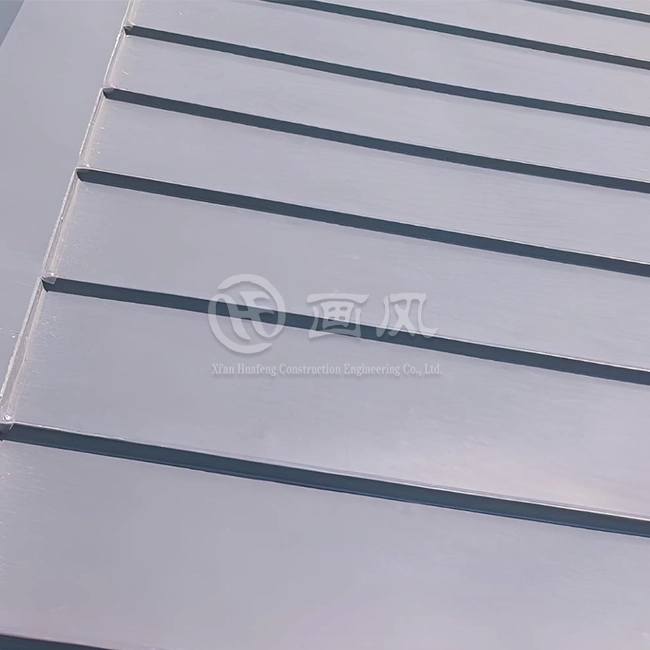
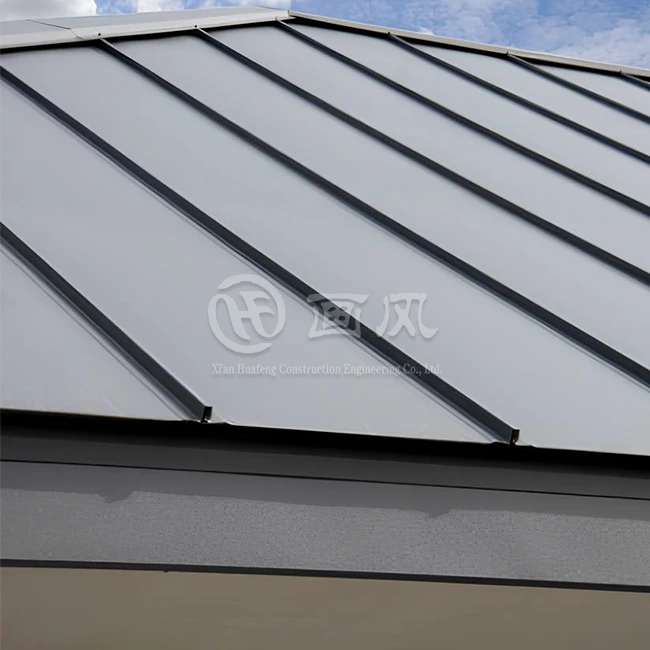
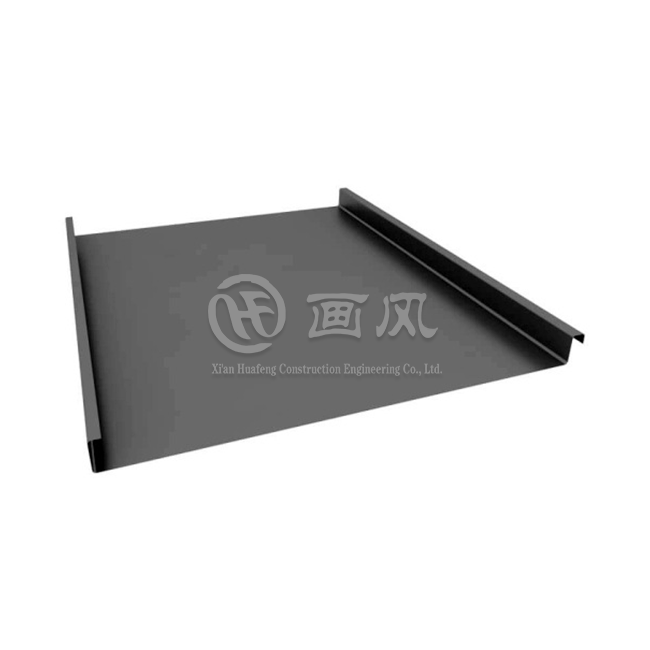
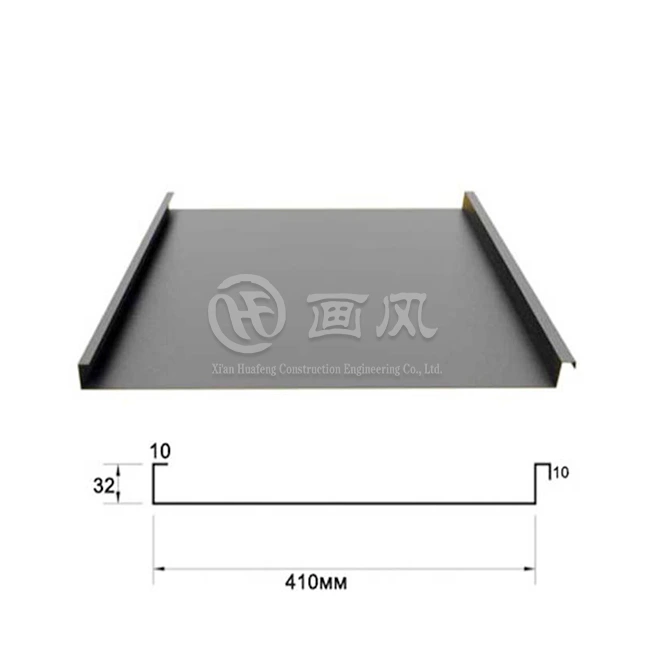
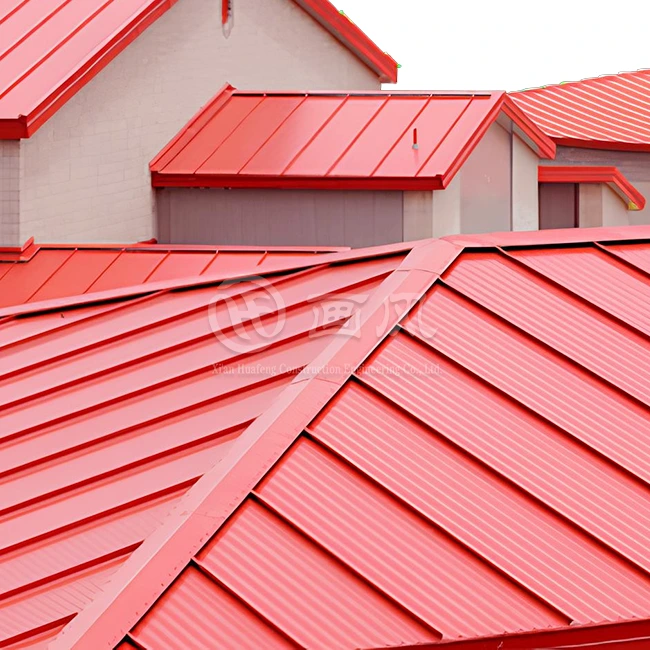
The commercial standing seam roof is a designed type of metal covering where vertical metal panels fit together with raised seams that stick out above the flat surface. This arrangement makes a constant shield against water getting in. Traditional screw-down panels often have problems with fasteners rusting, but the concealed clip method connects panels to the structural deck without going through the obvious weather surface.
Material Composition and Performance
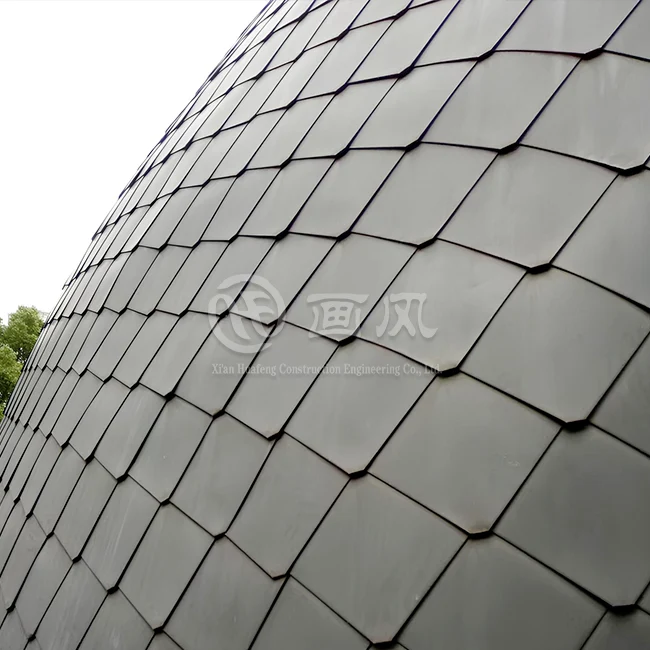
High-quality metals made for commercial settings are used in standing seam systems. The aluminum-zinc alloy layer on galvalume-coated steel makes it very resistant to corrosion, making it perfect for a wide range of temperatures. Aluminum alloy panels are strong, light, and naturally resistant to rust. This is especially useful near the coast, where salt air breaks down metal faster. Copper and stainless steel are both good choices for building projects that need to look good and be strong.
HF makes panels from steel, stainless steel, copper, titanium zinc, aluminum alloy, and more. The width of the panels ranges from 0.5mm to 1.2mm. These requirements are in line with foreign standards and have been approved by ASTM, DIN, JIS, BS, and GB/T. The PVDF and PE finishes don't break down when exposed to UV light, and the colors stay stable even after decades of sun exposure. Independent testing by SGS shows that HF's aluminum panels have a zero ignition index and meet all 13 performance standards for AAMA 2605-22 coatings.
Core Advantages for Commercial Applications
It is possible to measure the practical and financial benefits of metal roofing systems that are built on standing seam design. The main problem with visible screw systems is that the fasteners can back out because of changes in temperature. The hidden fastener design gets rid of this problem. When the temperature changes, panels expand and contract. The floating clip system lets the panels move without putting stress on the connection points.
When installed properly, weather resistance meets Class A fire ratings and wind uplift ratings of more than 160 mph. The profile of the seams that fit together creates a hydrokinetic barrier that effectively sheds water, even on low-slope projects with a 1:12 pitch. This performance trait opens up more design options for business buildings that can't have certain roofs because of water issues.
Technologies that use shiny coatings to stop sun heat from absorbing energy make homes more energy efficient. In the summer, buildings don't need to cool as much, so the costs of running the HVAC system are lower. The raised seam shape creates air spaces that improve thermal efficiency by letting air flow and keeping the temperature of the roof deck moderate.
Comparing Commercial Standing Seam Roofs with Other Commercial Roofing Systems
When making a purchase choice, it's helpful to know how a commercial standing seam roof compares to other types of industrial roofing. Built-Up Roofs (BUR) are made up of several layers of bitumen and reinforcing fabrics. They are waterproof, but they need to be replaced every 15 to 20 years. Installation requires applying hot asphalt, which raises safety concerns and limits schedule options based on weather conditions.
Installing Thermoplastic Polyolefin (TPO) single-ply membranes is a cheap first step, usually costing between $5 and $7 per square foot. But seam integrity depends on heat-welded joints that can break if the heat is too strong or the installation isn't done right. Membrane tear risk means that traffic needs to be carefully managed, and there is less freedom in where equipment can be placed on rooftops.
Modified Bitumen systems are better than traditional BUR because they use polymers to make them work better, but they can only last 20 to 25 years. These films soak up solar energy, which makes cities hotter and makes buildings need more cooling than they would with reflective metal options.
Traditional metal roofs with visible fasteners costs less at first—about $4 to $6 per square foot—but needs more upkeep over time. As washers wear out and screws loosen from thermal cycles, possible leak places are made where fasteners go through the weather surface. Every 15 to 20 years, fasteners need to be replaced because their strength is decreasing.
The initial cost of installing standing seam metal roofing is higher, at $8 to $12 per square foot, but it lasts for 40 to 60 years with little upkeep. The design of hidden fasteners prevents weather surface penetrations, which greatly lowers the risk of leaks. Total cost of ownership estimates always favor standing seam systems when looking at buildings that will be used for many years.
How to Choose the Best Commercial Standing Seam Roof for Your Project
To choose the right commercial standing seam roof system, you have to match the technical requirements to the specifics of the project. The type of building affects the choice of material. For example, steel panels are often used in industrial warehouses because they are strong and cost-effective, while aluminum is better at resisting corrosion in salt air environments and is better for commercial developments along the coast.
Climate Considerations and Material Selection
The standards for coating and seam height are based on the weather trends in a given area. In places where it snows a lot, the panels need to be strong enough and have seam shapes that make it easy for snow to slide off. HF's seam height choices range from 38 mm to 76 mm, so they can handle a wide range of weather needs while still looking good.
Extreme temperatures change the way thermal movement estimates are done. Longer panel runs in hot places need careful clip spacing to let the panels expand without oil-canning, which is the waviness that you can see when panels are compressed. This problem is less noticeable with heavier gauge materials, and thicknesses ranging from 0.7mm to 1.2mm make them more stiff.
Coating Technology and Warranty Alignment
When compared to polyester coatings, PVDF resin-based coatings are better at resisting chalk and keeping their color. This difference is important for commercial buildings whose upkeep affects both their value and the happiness of their tenants. HF's 30-year guarantee on its standing seam goods shows that the company is sure that the coating will last and the structure will stay strong.
Independent testing by SGS certifies that performance claims are true. The metal panels made by HF meet EU RoHS environmental guidelines because they don't have any lead, mercury, cadmium, or restricted phthalates that can be found. This approval is useful for projects that want to be recognized as green buildings or that have to follow strict environmental rules.
Supplier Evaluation and Procurement Optimization
The power to manufacture has a direct effect on how long a job takes and how much it costs. HF runs three plants with more than 40 machines and seven production lines that can make 1,000 tons of goods every month. This production scale works for big commercial projects that need to cover a lot of square footage within a tight time frame. The 15–20 day shipping window lets you plan your job perfectly and lowers the risk of being behind schedule.
Minimum order quantities (MOQs) limit the purchasing options available. HF's 500-square-meter MOQ works for medium-sized business projects without requiring bulk inventory purchases. Customization options, such as RAL color matching, make sure that the design concept is translated into the real world without affecting performance standards.
Installation Process and Maintenance Best Practices for Commercial Standing Seam Roofs
Preparing the foundation is the first step in a proper fitting for a commercial standing seam roof. To keep the panels from warping, the roof deck or purlin system has to be within 1/4 inch of being flat over 20 feet. If you don't follow this specification, you might see oil canning and have problems with seam engagement, which makes the structure less weatherproof.
Quality Assurance During Installation
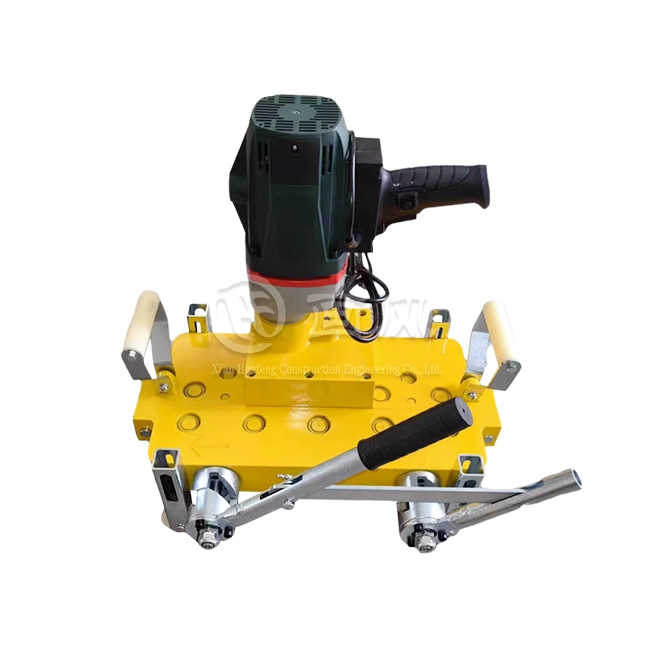
The distance between clips is set by the maker based on the panel's size and wind zone rating. Under-spacing wastes money on materials and raises costs, while over-spacing lowers uplift resistance below what is needed by design. Calibration checks must be done on mechanical seaming equipment. Weak seams that are open to wind-driven rain are caused by under-crimping, while over-crimping harms protective coats and lowers corrosion resistance.
Panel alignment needs to be done carefully throughout the installation process to keep the seam lines straight and the overlaps properly engaged. Field roll-forming operations work better with continuous panels that are longer than 200 feet because they don't have any end-lap joints that could cause leaks. This feature comes in handy for warehouse and distribution center projects with large, uninterrupted roof lines.
Maintenance Protocols for Lifecycle Optimization
Standing seam roofs don't need as much care as membrane roofs, but regular checks can find small problems before they get worse and cost a lot to fix. Seam strength should be checked once a year, especially at transition points around penetrations and roof edges, where wind forces are strongest.
Getting rid of debris stops the buildup of biological material that keeps water on metal surfaces. Corrosion-resistant coatings offer strong defense, but prolonged exposure to water speeds up the breakdown process. Cleaning the coating with water and non-abrasive tools is all that's needed to keep it looking good.
During checks, thermal growth issues are still important to think about. There shouldn't be any warping or movement in the clips, which means the screen can move freely. Any set places that stop heat from expanding create stress concentrations that show up as broken fasteners or distorted panels over time.
Environmental and Energy Efficiency Advantages of Commercial Standing Seam Roofs
Metal roofing, including the commercial standing seam roof, helps companies meet their environmental goals in a number of important ways. Because steel, aluminum, and copper can be recycled naturally, materials that are no longer useful are reused in production instead of ending up in landfills. Many metal roofing products have a lot of recycled material in them, which means they have less embodied energy than products made from new materials.
Solar reflectance directly lowers the amount of energy a building uses. Modern PVDF coatings use cool pigment technologies that reflect both visible and infrared bands of solar energy. This keeps buildings from getting too hot inside. As a result of this performance, the HVAC load is reduced, and studies show that commercial buildings that have metal roofs save 15 to 25 percent of their cooling energy.
Standing seam roof specifications are good for getting LEED approval. Multiple credit categories are met by the system, such as Materials & Resources (recycled content), Energy & Atmosphere (cool roof performance) and Innovation in Design (built-in solar PV mounting capabilities). Using non-penetrating clamps, the raised seam shape makes a natural rail for attaching solar panels. This keeps the roof warranty in place and allows green energy production.
Getting rid of urban heat islands is another good thing for the earth. When compared to dark material options, reflective metal roofs lowers surface temperatures by 50 to 70°F. This lowers the heat island effect in business districts and lowers the air temperature in the areas around them.
Conclusion
Through designed design, the best metal roofing for business buildings protects against the weather, saves energy, and has a high lifecycle value. These goals are met by commercial standing seam roof systems that use hidden closures, heat movement accommodations, and long-lasting coating technologies. Which material to use—steel, aluminum, copper, or unique alloys—depends on the weather and the needs of the job. With proper installation and little upkeep, a commercial standing seam roof will work reliably for decades, and being able to be recycled and reflecting sunlight will help meet sustainability goals. When making a purchase choice, it's better to look at the total cost of ownership than just the original price. This is because premium systems offer better long-term value by lasting longer and needing less maintenance.
FAQ
1. What lifespan can procurement teams expect from standing seam metal roofs?
Standing seam systems can last between 40 and 60 years, but this depends on the material used and how it is exposed to the elements. In mild climates, steel panels with PVDF coatings usually last longer than 50 years. In coastal areas, aluminum panels last longer than 60 years. This lasts a lot longer than membrane options, which need to be replaced every 15 to 25 years. HF stands behinds its goods with a 30-year guarantee that covers the performance of both the material and the coating.
2. Can standing seam roofs accommodate solar panel installation without voiding warranties?
Of course. Using special clamps that grip the seam physically without going through the roof, the raised seam profile is a great place to attach solar panels. This non-penetrating mounting method keeps the guarantee valid and allows for the production of green energy. In most cases, standing seam systems that are placed correctly can handle normal sun loads without the need for extra support.
Partner with HF for Commercial Standing Seam Roof Solutions
Choosing a good commercial standing seam roof supplier is important for the success of the project because of the quality of the products, the dependability of shipping, and the technical support. HF runs three factories with a total of seven production lines. Each month, they can produce 1,000 tons of goods to help large commercial projects all over the United States. Our standing seam panels are made to foreign standards like ASTM, DIN, JIS, BS, and GB/T. Our SGS-certified aluminum goods also pass strict tests for fire safety, RoHS compliance, and AAMA 2605-22 coating compliance.
We have a wide range of materials available, such as aluminum alloy, steel, stainless steel, copper, titanium zinc, and more. The thicknesses we offer range from 0.5mm to 1.2mm, and the seam heights from 38mm to 76mm. You can choose from PVDF and PE finishes in RAL and custom colors to make sure that your architectural vision comes true without sacrificing performance. Our delivery time of 15 to 20 days works with tight building plans, and our 500-square-meter minimum order size can be used for a wide range of project sizes. You can email our team at huafeng@hfmetalroof.com to get customized options and low prices from a commercial standing seam roof manufacturer with a lot of experience.
References
1. American Architectural Manufacturers Association. AAMA 2605-22: Voluntary Specification, Performance Requirements and Test Procedures for Superior Performing Organic Coatings on Aluminum Extrusions and Panels. 2022.
2. Metal Construction Association. Technical Bulletin: Design and Installation Guidelines for Standing Seam Metal Roof Systems. 2021.
3. Kemp, William J. Lifecycle Cost Analysis of Commercial Roofing Systems: A Comparative Study. Journal of Building Economics, vol. 45, no. 3, 2023, pp. 187-204.
4. U.S. Green Building Council. LEED Reference Guide for Building Design and Construction: Metal Roofing Contributions to Sustainable Site Credits. 2020.
5. National Roofing Contractors Association. The NRCA Roofing Manual: Metal Panel and SPF Roof Systems. 7th edition, 2023.
6. Parker, Danny S., and John R. Sherwin. Measured Cooling Energy Savings from Reflective Metal Roofing in Commercial Buildings. ASHRAE Transactions, vol. 128, no. 2, 2022, pp. 412-429.





YOU MAY LIKE