How to Choose a Certified Commercial Standing Seam Roof Supplier
2026-08-19 20:39:51
Choosing a certified commercial standing seam roof supplier involves evaluating multiple critical dimensions: verifying international certifications like ISO 9001 or ASTM compliance to guarantee material integrity, assessing production capacity to meet project timelines, reviewing warranty coverage to protect long-term investment, and confirming technical support for installation guidance. This decision directly impacts your project's structural performance, regulatory approval, and total lifecycle costs, making supplier certification a non-negotiable baseline for risk mitigation.

Understanding the Decision Scenario: Why Choosing a Certified Supplier Matters
Going into a big roofing job without first checking out the suppliers feels like going into uncharted country without a map. Being certified is more than just paper work; it's what makes the difference between a roof that lasts for decades and one that fails inspection during building. When suppliers have credentials from well-known groups like ISO, SGS, or UL, it shows that they follow strict quality standards all the way through the manufacturing process.
Procurement managers are too aware of the risks that come with working with companies who aren't approved. When temperatures rise, panel gauges that aren't up to par can buckle, which voids warranties before the first winter even comes around. Materials that don't resist corrosion well are a nightmare to maintain, especially near the coast or in industrial areas where exposure to the environment speeds up wear and tear. Inspection failures that cause project delays lead to budget overruns and unhappy relationships with clients.
The financial implications for a commercial standing seam roof extend beyond initial purchase prices. A roof system designed for 30-year service that requires replacement in 15 years doubles your lifecycle expenditure. When non-compliant materials cause building failures or fire code violations, there are legal liability issues. These situations show why experienced builders ask for certified sellers in their RFPs.
From getting the raw materials to making the finished panel, certified manufacturers follow well-documented quality control methods. Their testing methods make sure that the wind uplift ratings, water resistance, and thermal cycling performance are correct in the lab, where conditions are made to be like real-life stress. This ability to track backwards and forwards is very helpful when the project needs to follow LEED guidelines or local building rules that specify certain fire ratings and structure load capacities.
Key Criteria to Screen Standing Seam Metal Roofing Suppliers
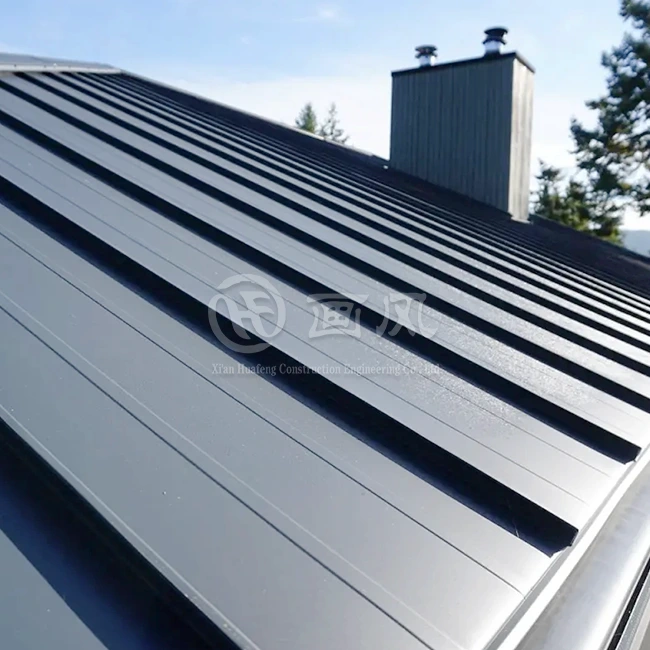
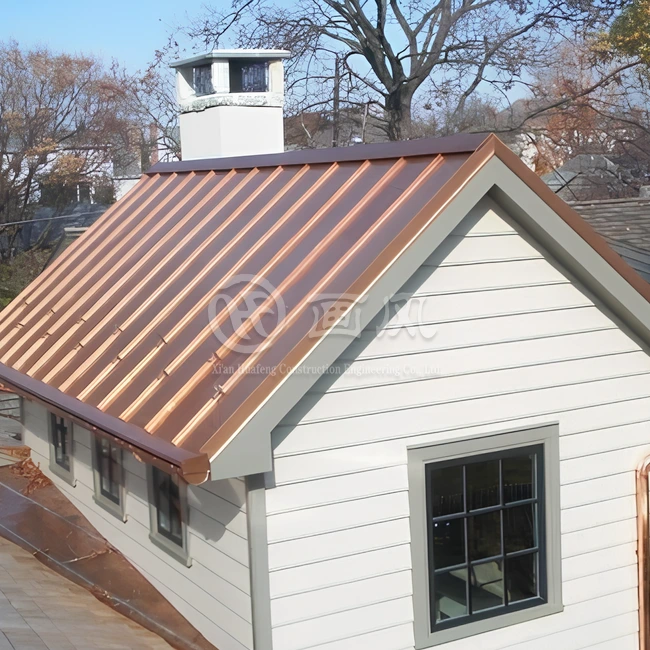
The composition of the material is the basis of all evaluation frameworks. Aluminum alloy walls don't rust as easily in salty settings, which makes them perfect for buildings or ports near the coast. In northern regions, steel walls coated with Galvalume make them strong enough to handle heavy snow loads. Copper and stainless steel look good in building projects where both function and appearance are important. Each material has its own benefits, and authorized suppliers can give mill certificates that list the alloys they use and how thick their coatings are.
The following requirements show that the product can be used in tough business settings:
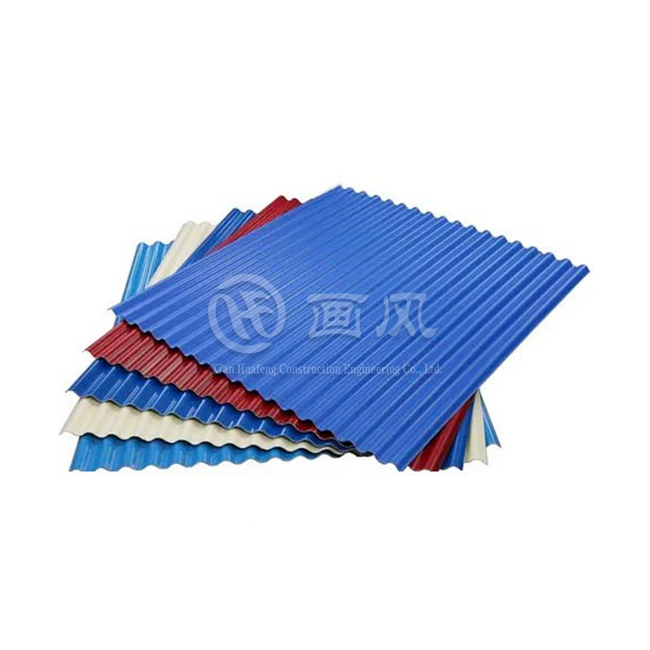
With panel thicknesses ranging from 0.5 mm to 1.2 mm, structural needs can be met according to building codes. Dents in thinner sizes are less likely to happen from hail and foot traffic during upkeep. Different needs for water drainage can be met by seam heights ranging from 38 mm to 76 mm. Taller shapes work best in low-slope situations where drainage patterns need extra protection against ponding. Coating choices, such as PVDF and PE finishes, affect how well colors stay true and don't chalk after years of UV exposure. PVDF versions meet the strict AAMA 2605-22 standard, showing excellent weathering performance through 13 different test factors, such as sticking to boiling water and being resistant to impacts.
The ability to provide technical help is what sets great providers of commercial standing seam roof systems apart from average ones. When conditions in the field are different from what is expected, installation instructions become very important. On-site talks from suppliers help contractors figure out how to prepare the substrate, how far apart the clips should be placed, and how to calibrate the seaming machine. These are all important details that affect whether the panels work as expected in wind uplift tests. Ongoing expert help takes care of problems that come up during a project before they become big enough to require changes or cause schedule delays.
Structures of warranties show how confident a company is in the quality of their products. A real 30-year warranty covers flaws in the material, the performance of the coating, and the strength of the structure under normal use. Reading the exclusions is just as important as reading the coverage period. Warranties should spell out what can be done to replace the panel, including the cost of labor and any other damages that happen as a result. After-sales service networks make sure that replacement panels fit the original specs years after they were first installed. This keeps the look of the roof consistent across repair or expansion sections.
Transparent price models help buying teams get a good idea of how much the whole project will cost. The initial cost of materials is only one part of the picture. Freight logistics, the dependability of lead times, and minimum order quantities all have an impact on cash flow and construction schedules. When suppliers list clear price ranges based on volume, material choice, and finish options, there are no surprises when the contract is signed. To figure out the lifetime value, you have to weigh the initial investment against the costs of repairs, the savings in energy use from reflective surfaces, and the number of times you need to replace the item.
Matching Supplier Offerings to Your Project Needs
Roofing systems have to meet different performance standards for different types of buildings. Metal panels with high solar reflectance indexes help manufacturing facilities that have heat-generating equipment by reflecting infrared radiation instead of absorbing it. This lowers the load on the HVAC system. For distribution centers that cover many acres, providers must be able to make panels that are longer than 200 feet in length, without any horizontal seams that could let water in. Office buildings that want to get LEED approval need proof of the amount of recycled substance and low-emitting material used.
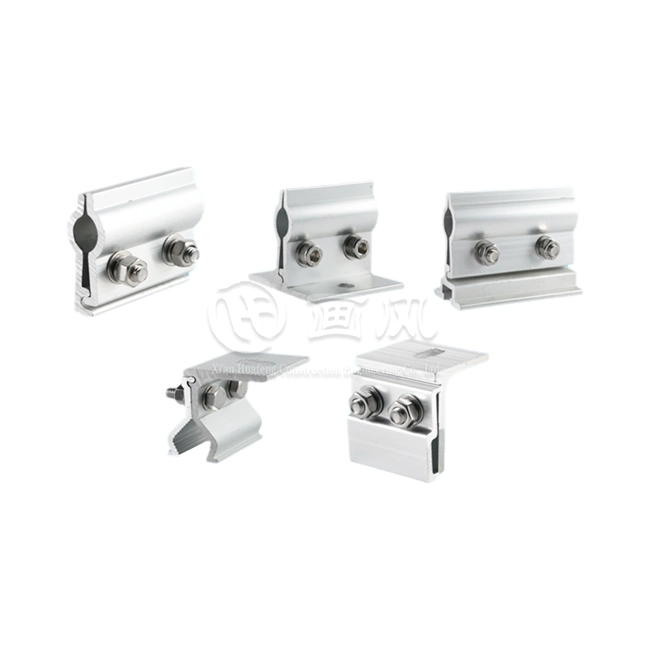
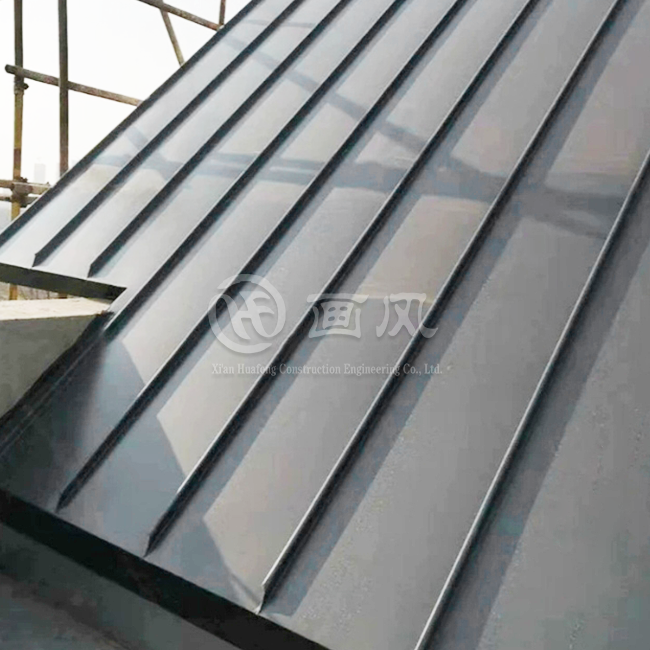
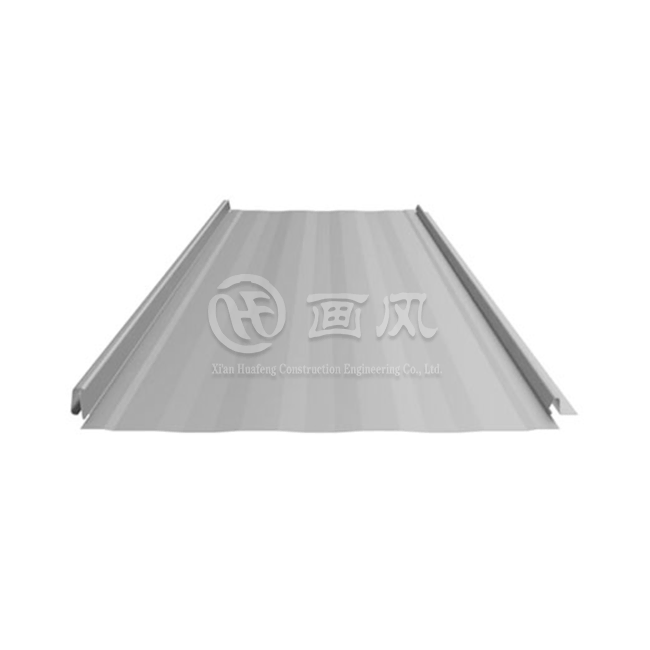
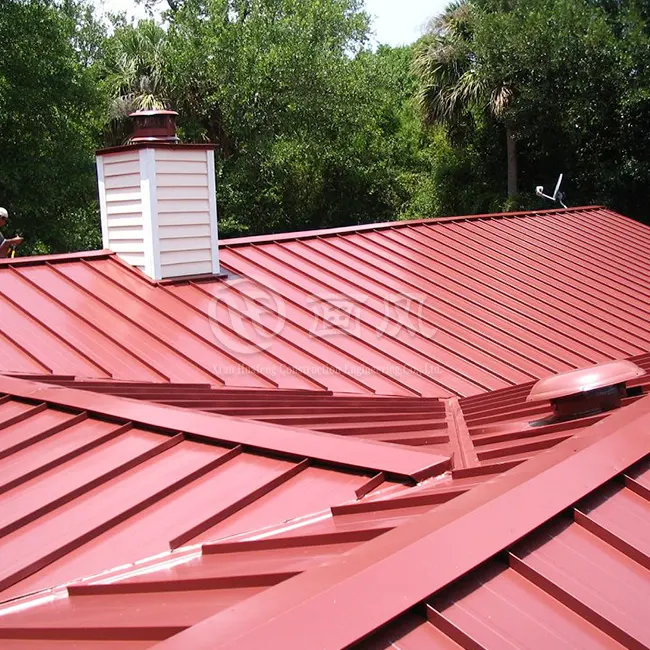
The choice of panel shape affects both how it looks and how it works. Snap-lock systems work well in architectural settings where installers care about keeping sightlines clear and using workers efficiently. These profiles fit together without motorized seamers, which speeds up the fitting process on roofs with complicated shapes. Mechanically seamed panels are better at keeping water out for low-slope applications. The double-lock seams create a continuous weather barrier that can withstand wind speeds of 160 mph or more, as shown by FM 4471 testing protocols.
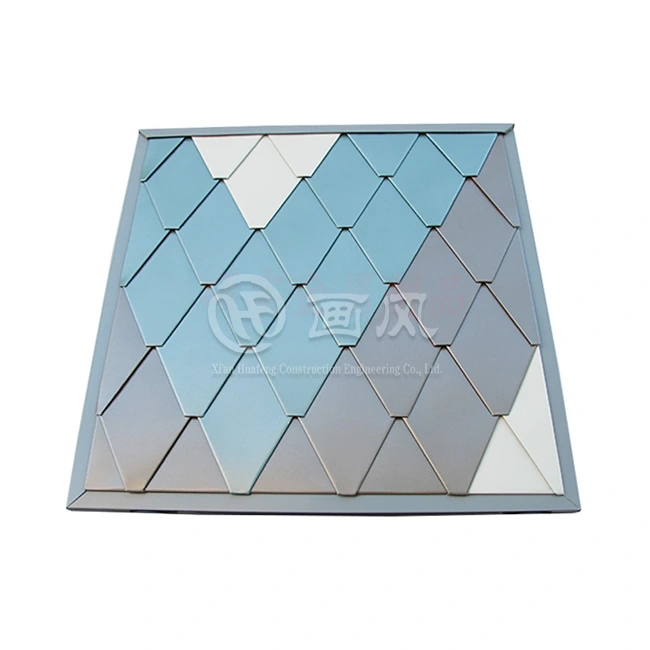
How well standard commercial standing seam roof goods fit with project-specific requirements depends on how customizable they are. Panel lengths that cover between 305 mm and 610 mm of space allow for structural bay spacing without too much waste when cutting in the field. To match colors to company branding or neighborhood design rules, sellers must have RAL and custom color formulations in addition to standard stock. Options for adding insulation, such as factory-laminated foam cores, meet thermal performance requirements in places where temperatures change a lot.
Scale issues in a project go beyond panel quantities and include how to carry it out logistically. A 50,000-square-foot warehouse renovation requires suppliers to keep a deep inventory so that items can be sent out quickly and with as little storage as possible on the job site. For 18-month new construction projects that include more than one building, suppliers must be able to produce more than 1000 tons of materials every month to make sure that supply dates are always in line with construction goals. Smaller projects can be accommodated by minimum order numbers of around 500 square meters, so buyers don't have to keep too much material on hand.
How HF Delivers Certified Excellence in Metal Roofing Solutions
HF runs three specialized factories with a total of seven dedicated production lines. This gives them the ability to meet both short-term small-scale needs and long-term growth projects. This infrastructure can handle a monthly output of 1,000 tons while keeping delivery windows of 15 to 20 days. This keeps construction schedules on track without the uncertainty that smaller regional suppliers face. More than 40 precise tools, such as automatic shearing equipment, programmable press brakes, and CNC punching systems, make sure that every panel is the same size.
We offer aluminum alloy, steel, stainless steel, copper, titanium zinc, and more. All of these materials meet international standards set by ASTM, DIN, JIS, BS, and GB/T. Engineers and building inspectors care about performance claims that are backed up by SGS-certified testing. Recent tests using AS/NZS 1530.3:1999 showed that none of the sample panels had any flame spread, and tests using EU RoHS compliance proved that the panels did not contain any lead, mercury, cadmium, or limited phthalates. The AAMA 2605-22 coating approval shows that our PVDF finishes can stand up to chemical exposure, impact loading, and hot water adhesion tests without peeling or changing color.
Our commercial standing seam roof systems come with a 30-year warranty, which shows that we are confident in them after following strict quality standards. This policy will protect your investment against coating failure, rust, and structural damage that happens under known service conditions. We keep detailed technical records for every project, which lets us match panels easily for future additions or repairs years after the initial installation.
To start customizing, you need to know what problems your building has. Whether you need better snow load capacity for stores in the north, reflective coatings to lower the cost of cooling, or exact color matching, our engineering team turns your needs into the best standards possible. We provide detailed installation instructions and are available for questions in the field during all stages of building. This makes sure that the clips are properly engaged and the seams form correctly, which is required for guarantee coverage.
Contact HF directly at huafeng@hfmetalroof.com if you are a procurement manager looking for a certified metal roofing provider that can handle large-scale business jobs and has clear quality standards. Our team gives you thorough quotes, sample panels to look at, and expert consultations that make it clear how our systems fit with the needs and budget of your project.
Steps to Finalize Your Choice: Evaluation and Purchase Process
The process of choosing a supplier ends with a set of checks that protect the buyer's interests. Ask for full quotes that include unit prices per square meter, freight terms, and lead time commitments broken down by project phase. Suppliers who are open and honest break down the costs of custom colors, different panel lengths, and extra parts like ridge caps and trim pieces. This makes the contract review process clearer.
Evaluation of a physical sample shows levels of quality that specifications alone can't show. Check the regularity of the panel's finish in direct sunlight, making sure the colors are the same and the coating is still intact. Compare the panel's measurements to the stated tolerances. Deviations that are larger than the industry standard show problems with the production process that show up as fitting problems. Check the clip contact devices to make sure they work smoothly and lock securely without needing too much force.
Claims made during sales presentations for the commercial standing seam roof are checked by certification audits. Check the ISO 9001 certificates to make sure that the quality control systems are still up to date. Check that the material meets certain standards by looking at test results from independent labs like SGS. Ask for client references from projects that are similar in size and purpose, and then get in touch with those references to talk about how reliable the delivery is, how quickly technical help responds, and how well the system works after installation.
As you negotiate a contract, make sure everyone knows what to expect when it comes to warranty terms, performance promises, and responsibility clauses. Set acceptance criteria for batches of panels, including how to handle materials that don't meet the standards that are found during installation. Make sure you have all the paperwork you need, like mill certifications, installation manuals, and upkeep instructions that will help you handle your assets for the long run.
Plan when to place orders based on building dates and make sure that material staging plans work with the way things are set up on the site. Check to see if the seller is ready to give you the sealed engineering drawings, wind load estimates, and fire rating certifications that you need to get permits. Set up ways for people to talk to each other so that questions from the field can be answered quickly and replacement panels can be sent out quickly if problems arise during installation.
Conclusion
Choosing a certified supplier for metal roofing systems is important for making sure that your project meets its goals for performance, budget, and timeline, and this is especially true when you are specifying a commercial standing seam roof. Reliable manufacturers can be told apart from those who make empty promises by carefully checking their certifications, material specifications, production capacity, and technical support. With three facilities, a wide range of materials that meet international standards, and a track record of 30 years of warranties, HF is the perfect partner for builders and investors who want to be sure about their roofing investments.
FAQ
1. What certifications should I prioritize when evaluating suppliers?
Quality management methods are confirmed by ISO 9001 certification, and material standards are confirmed by ASTM compliance. Reports from SGS tests provide independent confirmation of how well coatings work, how resistant they are to rust, and how safe they are in case of fire. The AAMA 2605-22 certification specifically checks how long a coating will last by doing thorough tests that include weathering. Suppliers with multiple licenses show that they are committed to clear quality standards.
2. How do I verify a supplier's production capacity claims?
Ask for tours of the facility or videos that show the production lines, material inventory, and quality control stations. Ask for case studies of recent projects that show delivery of volumes similar to yours. Find out how long their lead times are usually during busy building seasons to see if they have any capacity issues.
3. What warranty terms indicate a reliable supplier?
Legitimate guarantees spell out in plain English the coverage periods, ways to fix material flaws, and things that the warranty does not cover. Manufacturing trust is shown by thirty-year warranties that cover the purity of the coating and the performance of the structure. Make sure the person who owns the guarantee is financially stable and will be around for a long time. Warranties don't mean much if the company that issued them goes out of business before the service period ends.
Partner With HF for Your Next Commercial Roofing Project
Procurement professionals with a lot of experience know that relationships with suppliers are more than just buying things. With three factories and seven production lines, HF has a lot of industrial depth. This means that we can provide solid supply chains for projects ranging from 500-square-meter renovations to multi-building developments. Our adherence to ASTM, DIN, JIS, BS, and GB/T standards gives you the proof of compliance your permitting process needs. SGS-certified testing backs up performance claims with proof from a separate lab. You can email our expert team at huafeng@hfmetalroof.com to talk about how our commercial standing seam roof systems can help you with your project's needs, delivery schedule, and budget.
References
1. American Architectural Manufacturers Association, "Voluntary Specification for Performance Requirements and Test Procedures for Superior Performing Organic Coatings on Aluminum Extrusions and Panels," AAMA 2605-22, 2022.
2. ASTM International, "Standard Specification for Steel Sheet, Zinc-5% Aluminum Alloy-Coated by the Hot-Dip Process," ASTM A792/A792M, 2023.
3. Metal Construction Association, "Technical Bulletin: Wind Design Guide for Metal Roof Systems," MCA Publication Series, 2021.
4. National Roofing Contractors Association, "The NRCA Roofing Manual: Metal Panel and SPF Roof Systems," 2023 Edition.
5. SGS North America, "Building Materials Testing and Certification: Quality Assurance in Construction," Technical White Paper, 2024.
6. Whole Building Design Guide, "Metal Roofing Systems: Design Considerations for Commercial and Institutional Buildings," National Institute of Building Sciences, 2023.





YOU MAY LIKE