How to find commercial standing seam roof providers
2026-08-19 20:39:49
It’s important to know where to seek and what to prioritize to find the ideal commercial standing seam roof suppliers. First, you want to find suppliers with established production capabilities, certificates per ASTM, DIN or GB/T standards and a history of projects in your industrial area. We have direct access to pre-screened manufacturers via B2B platforms, industry directories, and trade exhibitions. Assess vendors in terms of manufacturing capabilities, materials (aluminium alloy, steel, stainless steel, copper, titanium zinc), customizing ability and lead times. Give preference to providers that give full warranties – usually 30 years or more – and who have technical experience with mechanically seamed or snap-lock systems for low-slope applications.

Introduction
The success or failure of your business job will depend on how well you choose your metal roofing partner. Procurement managers, engineers, and business property owners all know that the choice of roof can have long-lasting effects on how well a building works, how much it costs to maintain, and how energy efficient it is. When looking for commercial standing seam roof systems, this guide will help you with the most important procurement issues, such as finding qualified suppliers and negotiating contracts that protect your investment. We'll go over some useful steps that are based on industry standards, real-world requirements, and the performance standards that are most important for big building projects in the US. You can get durable, cost-effective roofing solutions that meet both structural integrity and green goals if you know how to handle the provider market. This is true whether you're building a warehouse, a shopping complex, or a LEED-certified building.
Understanding Commercial Standing Seam Roofs: What You Need to Know
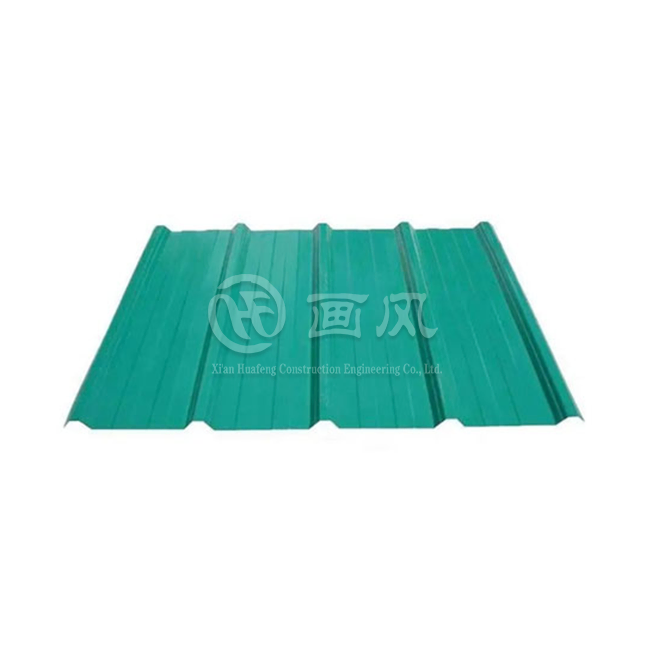
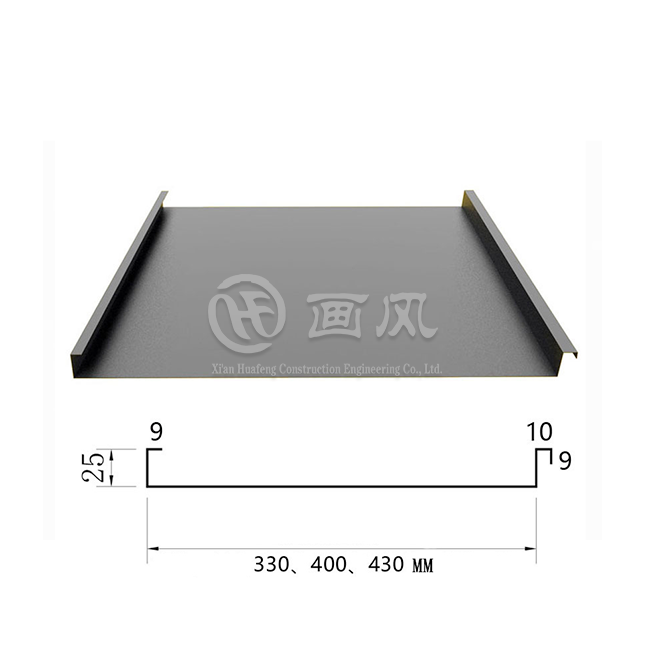
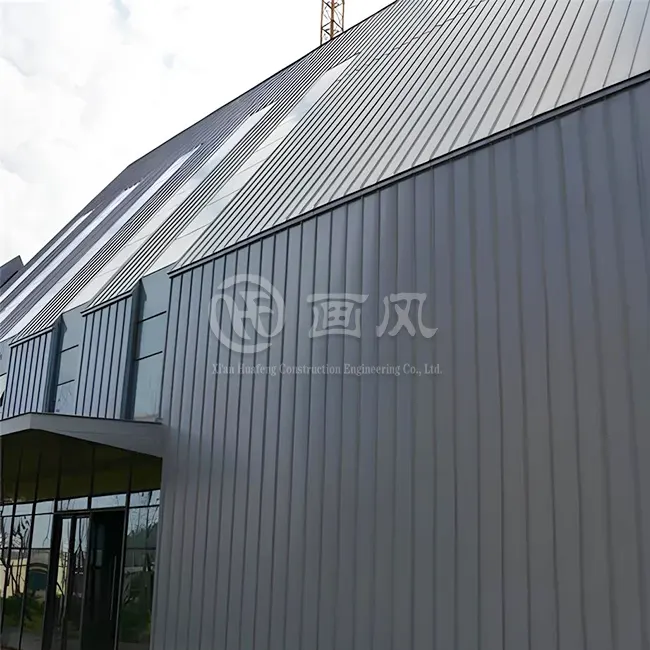
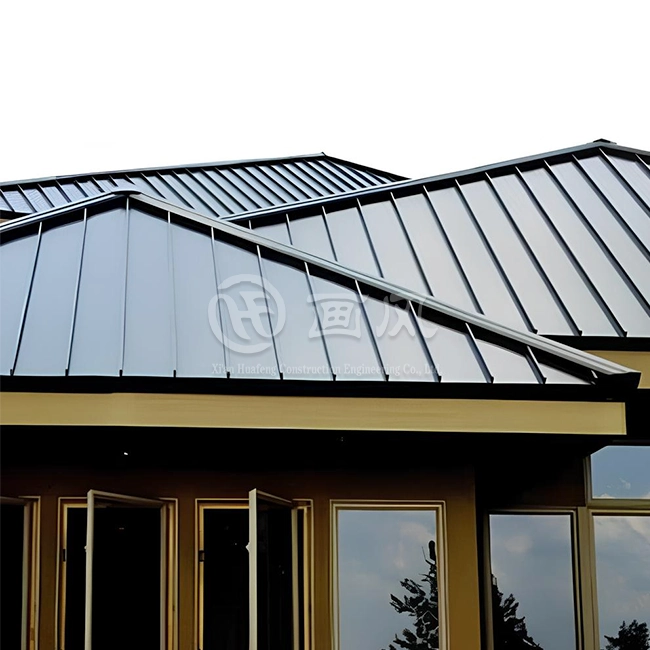
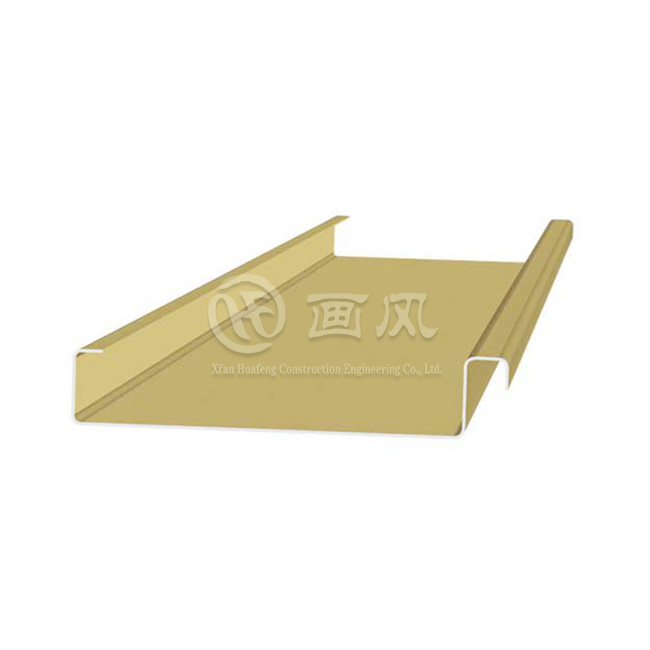
Standing seam metal roofing systems are different because they use hidden fastener technology and seams that are raised vertically above the flat panel surface. Instead of visible fastener systems that can be damaged by changes in temperature and weather, these roofs use floating clip assemblies that can expand and contract with the temperature without affecting the weather shield. The raised seams, which are usually between 38 mm and 76 mm high, make interlocking joints that move water away from weak spots. This makes them perfect for low-slope situations with a 1/4:12 pitch.
Core Benefits Driving B2B Adoption
Durability stands as the key advantage since it lasts a long period. Galvalume steel and aluminum surfaces don't rust for decades, while PVDF resin-based finishes (like Kynar 500) preserve their color and don't chalk even when exposed to UV radiation over lengthy periods of time. Energy efficiency comes next. Coatings having a high solar reflectance index minimize cooling loads by reflecting heat instead of absorbing it. This aids green building certifications like LEED. Maintenance needs are modest; with hidden fasteners, you don't have to worry about fastener back-out or weathering, which are issues that sometimes occurs with typical screw-down panels. Design flexibility enables you to adapt the design to meet various kinds of materials (aluminum alloy, steel, stainless steel, copper, titanium zinc), panel widths (305mm to 610mm), and finishes (from conventional RAL colors to unique architectural standards).
System Types and Material Options
Two main designs of the commercial standing seam roof are used most often in business settings. Robotic seamers are used in mechanically seamed systems to make double-locked 180-degree crimps. This makes the systems hydrokinetically watertight, which makes them good for structure uses and high-wind areas. Snap-lock systems are faster to install because the panels click together. They are usually chosen for steeper slopes (3:12 or more) where the look of the building is important. Choosing the right material for a project depends on what it needs to do. For example, aluminum is lightweight and resistant to corrosion in coastal areas, steel is cost-effective for large-scale industrial projects, and copper or zinc gives buildings a high-end look.
When it comes to lifespan, systems that are put correctly usually last longer than 40 to 60 years, though this depends on the materials used and the conditions in the surroundings. Maintenance includes checking the seams for integrity on a regular basis, making sure the sealant stays in place, and cleaning out the valleys of any debris. This is a lot less work than replacing membrane roofing systems every 15 to 20 years.
Key Considerations When Searching for Commercial Standing Seam Roof Providers
Setting clear needs for a project is the first step in evaluating providers effectively. The size of the project sets the minimum order quantity (MOQ). Knowing if a service can meet your square footage needs, which are usually given in terms of 500㎡ or one metric ton, avoids problems later on. Choosing the right material depends on the environment. For example, projects near the coast need aluminum or stainless steel to resist corrosion from salt air, and places with very high or low temperatures need materials that don't expand or contract as much. Because of limited funds, it's important to do a clear analysis that weighs the original cost of capital against the expected lifecycle costs and upkeep costs over 30 years or more.
Evaluating Provider Expertise and Credentials
Manufacturing capabilities show how reliable a business is. Providers that have more than one production facility with dedicated finishing lines and advanced making equipment like horizontal shearing systems and automatic punching lines can consistently deliver high-quality goods on time. Certifications show that a product meets foreign norms like ASTM, DIN, JIS, BS, and GB/T. Certifications in ISO 9001 quality management and ISO 14001 environmental management show that processes are controlled in a planned way. The SGS testing results that cover coating performance (AAMA 2605), environmental compliance (EU RoHS Directive), and burning performance (AS/NZS 1530.3) show that the materials are of good quality.
Commercial standing seam roof installs customer testimonials and past project portfolios are a good way to see how well someone has done in the real world. Request case studies of comparable installations to your project (such as warehouse remodels, retail projects or institutional buildings). And, ensure that the organization is committed to its commitments to complete on time and provide help after the installation. Speaking directly with previous customers reveals how fast the service is, how good they are at issue solving and how effectively they can cooperate with others under challenging installation situations.
Warranty Structure and After-Sales Support
The warranty covers flaws in the material and coatings that fail too soon. Commercial standing seam roof warranties usually last for 30 years, but for premium systems, the warranty may last for 50 years or more, depending on the material and finish you choose. Carefully read the parts of the warranty that talk about panel perforation, coating adhesion, color fading, and chalk resistance. Support after the sale is just as important because it decides how well problems are fixed. Providers who give technical help during installation, advice on upkeep, and responsive customer service lower project risks and support long-term operating success.
Comparing Commercial Standing Seam Roof Providers: What Differentiates the Best
Brand reliability comes from performing consistently in a wide range of projects and market conditions. Established providers show stability by staying in business for a long time, having a healthy finances, and continuing to spend in production technology. Being recognized in the industry through memberships in trade groups, awards, and work on technical panels shows a dedication to improving roofing standards and sharing knowledge with the larger building community.
Product Quality and Innovation
Material quality is where the base starts. Premium companies list exact metal mixes (3003H24, 5052H26) and coating weights (AZ50, AZ55 for Galvalume) that meet or go beyond standard practices in the business. With panel thicknesses ranging from 0.5mm to 1.2mm, specifications can be tailored to meet the needs of structural loads and personal taste. Finish technology is important. PVDF coatings are better than polyester coatings at keeping their color and being resistant to chemicals. This has been proven by accelerated weathering tests that follow AAMA 2605 standards and mimic decades of exposure to the environment.
Design flexibility for the commercial standing seam roof takes into account both the idea of the builder and the needs of the role. Customization options include color matching (RAL and special formulas), different seam heights (38mm to 76mm), and panel profiling, which help you stand out in a crowded market. Energy-efficient innovations include cool pigments that reflect a lot of sunlight, thermal breaks that stop heat from moving, and solar-ready connection systems that make it easier to place PV panels without having to drill holes in the roof.
Cost Analysis and Total Ownership Value
Clear pricing structures help people make accurate budgets for a commercial standing seam roof. Learn how much something costs per square foot or metric ton, taking into account the material you choose, the finish you want, and the number of items you order. But the starting prices aren't the only thing that matters. The total cost of ownership study looks at how well the system was installed, how much it will cost to maintain, how much energy it will save with reflective coats, and when it needs to be replaced. A metal roof that costs two to three times more at first than membrane options is often a better investment over the course of 40 years, since it won't need to be replaced as often and won't need much maintenance.
The Commercial Standing Seam Roof Procurement Process: Step-by-Step Guide
Finding qualified people through a variety of outlets is the first step in structured procurement. Manufacturers can be found in industry directories that are kept up to date by groups like the Metal Construction Association. At trade shows like the International Roofing Expo and Metalcon, you can talk to suppliers in person, see how their equipment works, and attend technical seminars. B2B digital platforms let buyers find suppliers around the world, compare specifications, and do basic screening through reviews and capability statements.
Vetting Providers and Red Flags
During the first conversations, find out how much can be manufactured, how long deliveries usually take, and how resilient the supply chain is. Providers that offer delivery windows of 15 to 20 days after an order is confirmed and have a monthly production capacity of more than 1000 tons show that they are ready to work on commercial standing seam roof projects. Ask about their mechanical skills: Can they do roll-forming in the field for continuous panel lengths longer than 200 feet? Do they offer technical help for figuring out wind rise and attaching structures? Some red flags are vague answers about certifications, refusals to provide references, inconsistent technical documentation, or prices that are much lower than the market average, which could mean that quality has been compromised.
Requesting Comprehensive Quotes and Samples
RFQs that work clearly state the needed materials (type of substrate, thickness, finish), panel sizes, total square feet, delivery location, project schedule, and material requirements. Include technical performance criteria like wind uplift resistance ratings, fire classifications, and thermal performance specifications. This will make sure that all relevant standards are met in the quotes. Ask for full breakdowns that show the prices of materials, labor, shipping, and any expert support services. Before committing to full-scale sales, product samples or mock-ups let you feel the quality, check the finish, and make sure the seams are intact.
When negotiating a contract, the parties should agree on guarantees that the specifications will be met, delivery dates with fines for missing them, payment terms that are in line with project goals, the details of the warranty coverage, and ways to settle disagreements. Plan the details of the installation as soon as possible. This is important whether the provider offers installation services, expert oversight during contractor installation, or training for your roofing teams. This will ensure that the job is done correctly, in line with the warranty terms, and to the specifications.
Ensuring Long-Term Success With Your Commercial Standing Seam Roof Provider
The quality of the installation determines whether the performance promised by the engineers works in the real world. Monitoring includes making sure that the substrate preparation meets the requirements for plane deviation (usually a 1/4-inch difference across 20 feet), making sure that the clips are spaced correctly and attached to the structural members correctly, and using pull tests on mechanically locked systems to confirm that the seams are engaged. Communication methods that connect the buying, engineering, and installation teams keep specifications from changing and make sure that the design purpose is carried out from start to finish.
Maintenance and Warranty Management
Even though it doesn't have to be done often, proactive maintenance makes commercial standing seam roof systems last longer. Set up inspection plans that check the integrity of the seams, the state of the sealant at the ends, and the tightness of the fasteners around the edges every six months. Keep track of repair tasks and results to back up warranty claims if problems happen. Service contracts from companies or third-party experts include regular checks, small fixes, and quick help for damage that happens out of the blue from bad weather.
Strategic alliances provide advantages that extend beyond smoothing transactions. Establishing relationships with trusted suppliers that you can partner with may provide you early access to new materials, priority scheduling during peak seasons and creative solutions to unique project challenges. As your firm expands, reliable partners become essential advisers. They provide technical know-how, market insights and lifecycle optimization tactics that help your organization become more competitive and operate more smoothly.
Conclusion
To find the best company for commercial standing seam roof systems, you need to carefully weigh their technical know-how, production capacity, and commitment to long-term support. Procurement professionals can confidently move through supplier landscapes if they know about system types, material properties, and performance standards. Structured screening processes, from creating the RFQ to negotiating the contract, protect the interests of the project and lay the groundwork for successful installations. Putting certifications, clear prices, proven project histories, and full warranties at the top of the list for service providers reduces the risks that come with business building. Sustainability and lifetime value are becoming more important factors in purchasing decisions. Metal roofing systems with 30 to 60 year lifespans, low energy use, and little upkeep will set your projects up for long-term success.
FAQ
1. What Should B2B Buyers Prioritize When Selecting a Provider?
Buyers need to look at how much a commercial standing seam roof can be made, whether it meets quality standards, and whether the seller has completed projects similar to the one they want to buy. Check to see if the company can produce things in more than one location, with dedicated coating lines and monthly output that goes above and beyond what the project calls for. Check for compliance certifications like ISO 9001, ASTM material standards, and testing reports from outside groups like SGS. Ask for case studies that show how installations have worked well in similar building types and conditions.
2. How Can You Verify Panel and Contractor Quality?
To check the quality of a panel, you need to ask for material certifications that list the substrate's specs, coating types and thicknesses, and the results of performance tests. Get real examples that can be looked at and tested for coating adhesion. For contractors, make sure they have the right licenses, insurance, manufacturer training certifications for the roofing system, and recommendations from recent business jobs. When you view live installations, you can see how well the work is done and how well the installation specifications are followed.
3. What Warranty Structures Are Standard in the Industry?
Commercial standing seam systems usually come with 30-year warranties that cover flaws in the material, panel perforation, and the performance of the coating, such as its ability to fight color change and chalk. Depending on the materials used, high-end devices may last 50 years or more. The warranty terms should say how much coverage there is over time, whether the warranty can be transferred to new owners of the building, and what needs to be done to keep the coverage in place, like regular inspections or following approved maintenance procedures.
Partner with HF for Reliable Commercial Standing Seam Roof Solutions
HF offers proven metal roofing knowledge backed by three factories, seven production lines, and more than 40 specialized tools that guarantee consistent quality and on-time delivery. As a well-known provider of commercial standing seam roof solutions, we offer a wide range of materials, such as aluminum alloy, steel, stainless steel, copper, titanium zinc, and more, in widths ranging from 0.5mm to 1.2mm. Our PVDF and PE finish choices meet AAMA 2605 requirements and have been tested and proven to work by SGS. With a monthly supply capacity of more than 1000 tons, shipping times of 15 to 20 days, and warranties that last for 30 years, HF helps procurement workers find reliable partners for business projects. Email our team at huafeng@hfmetalroof.com to talk about the details of your project and find out how our customization options can meet your individual needs.
References
1. Metal Construction Association. "Architectural Metal Roofing Systems Design Manual." 2022 Edition. Published by Metal Construction Association Technical Committee.
2. American Architectural Manufacturers Association. "AAMA 2605-22: Voluntary Specification, Performance Requirements and Test Procedures for Superior Performing Organic Coatings on Aluminum Extrusions and Panels." 2022.
3. ASTM International. "ASTM A792/A792M-21: Standard Specification for Steel Sheet, 55% Aluminum-Zinc Alloy-Coated by the Hot-Dip Process." 2021.
4. National Roofing Contractors Association. "The NRCA Metal Panel and SPF Roof Systems Manual." Fourth Edition, 2020.
5. Green Building Initiative. "Green Globes for New Construction Technical Reference Manual: Metal Roofing Systems and Life Cycle Assessment." 2021 Update.
6. Sheet Metal and Air Conditioning Contractors' National Association. "Architectural Sheet Metal Manual." Eighth Edition, 2019.





YOU MAY LIKE
_1783936484206.webp "Inside locking metal aluminum cladding panel")