Where can I find suppliers of 24 inch standing seam metal roofing panels?
2026-08-18 17:33:01
Finding qualified suppliers of 24 inch standing seam metal roof systems requires understanding specialized sourcing channels beyond typical building material distributors. These wide-panel roofing solutions demand manufacturers with advanced roll-forming equipment and technical expertise in concealed fastener systems. Reliable suppliers operate through direct manufacturer relationships, authorized regional distributors, and specialized B2B platforms that verify production capacity and certification compliance. Procurement managers typically evaluate suppliers based on material certifications, customization capabilities, delivery timelines, and after-sales support—factors directly impacting large-scale commercial project success.

Understanding 24 Inch Standing Seam Metal Roofing Panels
The Design Advantage of Wide-Panel Systems
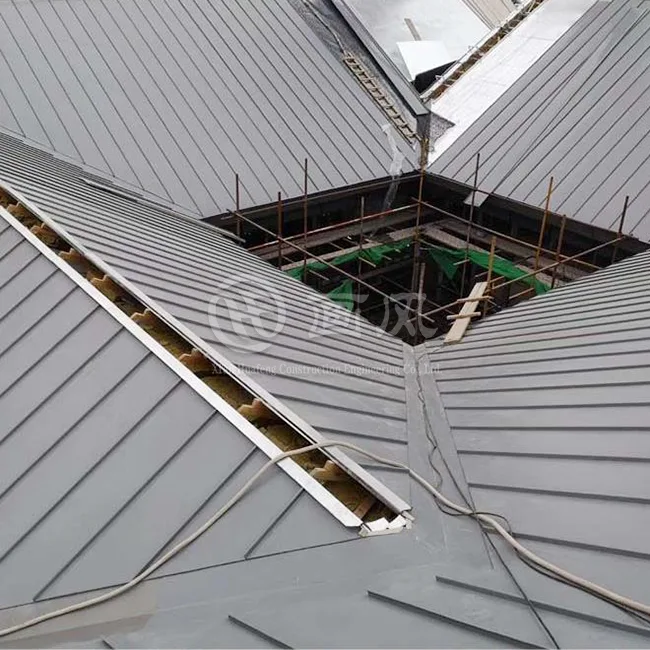
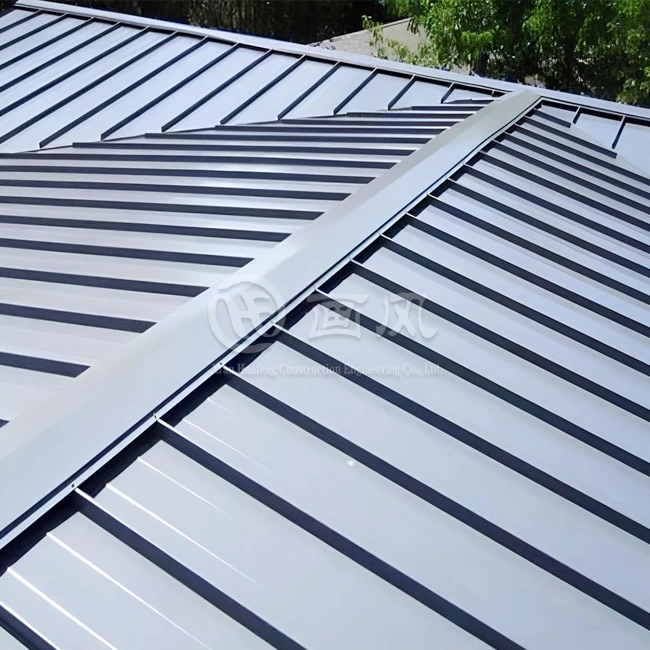
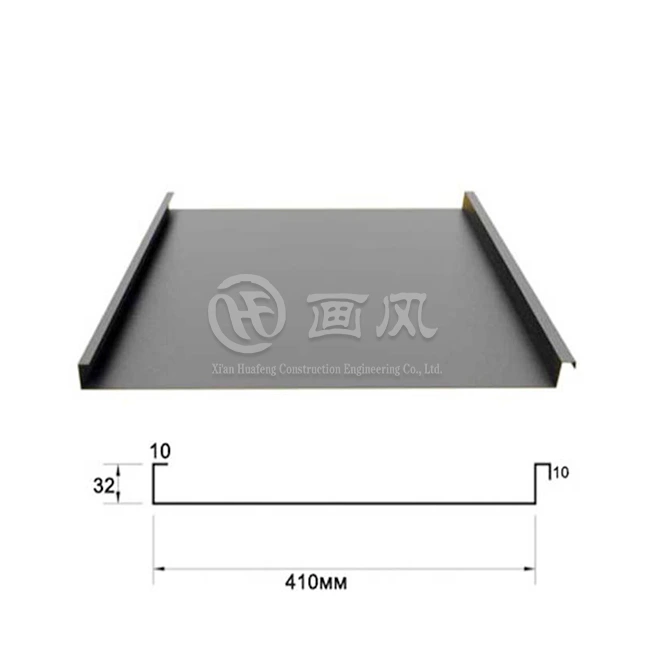
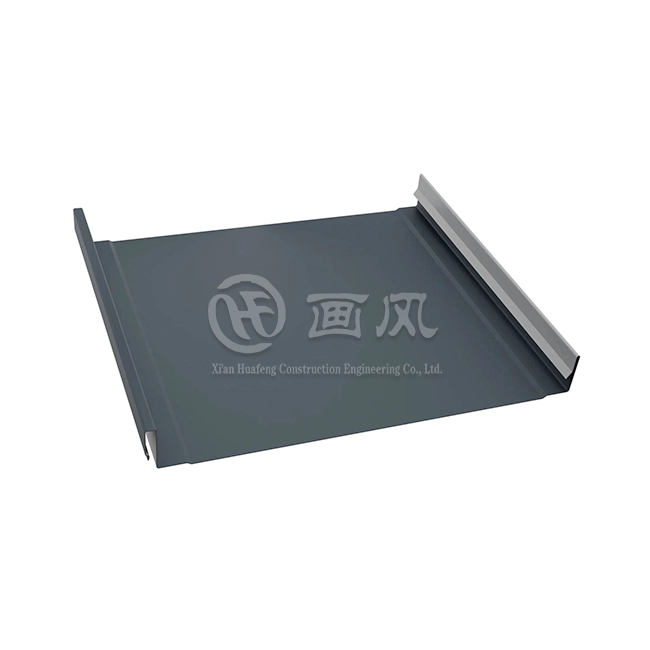
The 24 inch standing seam metal roof panel width is the widest standard in the industry for standing seam designs. It was designed to cut down on installation times on large industrial roofs. When compared to 12-inch options, the wider coverage cuts down on work hours and possible leak points by almost half. This is because wider profiles cover more linear footage of seams than smaller profiles do. The concealed fastener design has clips that are hidden under interlocking seams. This lets the metal base expand and contract easily as the temperature changes without affecting the structure's strength. This moving panel design gets rid of the problems with fasteners wearing out that happen in through-fastened systems. In those systems, heat cycling leads to screw backout and washer wear over time.
Material Composition and Performance Characteristics
Premium standing seam panels, such as the 24 inch standing seam metal roof, are made with high-tensile substrates that are designed to handle the difficulties of a certain climate. Steel panels coated with galvalume protect against corrosion at the cathode level and heal small scratches on the surface using zinc-aluminum sacrificial layers. Aluminum alloys work better along the coast, where salt air speeds up the breakdown of ferrous metals. The normal panel thickness is between 0.5 mm and 1.2 mm, which is set to balance the load carrying ability of the structure with the weight of the roof frame systems. When roller-coated with advanced PVDF finishes, the color lasts for more than 30 years and doesn't fade from UV light or industrial pollutants.
Key Benefits Driving Commercial Adoption
The main benefit is that it doesn't let water in. Under hydrostatic testing conditions, mechanically seamed shapes show better water entry protection than flat seam methods. The higher seam height of 25 mm to 65 mm makes drainage paths that get rid of water quickly, even on low-slope projects with a 1/4:12 pitch. Factory-applied cool roof coats make buildings more energy efficient by lowering the need for cooling by up to 20% in warm areas. With hidden fasteners, you don't have to worry about replacing washers and retightening screws on a regular basis, which are common costs that eat up practical budgets on exposed-fastener roofs.
Where to Find Reliable Suppliers of 24 Inch Standing Seam Metal Roofing Panels
Direct Manufacturer Relationships Versus Distribution Networks
Setting up direct links with factories can help with purchasing when the size of the project requires minimum order numbers. Manufacturers with various production lines can meet specific needs for color matching, coating choices, and faster production plans that can't be met through marketing channels. As a trade-off, small orders will take longer to arrive and there will be less help for area warehouses. On the other hand, authorized distributors keep regional stock that speeds up delivery for urgent retrofit projects and provides technical support during installation. Distribution partnerships are helpful for projects that need to order a mix of materials, like roofing panels, trim accessories, and fastening parts.
Geographic Considerations in Supplier Selection
In the United States, most of the manufacturing capacity for 24 inch standing seam metal roof panels is concentrated in areas that already have a metal-forming infrastructure and are close to steel mills. Direct coil supply routes help sites in the Midwest, while coastal operations serve markets that value aluminum substrates for marine settings. When you buy things from other countries, the exchange rate and shipping times may be longer, but you might save money when you buy a lot of things at once. To find the total landing cost, you have to compare the FOB price to tax rates, freight forwarding fees, and customs clearance costs. Some ways to lower the risk are to require performance bonds from manufacturers and have third-party quality checks done before a package leaves.
Leveraging B2B Platforms for Supplier Discovery
Specialized platforms for industrial procurement bring together verified makers whose output capacities and certification histories can be seen. These markets are open and honest because they have customer reviews, examples for finished projects, and tools for comparing standard specifications. Buyers can use advanced search filters to find suppliers that meet certain requirements, like having an ISO 9001 quality management system, following ASTM material standards, and being able to handle a minimum of one ton per month. Digital platforms make the request-for-quotation process easier by letting you send inquiries to multiple approved providers at the same time. Competitive buying often leads to better prices, and features that keep records of purchases keep the audit trails needed for project accounting.
Evaluating and Comparing Suppliers for Optimal Procurement
Critical Assessment Criteria for Supplier Selection
Material approval paperwork that shows the substrate's make-up and covering specs is the first step in checking the quality of a product. Reliable makers give mill test results that prove the chemical analysis of the steel grade, the tensile strength values, and the measurements of the coating thickness. Third-party testing by SGS or similar labs backs up claims about fire performance ratings, RoHS environmental compliance, and the durability of coating adhesion. To figure out how much production can be done, you have to look at the factory's infrastructure. For example, having more than one roll-forming line means that there is working flexibility that keeps delivery dates safe in case equipment breaks down. Site visits show how to handle quality control protocols, inventory of raw materials, and finished products, all of which affect the condition of the panels when they are delivered.
The following things set qualified sellers apart from stock vendors: Integrated manufacturing facilities that handle the coating and making of the base make sure that the quality of each production run is the same. Engineering skills are shown by technical support teams that can do structure load estimates, suggest thermal movement, and give fitting instructions. Manufacturers who offer warranty plans that cover the performance of materials for 30 years show that they are confident in their long-term durability. Customization options, such as non-standard colors, unique embossing patterns, and adjustable seam heights, meet the needs of different architectural designs.
Pricing clarity for a 24 inch standing seam metal roof includes more than just quotes for the square footage you need. It also includes information about freight costs, minimum order taxes, and payment terms. Volume-tiered pricing encourages large purchases, and flexible production scheduling allows for staged deliveries that are in line with building goals. Support after the sale, such as replacement panels, fitting training, and care advice, adds value over the life of the roof.
Panel Specification Comparisons
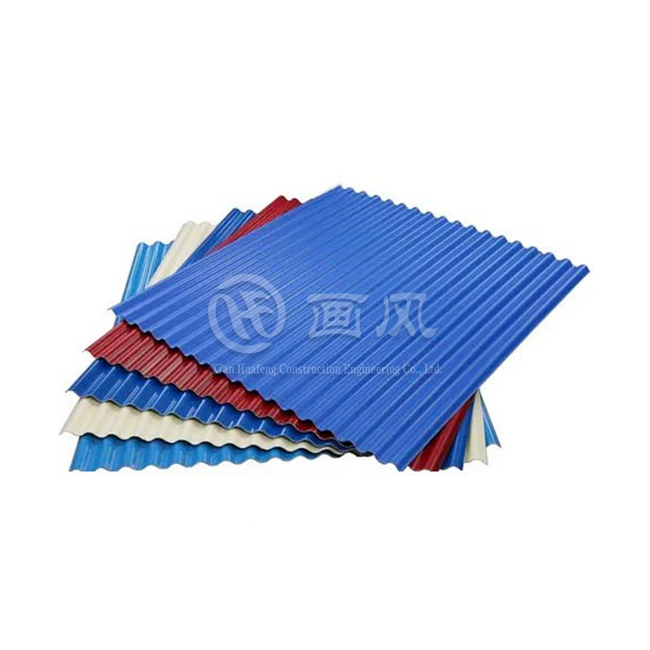
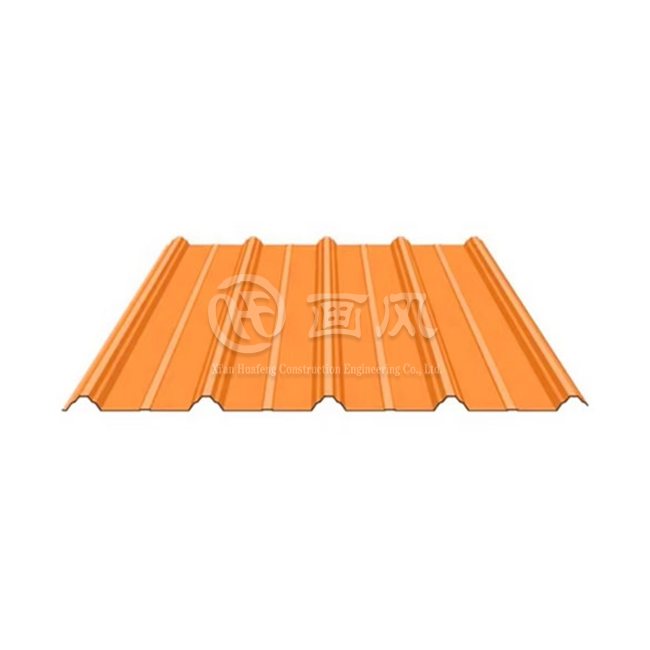
Different panel widths offer different performance trade-offs that should be weighed against the project's priorities. The 16-inch standing seam profile lowers the individual panel span requirements, which could mean that the substrate thickness requirements are lowered in situations where the purlin spacing is closer. Alternatives to corrugated panels are less attractive, but they cost less and are better for buildings that are more useful than attractive. The 24 inch standing seam metal roof wide-panel layout makes work more efficient on big, uninterrupted roof planes that are popular in warehouses, factories, and commercial shopping centers.
Choosing between PVDF and polyester coats for the material finish means weighing the original cost against the expected lifespan. High-quality PVDF fluoropolymer systems don't chalk or fade in tough UV conditions, so they keep their architectural look for decades. When used in mild conditions, polyester finishes work well enough and don't cost too much, making them good for projects that won't last too long. You can choose a substrate made of galvanized steel, galvalume, or aluminum alloys based on the corrosion risks that were found in site environmental assessments.
Cost Considerations and Procurement Process
Pricing Dynamics and Budget Planning
Deciding on the right raw material sets the base cost structure. Steel frames are the cheapest, while aluminum costs more because they don't rust in harsh settings. The specification of the coating system has a direct effect on cost, since multi-layer PVDF finishes are more expensive than single-coat polyester applications. The structural span calculations determine the panel thickness requirements, which in turn affect the material weight and, as a result, the cost per square foot of the material. When you buy more than 10,000 square feet, setup costs and production inefficiencies are spread out over a bigger amount. This is called economies of scale.
Logistics for freight are big cost factors that need to be looked at in detail. Within 500 miles of home, domestic truck shipments usually add 8–12% to the cost of materials. Cross-country shipping, on the other hand, raises landing prices by 15–20%. Port handling fees, customs duties, and inland delivery charges add up to 25–35% of FOB factory prices for containerized ocean freight from foreign providers. To make true budget comparisons, project managers should ask for given prices that include all transportation costs.
Order Customization and Project Coordination
Color matching features let architects choose panels that match the look of the building using standard RAL color systems or custom formulations that meet the needs of brand identity for the 24 inch standing seam metal roof. Custom colors usually have longer lead times than standard colors because finishing lines need to be cleaned and pigments need to be changed. Customizing the length of a panel means that it doesn't have to be cut in the field, which cuts down on installation work and makes the panels more weathertight thanks to factory-hemmed ends. Although manufacturers can make continuous panels up to 50 feet long, lengths of less than 40 feet are usually the only ones that can be delivered by truck.
When delivery times are coordinated with building schedules, there are no problems with keeping on-site and no chance of damage to the materials. Shipments that are timed to match the work rates of the roofing crews keep the flow of materials going without crowding storage areas. Just-in-time shipping rules need suppliers to perform well and plans for bad weather to keep projects on schedule. Installation support services, such as having a technician on-site during the first panel placement, help teams avoid making mistakes that could cost a lot of money and void the guarantee.
Ensuring Quality and Long-Term Performance Through Supplier Partnership
Material Specification Verification
Specifications for the base should include steel grade names like ASTM A653 with minimum yield strength values, coating weight names that show how much zinc or aluminum-zinc should be applied, and thickness limits that make sure the panel is formed evenly. For aluminum substrates, alloy specifications are needed. 3003-H24 temper designations make sure that the metal is hard enough for roll-forming without cracking. The paperwork for the coating system needs to include information about the primer dry film thickness, the topcoat application rates (in microns), and the cure temperature patterns that change the crosslink density of the coating.
Using infrared-reflective dyes in advanced covering technologies improves energy performance even more than choosing a color. Factory-applied sealant beads inside panel seams offer extra protection against water getting in, as tested by ASTM E1646 dynamic water penetration protocols. Wide panel flats with stiffening ribs pressed into them stop oil canning, which is the wave-like appearance that you can see in big flat metal areas at some lighting angles.
Sustainability Credentials and Environmental Responsibility
Building projects that want to get LEED recognition need to include material environmental product statements that show how the raw materials were gathered, how they were manufactured, and how they were recycled at the end of their lives. Material reuse credits can be earned by using metal roofing panels that have recycled content. Steel substrates usually have 25–30% recycled content, and aluminum products have more than 40% recycled content. Metal roofing sheets keep their value as scrap, which allows for economic recovery and material circularity at the end of their useful life.
Certifications for manufacturing processes, such as ISO 14001 environmental management systems, show that a provider of the 24 inch standing seam metal roof is dedicated to lowering emissions, minimizing trash, and using energy efficiently. Low-VOC paint products don't release solvents when they're being applied, which makes the workplace safer and cleans up the air. As corporate responsibility goals and green building requirements change the way commercial construction is done, these environmental factors become more important in purchasing decisions.
Cultivating Strategic Supplier Relationships
Long-term relationships with reliable suppliers can bring more benefits than just lower prices. If a customer is a preferred customer, they get priority production during times of high demand, when factory capacity limits affect wait times. Suppliers can come up with solutions for difficult architectural details or extreme climate needs when they work together on new applications. Price security may be achieved through volume promise relationships that protect against changes in the cost of raw materials that could affect project budgets.
Regular performance reviews of suppliers that keep track of on-time delivery rates, quality failure rates, and quick technical support help hold suppliers accountable while finding ways to make things better. Business reviews every three months make it easier for people to talk about future projects, which helps producers plan their production capacity and raw material inventory. When you work together with your suppliers, you can turn disagreements into smart partnerships that help both of your businesses reach their goals.
This partnership method is shown by HF Metal Roof, which has three dedicated buildings with seven specialized production lines and more than 40 precise forming tools that work together to make one product. With a monthly production capacity of 1,000 tons, we can handle large commercial projects while still being able to adapt to specific needs. You can choose from aluminum alloy, steel, stainless steel, copper, and titanium zinc substrates with thicknesses ranging from 0.5 mm to 1.2 mm. All of these materials come with full SGS testing certifications. The PVDF coating systems we use in our facilities passed strict AAMA 2605-22 testing across 13 performance parameters. The aluminum substrates got a rating of 0 for ignition under AS/NZS 1530.3 fire testing and met all RoHS environmental requirements.
Conclusion
To find reliable sellers of 24 inch standing seam metal roof panels, you need to do more than just compare prices at first. A good procurement process checks the quality of the materials through certifications, figures out how much they can produce, sees if they can be customized, and figures out how much they will cost. When working on big projects that need specific specs, working directly with manufacturers can be helpful. On the other hand, area dealers can help you meet tight deadlines by having stock on hand. Long-term value is created through dependable delivery, new technology, and consistent quality in strategic supplier partnerships based on open communication and performance accountability.
FAQ
1. How Do I Verify Panel Quality Before Large Orders?
Ask for material approval packages that include mill test results that show the makeup of the substrate and the coating specs. Third-party lab test results from SGS or similar facilities back up promises about fire safety, environmental compliance, and coating longevity. Certifications for supplier quality management, like ISO 9001, show that processes are controlled in a planned way. Before agreeing to full production orders, sample panel review lets you see for yourself the quality of the finish, the accuracy of the seam forming, and the accuracy of the dimensions.
2. What Lead Times Should I Expect for Bulk Panel Orders?
Standard color panels from U.S. makers who already have stock on hand usually ship within 5 to 10 business days. Custom color requirements that need finishing line changes make production runs take an extra 10 to 15 days. For international providers, ocean freight and customs clearance take an extra 30 to 45 days. To keep building plans on track, project planning should include buffer times for things like weather delays, quality checks, and possible production problems.
3. Can Panels Be Customized for Specific Project Requirements?
Reliable makers can match colors to RAL standards or make custom mixes. They can also change panel lengths up to the limits of shipping, and they can change seam heights from 25mm to 65mm. Different design or environmental needs are met by choosing the right substrate material, finishing method, and embossing pattern. For custom specifications, the minimum order quantity is usually 500 square meters or one metric ton. This is done to balance the cost-effectiveness of production with the freedom to make changes as needed.
Partner with HF for Certified 24 Inch Standing Seam Metal Roof Solutions
HF is a dedicated 24 inch standing seam metal roof manufacturer that makes high-quality roofing systems designed for tough commercial uses. Our three specialized facilities work together to make sure that the quality is always the same thanks to ISO-certified processes. Plus, our advanced PVDF/PE coating technologies protect your products for 30 years. With delivery times of 15 to 20 days and a variable minimum order size of 500 square meters, we can work with a wide range of project plans, from quick repairs to new construction that is built in stages. A wide range of materials, including aluminum alloy, steel, stainless steel, copper, and titanium zinc substrates that all meet ASTM, DIN, JIS, BS, and GB/T standards, can be used to solve a wide range of environmental problems, from coastal rust to high temperature cycles. Email our sourcing experts at huafeng@hfmetalroof.com to talk about the details of your project and get detailed technical advice backed by full SGS certification paperwork.
References
1. Metal Construction Association. Architectural Panel Systems Design Guide: Standing Seam Roof Systems. Technical Bulletin Series, 2023.
2. American Architectural Manufacturers Association. AAMA 2605-22: Voluntary Specification, Performance Requirements and Test Procedures for Superior Performing Organic Coatings on Aluminum Extrusions and Panels. 2022 Edition.
3. National Roofing Contractors Association. The NRCA Roofing Manual: Metal Panel and SPF Roof Systems. 2023 Edition, Chapter 7: Standing Seam Metal Roofing.
4. ASTM International. ASTM E1646-20: Standard Test Method for Water Penetration of Exterior Metal Roof Panel Systems by Uniform Static Air Pressure Difference. West Conshohocken, PA, 2020.
5. Cool Roof Rating Council. CRRC-1 Standard: Product Rating Program Manual. Technical Document Addressing Reflective Metal Roofing Performance, Updated 2023.
6. Building Enclosure Council. Wide-Panel Standing Seam Metal Roofing: Installation Best Practices and Common Failures. Professional Development Series, 2022.





YOU MAY LIKE