24 Inch Standing Seam Metal Roof ASTM Standards and Compliance Guide
2026-08-18 17:32:59
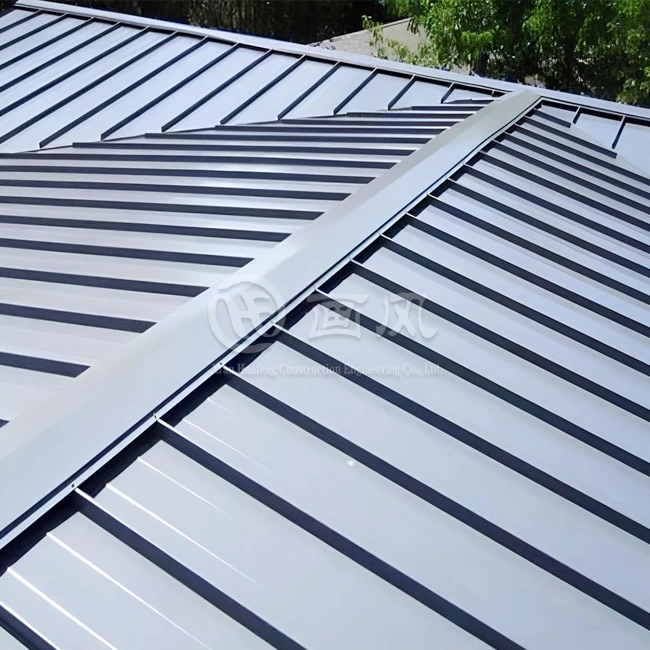
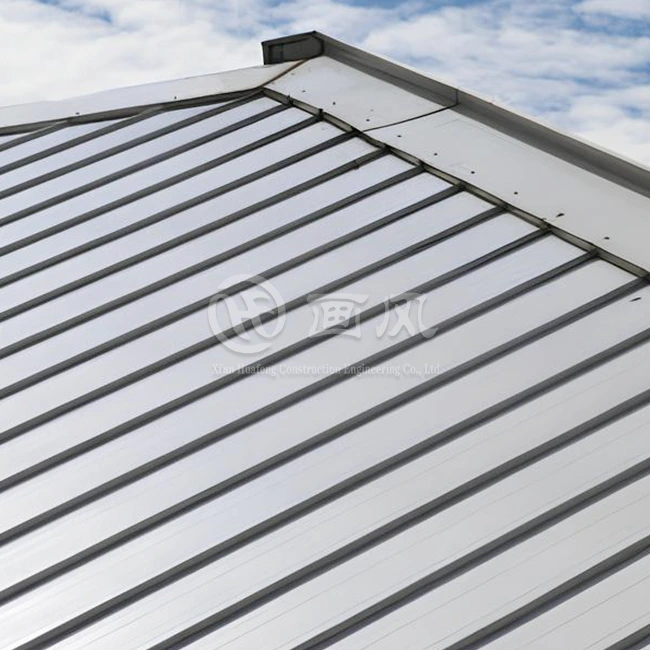
When specifying wide-panel standing seam systems for commercial or industrial roofing projects, understanding ASTM compliance is non-negotiable. A 24 inch standing seam metal roof represents one of the widest standard profiles available, optimized for rapid coverage over expansive roof planes while maintaining structural integrity and weather-tightness. ASTM standards function as the backbone of quality assurance, providing measurable benchmarks for material composition, mechanical performance, and environmental resilience. Procurement teams who prioritize ASTM-compliant products significantly reduce project risk, avoid costly callbacks, and ensure long-term asset protection.

Understanding ASTM Standards for Wide-Panel Standing Seam Metal Roofs
These technical specifications are the best way to make sure that the quality of your work is up to par, but they can be hard to understand. Standing seam metal roofing systems, especially those with wide panels, need to meet a number of ASTM standards in order to work right away and for many years to come.
Material Composition Standards
The most common base for metal roofing is steel sheet covered with an aluminum-zinc alloy (Galvalume), which is governed by ASTM A792. This standard lists coating weights, which are usually AZ50 or AZ55. This means that there are 0.50 or 0.55 ounces of coating on every square foot of sheet area. The aluminum-zinc alloy is better at resisting corrosion than traditional galvanized coatings. This is especially true in industrial or coastal settings where salt spray and pollution speed up the breakdown of metals. HF makes panels with steel substrates that are in line with ASTM A792 standards and come in thicknesses from 0.5 mm to 1.2 mm. The panels are finished with PVDF or PE topcoats that meet AAMA 2605 performance standards. Options made of aluminum alloys that follow ASTM B209 have even better corrosion protection for placements near the coast. Our 3003H24 and 5052H26 aluminum grades have been tested and approved by SGS, showing that they meet standards for both environmental safety and combustion performance.
Structural and Performance Testing Protocols
ASTM E1680 sets the rules for testing how well a 24 inch standing seam metal roof stops water from penetrating under static pressure, which is like having rain pushed against the roof by the wind. When this happens, wide-panel systems have special problems to deal with because the flat parts that are wider between the seams can be under more water pressure than profiles that are smaller. ASTM E1646 talks about dynamic water penetration testing, in which oscillating spray acts like a severe storm for long periods of time. ASTM E1592 also describes how to test the structural performance of a building under uniform static air pressure differences. This is done to see how well the roof system resists wind uplift forces. HF panels are made with seams that are between 25 mm and 65 mm high. This gives them enough vertical leg strength to pass UL 580 Class 90 wind uplift rates when they are placed with the right amount of clip spacing.
Coating Performance Standards
The coating system on a metal roof has a lot to do with how long it lasts. The normal cross-hatch tape test in ASTM D3359 checks for stickiness, while ASTM D3363 checks for coating strength. As far as performance levels go, AAMA 2605 is the best for building finishes. It needs at least 70% PVDF resin by weight. Our new SGS approval shows that HF PVDF-coated aluminum panels pass all 13 AAMA 2605 test factors with flying colors. These include being resistant to salt spray, detergent exposure, impact, and being able to bend. The dry film thickness measurements showed consistent application: the primer was 8 εm thick, the middle coat was 18 μm thick, and the topcoat was 15 εm thick. This created a total barrier that was stronger than the industry minimums.
Key Performance Metrics Dictated by ASTM Standards
ASTM standards turn vague ideas about quality into real, measurable factors that help people who buy things compare suppliers and goods in an objective way. Knowing these measures will help you figure out which specs are most important for your project.
Mechanical Strength Requirements
Tensile strength, which is tested using ASTM E8, tells you how much stress a material can take while being pulled before it breaks. Steel supports usually have yield strengths of around 50 ksi (thousands of pounds per square inch), which is strong enough to span between purlins without bending too much. Even though aluminum alloys have lower absolute tensile strength, they make up for it with better strength-to-weight ratios and no rusting at all. The 24-inch panel width needs the right amount of material thickness to stop oil canning, which is the waviness that you can see on wide, flat metal surfaces. HF fixes this problem with precise tension leveling while the coil is being processed and possible striations that make the panel look better and make it stiffer.
Environmental Resistance Testing
Corrosion resistance is what sets 40-year roofing systems, like the 24 inch standing seam metal roof, apart from those that only last 20 years. In ASTM B117 salt spray tests, coated metal samples are put in a constant salt fog, which speeds up the corrosion process and lets us guess how they will work in the real world over decades. Our metal panels are very resistant; SGS tests confirmed that there were no signs of corrosion even after long periods of exposure. The ASTM E108 standard is used to classify fire resistance. This standard checks for ignitability, flame spread, and flying brand protection. When tested according to AS/NZS 1530.3 standards, HF aluminum panels got amazing results: six samples showed no burning, no flame spread, no heat release, and little smoke development. These measurements directly lead to lower insurance rates and more building codes being accepted in places with strict fire safety rules.
Weather-Tightness Verification
The main way that roofing systems fail is when water gets inside. Because water can get in through different ways, ASTM guidelines include more than one way to test. When testing for static water, standing water on a low hill is simulated, and when testing for dynamic water, wind-driven rain hitting the roof at different angles is simulated. Testing for air infiltration according to ASTM E283 is important because when it starts to rain, air leakage paths often turn into water leakage paths. When compared to panels with exposed fasteners, standing seam systems with hidden fasteners remove thousands of possible entry points. HF panels have continuous sealant beads built into the seam interlock, which makes double barriers against water getting in, even during hurricane-force winds.
Compliance Checklist for Strategic Procurement
To check if ASTM standards are being followed, paperwork must be carefully looked over and suppliers' skills must be evaluated. A smart procurement team comes up with standard evaluation factors that can be used the same way for all sellers and product lines.
Essential Documentation Requirements
Every package should have official mill test results that show what the base metal is made of, how heavy the coating is, and what its mechanical qualities are. These reports list specific ASTM test methods and give batch-specific tracking that connects the supplied material to the production run. Independent lab certifications of coating performance, like those from SGS, provide objective third-party validation that goes beyond what the manufacturer says. HF keeps detailed records at all three of our manufacturing facilities, which together cover 200,000 square meters and can make things. We use ISO 9001 quality management systems to run our seven color coating lines and more than 40 precision forming machines. Each panel is constantly inspected to make sure it meets the required tolerances. Ask for batch tracking records that include coil ID numbers, production dates, and records of quality control inspections.
Supplier Qualification Criteria
Look at the testing infrastructure and quality management systems of potential suppliers when deciding who to work with for 24 inch standing seam metal roof systems. Manufacturers who have their own testing facilities can do quality checks in real time, while those who only use outside labs may have to wait longer to find material that doesn't meet standards. Third-party standards like ISO 9001 and ISO 14001 show that quality control and environmental management are done in a planned way. HF was recognized as a high-tech enterprise in Shaanxi Province, and we still hold both the first-level building curtain wall qualification and the third-level building steel structure qualification. This shows that our technical skills go beyond just making panels and include full building envelope systems. With the ability to produce 1000 tons per month and delivery windows of 15 to 20 days, we can support large-scale projects and make sure that the quality of all shipments is the same.
Installation Standards Verification
ASTM approval goes beyond the panels themselves and includes the right way to place them. Make sure the people doing the work follow the manufacturer's instructions for how far apart the clips should be, how to handle thermal movement, and how to connect the seams. The efficiency benefits of ASTM-compliant products can be lost if they are installed incorrectly. ASTM E2140 sets a standard way to check the quality of roofing systems that have already been put. Make sure the people who are installing the panels have the right credentials and have experience with 24-inch panel systems. These are heavier and wider than narrower profiles, so they handle differently. HF gives full fitting instructions and can put you in touch with skilled workers who know how to use our panel profiles and clip systems.
Comparing Compliance Across Panel Configurations
Panel width has a big effect on both the structure needs and the difficulty of the installation. Knowing these differences will help you choose the best model for your project's settings and performance goals.
Width-Related Structural Considerations
Narrower panels (16 or 18 inches) have more seam lines, which raises the cost of materials and work for installation but makes the roof planes stronger and less noticeable oil canning. The 24-inch width makes coverage more efficient by cutting the total linear length of seams by 33–50% compared to options that are smaller. This means that work will go faster and there will be fewer places where water could leak. But the wider flat areas between seams need thicker substrates or stiffening ribs to keep the flatness tolerances acceptable. Different testing methods for different panel widths are not specified by ASTM standards, but the way a structure works when it's loaded will be different. A 24-inch panel that spans 5 feet between purlins is under different amounts of stress than an 18-inch panel that spans the same distance. This means that the gauge specifications may need to be different to get the same deflection limits.
Seam Type Performance Differences
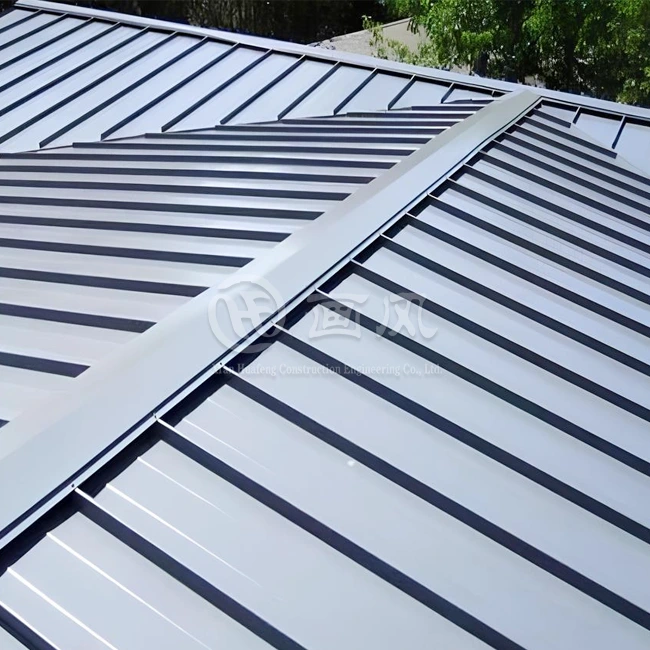
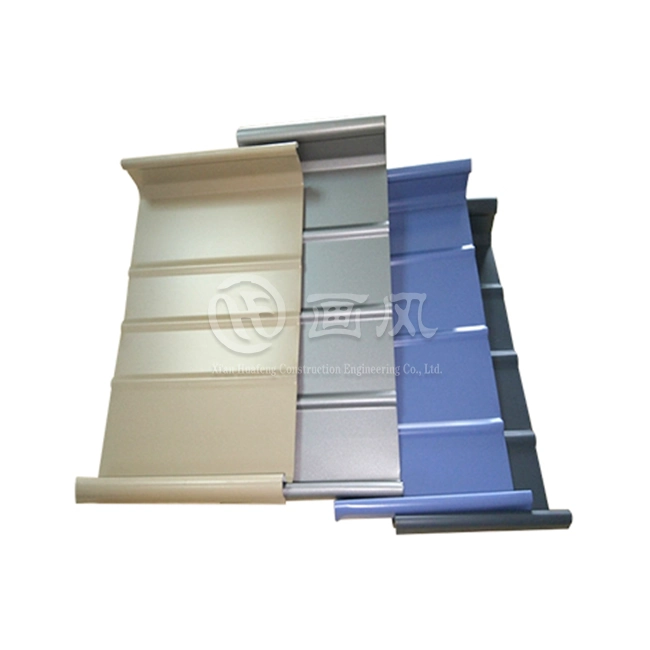
When it comes to weather protection on a 24 inch standing seam metal roof, standing seam systems with mechanical interlocks are better than snap-lock profiles, which use friction fit instead of multiple folds to connect the seams. The difference can be seen in ASTM E1646 dynamic water testing: standing seam panels that are properly sealed and have factory-applied sealant show no water penetration, even in the harshest test conditions; however, snap-lock systems may allow some moisture to move at the seam interfaces. HF standing seam panels have seam heights that range from 1 inch to 2.55 inches, so they can fit a wide range of stylistic tastes while still providing strong mechanical performance. The hidden clip system lets the material expand and contract without putting stress on the fastener links. This is a very important benefit in places where temperatures change a lot from season to season.
Application-Specific Compliance Focus
In residential uses, looks and code-minimum performance standards are usually the most important things. But in business and industrial projects, maximum wind uplift resistance, fire ratings, and proven life are what matter the most. ASTM standards are the same for all uses, but the tests that are stressed during the buying process change based on the risk profile of the project. Coastal installations need proof of acid resistance, industrial sites near chemical plants need proof of salt spray resistance, and high-occupancy buildings need full proof of fire testing. HF materials have all the necessary certifications, so you can choose the right specifications without any problems. Our EU RoHS compliance certification shows that there were no finds of lead, mercury, cadmium, hexavalent chromium, or limited plasticizers. This means that our products meet environmental standards for projects that want to get LEED or other green building certifications.
Best Practices for Lifecycle Compliance Management
Quality security doesn't end with ASTM approval; it's just the beginning. To keep the roof working well for as long as it's supposed to, proactive repair and ongoing cooperation between suppliers are needed.
Routine Inspection Protocols
Set up roof checks every six months that follow the rules in ASTM E2140 for in-service evaluation. These checks find small problems before they get worse and cause major fails. They check the integrity of the seams, the security of the fasteners, the state of the coating, and the ability of the drainage system to work. Keep track of what was found during inspections by using dated photos and written reports to make a maintenance history. This will help with warranty claims and show that the assets were properly managed. Pay extra attention to places where heat movement stresses are high, like around penetrations, roof equipment, and changes. If you follow the maintenance plans for HF panels that come with 30-year warranties, you can be sure that they will work well for a long time.
Staying Current with Standard Updates
Standards are always being changed by ASTM committees to include new materials, testing methods, and performance requirements, which directly impact 24 inch standing seam metal roof specifications. Sign up for ASTM update notices that are relevant to metal building materials and set up ways to talk to your sources to find out about changes to standards that could affect how you buy things in the future. Some of the changes are small editing tweaks, while others add important new testing requirements or efficiency standards. Active suppliers like HF keep an eye on these changes and make changes to their manufacturing processes to stay in line with the new rules before they go into effect. This way, your project schedules won't be affected.
Technology-Enhanced Quality Assurance
Today's quality control includes more than just tests in a lab. It also includes watching in real time while things are being made and put together. Coating thickness scales let you check the thickness of a dry film right away without having to destroy samples. During installation, seam engagement tools make sure that the panels fit together correctly. This stops the most common mistake that happens in the field and reduces weathertightness. Temperature changes picked up by thermal imaging cameras can mean that the insulation isn't working right or that air is leaking out. Drone-based roof surveys are safer and more efficient than hand checks for keeping track of the state of big areas of roofs. Adding these technologies to your quality assurance program gives you data-driven trust in the quality of both the installation and the operation over time.
Conclusion
ASTM standards give buyers of wide-panel metal roofing systems the objective framework they need to feel sure in their purchases. By paying attention to material certifications, performance testing records, and seller standards, you can protect your investment and make sure that roof installations are legal and last a long time. The 24-inch panel width is very useful for big business and industrial projects because it makes installation faster and reduces the number of seams, which means lower costs and fewer places where things could go wrong, and this benefit is fully realized when you choose a 24 inch standing seam metal roof. Finding makers that show full ASTM compliance through third-party testing is important because it gives you the proof you need for building permits, insurance approvals, and guarantee validation.
FAQ
1. Which ASTM standards matter most for standing seam metal roof procurement?
Keep your attention on ASTM A792 for Galvalume-coated steel surfaces, ASTM B209 for aluminum alloy sheet requirements, ASTM E1646 and E1680 for water resistance, and ASTM E1592 for wind load performance of structures. For hardness, coatings must meet ASTM D3363 and for bonding, they must meet D3359. For building work, PVDF finishes must meet AAMA 2605 standards.
2. How can I look into a supplier's claims of compliance?
Ask for certified mill test reports with test results specific to each batch, as well as ISO certifications for the manufacturing facility and independent laboratory certifications from well-known groups like SGS or Intertek. Before you place a large order, ask for sample test panels that you can send to your own independent testing laboratory to make sure they are correct.
3. What risks are there when goods aren't compliant?
Materials that don't follow the rules may have coatings that fail too soon, rust, structures that can't handle wind loads, or water getting in. These problems lead to guarantee claims, building code violations, denied insurance claims, and expensive fixes during the roof's planned service life. The short-term saves from cheaper materials that don't meet standards rarely outweigh the long-term risks.
Partner with HF for ASTM-Certified Metal Roofing Solutions
Buying something has long-lasting effects that last for decades after it is installed. HF uses three plants with more than 40 precise tools to make a lot of products. They also have strict quality control for 24 inch standing seam metal roof that is checked by independent SGS testing for fire safety, environmental safety, and coating resilience. Our standing seam metal roof panels are compliant with ASTM, DIN, JIS, BS, and GB/T standards. This means that they come with all the paperwork that is needed to get permits and approvals in a number of different places. For tough industrial uses, HF panels look good and work well. They come in aluminum alloy, steel, stainless steel, copper, titanium zinc, and PVDF or PE finishes in RAL or custom colors. Contact a reliable manufacturer and supplier at huafeng@hfmetalroof.com to get material certifications, project-specific specifications, and competitive quotes. The company offers a 30-year warranty and can deliver in 15 to 20 days.
References
1. American Society for Testing and Materials. Standard Specification for Steel Sheet, 55% Aluminum-Zinc Alloy-Coated by the Hot-Dip Process (ASTM A792/A792M). West Conshohocken: ASTM International.
2. American Architectural Manufacturers Association. Voluntary Specification, Performance Requirements and Test Procedures for Superior Performing Organic Coatings on Aluminum Extrusions and Panels (AAMA 2605). Schaumburg: AAMA.
3. Metal Construction Association. Technical Bulletin: Metal Roof and Wall Panel Performance Under Environmental Loads. Glenview: MCA Publications.
4. National Coil Coating Association. Guide Specifications for Coil Coated Architectural Metal Products. Cleveland: NCCA Technical Committee.
5. Building Officials and Code Administrators International. Metal Roofing Systems: Code Compliance and Design Considerations. Country Club Hills: BOCA Research Series.
6. Sheet Metal and Air Conditioning Contractors National Association. Architectural Sheet Metal Manual: Design and Installation Standards for Metal Roofing Systems. Chantilly: SMACNA Publications.





YOU MAY LIKE