24 Inch Standing Seam Metal Roofing Installation Guide
2026-08-18 17:32:57
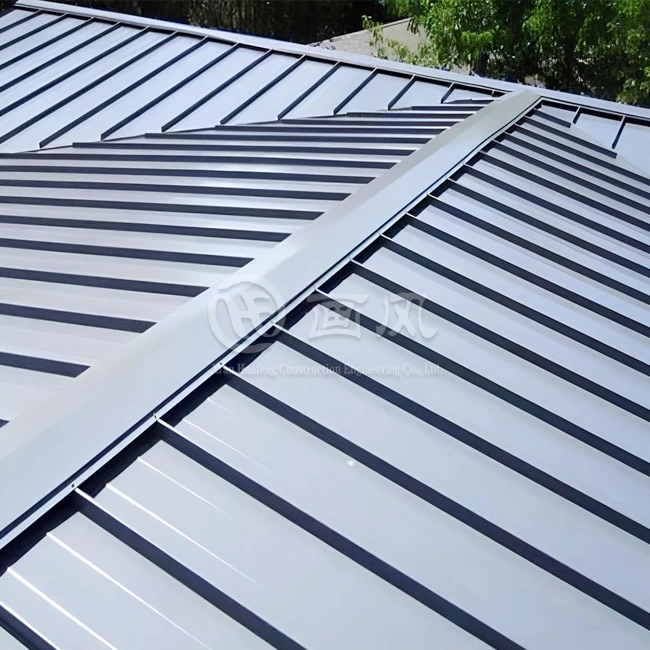
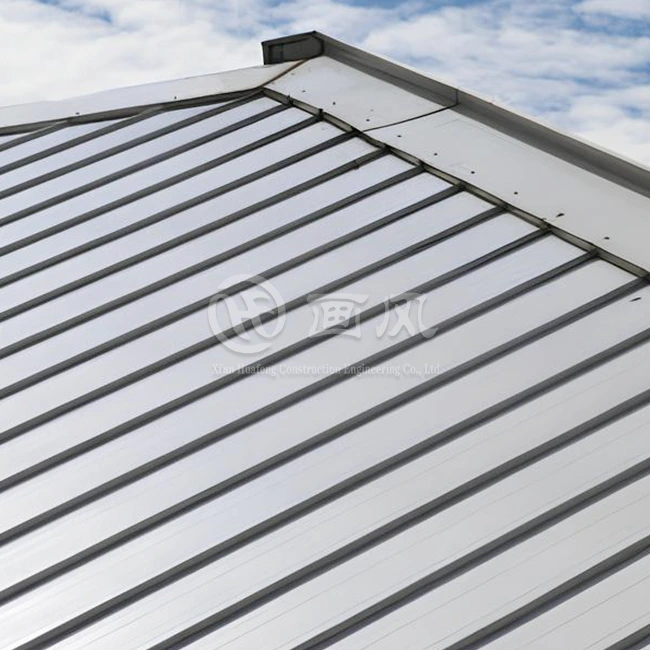
Installing a 24 inch standing seam metal roof involves assembling wide panels with concealed fasteners that interlock at raised vertical seams, creating a watertight barrier across large roof surfaces. This roofing system eliminates exposed screws, preventing water infiltration at fastener points while allowing natural thermal expansion without compromising structural integrity. The 24-inch coverage width accelerates installation speed on commercial and industrial buildings, making it a preferred choice for contractors managing tight project schedules and demanding performance specifications.

Understanding 24 Inch Standing Seam Metal Roofs
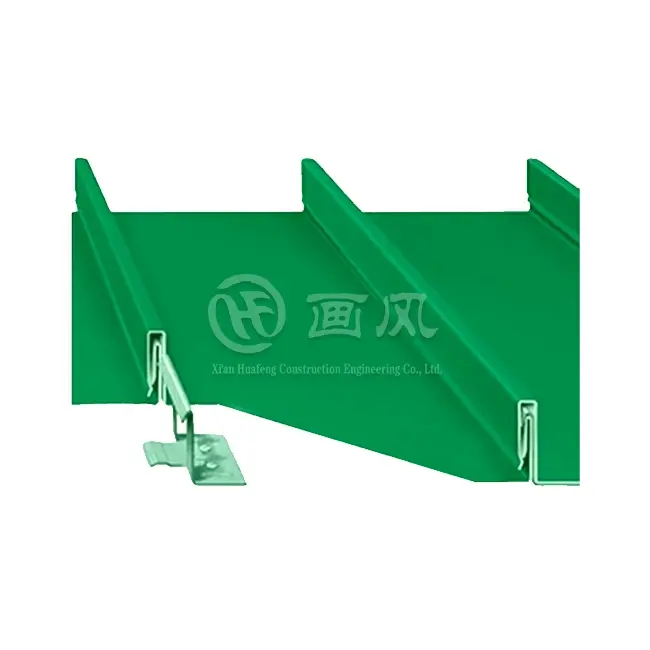
Wide-profile standing seam panels represent a significant advancement in commercial roofing technology. These panels are easier to install than smaller profiles that require more seams per square foot. They also fight weather better. The interlocking design uses secret clips to connect panels to the roof deck without going through the visible surface. This solves the main problem with traditional roofing systems: fasteners that are obvious wear out over time.
Why Choose 24-Inch Panels Over Standard Profiles
The technology underlying this panel width controls many crucial elements. Wider panels reduce roof line gaps. This reduces leak pathways and speeds installation. Installing 24 inch panels on a 50,000-square-foot warehouse roof takes roughly 40% less time than 12 inch panels. This cuts labour expenses significantly. Fewer seams mean fewer clips and closures, lowering material costs.
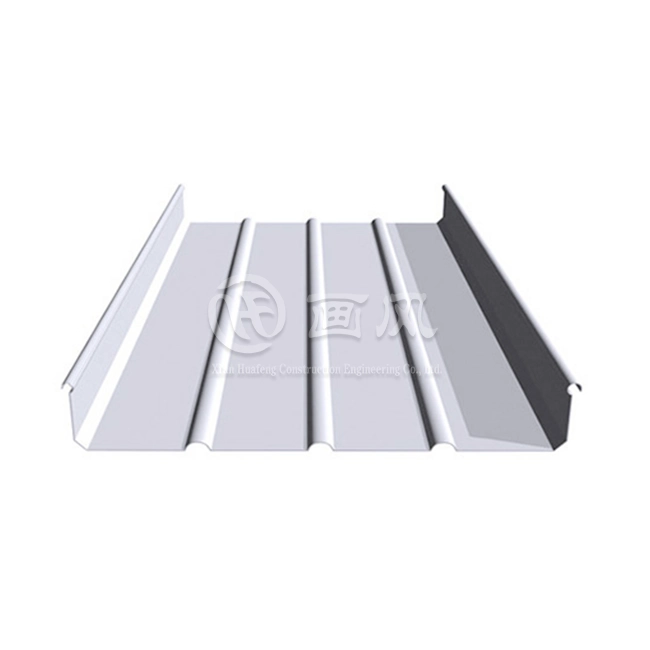
HF's 24 inch standing seam systems can span five-foot-spaced purlins due to their panel heights of 25mm to 65mm (1" to 2.55"). This makes them suitable for pre-engineered metal structures, because decreasing structural support reduces construction costs. Our panels are weathertight at 1/4:12 roof pitches when manually seamed with factory-applied sealant. This expands design choices for almost-flat commercial roofs.
Material Specifications and Performance Standards
Material choice affects roof lifespan and maintenance, especially for 24 inch standing seam metal roofs. HF makes aluminium alloy, steel, stainless steel, copper, and titanium zinc panels. Panel thickness may be 0.5–1.2 mm to meet budgets and structural loads. Hot-dipped or galvalume-coated steel plates are prevalent. Both methods prevent corrosion and prolong longevity to over 40 years in most settings.
Our PVDF and PE coatings work differently. PVDF coatings haven't chalked or faded for nearly 30 years, fulfilling corporate office and other high-profile commercial project appearance standards. PE coatings are suited for industrial applications where durability, not beauty, counts more than structural protection. To meet AAMA 2605-22 requirements, SGS tested all HF coatings for colour consistency, adhesion, chemical resistance, and impact durability.
Our aluminium alloy panels are certified well. None of the six SGS AS/NZS 1530.3:1999 samples burnt. Flame spread and indices showed no heat emission. These fire protection measures are needed in expensive or sensitive buildings. In EU RoHS compliance testing, none of the 10 banned chemicals were found or below limits. It helps companies meet sustainability goals and green building certifications.
Step-by-Step Installation Process for 24 Inch Standing Seam Metal Roofs
A good assembly starts long before the panels get there. To avoid costly delays and make sure the roof works well, procurement managers and project supervisors need to coordinate a number of preliminary tasks.
Pre-Installation Planning and Structural Assessment
Quality roof deck installation begins with evaluation. Wider panels expose deck faults more vividly than narrow profiles, thus each 10-foot base span must be level within 1/4 inch. The steel deck should not have rust, mill scale, or other obstructions to the clip. Check the wood deck structure for fastener pull-through resistance of at least 150 pounds per clip position.
Underlayment influences water management and panel performance over time. Heat from dark metal roofs may harm 250°F synthetic underlayment. Underlayment installation requires 6 inches of side laps and 12 inches of end laps. All seams must be sealed using manufacturer-approved tape to prevent dampness.
Panel Layout and Clip Installation
Starting at the eave, the layout creates a straight line that is perpendicular to the roof ridge. Even small changes in angle can add up over many panels, possibly leading to a mismatch that can be seen at the ridge and needs expensive field correction. The starter strip holds the first panel's female leg in place and lets heat move through slots in the fastener holes that are lined up with the direction of the panel.
Engineers consider wind uplift, snow loads, and temperature cycling pressures while setting clip distances. Each panel run usually has 12–24 inches between them. Winds are greater near roof edges and corners. Each clip must be in the appropriate spot for the male leg of the panel to clasp firmly while permitting longitudinal expansion. HF's technical support staff creates clip spacing models for each project based on local building codes and wind exposure.
Seam Formation and Quality Control
Mechanical seaming creates the waterproof connection in standing seam performance, such as in a 24 inch standing seam metal roof. Single-lock seams enable panel legs to be folded once, making them ideal for low-slope regions with little foot traffic. Double-lock seams provide a 360-degree bond with two folds. It is more wind-resistant and waterproof, even under hydrostatic pressure from ice damming or heavy rain.
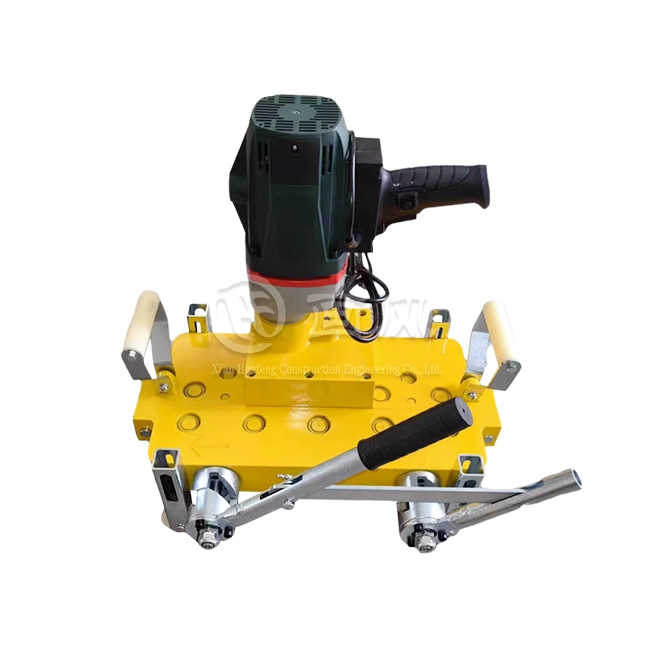
Long-term roof stability depends on seaming tool calibration. Unset seamers may over-compress the seam, causing metal fatigue and breakage, or under-compress the link, letting water in when it rains due to wind. Experienced installation personnel assess and touch seams to ensure they are the same height and tightness throughout the roof field.
Common Installation Challenges and Solutions
Oil canning, a wave in the flat pan between seams, must be avoided while handling panels. Thin-gauge metal that spans 24 inches has some panel undulation, but too much waviness indicates poor handling, insufficient panel stiffness, or heat stress during installation. Panels should be stored in shade and installed at moderate temperatures to reduce thermal expansion. HF panels contain minor ribs or striations that hide oil canning without altering the clean appearance builders and owners enjoy.
To maintain roof system integrity, accessory integration requires exact details. Ridge caps, rake trim, and valley flashing must move with panels and keep water out of seams and holes. Eave trim ensures that panels have 1.5 to 2 inches of overhang to allow water to flow into drains without capillary resistance. Penetration flashing requires flexible boots or pitch pans to keep roof equipment watertight even as panels shift with the seasons.
Comparing 24 Inch Standing Seam Metal Roof Panels With Alternatives
When making a purchase decision, it's helpful to compare multiple roofing options in a structured way, weighing the initial investment against the value over time and the operational impacts.
Panel Width Considerations: 24-Inch vs. Narrower Profiles
If you want to choose between 24 inch panels and smaller profiles like 16 inch or 18 inch panels, you have to weigh the benefits of easy installation against your personal taste and the needs of your building. Some builders like how narrower panels make stronger vertical shadow lines that can be used to show off the height of a building or make rhythmic patterns on big facades. However, the higher seam count makes the cost of installation materials and labor go up accordingly, and it also adds more possible leak paths that need to be watched over for a long time.
In terms of structural engineering, 24 inch panels that span the same distance between purlins need a slightly thicker metal to achieve the same strength ratings as thinner panels that have seams that are stiffened more often. This difference in thickness usually only adds 5–10% to the cost of the materials while making installation 30–40% faster. This is a good trade-off for most business projects that want to cut down on building time and labor costs.
Standing Seam vs. Through-Fastened and Other Roof Types
Through-fastened metal roofing systems attach panels through their faces, providing a ground-visible fastening pattern. This method simplifies installation and cuts costs by 15-25% over 24 inch standing seam metal roofs. The visible screws are the weakest link because UV radiation and temperature changes wear out the rubber washers. They need frequent inspection and replacement. Panel expansion causes fasteners to back out, providing leak paths that must be checked and fixed during the roof's life.
Corrugated and ribbed metal panels are inexpensive but not waterproof like concealed fastening techniques. Economy over performance makes these profiles appropriate for agricultural, utility, and temporary structures. The standing seam system's increased weather protection is worth the extra cost for industrial buildings with commodities, equipment, or inhabited areas where water penetration might cause serious business and legal issues.
Asphalt shingles and metal roofs have differing lifespan costs. Asphalt systems cost 40–60% less than standing seam metal systems but require renewal every 15–20 years. HF's 24-inch standing seam roofs last 50 years or more with little maintenance and carry 30-year guarantees. The initial investment is tripled for less than twice the cost. Reflective metal roofing reduces cooling costs and increases value.
Procurement Insights: Where and How to Buy 24 Inch Standing Seam Metal Roofs
To do strategic buying, you need to know how to manufacture things, how reliable the supply chain is, and what the total costs are, not just the panel prices.
Evaluating Manufacturing Quality and Capacity
Production scale shows how well a company can meet tight delivery dates without sacrificing quality. HF runs three plants with more than 40 specialized tools and seven dedicated production lines that can make more than 1,000 tons of goods every month. This infrastructure can handle both big projects that need hundreds of thousands of square feet and smaller, more specific works that need specific colors or materials.
Quality assurance is objective with production certifications. HF is ISO9001 and ISO14001 certified and meets ASTM, DIN, JIS, BS, and GB/T standards. SGS verified our aluminium alloy panels for fire protection according to AS/NZS 1530.3:1999, RoHS compliance according to EU Directive 2011/65/EU, and coating performance according to AAMA 2605-22. These certifications simplify specification approval and enable approval in worldwide markets.
Pricing Structure and Order Considerations
Panel costs vary by material, thickness, coating method, and colour. Custom colour matching costs 10–15% more for bespoke coil coating runs than standard RAL colours. Above 10,000 square feet, volume discounts matter. Optimal production scheduling and reduced setup costs might minimize expenses by 20–30% per square foot for orders above 50,000 square feet.
The minimum order quantity of 500 square meters (or one ton) for HF's 24 inch standing seam metal roof is ideal for medium-sized businesses, reducing expenses. From order confirmation to factory shipping, lead periods are 15–20 days. When site preparation is coordinated, project timetables are reliable. Fast production is available for emergency reroofing. Due to priority scheduling and overtime, typical charges generally rise 15-20%.
Custom Fabrication and Technical Support
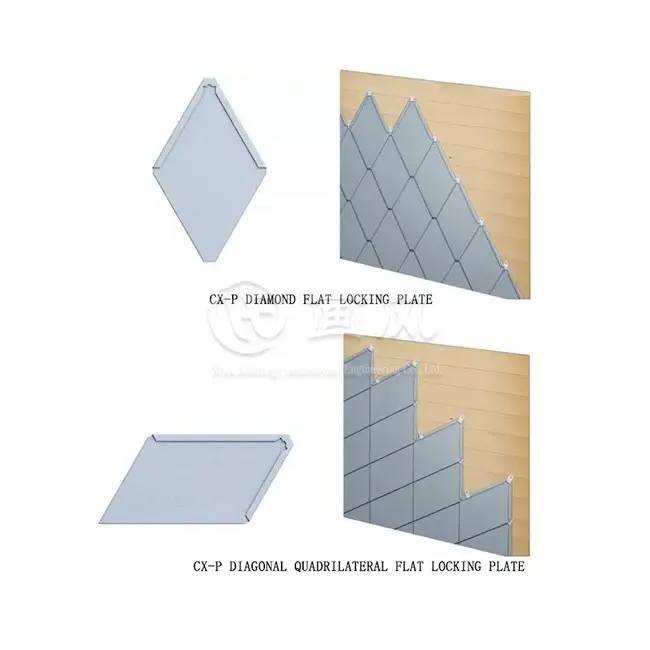
Dormers, various roof lines, and curved sections benefit from custom panel profiles. HF's technical team works with architects and builders to produce shop plans that maximize panel arrangement, eliminate field cutting, and ensure water drains effectively on complex roofs. Prepared accessories including custom-bent ridge caps, valleys, and transition flashings arrive on site. This reduces field effort and enhances installation.
Consider the warranty conditions before picking a vendor. Our standard 30-year warranty covers material faults, coating wear beyond limitations, and structural panel failure under regular usage. Projects with superior PVDF coatings and thicker substrate gauges may have 40-year guarantees. Roofing contractors usually guarantee installation workmanship. HF may assist with technical challenges by educating installers on-site and doing quality assurance inspections at critical project phases.
Maintenance, Longevity, and Troubleshooting
To get the most out of your roofing investment, you need to follow simple care steps that keep it working well and make it last longer than the warranty time.
Routine Inspection and Cleaning Procedures
Six-month inspections discover new issues before they become costly. Checking penetration seals, seams, and auxiliary flashing is crucial. Walk on the roof after a lot of rain to see where water is gathering or draining poorly, which speeds up panel corrosion and stresses seam connections. Inspectors record the coating's condition and emphasize regions with a lot of chalking, colour fading, or coating delamination, which may constitute guarantee-covered manufacturing faults.
Cleaning the panels maintains them reflective and prevents dirt and dust from wetting metal surfaces. Most areas simply require a light detergent solution and low-pressure water cleaning once a year to remove dust, pollen, and other air pollutants. To prevent corrosion, industrial facilities exposed to chemicals in the air or coastal areas impacted by salt spray should be cleaned every three months. Never exceed 1,500 PSI with pressure washers to avoid damaging paint or letting water in via seams.
Addressing Common Issues Before They Escalate
The most common maintenance task is replacing sealant that has worn down at panel terminations, penetrations, and accessory interfaces. Sealants that are exposed to UV light and high temperatures lose their flexibility and stickiness over time. Usually, they need to be reapplied every 10 to 15 years. Replacing sealants before they wear out during regular inspections is much cheaper than fixing water damage after leaks inside that stain ceilings, damage stored goods, or stop business operations.
Fastener back-out can sometimes affect clips even though they are hidden on a 24 inch standing seam metal roof. This is usually caused by thermal cycling in harsh climates or not enough initial fastener torque. To find missing clips, you have to carefully look at the panel and listen for clicking sounds during heat expansion cycles or visible panel lifting during high wind events. If you fix individual clip failures right away, you can keep neighboring panels from getting worse and save a lot of money by not having to replace panels when multiple connection points fail at the same time.
Energy Efficiency and Sustainability Benefits
When compared to dark asphalt roofs, which absorb 90% or more of the sunlight that hits them, cool roof coatings bounce up to 70% of that energy, making it much harder for heat to move inside the building. This performance leads to measurable drops in cooling costs, usually between 10 and 25 percent based on the amount of insulation in the building, how well the HVAC system works, and the weather where you live. Energy modeling during the planning part of a building can predict specific savings, which helps the case for the higher cost of a metal roof.
The environmental benefits of metal roofs go beyond just saving energy. Because steel and aluminum pieces can be recycled in their entirety, they can be reused or thrown away in a landfill when they're no longer useful. Many metal roofing goods, like HF panels, are made with 25–95% recovered materials, which can help you get LEED certification points under the Materials & Resources credits. The longer service life—often two to three times longer than other types of roofing—lessens the damage that making replacement materials and getting rid of old roofing parts does to the environment.
Conclusion
When selecting and installing 24 inch standing seam metal roofing, pay attention to material requirements, installation methods, and long-term maintenance. Wide-panel roofing provides better installation efficiency and lifespan cost than narrower profiles and other roofing types. To succeed, collaborate with manufacturers that guarantee manufacturing, provide technical support, and back their warranties. If you plan wisely, utilize decent materials, and hire professional installers, your projects will last decades and help you meet energy efficiency and sustainability objectives. By analyzing material, coating, and profile options, procurement professionals may locate roofing solutions that meet project demands and budget.
FAQ
1. How long does a 24 inch standing seam metal roof typically last?
With proper installation and little upkeep, the service life expectancy is more than 40 years, and it can often reach 50 to 70 years, based on the material used and how it is exposed to the environment. Compared to standard galvanized steel, steel panels with a Galvalume coating or an aluminum structure last longer in coastal areas. Regular inspections and quick attention to small problems like reapplying sealant can make things last much longer than the warranty period.
2. Can these panels install over existing roofing materials?
In many cases, retrofit installation over existing roofs is possible. This could lower the cost of the job by cutting down on the time and money needed for tear-off and removal. It's important that the current roof can hold all of the weight and be flat enough to keep the panels from telegraphing. Building rules and manufacturer guidelines say how many layers can be on a roof (usually two layers total) before they have to be taken off completely. A moisture assessment of the existing roofing materials tells us if they need to be taken off to stop the damage caused by trapped moisture.
3. What warranty coverage do suppliers typically provide?
Material warranties from reputable companies like HF cover flaws in the way the product was made, coatings that wear off too quickly, and structural panel degradation for 30 years. The terms of the warranty spell out performance limits for color fade and chalk buildup, which usually limit change to established industry standards. Installation workmanship warranties come from roofing contractors, not manufacturers. They usually cover things for 2 to 10 years, but this depends on the name of the contractor and the size of the job. Installing things correctly according to the manufacturer's instructions is still necessary to keep the guarantee current.
Partner With HF for Superior 24 Inch Standing Seam Metal Roof Solutions
HF's production skills and technical know-how meet the strictest requirements for procurement managers looking for reliable manufacturers for industrial roofing projects. Our three factories, each with seven production lines, make sure that deliveries happen on time every 15 to 20 days. We also keep high quality standards, which are backed up by ISO9001 approval and thorough SGS testing. We make 24 inch standing seam metal roof systems out of high-quality materials like aluminum alloy, steel, stainless steel, copper, and titanium zinc. The coatings can be PVDF or PE and can be any RAL color. These coatings support both aesthetic goals and performance needs in a wide range of situations.
Together with contractors and project managers, our engineering team finds the best panel specifications. They then make the panels to order, which makes installation easier and cuts down on the cost of field labor. We guarantee consistent quality with 30-year warranties, no matter how big or small your project is—500 square meters or 1,000 tons per month. Email our procurement specialists at huafeng@hfmetalroof.com to talk about the needs of your particular project, ask for technical paperwork, or get prices that are competitive for your next installation. As a reputable 24 inch standing seam metal roof provider, we're dedicated to your success by keeping in touch with you quickly, delivering your orders on time, and providing ongoing technical support throughout the lifecycle of your project.
References
1. Standing Seam Metal Roof Systems: Design and Installation Standards, Metal Construction Association Technical Bulletin, 2022 Edition.
2. Commercial Roofing Performance Analysis: Comparative Lifecycle Cost Study of Metal Roofing Systems, Journal of Architectural Engineering, Volume 28, Issue 3, 2021.
3. Weather Resistance Testing Protocols for Concealed Fastener Metal Roof Assemblies, ASTM International Standard E1680-20, American Society for Testing and Materials, 2020.
4. Energy Efficiency Impacts of Cool Metal Roofing in Commercial Applications, U.S. Department of Energy Building Technologies Office, Research Report 2023.
5. Coating Performance Requirements for High-Performance Architectural Coil Coatings, American Architectural Manufacturers Association Standard AAMA 2605-22, 2022.
6. Metal Building Systems and Pre-Engineered Structures: Best Practices for Roof Panel Selection and Installation, Metal Building Manufacturers Association Technical Guide, 2021 Edition.





YOU MAY LIKE