24ga Standing Seam Metal Roof with Fire, RoHS and Coating Certifications
2026-08-03 19:54:35
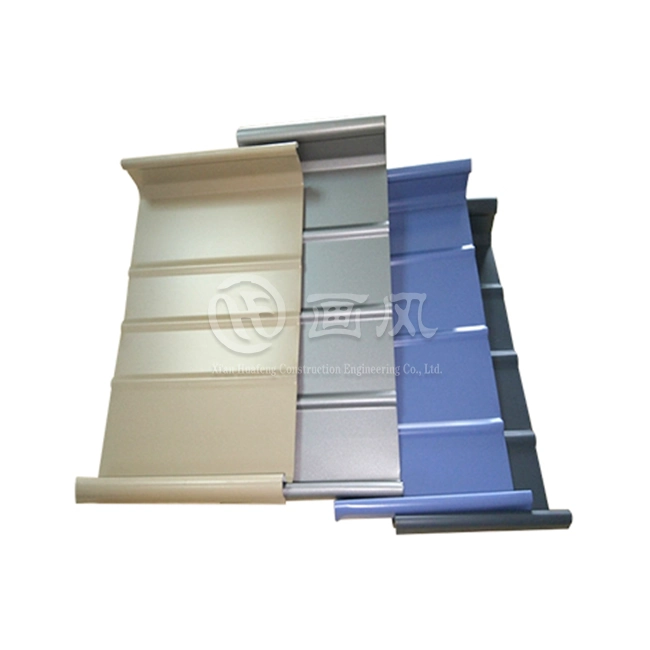
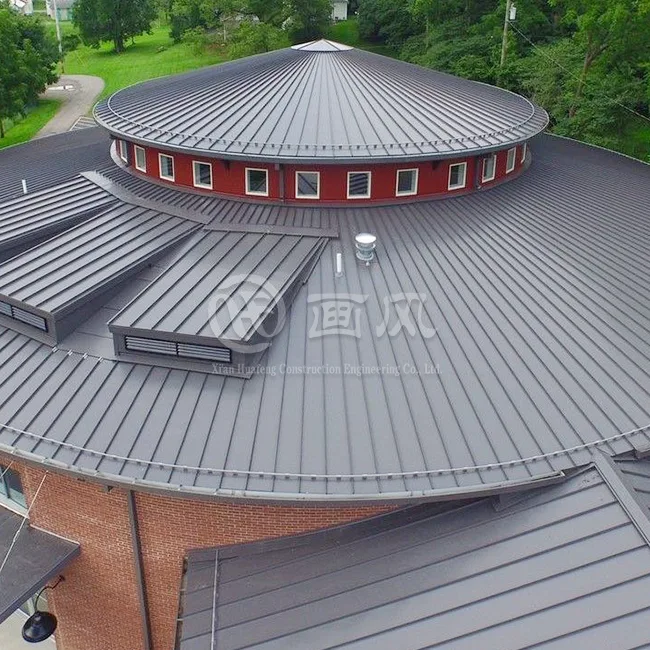
When construction professionals and commercial developers search for roofing systems that deliver both structural integrity and regulatory compliance, the 24ga standing seam metal roof stands out as a premium solution. This roofing system—manufactured from metal panels with a thickness of 0.5-0.7mm (24 gauge)—combines the concealed fastener design of standing seam technology with verified fire resistance, RoHS environmental compliance, and advanced coating certifications. These certifications aren't just paperwork; they represent tested assurance that the roof will perform under extreme conditions, meet international safety standards, and contribute to sustainable building practices. For roofing contractors managing large-scale projects, this certified profile addresses critical procurement criteria: proven durability, regulatory adherence, and long-term cost efficiency.

Understanding 24ga Standing Seam Metal Roofs and Their Certifications
This roofing system's technical base is its gauge measurement and built-in certifications that back up claims of performance.
What Makes 24 Gauge the Optimal Thickness
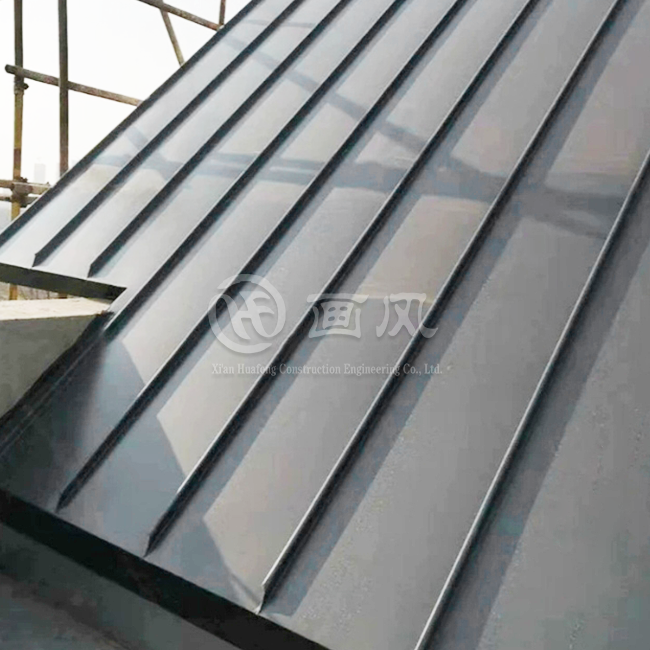
The gauge of a metal roof tells you how thick the base metal is. For example, 24 gauge is about 0.5 to 0.7 mm thick, depending on the base metal that is chosen. This thickness is a good compromise between affordability and usefulness. It's strong enough to prevent oil canning, a problem that thinner panels often have, while still being light enough to easily install on most roofs. The standing seam design raises the panel joints above the roof surface, making a barrier against the weather. Concealed clips allow the barrier to expand and contract with the temperature without affecting the waterproofing. This technical edge is especially useful in places where temperatures can change more than 50°F in just 24 hours, which is when fixed-fastener systems often fail.
Fire Certification Standards That Protect Investments
SGS, a widely recognised testing body, puts our panels through strict combustion tests based on AS/NZS 1530.3:1999 standards. All of the test examples had an ignition index of 0, a flame spread index of 0, and a heat release index of 0. This directly relates to risk management issues. During the nine days of tests in September 2024, six samples of 3003H24 aluminium panels with PVDF coats only showed discolouration on the surface and no flame spread. This information about fire performance meets the Class A fire ratings needed by commercial building codes across the United States. This lowers insurance costs and keeps people safe.
RoHS Compliance for Environmental Responsibility
Meeting the EU RoHS Directive 2011/65/EU (as changed by 2015/863) shows a dedication to caring for the environment, which is appealing to developers seeking LEED approval or companies with sustainability goals. In November 2024, our 5052H26 aluminium panels passed a full screening for ten restricted substances, including lead, mercury, cadmium, and phthalates. All ten substances were either not traceable or well below the legal limits. Only 10 mg/kg of lead was found, even though the limit is 1,000 mg/kg. This compliance takes away obstacles to foreign projects and fits with buying rules that are focusing more and more on supply chain openness.
Coating Performance Validated by AAMA 2605-22
Coating integrity is very important for metal roofing because it affects how long it lasts. This is why AAMA 2605-22 approval is so important to procurement pros. In November 2024, SGS Guangzhou gave our PVDF fluorocarbon coatings 13 performance tests. They passed all of them, including colour uniformity (ΔEH=0.3), dry film hardness (F grade), and adhesion ratings of 5B in both dry and boiling water. The coating didn't blister or lose its stickiness when it was exposed to hydrochloric acid, nitric acid, and mortar. This complete testing makes sure that the colour will stay true and the coating will not fade or chalk over the 30-year warranty period. This stops the chalking and fading that happen with cheaper coating systems.
Key Advantages and Performance of 24 Gauge Standing Seam Metal Roofs
Certifications lead to real improvements in performance that have a direct effect on project costs and the lifespan of buildings.
Structural Durability Backed by Engineering Data
When using steel substrates, the 24ga standing seam metal roof 24ga thickness gives a tensile yield strength of 50 ksi (345 MPa), which is strong enough to withstand foot traffic during maintenance and hail up to 2 inches in diameter. This structural capacity lets the panel span up to 4 to 5 feet between supports, depending on the shape of the panel and the wind load requirements in the area. When compared to 26-gauge options that bend easily under similar loads, the slightly thicker 24ga profile stays flat, meeting the requirements for high-visibility business installs in terms of appearance. The less oil canning is most obvious on big, flat roofs that are more than 10,000 square feet in area.
The weight factor is just as important. A 24ga aluminium alloy roof weighs about 0.7 to 0.9 pounds per square foot when it is fully installed. This is a lot less than the 8–12 pounds per square foot that concrete tiles or asphalt shingles usually weigh. Because the dead load is lower, structural strengthening may not be needed during retrofit projects. This saves money on planning costs and time during installation. Our range of materials, which includes aluminium alloy, steel, stainless steel, copper, and titanium zinc, lets engineers find the best strength-to-weight ratio for each project while still meeting the required standards.
Energy Efficiency Through Thermal Management
High solar reflection indexes (SRI) in metal roofing systems with PVDF and PE finishes save energy in a measured way. Light-colored PVDF coatings can block up to 70% of the sun's rays, which cools the roof surface by 50 to 60°F compared to dark asphalt. This thermal edge means that less cooling is needed. Studies have shown that business buildings in southern areas use 10 to 25 percent less HVAC in the summer. Metal's emissivity makes it even faster for heat to escape at night, which stops the heat island effect that happens in cities.
These perks for energy use directly lead to green building approvals. Usually, metal roofing can earn LEED points in the Sustainable Sites and Energy & Atmosphere categories. This is especially true if it has ENERGY STAR-approved high-emissivity coatings. When you put together RoHS compliance, recyclable substrate materials, and energy performance, you get a strong case for sustainability that helps business developers meet their environmental obligations without losing building performance.
Comparative Value Analysis
When procurement teams look at different roofing options, the certified 24ga standing seam system shows better lifecycle value, even though it costs more at first. Commercial installations usually cost $8 to $12 per square foot. For comparison, asphalt shingles cost $3 to $5 per square foot and single-ply membranes cost $5 to $8 per square foot. The 30-year guarantee and proven service life of more than 40–50 years, on the other hand, make the annualised cost much lower. Asphalt systems need to be replaced every 15 to 20 years, which causes a lot of problems and costs a lot of money to get rid of. Single-ply membranes often need to be fixed because the seams can fail and the UV light can damage them.
This benefit is made stronger by the maintenance differential. Standing seam metal roofs don't need much maintenance. They just need to be inspected once a year, have dirt cleaned off every so often, and have sealant touched up at penetrations every so often. This is different from membrane systems, which need to be patched, re-caulked, and covered with membranes all the time. When looking at certified metal roofs over 30 years, the total cost of ownership is often 20–35% less than other options. This is even before taking into account the money saved on energy costs and the time lost from work interruptions.
Installation and Maintenance Guide for Certified 24 Gauge Standing Seam Metal Roofs
Following established standards is important for project success because they protect the integrity of certifications and extend the life of systems.
Installation Best Practices for Certification Integrity
The first step in the installation process of 24ga standing seam metal roof is to prepare the foundation. This makes sure that the roof deck can be properly fastened and that the structure's strength is checked using engineering formulas. Choosing the right underlayment is very important. High-temperature synthetic underlayments rated for 240°F+ stop degradation from metal heat absorption, which means that cheaper felt products may still be covered by the warranty. The female seam leg of our panels already has sealant applied by the factory, so they need to be handled carefully so that the hydrostatic barrier doesn't get damaged.
Clip spacing is usually between 18 and 24 inches on center, but this depends on the manufacturer's instructions and the wind load standards in the area. The hidden clip method lets panels longer than 40 feet expand and contract with temperature changes without buckleing, as long as installers leave enough space at the ends. To do mechanical seaming, you need properly calibrated tools, like manual seamers for use in the field or electric seamers for faster production. The seaming process must consistently produce a 1-inch seam height with full sealant contact, which can be confirmed by checking the installation on a regular basis.
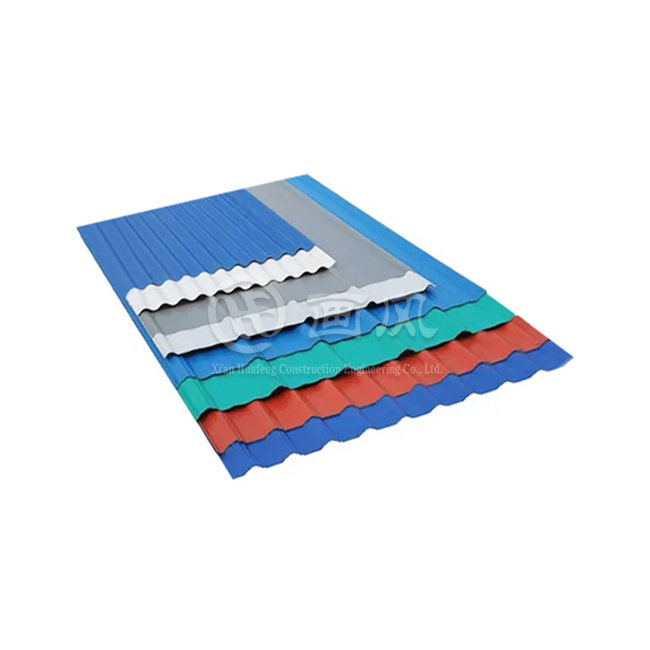
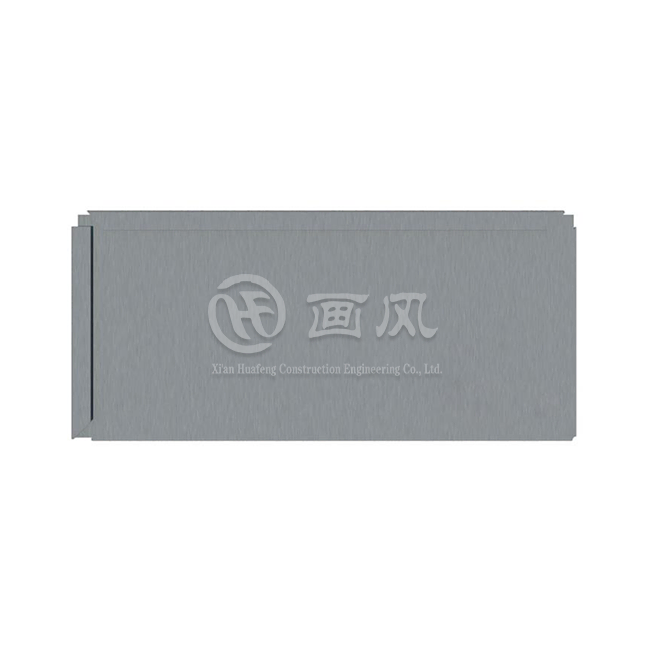
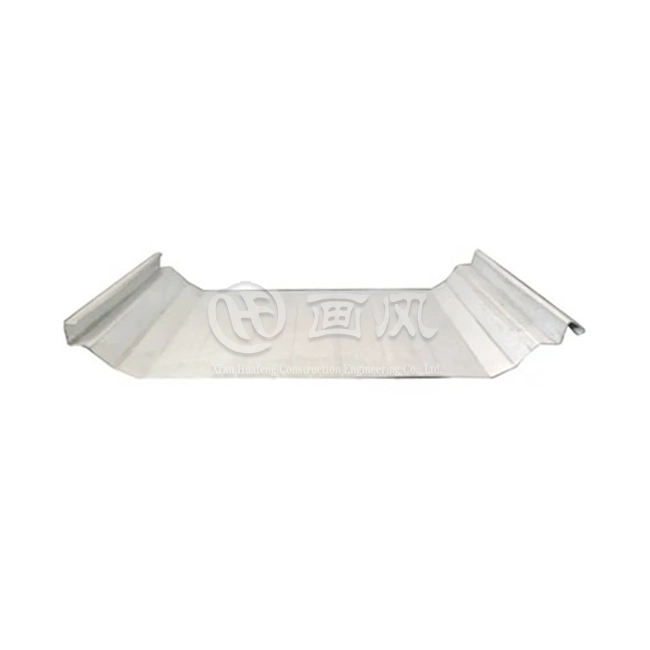
Panel sizes between 300 and 500 mm and seam heights between 25 and 65 mm (1" and 2.55") meet a variety of design needs while still performing well in bad weather. The RAL colour palette can be changed to fit any style, and the colours stay the same thanks to strict quality control during the paint application process. For experienced crews, installation usually goes at a rate of 15 to 25 squares per day. This means that projects for commercial buildings between 10,000 and 25,000 square feet take between 2 and 4 weeks to finish.
Maintenance Protocols That Preserve Certification
Post-installation care is mostly about keeping the coating's structure and stopping the buildup of debris that speeds up corrosion. Every six months, the sealant should be checked at ridge caps, eave trims, and penetration flashings, where different levels of movement create stress points. Abrasive cleaning methods can damage PVDF coatings. Low-pressure washing with pH-neutral soaps keeps the coating's look without affecting its fire-retardant properties or ability to stick to other surfaces.
In northern climates, managing snow load is very important. The smooth surface of our panels makes it easier for snow to fall naturally, but they may also make them more likely to slide, so a snow guard needs to be installed. We suggest clamp-on retention systems that attach to the standing seams with set screws. This spreads the weight without going through the waterproof envelope. This method keeps the fire certification and guarantee valid, while other methods that use through-fasteners would not.
Common Installation Challenges and Solutions
The weather is the main factor that affects operation. Installing metal panels works well in temperatures between 20°F and 90°F, but thermal expansion estimates need to be changed when temps are very high or very low. Rain interruptions require full seam closing before exposure to the weather—panels that are only partly seamed let water in, which defeats the purpose of hidden fasteners. Wind speeds over 20 mph make it hard to handle panels longer than 30 feet, which sometimes means temporary support or adding more people to the team.
When adding on top of existing roof systems, there are issues with substrate compatibility. Before approving overlay installations, our technical team checks that the structure can hold the extra weight, there is enough ventilation to keep condensation from forming, and the attachment points are solid. Some projects need to be torn down completely to fix deck damage, which adds to the cost but makes sure the job is done right. The shipping time of 15 to 20 days from our sites works with project schedules and gives us enough time to get ready.
Procurement Insights: Buying Certified 24 Gauge Standing Seam Metal Roof Panels
To make sure a project succeeds, strategic sourcing decisions weigh the importance of checking certifications, keeping costs low, and making sure the supply chain is reliable.
Identifying Qualified Suppliers
Supplier selection begins with verifying current certifications, testing records, and production consistency across different materials and specifications. Reliable suppliers should also have enough capacity to support large projects while maintaining delivery schedules. With suitable minimum orders, direct manufacturer purchasing can reduce costs, while distributor partnerships may provide faster solutions for urgent requirements and smaller projects.
Cost Considerations and Value Engineering
For approved 24ga standing seam panels, material costs vary by substrate and coating, with certified products costing more due to testing, quality control, and warranties. Installation, transportation, and handling add to total expenses depending on roof complexity, location, and order size. Although cheaper panels may reduce upfront costs, certified systems provide better long-term value, reliability, and legal protection.
Customization Options for Bulk Orders
Customization options improve installation efficiency and project appearance for large orders. Panel lengths up to 45 feet reduce seams, leaks, and installation time, while custom widths minimize waste. PVDF finishes provide superior colour retention, while PE offers cost efficiency. Custom colours support branding needs for larger projects, and flexible packaging choices improve handling efficiency based on site requirements.
Why Choose Certified 24 Gauge Standing Seam Metal Roofs for Your Projects?
Choosing certified roofing systems strategically has measured benefits that go beyond the need for instant installation and include risk management and market positioning in the long run.
Regulatory Compliance That Facilitates Global Projects
International certifications simplify global construction projects by ensuring compliance with fire, environmental, and material standards. SGS-verified testing, RoHS compliance, and alignment with ASTM, DIN, JIS, BS, and GB/T standards reduce engineering workload and procurement complexity. Standardised specifications across regions help accelerate approvals, simplify bidding, and shorten project timelines for multinational developments.
Sustainability Alignment with Corporate Initiatives
24ga standing seam metal roof supports corporate sustainability goals through recyclability, energy efficiency, and RoHS compliance. These features can contribute to LEED credits and improve environmental performance. With 30-year warranties and 40–50 years of service life, metal roofs reduce replacement waste and emissions. Some regions also provide incentives for high-performance building solutions.
Real-World Performance Validation
Standing seam systems deliver reliable performance across diverse climates and applications. A Florida distribution center selected PVDF-coated aluminum panels for corrosion resistance and energy efficiency, while a Pacific Northwest hospital used PE-coated steel for fire safety. Both projects benefited from durable designs, efficient installation, minimal maintenance, and long-term cost advantages.
Conclusion
Certified metal roofing systems are an investment in the long-term performance of a building, following the rules, and being environmentally friendly. The fire resistance that meets AS/NZS 1530.3:1999 standards, the environmental compliance that meets EU directives for RoHS, and the coating performance that meets AAMA 2605-22 standards all work together to make a complete quality assurance package that lowers project risk. Its 24ga thickness gives it the structural strength needed for industrial uses while still making installation quick and easy. Roofing contractors, commercial developers, and procurement professionals in charge of construction budgets can rely on these certified systems because they offer predictable lifecycle costs, low maintenance needs, and the peace of mind that comes from performance claims that have been independently verified and are backed by enforceable warranties.
FAQ
1.What distinguishes certified panels from standard metal roofing?
Independent third-party testing of certified panels verifies certain performance claims, such as fire resistance, environmental compliance, and coating durability. These tests are recorded in lab records that can be viewed. Standard panels may say they perform the same without checking, which can void the warranty and put the manufacturer at risk of being sued if something goes wrong. The licensing fee usually adds 15 to 25 percent to the cost of the materials, but it removes any doubt about how well they will work.
2.Can 24ga panels accommodate solar panel integration?
Standing seam systems are great for clamp-on solar mounting systems that don't need to go through the roof because of their strength and the way the seams are designed. The 24ga thickness is strong enough to place hardware without extra support, and the raised seams make it easy to connect things securely. A lot of business projects use both metal roofs and photovoltaic panels to save money on energy costs and help the environment.
3.How does panel color selection affect performance?
Lighter colours reflect more solar radiation, which lowers the need for cooling and makes it possible to get money for saving energy. PVDF coatings keep colours more stable than PE alternatives, so they don't fade over time, which can ruin the look of something after 10 to 15 years. When choosing between styles, you should think about your budget, how you want the building to look, and how long you think it will last. PVDF is worth the extra cost for homes that will be lived in, while PE is better for rental properties that will be held for a shorter time.
Partner with HF for Your Next Metal Roofing Project
Through strict quality control, multiple certifications, and reliable supply chain management, Xi'an Huafeng Construction Engineering has become a well-known 24ga standing seam metal roof manufacturer. Our three 200,000-square-meter production facilities in Anhui, along with processing plants in Hangzhou and Xi'an, work together to keep business projects on schedule by producing 1,000 tonnes of goods every month. Our fully automatic punching systems and seven colour coating production lines make sure that big orders are all the same. Our 30-year promise shows that we are confident in the durability of our products.
We offer a full range of services to help procurement professionals find a certified 24ga standing seam metal roof supplier for their next commercial project. These include engineering support during the development of specifications, material customisation to meet project needs, and delivery coordination to meet construction schedules. Along with the product-specific SGS tests, our ISO9001 and ISO14001 certifications provide process security all along the supply chain. Email our team at huafeng@hfmetalroof.com to talk about your project needs, get technical specs, or set up a tour of our building to see how we make things and follow quality control rules.
References
1. American Architectural Manufacturers Association. "AAMA 2605-22: Voluntary Specification, Performance Requirements and Test Procedures for Superior Performing Organic Coatings on Aluminum Extrusions and Panels." 2022.
2. Standards Australia/Standards New Zealand. "AS/NZS 1530.3:1999 Methods for Fire Tests on Building Materials, Components and Structures - Simultaneous Determination of Ignitability, Flame Propagation, Heat Release and Smoke Release." 1999.
3. European Parliament and Council. "Directive 2011/65/EU on the Restriction of the Use of Certain Hazardous Substances in Electrical and Electronic Equipment (RoHS Directive), as amended by Directive (EU) 2015/863." 2015.
4. Metal Construction Association. "Technical Bulletin: Design and Installation Guidelines for Standing Seam Metal Roof Systems." Metal Construction Association Publishing, 2023.
5. Cool Roof Rating Council. "CRRC-1 Standard: Standard Test Methods for Determining Radiative Properties of Materials." Cool Roof Rating Council, 2021.
6. U.S. Green Building Council. "LEED v4.1 Building Design and Construction Guide: Credit Requirements for Sustainable Sites and Energy Performance." USGBC Press, 2023.





YOU MAY LIKE
_1781690542318.jpg "Self-adhesive waterproof membrane")