Custom Double Lok Roof Panel Solutions with ASTM Standards
2026-08-03 19:54:39
When specification decisions arrive on your desk, choosing the right roofing system can determine whether a commercial build meets code for decades or requires premature replacement. Custom double lok roof panel solutions engineered to ASTM standards deliver the structural integrity and weatherproofing performance that construction firms, roofing contractors, and property developers demand. Unlike single-lock or snap-fit alternatives, these mechanically seamed systems create a 360-degree watertight barrier capable of withstanding extreme wind uplift, thermal cycling, and submersion-level water testing—critical attributes for low-slope applications down to 1/4:12 pitch. ASTM compliance in materials like A653 galvanized steel and coating standards such as AAMA 2605 ensures every panel leaving the factory meets repeatable benchmarks for corrosion resistance, fire safety, and dimensional accuracy. This article explores how customized double-lock roofing systems solve real-world challenges in procurement, installation, and lifecycle performance.

Understanding Double Lok Roof Panels and ASTM Standards
What Makes Double Lok Systems Different from Conventional Metal Roofing
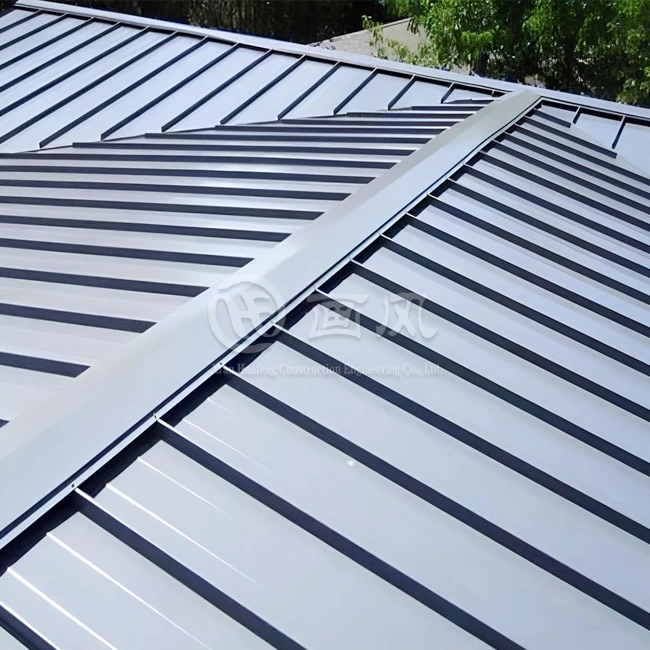
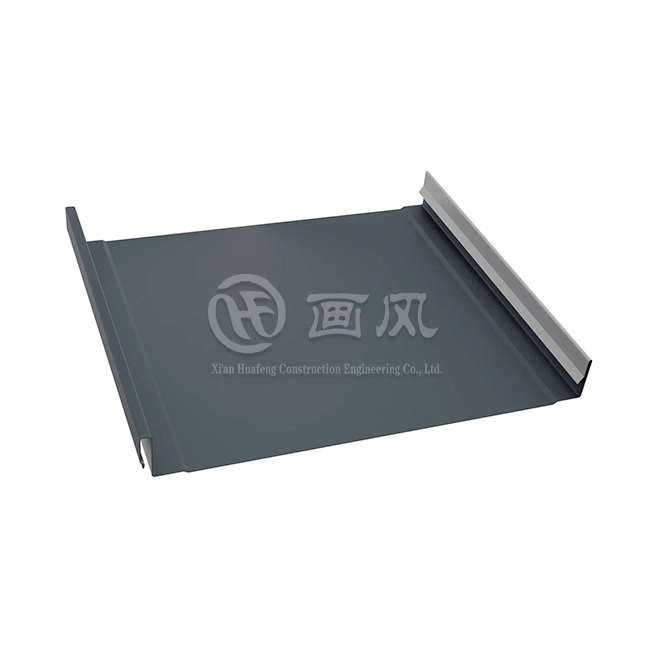
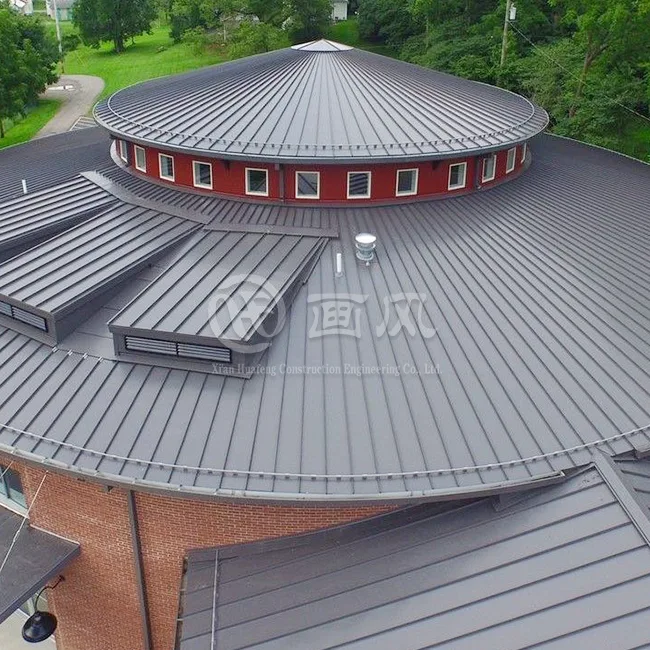
The legs of Double Lok standing seam roofing are shaped like a trapezoidal profile, and electric seaming machines fold the field crews into a continuous seam that fits together perfectly. The end result is a 360-degree "Pittsburgh" double-lock that is better at both structural load transfer and water protection than snap-lock panels. Traditional standing seam shapes use 90-degree folds and corrugated panels subject bolts to UV degradation and thermal stress. The Double Lok design, on the other hand, creates redundancy by pressing two layers of metal together with hot-melt sealant applied at the factory. This shape is important if your project is near a storm zone or goes through frequent freeze-thaw cycles that damage weaker systems.
Material substrates can range from 24-gauge Galvalume steel to .040-inch aluminum, copper, or even titanium-zinc metals. The choice of substrate is based on how resistant it is to corrosion in the environment and how it looks. HF makes special panels with seams that are between 0.5mm and 1.2mm thick and 25mm to 65mm (1" to 2.55") high. This lets engineers find the best way for structures to span without requiring too much weight. These choices about sizes have a direct effect on the distance between purlins, the wind load rates, and the total cost per square foot of installation.
How ASTM Standards Govern Panel Quality and Performance
The consensus guidelines for accepted material properties and test methods for metal building components are put out by ASTM International. There are three specifications that are especially important:
1. ASTM A653/A653M sets standards for steel sheets that are zinc-coated (galvanized) or zinc-iron alloy-coated (Galvalume). This standard lists coating weights, such as G90 or AZ55, which show what kind of corrosion protection is used as a last resort. HF finds bases with a Grade 50 yield strength of 50,000 psi. This makes sure that panels won't get oily or dented during installation or service life.
2. ASTM E1680 checks how much air leaks through roofs that have been put together while controlling the difference in pressure. When tested according to this technique, Double Lok assemblies show very little infiltration. This is because, unlike snap-lock profiles that don't fit tightly, the manually folded seam seals metal-to-metal with sealant. When there is less air loss, HVAC systems in conditioned areas use less energy.
3. ASTM E1646 tests the resistance to water entry in both steady and moving situations that are similar to wind-driven rain. For 15 minutes, systems must be able to handle 6.24 psf pressure without leaking. Because of the capillary break made by the double fold and the continuous sealer bead, Double Lok panels always pass this test. This means they can be used on roof slopes as low as 1/4:12, where water pools for a short time.
In addition to structural tests, ASTM D3363 checks the hardness of the coating and ASTM D3359 checks the adhesion, which is very important for PVDF and polyester finishes that don't chalk or fade over 30-year guarantees. HF's AAMA 2605 coatings were approved by SGS and met all 13 performance standards. These included sticking to hot water and not reacting with chemicals like HCl, nitric acid, and detergents. These third-party checks give buying officers faith that the colour and gloss will stay the way they were promised, not just on the day of delivery but also for decades afterward.
Why ASTM Compliance Matters for B2B Procurement Decisions
More and more, building codes across the US refer to ASTM standards by number, which means that compliance for double lok roof panel is no longer just a marketing claim but a legal requirement. For places that need FM Global 1-90 or UL 90 wind ratings, the panels must have been tested according to ASTM E1592 to show that they are structurally sound when static air pressure is kept constant. Contractors can be held responsible for non-compliant products they specify, and inspections can cause delays in the project.
Environmental certifications like LEED v4 give points for efficiency of the building shell that has been proven by standard tests. It is possible to get EA Credit 1 (Optimize Energy Performance) and SS Credit 5 (Heat Island Reduction) with a Double Lok system that has ASTM E1680 air loss data and Solar Reflectance Index (SRI) numbers that can be shown. If building owners want to be recognized as a green building, they need sellers who give them test reports and Environmental Product Declarations (EPDs), not just hazy claims about how well the product works.
It's now just as important to be clear about the supply line. Ethical procurement teams check that manufacturers have ISO 9001 quality management systems and ISO 14001 environmental systems in place. HF has three factories with seven production lines. Each batch can be tracked from the time the coil is received until it is finished. This vertical merger gets rid of the quality problems that happen when panels are bought through wholesalers who mix materials from different mills.
How Custom Double Lok Roof Panel Solutions Work: Installation and Performance
Engineering Custom Panels to Match Exact Project Specifications
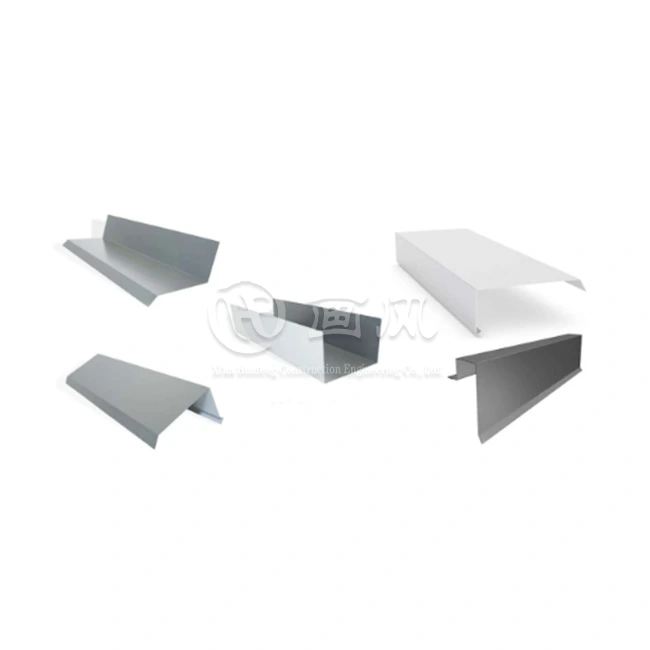
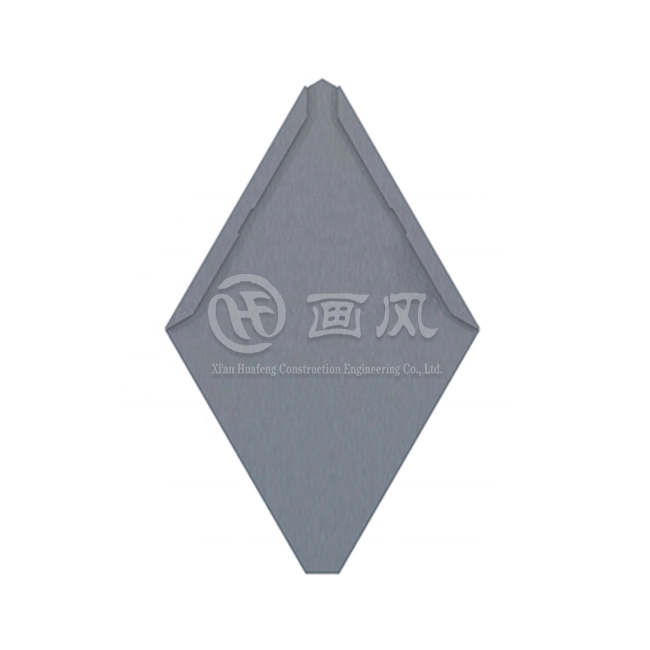
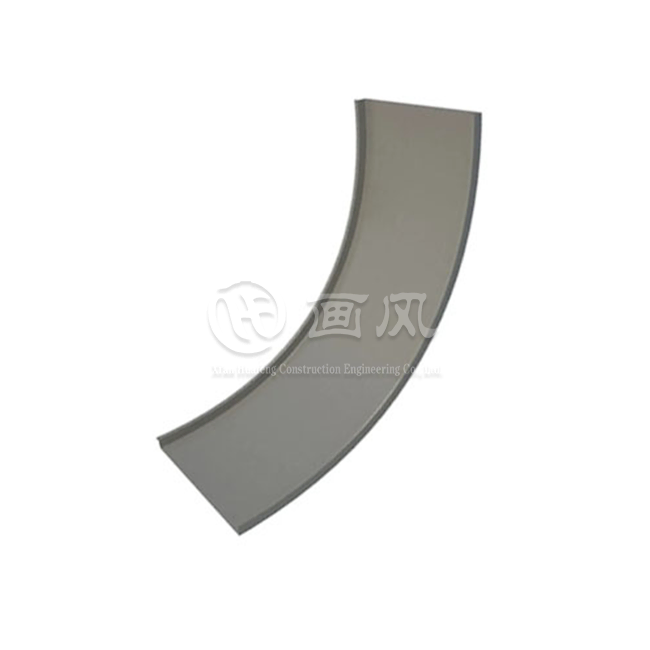
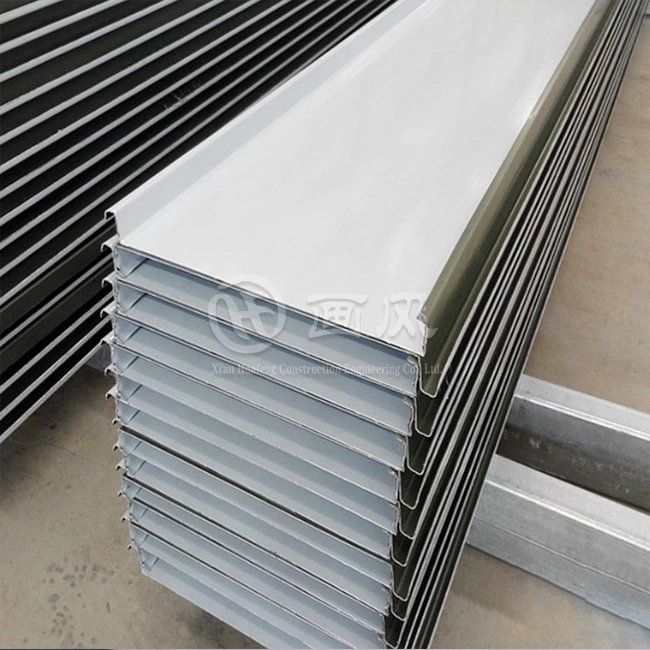
HF provides customised panels based on building designs, structural requirements, and performance needs. Continuous panels reduce leak risks and improve durability, while engineered choices of gauge, materials, and clip spacing optimise performance and cost. Options include steel, aluminum, copper, and stainless steel, with flexible color matching and coating solutions for commercial and specialised projects.
Installation Methodology and the Importance of Proper Seaming
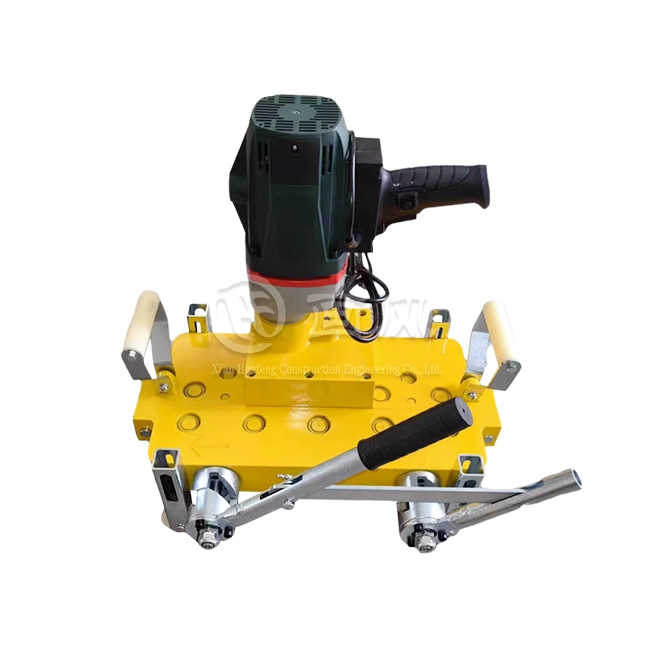
Proper Double Lok installation requires trained workers, correct tools, and quality control. Floating clips allow thermal movement while reducing stress on panels and fasteners. Electric seaming machines create the 360-degree lock, requiring precise calibration to ensure waterproof performance. Regular seam inspections and clip checks help maintain durability, structural stability, and long-term weather resistance.
Performance Under Extreme Weather and Energy Efficiency Contributions
Mechanically seamed systems provide strong weather resistance, with Double Lok panels maintaining performance in extreme winds. Raised seams and insulation compatibility improve thermal efficiency, achieving high R-values for energy-conscious buildings. Steel and tested coated aluminum panels also offer strong fire protection, meeting safety standards and reducing risks compared with less durable roofing alternatives.
Maintenance Protocols to Maximize Warranty Validity and Service Life
Regular maintenance helps preserve performance and warranty protection for ASTM-compliant systems. Annual inspections, proper cleaning, and checks of clips, panels, and coatings prevent damage and corrosion. Maintaining detailed service records supports warranty claims, especially for long-term coating guarantees. These simple practices protect asset value and extend roofing service life.
Comparing Double Lok Roof Panels with Other Roofing Options
Structural and Weather Resistance Advantages Over Alternative Systems
double lok roof panel systems provide superior weather resistance through 360-degree seam locking and hidden clips, reducing water intrusion risks compared with snap-lock and exposed-fastener systems. Unlike traditional panels with vulnerable seals and screws, Double Lok maintains long-term durability. Its hydrostatic performance at low slopes makes it suitable for large commercial buildings requiring reliable protection and design flexibility.
Return on Investment Analysis for Commercial and Industrial Projects
Double-lock metal roofs cost more initially, but provide more long-term value due to its longer life, cheaper maintenance and energy savings. Reflective coatings help cut HVAC costs Improved seam performance improves efficiency Bulk purchases and scheduled deliveries also help cut expenses. These systems are a cost-effective option for large commercial and industrial operations.
How Material Selection Impacts Cost, Durability, and Aesthetics
The price, longevity and look of the roof will depend on the material used. The most common type is steel, but galvalume provides good corrosion resistance. Aluminium works well in the coastal areas but may require extra frame. Copper and zinc offer premium, long-lasting aesthetics at a higher price. Balancing performance, budget and design goals in projects can be aided by combining materials in the right way.
Procuring Custom Double Lok Roof Panels: What B2B Buyers Need to Know
Navigating the Ordering Process from Specification to Delivery
The procurement process often starts 8-12 weeks before to installation and includes engineering approvals, shop drawings, production planning and logistical coordination. Lead time depends on the chosen customisation with regular orders arriving in 15-20 days and exceptional materials needing more time for preparation. Professional suppliers will guarantee your project runs smoothly through delivery schedules, customs and transportation.
Evaluating Manufacturers: Certifications, Capacity, and Customer Support
Don't be swayed by marketing and remember certifications, manufacturing capabilities and customer service when choosing a vendor. ISO certifications and independent testing confirm quality and compliance. We have the production ability to serve huge projects with dependable delivery, competent technical support, installation advice and engineering assistance to help you address construction issues and assure project success.
Understanding Warranty Terms and Long-Term Partnership Value
Warranty terms for double lok roof panel should be reviewed carefully, covering material durability, coating performance, and excluding issues from poor installation or maintenance. Proper installation documentation protects warranty claims. Long-term supplier relationships provide added benefits, including production priority, flexible payment terms, and access to new products. Reliable partnerships create ongoing value for both manufacturers and customers.
Why Choose ASTM-Compliant Custom Double Lok Roof Panels for Your Projects
ASTM approval turns vague claims about performance into facts that can be checked, backed by standard testing methods and review by a third party. When specifications call for ASTM E1592 wind resistance or ASTM E1646 water penetration testing, you can compare products that are similar in every way. This objectivity speeds up the decision-making process for purchases and lowers technical risk. Custom Double Lok systems that meet these standards have measurable benefits, such as better weather resistance for low-slope applications, better resistance to wind uplift in coastal areas, and the ability to hide fasteners without affecting the architectural vision. Different types of materials, such as inexpensive Galvalume steel and high-quality copper, make it possible to customize solutions to meet the performance needs and price limits of each project. Vertically integrated manufacturing at HF makes sure that large orders are all the same. Batch traceability and quality documentation meet the highest standards for procurement audits. The 30-year guarantee, which is backed by SGS fire testing, RoHS environmental compliance, and AAMA 2605 coating certifications, shows that the maker is sure that the product will work well for a long time. Putting money into roofing infrastructure that meets ASTM standards protects the people who live or work in the building, keeps the property's value, and fits with sustainability goals that are becoming more important in corporate real estate strategies.
Conclusion
It's not enough to just compare prices when choosing roofing systems for commercial and industrial buildings; you also need to look at how well they perform over time, how well they meet regulations, and how reliable the supplier is. Custom Double Lok standing seam panels that meet ASTM standards have clear benefits in terms of weather protection, structural stability, and long-term good looks. These benefits explain the higher price by lowering maintenance costs and increasing service life. Construction workers can make smart choices that protect project budgets and building occupants when they know about material specs, best practices for installation, and procurement processes. Standardized testing methods, third-party certifications, and manufacturer responsibility create a level of transparency that regular products can't match. This is why ASTM-compliant metal roofing is the best choice for tough situations.
FAQ
1.What minimum roof slope works with double-lock standing seam panels?
Double Lok systems handle slopes as low as 1/4:12 (1/4 inch of rise per 12 inches of horizontal run) due to their 360-degree mechanical seam and factory-applied sealing. This ability goes beyond what snap-lock profiles can do, which need a minimum pitch of 3:12. The ASTM E1646 water entry test confirms that the product works well in situations of high water pressure that happen on very steep slopes. Always check the local building code, because some places require higher pitches even if the maker tested them and said they were fine.
2.How do floating clip systems handle changes in temperature without leaking?
Two-piece clips have a base plate that is attached to the roof deck and a tab that stands upright and holds the panel in place without going through it. The panel sits on this tab and can slide lengthwise as temperature changes cause expansion or contraction—up to 1.5 inches on 100-foot runs. This movement is possible because fasteners only connect to clips and never go through panels. The gap doesn't let water in because it's made by mechanically bending layers of metal together, not by pressing gaskets or sealants together, which could come loose under heat.
3.Can solar photovoltaic systems be installed on double-lock roofs without going through them?
Specialized clamps hold the raised seam in place without cutting through the roof membrane. This keeps the roof's weathertightness and protects the paint warranty. When designed for certain wind and snow loads, these non-penetrating mounts meet the requirements of the building code. The continuous seam gives you an infinite number of attachment points along the length of the panel, so you can set up your PV array in the best way possible. Standing seam metal roofs are the most common type of business solar installation because they combine a 50-year roof warranty with a 25-year PV system warranty.
Ready to Specify Double Lok Roof Panel Solutions for Your Next Project?
HF delivers ASTM-compliant custom metal roofing systems engineered for commercial and industrial applications where performance cannot be compromised. Our three manufacturing sites and seven production lines handle 1,000 metric tons monthly, providing everything from single-building retrofits to multi-phase development portfolios. As a direct double lok roof panel manufacturer, we don't have to pay markups to distributors, and we keep full control over the quality of our products from coil coating to rolling and finishing. Every panel comes with test results that have been confirmed by SGS to show that it is fire resistant, meets environmental standards, and has a covering that lasts. Our delivery times are between 15 and 20 days, and the minimum order size is as low as 500 m². We also offer full technical support, which includes installation training and troubleshooting in the field. No matter if your project needs .032-inch aluminum to resist corrosion in coastal areas or 24-gauge Galvalume steel for cost-effective performance, our engineering staff works together to make sure that the specifications are perfect for your needs. For custom quotes, shop drawing reviews, and material samples that show the quality difference ASTM compliance brings, email our team at huafeng@hfmetalroof.com or look at our website for full product specifications.
References
1. American Architectural Manufacturers Association. AAMA 2605-22: Voluntary Specification, Performance Requirements and Test Procedures for Superior Performing Organic Coatings on Aluminum Extrusions and Panels. Schaumburg: AAMA, 2022.
2. ASTM International. ASTM A653/A653M-22: Standard Specification for Steel Sheet, Zinc-Coated (Galvanized) or Zinc-Iron Alloy-Coated (Galvannealed) by the Hot-Dip Process. West Conshohocken: ASTM, 2022.
3. ASTM International. ASTM E1592-21: Standard Test Method for Structural Performance of Sheet Metal Roof and Siding Systems by Uniform Static Air Pressure Difference. West Conshohocken: ASTM, 2021.
4. ASTM International. ASTM E1646-21: Standard Test Method for Water Penetration of Exterior Metal Roof Panel Systems by Uniform Static Air Pressure Difference. West Conshohocken: ASTM, 2021.
5. FM Approvals. FM 4471: Approval Standard for Class 1 Panel Roofs. Johnston: FM Global, 2020.
6. National Roofing Contractors Association. The NRCA Roofing Manual: Metal Panel and SPF Assemblies—2022. Rosemont: NRCA, 2022.





YOU MAY LIKE