SGS Tested 24ga Standing Seam Metal Roof for Safe Building Applications
2026-08-03 19:58:04
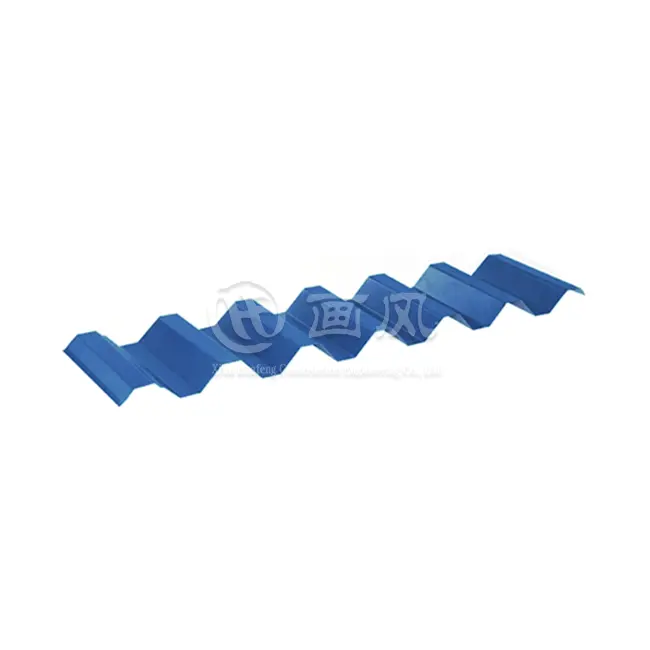
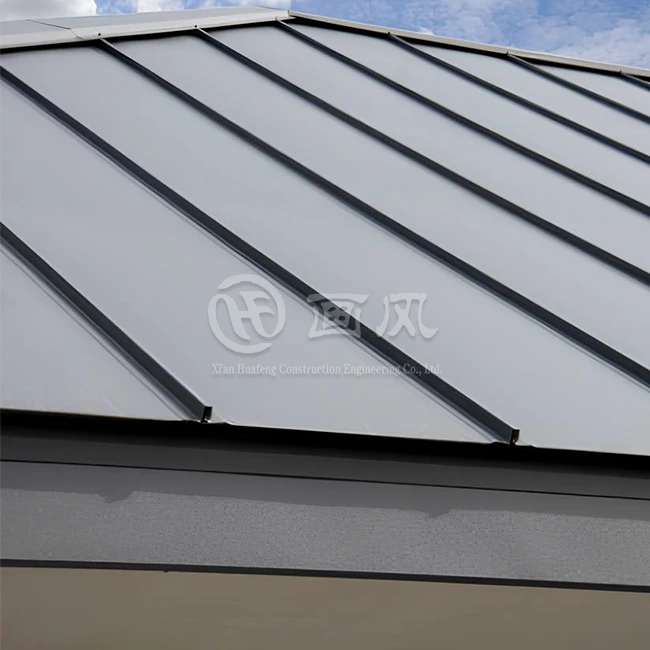
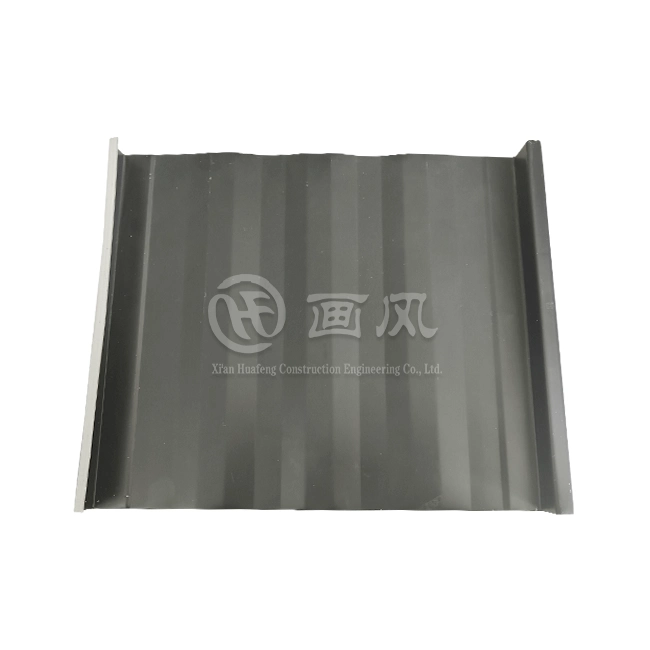
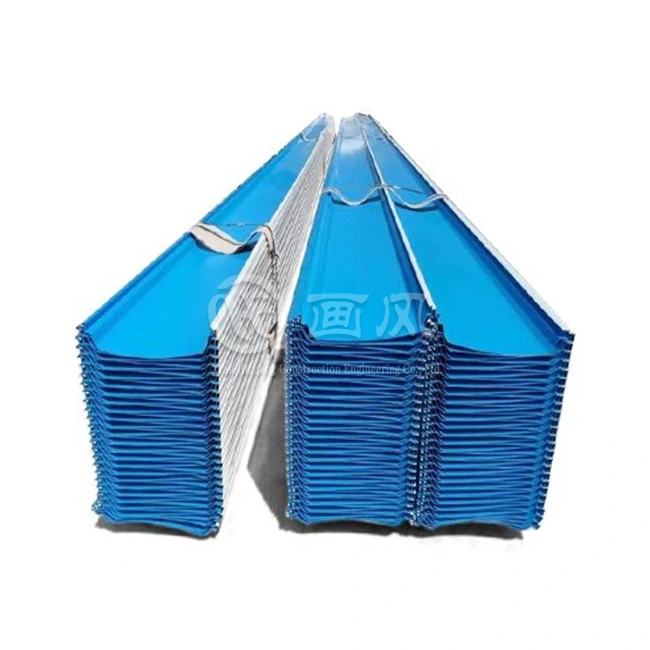
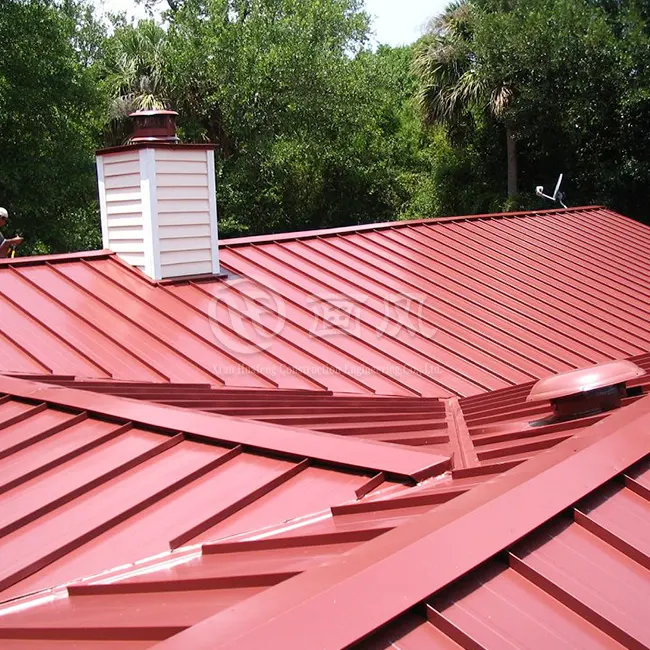
When construction projects demand both structural integrity and verified safety compliance, a 24ga standing seam metal roof backed by SGS testing provides the confidence procurement teams need. This roofing solution combines the proven thickness of 24-gauge panels—typically ranging from 0.5mm to 0.7mm—with rigorous third-party certification that confirms fire resistance, environmental safety, and coating durability. For contractors and developers managing large-scale commercial builds or residential renovations, choosing SGS-certified panels eliminates guesswork around material performance. The standing seam design with concealed fasteners creates a watertight barrier capable of withstanding extreme weather while maintaining architectural appeal across decades of service.

Understanding the 24ga Standing Seam Metal Roof
Specifications for metal roofs can seem complicated, but knowing the basics helps people in charge of buying things make smart choices that keep project budgets and schedules on track. The number "24ga" stands for gauge thickness, which is the opposite of panel strength: lower gauge numbers mean thicker, stronger material. At about 0.6 mm, these panels are the perfect thickness for both strength and material efficiency.
Material Composition and Structural Benefits
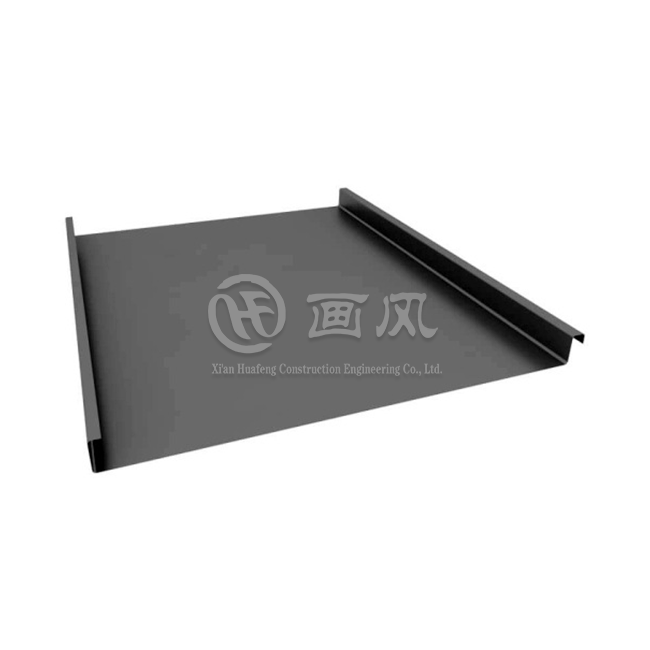
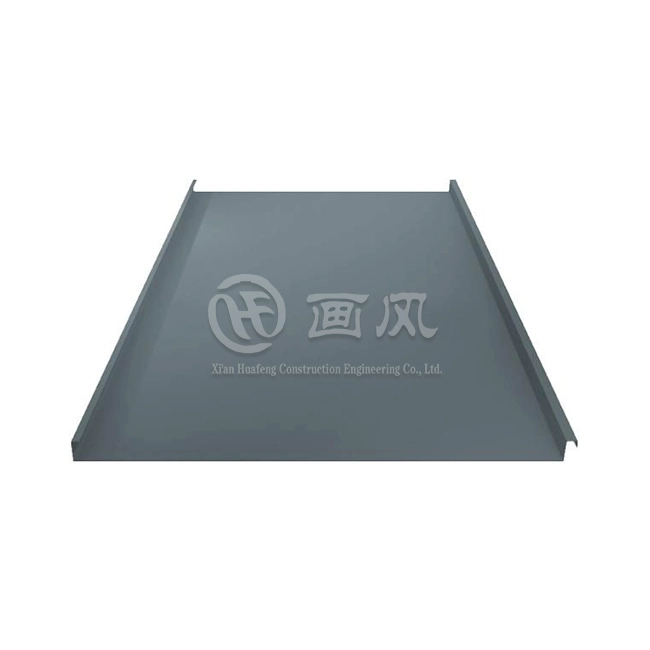
HF makes standing seam panels from a variety of materials, such as aluminium alloy, galvanised steel, stainless steel, copper, and titanium-zinc. Each of these is chosen based on its performance in different environments. Galvanised steel is a cost-effective way to make commercial buildings stronger in the middle of the country, while aluminium alloys are great for coastal installations because they are lightweight and resistant to corrosion. The standing seam shape, which has vertical legs that range in height from 25 mm to 65 mm, makes raised interlocking seams that keep water away from fastener penetrations. This design feature directly addresses the main point where standard exposed-fastener systems fail.
Our panels meet many international standards, such as ASTM, DIN, JIS, BS, and GB/T, so they are compatible with building codes around the world. The hidden clip attachment method allows for thermal expansion and contraction without affecting the structure of the panel, which is very important in places where temperatures change more than 50°F throughout the year.
Energy Efficiency and Lifespan Considerations
Modern metal roofing is more than just a way to protect against the weather; it's also an active part of managing a building's energy use. The PVDF and PE finishes on HF panels reflect a lot of solar radiation, which means they need up to 25% less cooling than dark asphalt panels. This property of reflecting light is especially useful in warehouses and distribution centers, where HVAC costs are a big part of running the business.
We back our goods with a 30-year warranty, and if the right steps are taken during installation, these roofing systems usually last longer than the warranty time. In most cases, the useful life can last longer than 40 years with regular checks that focus on seam integrity and penetration flashings every six months. Organic roofing materials don't need to be maintained because they are naturally resistant to biological growth, rot, and insect damage.
Comparing Standing Seam Panels with Alternative Roofing Solutions
Choosing a roof means looking at more than just the initial cost of the materials. You have to think about how much it will cost to maintain over time, how often it will need to be replaced, and how it will affect the environment over the building's operational life.
Gauge Thickness Performance Analysis
Choosing between 26ga, 24ga, and 22ga panels has a direct effect on how well the structure works and how it looks. 26-gauge options lower the initial cost of the material by about 15%, but the thinner profile makes it more likely to suffer from oil canning, a noticeable wave that ruins the look of architecture, especially on large roof planes that don't have any interruptions. Our 24ga panels are more stiff, which reduces this effect while keeping the panels easy to work with during fitting.
Moving to a 22-gauge width makes the material slightly less likely to dent, but it also makes it heavier, which could mean that it needs to be reinforced in upgrade situations. The 24ga standing seam metal roof standard is the "sweet spot" in the industry, where the performance benefits are enough to support the small price increase over lighter options.
Metal Roofing Versus Traditional Materials
Asphalt shingle roofs are popular in household areas because they are easy to install and don't cost much. However, they need to be replaced several times over the life of a building because they only last 15 to 20 years. Taking off, throwing away, and putting back on a metal roof often costs more than the total cost of a properly designed metal roof system. Asphalt products also add a lot to landfill waste—about 11 million tonnes of it every year in the US alone, according to data from the construction industry.
Clay and concrete tile systems are just as durable as metal ones, but they require a lot more weight than metal ones—about 750 to 900 pounds per square foot instead of 50 to 150 pounds. This difference in weight is very important in seismic areas where building rules limit the weight of the roof and in retrofit situations where the current framing can't handle more weight without expensive strengthening.
Evaluating Supplier Reliability and Certification
SGS testing tells the difference between confirmed quality and marketing claims, giving procurement teams concrete information on how well products are performing. As part of our certification process, we tested our products' combustion performance according to AS/NZS 1530.3:1999 standards. All of the samples we tested had a zero ignition index and no flame spread, which shows that they have excellent fire safety properties. Testing for EU RoHS compliance made sure that there were no restricted hazardous substances, which means that the product met environmental rules in all international markets.
The AAMA 2605-22 coating certification covers 13 different performance parameters, such as chemical exposure tolerance, colour uniformity, and impact resistance. These third-party verifications help people apply for LEED credits and meet the standards of insurance companies that are increasingly requiring certified building products.
Installation Best Practices for Maximum Performance
Whether roofing systems last as long as they're supposed to or fail early because of problems that could have been avoided depends on how well they were installed. Standing seam panels are very different from other roofing materials in how they need to be handled and attached.
Pre-Installation Planning and Safety Protocols
A thorough review of the roof deck is the first step to a successful installation. This makes sure that the structure is strong enough to support the expected loads, such as tools, maintenance workers, and snow from the area. For most uses, deck surfaces need to have a minimum 2:12 pitch, but some special profiles can handle slopes as low as 1:12 when project requirements call for them.
Putting down synthetic underlayment protects against secondary moisture damage during building and acts as a vapour shield to stop damage from condensation. To keep the system's stability, this layer must be properly folded and sealed where it goes through. Based on the length of the panel and the material of the substrate, our technical team creates project-specific installation manuals that spell out the exact clip spacing, seam engagement, and expansion joint requirements.
Addressing Common Installation Challenges
Thermal movement is the biggest problem when installing a 24ga standing seam metal roof, because the panels expand and shrink a lot as the temperature changes. When this movement is limited by fixed fastening systems, stress builds up, which can cause fasteners to back out or panels to buckle. When HF standing seam panels are used, the floating clip design lets the panels move freely while keeping the seams tight against the weather.
For proper seam closing, you need precise seaming tools that make mechanical locks that don't over-compress or under-engage panel edges. Powered seamers are necessary for quality setups because hand-formed seams don't always get the regularity needed for long-term weatherproofing. Our network of distributors offers installation support services and tools loan programs to help contractors who aren't familiar with standing seam systems do a good job.
Maintenance Programs for Longevity
Setting up regular inspection schedules for your roof will help you get the most out of your investment by finding small problems early on, before they become bigger and costlier to fix. Every six months, checks should be done to record the state of the seams, the strength of the fasteners at the ends, and any debris that has piled up in valleys or behind parapet walls. Coastal installations can benefit from regular rinsing with fresh water, which gets rid of salt deposits before they hurt the performance of the coating.
Procurement Guide: Sourcing SGS Certified Panels
To find trustworthy sources for certified roofing materials, you need to know how to use supply chains, how lead times change, and how the ability to customise materials affects project schedules.
Distribution Channel Options
When you buy directly from a manufacturer through HF, you can get non-standard panel widths, special coatings, and coordinated trim components that are made to fit the needs of your specific project. Our 500-square-meter minimum order number is enough for most business projects and keeps production running smoothly. With a monthly capacity of 1,000 tonnes, we can handle multiple projects at the same time without having to wait for long lead times that slow down building plans.
Regional wholesalers let you buy in smaller amounts and keep stock locally for quick projects, but you might only be able to choose from stock shapes and standard colour choices when you want to customise something. This channel works well for contractors who are in charge of a bunch of smaller home projects with different colour schemes and panel specs that are spread out over several job sites.
Pricing Transparency and Budget Planning
Material costs for SGS-certified standing seam systems are usually between $4.50 and $8.50 per square foot, but this depends on the type of material chosen, the finishing requirements, and the size of the order. Aluminium and other speciality metals cost more than galvanised steel, but in most cases, galvanised steel is cheaper without sacrificing performance. PVDF coats cost about $0.75 to $1.25 more per square foot than regular polyester finishes, but they last longer and don't chalk as easily, which is important for projects that need to keep the look of buildings.
Standard shipping times for special orders are 15 to 20 days, which needs to be factored into the project schedule. A deposit of 30% to 50% is usually required at the time of placing the order. For international orders, shipping containers takes an extra 3 to 6 weeks, depending on the port of destination. This means that projects with set due dates need to be planned ahead of time.
Customization Capabilities and OEM Services
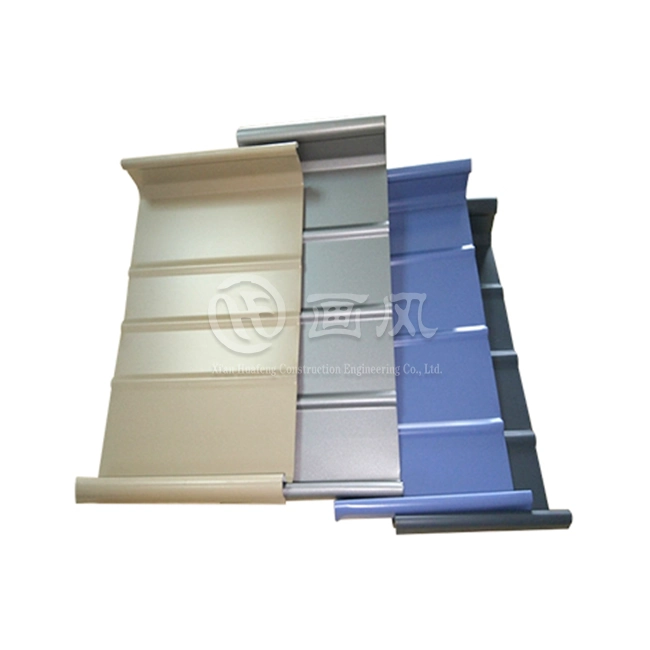
HF allows for a lot of customisation with 24ga standing seam metal roof, which helps distributors set their brands apart and meets the needs of specific projects. Our color-matching services use both RAL standards and customer-specifications, and we offer digital proofs before committing to production. Panel widths range from 300 mm to 500 mm to suit different aesthetic tastes and structural span needs. Seam heights range from 1 inch to 2.55 inches, which affects how noticeable they are and how well they drain water.
Private labelling and custom packaging help distributors build their own brands. Technical documentation and installation guides can also be co-branded to help them stand out in the market. Our engineering team works together to change profiles to meet specific building needs. During the design development stages, they help with CAD integration and structure calculations.
Why HF Stands Behind SGS Certified Metal Roofing
Quality assurance in building materials goes beyond what the company says on the box; it also includes testing data that can be checked and can stand up to engineering and regulatory review.
Technical Features Validated Through Testing
According to AS/NZS 1530.3:1999 standards, our SGS combustion testing showed that none of the test samples ignited and there was no flame spread or heat release that could be seen. These results show that the fire safety performance was better than the minimum requirements set by code. This gives specifiers proof that an approved fire-rated assembly meets those requirements. The smoke growth index of 0-1 means that poisonous gases aren't being released very much during a fire, which helps protect people who are inside occupied buildings.
Environmental compliance testing showed that the product fully complied with EU RoHS directives, with none of the ten restricted substances being found or being present at levels well below the regulatory limits. The amount of lead found was only 10 mg/kg, which is less than 1% of the allowed limit. Mercury, cadmium, and hexavalent chromium could not be found. This certification simplifies the requirements for projects that want to get LEED credits and meets the needs of companies that want to buy environmentally friendly products.
The thirteen different performance tests that made up the AAMA 2605-22 coating approval checked for colour uniformity, adhesion strength, chemical protection, and mechanical longevity. The high quality of the PVDF finishes on HF panels is proven by their perfect scores in all tests, including 5B ratings for adhesion and no coating failures during impact testing.
Real-World Performance Across Diverse Applications
Commercial warehouses in the southeast of the United States have used our standing seam systems for 20 years and reported that they have kept their original look and kept out the weather, even during hurricanes with winds reaching Category 3 speeds. After the storm, checks showed that no panels were lost and only minor damage from debris. This was very different from nearby buildings with traditional roofing that needed to have the whole roof replaced.
A mixed-use building in the Pacific Northwest chose HF panels because they are resistant to corrosion in coastal areas and can be used in a variety of architecture styles. Independent tests showed that the coating's adhesion and colour retention stayed within the original specs after eight years of service in a marine setting with constant salt spray contact. Based on this proven performance, the developer then made our products the same across all of their projects.
When our high-reflectivity standing seam roofs were installed on schools that were making energy-saving improvements, the cooling costs went down by 18%. The thermal barrier properties and reflective PVDF coatings helped the building get LEED Gold certification. They also saved money on utilities, which helped the project's return on investment calculations.
Conclusion
When choosing roofing materials for both commercial and residential projects, it's important to weigh the short-term costs against the long-term costs and performance reliability. HF's 24ga standing seam metal roofing is SGS-certified, which means that it meets the quality standards for fire safety, environmental compliance, and coating resilience that procurement pros care about. These systems are better than regular roofing materials because they have proven gauge thickness, a variety of substrate options, and the ability to be fully customised. HF panels are long-lasting investments in the integrity of a building's envelope that protect both capital costs and occupant safety. Their performance over decades has been documented, and they come with technical support throughout the lifecycle of a project.
FAQ
1.What lifespan should buyers expect from certified standing seam systems?
When fitted correctly, HF panels with PVDF finishes usually last 40 to 50 years before they need to be replaced, which is a lot longer than the 30-year warranty time. Periodic maintenance that focuses on penetration flashings and removing debris increases performance. In moderate climates, many installations have been known to last longer than 60 years. The choice of substrate affects how long something lasts. For example, aluminium and stainless steel will never rust in coastal areas, while galvanised goods may start to show surface weathering after 30 years.
2.How does SGS certification impact material reliability?
Third-party testing by SGS laboratories gives objective proof that goods meet stated standards, so manufacturers don't have to rely on self-certification. We do tests on coating durability, environmental compliance, and how well they burn. These tests set baseline performance expectations with documented test methods and measurable results. Procurement professionals get proof that their decisions about specifications are correct, and they don't have to worry about liability when projects have problems with performance.
3.Does 24ga thickness justify cost premiums over 26ga alternatives?
The rigidity of 24-gauge panels makes it much harder to see oil cans on big roof planes, which is an aesthetic issue that leads to expensive arguments over fixing problems on high-profile projects. The difference in thickness also makes it less likely that hail will damage the building and quieter during rainstorms, which is good for occupant comfort. The cost of materials is about 12% higher than with 26ga options, but the better performance usually makes it worth it for commercial projects bigger than 10,000 square feet or for residential uses where the look of the architecture affects how much the property is worth.
Partner with HF for Certified Metal Roofing Excellence
When buying things that affect the stability of a building envelope, it's important to work with makers whose quality can be checked by a third party. HF's SGS-certified standing seam metal roof systems give your projects the proven performance they need, and they come with full expert help during specification, installation, and the life of the roof. Our 24ga panels, which are made to international standards, offer the best mix of strength, good looks, and long-lasting durability that saves investments.
As a reputable 24ga standing seam metal roof manufacturer serving the North American market, we keep a large inventory and the ability to produce enough metal to support both large commercial projects and smaller residential ones that are spread out. Our 15- to 20-day delivery plan keeps building schedules on track, and custom colour matching, profile changes, and coordinated trim components make it easier to buy what you need. For project-specific quotes, detailed specs, or sample panels that show the difference in quality that SGS certification makes, please email our team at huafeng@hfmetalroof.com. Let us show you how recorded performance leads to confident choices about specifications and great project results.
References
1. American Architectural Manufacturers Association. AAMA 2605-22: Voluntary Specification, Performance Requirements and Test Procedures for Superior Performing Organic Coatings on Aluminum Extrusions and Panels. 2022.
2. ASTM International. ASTM E1592-20: Standard Test Method for Structural Performance of Sheet Metal Roof and Siding Systems by Uniform Static Air Pressure Difference. West Conshohocken, PA, 2020.
3. Metal Construction Association. Technical Bulletin on Standing Seam Roof System Design Considerations for Thermal Movement. Glenview, IL, 2021.
4. SGS North America. Building Materials Testing Services: Compliance Verification for Construction Products. 2024.
5. U.S. Green Building Council. LEED v4.1 Building Design and Construction Guide: Materials and Resources Credit Categories. Washington, DC, 2023.
6. National Roofing Contractors Association. The NRCA Roofing Manual: Metal Panel and SPF Roof Systems—2023 Edition. Rosemont, IL, 2023.





YOU MAY LIKE