The Right Way to Choose a Gray Standing Seam Metal Roof
2026-08-04 19:55:38
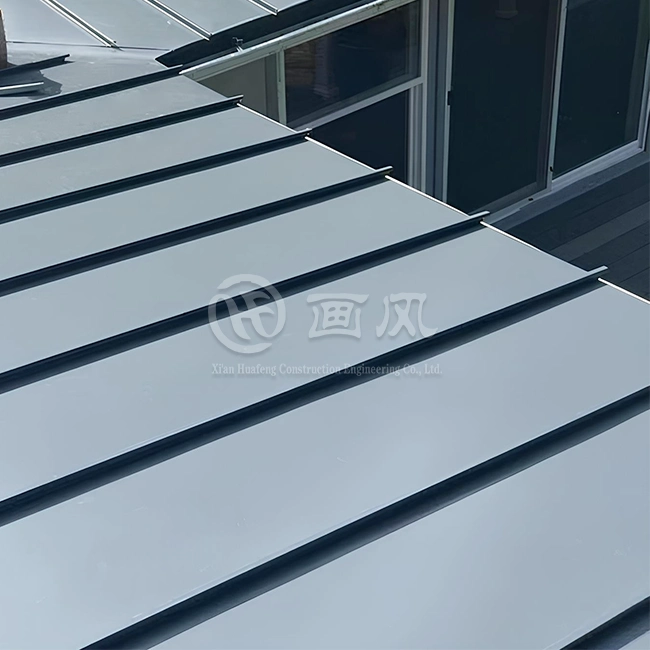
Choosing a grey standing seam metal roof involves evaluating core performance criteria—durability, energy efficiency, installation requirements, and compliance with industry standards—while balancing aesthetic preferences with long-term cost efficiency. This roofing system features concealed fasteners and raised vertical seams that interlock for superior weather protection, making it a trusted choice for commercial and industrial projects where reliability matters most.

Understanding Gray Standing Seam Metal Roofs: Features and Benefits
What Makes This Roofing System Stand Out
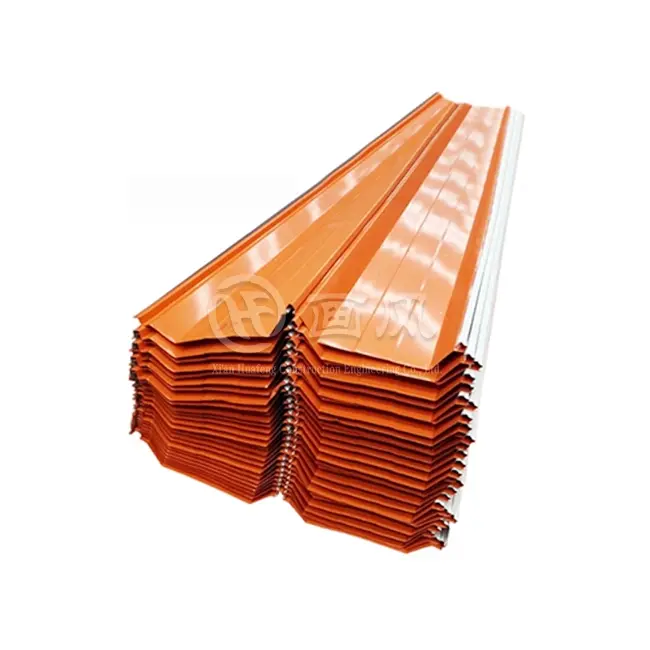
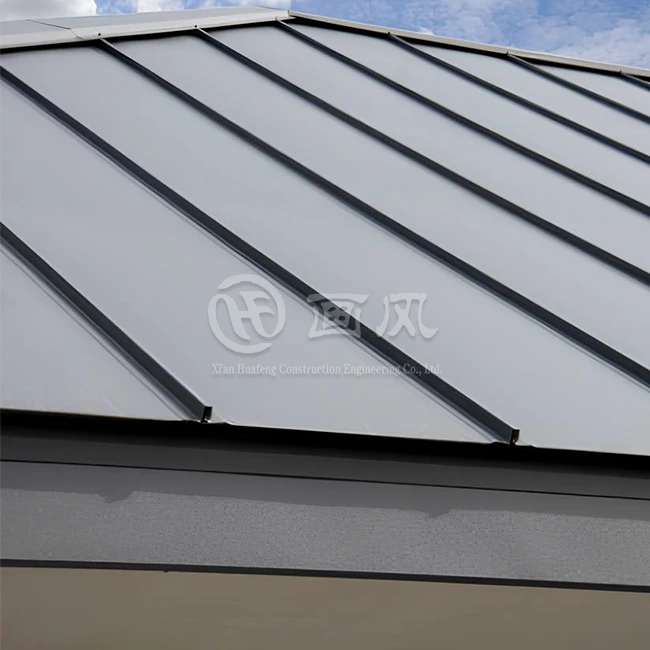
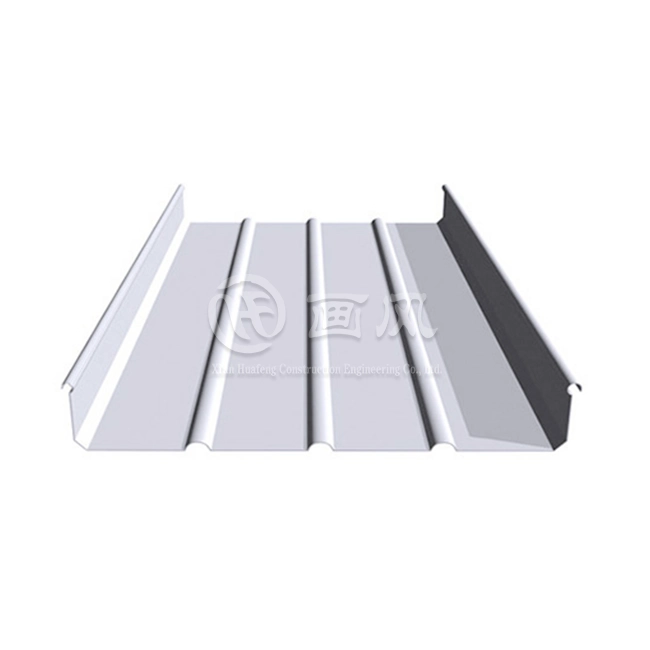
A standing seam metal roofing system is built around straight legs with flat pans in between them. The pans are held in place by secret clips instead of screws that can be seen. The grey colour comes from PVDF or PE coatings being put on top of galvanised steel or aluminium bases. These coatings keep the temperature even and don't change the way the metal looks. With this design, there are no visible screws, which can break down over time and make leaky channels.
Our factories make panels that meet ASTM, DIN, JIS, BS, and GB/T standards. This makes sure that they work with a wide range of legal settings in the US. Our specification options—25-330/400/430, 32-410, 45-400, and 65-400/430—have seam heights that run from 25 mm to 65 mm. This means that they can be customised based on the load requirements and the design purpose.
Core Performance Advantages for Commercial Projects
The hidden clip method solves the problems that fixed-fastener designs have with thermal expansion. Metal panels naturally expand and contract when the temperature changes, which can happen in warehouses and factories. Hidden clips let you move this way without putting stress on the connection points. This keeps the waterproofing intact for decades and keeps the fasteners from wearing out. This floating mechanism is especially useful in places where temperatures can change by more than 60 degrees Fahrenheit in just one day.
Multiple parts of the design work together to make it weatherproof. It keeps water off the roof deck because the seams are raised, and butyl sealant that was put at the mill in the panel joints keeps water out. Most wind uplift ratings reach UL 90 classification, which means they were tested according to ASTM E1592 guidelines to make sure they can withstand hurricane-force winds. Impact resistance meets UL 2218 Class 4 standards, which means it provides the best protection against hail damage. This is an important factor to keep in mind when protecting valuable goods and production equipment stored under the roof.
Being energy efficient is another real benefit. Whether they are matte or glossy, grey materials reflect light evenly. Light grey tones have Solar Reflectance Index (SRI) values above 50, which means they can be called "Cool Roofs" and lower the need for air conditioning in the summer. Options in darker shades of grey, like slate and charcoal, have SRI values between 25 and 35. This means they reflect some heat and help melt snow in colder regions. The PVDF treatment and coating thickness of 0.6 to 0.8 mm guarantee colour stability for 30 years, which is backed by our warranty.
These success traits directly lead to a lower total cost of ownership. Because there is less upkeep to do, facility management teams don't have to check the roof as often, and because it lasts longer, there is no need for replacement projects that stop activities. Sustainability credentials help LEED certification goals because metal roofing materials are made from recycled materials and can be recycled over and over again when they're done.
Comparing Gray Standing Seam Metal Roofs with Other Roofing Options
Material Performance Analysis
When procurement teams look at investments in roofing, knowing the pros and cons of different materials helps them make long-term budget plans. Asphalt shingles, which are the most popular type of roofing material for homes, last about 15 to 20 years before they need to be replaced. When exposed to UV light, their organic makeup breaks down, and as the neoprene washers break down, exposed fasteners become weak spots. Tile roofs last 40 to 50 years, but they add a lot of weight to the structure—up to 1,000 pounds per square foot compared to 50 to 150 pounds for metal roofs—and often need stronger framing, which raises the cost of the project at the start.
When it comes to longevity, standing seam systems always do better than other options. The main failure mode that causes 80% of roofing leaks is taken away when there are no exposed penetrations. With mechanical seaming or snap-lock profiles, you can make weather barriers that are continuous and stay strong even when the temperature changes. Modified bitumen and TPO single-ply membranes are useful for commercial uses on low slopes, but they need to be carefully welded at the seams and can still get punctured during maintenance.
Cost Efficiency Over Time
grey standing seam metal roof costs more to buy than asphalt at first—about $8 to $14 per square foot installed vs. $3 to $6 for dimensional shingles. Lifecycle study, on the other hand, shows different results. Over the course of 30 years, an asphalt roof needs to be replaced twice or three times, which costs money, causes downtime, and requires dumping fees. The 50-year life of metal roofing and low upkeep requirements get rid of these ongoing costs while offering stable long-term performance.
Saving energy is another way to help the economy. A 50,000-square-foot building in Texas that switched to a light grey metal roof found that it saved 22% on cooling costs compared to the dark asphalt roof that was there before. Over 20 years, these savings added up to more than $180,000, which more than covered the premium paid at the start of construction. Grey finishes are the best of both worlds—they are reflective enough to keep heat out without being so stark that they break some architectural rules.
Supply Chain and Installation Considerations
Construction plans depend on deliveries that happen on time. Our three plants and seven production lines allow us to make 1,000 tonnes of goods every month, so we can always meet the needs of big projects. The delivery window of 15 to 20 days works with the planning cycles that are common in commercial construction, and the minimum order size of 500 square meters fits the footprints of mid-sized warehouses and office buildings.
Installation expertise influences final performance outcomes. To properly engage the seams and place the clips on standing seam systems, you need to have special training. According to ASTM E1646 standards, contractors must adjust electric seamers to get the right crimp angles (90 or 180 degrees, based on the panel profile). This is to make sure that water can't get through. In corners and along edges, where wind forces are strongest, it's important to check clip spacing based on engineering rise estimates. Because of these technical needs, partnerships with suppliers are important because manufacturers who offer installation help lower the risk of having to do extra work that delays the project's finish.
How to Choose the Right Gray Standing Seam Metal Roof for Your Project
Define Project Requirements and Environmental Conditions
Detailed project planning is the first step in choosing the right products. The type of building sets the performance goals. For example, manufacturing facilities that make heat internally may benefit from coatings with a higher SRI, while cold storage stores may want coatings with a moderate reflectance to balance their energy loads. Location also affects the things that are chosen. To protect against salt air corrosion, coastal areas need aluminium frames or improved galvanisation. Inland areas, normal Galvalume coatings work well.
Roof slope has a big impact on the system choice. For low-slope situations below a 3:12 pitch, profiles that are automatically seamed and have double-lock caps are needed to keep water out when it pools. Snap-lock systems can be used on steeper slopes because they can be installed more quickly and still keep out the weather. Snow-heavy areas need to pay attention to the strength of the panels—22-gauge steel is better at stopping ice buildup than lighter gauges, which keeps the structure from bowing, which could damage the seams.
Evaluate Performance Metrics Against Business Goals
When judging durability, coating specifications should be looked at in detail. When it comes to chalking and fading, PVDF formulas with 70% polyvinylidene fluoride resin are better than polyester options. Our surface treatments meet this standard, which means that the colour will stay the same and the property will look good for decades. Warranty terms show what kind of performance you can expect. For example, our 30-year service shows that the company that made the product is confident in its durability.
To figure out how to save energy, you need to know how the weather in your area usually works. High-SRI finishes save the most money for buildings in climates that tend to be cool, while darker tones that absorb solar energy in the winter might be better for buildings in climates that tend to be hot. When properly aired, the air gap between metal panels and roof decking creates heat breaks that make insulation work better no matter what colour the finish is. This space for air flow also stops condensation from forming, which can damage finishes inside.
Maintenance requirements influence operational budgets. Metal roofing doesn't need as much maintenance as other types. It only needs to be washed with fresh water once a year, and eye checks can find problems before they get worse. Facilities that don't have specialised repair staff like these lower demands because they keep core business activities running as smoothly as possible.
Match Product Specifications to Industrial Applications
Customised approaches for grey standing seam metal roof work well for different types of businesses. Logistics centers with large single-story areas put wind uplift resistance and installation speed at the top of their list of priorities to keep building timelines as short as possible. Our 45-400 and 65-400 specification choices give you the structural depth you need for large-span uses while also allowing the hidden clip systems that let heat move along long panel lengths.
HVAC units, exhaust systems, and, more and more, solar panels are often built into the roofs of factories. Standing seam profiles made to work with solar panels have even seam spacing, which makes it easier to attach mounting hardware without having to go through the roof. Our panel shapes can hold a lot of weight and still keep your guarantee valid because they have non-penetrating clamps that attach directly to the raised seams.
Customisation choices go beyond just changing the structure. Matte finishes spread out light reflection, which lowers glare that can damage nearby homes or make things look bad. In industrial settings where airborne particles settle on roof surfaces, gloss finishes make them easier to clean. The choice between these presentations should be based on how the building looks and how easy it is to maintain.
Installation, Maintenance, and Long-Term Care for Gray Standing Seam Metal Roofs
Professional Installation Best Practices
To install something successfully, you need to pay careful attention to how you prepare the substrate, line up the panels, and sew the seams. The roof deck needs to have stable, flat attachment surfaces. Substrates that aren't level create stress points that show up as oil canning, which is when flat pans get visible waves. Before putting down starting strips that make sure the panels are lined up correctly, contractors usually put down synthetic underlayment as an additional water barrier.
Engineered spacing estimates based on design wind loads determine where the clips should go. Edge zones and corners have stronger lifting forces, so they need clip intervals that are closer together than field areas. Installers need to make sure that each clip firmly engages both the panel and the structural deck, allowing movement from side to side but blocking rise in the vertical direction. Panels longer than 40 feet need to be handled in a certain way so they don't bend while they're being put in place. Coordinated teams must lift and guide the materials so they don't permanently change shape.
The most important quality control point is when the seam is closed. Mechanical seamers have to work along the whole length of the panel in one continuous pass, making 180-degree turns that press factory sealer into ties that are watertight. If you don't seam everything together, water can get in through the holes, and pinching too much can damage paint finishes. Installers with a lot of experience set up equipment so that it works best with certain panel profiles. They then check the quality of the seams by looking at them and touching them.
Routine Maintenance Protocols
Even though metal roofing is known for not needing much upkeep, it does benefit from regular care that keeps the guarantee valid. Every year, inspections should check the continuity of the sealant around vents, equipment curbs and other openings. At these transition points, hard parts and flexible roof panels move in different ways, which puts gradual stress on sealant ties. Small gaps don't turn into big leaks when compatible sealants are used again.
Getting rid of the debris that builds up in roof valleys and behind rooftop equipment is necessary to keep water from staying there. Organic material breakdown causes acidic conditions that can damage coating stability over prolonged contact. If your building is near deciduous trees or a lot of pollution, you should clean it every six months with low-pressure water instead of rough methods that damage protective finishes.
People walking on roofs need to pay close attention to the right way to do things. To spread weight across structural ribs and stop localised bending, people should step on raised ridges instead of flat pans. Using rubber pads to mark out walkways keeps high-traffic areas safe and keeps repair workers away from areas that could be damaged.
Troubleshooting Common Issues
Even when everything is installed correctly, oil canning can still show up, especially on panels with wide flat pans. This concern about how things look rarely means there are problems with the structure, but it can be kept to a minimum in a number of ways. Specifying heavier gauge materials increases stiffness, while adding striations or minor ribs to panel surfaces breaks light reflection patterns that highlight waviness. By spreading out reflected light, matte finishes also make things less noticeable.
If thermal expansion is greater than what was planned, fastener backup systems at panel terminations may start to move. More movement range can be achieved by making slotted holes in fixed-point fasteners longer or switching to more floating clips. Taking care of this ahead of time stops stress buildup that could lead to panel buckles or fasteners coming loose.
Scratches on the coating from construction work or later roof work leave bare metal that can rust. Touch-up paint made especially for metal roofs should match both the colour and the chemistry of the covering. Using products that don't work together can speed up the breakdown instead of stopping it. Paying quick attention to broken areas keeps up the protection barrier that is needed for long-term sturdiness.
Environmental Impact and Energy Efficiency of Gray Standing Seam Metal Roofs
Sustainability Advantages in Modern Construction
grey standing seam metal roof supports sustainable construction through high recycled content, recyclability, and reduced waste. Modern manufacturing with PVDF coil coatings lowers emissions and follows environmental standards. Its durability and energy performance contribute to green building certifications such as LEED by supporting recycled material use, heat island reduction, and long-term building value.
Quantifying Energy Performance Benefits
Reflective metal roofing and proper ventilation reduce heat transfer, lowering cooling demands in hot climates. A commercial building in Arizona achieved 18% cooling energy savings after installing light gray metal panels. Over its lifespan, the system can deliver significant energy reductions. Proper insulation and ventilation also improve heating performance, supporting year-round efficiency.
Conclusion
Selecting the right metal roofing solution requires balancing technical specifications, environmental conditions, and long-term business objectives. Grey standing seam systems have been shown to work well thanks to their hidden fastener design, long-lasting PVDF coatings, and ability to control heat, which lowers running costs. Standardised specifications that include seam heights ranging from 25 mm to 65 mm, thickness choices ranging from 0.6 mm to 0.8 mm, and compliance with international standards make it possible to find solutions that meet the needs of a wide range of projects. To make sure projects go well, procurement teams look at product specifications along with a supplier's production capacity, delivery reliability, and technical support skills.
FAQ
1.How does panel thickness affect long-term performance?
The thickness of a panel has a direct effect on how strong it is and how easily it can bend. The thickness range we make, from 0.6mm to 0.8mm, strikes a good balance between weight and strength for most business uses. Because thicker panels are less likely to be damaged by impacts and make oil canning less visible, 0.8mm standards are better for areas of roofs that get a lot of traffic or are prone to heavy hail. Thinner gauges work best in protected areas where lowering the weight makes installation easier.
2.What maintenance frequency does warranty coverage require?
As part of our 30-year warranty, you must do eye checks and clear away any garbage that builds up once a year. The validity of the coverage is maintained by keeping records of these inspections. Facilities should plan checks for after bad weather and before their warranties are up for renewal. Preventive maintenance that fixes small problems found during checks keeps coverage fights from happening and extends the life of the roof beyond the warranty period.
3.Can existing structures support metal roofing weight?
Standing seam metal roofing is much lighter than tile or concrete roofs. It usually only adds 50 to 150 pounds per square to the structural loads. Most commercial buildings that were made for traditional roofing systems can also have metal roofs put on without any extra support. To make sure they follow local building codes, structural engineers should check the load capacity of projects that replace heavier materials or add equipment at the same time as re-roofing.
Partner with HF for Your Metal Roofing Requirements
Xi'an Huafeng Construction Engineering Co., Ltd. brings comprehensive capabilities as a grey standing seam metal roof manufacturer serving commercial and industrial construction markets throughout North America. Our three manufacturing facilities operating seven coating lines and over 40 specialized machines deliver consistent quality meeting ASTM, DIN, JIS, BS, and GB/T standards. The 1,000-ton monthly production capacity supports project timelines ranging from mid-sized renovations to large-scale new construction, while our 15 to 20-day delivery schedule aligns with construction planning cycles. Technical expertise spanning design consultation through installation support helps procurement teams optimize specifications for specific applications. Contact our engineering team at huafeng@hfmetalroof.com to discuss your project requirements and receive detailed product recommendations tailored to your performance objectives.
References
1. American Society for Testing and Materials. (2021). Standard Specification for Steel Sheet, Zinc-Coated (Galvanized) or Zinc-Iron Alloy-Coated (Galvannealed) by the Hot-Dip Process. ASTM International.
2. National Roofing Contractors Association. (2020). The NRCA Roofing Manual: Metal Panel and SPF Roof Systems. NRCA Publications Department.
3. Cool Roof Rating Council. (2022). CRRC-1 Standard: Cool Roof Rating Council Product Rating Program. Cool Roof Rating Council.
4. Metal Construction Association. (2019). Technical Bulletin on Thermal Movement Considerations for Metal Roof and Wall Panel Design. Metal Construction Association.
5. U.S. Green Building Council. (2023). LEED Reference Guide for Building Design and Construction. USGBC Press.
6. Sheet Metal and Air Conditioning Contractors National Association. (2021). Architectural Sheet Metal Manual, Seventh Edition. SMACNA Technical Publications.





YOU MAY LIKE