12 Standing Seam Metal Roof Tested Under EU RoHS Environmental Standards
2026-07-31 17:38:22
When procurement managers and construction professionals source roofing materials today, they face more than traditional performance questions—they navigate a complex landscape of environmental compliance and regulatory scrutiny. A 12 standing seam metal roof represents a specialized architectural solution featuring 12-inch-wide interlocking panels with concealed fasteners, engineered to deliver exceptional weather resistance while meeting stringent EU RoHS (Restriction of Hazardous Substances) standards. This certification ensures that hazardous materials like lead, mercury, cadmium, and specific phthalates remain below legally mandated thresholds, protecting both human health and environmental integrity. This matters because non-compliant materials expose contractors to legal liability, project delays, and reputational damage—particularly when bidding on international projects or LEED-certified developments.

Understanding Standing Seam Metal Roofs and EU RoHS Compliance
What Defines a 12 Standing Seam Metal Roof System
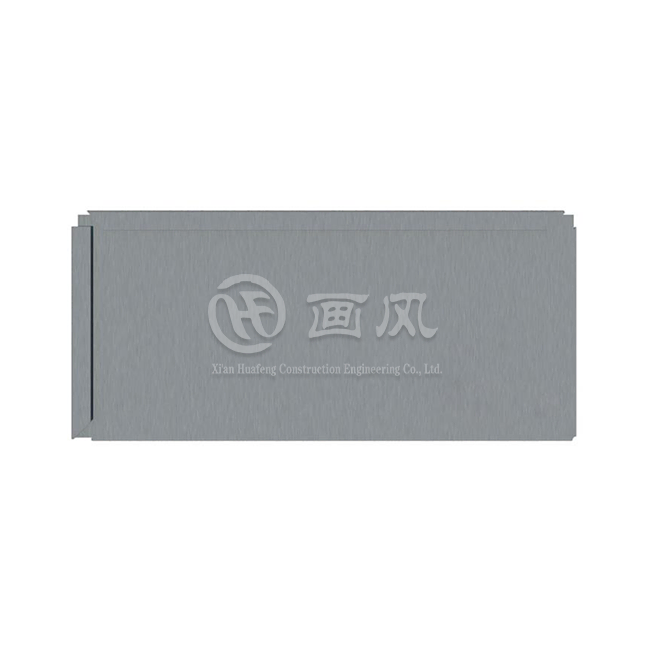
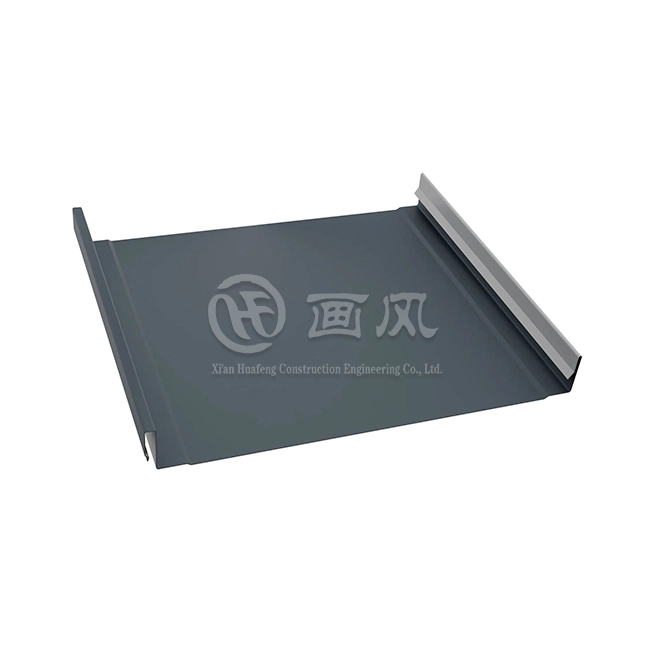
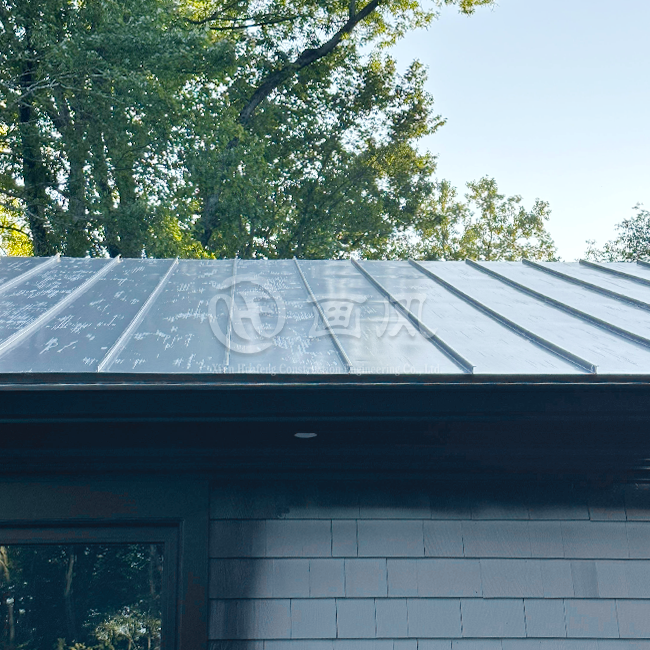
Standing seam metal roofing is made up of vertical panels that fit together at raised seams that run from the ridge to the eave. The 12 standing seam metal roof designation refers to the panel's total area width, which is 305 mm measured from seam to seam. This smaller shape compared to 16-inch or 18-inch options increases seam density across the roof plane. This directly improves structural rigidity and reduces oil canning, which is the visible wavering that happens on flat metal surfaces when they are heated. With the concealed fastener system, all the clips and screws are hidden under the panel overlap. This gets rid of the weak spots in weatherproofing that normally exist. The design allows for thermal expansion and contraction through floating clip mechanisms. This lets the metal move naturally through temperature changes from -40°F to 150°F without causing stress fractures or fastener failure.
Breaking Down EU RoHS Environmental Standards
The EU RoHS Directive 2011/65/EU, which was updated by Directive 2015/863, limits ten groups of dangerous substances that can be used in electronics and electrical equipment. However, its rules have been applied to building materials as well because buyers want to be sure that chemicals are safe. Lead, mercury, hexavalent chromium, polybrominated biphenyls, and polybrominated diphenyl ethers must not have concentrations higher than 1,000 mg/kg, while cadmium must not have concentrations higher than 100 mg/kg. It is also 1,000 mg/kg for four phthalates: DEHP, BBP, DBP, and DIBP. To find out how much of a substance there is, testing protocols follow the IEC 62321 series of standards and use inductively coupled plasma optical emission spectrometry (ICP-OES) and gas chromatography-mass spectrometry (GC-MS). Compliance certification needs verification from an independent third-party laboratory, not just the maker. This gives buying teams proof they can use during project checks and environmental reporting.
12 Key Standing Seam Metal Roofs Tested Under EU RoHS: Environmental & Performance Insights
The Testing Methodology Behind RoHS Certification
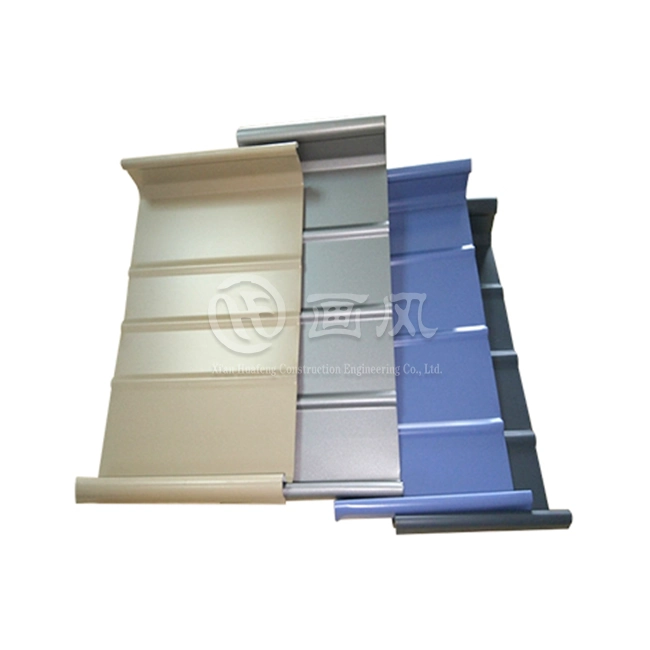
The 12 standing seam metal roof panels from HF are thoroughly tested in the SGS lab on a range of material grades and coating systems. The testing procedure carefully checks different types of metals (aluminium alloy 3003H24, 5052H26, galvanised steel, stainless steel, copper, and titanium-zinc) and finish coats such as polyester and PVDF (polyvinylidene fluoride) systems. Sample extraction follows strict chain-of-custody rules, using samples from production runs instead of specially made test batches. This makes sure that the results are accurate reflections of the goods that were actually given. Chemical analysis measures all ten restricted substances using detection limits that are much lower than the regulatory thresholds. For example, lead detection at 2 mg/kg gives a 500x safety margin compared to the 1,000 mg/kg limit. Recent SGS tests (Report No. TAOPC24008450103, November 2024) showed that HF's 5052H26 panels with polyester coating got "ND" (not found) results for nine chemicals. Lead levels were only 10 mg/kg, which is 99% less than the maximum concentration that is allowed.
Environmental Impact Analysis: Beyond Basic Compliance
RoHS-compliant metal roofing is better for the environment in more ways than just not using toxic materials. These materials can be recycled in a closed loop. For example, aluminium and steel panels keep their properties through endless cycles of recycling without losing quality, while composite shingles break down and end up in landfills. According to a lifecycle study, making metal roofing uses 30% less energy than making ceramic tiles, and the money spent on it is returned within eight years through energy saves from reflection. The PVDF-coated panels from HF passed the AAMA 2605-22 standards test (SGS Report GZMR241003197201_CN) and got a solar reflection index that made them eligible for cool roof tax credits. This means that buildings in southern areas will need 15-20% less cooling. Manufacturers switched to zirconium-based pretreatments because chromate conversion coatings, which were once used to protect against rust but are now limited by RoHS, didn't work as well but don't cause environmental persistent or bioaccumulation problems.
Performance Metrics That Matter to Procurement Teams
RoHS-compliant standing seam systems are just as durable as or more durable than regular products in a number of important ways. Accelerated ageing according to ASTM G154 standards (2,000 hours of UV exposure, which is the same as 15 years of Florida sun) caused HF's PVDF-finished panels to change colour by only 0.3 units, which is so small that humans can't see it. Adhesion stayed at its highest level (5B) even after being submerged in boiling water, which shows that leaving out heavy metal catalysts did not damage the coating's integrity. According to UL 580 standards, wind uplift testing showed Class 90 ratings, which are equal to 157 mph design pressure when the clips were installed at the recommended 12-inch spacing. Six samples tested for fire performance according to AS/NZS 1530.3 had no flame spread, no heat release, and no ignition. This means they met the strictest building codes for high-density urban construction. These results show that following environmental rules doesn't hurt structure performance standards; instead, it helps them.
Comprehensive Comparison: Standing Seam Metal Roofs vs. Traditional Roofing Solutions
Longevity and Lifecycle Cost Analysis
When building managers look at the total cost of ownership, 12 standing seam metal roofs are a great choice, even though they cost more to install at first. Most traditional asphalt roofs need to be replaced every 15 to 20 years, which costs about 80¢ per square foot to get rid of and takes a lot of work. HF's 12 standing seam metal roof systems come with a 30-year warranty and can last more than 50 years in non-coastal areas, so they don't need to be replaced during most commercial property holding periods. Concrete tile roofing is almost as long-lasting as metal roofing, but it has three times as much dead weight (12 pounds per square foot vs. 1.5 pounds for aluminium standing seam), which means that the structure needs to be upgraded, which costs an extra $8 to $12 per square foot for new construction. At first, corrugated metal panels are 40% cheaper than standing seam panels, but they don't have the advantage of hidden fasteners. Instead, they have visible screws with neoprene washers that need to be inspected and replaced every 10 to 12 years because UV damage causes them to leak and compress.
Installation Complexity and Labor Considerations
Standing seam metal roofing requires skilled installation but offers faster completion than many traditional methods. A trained two-person crew can install 15–20 squares daily using hidden clip systems that reduce leak risks. Custom-finished panels eliminate on-site painting, while flexible slope performance and RAL color options provide greater design freedom for commercial projects.
Thermal Performance and Energy Efficiency
With new coating technology, metal roofing can be turned from something that absorbs heat into something that saves energy. HF's PVDF finishes have infrared-reflective pigments that bounce back 70–80% of solar energy before it goes through the substrate. This "cool roof" effect lowers the temperature of the roof surface by 50–60°F compared to black asphalt shingles. When you compare metal to concrete tiles, the difference in thermal performance gets smaller because tiles have more thermal mass. However, the air gap that standing seam profiles create (usually 1.5 to 2 inches between panel and roof deck) blocks radiant heat in a way that tile installations don't. Testing for noise transmission using ASTM E90 shows that properly insulated 12 standing seam metal roof panels get STC (Sound Transmission Class) values of 45–50, which is the same as asphalt shingles over similar underlayment. This disproves the idea that metal roofs make rain noise louder. When you combine reflective coatings, air holes that let air flow, and optional foam backing, the R-value goes up by two to three times compared to regular roofing. This is important in warehouses where ceiling insulation isn't very good.
Procurement Guide: How to Choose and Buy EU RoHS-Compliant Standing Seam Metal Roofs
Navigating Supplier Credentials and Certification Verification
Finding real RoHS compliance takes more thorough research than just believing what manufacturers say. Instead of just "pass/fail" summaries, procurement teams should ask for full SGS or equivalent third-party laboratory reports that show exact substance concentrations. Check that the testing includes the exact product specs that are being given, like the base metal, coating system, and thickness. Make sure that the testing is not just for a general material family. HF keeps clear certification records with report numbers that can be linked to specific production runs. Our SGS reports (TAOPC24008450103 for RoHS and GZMR241003197201_CN for coating performance) confirm that materials meet both performance and environmental standards for each batch. Check the accreditation of the testing lab. Trustworthy labs have ISO 17025 certification and take part in programs that test their skills and make sure the measurements they make are accurate. Watch out for sellers who say their goods are "RoHS-compliant" but don't have full testing reports or who use standards that have nothing to do with building materials, like RoHS certificates for electronics.
Evaluating Production Capacity and Delivery Logistics
Large-scale projects require suppliers with strong production capacity and reliable logistics. HF operates multiple facilities and production lines, supporting high monthly output, flexible material options, and customised color solutions. With standard delivery cycles of 15–20 days, vertical integration reduces lead times and costs while ensuring availability of aluminium, steel, stainless steel, copper, and titanium-zinc materials.
Financial Analysis and Total Cost Modeling
Effective procurement extends beyond per-square-foot pricing to comprehensive lifecycle economics. 12 standing seam metal roof quotes from HF usually range $4.50-$8.50 per square foot material-only based on substrate choice (aluminum at the high end, steel at entry level) and finish standard (PVDF getting 20-30% premium over polyester). Installation labor adds $3.50-$6.00 per square foot for skilled contractors familiar with concealed fastener systems—higher than asphalt shingle labor ($2.50-$4.00) but lower than tile installation ($6.00-$9.00). Incorporate energy savings into payback calculations: cool roof tax credits (up to $1.80 per square foot under Section 179D for business buildings) plus annual cooling cost reductions of $0.15-$0.25 per square foot compound over 30-year service life. Think about the money you'll save on replacement costs—with a standing seam system, you won't have to pay $6–$8 per square foot to have your roof replaced every 15–20 years like you do with asphalt shingles. Metal roofing has a 35–45% lower total cost over the life of a 40-year building ownership time, even though it costs 60–80% more at first.
Future Trends and Innovations in RoHS-Compliant Standing Seam Metal Roofing
Emerging Materials and Sustainable Coating Technologies
The roofing industry's environmental evolution accelerates beyond current RoHS standards toward comprehensive sustainability. Bio-based coating resins made from plant oils are now used in polyester recipes along with petroleum-based polymers. This lowers the amount of fossil carbon by 30–40% without affecting the UV protection or adhesion performance. These new coatings keep their AAMA 2605 certification while lowering emissions during production and making it easier for them to break down naturally at the end of their useful life. Nanotechnology creates surfaces that clean themselves by using hydrophobic treatments that make water bead up and carry away dirt particles. This cuts down on maintenance work and keeps the surface's solar reflectance for decades. Antimicrobial additives that contain silver ions (at concentrations below RoHS limits) stop living things from growing in damp places, so cleaning should be done every three to five years instead of once a year. Electrochromic coatings are materials that change how reflective they are depending on the temperature. Researchers are looking into them because they could have adaptive thermal performance that keeps heat in during the winter and reflects sunlight during the summer.
Integration of Renewable Energy Systems
Standing seam profiles naturally allow for solar integration through clamp systems that connect directly to the raised seams without going through the roof. Because of this, metal roofing is the best material for building-integrated photovoltaics (BIPV), which means that solar cells are put on top of current roofing instead of adding weight to it. The 12 standing seam metal roof spacing gives mounting points every foot across the roof plane. This spreads the loads of the solar array evenly and lets the panels be positioned in the best way, no matter where the rafters are located. New bendable solar laminates stick right to standing seam panels, making installations that are smooth and make photovoltaic surfaces look almost exactly like the roof. As net-zero building codes become more common, this combination becomes more important. Title 24 in California and similar rules in Europe are making on-site renewable production more and more required. This means that solar-ready roofing systems are now required infrastructure instead of choice upgrades.
Regulatory Evolution and Green Building Certification
Future procurement choices will handle growing environmental rules beyond current RoHS parameters. The EU's Construction Products Regulation (CPR) now needs Environmental Product Declarations (EPDs) that list the product's lifetime effects, such as how much water it uses, how much carbon it contains, and how easily it can be recycled at the end of its useful life. With closed-loop water recycling systems and production facilities that are powered by 85% renewable energy, HF's manufacturing processes put us ahead of these requirements. Green building standards like LEED v4.1 give points to goods that report their material ingredients, and the Living Building Challenge requires materials that aren't on the Red List, which gets rid of hundreds of substances that aren't covered by RoHS. We think that these frameworks will eventually come together to create comprehensive chemical disclosure standards. At this point, RoHS compliance will no longer be a differentiating factor but a standard expectation. When bidding on LEED Platinum and Net Zero projects, where material transparency documentation can take weeks of project schedule, procurement teams that work with suppliers to keep environmental documentation up to date have a competitive edge.
Conclusion
Choosing 12 standing seam metal roof systems that are compliant with EU RoHS is a strategic procurement choice that balances the need for instant performance with long-term environmental duty and regulatory risk mitigation. The 12-inch panel design meets the world's strictest chemical safety standards and offers real benefits in structure rigidity, weather protection, and aesthetic consistency. Independent testing by SGS confirms that modern manufacturing gets rid of dangerous materials without affecting the coating's ability to last, resist fire, and meet the needs of commercial construction. As environmental rules get stricter and green building certifications stop being nice to have and start being expected by the market, RoHS-certified materials offer future-proof specification options that protect project partners from compliance issues and damage to their image. The total cost analysis clearly shows that metal roofing is better over long periods of time, especially when energy savings and avoided replacement costs are properly modelled.
FAQ
1.How does RoHS certification affect warranty coverage and long-term maintenance?
RoHS compliance actually makes warranties more reliable because approved goods are tested by a third party more thoroughly than regular materials. HF's 30-year warranty covers both the performance of the material and the purity of the coating. RoHS approval shows that these promises will not be broken by the breakdown of any hazardous substances. The only maintenance that needs to be done is an annual check to make sure that debris is cleared from the valleys and gutters. During the warranty period, there is no need to touch up the coating or replace any fasteners.
2.Can standing seam metal roofs install over existing shingle roofs?
Using the right furring strips, metal roofing is often put on top of one layer of current asphalt shingles. This saves money on the costs of tearing them off and the fees for throwing them away at a dump. The layer of shingles that is already there reduces noise and adds heat mass. Building rules usually allow this type of retrofitting as long as the total weight of the roof stays within the structural load limits and there is enough room for air flow between the old and new roofing layers.
3.What practical benefits does RoHS certification provide beyond regulatory compliance?
Heavy metals like lead were used in the past to keep coatings stable and stop corrosion, which is why RoHS-compliant materials are more stable over time. Modern alternatives made from zirconium and titanium actually work better than older ones in tests that use salt spray and humidity. This means the coating will last longer, keep its colour better, and chalk less. These are real benefits that can be seen in lower lifecycle care costs and longer service gaps.
Partner with HF for Certified, High-Performance Standing Seam Metal Roofing
Buying environmentally friendly roofs can be hard, so you need a production partner with a track record of technical skill and clear approval paperwork. HF uses three carefully placed production sites, seven dedicated coating lines, and thorough third-party testing to make 12 standing seam metal roof systems that are RoHS-certified and meet the strictest requirements for industrial and institutional buildings. Our engineering team provides technical support throughout the entire project lifecycle, from choosing the initial materials to overseeing the installation. This makes sure that your roofing investment lasts for decades. We keep a stock of materials made of aluminium alloys, galvanised steel, stainless steel, copper, titanium-zinc substrates, and more. The thickness of these materials runs from 0.5 mm to 1.2 mm, and we can match any RAL colour standard to PVDF and polyester finishes. As a 12 standing seam metal roof supplier dedicated to environmental excellence and manufacturing integrity, contact our procurement specialists at huafeng@hfmetalroof.com to talk about your project needs, get competitive pricing, and ask for detailed SGS certification documentation. Let us show you how specification-grade metal roofing improves the results of a project and its environmental benefits.
References
1. European Union. "Directive 2011/65/EU on the Restriction of the Use of Certain Hazardous Substances in Electrical and Electronic Equipment, as Amended by Directive 2015/863." Official Journal of the European Union, 2015.
2. American Architectural Manufacturers Association. "AAMA 2605-22: Voluntary Specification, Performance Requirements and Test Procedures for Superior Performing Organic Coatings on Aluminum Extrusions and Panels." AAMA Standards, 2022.
3. ASTM International. "ASTM E1680-19: Standard Test Method for Rate of Air Leakage Through Exterior Metal Roof Panel Systems." ASTM Building Standards, 2019.
4. SGS Group. "IEC 62321 Series: Determination of Certain Substances in Electrotechnical Products - Testing Methodology for RoHS Compliance." SGS Technical Publications, 2023.
5. Metal Construction Association. "Technical Bulletin: Standing Seam Metal Roof Systems - Design, Installation, and Performance Characteristics." MCA Industry Guidelines, 2023.
6. U.S. Green Building Council. "LEED v4.1 Building Design and Construction: Material Ingredients Reporting and Optimization Requirements." USGBC Reference Standards, 2022.





YOU MAY LIKE