24ga Standing Seam Metal Roof: The Definitive Guide (2026)
2026-07-31 17:17:36
When specifying roofing systems for commercial buildings or large-scale residential projects, understanding the precise technical characteristics of a 24ga standing seam metal roof becomes essential for procurement success. This roofing system utilizes metal panels fabricated to a nominal thickness of 0.0239 inches (approximately 0.5-0.7mm), featuring concealed fastener systems and raised vertical seams that create a watertight, thermally efficient envelope. The 24-gauge specification strikes an optimal balance between structural performance and material economy, making it the preferred choice for construction companies, roofing contractors, and commercial property developers seeking long-term durability without excessive weight penalties. This guide walks you through everything needed to make confident procurement decisions aligned with your project requirements and budget constraints.

Understanding 24ga Standing Seam Metal Roofs
What Defines the 24ga Specification
In this case, "24ga" refers to the gauge size of the metal base before the finish is applied. At a thickness of about 0.6 mm, this standard gives the material enough rigidity to prevent noticeable waviness, which is also known as "oil canning," while still allowing it to be shaped properly during installation. The gauge measurement has a direct effect on the structure's ability to span, its resistance to wind uplift, and its long-term stability in terms of size under thermal cycling.
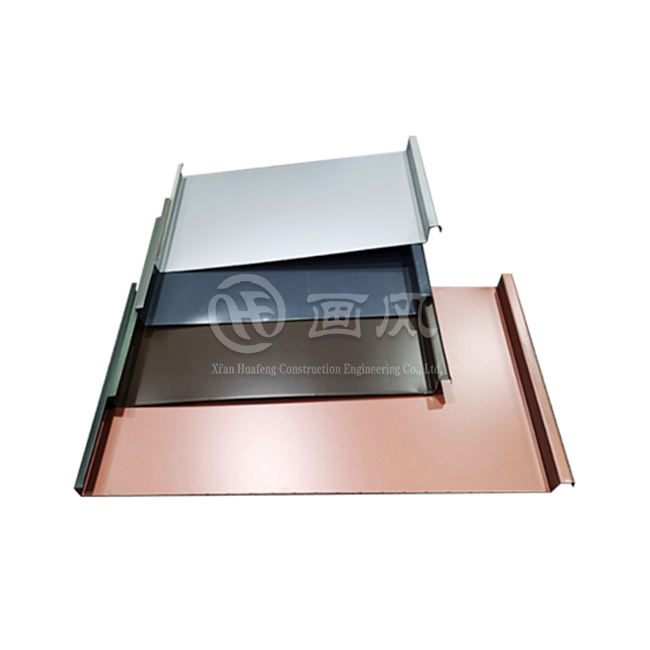
HF makes 24ga standing seam metal roof panels from aluminium alloy, galvanised steel, stainless steel, copper, and titanium zinc, among other base materials. Each material has its own benefits. For example, aluminium is better at resisting corrosion in coastal areas, steel has the highest strength-to-weight ratio, and copper forms a protective patina over time. All HF panels are finished with either PVDF or PE coats. PVDF coatings are better at protecting against UV light and keeping their colour for up to 30 years.
Technical Architecture and Performance Characteristics
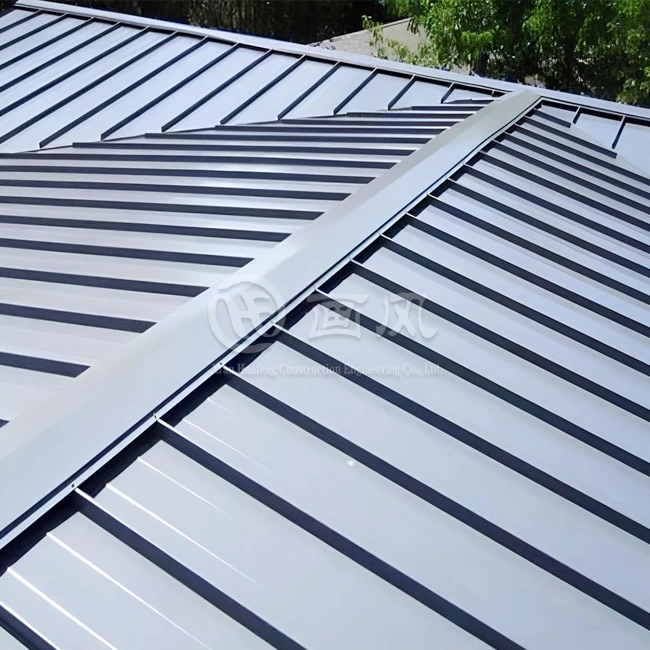
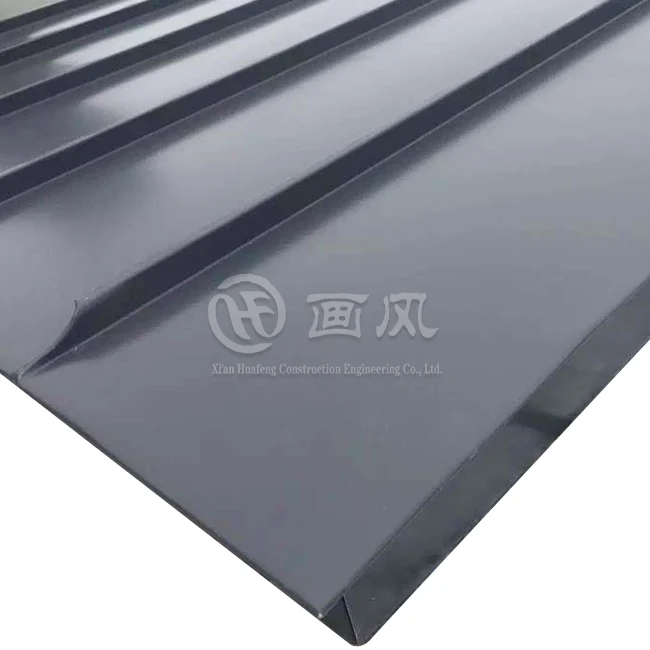
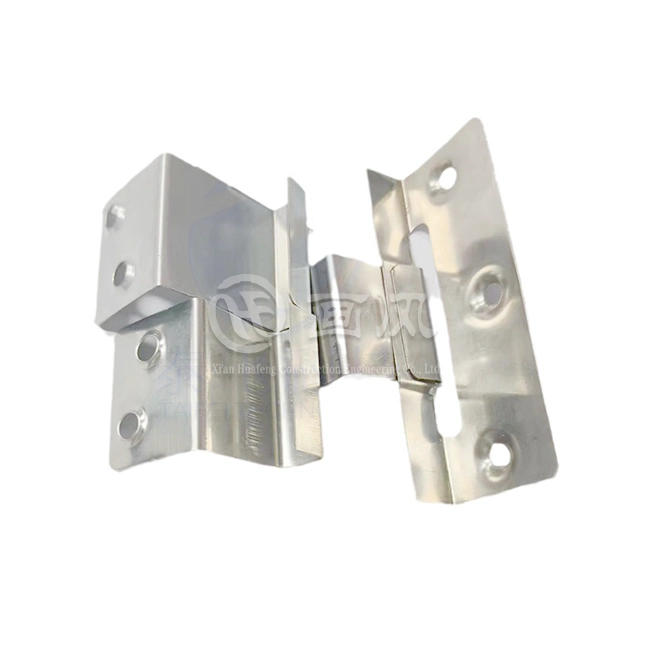
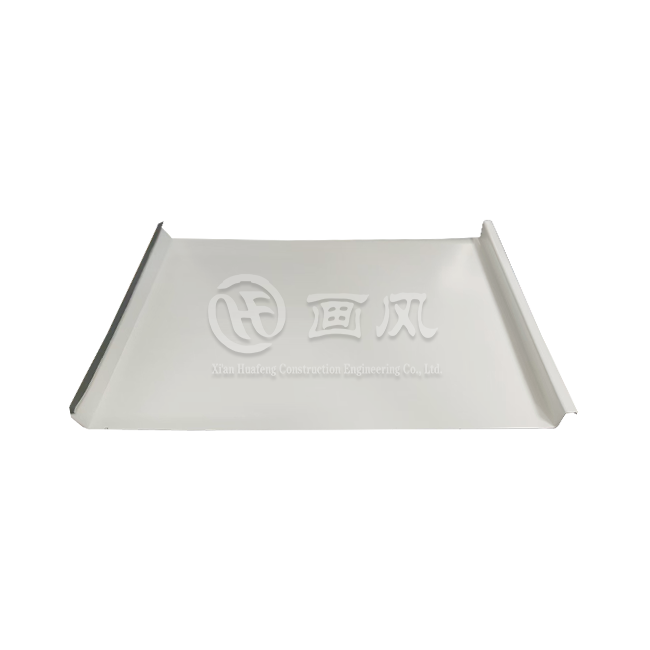
Standing seam methods are different because their vertical leg shapes connect without putting weather-sensitive fasteners through the fabric. There are a range of heights and widths for HF panels, from 25 mm to 65 mm (1" to 2.55"), so they can be used in a variety of structure plans. The hidden clip system lets panels expand and contract freely as the temperature changes. This stops the fastener backing and leak paths that happen with exposed fastener options.
According to ASTM, DIN, JIS, BS, and GB/T standards, testing has shown that HF 24ga panels meet Class A fire rates and have excellent resistance to burning. SGS testing shows that there is no fire index, no flame spread, and little smoke production, all of which are important for meeting building codes in business construction. The PVDF coating system passes all 13 of the AAMA 2605-22 tests, including having a pencil hardness rating of F, adhesion scores of 5B in both dry and boiling water, and better resistance to acids, detergents, and impact damage.
Environmental Compliance and Sustainability Advantages
These days, buying things means checking more than just performance specs, like environmental norms. The HF 24ga panels are in line with the EU RoHS Directive 2011/65/EU. Testing by SGS confirmed that none of the 10 banned hazardous chemicals could be found or were well below the legal limits. This compliance is especially helpful for projects that want to get LEED certification or other green building credentials.
Because metal roofing surfaces can be recycled naturally and come with a 30-year guarantee, these systems are environmentally friendly alternatives to membranes made of petroleum that need to be replaced every 15 to 20 years. Reflective PVDF coatings lower cooling loads by preventing solar heat absorption. This saves energy during the whole lifecycle of the building. Construction waste is kept to a minimum because panels are made to order to fit the exact dimensions of each project, so there is no need to cut them on-site and lose material.
Comparison and Decision-Making for 24ga Standing Seam Metal Roofs
24ga Versus 26ga: Structural and Economic Considerations
To choose between 24ga standing seam metal roof and 26-gauge panels, you need to know how a 20% reduction in thickness affects costs and performance in the short and long term. Even though 26ga panels are cheaper to make, the smaller substrate makes them more likely to show obvious waviness. This is especially true for bigger panels or places with a lot of heat where thermal expansion is noticeable.
In terms of structure, 24ga panels can span farther between supports, which could mean that less flooring is needed and roof frame details are easier to understand. When testing for wind uplift, thicker substrates show better clip retention. This is an important thing to keep in mind for coastal areas or buildings with more than three stories, where negative pressure loads get stronger. When less upkeep is needed and the service life is longer, the lifecycle cost study usually favours 24ga specifications.
For both sizes, HF offers the same finish and colour choices. This means that buying teams can choose the thickness based only on performance needs and not on how it looks. The company can make 1,000 tonnes of gauges every month, so they will always be available, no matter what gauge is chosen. Delivery times of 15 to 20 days will also help projects stay on schedule.
Standing Seam Versus Alternative Roofing Profiles
When you look at standing seam systems next to corrugated panels or architectural roofs, you can see that they are very different in how they protect against the weather and how much upkeep they need. Corrugated profiles depend on panel laps that meet and are sealed with gaskets at through-fastener locations. This makes a lot of possible leak points that get worse over time as the gaskets age and the fasteners come loose from temperature cycling.
With standing seam systems, these weaknesses are gone because the seams are raised above the water line. Using hidden fasteners gets rid of the main way that exposed fastener roofs fail, which means that there are a lot fewer callbacks and guarantee claims. Even though they cost 15–25% more to put at first than cardboard options, they are more cost-effective over their entire life because they don't need to be maintained or replaced as often.
Traditional shingles just can't compete with metal roofing when it comes to commercial uses that need large, connected roofs, low-slope designs, or exposure to harsh weather. HF panels come with a 30-year warranty, which is 10-15 years longer than most shingle warranties. The non-combustible substrate also protects against fire naturally, without using chemical treatments that wear off over time.
Material Selection: Steel, Aluminum, and Specialty Substrates
To choose the right substrate, you need to carefully look at the environmental factors and performance goals that are unique to the place. Galvanised steel with a Galvalume covering has the best cost-performance rates for places in the middle of the country where corrosion from the air isn't too bad. The aluminum-zinc alloy coating is three times more resistant to corrosion than regular galvanised coatings. This means that it can be used for longer in polluted industrial settings.
Aluminium substrates are about a third lighter than steel counterparts. This means that less structural stress is needed, and it may not be necessary to strengthen the current roof framing during retrofit uses, which can save money. The material is naturally resistant to rust, which makes it perfect for sites near the coast that are less than three miles from saltwater, where even Galvalume-coated steel breaks down faster.
Speciality materials, such as stainless steel, copper, and titanium zinc, are used in niche markets where long-lasting or aesthetically pleasing products are needed. It is possible for HF to make custom panels to fit the specific needs of each project because they keep an inventory of all substrate options. The company follows foreign standards like ASTM, DIN, JIS, BS, and GB/T, which makes sure that material qualities stay the same no matter what substrate is used.
Installation Process and Maintenance of 24ga Standing Seam Metal Roofs
Pre-Installation Planning and Safety Protocols
Preparing the substrate and setting up the safety system are the first steps to a successful 24ga standing seam metal roof installation. The roof decking needs to be strong enough to hold clip screws in place, and structural engineers need to make sure that load paths can withstand certain wind lifting forces. The type of underlayment you choose depends on the slope of your roof and the weather where you live. Synthetic materials are better than traditional felt products at resisting tears and staying stable in UV light.
As part of safety planning, OSHA-compliant fall protection systems must be used. These can be guardrails, personal fall stop equipment or safety net assemblies, based on the shape and height of the roof. When installers set the panel spacing and clip engagement, they need to take thermal expansion into account. They need to make sure there is enough space for yearly temperature changes that can make panels expand or contract by several inches along long runs.
Panel Installation and Seam Formation Techniques
Starter strips make sure the panels are lined up correctly and secure the leading edge of the first panel as the installation moves from one eave edge to the next. Hidden clips connect to structure supports at regular intervals determined by wind load estimates. These intervals are usually 24 inches apart, but they could be closer in seaside areas with a lot of wind. Each new panel fits into the raised seam leg of the previous panel, and the standing seam is crimped by hand or with a machine to make the joints weathertight.
The performance of the machine depends on the seams being formed correctly. When the crimp pressure is too low, the seams are loose and can let rain in through the wind. On the other hand, when the pressure is too high, finish coatings can be damaged or panel profiles can become deformed. With every order, HF includes full installation instructions that include suggested tool settings and quality control steps all along the way. The company's technical support team is still available at huafeng@hfmetalroof.com to answer questions from the field and make sure contractors follow the warranty rules.
In order to keep the roof's structure, vents, pipes, and mechanical equipment must be carefully flashed. Flashing parts that are already made and built to fit standing seam shapes make sure that the seams are properly spaced and keep water away from penetration holes. All penetration flashings have sealant put on the weak spots, and strict checking procedures make sure there is full bonding before they are approved.
Maintenance Requirements and Service Life Optimization
Regular maintenance helps prevent minor issues from becoming costly repairs and extends metal roof service life. Annual inspections should check seams, sealants, and potential damage, while seasonal cleaning removes debris that can accelerate corrosion. HF’s 30-year warranty requires proper maintenance records and care. With proactive upkeep and durable PVDF coatings, standing seam systems can perform effectively for 50–70 years.
Procurement Guide: Buying 24ga Standing Seam Metal Roofs for B2B Clients
Identifying Qualified Manufacturers and Suppliers
A successful procurement process starts with a thorough evaluation of the 24ga standing seam metal roof supplier, which includes looking at their manufacturing capabilities, quality systems, and reputation in the market. Some of the most important things to think about are the production capacity compared to the size of the project, the availability of technical support, and the company's track record with similar installations. Manufacturers who keep their ISO 9001 and ISO 14001 certifications show that they care about quality control and the environment.
HF has factories that are 200,000 square meters big and have ten longitudinal shearing production lines, seven colour coating lines and one laminating line. This infrastructure allows for the 1,000-ton-per-month production capacity needed for big business projects without affecting shipping times. The company is known as a high-tech business in Shaanxi Province, and it has first-level qualifications in building curtain walls and third-level qualifications in building steel structures. This shows that it has technical knowledge in a number of related construction fields.
When you evaluate a supplier, you should make sure that their testing procedures and certifications meet the requirements of your project. HF keeps SGS-certified test reports that show they meet the requirements for AS/NZS 1530.3:1999 for combustion performance, EU Directive 2011/65/EU for RoHS compliance, and AAMA 2605-22 standards for coating performance. These independent third-party checks get rid of any doubts about the qualities of materials and their compliance with regulations.
Pricing Structures and Volume Considerations
Material pricing for 24ga standing seam systems varies by substrate, finish, colour, and order volume. Steel with PE coatings offers lower costs, while aluminium with PVDF provides better durability and colour retention. HF’s 500㎡ minimum order suits medium to large projects, with bulk purchasing improving pricing. Complete material packages and 15–20 day delivery support efficient construction planning.
Warranty Terms and After-Sales Support
HF’s 24ga standing seam panels include a 30-year warranty covering material defects, finish durability, and structural performance when properly installed. Warranty support requires following installation and maintenance guidelines, with HF providing technical inspections and guidance. Beyond warranty service, the company offers expert advice, repair support, compatibility checks, and colour matching for future replacements or expansions.
Leading Brands and Suppliers of 24ga Standing Seam Metal Roofs
Market Leaders and Industry Recognition
Leading suppliers in the 24ga standing seam metal roof market distinguish themselves through advanced manufacturing, quality control, and proven project experience. HF, established in 2018, has developed a comprehensive product range covering roofing and building envelope solutions. Its certifications, patents, and technical achievements demonstrate strong innovation capabilities, quality commitment, and recognition within the construction industry.
Comparative Analysis: Capabilities and Service Models
Provider evaluation requires matching business models with project needs. Large suppliers offer broad networks and standard products, while mid-sized manufacturers like HF provide greater customization and technical support. With distributed production, strong quality control, and flexible manufacturing capabilities, HF can deliver customized panels efficiently, supporting complex designs, sustainability goals, and projects that require faster response and specialized solutions.
Building Strategic Supplier Partnerships
Long-term supplier partnerships provide benefits beyond single transactions, including better pricing, faster production, and collaborative problem-solving. Successful cooperation requires clear communication and realistic expectations. HF supports partnerships through dedicated account management, flexible scheduling, and international logistics. With multilingual documentation and global delivery capabilities, the company helps customers manage projects efficiently across different regions and markets.
Conclusion
When choosing a 24ga standing seam metal roof system, it's important to look at all of its technical specs, the supplier's skills, and the costs that will come up over many years after the initial installation. The thickness specification of 0.5 to 0.7 mm provides the best performance by balancing structural needs with material economy. Additionally, concealed fastener systems get rid of the main failure mechanism that affects other roofing profiles. There are a lot of different materials to choose from, such as aluminium alloy, steel, stainless steel, copper, titanium zinc, and more. These materials can all be finished with PVDF or PE and are made to last for 30 years. Partnering with makers who can show they have the production capacity, quality certifications, and technical support infrastructure needed for business building timelines and performance goals is key to successful procurement. Suppliers like HF give people the security they need to make big investments in building envelope systems by testing them thoroughly, letting them be customised, and backing them up with warranties.
FAQ
1.How long do you think a 24ga standing seam metal roof will last?
When fitted and taken care of properly, 24ga standing seam systems can last between 40 and 50 years. Premium PVDF-coated panels can last over 60 years before they need to be replaced. The concealed fastener design gets rid of the main way that exposed fastener roofs break down. Corrosion-resistant substrates and protective coatings stop substrates from breaking down. The actual length depends on the environment, how well it is maintained, and the type of substance used.
2.Can 24ga panels be installed over existing roofing?
It is possible to put new roofs over old ones if the structure is strong enough and the conditions of the old roof meet certain requirements. The roof deck must have enough attachment strength for clip fasteners, and the existing surface must stay mostly flat without changing much. In many retrofit projects, new underlayment is put on top of the old roof before the panels are put on. This keeps water out and saves money on disposal and tear-off costs.
3.How does material choice affect project budgets?
Steel substrates with PE coatings are the least expensive option and can be used for most commercial purposes in the interior. Aluminium is about 40% more expensive than steel, but it doesn't rust in coastal areas, so even though it costs more up front, it might save money in the long run. Prices for PVDF coatings are 20–30% higher than those for PE coatings, but they last longer and keep their colour better, so they look good for a longer time. Copper and stainless steel are examples of speciality materials that can be used in architecture when regular materials don't work well.
Partner with HF for Superior 24ga Standing Seam Metal Roof Solutions
Choosing a dependable 24ga standing seam metal roof maker has a direct effect on the success of the project, the costs over its lifetime, and the performance of the building for many years to come. HF offers complete roofing solutions and is backed by a 1,000-ton monthly production capacity, strict SGS testing certifications, and a 30-year warranty that protects your investment. We can customise a lot of different substrate materials, such as aluminium alloy, steel, stainless steel, copper, and titanium zinc. We also offer PVDF and PE finishes in RAL and custom colours to meet your exact aesthetic needs. The 500㎡ minimum order number is enough for medium- to large-sized business projects, and delivery times of 15 to 20 days allow for tight building plans without losing quality. Email our sourcing experts at huafeng@hfmetalroof.com to talk about the details of your project and get full quotes. HF is a reliable 24ga standing seam metal roof supplier that works with business developers and building companies all over the world. They combine technical know-how with quick customer service to make difficult purchasing problems easy to solve.
References
1. American Architectural Manufacturers Association. (2022). AAMA 2605-22: Voluntary Specification, Performance Requirements and Test Procedures for Superior Performing Organic Coatings on Aluminum Extrusions and Panels. Schaumburg, IL: AAMA.
2. ASTM International. (2023). ASTM E1592-23: Standard Test Method for Structural Performance of Sheet Metal Roof and Siding Systems by Uniform Static Air Pressure Difference. West Conshohocken, PA: ASTM International.
3. Metal Construction Association. (2025). Technical Bulletin: Structural Standing Seam Metal Roof Systems Design Guide. Glenview, IL: Metal Construction Association.
4. National Roofing Contractors Association. (2024). The NRCA Roofing Manual: Metal Panel and SPF Roof Systems—2024 Edition. Rosemont, IL: NRCA.
5. SGS Group. (2024). Coating Performance Testing for Architectural Metal Panels: Standards Compliance and Quality Verification Protocols. Geneva, Switzerland: SGS SA.
6. Underwriters Laboratories. (2023). UL 580: Standard for Tests for Uplift Resistance of Roof Assemblies—Eighth Edition. Northbrook, IL: Underwriters Laboratories Inc.





YOU MAY LIKE
(1)_1763110678300.webp "standing seam metal roof panels")