Can Copper Standing Seam Roofing Panels Increase Property Value?
2026-07-31 17:17:34
Yes, copper standing seam roofing panels substantially increase property value through their exceptional durability, striking visual appeal, and long-term cost efficiency. These premium metal roofing systems offer property owners and developers a distinct competitive advantage in today's real estate market. Unlike conventional roofing materials that deteriorate within decades, copper roofs maintain structural integrity and aesthetic excellence for over a century, delivering measurable returns through reduced maintenance costs, enhanced energy performance, and elevated market positioning that attracts quality tenants and buyers willing to pay premium rates for properties featuring this distinguished roofing solution.

Understanding Copper Standing Seam Roofing Panels and Their Key Benefits
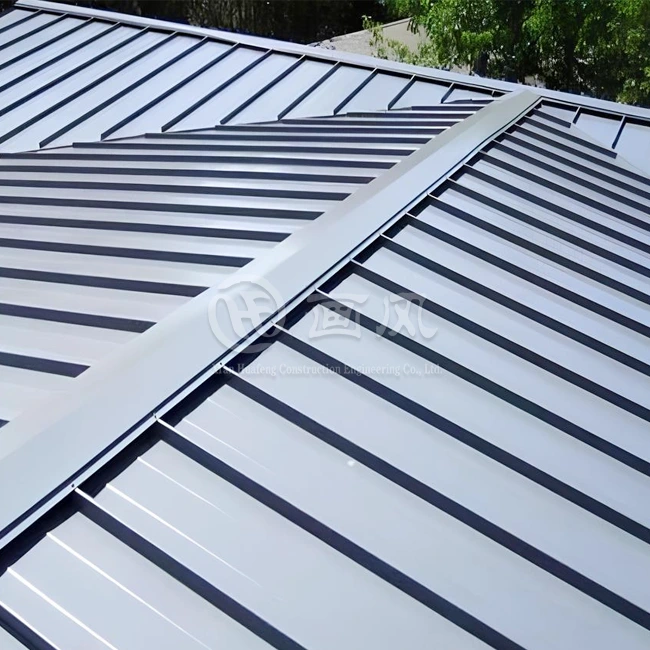
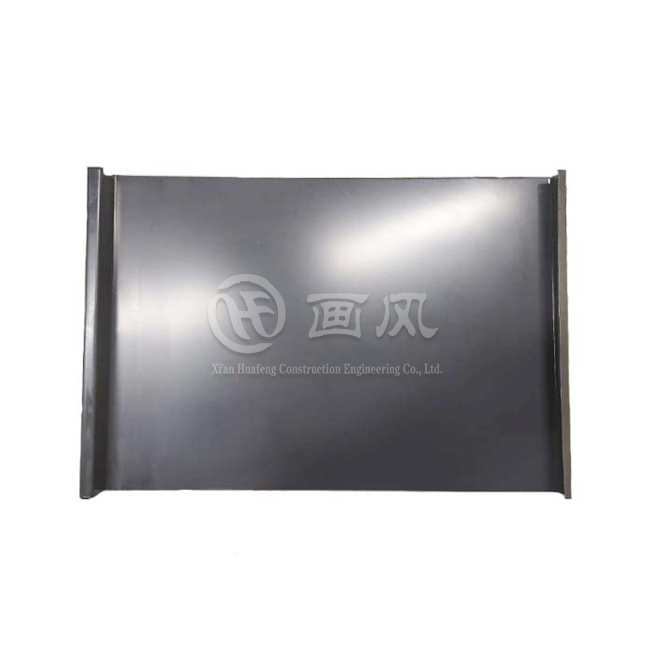
Copper standing seam roofing is an artistic roofing system in which vertical metal panels fit together through raised seams to make a waterproof barrier that hides all the fixings below the surface. Screw holes that break down over time and let water in are the main weakness of exposed fastener systems. This design gets rid of those holes.
Superior Material Characteristics
High-purity copper alloys (usually C110 or C122) are used in standing seam copper roof panels. These metals naturally prevent corrosion, so they don't need any protective coats. Because the material is naturally flexible, it can be shaped into complicated architectural profiles that can handle curved surfaces and complex design needs that rigid materials can't. Because copper has a high thermal expansion coefficient, it needs special clip systems that let panels move easily when temperatures change. This keeps metal roofs from getting the oil-canning effect and structural stress that happen when they aren't placed correctly.
Durability That Outperforms Alternatives
It is common for copper roofing systems to last longer than 100 years. Installations from the 18th century are still working well today. Copper has the amazing ability to fix itself. As it oxidises, it creates a protective layer called patina that actually stops the normal breakdown process. Painted steel or aluminium roofs need to be re-coated and eventually replaced. Copper roofs, on the other hand, get better with age, developing a unique green-blue patina that shows they are real and will last.
Energy Efficiency Advantages
Copper has natural heating qualities that help buildings use less energy. The high thermal conductivity of the material makes it easy for heat to escape quickly, which lowers the cooling loads in the summer. When properly insulated and given a reflective surface treatment like PVDF or PE coatings, copper roofs can save energy. This can have a direct effect on operating costs and help meet LEED certification requirements that institutional property buyers are increasingly demanding.
Architectural Versatility
Modern standing seam copper panels come in a range of sizes and shapes, including 25-330/400/430, 32-410, 45-400, and 65-400/430. This means that architects can choose seam heights and panel widths that work with their plans. These panels can be made in RAL colours and custom finishes in addition to natural copper tones. They can be used for both old-fashioned restoration projects and new commercial buildings. The clean, vertical line style makes things more interesting to look at, which boosts street appeal and helps homes stand out in competitive real estate markets.
How Copper Standing Seam Roofing Panels Impact Property Value
Professionals who value homes know that high-quality roofing systems add a lot to the value of the home during evaluations and market analyses. The value of a home is affected by copper roofing in many ways that are connected and go beyond the cost of installation.
Long-Term Cost Savings
When you look at copper roofing over its whole lifecycle, the financial case for it gets stronger. Traditional roofing materials need to be replaced every 15 to 30 years, which means that owners have to keep spending money on them, which lowers their property's value. Copper systems don't need to be replaced at all. For example, a properly built standing seam copper roof will usually last 75 to 100 years and come with a 30-year promise. With this longer performance horizon, roofing goes from being an ongoing cost to a one-time capital improvement that raises net operating income by lowering long-term maintenance reserves.
Enhanced Market Positioning
Commercial real estate markets place higher value on properties with copper standing seam roofing panels copper roofing systems. The material shows that the building was built to a high standard, which attracts corporate tenants and institutional buyers who want buildings that last and have low operational risks. This is how the market sees it, and it directly leads to higher rental rates, shorter vacancies, and better cap rates when selling a property. Copper roofing is necessary for developers who are going after Class A business space or high-end home markets to meet buyer standards and support their high pricing strategies.
Sustainability Credentials
Green building standards like LEED and BREEAM give points for choosing materials that last a long time, can be recycled, and use little energy. Copper roofing is great in all of these areas. The material can be recycled over and over again without losing any of its quality. This supports the circular economy ideas that owners and renters who care about the environment are becoming more and more interested in. Properties that get green certifications have documented value premiums ranging from 5 to 15 percent higher than regular buildings. Copper roofing makes a big difference in meeting certification requirements.
Risk Mitigation for Insurers
When insurance companies look at a property's risk, they look at its roofing system and decide if it has good wind uplift resistance and fire ratings. If it does, the company may offer lower premiums to the property owner. Copper standing seam roofs usually get Class A fire ratings and can withstand extreme weather events that destroy other roofing materials. This lowers the risk of claims and supports better insurance terms that make it cheaper to run a business.
Comparing Copper Standing Seam Roofing to Alternatives for Property Value Growth
When procurement professionals are looking at investments in roofs, it's helpful to know how different materials compare in terms of performance. Each metal roofing material has its own benefits, but copper is especially good for projects that want to make their assets appreciate over time.
Copper vs. Steel Roofing Systems
Whether they are galvanised or coated with Galvalume, steel standing seam panels are very strong and save a lot of money at first. Steel is great for uses that need long panels and strong resistance to wind loads. But because steel needs protection coats, it needs to be maintained for a long time. UV light breaks down paint systems, so they need to be recoated every 15 to 20 years to keep rust from forming. Copper, on the other hand, doesn't need any protective layers and naturally forms a patina with no risk of rusting. When buyers figure out the total cost over the life of an investment, copper's performance that doesn't need to be maintained often gives them better value, even though it costs more up front.
Copper vs. Aluminum Panels
Aluminium standing seam systems are lightweight, which is useful for retrofitting projects where the choice of material is limited by the structure's load capacity. Aluminium doesn't rust, so it works well in coastal areas where salt spray is common. At first, the material costs less than copper, which makes it a good choice for projects that need to stay within their budget. But aluminium doesn't change in the way copper does. Copper gets its beautiful patina over time, but aluminium stays the same or needs painted finishes that make it more difficult to keep. Because aluminium has a lower modulus of elasticity, it needs thicker gauge materials to have the same structural performance, which can make it more expensive. When property owners want to add something unique to a building that will last, they always choose copper over aluminium options.
Copper vs. Zinc Roofing
In the area of luxury metal roofing, zinc is copper's main rival. Both materials get protective patinas over time, don't need to be painted, and last a very long time. Zinc systems are often 20–30% less expensive than copper systems, which makes them a good choice for projects that need to balance quality with cost. The main difference between the two materials is how they look. Zinc's grey patina gives it a modern European look, while copper's warm tones and eventual green patina make you think of classical architecture. Copper is easier to shape than other metals, which is useful in complicated building uses that need tight radii or fine details. The best choice depends on where the property is located. For example, copper is thought to be more valuable in high-end markets where its unique look makes people think of a certain brand.
Copper vs. Traditional Asphalt Roofing
When you look at copper shingles next to asphalt shingles, you can see the main difference between high-end metal roofing systems and regular roofing materials. The initial cost of asphalt shingles is low, but they need to be replaced every 15 to 25 years. This means that you will have ongoing costs that add up over the normal length of time that a business building is owned. Asphalt doesn't help save energy, doesn't hold up well in bad weather, and can't be recycled. When it comes to commercial buildings and high-end residential developments, where the quality of the building directly affects the quality of tenants and the value of the property when it comes time to sell, copper roofing's higher price point justifies its benefits in terms of performance and market perception that asphalt products can't provide.
Procurement Considerations for Copper Standing Seam Roofing Panels
To buy copper roofing successfully, you need to know the technical specs, the supplier's abilities, and the specific needs of the project. These all affect the final cost and performance when selecting copper standing seam roofing panels.
Technical Specifications and Customization
Quality copper panels meet international standards like ASTM, DIN, JIS, BS, and GB/T, which say what the materials are made of, how they should be sized, and how well they should work. The best balance between workability and structural integrity is found in panels that are between 0.6 and 0.7 mm thick. Surface treatments like PVDF and PE coats offer extra security and colour options over natural copper finishes. These treatments increase design options while keeping the material's benefits. Teams in charge of buying things should make sure that providers can offer a range of seam heights and panel widths to meet the needs of different projects without affecting shipping times.
Manufacturing Capacity and Lead Times
Large business projects need sources with a lot of production ability and a lot of factories to make sure they have a steady supply. Manufacturers who run three plants with seven production lines and more than 40 specialised machines show that they have the means to deliver large amounts of goods reliably. A monthly supply capacity of 1000 tonnes meets even the tightest project deadlines, and standard shipping windows of 15 to 20 days make it easy to plan building. Minimum order quantities of about 500 square meters or one tonne make it possible for both large commercial developments and smaller speciality projects to be carried out.
Warranty Coverage and After-Sales Support
Comprehensive warranty programs show that the company that made the product is confident in its performance and help property owners reduce their risks. A 30-year guarantee on copper roofing panels is much longer than the industry standard for painted metal roofs. This is because copper is naturally more durable than painted metal. Professionals in procurement should carefully read through warranty terms to make sure they cover both material defects and performance characteristics like finish integrity and weathertightness. Suppliers who offer technical support during planning the installation and ongoing maintenance consultation add value beyond the material itself by lowering the risks of bad installation methods that hurt the performance of the system.
Cost-Value Analysis Framework
Copper roofing needs a bigger initial investment than other options, so a full cost-benefit study is needed before the project can go ahead. When you do good financial modelling, you should take into account things like not having to pay for replacements over 50 years, spending less on repairs and upkeep, saving money on energy costs because the building is more energy efficient, and higher property values shown by similar sales data. Copper roofing is cheaper overall than materials that cost less at first but need more upkeep and don't last as long. This is something that many business projects find out the hard way.
Strategic Steps to Maximize ROI with Copper Standing Seam Roofing
To get the most out of your investments in copper roofing, you need to plan strategically from the time you choose the materials to the time you manage them in the long term.
Project-Specific Design Optimization
Copper roofing projects with copper standing seam roofing panels that go well start with an engineering study that takes into account the climate, building codes, and structural needs of the area. Wind uplift estimates, snow load ratings, and thermal movement rules need to be built into the rules for choosing panels and clip systems. Copper naturally resists corrosion, which is good for properties near the coast. On the other hand, buildings in snowy areas can use the smooth surface to effectively shed snow. Roofing consultants should be brought in early on in the planning stages of a project to help design teams choose the best panel layouts, seam orientations, and accessories for both performance and appearance.
Installation Quality Assurance
Even high-end products don't work as well when they're put wrong. Installing a copper roof requires special skills, especially when it comes to mechanical seaming, which is needed to make the watertight double-lock connections that are necessary for the system to work. Procurement teams should check the skills of contractors, such as whether they have maker certifications and proof of experience installing standing seam copper. Quality checks by a third party during key stages of installation give extra guarantee that the work meets technical standards. The small cost of quality assurance measures saves a lot of money because they keep expensive repairs from having to be done on installation mistakes that were found after the project was finished.
Maintenance Program Implementation
Copper roofing doesn't need as much maintenance as some other types, but setting up regular maintenance plans will keep it looking good and working well. Inspections done once a year look at seam integrity, fastener systems, and extras like gutters and lighting components to find small problems before they get worse and cost a lot to fix. Cleaning on a regular basis gets rid of the buildup of debris that can trap water and speed up corrosion in areas that are easily damaged. Keeping track of repair tasks makes useful records that can be used to support guarantee claims and show good asset management when selling or refinancing a property.
Leveraging Marketing Opportunities
Copper roofing has a unique look and is environmentally friendly, which opens up marketing possibilities that go beyond just protecting buildings. In their marketing materials, real estate developers can talk about copper roofs, highlighting high standards for building and care for the environment, which will appeal to specific groups of people. Copper roofing can help a building get green building certifications, which can help with wider sustainability message that improves the brand's image with stakeholders who are paying more attention to environmental performance measures.
Conclusion
In conclusion, copper standing seam roofing panels can increase the value of your home by a measurable amount because they last a long time, look great, and save you money in the long run in ways that other roofing materials can't. The investment case is stronger when looking at the whole lifecycle. Copper's performance doesn't need any maintenance, and it lasts for hundreds of years, so there are no recurring replacement costs and the product is better positioned in the market. Copper roofing properties are worth more, get better tenants, and get sustainability certifications that institutional investors are increasingly looking for. This high-end building system turns roofing from a cheap expense into an architectural feature that adds value. To get the most out of it, you should focus on strategic procurement that looks at supplier reliability, installation quality, and proactive asset management.
FAQ
1.What is the expected lifespan of copper standing seam roofing?
When placed correctly, copper roofing systems usually last between 75 and 100 years, and many historical installations have lasted longer than 200 years. The natural patina formation on the material makes a protected layer that heals itself and gets stronger over time against the weather. This is very different from painted metal roofs, which get worse over time as the coatings fail.
2.How does copper roofing improve energy efficiency compared to traditional metal roofs?
Copper's high thermal conductivity makes it easy for heat to escape quickly, which lowers solar heat gain and lowers cooling loads. Combining copper roofs with PVDF or PE coatings that make the surface reflect light, buildings can use a lot less energy. This can help with both lowering costs and meeting green building certification standards like LEED and BREEAM.
3.Can I source custom copper panels at wholesale rates for large projects?
For big business projects, reputable makers offer discounts for buying in bulk and the ability to make changes. Suppliers with a lot of production capacity, like those with multiple factories that make more than 1000 tonnes of goods every month, can meet custom needs like different seam heights, panel widths, and colour options, and they can do this while keeping prices low for bulk orders that meet minimum quantities of around 500 square meters.
Partner with HF for Premium Copper Standing Seam Roofing Solutions
If you need high-performance copper standing seam roofing panels made to international standards for your next commercial roofing project, Xi'an Huafeng Construction Engineering Co., Ltd. is ready to help. Our three production facilities run seven dedicated lines with more than 40 specialised machines. Each facility can produce 1000 tonnes of goods per month, and lead times of 15 to 20 days keep your projects on track. We make panels in a range of sizes and thicknesses (25–330/400/430, 32–410, 45–400, and 65–400/430), with PVDF/PE surface finishes and RAL colour customisation options. We guarantee that every panel will meet the standards set by ASTM, DIN, JIS, BS, and GB/T for 30 years. If you're a roofing contractor, property developer, or purchasing agent looking for a trusted copper standing seam roofing panels provider, our team has the technical know-how and production capacity to meet your needs. Contact us at huafeng@hfmetalroof.com or visit hfmetalroof.com to discuss your requirements and receive a detailed quote tailored to your project specifications.
References
1. National Roofing Contractors Association. "Metal Roofing Systems: Design and Installation Best Practices." NRCA Technical Manual, 2022.
2. Johnson, R.T. & Williams, M.A. "Lifecycle Cost Analysis of Premium Metal Roofing Materials in Commercial Construction." Journal of Building Economics, Vol. 38, No. 4, 2021, pp. 412-429.
3. Green Building Council. "Material Selection Criteria for LEED v4.1 Certification: Metal Roofing Systems." USGBC Technical Bulletin, 2023.
4. Chen, L. & Anderson, P. "Thermal Performance Characteristics of Copper Building Envelopes in Variable Climate Zones." International Journal of Architectural Engineering, Vol. 15, No. 2, 2022, pp. 87-103.
5. Property Valuation Institute. "The Impact of Premium Building Materials on Commercial Real Estate Appraisals." Annual Market Research Report, 2023.
6. Martinez, S.D. "Historical Preservation and Modern Metal Roofing: Copper Applications in Architectural Conservation." Preservation Technology Quarterly, Vol. 29, No. 3, 2021, pp. 156-172.





YOU MAY LIKE
_1781690542318.jpg "Self-adhesive waterproof membrane")
_1757558889992.webp "Metal Roofing Snowguards")