Why Choose Flat Lock Metal Wall Panels for Exterior Walls?
2026-07-30 11:02:00
Selecting the right exterior cladding can make or break your commercial building project. Flat lock wall panels offer a proven solution that balances durability, aesthetics, and cost-effectiveness for construction professionals managing complex builds. These interlocking metal systems deliver weather-tight performance while accommodating architectural complexity—from straight facades to curved surfaces—making them an increasingly popular choice among contractors and developers seeking reliable, low-maintenance cladding that stands the test of time.

Understanding Flat Lock Metal Wall Panels: Features and Benefits
What Makes This Cladding System Unique
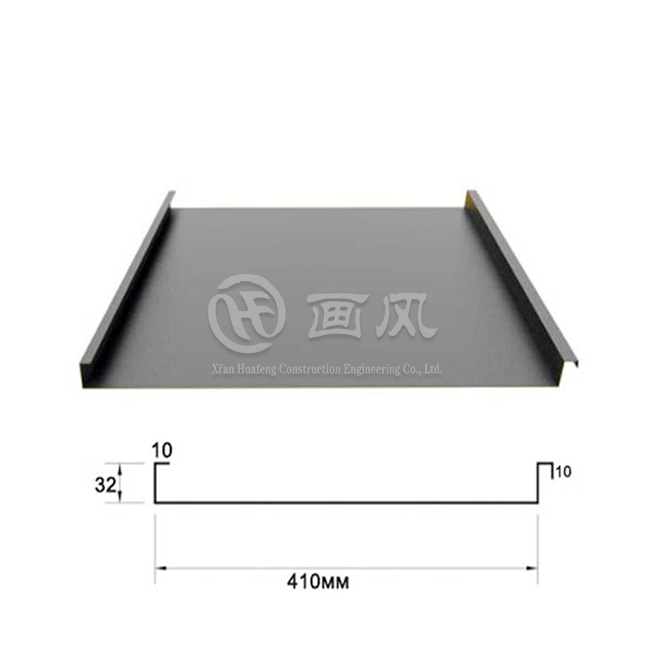
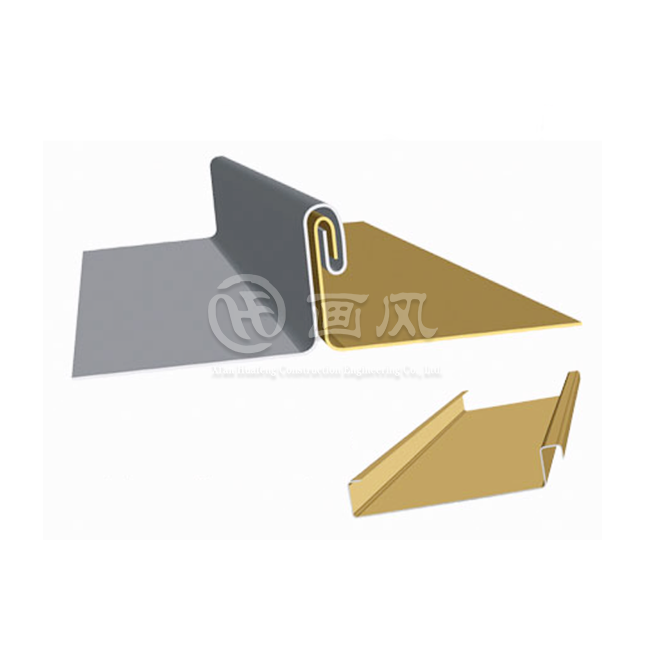
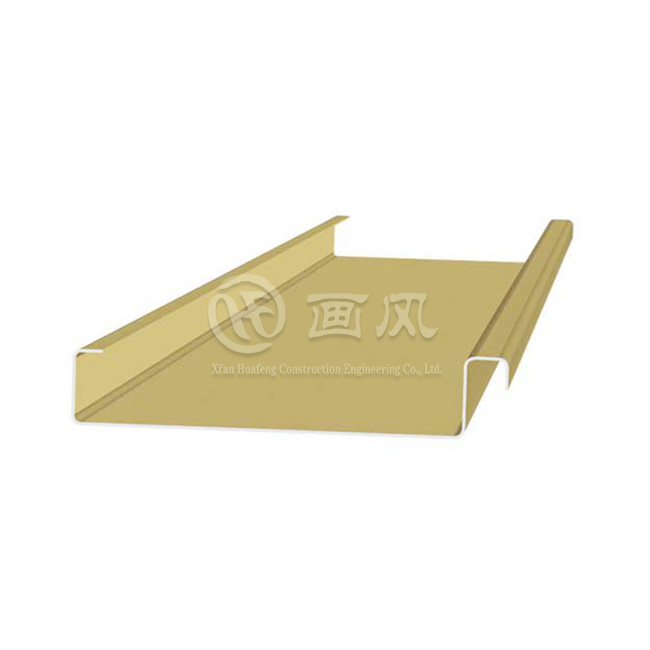
Metal exterior flat lock wall panels with flat lines that interlock is a clever way to cover things that doesn't show any fasteners but still keeps the structure strong. Unlike traditional lining, these systems are made up of separate panels, which are usually between 100 and 400 mm wide and connect with precisely cut hems. This mechanical interlock makes the building envelope look smooth while allowing controlled thermal movement, which is very important when working with metals that change size a lot when the temperature changes, like copper, titanium, or zinc.
Material Options That Match Project Requirements
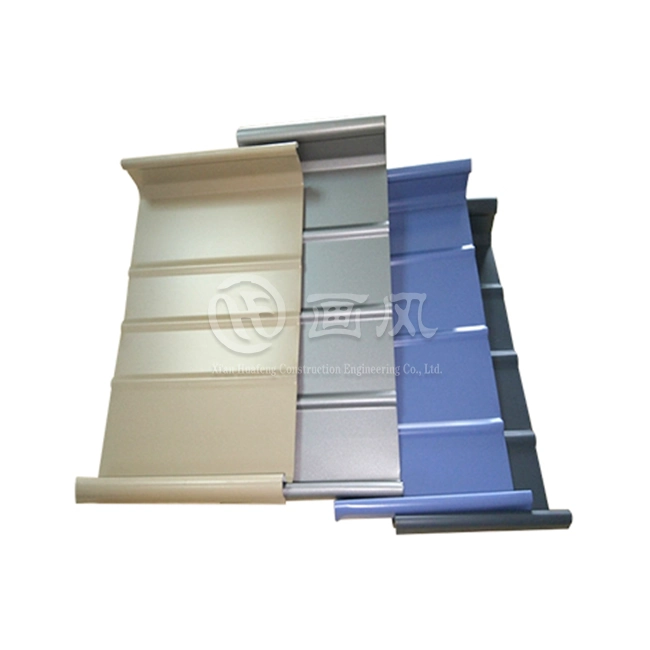
Flat lock systems today let you use a lot of different materials, which isn't possible with other types of covering. It is normal for titanium zinc to weather and fix itself, which makes it perfect for coastal areas. Aluminium magnesium manganese metals are very resistant to corrosion and are lighter, which means they need less structure load. Stainless steel is the most durable material for industrial or high-traffic areas, while copper patinas in a way that architects who want living finishes love. You can choose panel thicknesses between 0.4mm and 0.8mm based on wind load estimates and personal taste. For bigger panel faces, thicker gauges prevent oil canning.
Performance Advantages Over Conventional Cladding
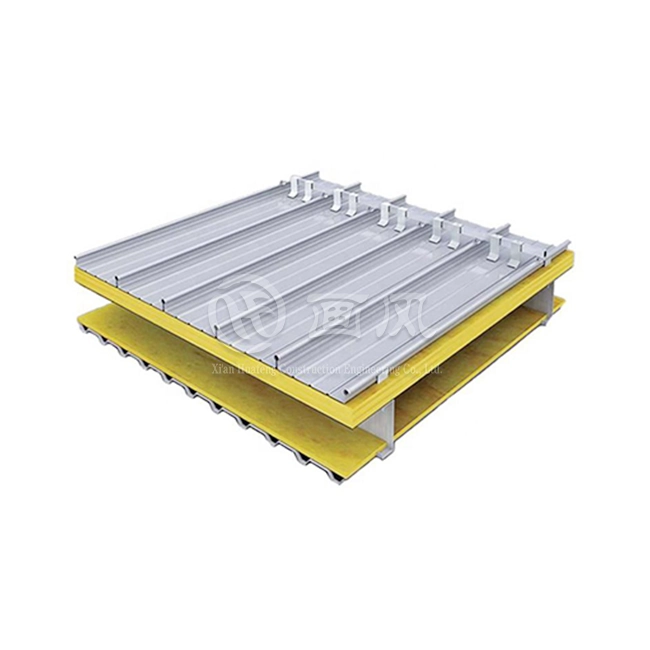
The hidden clip connection method keeps fasteners from rusting and spreads wind loads better than systems with exposed fasteners. This design naturally stops water from getting in at the attachment points, which is a common way for traditional metal siding to fail. The airy space behind these panels makes a rain screen effect that controls moisture vapour, extends the life of the insulation, and lowers cooling loads by releasing solar heat gain before it hits the building surface. Compared to brick or fibre cement, metal panels cut construction time by a huge amount. For example, a 10,000-square-foot facade can often be finished in half the time it takes for masonry, which has a direct effect on project schedules and costs.
Design Flexibility for Complex Architecture
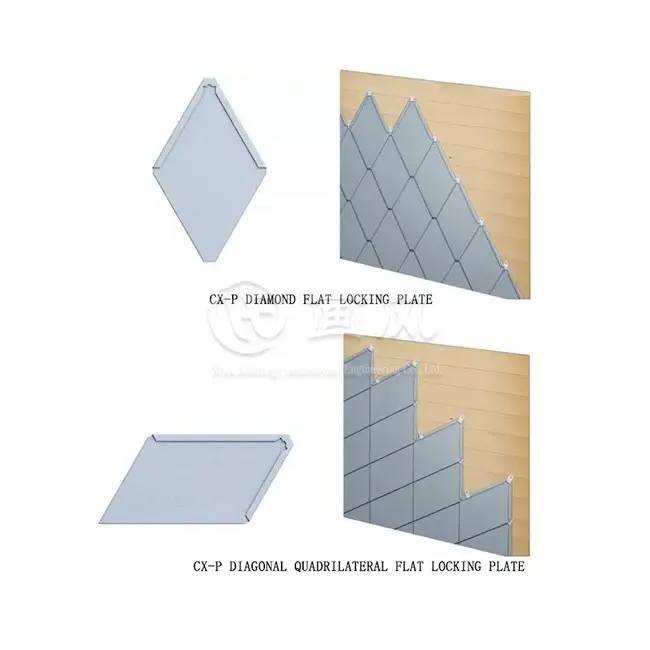
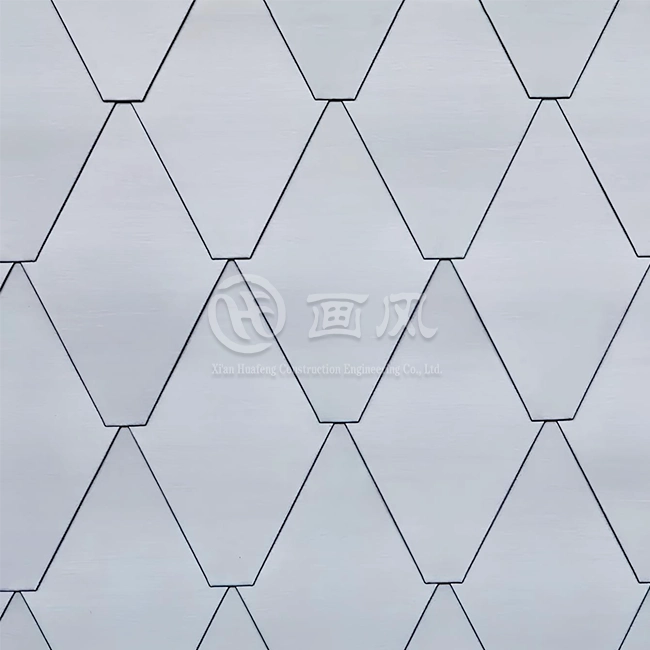
In business settings, these systems stand out because they can be used with a variety of shapes. Panels can be made in shapes other than the normal rectangle. They can be made in rhombus, trapezoid, or hexagon shapes, which allows for creative pattern work that looks good without sacrificing function. This physical freedom is very helpful for covering curved walls, conical structures, and other complicated shapes that fixed panel systems can't handle. The small module size makes it possible for panels to follow complex shapes without getting kinked. This feature has made this system the first choice for modern museums, performing arts centers, and business buildings with strong architectural expression.
Installation and Maintenance: Ensuring Long-Term Performance
Pre-Installation Considerations That Prevent Problems
More than any other factor, substrate preparation decides how well flat lock wall panels will work in the long run. Because these panels send substrate irregularities directly to the finished surface, the wall they're attached to has to be flat within 1/4 inch over 10 feet. It's important to choose weatherproof barriers carefully. High-temperature self-adhering membranes work best under metal cladding because they keep air out and handle water secondarily. If the application is for zinc or copper, putting a structured drainage mat between the membrane and panels stops water from causing corrosion on the sides.
Critical Installation Steps for Lasting Results
Installing panels is done in a methodical way, starting from a corner or edge and working your way through each one using the interlocking hem. At set intervals—usually every 12 to 16 inches vertically—concealed stainless steel clips attach to the substrate. These intervals are determined to meet the designed wind uplift standards for the project site. The right clip space is very important; not fastening something enough can cause the panel to flutter and fail early, while fastening something too much can stop heat from moving and cause it to buckle. At each joint, the hem contact has to be checked by hand to make sure that there are no gaps that could let wind-driven rain in.
Maintenance Requirements That Preserve Appearance
Regular maintenance makes panels last longer and keep them looking good with little work. Cleaning once a year with pH-neutral cleaners gets rid of built-up pollutants that can speed up weathering, especially in industrial or urban settings. Checking the hem's integrity, the security of the clips, and the condition of the sealant at the ends and penetrations should be done on a regular basis. Unlike painting systems that need to be re-coated every ten years, zinc and copper naturally rust and form protective patinas that don't need any ongoing finish upkeep. Localised repair can fix minor panel damage, but to get to mid-facade panels, you have to slowly disconnect them from the nearest edge. This is something that should be thought about during the initial design process when planning service access routes.
Warranty Protection and Support Infrastructure
A full warranty shows that the manufacturer is confident in the product's durability. Premium systems with 30-year guarantees give buying teams the peace of mind they need to justify the costs over the whole life of the system. Most of the time, these guarantees cover flaws in the material, failure of the coating to stick, and the structure's ability to work in certain situations. In addition to paperwork, the infrastructure for after-sales support is important. Companies with dedicated technology teams can quickly fix problems in the field, keeping small issues from becoming expensive calls. Having access to new panels that are exactly the same as the originals, even years after the original installation, saves your investment from damage that you didn't expect.
Evaluating Flat Lock Wall Panels: Cost, Durability, and Energy Efficiency
Understanding the Investment Framework
Base prices for flat lock wall panels are based on the material used. Aluminium is usually the least expensive option, while copper and titanium zinc are more expensive but have longer service lives and a unique look. Customising panels with non-standard forms, colours that aren't RAL standards, or special finishes costs more but makes it possible for projects to stand out. When looking for suppliers for big commercial jobs, production capacity is important. Factories with more than one production line and monthly output of more than 1,000 tonnes can meet tight building plans without the delivery delays that happen with smaller fabricators.
Real-World Durability in Demanding Environments
Corrosion resistance varies a lot between materials, so it's important to choose one that is right for the climate. Aluminium magnesium manganese alloys work well in salty seawater, where other metals are damaged by the spray. Grades of stainless steel that meet ASTM standards can be used for decades in chemically-rich industry settings. The mechanical interlock design spreads impact loads across several clips instead of putting all the stress on a single connection point. This makes it more resistant to wind damage and hail than face-fastened options. Field performance data from sites in hurricane-prone areas shows that these systems can withstand Category 3 wind events if they are properly designed and put in place.
Energy Performance That Reduces Operating Costs
When compared to darker traditional cladding, reflective metal surfaces cut solar heat absorption by 30–50%. This directly lowers cooling loads during times of high demand. When it comes to commercial buildings, where HVAC costs are the highest, this passive cooling effect is especially useful. The ventilated cavity design makes a thermal break that improves insulation and stops thermal bridging, which is what happens in standard wall assemblies and lowers the performance of the building environment. These features are important for getting LEED approval because they help projects meet their sustainability goals and save real money on energy costs. Energy savings can cover the higher initial cost over a typical 30-year service life compared to alternatives that don't work as well.
How to Choose the Right Flat Lock Wall Panel Supplier and Product
Essential Supplier Qualifications for Commercial Projects
Credentials of the manufacturer are the first thing that buying choices for flat lock wall panels are based on. Look for suppliers that are certified to meet foreign standards like ASTM, DIN, JIS, and GB/T. This will make sure that their goods meet well-known performance standards. Infrastructure for production shows how well something can be done. For example, three factories with seven production lines and more than 40 specialised machines show that they can handle large orders with consistent quality. For phased building plans, supply chain reliability is very important. Manufacturers who can deliver 1,000 tonnes per month can support multiple projects at the same time without allocation conflicts that slow you down.
Customization Capabilities That Meet Design Intent
Architectural requirements often call for answers that aren't normal. Suppliers that can make panels in any length and width (from 100 mm to 400 mm) give you more design options than sources that only sell panels in stock. Colour matching options that go beyond standard RAL charts let you align your brand or match the colours of an old renovation. Shape creation in shapes other than rectangles, such as rhombus, trapezium, and triangular, lets you create patterns that make your project stand out. You can choose the finish's longevity based on weather conditions and your budget by using both PVDF and PE coating methods.
Logistics and Service Factors That Reduce Risk
Minimum order amounts affect the viability of a project, especially for smaller business renovations. Setting reasonable limits, like 500 square meters or 3 tonnes, lets more people join the project without forcing people to buy more materials than they need. Delivery times of 15 to 20 days from order confirmation allow for acceptable scheduling of building work without adding too much lead time. Sample policies are important during the design development process. Manufacturers that give free examples make it easier to build mockups and get feedback from stakeholders before committing to full quantities of materials. Access to technical support, such as engineering help for wind load calculations and installation training, shares information that keeps mistakes from happening in the field.
HF adds a lot of experience to industrial metal cladding projects because it can make everything from raw materials to final panels all in one place. We keep a lot of inventory on hand so that we can quickly fill custom orders. Our facilities are strategically placed to serve major construction markets. During the specification phase, our engineering team works directly with contractors and architects to make sure that the panel configurations meet both the aesthetic vision and the performance requirements. Our dedication to quality control at every stage of production is shown by the fact that our products are certified to several foreign standards.
Making an Informed Decision: Flat Lock Panels for Your Next Project
Aligning Panel Selection With Project Parameters
Choosing flat lock wall panels that fit the needs of the project depends heavily on the type of building. High-rise business towers need lighter aluminium alloys to keep the structure from having to carry too much weight. On the other hand, copper or zinc is often used in educational buildings because it ages well and has a service life of 70 years or more. The type of coating needed depends on the climate. For example, coastal projects need better corrosion protection, while installations in the mountains need to be able to handle freeze-thaw cycles. Budget constraints play a big role, but lifecycle costing often explains a higher original investment when lower upkeep and longer replacement intervals are calculated.
Customization Options That Realize Design Vision
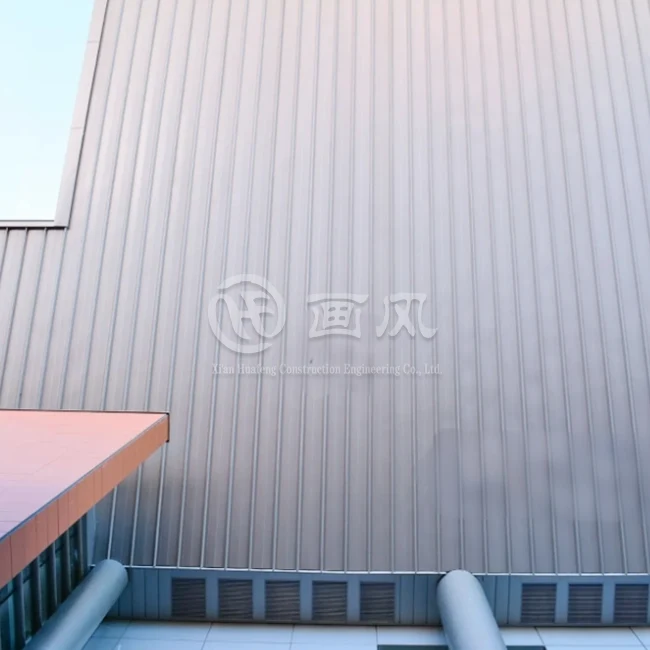
The choice of surface finish affects both how it looks and how easy it is to clean. PVDF coatings are very good at keeping colours and not chalking, and they keep their look for decades in harsh UV environments. Copper or zinc that has been exposed to the weather develop live patinas that change over time. This makes them appealing to builders who want non-static looks. Different patterns of panel arrangement, like horizontal, vertical, or diagonal installations, make the same materials look different. When you use the embossed or flush-bonding placement method, you get subtle shadow lines that give surfaces more depth. Changing the width of an installation within the same piece can create a rhythm and scale that fits the size of the building.
Procurement Processes That Streamline Project Execution
To order efficiently, you must first accurately calculate the quantity, taking into account waste factors that are unique to the panel layout and building geometry. Technical consultation before flight stops underage that slows down building or overage that makes costs go up for no reason. Colour mismatches that only show up after installation can be avoided by testing samples in real-life lighting circumstances. Coordinating deliveries with building schedules helps keep materials from getting damaged or stored improperly on-site. Setting up blanket purchase agreements with staged releases is a good way to keep things consistent across multiple buildings or campus projects while spreading out the cash flow during the different stages of construction.
Conclusion
Flat lock wall panels offer a great mix of style, proven durability, and long-term value that appeals to commercial construction professionals in charge of complicated projects. A wide range of materials, from titanium zinc to stainless steel, can be used to meet a wide range of design goals and performance requirements. The design with hidden fasteners is better at protecting against weather than standard cladding, and it lets you make patterns that you couldn't with hard panel systems. When long service life, low upkeep, energy efficiency, and architectural difference are important to the standard, this cladding method regularly works better than alternatives. Working with seasoned makers who have the production capacity, technical know-how, and service infrastructure to handle large-scale projects guarantees success from the planning stages to the many years that the building is in use.
FAQ
1.Can These Panels Be Installed on Existing Buildings During Renovation?
One important way that flat lock wall panels are used is in retrofitting projects. The small amount of dead weight—usually about 5.8 kg per square meter—doesn't put much stress on existing frames, which makes them perfect for updating the facade without having to pay for expensive structural strengthening. The open installation method works with older wall substrates that have irregularities that would make direct-applied systems harder to use. However, proper furring and substrate preparation are still needed for the best results.
2.How Do Maintenance Requirements Compare to Standing Seam Systems?
Both methods are easier to maintain than painted surfaces, but flat lock configurations make it easier to change panels when they get damaged near the edges of the building. For standing seam systems, you need special tools to engage the seams, but for flat lock panels, mechanical interlocks are enough. Cleaning instructions for both are the same—once a year washing keeps the look without any special tools or methods.
3.What Happens to Panel Appearance Over Time?
Material selection alone is what causes appearances to change over time. When quality finishes are chosen, pre-finished aluminium and steel keep their original colour with little fading. Copper and zinc are natural metals that get protective patinas that change colour over time. Copper goes from a bright metallic colour to bronze tones and finally green, while zinc weathers evenly to grey. People often think of these natural signs of ageing as desired artistic traits rather than signs of decline.
Partner With HF for Your Flat Lock Wall Panels Project
Picking the right flat lock wall panels source has a direct effect on the success of the project, from the specifications to the building's performance over many years. HF has three dedicated factories and seven production lines that make sure that orders of any size get the same high quality. They combine large-scale production with technical know-how. Our range of materials, such as titanium zinc, copper, aluminium magnesium manganese alloys, and stainless steel, can be used for a wide range of projects. We can also make shapes, colours, and sizes to fit the needs of specific architects. We keep stock on hand so that we can meet delivery plans of 15 to 20 days, which will keep your building project on track. We stand behind every panel that leaves our facility with full 30-year warranties and quick technical support. Email us at huafeng@hfmetalroof.com to talk about the needs of your project, get free samples to look over, or compare prices. Our team helps construction professionals who demand excellence with engineering, installation, and ongoing support that lowers risk and ensures long-lasting results.
References
1. Smith, J. & Anderson, K. (2021). Metal Cladding Systems for Commercial Architecture: Design and Performance Standards. Construction Materials Press.
2. National Roofing Contractors Association. (2022). Metal Wall Panel Installation Best Practices for Commercial Buildings. NRCA Technical Manual Series.
3. Martinez, R. (2020). "Lifecycle Cost Analysis of Exterior Cladding Systems in Commercial Construction." Journal of Building Envelope Design, 15(3), 78-94.
4. Thompson, L. (2023). Sustainable Building Envelopes: Material Selection for Energy Efficiency and Durability. Architectural Engineering Publications.
5. International Code Council. (2021). Metal Panel Design Standards and Wind Load Requirements. ICC Standards Development.
6. Chen, W. & Roberts, M. (2022). "Thermal Performance of Ventilated Metal Facade Systems in Various Climate Zones." Building Science Review, 28(2), 112-129.





YOU MAY LIKE