How to Choose Pencil Ribs Standing Seam Roof for Buildings
2026-07-30 11:01:41
Choosing the right metal roofing system for commercial or residential construction demands careful evaluation of performance, aesthetics, and lifecycle value. A pencil ribs standing seam roof combines structural sophistication with visual appeal through its narrow, rounded stiffening beads that run longitudinally between vertical seams. This design addresses the common challenge of oil canning—the wavy distortion visible on flat metal surfaces—while enhancing wind resistance and thermal performance. For procurement professionals and roofing contractors, understanding the nuances of material grades, coating options, and installation requirements ensures alignment with project specifications and long-term durability expectations in diverse environmental conditions.

Understanding Pencil Ribs Standing Seam Roofs
What Distinguishes This Roofing Profile
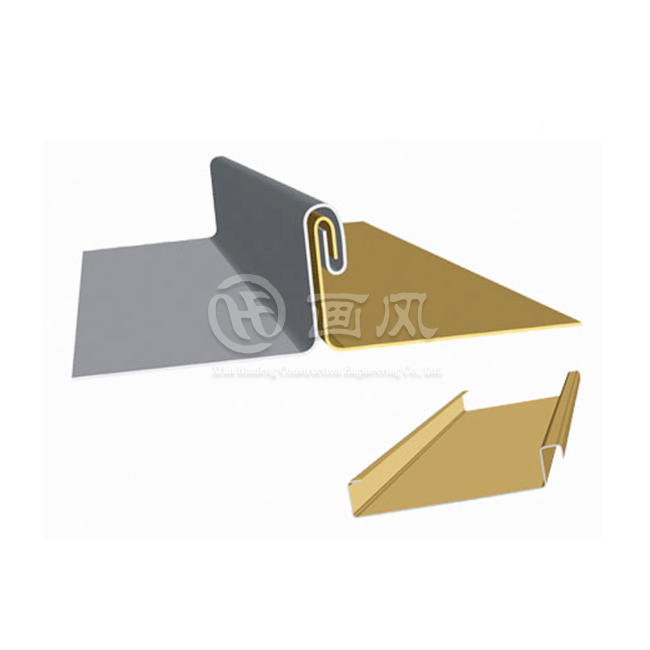
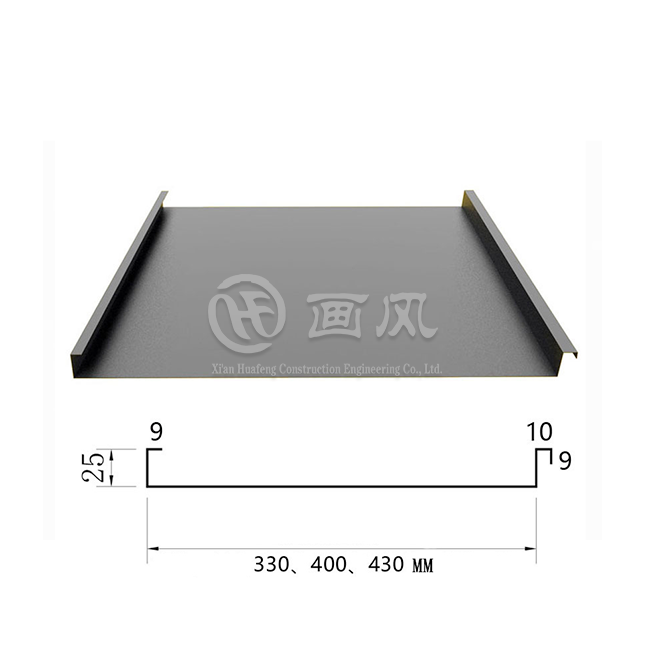
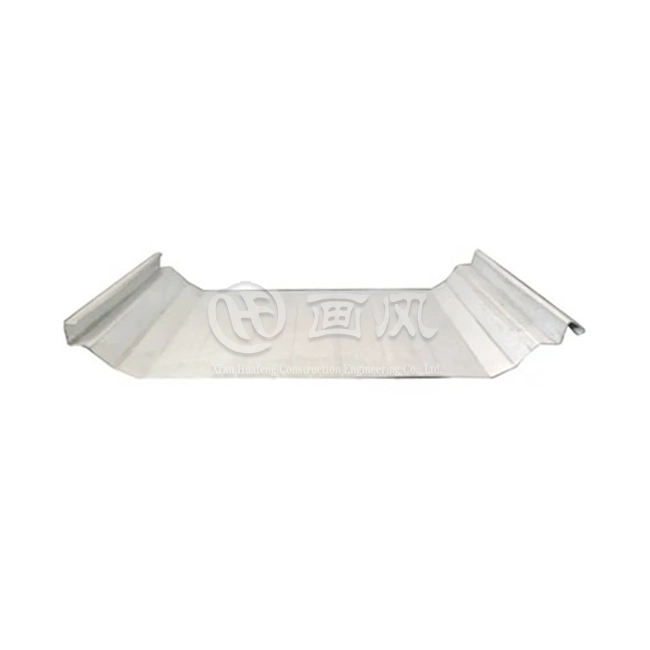
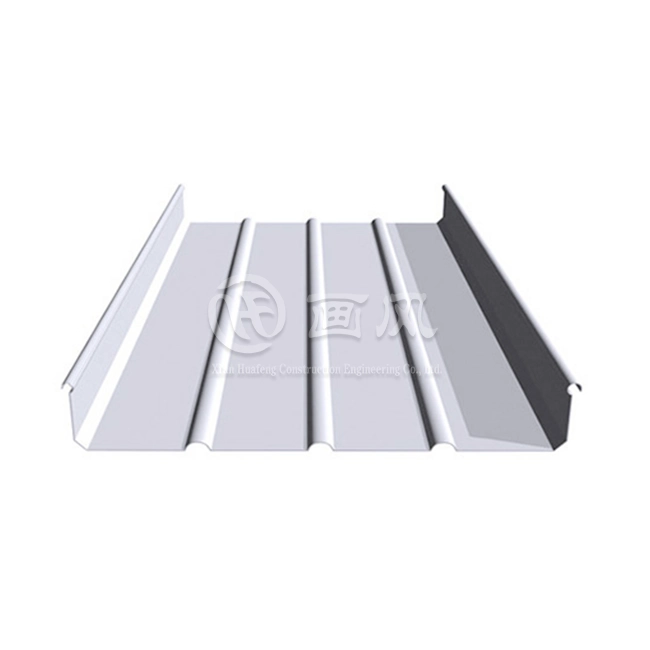
The pencil ribs standing seam roofs, which feature half-round beads usually 25 mm high rolled into the flat pan between standing seams, are what make this profile unique. In contrast to standard flat-pan profiles, these ribs make the panel face physically stiffer while also casting geometric shadows that hide any leftover waviness caused by heat expansion or manufacturing stresses. The vertical lines use hidden fastening technology to get rid of the screw holes that are visible and could damage the waterproofing. This mechanical locking system makes a continuous weather barrier that can handle drainage slopes as low as 3 degrees without any problems with leaks.
Material Options and Their Properties
Today's manufacturers offer a range of substrates to meet different performance needs. The 3003-H24 and 5052-H26 grades of aluminium alloy panels are especially good at resisting corrosion in coastal areas, and they also have a good strength-to-weight ratio. For long-span uses over 40 feet, steel frames with aluminum-zinc coatings provide better structural rigidity. Thicknesses range from 0.5 mm to 1.2 mm to suit different budget and load estimates. Stainless steel is a high-end option for industrial buildings that need to be resistant to chemicals. Copper is a beautiful choice for buildings, and titanium-zinc metals can develop a self-healing colour over decades of use.
Finishes on the outside are also very important for how long something works. According to AAMA 2605 accelerated weathering tests, PVDF (polyvinylidene fluoride) coatings keep their colour better and are less likely to chalk than standard polyester finishes. They also look good for 15 to 20 years. According to test results certified by SGS, PVDF-coated panels don't catch fire when tested according to AS/NZS 1530.3 standards. Even when exposed to extreme heat, the combustion indices stay very low.
Evaluating Performance and Benefits for Commercial Buildings
Longevity and Maintenance Advantages
Commercial property developers always say that the main reason they choose standing seam systems is the lower total cost of ownership. With hidden fasteners, you don't have to change the visible gaskets and screws that are a problem with through-fastened profiles all the time. In moderate conditions, panels usually last longer than 40 years, and makers offer 30-year guarantees that cover both the integrity of the materials and the performance of the finish. Maintenance needs are still very low—yearly checks are all that's needed to make sure that debris is cleared out of valleys and that sealant integrity is checked at penetrations.
The temperature break between the metal skin and the structure deck makes the building more energy efficient. Standing seam assemblies get R-values between 20 and 30 when rigid insulation boards are added. This makes HVAC loads much lower during both the heating and cooling seasons. The Cool Roof Rating Council's studies show that lighter-colored metal roofs can reflect up to 70% of solar energy. This means that warehouses and distribution centers need less cooling during busy hours.
Comparative Analysis with Alternative Systems
Figuring out how pencil ribs standing seam roof shapes compare to other forms helps you figure out where they work best. When it comes to procurement, these are the main differences that matter:
1. Snap-Lock Systems: These mechanically seamed panels don't need any special roll-forming tools to be installed, which cuts down on labour costs by about 20% compared to double-lock profiles. The trade-off is lower wind uplift rates, usually topping out at around 2.0 kPa compared to 3.0 kPa for manually seamed systems. Snap-lock types work well for low-rise commercial buildings in moderate wind zones, but they aren't strong enough for high-rise or coastal projects.
2. Batten Rib Configurations: Raised seam caps give the vertical plane a lot more depth, making dynamic shadow lines that are popular in modern building. Panel costs go up by 15% to 25% because they need more materials and are harder to shape. The raised shape takes in more wind load, which means that the clips need to be closer together and the supports need to be thicker. When installed over the right insulation layers, acoustic tests show that there aren't many differences between the batten and pencil rib systems in terms of how well they block sound.
These comparisons show how pencil rib profiles can be used in a variety of ways to balance aesthetic subtlety with structural performance. This makes them especially good for projects that value clean lines and long-term dependability over dramatic architectural expression.
The Procurement and Installation Process
Strategic Sourcing Considerations
To find qualified manufacturers, you need to look at their production capacity, quality certifications, and how reliable their supply chains are. The three factories that Xi'an Huafeng Construction Engineering Co., Ltd. runs are spread out over 200,000 square meters and have over 40 precision forming machines and seven colour coating lines. This infrastructure can handle more than 1,000 tonnes of output every month, so big projects can always use it without having to wait for long lead times. Following the rules set by ASTM, DIN, JIS, BS, and GB/T gives purchasing managers faith in the accuracy of measurements and stability of materials across production runs.
As a middle ground between making things quickly and giving projects a lot of freedom, the minimum order size is usually 500 square meters, which is equal to one metric tonne. Customisation possibilities go beyond standard RAL colour choices and include finishes that are made to order to meet building requirements. Delivery times of 15 to 20 days on average from order confirmation allow for reasonable building schedules. However, production cycles may be longer for complex coating needs or non-standard shapes.
Installation Best Practices
Professional installation is still needed to make sure the warranty is valid and the system works well for a long time. The first step is to make sure that the structure deck is flat enough—differences of more than 1/4 inch every 10 feet make it hard to line up the clips and cause stress to build up. Locking machines bend the vertical lines automatically over and over again, making a weathertight seal without damaging the protected coatings. To keep the panels from buckling from thermal movement, expansion joints must be put in at regular intervals based on the length of the panels and the differences in temperature.
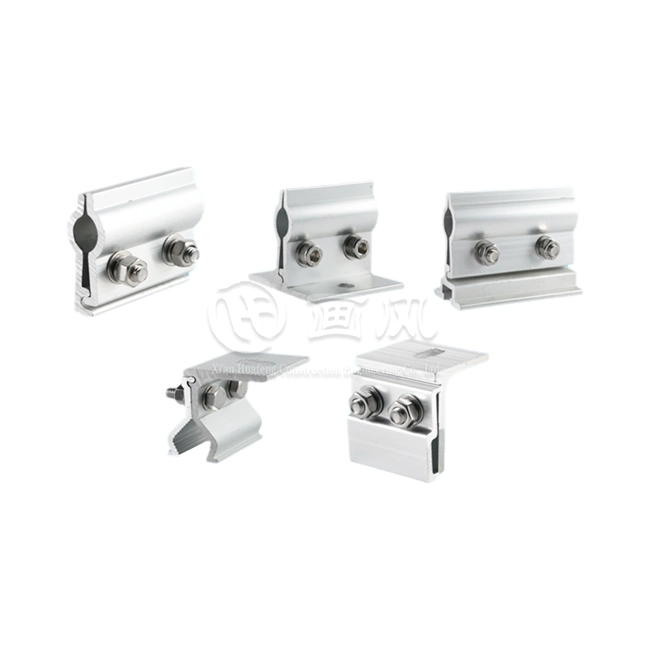
Care should be taken when choosing the clips. Fixed clips hold panels in place in certain places to stop wind lifting, while sliding clips allow for horizontal expansion. One of the most common installation mistakes is putting the clips in the wrong place, which can cause the panel to warp or the seam to fail before it should. Reliable contractors keep their certifications from panel makers up to date, which shows that they know how to install systems in a way that protects the guarantee.
Criteria to Consider When Choosing Pencil Ribs Standing Seam Roofs
Defining Project Requirements
New building projects give designers full freedom to choose the best panel sizes, seam spacing, and substrates without having to worry about how to fit them in later. On the other hand, people who want to re-roof must take into account the load capacities of the current structure and any physical limits that may be set by existing roof penetrations. Coastal sites need better rust protection through thicker coatings or better alloy specs. Meanwhile, industrial facilities that work with chemicals that corrode may need stainless steel bases, even though they cost more.
Material Grade Selection Metrics
Specifications for thickness have a direct effect on the span and deflection limits for the pencil ribs standing seam roofs. For household projects with rafter spacing of less than 4 feet, 0.7mm panels work. For business projects with purlin spacing of more than 5 feet, 1.0mm to 1.2mm gauges are needed to keep the structure strong under snow loads. Aluminum-magnesium-manganese alloys (3003 and 5052 grades) work best in mild climates because they are easy to shape and have a natural oxide that protects them from corrosion in the air.
Supplier Evaluation Framework
Besides product specs, a supplier's skills have a big effect on how a project turns out. Certifications showing that ISO 9001 quality management and ISO 14001 environmental standards are being followed show that there are systematic controls in place. Customisation options let you meet specific design needs, such as non-standard panel sizes and color-matched accessories that make sure the look of all roof and wall systems is the same. Long-term asset value is protected by after-sales support that includes technical advice, warranty management, and the ability to get replacement panels.
Verification of weather protection includes both the choice of material and the technology used for coatings. PVDF finishes are much better than regular polyester systems at protecting against UV damage, chemical exposure, and wear and tear. SGS test results that show compliance with EU RoHS guidelines confirm the lack of harmful substances such as lead, mercury, and restricted phthalates. This is very important for projects that want to get LEED approval or work under strict environmental regulations.
Practical Recommendations and Case Studies
Real-World Application Example
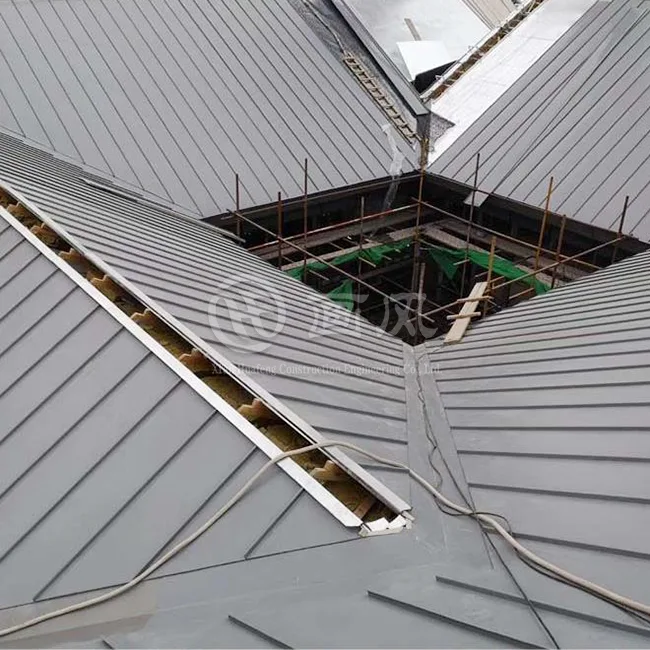
A 75,000-square-foot storage center on the coast of Virginia had a lot of problems with its roof, including being exposed to salty humidity, having structure spans over 50 feet, and strict energy code requirements. The project team chose 1.2 mm aluminum-zinc steel panels with pencil-shaped ribs and PVDF finishes in a high-reflectance white colour to keep as much sunlight out as possible. Installation happened in a short four-week window, taking advantage of the manufacturer's 1,000-ton monthly capacity to make sure panels arrived on time every time.
Over the next three years, tracking of performance showed that 18% less cooling energy was used than with the old membrane roof system. The panel inspection showed no signs of corrosion, even though it was close to tidal marshes, which proved that the improved coating specifications were met. The building manager was very happy with how well the roof kept out the weather and said that there had not been any leak-related repair calls like there were with the old roof.
Common Pitfalls to Avoid
Coverage disputes often happen because people don't read the fine print on their warranties. Many makers will not honour their warranties if the installation doesn't follow the instructions they provide or if changes are made without permission after the installation. Galvanic corrosion speeds up at link places where people make mistakes with compatibility, like putting steel panels with copper gutters. People who are trying to save money will sometimes choose lower-quality coatings, like polyester finishes, in order to save money up front. However, these finishes will chalk and fade quickly, needing an expensive repair within ten years.
These lessons show how important it is to carefully create detailed specifications and carefully check out potential contractors during the hiring process. This will help you avoid expensive problems and get the full value of high-quality standing seam systems throughout their entire lifetime.
Conclusion
To choose the best pencil ribs standing seam roof, you have to weigh performance requirements, aesthetic goals, and budget constraints against the environmental needs of the site. The type of material used, the coating technology, and the skill of the installer all play a role in determining whether a roof will last for decades without any problems or become a constant maintenance issue. Purchasing managers who take the time to learn about these technical details and work with makers who can show they can produce, have quality certifications, and provide quick support will set their projects up for long-term success in the building industry, which is becoming more and more competitive.
FAQ
1.What is the typical lifespan of a pencil ribs standing seam roof?
There is a 30-year guarantee on HF pencil ribs standing seam roof systems that covers the integrity of the materials and the function of the finish. In mild conditions, actual service life often goes beyond 40 years. In coastal settings, aluminium substrates show especially high levels of longevity. Maintenance, mostly cleaning up debris and checking the sealant on a regular basis, keeps it working well during the insurance time and afterward.
2.How do costs compare to alternative metal roofing options?
Because the narrow ribs need to be formed with great accuracy, the initial costs of materials for pencil rib shapes are usually the same as or slightly higher than those for snap-lock systems. Because the concealed fastener design speeds up panel placement, installation labour costs stay low. When you look at the total cost of ownership, standing seam systems are better than through-fastened profiles because they don't need as much maintenance and can be replaced more often.
3.Can pencil rib panels be customized for unique architectural requirements?
HF's production skills allow for a lot of customisation, such as panel widths that aren't standard, custom RAL colour matching, and integration with wall panel systems that go with them. With a minimum order quantity of 500 square meters, project-specific production runs can happen without incurring huge cost fines. This gives designers more freedom while keeping production efficient.
Partner with HF for Your Next Metal Roofing Project
If you need a trusted pencil ribs standing seam roof provider, Xi'an Huafeng Construction Engineering Co., Ltd. is ready to help procurement managers, roofing builders, and commercial property developers. Our three strategically placed factories and seven production lines make sure that we can consistently meet the tight deadlines for large projects. Full quality certifications, such as SGS validation of fire resistance, environmental compliance, and coating performance, give us the proof we need for the approval and permitting processes.
Email our technical team at huafeng@hfmetalroof.com to talk about the specifics of your project. We'll give you full technical specs, material samples that show off our PVDF and PE finish choices, and clear pricing that shows how committed we are to value-driven partnerships. Whether your project needs 500 square meters or hundreds of tonnes, HF has the production freedom, technical know-how, and after-sales support that turn buying roofing from a transactional good into an investment in a strategic asset.
References
1. American Architectural Manufacturers Association. AAMA 2605: Voluntary Specification, Performance Requirements and Test Procedures for Superior Performing Organic Coatings on Aluminum Extrusions and Panels. 2022 Edition.
2. Cool Roof Rating Council. Rated Products Directory: Metal Roofing Systems Energy Performance Data. 2023 Technical Report.
3. Metal Construction Association. Technical Bulletin: Standing Seam Metal Roof Systems Design and Installation Guidelines. 2021.
4. National Roofing Contractors Association. The NRCA Metal Panel and SPF Roof Systems Manual. 2020 Edition.
5. SGS International Certification Services. Test Reports on Fire Performance, Chemical Compliance, and Coating Durability for Architectural Metal Panels. 2024.
6. Whole Building Design Guide. Metal Roofing Systems: Material Selection and Performance Criteria for Commercial Construction. National Institute of Building Sciences, 2022.





YOU MAY LIKE