Pencil Ribs Standing Seam Roof with PVDF Finish: Benefits
2026-07-30 11:01:20
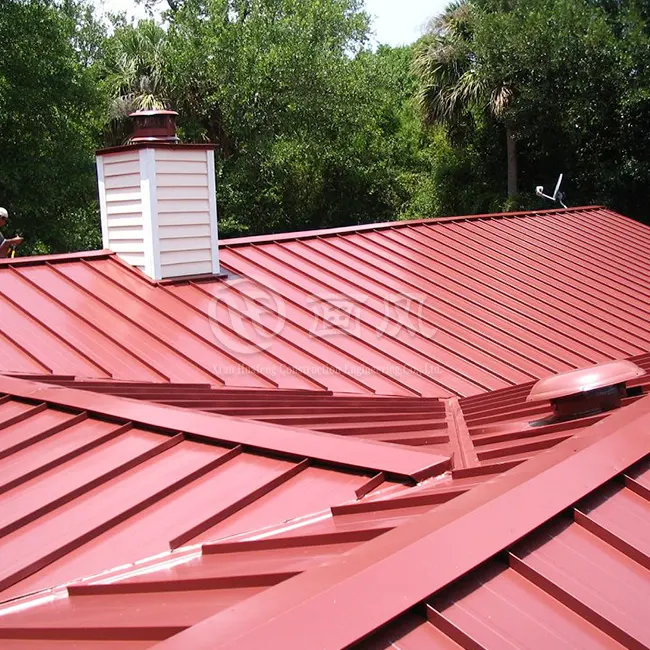
When procurement managers evaluate commercial roofing solutions, the pencil ribs standing seam roof with PVDF finish emerges as a top-tier choice that balances structural performance with long-term value. This roofing system combines the mechanical advantage of narrow, raised ribs with the unmatched weather resistance of polyvinylidene fluoride coatings, creating a solution that addresses critical concerns for construction companies and property developers. Unlike traditional flat-pan metal roofing, the pencil rib profile minimizes oil canning—the visual waviness caused by thermal expansion—while the PVDF finish delivers exceptional color retention and corrosion resistance. For projects demanding both aesthetic sophistication and operational durability, this roofing technology offers a compelling return on investment that extends well beyond initial installation costs.

Understanding Pencil Ribs Standing Seam Roofs with PVDF Finish
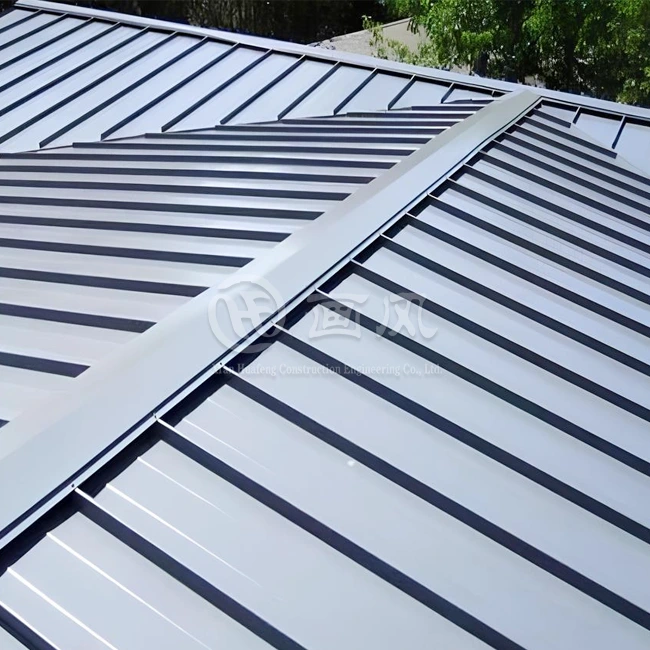
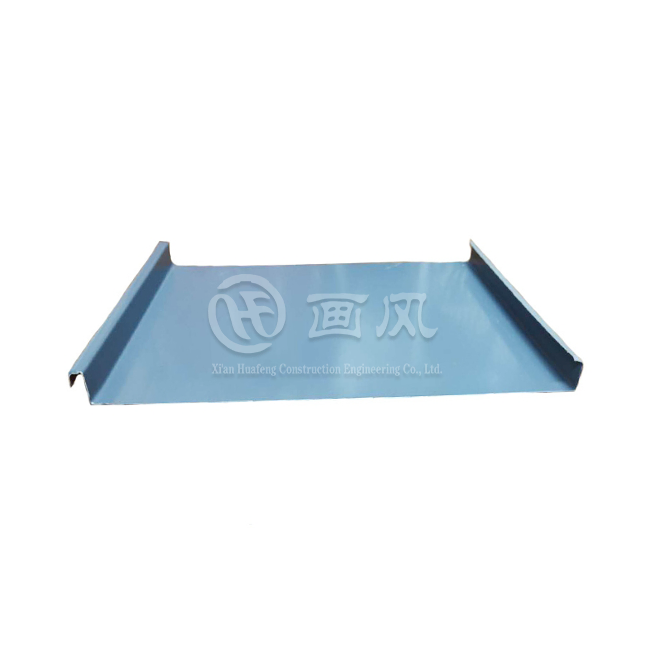
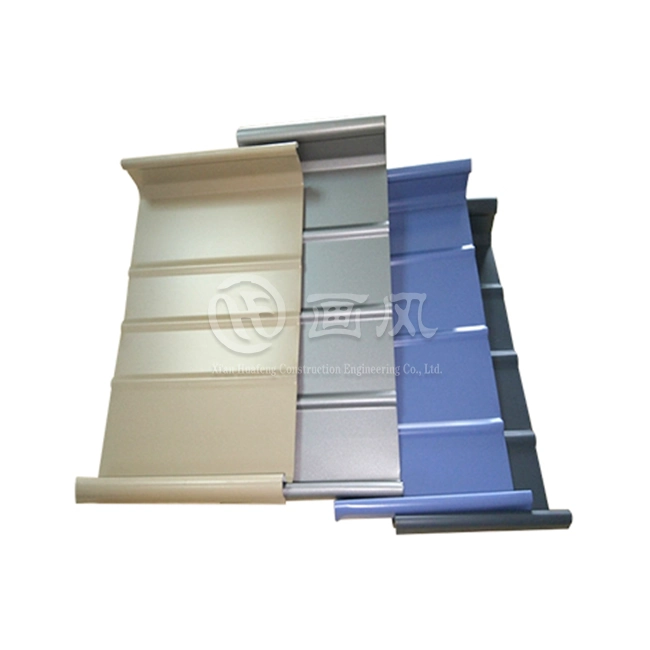
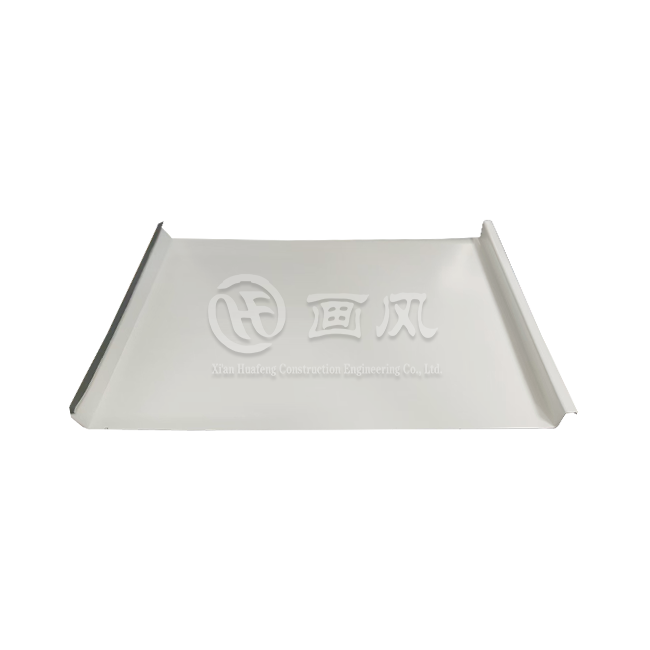
The structure of this roof system depends on highly precise shape and cutting-edge coating chemicals working together. When HF makes these panels, they add longitudinal stiffening ribs that are usually 25 mm high and roll them into the flat pan between the vertical seams. This creates a profile that completely changes how the panel behaves structurally.
Structural Design and Material Specifications
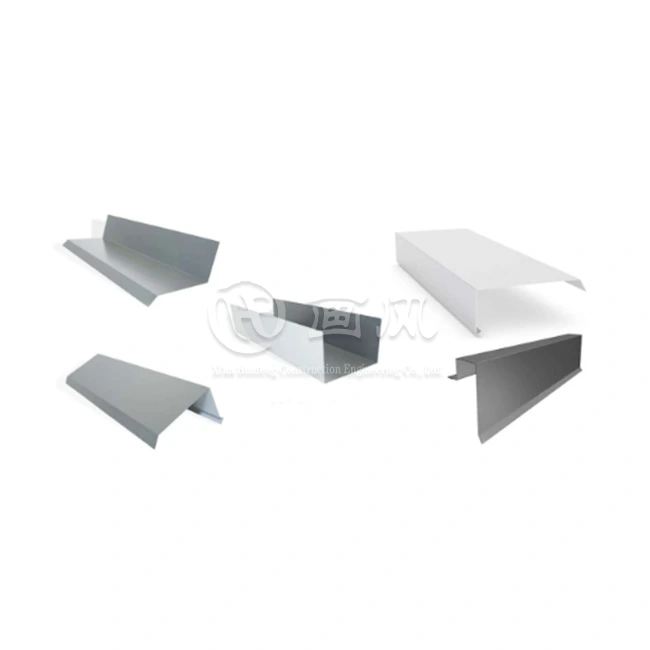
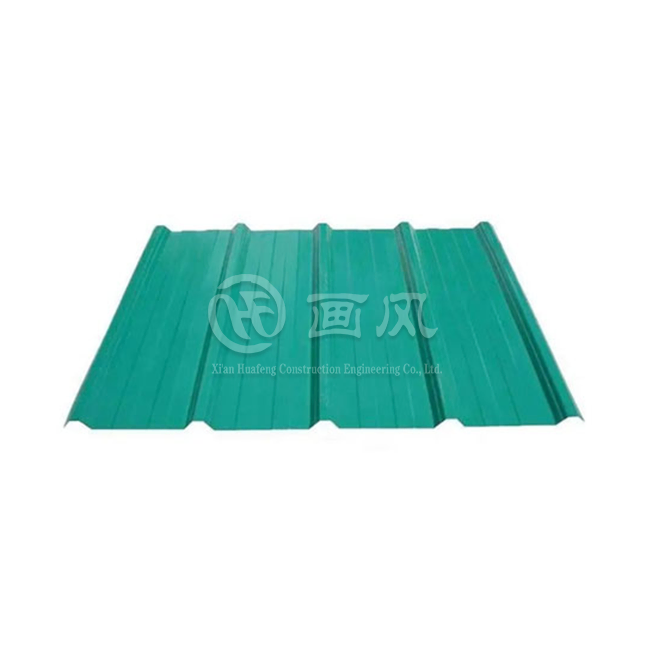
The pencil rib shape has two functions that have direct effects on the project results. When heat is applied, these thin, raised ribs that look like half-round pencils break up large flat surfaces that could otherwise buckle when stretched. HF makes these panels with aluminium alloy, galvanised steel, stainless steel, copper, or titanium zinc substrates. The thickness of the panels ranges from 0.5 mm to 1.2 mm. Each material choice meets strict international standards like ASTM, DIN, JIS, BS, and GB/T. This makes sure that they are all compatible with different building code requirements in the US market. Using hidden bolts and mechanical locking, the standing seam method creates continuous weatherproof joints that don't go through the roof surface. This is a key difference that gets rid of common leaking points found in through-fastened systems.
PVDF Coating Technology and Performance Metrics
PVDF resin-based paints are the best ornamental finishes that can be used on metal roofs. At the chemical level, fluoropolymers are resistant to UV degradation, so they keep their colour and gloss for a much longer time than polyester or polyester modified with silicone. The PVDF-coated panels from HF are put through a lot of tests according to AAMA 2605-22 standards. They show great performance in 13 different coating evaluation parameters. The SGS certification shows that HF's PVDF finish keeps its colour uniformity rating of ΔEH=0.3 and its dry adhesion rating of 5B, which is the best available rating. This material doesn't change when it comes in contact with acidic rain, cleaning products that are alkaline, or temperature changes that go from very hot to very cold. It is possible to measure how much energy-efficient PVDF surfaces are by how much they reflect sun radiation instead of letting it heat up the building. This makes business buildings cooler.
Key Benefits of Pencil Ribs Standing Seam Roofs with PVDF Finish
In construction, decisions about what to buy depend on three interconnected factors: a lifecycle cost analysis, the reliability of the performance, and the efficiency of the installation. This roofing system has clear benefits in all three areas, which makes it especially appealing for business and manufacturing settings where costly downtime and maintenance costs have a big effect on making money.
Extended Service Life and Reduced Maintenance Requirements
When you put together corrosion-resistant substrates and a premium PVDF finish, you get a roof that lasts longer. HF backs these roofing panels with a 30-year warranty, which shows that they are confident in the system’s long-term performance in real-world conditions. The PVDF coating does not chalk or fade, so the classic appearance of the pencil ribs standing seam roof remains consistent and does not require repainting or refinishing throughout the warranty period. In coastal areas, where salt spray accelerates corrosion in weaker materials, aluminum-magnesium-manganese alloy panels provide excellent resistance. Steel frames that are properly galvanized or coated with aluminum-zinc can also deliver reliable durability while keeping costs competitive. This helps reduce lifecycle expenses compared with traditional roofing materials that require frequent replacement or intensive maintenance. Building owners appreciate roofing systems that provide stable performance without constant upkeep, allowing capital to be allocated toward core business activities rather than ongoing facility repairs.
Architectural Flexibility and Modern Aesthetic Appeal
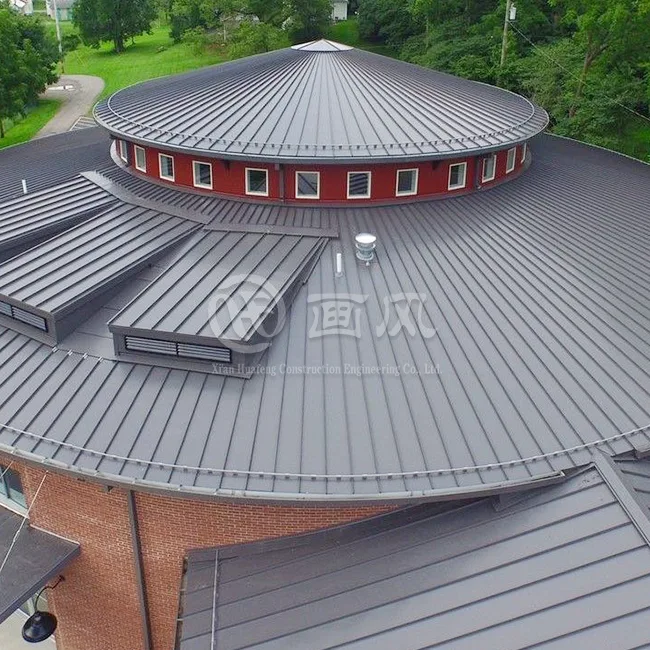
Clean lines and simple shapes are becoming more and more popular in modern business architecture. They show that the building is skilled and has forward-thinking design tastes. The small distance between the ribs adds visual interest without taking over the building's front, finding a middle ground between plain flat panels and heavily textured profiles. HF lets you make changes to RAL colour standards and speciality finishes, so builders can choose exact colour matches for company branding or to meet neighbourhood standards for compatibility. Panel widths range from 300 mm to 600 mm to suit different structure bay spacings. Custom lengths of up to 12 meters keep seams to a minimum on long roof runs. The 25mm rib height gives the illusion of depth with enough shadow lines while keeping a low profile that works in both traditional and ultramodern design settings. Because of this, the system can be used for a wide range of projects, from office parks in the suburbs to high-rises in cities.
Installation Efficiency and Cost-Effectiveness
Since labour costs make up a big part of roofing project budgets, installation speed is an important thing to think about when buying. The mechanical locking method of the standing seam system lets trained teams quickly install panels using special seaming tools that make joins that are waterproof without having to hand-seal or weld them. With three factories and seven production lines, HF can make 1,000 tonnes of materials every month, so they can always get what they need on time. Delivery times of 15 to 20 days help projects stay on schedule. With a minimum order quantity of 500 square meters, the product can be used for both big commercial projects and smaller home improvements. The design of concealed fasteners gets rid of the need for visible screws that can cause visual problems and possible maintenance points, which cuts down on long-term touch-up work. The panels' light weight, especially aluminium ones, lowers the amount of structural loading that needs to be done. This could lower the total cost of building by allowing lighter support frames than with heavier roofing systems.
Comparing Pencil Ribs Standing Seam Roofs to Other Standing Seam Systems
Understanding the differences between different standing seam profiles helps procurement professionals make smart choices based on the needs of the project and the level of performance that is most important.
Structural Performance Advantages
When it comes to oil canning and panel flutter, the pencil ribs standing seam roof configuration is much better than flat-pan standing seam panels. The higher ribs make the moment of inertia greater across the cross-section of the panel. This makes the structure stiffer so it doesn't move when the wind blows, without using larger gauge materials. This is especially important in places with a lot of wind or when the distance between the purlins is long. Test results show that curved profiles can survive wind pressures higher than 3.0 kPa, which is what is needed in coastal areas that are prone to typhoons. Even though snap-lock systems are easier to install and take less time, they don't use mechanical binding to secure seams. This means that they could be vulnerable in extreme weather. Batten seam systems provide excellent weather tightness but introduce substantially higher material costs and increased visual bulk that may conflict with architectural intent. While keeping the sleek look that modern projects need, the pencil rib method has all the durability of manually seamed systems.
Energy Efficiency and Acoustic Considerations
An analysis of thermal performance shows that the air space created by standing ribs doesn't add as much to insulation value as direct-applied metal panels. This is because the main thermal control comes from the insulation layers below the metal, not the metal itself. The PVDF finish's reflective properties actively lower solar heat gain, which means that less air conditioning is needed during the hottest months of the year. Acoustic tests show that the ribbed shape slightly reduces noise compared to flat panels, lowering the metallic "drumming" sound that happens when it rains—a small but welcome benefit in areas where people are living or working below the roof assembly. When you combine these thermal and acoustic benefits, you get more comfortable interiors and help LEED certification goals by using less energy for operations.
Procurement Guide for Pencil Ribs Standing Seam Roofs with PVDF Finish
For buying to go smoothly, suppliers' skills, product requirements, and logistics must all be carefully looked at to make sure they meet project deadlines and quality standards.
Supplier Selection and Certification Requirements
Checking manufacturing standards and quality certifications for pencil ribs standing seam roof metal roofing systems is the best way to avoid getting low-quality materials that hurt the project's results. HF keeps ISO9001 quality management certification and ISO14001 environmental management systems, showing commitment to consistent production methods and environmental responsibility. The company has three factories: a 200,000-square-meter facility in Anhui for making raw materials and panel processing plants in Hangzhou and Xi'an. These factories are spread out geographically, which makes them less likely to have problems with the supply chain. SGS testing makes sure that products don't contain any restricted harmful chemicals like lead, mercury, cadmium, or restricted phthalates, as required by the EU RoHS Directive 2011/65/EU. According to AS/NZS 1530.3:1999, fire safety certification shows that the material is non-combustible and has a zero flame spread index, which meets the standards of the building code for business spaces. During the bid review process, procurement teams should ask for these certifications to make sure the buyer is real and the product meets standards.
Customization Options and Technical Specifications
Standard products and project specifications don't always match up perfectly, so supplier flexibility is an important factor to consider when buying something. HF can match colours that aren't in normal RAL palettes by using advanced color-matching technology to make copies of architectural models or parts of buildings that are already there. You can choose the best substrate based on your budget, the corrosion environment, your personal taste in style, and the material you want to use (aluminium alloy, galvanised steel, stainless steel, copper, or titanium zinc). With thicknesses ranging from 0.5 mm to 1.2 mm, structural engineers can choose the right gauge for the span conditions and wind load needs. Customising the length of a panel gets rid of field seams that aren't needed, which improves weather resistance and cuts down on installation work. Because these specifications are subject to change, procurement teams and sellers need to communicate clearly to make sure that the materials supplied exactly meet the needs of the project, without having to make expensive changes or wait for delays in the field.
Pricing Structures and Delivery Logistics
Knowing what causes costs makes it easier to make accurate budgets and compare vendors. The price of metal roofing changes along with the price of base metals. This means that seller quotes are time-sensitive and can be changed if delays in sourcing last longer than the quote validity periods. The type of substrate has a big effect on the price. Aluminium is more expensive than steel, and copper and stainless steel are speciality materials that can be used for projects that need to prevent rust or have a unique look. PVDF finishes are more expensive than polyester finishes, but the better performance makes the extra cost worth it for projects that will last a long time. Because HF's production lead time is 15 to 20 days, it's important to plan ahead to make sure that material delivery times work with construction schedules. This is especially important for large projects that need more than the 500-square-meter minimum order quantity. When you buy from domestic suppliers instead of overseas manufacturers, you don't have to worry about the complicated shipping and tariffs that can affect the total landed costs.
Conclusion
For procurement professionals in charge of commercial and industrial building projects, pencil ribs standing seam roofs with PVDF finish are the best option due to their strategic benefits. The system meets important performance requirements like weathertightness, structural integrity, and longevity, and it also meets architectural demands for modern looks and clean lines. With rigorous SGS certification and full warranties, HF's production skills provide the supply chain stability that keeps projects on schedule and on budget. As building owners pay more attention to lifecycle cost analysis than initial expenditure, roofing systems that last for decades without needing any maintenance and help meet energy efficiency goals are smart financial choices that raise property value and ensure long-term operations.
FAQ
1.Why Choose Pencil Ribs Over Flat Panel Standing Seam Systems?
Flat panel standing seam roofs look great because their surfaces are smooth and clean, but they can still get oil canning, which is waviness caused by thermal expansion and manufacturing stresses. Pencil ribs fundamentally solve this challenge by introducing structural ribs that stiffen the panel face while creating shadow lines that visually mask any residual waviness. Because the geometric shapes stop reflected light from reflecting, small changes in the surface can't be seen from the ground. This profile is especially useful for projects that care a lot about how they look, as well as for installations in places where temperature changes a lot, which makes thermal movement in metal panels worse.
2.How Does PVDF Coating Perform in Harsh American Climates?
There is a huge range of climates in the United States, from hot deserts to wet warm areas and cold winters in the north. PVDF coatings have been shown to work well across this whole range, keeping their colour and resistance to corrosion in situations that would damage other finishes. According to SGS tests based on AAMA 2605-22, HF's PVDF-coated panels can handle acidic rain, cleaning agents that are alkaline, changing temperatures, and direct UV radiation without burning, peeling, or changing colour significantly. PVDF is better at resisting salt spray corrosion, which is good for installations near the coast. On the other hand, finishes last longer in continental locations, even when temperatures change a lot from season to season. Because the coating is flexible, it doesn't microcrack at the sharp edges of pencil ribs, which is where weak finishes often fail.
3.What Maintenance Does This Roofing System Require?
One big reason why metal roofing systems are so much cheaper than built-up or single-ply membrane options is that they don't need as much upkeep. PVDF-coated standing seam roofs generally require only periodic eye checks to verify seam integrity and confirm that draining paths stay clear of debris buildup. To get rid of atmospheric soiling in urban or industrial settings, cleaning includes rinsing with low-pressure water or using light detergents. The concealed fastener design removes exposed screws that require occasional tightening or gasket replacement, lowering upkeep work greatly. The 30-year warranty from HF shows how long-lasting the system is, but building owners should keep records of regular inspections to meet warranty requirements and insurance underwriting standards.
Partner with HF: Your Trusted Metal Roofing Solution Provider
Choosing the right pencil ribs standing seam roof supplier will determine whether your project gets high-quality materials and reliable support or has problems with inconsistent quality and delivery delays. HF provides roofing solutions that meet the strict needs of businesses and industries by combining advanced manufacturing skills with service that is focused on the customer. Our three factories give us the production capacity to handle large-scale projects without affecting delivery times. Our seven production lines and more than 40 specialised machines make sure that the quality of every panel we make is the same. As a high-tech company in Shaanxi Province that has first-level qualifications in building curtain walls, we bring technical know-how that helps architects realise their most complex ideas. If you are a procurement manager looking for a reliable pencil ribs standing seam roof manufacturer, you can email our team at huafeng@hfmetalroof.com for project-specific consultations, full specs, and low prices that are made to fit your specific needs. We'd love the chance to show you how our PVDF-finished roofing systems can meet the needs of your projects in terms of performance, looks, and value.
References
1. American Architectural Manufacturers Association. (2022). AAMA 2605-22: Voluntary Specification, Performance Requirements and Test Procedures for Superior Performing Organic Coatings on Aluminum Extrusions and Panels. Schaumburg: AAMA.
2. Metal Construction Association. (2021). Technical Bulletin: Understanding Oil Canning in Metal Wall and Roof Systems. Glenview: MCA.
3. National Roofing Contractors Association. (2023). The NRCA Roofing Manual: Membrane Roof Systems—2023. Rosemont: NRCA.
4. Whole Building Design Guide. (2022). Metal Roofing Systems: Design and Construction Considerations. National Institute of Building Sciences, Washington.
5. Sheet Metal and Air Conditioning Contractors' National Association. (2021). Architectural Sheet Metal Manual 8th Edition. Chantilly: SMACNA.
6. Building Envelope Contractors Association. (2023). Standing Seam Metal Roof Installation Standards and Best Practices. Toronto: BECA.





YOU MAY LIKE