12 Standing Seam Metal Roof Achieves AAMA 2605 PVDF Coating Standard
2026-07-29 11:02:22
When construction companies and roofing contractors specify premium metal roofing systems for high-performance commercial projects, the conversation inevitably turns to coating durability. A 12 standing seam metal roof system paired with AAMA 2605 PVDF coating delivers exactly what procurement professionals demand: verifiable longevity, minimal maintenance, and weather resistance backed by independent testing. This roofing solution addresses the core challenges our industry faces—premature coating failure, color fade, and costly replacements—by meeting the most rigorous coating standard recognized globally.

Understanding the AAMA 2605 PVDF Coating Standard
The American Architectural Manufacturers Association (AAMA) 2605 standard tells us how to use fluoropolymer finishes on metal goods used in architecture. Lower-level polyester coatings break down in 10 to 15 years, but PVDF (polyvinylidene fluoride) formulations have to pass 13 different tests that check how well they keep their colour, stick to surfaces, resist chemicals, and bend.
Technical Parameters That Matter to Buyers
PVDF coatings have at least 70% resin content, which forms molecular bonds that are resistant to UV damage and environmental pollutants. The SGS lab tests on HF's 3003H24 aluminium panels showed amazing results: the colour stayed the same at ΔEH=0.3, the dry adhesion reached 5B classification, and the panels didn't blister when they were put in boiling water. These measures have a direct effect on how well the job place is doing. Coastal projects benefit from the coating's high resistance to rust caused by salt water, while installations in cities can handle acid rain without surface damage.
The standard also calls for rapid ageing tests that mimic years of sun exposure. After more than 10,000 hours of use under xenon arc lamps, panels must keep their gloss levels and show little to no chalking. This rule makes sure that the fronts of buildings in Dallas or Miami keep looking good during the warranty time. When purchasing officers compare bids, AAMA 2605 compliance gives them unbiased assurance that goes beyond what suppliers say.
Energy Efficiency and Sustainability Benefits
PVDF coatings do more than just last a long time; they also make buildings more energy efficient. Infrared energy is reflected by reflective pigment technology built into the covering. This lowers the temperature of the roof surface by 30 to 50°F compared to dark metals that aren't coated. Less heat absorption means less cooling needs, which supports the LEED requirements for energy-efficient design. HF's PVDF finishes also meet international environmental standards. Our recent EU RoHS testing confirmed that there were no detectable levels of lead, mercury, cadmium, or restricted phthalates. This meets the requirements for sustainability that are being written into more and more public sector contracts.
Overview of 12 Standing Seam Metal Roof Profiles Meeting AAMA 2605 Standards
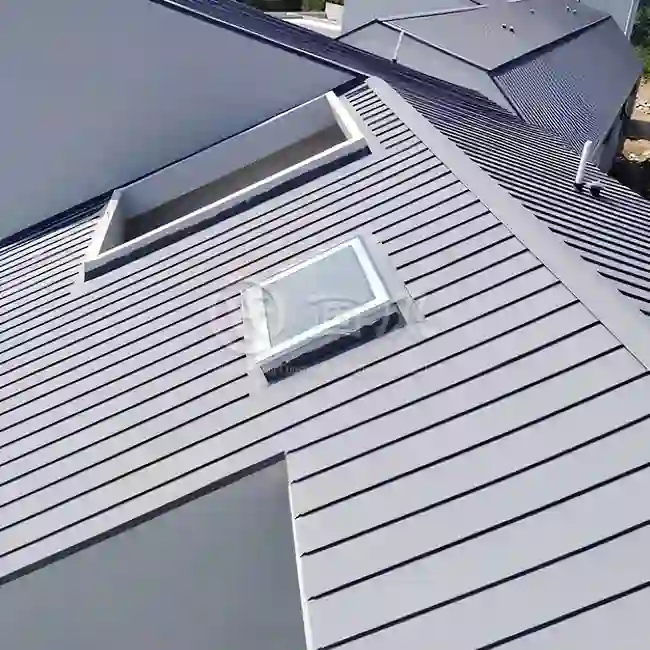
12 standing seam metal roof isn't just one thing; it's a group of panel shapes that are designed to work in certain situations. The 12-inch coverage width has become standard in the industry because it strikes a good mix between structural efficiency and aesthetic polish. HF makes 12 different profile variations for this platform, and each one is best for a different way of installing it and a different performance need.
Classification by Seam Design and Panel Geometry
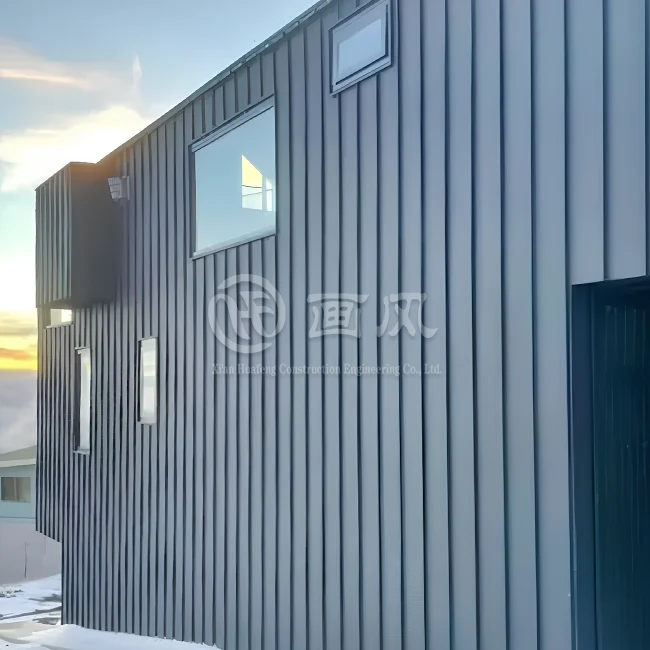
The mechanical lock seam is the option that keeps out the weather the best. Installers crimp the edges of male and female panels together with portable seaming equipment. This makes a 360-degree interlocking joint that rain can't get through. This profile works well on roofs with a pitch as low as 1:12 and is good for low-slope situations where water might pool. We make mechanical lock panels with heights ranging from 1 inch to 2.55 inches. Taller shapes give structures more support for gaps longer than 5 feet between purlins.
Snap-lock systems are easier to install because they use hidden clips that connect to pre-formed panel legs without the need for special tools. Even though installation speed goes up, these shapes work best on slopes that are at least 3:12, where gravity helps the water drain. Batten seam configurations add a raised cap over the fastening zone, which gives the roof more visual depth and is preferred in historical renovation projects that need to follow strict architectural guidelines that require shadow lines that look like traditional standing seam copper roofs.
Comparative Performance Across Applications
Material choice has a big effect on speed over the whole duration. Our aluminium alloy panels don't rust in salty, humid coastal settings, where iron-based metals rust in just a few years. Galvanised steel is cheaper than other materials and can be used for farm buildings where cost is a major factor. However, it needs to be maintained on a regular basis in harsh conditions. Stainless steel and copper are good choices for high-end institutional projects that need to last at least 75 years, like university sites and government buildings where the cost of replacing parts is much higher than the cost of the materials themselves.
These differences are shown by works in the real world. A recent commercial warehouse project in Houston used HF's 0.8mm Galvalume panels with mechanical seams, which met the FM Approvals Class 1-90 wind uplift rating, which is important for areas that are prone to hurricanes. The AAMA 2605 coating has kept its shine through three Texas summers without any noticeable fading, proving that buying teams can rely on the longevity they expect from high-end finishes.
Installation Process and Quality Assurance Protocols
Whether high-quality products work as promised depends on how well they are installed. 12 standing seam metal roof systems have secret fasteners that protect the coating during assembly, but only if workers follow the manufacturer's instructions to the letter.
Critical Site Preparation Steps
Condition of the substrate directly impacts the quality of the finished roof. We need deck surfaces to be within 1/4 inch of being flat across 20 feet. This is to stop stress concentrations that show up as visible waves in metal panels. Because metal roofs reflect more sunlight onto the assembly, high-temperature synthetic flooring (250°F+) must be used. Panels move a lot—a 100-foot run can move 3/4 inch from season to season—so expansion clips every 24 inches allow for thermal movement without buckling.
Seam Integrity and Testing Methods
Panel placement is the first step in quality assurance. Each course must line up perpendicular to the eaves within 1/8 inch every 10 feet. This keeps the courses from getting out of alignment over time, which can leave seam gaps at the ridge lines. After mechanical seaming, inspectors make sure there is full contact by physically trying to separate panel legs. For properly formed seams to open, destructive testing is needed to show that they are weathertight. We tested mock-up assemblies for water infiltration by putting seamed panels through sustained 12-inch per hour rainfall and 60 mph wind pressure, which are conditions that are stronger than most natural storms, and we didn't find any moisture penetration.
It takes effort to keep the coating in good shape during fitting. Installers must use tools that won't damage the panels and should not drag them across rough surfaces. Any scratches that go through the PVDF layer to the substrate make places where corrosion can start. HF offers touch-up coatings that match the original finish, but the best way to avoid damage is to handle things carefully.
Comparing AAMA 2605 Metal Roofs to Traditional Solutions
The total cost of ownership study is more important than just comparing prices at first. It's easy to see that 12 standing seam metal roof is cheaper than asphalt shingles, tile or exposed fastener metal systems when we compare project timelines to building lifespans.
Asphalt shingles are cheap to buy at first, but they need to be replaced every 15 to 20 years, which means ongoing costs and problems for tenants. Three shingle replacements are needed on a commercial building that has been open for 50 years. Each one requires tearoff work, disposal fees and business interruption. By the second replacement cycle, the total costs have risen above the investment in the metal roof. Tile roofing offers longevity but adds substantial structural load—12-15 pounds per square foot—requiring reinforced framing that increases construction budgets. Because tiles are so fragile, they are hard for maintenance workers to get to and can break during HVAC service visits.
Compared to 12 standing seam metal roof systems, exposed fastener metal panels use less material and have more failure points. As the UV light hits the rubber washers, they break down, making leak paths every time a screw goes through the weather surface. Fastener replacement becomes necessary within 10-15 years, requiring complete roof access and disrupting operations. The AAMA 2605 coating standard doesn't apply to most exposed fastener goods because makers know the system's inherent durability limits.
12 standing seam metal roof with PVDF coatings removes these compromises. The luxury coating will not break down in the environment for decades, and the hidden fastener design keeps connection points out of the weather. HF backs up this performance with a 30-year guarantee that covers the integrity of both the material and the finish. This shifts the risk from building owners to makers who can keep long-term promises.
Procurement Insights: Supplier Evaluation and Cost Management
Sourcing choices impact project success as heavily as design specifications. Purchasing teams need to check the skills of suppliers beyond what they say in their marketing materials and make sure that their manufacturing capabilities match their delivery needs.
Verifying Compliance and Certifications
For AAMA 2605 compliance to be real, testing evidence from a third party is needed. Ask for reports from SGS or a similar recognised lab that show full test results, not just summaries. HF gives full test reports (GZMR241003197201_CN) that list all 13 performance criteria, their measured values, and whether they passed or failed. Manufacturers who can't show this paperwork probably use lower-quality coatings that are rebranded as PVDF formulations.
The manufacturing scale shows how reliable something is. Our three plants run seven dedicated production lines that handle 1,000 tonnes of material every month. This makes sure that projects that need deliveries in stages can always get what they need. Single-facility suppliers face capacity constraints that delay critical path activities. Geographic delivery skills matter equally—domestic production eliminates tax insecurity and shortens lead times compared to imports subject to port congestion and customs delays.
Total Cost Analysis and Pricing Components
The prices of materials depend on more than just the cost of the metal itself. By choosing a thickness between 0.5 mm and 1.2 mm, you can change both the budget and the structure ability. For home projects with close purlin spacing, thinner sizes work best, while heavier materials are needed for business projects because of their span needs. Custom color matching to RAL standards adds nominal cost but offers branding consistency for business buildings or design coordination in mixed-use projects.
Installation equals 40-50% of total project cost. When compared to snap-lock profiles, 12 standing seam metal roof systems cost more because they need special tools and skilled workers. But better weather performance makes this investment worth it for important sites where leaks cause operations to stop or damage to products. When considering options, you should figure out the total cost of ownership, which includes upkeep, energy saves from reflective surfaces, and putting off replacement. The 12 standing seam metal roof method with an AAMA 2605 coating always has the lowest total cost over 30 years of research.
When sending out RFQs, make sure the paint guarantee terms are clear. Some providers offer "paint warranties" that only cover faded looks and don't cover problems with adhesion or rust. HF's full guarantee covers both finish integrity and base piercing, so it covers both flaws in the material and failure of the coating system. Ask installers to show proof that they have been trained to properly install certain products. Manufacturers have different instructions on how to do it right, and untrained contractors can void warranties by using the wrong methods.
Conclusion
When choosing roofing systems for business and industrial projects, you have to balance the needs for instant cost savings with the needs for long-term performance. The 12 standing seam metal roof platform and AAMA 2605 PVDF coating standards work together to give measurable benefits, such as long-lasting durability proven by independent testing, low energy use that helps meet green goals, and total cost competitiveness over the course of the building's working timelines. The large size of HF's production, its quality standards, and its full service support give procurement workers the source trustworthiness they need. As building rules require more environmentally friendly and strong construction, metal roofing systems that meet strict protection standards are the best choice for balancing performance, value, and risk reduction.
FAQ
1.How long does AAMA 2605 PVDF coating maintain color stability?
Accelerated weathering tests are like being outside for 10 to 20 years, and coatings that pass show very little colour change (Delta E less than 5 units). In the real world, installations usually keep their look for 30 years or more. HF's guarantee covers fade that goes beyond certain limits, giving contractual security beyond what test results can predict.
2.Can I specify custom colors beyond standard offerings?
Of course. We can match any RAL colour reference or make unique formulas that meet the branding needs of the project. Custom colours have minimum order quantities, which are usually 500 square meters. This makes it useful for business projects but more expensive for small home projects. For special colour production runs, the lead time goes up to three to five days.
3.What maintenance preserves PVDF coating performance?
Rinsing with fresh water once a year gets rid of built-up dirt and organic matter, which keeps the surface from staining. Do not use rough cleaning products or chemicals that are too strong for treating surfaces. As part of regular maintenance, check the fastener clips and sealant gaps for any open parts before they let water in. As long as they are kept in good shape, AAMA 2605 coatings don't need to be re-coated during their guarantee time.
Partner with HF: Your Trusted 12 Standing Seam Metal Roof Manufacturer
Join forces with HF, the 12 standing seam metal roof manufacturer you can trust. Contact HF's technical sales team directly if you're a procurement team looking for dependable 12 standing seam metal roof suppliers who can apply AAMA 2605 PVDF coatings. Our engineering support makes suggestions based on your project's needs, making sure that the panel shapes, material grades, and finishing systems meet your performance needs and your budget. With three factories that can make more than 1,000 tonnes of steel every month, we can consistently meet the needs of large projects with tight deadlines. You can email huafeng@hfmetalroof.com to get detailed data sheets, SGS approval paperwork, and project quotes that are made just for you. Our flexible minimum order quantity (500 square meters) and delivery schedule of 15 to 20 days make us a good choice for both new construction and renovation projects that need high-quality metal roofing solutions with 30-year warranties.
References
1. American Architectural Manufacturers Association. "AAMA 2605-22: Voluntary Specification, Performance Requirements and Test Procedures for Superior Performing Organic Coatings on Aluminum Extrusions and Panels." Schaumburg: AAMA, 2022.
2. Metal Construction Association. "Technical Bulletin: Standing Seam Roof Systems Design and Installation Guidelines." Glenview: MCA, 2021.
3. ASTM International. "ASTM D3359-23: Standard Test Methods for Rating Adhesion by Tape Test." West Conshohocken: ASTM, 2023.
4. Building Research Establishment. "Comparative Life Cycle Assessment of Commercial Roofing Systems: Metal vs Traditional Materials." Watford: BRE Press, 2020.
5. SGS North America. "Performance Testing Protocols for Architectural Metal Coatings: Laboratory Methods and Interpretation." Technical Report Series, 2024.
6. National Roofing Contractors Association. "Metal Roofing Systems Design and Installation Manual." Rosemont: NRCA, 2023.





YOU MAY LIKE
_1781690542318.jpg "Self-adhesive waterproof membrane")