12 Standing Seam Metal Roof with Certified Fire Resistant Performance
2026-07-29 11:01:58
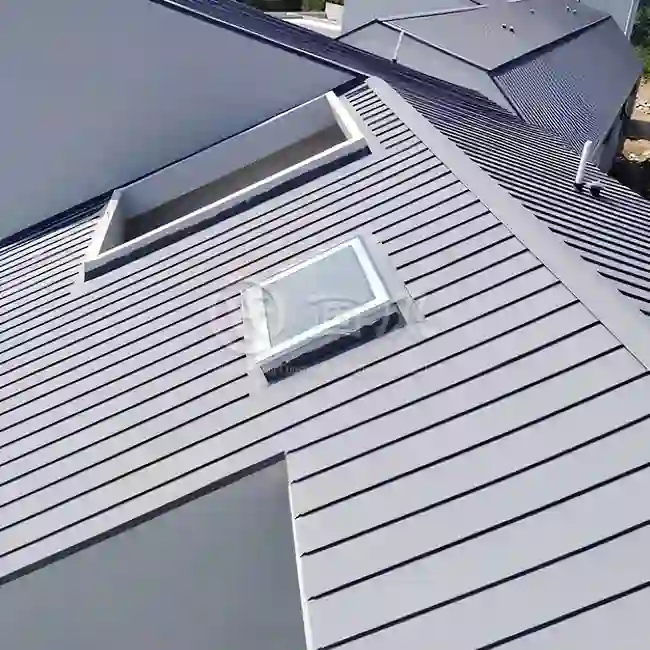
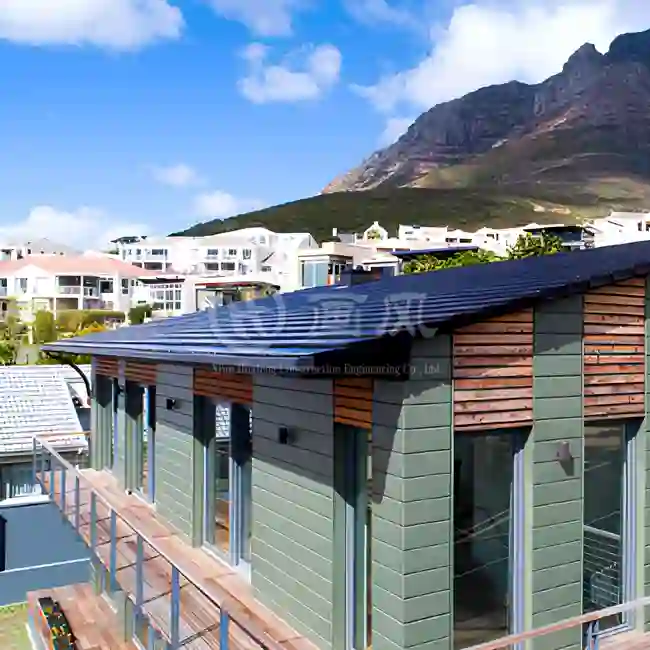
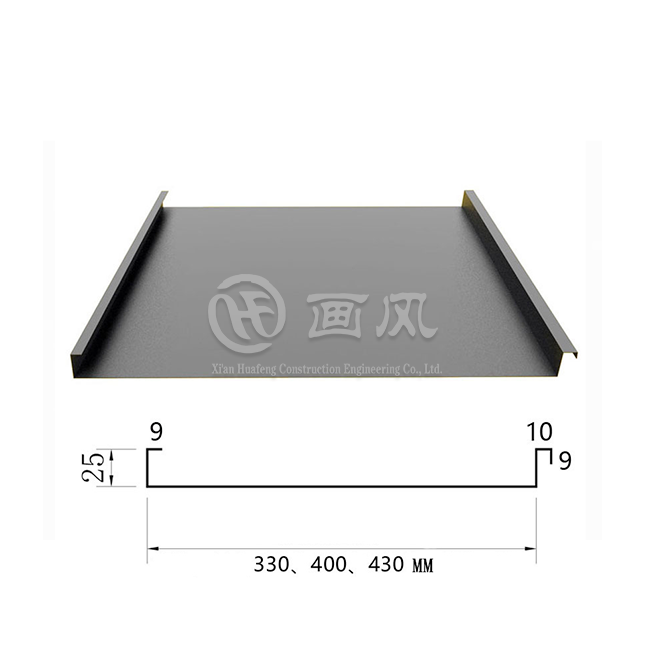
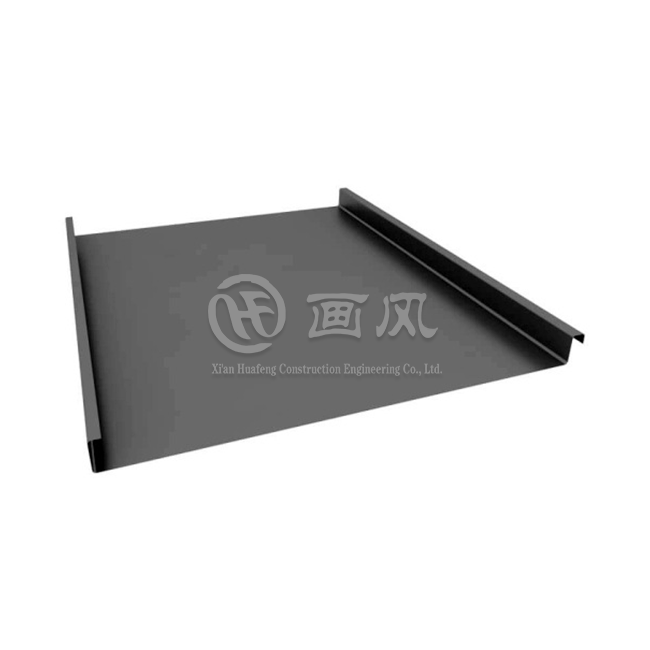
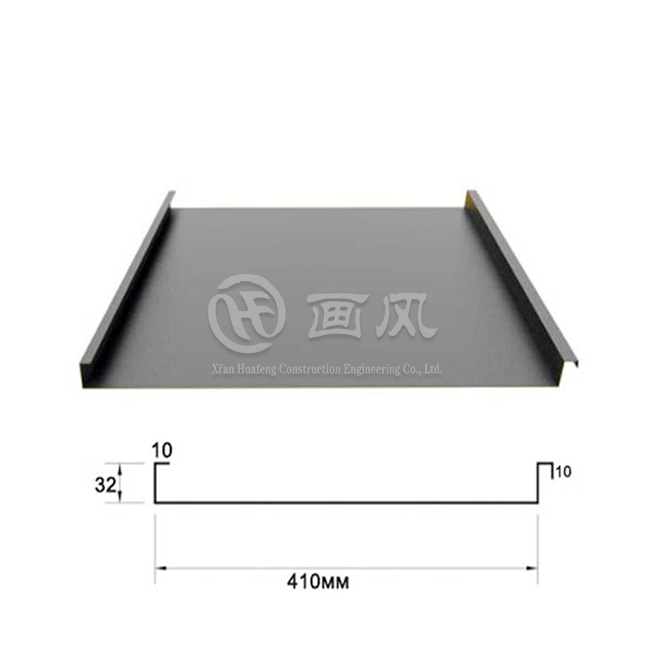
When specifying roofing materials for commercial or industrial projects, fire safety isn't just a regulatory checkbox—it's about protecting people, assets, and your reputation. A 12 standing seam metal roof with certified fire-resistant performance combines the proven durability of interlocking metal panels with rigorously tested flame resistance, delivering both structural elegance and life-safety assurance. These roofing systems feature a 12-inch panel width with vertical seams that lock together using concealed fasteners, minimizing water infiltration while meeting stringent fire codes like UL 790 Class A. For procurement managers and roofing contractors across the United States, understanding how certified fire resistance works—and which suppliers deliver authentic, independently verified performance—can mean the difference between a compliant, insurable project and costly delays or liabilities.

Understanding Standing Seam Metal Roofs with Certified Fire Resistance
Why Fire Certification Matters for Commercial Projects
Fire ratings aren't just for passing inspections; they have a direct effect on the long-term costs and viability of a project. Many cities and towns now require Class A roofing in areas where wildlands and cities meet or on buildings that are bigger than a certain number of square feet. As part of overall risk management, projects that want to get LEED or another green building approval must show that they used fire-safe materials. In addition to meeting regulations, approved fire resistance protects your relationships with your clients. If one roof fails because it doesn't meet fire performance standards, it could lead to lawsuits, insurance disputes, and damage to your image that can't be fixed by lowering the price.
Material Science Behind Fire Resistance
There are several levels of engineered security that make standing seam metal roofs resistant to fire. Base metals, such as aluminium alloy, galvanised steel, or stainless steel, don't catch fire easily, which gives them an advantage over organic materials. To get certified Class A performance, though, you have to pay close attention to every part of the assembly. High-performance coatings, especially PVDF (polyvinylidene fluoride) finishes, make it much harder for flames to spread and for heat to move. These fluoropolymer coats stay intact at temperatures above 400°F, which keeps the surfaces below from catching fire. The approved assembly is complete when it is installed correctly over fire-rated underlayment and structure decking. This makes sure that test results translate to real-world safety.
How Fire-Resistant Standing Seam Metal Roofs Work and Their Technical Specifications
Controlling three ways that heat moves—conduction, convection, and radiation—is what fire resistance in metal roofing is all about. Metal panels are good at transferring heat, which could be a problem if they are not managed properly. This is why improved covering technology is so important. When PVDF coats are put on using continuous coil-coating methods, they make a molecular shield that blocks infrared radiation and doesn't break down when heated. When these coatings are put near an open flame, they char instead of lighting on fire. This creates a protective layer that guards the metal base and stops heat from moving to materials below that could catch fire.
Panel gauge thickness is an important technical specification for fire resistance. It should be between 0.5mm and 1.2mm, depending on the structure's needs and the span's ability. Although thicker sizes are more rigid and less likely to break when hit, they need to be carefully engineered to account for changes in temperature. The seam height, which ranges from 25mm to 65mm (1" to 2.55"), affects both how it looks and how well it keeps out the weather. In low-slope applications, taller seams are better at keeping water out.
Installation Best Practices to Preserve Fire Ratings
If they aren't put together right, even the best materials will fail. For fire-resistant standing seam systems, you need trained workers who know how to use concealed fastener clip systems that let heat move without making holes for heat to get in. Underlayment needs to meet fire safety standards that work with the metal panel system. Regular asphalt-soaked felt might not get Class A performance when tested as a unit. When crimping seams, the pressure must be exactly as specified by the manufacturer. If it's too loose, flames can get through, and if it's too tight, stress builds up and weakens the weather integrity. Before giving out contracts, procurement managers should check the credentials of contractors and ask for proof of fire-rated works that have been finished.
HF's Technical Specifications for Fire Performance
HF metal roofing systems are designed to be approved fire resistant in a wide range of industrial settings. Our 12 standing seam metal roofs come in a range of thicknesses, from 0.5 mm to 1.2 mm, so they can be used for everything from light business renovations to heavy industrial new building. We have a variety of base materials, such as aluminium alloy for seaside areas, galvanised steel for projects that need to be cost-effective, stainless steel for harsh industrial settings, and luxury copper or titanium zinc for historic buildings.
As per AS/NZS 1530.3:1999 standards, our PVDF coating system passed strict SGS testing and got an ignition index, flame spread index, and heat release index of zero, which is the best performance possible. We keep quality control the same on all seven production lines and more than 40 specialised machines that are spread across three manufacturing facilities. Each batch is checked at several points to make sure the coating is the right thickness (8µm for the base and 18µm for the topcoat), that the seam profiles are correct, and that the colours are consistent (ΔE values below 0.3). Our panels meet or go beyond international standards like ASTM, DIN, JIS, BS, and GB/T. This gives procurement teams the paperwork they need for projects that span multiple jurisdictions.
Cost, Procurement & Supplier Insights for Fire-Resistant Metal Roofing
Fire-resistant 12 standing seam metal roofs have a total cost of ownership that includes more than just the price of the materials. You need to look at how hard they are to install, how often they need to be maintained, and how well they last over time. For fire-rated panels, the cost of materials usually ranges from $4.50 to $9.00 per square foot. The exact amount paid depends on the base metal chosen, the coating system used, the custom colour requirements, and the size of the order. Installation costs an extra $3.00 to $6.00 per square foot, depending on how complicated the roof is, how much labour costs in the area, and how hard it is to get to. Even though these prices are higher than basic options like corrugated metal or asphalt shingles, the 30-year warranty and low upkeep needs change the cost situation in a big way when you look at the whole building's life.
For big projects, procurement strategies should focus on more than just unit pricing when it comes to what suppliers can do. Can the manufacturer meet your project's deadline for a minimum order of 500 square meters? HF keeps a supply capacity of 1,000 tonnes per month, which lets us work on multiple building projects at the same time without any production delays. Do they offer unique colour matching based on your building's needs? Our RAL-certified colour systems and custom formulation skills make it easy to fit in with the look of the campus or meet brand identity needs.
Evaluating Supplier Reliability and Support
Choosing a supplier has long-term effects that go beyond just delivering panels. Look for manufacturers that have documented their quality systems. For example, ISO 9001 and ISO 14001 certifications show that a company is committed to being consistent and caring for the environment. Check the proof of their tests; real fire ratings come from outside labs like SGS, UL, or FM Global, not from what the company itself says. HF provides full certification packages including our AS/NZS 1530.3:1999 combustion performance report showing all six test samples achieved non-ignition status, plus EU RoHS compliance documentation and AAMA 2605-22 coating performance verification across 13 key parameters.
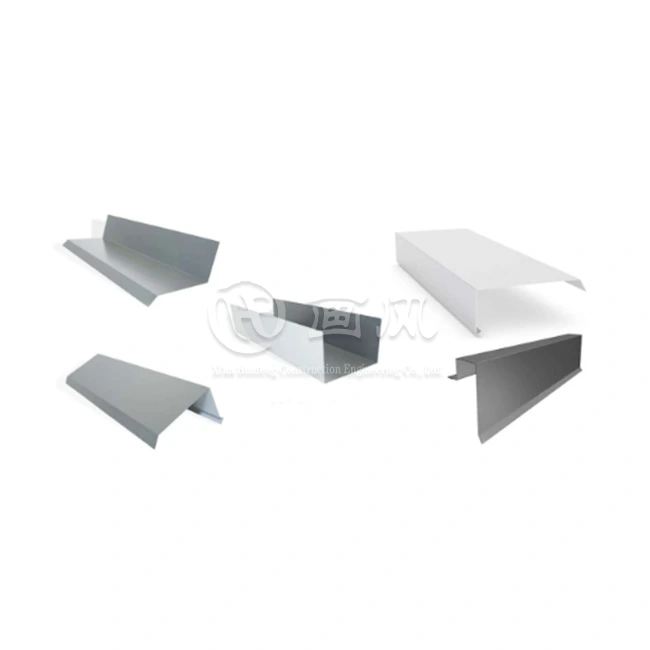
After-sales help separates professional sellers from commodity vendors. We offer a wide range of technical support, such as information on how to put together the roof, how to calculate heat movement, and what accessories are suitable. During the specification phase, our engineering team works with your designers to make sure that the whole roof assembly meets fire safety standards. For example, ridge caps, eave trim, penetration flashings, and expansion joints all need to be made with fire-safe parts that are compatible with each other in order to keep their certified performance.
Making the Right Choice: Comparing Fire-Resistant Metal Roofs with Alternative Systems
When looking at roofing options for places that are prone to fires or buildings that are very valuable, 12 standing seam metal roofs that have been certified as fire resistant are clearly better than other options. Asphalt shingles, even those marketed as "fire resistant," typically achieve only Class A ratings through chemical additives that degrade over time with UV exposure and thermal cycling. Their organic makeup makes them naturally flammable, and sparks blown by the wind can get stuck in surface layers, making ignition spots. Clay or concrete tiles are very good at resisting fire, but they put three to four times more stress on the structure than metal tiles, which often means expensive frame support is needed.
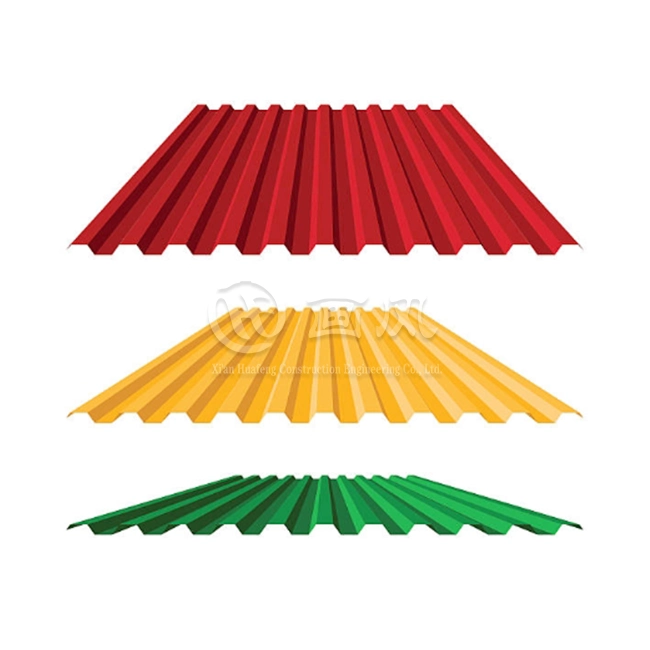
Corrugated metal panels are about as fire-resistant as standing seam systems, but they aren't as weather-tight because the fasteners that hold them together are visible and can let heat and water in. When installed over fire-rated cover boards, TPO and PVC single-ply membranes can get Class A ratings. However, because they are made of synthetic polymers, they are easily damaged by punctures and UV light, while metal systems are very resistant to these problems. In a unique way, standing seam metal roofs are made of materials that can't catch fire, have better weather protection thanks to concealed fasteners, and last longer than other systems by 15 to 30 years.
Climate Considerations and Regional Performance
Fire resistance needs and climate problems in the area interact in ways that change the choice of material. In the dry Southwest, wildfire risk is highest in the hot, dry summers. PVDF coatings that reflect light off of metal roofs help keep surfaces safe even when debris builds up in roof valleys. They do this by blocking solar heat gain and lowering cooling loads. Organic roofing materials are less stable in coastal areas because of salty air and corrosion. Our stainless steel and aluminium alloy options keep their fire ratings and structural performance in marine environments where asphalt shingles break down in 15 years.
In northern areas with a lot of snow, standing seam metal's smooth, slippery surface helps melt snow and ice naturally, avoiding dangerous buildups that put stress on roof structures during fires when firefighters need to get to the roof. The concealed fastener design eliminates thermal bridging that causes ice damming—a critical advantage since ice dams trap moisture that can compromise fire-rated underlayment systems.
Sustainability and Green Building Contributions
Fire-resistant metal roofs is a great choice for green building goals, which are becoming more and more important in purchasing decisions. Metal panels can have anywhere from 25% to 95% recycled content, and they can be recycled in their entirety when they're no longer useful. This is in contrast to asphalt shingles, which send 11 million tonnes to U.S. landfills every year. LEED projects can get points for a number of things, including using recycled materials, reducing heat islands with reflective coats, and managing stormwater by being able to work with vegetated roof parts. BREEAM reviews also praise metal roofing for being long-lasting and having low stored energy compared to tile or slate roofing, which needs to be replaced more often.
Our EU RoHS compliance certification—independently checked by SGS—makes sure that your project meets the strictest environmental standards in the world. All 10 harmful chemicals were found to be either not present or below the legal limits. For government projects, LEED submissions, and business sustainability reporting needs, this paperwork is very important.
Conclusion
For industrial and business buildings, choosing a 12 standing seam metal roof that is approved to be fire-resistant is a smart investment that will pay off in safety, durability, and long-term value. The mix of non-combustible construction, advanced PVDF coatings achieving zero flame spread, and hidden fastener weather protection provides unmatched performance across the 30-year-plus service life these systems typically provide. When procurement professionals put an emphasis on real third-party certifications, a supplier's ability to manufacture, and full technical support, their projects are more likely to be successful and meet the needs of building officials, insurance companies, and facility owners. Fire-rated metal roofs is not only a smart choice, but it's also necessary as fire rules get stricter and climate risks get worse.
FAQ
1.What is the expected lifespan of a certified fire-resistant metal roof?
12 standing seam metal roofs that are resistant to fire usually last between 40 and 70 years, but this depends on the base material chosen and the amount of exposure to the weather. In coastal areas that are prone to corrosion, aluminium and stainless steel systems often last longer than 50 years. In mild climates, galvanised steel systems work reliably for 40 years or more. HF's 30-year guarantee covers both the quality of the material and the performance of the fire-rated coating. Regular upkeep will extend the useful life well past the warranty period. Regular inspections and debris removal preserve both fire resistance and weather-tightness throughout the roof's lifespan.
2.How does fire-rated metal roofing affect insurance premiums?
Insurance companies see certified Class A fire-rated roofs as a big way to lower risk, and buildings with these systems often have 10% to 25% lower property insurance rates than buildings with lower-rated or non-certified systems. The cut is different for each carrier, type of building occupancy, and regional fire risk assessment. To get the best premium benefits, procurement managers should give full certification paperwork to underwriters during policy talks. This includes test results and installation records.
3.What maintenance is required to preserve fire performance?
Maintaining fire-resistant performance takes little work that is done regularly. Roofs should be inspected once a year to get rid of organic matter like leaves, pine needles, and other things blown around by the wind that could become fuel for a fire. Cleaning your gutters every three months keeps garbage from building up and blocking draining and creating moisture traps. Every five years, a professional should check the seams, coating, and fasteners to make sure they are still tight. Unlike organic roofing materials, metal systems don't need to be treated, re-coated, or have worn-out parts replaced in order to keep their fire ratings.
Partner with HF for Certified Fire-Resistant Metal Roofing Solutions
As a reliable producer of 12 standing seam metal roofs, HF has three modern factories, seven dedicated production lines, and more than 40 precise machines that work together to make fire-resistant roofing systems that meet the strictest business requirements. Our SGS-certified goods meet the greatest fire performance standards, with no ignition, no flame spread, and no heat release. They also look great and protect your projects from the weather. We can meet tight project deadlines without sacrificing quality or certification integrity because we can supply up to 1,000 tonnes per month and deliver in just 15 to 20 days.
Email our expert team at huafeng@hfmetalroof.com to talk about your unique needs for a fire-resistant roof. We offer free project consultations that include help choosing materials, advice on how to put things together, and competitive bulk pricing for 12 standing seam metal roof supplier needs. Let us show you how our certified fire-resistant metal roofing systems can protect your investment and give your clients the performance, longevity, and legal compliance they expect.
References
1. National Fire Protection Association. NFPA 5000: Building Construction and Safety Code. Quincy: NFPA Publications, 2021.
2. Underwriters Laboratories. UL 790: Standard Test Methods for Fire Tests of Roof Coverings. Northbrook: UL Standards, 2020.
3. American Architectural Manufacturers Association. AAMA 2605: Voluntary Specification, Performance Requirements and Test Procedures for Superior Performing Organic Coatings on Aluminum Extrusions and Panels. Schaumburg: AAMA Publications, 2022.
4. Metal Construction Association. Technical Bulletin: Fire-Rated Metal Roof Assemblies for Commercial Construction. Glenview: MCA Technical Services, 2023.
5. SGS North America. Testing Protocols for Metal Roofing Fire Resistance: AS/NZS 1530.3 Implementation Guide. Fairfield: SGS Technical Publications, 2024.
6. U.S. Green Building Council. LEED v4.1 Reference Guide for Building Design and Construction: Materials and Resources Credits. Washington: USGBC Publishing, 2023.





YOU MAY LIKE