How to Select a Reliable Standard Seam Roof Panel Supplier
2026-07-29 11:01:36
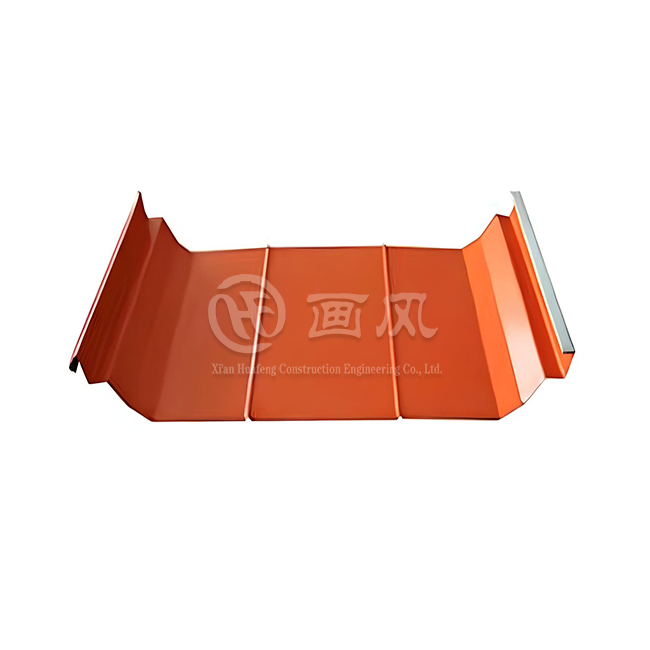
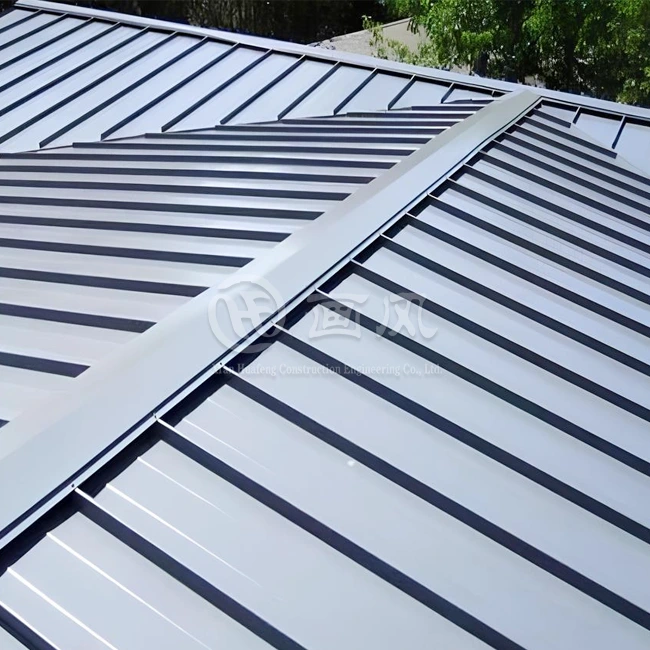
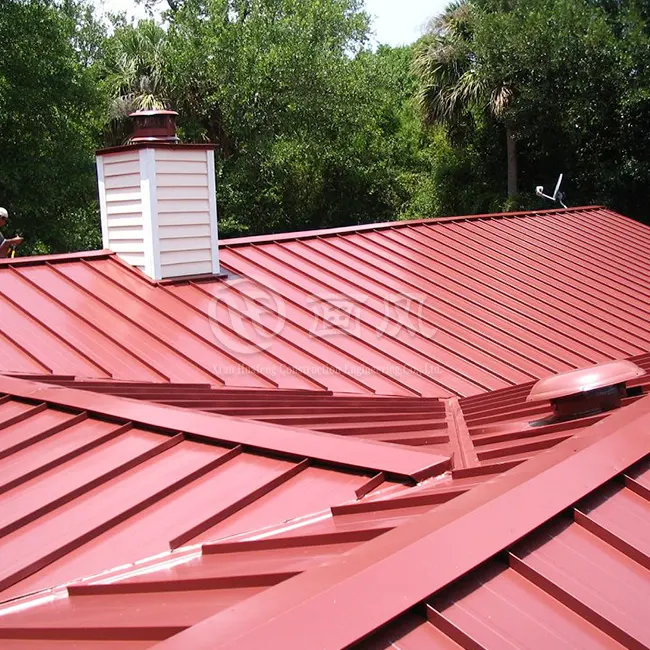
Selecting a reputable provider of standard seam roof panels is more than a price quotation comparison. As procurement specialists and roofing contractors, we know that the quality of the panels, the accuracy of the manufacture and the reliability of the supplier all directly affect the project timeframes, the structural performance and the long-term maintenance costs. Standard seam roof panels include vertical metal profiles with raised, interlocking seams. No exposed fasteners and they allow for thermal expansion. They are used typically in large span commercial and industrial buildings. Choose the proper supplier: Make sure they have the required certifications, manufacturing capacity, technical experience and after-sales obligations to supply panels meeting ASTM, DIN or GB/T requirements on time.

Understanding the Criteria for Choosing a Standard Seam Roof Panel Supplier
define your procurement priorities. What does the supplier landscape you operate within look like? You’re working within limits of volume, customisation, compliance and budget.
Assess Production Capacity and Scalability
Suppliers need to prove they have the infrastructure to manage your order volume, without impacting quality or delivery timelines. A business with several manufacturing lines equipped with modern roll-forming equipment can react to changing demand and urgent orders. A supplier with three facilities, seven manufacturing lines and over 40 equipment has the potential to provide 1,000 tonnes a month covering everything from modest projects starting at 500 square metres, to big scale developments needing continuous panel runs of more than 100 metres. This ability guarantees consistency from batch to batch, which is crucial when colour matching and dimensional limitations impact installation efficiency.
Verify Industry Certifications and Quality Standards
Certifications are a sign of confidence that a provider adheres to established production and quality standards. Check with international standards such as Japanese Industrial Standard (JIS), British Standards (BS), Chinese National Standards (GB/T) and American Society for Testing and Materials (ASTM). This data shows you that the material is strong, that the paint will stick, that it won’t corrode, and that it is safe to use in fires. A supplier that has ISO 9001 and ISO 14001 means they take quality control and the environment seriously. If the manufacturer is a high-tech enterprise, and it has building curtain wall qualifications, it means that the manufacturer has technical expertise and regulation compliance, which protects your project from liability.
Evaluate Warranty Terms and Longevity Commitments
Warranty coverage is an indicator of supplier confidence in product longevity. For example, a 30-year guarantee on metal roofing panels indicates to consumers that the manufacturer thinks the material will resist corrosion, preserve its coating and retain its structural strength. Check the warranty terms to see what’s covered (weather damage, coating breakdown, seam failures) and what maintenance is needed to keep the warranty in effect. Warranty extenders often use premium substrates such as AZ55 Galvalume or high performance PVDF coatings, which give greater UV protection and colour fade resistance over basic polyester finishes.
Evaluating Product Specifications and Technical Capabilities
Technical specifications determine whether the standard seam roof panels will perform reliably under your project's specific environmental and structural demands.
Material Composition and Substrate Options
Metal roofing panels are available in galvanised steel, aluminium, zinc or copper. “They all have benefits. Galvanised steel is cheap and possesses the tensile strength needed for industrial warehouses. Aluminium is preferred in coastal conditions for its better resistance to corrosion. The substrate thickness from 0.5mm to 1.2mm impacts the load bearing capacity and the wind uplift resistance. Thick gauges are good for alpine regions and coastal installations. They can take heavy snow loads and hurricane force winds. If you have the yield strength (usually 33ksi to 50ksi for steel panels) you may correlate the material attributes to the structural requirements.
Surface Treatment and Coating Technologies
Coating methods protect the metal substrate from corrosion and UV damage and give it a decorative aspect. PVDF (polyvinylidene fluoride) coatings such as Kynar 500 or Hylar 5000 provide great chalk resistance and colour retention for decades, making them the option for high-visibility commercial buildings. PE (polyester) coatings are a less expensive choice if the project does not require the utmost in longevity. PVDF coating thickness should be 0.9 to 1.1 mil for durability. Evaluate suppliers to ensure coating thickness is consistent with industry specifications. Suppliers provide a variety of RAL and Pantone hues, enabling bespoke colour choices to match architectural design requirements, improving building aesthetics while retaining functionality.
Specifications and Profile Versatility
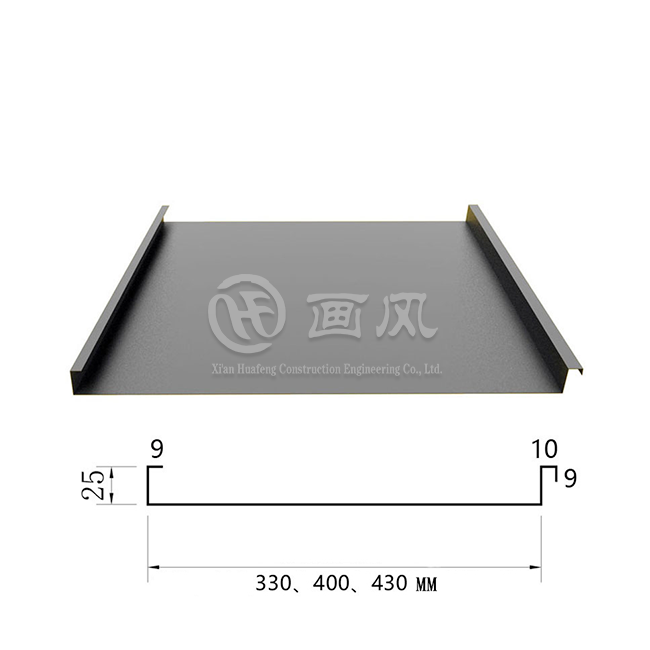
Panel parameters determine the installation flexibility and weatherproofing performance. Seam heights vary from 25mm to 65mm to suit varying slope requirements and water drainage demands. Available in 25-330/400/430, 32-410, 45-400 and 65-400/430 panels, they offer choices for low-slope applications where water tightness is critical and steep-slope installations requiring aesthetic appeal. Panel widths 300 mm to 600 mm impact speed of installation and waste of material. Wider profiles tend to lower seam density and labour expenses. The systems are offered in customised panel lengths (up to 12 meters), which removes horizontal seams that might be leak locations, a benefit for long-span buildings like as airport terminals and sports stadiums.
Comparing Supplier Solutions and Market Position
A supplier's market reputation and solution portfolio reveal their ability to meet complex project demands.
Brand Reputation and Industry Recognition
Proven track record suppliers are reliable, backed by successful projects and customer testimonials. Registered patents for roofing systems show innovation and proprietary technology to improve installation or panel performance. High-tech companies or companies with a large number of trademarks show a continuous investment in research and development. With 200,000 square meters of facilities and dedicated processing units in several areas, a supplier has the geographic footprint to handle nationwide/international projects with local service and faster turnaround.
Product Range Diversity and Customization Capabilities
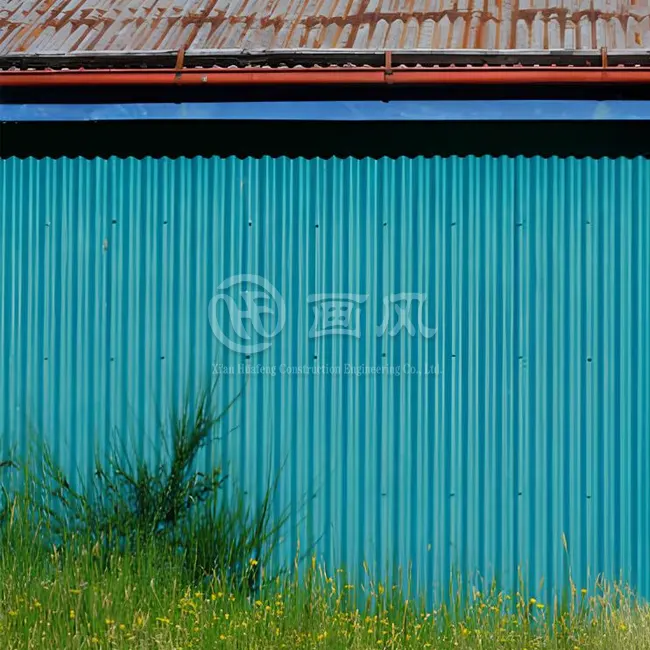
A provider who has a broad product range is an indication that they are flexible and can meet the needs of different projects. Choose manufacturers that supply not only standard seam roof panels but also aluminum-magnesium-manganese plates, titanium-zinc plates, corrugated sheets and flat lock panels. The variety implies you might have many roofing choices from a single supplier, simplifying procurement and guaranteeing compatibility across construction parts. Customisation allows the flexibility required for architecturally complex projects that off-the-shelf products do not cater for well (for example, changing panel lengths, changing seam profiles, matching specific colour requirements).
Pricing Structure and Total Cost of Ownership
So when you’re looking at unit pricing, you have to consider the total cost of ownership, including shipping, ease of installation, maintenance needs, and lifespan. Large orders or bundled services (such accessories, fasteners and trim parts) from suppliers with volume discounts help cut total project costs and reduce procurement complexity. Small contractors and large developers have different buying strategies, with minimum order quantities such as 500 square meters or one tonne. Transparent pricing models based on the grade of materials, kind of coating used and any customisation fees allow for reliable budget forecasting and minimise surprise cost overruns during the implementation of the project.
Logistics and Delivery Reliability
On-time delivery avoids expensive delays in project schedules. 15 to 20 days. The suppliers that are able to meet the order within the time have effective production planning and inventory management. In terms of logistics capabilities, pay attention to the supplier’s experience in international shipments, customs documentation and freight coordination. If a manufacturer has several factories, it can assign orders to different factories to cut down delivery time and shipping costs. Good suppliers will track your shipment, tell you the status of your manufacturing order, and have contingency plans in place for dealing with supply chain delays.
Ensuring After-Sales Support and Service Guarantees
It’s the after-sales support that sets apart sellers who perceive relationships as transactional vs those that see them as long-term partnerships.
Installation Guidance and Technical Assistance
Installation is done by our own teams or certified partners to ensure standard seam roof panels are properly seamed, clips are accurately fitted and thermal expansion is accommodated. Suppliers provide installation training, complete technical guides and on-site help for contractors to avoid common mistakes that can compromise waterproofing or structural integrity. Manufacturers providing installation advice on seam sealants, fastener selections and roof penetrations can assist prevent installation errors that result in callbacks and warranty claims.
Warranty Claims Process and Responsiveness
The value of a warranty is determined by the convenience of submitting claims and the supplier’s reaction to problems. Suppliers that have efficient claims procedures, well-defined coverage terms and dedicated customer service teams reduce the downtime that occurs when defects or performance issues happen. You want to know if the guarantee covers replacement of materials, labour expenses or both, to assess the real transfer of risk. Suppliers that aggressively handle quality issues and settle disputes equitably develop a degree of confidence that goes beyond what is required for one transaction.
Maintenance Support and Spare Parts Availability
Maintenance support continues to support long term system performance. If suppliers have extra panels, fasteners and trim components on hand, repairs can be done quickly. This makes it nice to work with since you don’t have to find parts from other vendors. Facility managers can use technical tools such as maintenance schedules, inspection checklists and troubleshooting guides to help extend the life of a roof and avoid costly breakdowns caused by small problems. Good partnerships after the sale reduce the total cost of ownership and make buildings more resilient.
Making the Final Decision: Personalized Matching and Risk Mitigation
Procurement decisions require balancing multiple factors tailored to your specific role and project complexity.
Aligning Supplier Capabilities with Project Needs
Different projects require different strengths from suppliers. Large industrial projects are about capacity, speed of delivery and cost effectiveness. Architecturally unique commercial buildings are about customisation, colour selection and technical advice. See if suppliers can supply standard seam roof panels off the shelf for quick deployment or if they have to be custom designed with long lead times. Matching supplier capabilities to the project’s scale, timeline, and technical complexity is key to smooth execution and helps minimise risks that come with supplier limitations.
Risk Assessment and Mitigation Strategies
A thorough analysis helps minimise the possibility of hidden expenses, supply chain weaknesses and quality disparities. You will visit industrial sites and witness the production processes, quality control methods and equipment maintenance. Only buy in bulk after requesting sample panels to check the coating thickness, seam geometry and dimensional tolerances. Multiple sources reduce the risk of being locked into a single source for critical initiatives. Clear contract terms protect your rights on delivery time, quality requirements and penalty clauses.
Comprehensive Evaluation Checklist
Make sure applicants satisfy minimal standards before choosing provider. Look for the right certifications, sufficient production capacities, fair warranty terms and fast customer service. Ask for product specifics, evaluate the technical capabilities, any customisation possibilities and help during installation. Make sure that the logistics are reliable, prices are transparent and there is after-sales follow-up. This complete plan ensures you are working with the right suppliers for your company objectives, compliance needs and risk appetite.
Conclusion
You should carefully consider the manufacturing capacity, technical specifications, market reputation, and after-sales service when choosing a reliable supplier of standard seam roof panels. Your projects will be completed on time with long-lasting, high-performing panels if you choose suppliers that follow international standards, provide solid warranties, and can grow. Examine coating techniques, material selections, and customisation options to ensure supplier options are appropriate for your project. Proper supplier evaluation takes time, but it reduces risk, lowers total cost of ownership, and builds connections that might contribute to long-term commercial and industrial growth success.
FAQ
1.What distinguishes standard seam panels from other metal roofing systems?
Standard seam roof panels, often called standing seam roofing, feature vertical profiles with raised interlocking seams that conceal fasteners, eliminating exposed penetration points prone to water infiltration. Unlike through-fastened corrugated panels, these systems accommodate thermal expansion through sliding clips, reducing fastener fatigue and extending lifespan.
2.How can I verify a supplier's certifications are legitimate?
Request copies of certification documents and verify authenticity by contacting the issuing organizations directly. Look for ISO 9001 and ISO 14001 certificates with valid accreditation marks, compliance statements for ASTM or DIN standards, and registration numbers you can cross-reference. Reputable suppliers willingly provide documentation and welcome third-party audits.
3.What delivery timelines should I expect for bulk orders?
Lead times typically range from 15 to 20 days for standard specifications, though custom orders requiring unique colors, lengths, or coatings may extend to 30 days. Suppliers with multiple production lines and large inventories fulfill urgent orders faster. Confirm production schedules early, especially during peak construction seasons when demand increases.
Partner with HF for High-Performance Metal Roofing Solutions
When your projects demand reliable metal roofing panels backed by manufacturing excellence and responsive service, HF delivers. Our standard seam roof panels combine premium PVDF/PE coatings, rigorous compliance with ASTM, DIN, JIS, BS, and GB/T standards, and a 30-year warranty that protects your investment. Operating three factories with seven production lines and over 40 machines, we supply 1,000 tons monthly with delivery timelines of 15 to 20 days, ensuring your projects stay on schedule. Whether you require custom RAL or Pantone colors, specific thicknesses from 0.5mm to 1.2mm, or diverse specifications including 25-330/400/430 and 65-400/430 profiles, our technical team provides tailored solutions. Contact us at huafeng@hfmetalroof.com to discuss your requirements with a trusted standard seam roof panel manufacturer.
References
1. Smith, J. & Anderson, K. (2021). Metal Roofing Systems: Design and Performance Standards for Commercial Applications. Construction Industry Press.
2. National Roofing Contractors Association. (2022). Guidelines for Metal Panel Roof System Installation and Quality Control. NRCA Technical Publications.
3. Williams, R. (2020). Sustainable Building Materials: Evaluating Lifecycle Performance of Metal Roofing. Green Architecture Journal, 15(3), 112-128.
4. Thompson, L. (2023). Procurement Best Practices for Construction Materials: Risk Assessment and Supplier Evaluation. Industrial Supply Chain Review.
5. International Building Code Council. (2021). Standards for Weather-Resistant Roofing Systems in Commercial Construction. IBC Standards Manual.
6. Chen, M. & Rodriguez, P. (2022). Coating Technologies for Metal Roofing: Comparative Analysis of PVDF and Polyester Performance. Materials Engineering Quarterly, 28(2), 45-62.





YOU MAY LIKE
_1769761215912.webp "Ventilation noise reduction net")