Standard Seam Roof Panel for Commercial Buildings: Key Advantages
2026-07-28 18:29:39
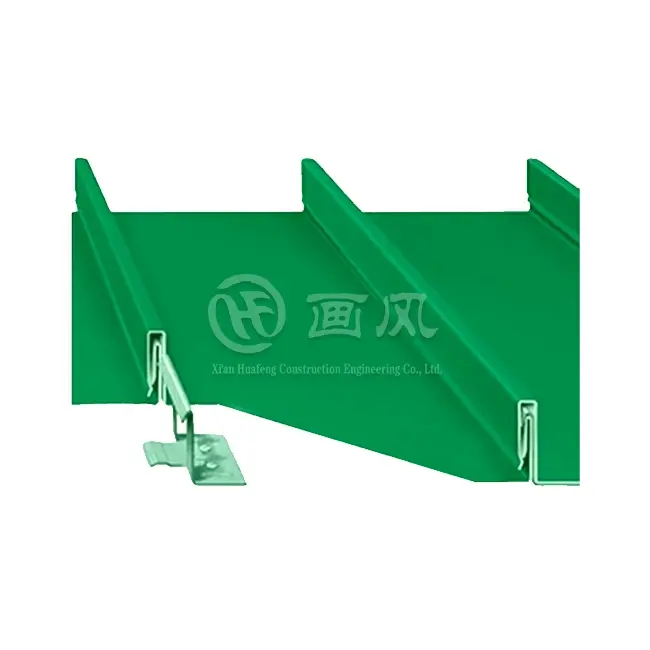
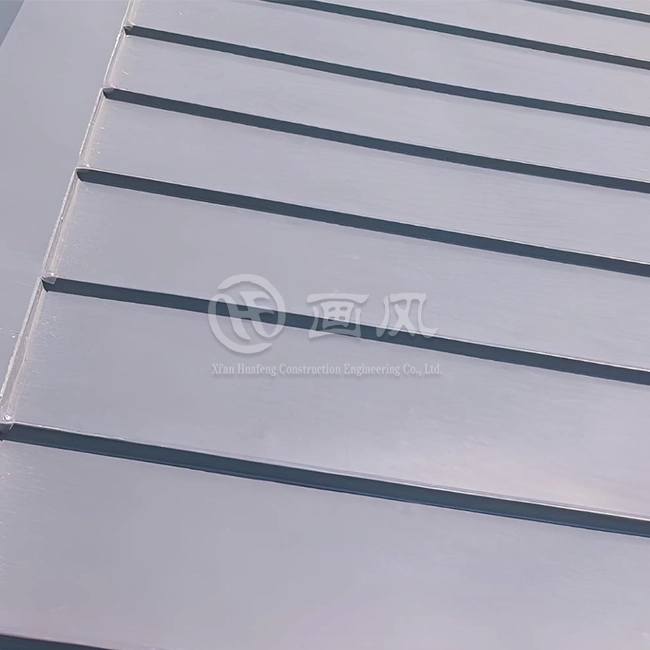
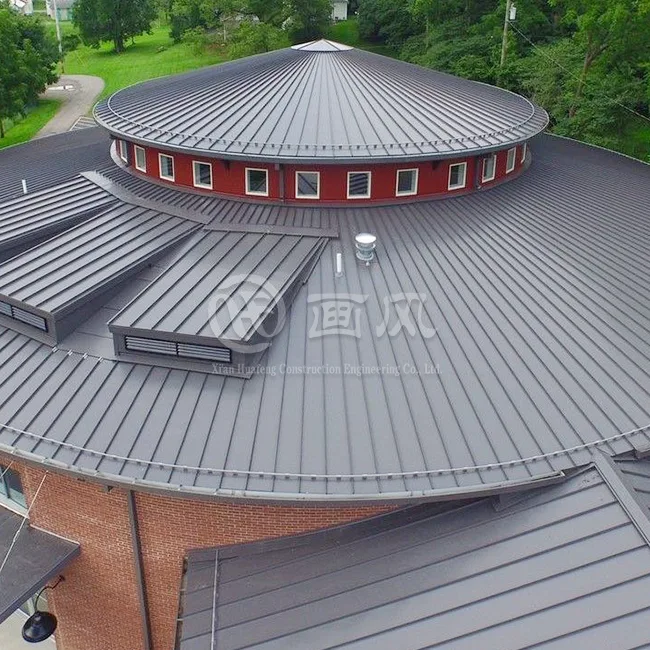
When designing commercial roofing projects that demand both structural integrity and long-term performance, the standard seam roof panel delivers exceptional value through its concealed fastening system and vertical seam architecture. This metal roofing solution addresses critical construction challenges by eliminating water intrusion vulnerabilities associated with exposed fasteners while accommodating thermal expansion through innovative floating clip mechanisms. With raised interlocking seams typically ranging from 25mm to 65mm in height, these panels create a continuous watertight barrier suitable for low-slope applications, making them the preferred specification for warehouses, distribution centers, and industrial facilities across the United States where reliability directly impacts operational continuity.

Understanding Standard Seam Roof Panels
Construction Features and Material Composition
The engineering behind vertical metal roofing systems is based on a design called "concealment-fixed," in which horizontal seams rise above the drainage plane. We've seen this design consistently do better than traditional through-fastened systems because it stops thermal cycling from wearing out the fasteners. The panels feature a male leg that interlocks with a female leg containing factory-applied hot-melt sealant, creating capillary breaks that resist wind-driven rain infiltration even at slopes as low as 1/4:12.
The choice of materials has a big effect on how well a system works. High-tensile galvanized steel with G90 coating or AZ55 Galvalume substrate rules industrial standards due to its yield strength range from 33 ksi to 50 ksi. Aluminium metals (3003 or 3004 series) that don't rust when exposed to salt spray are good for coastal areas. Panels with thicknesses ranging from 0.5 mm to 1.2 mm can be used for a wide range of structural loads and can still be shaped to fit complex architectural shapes.
Manufacturing Standards and Quality Certifications
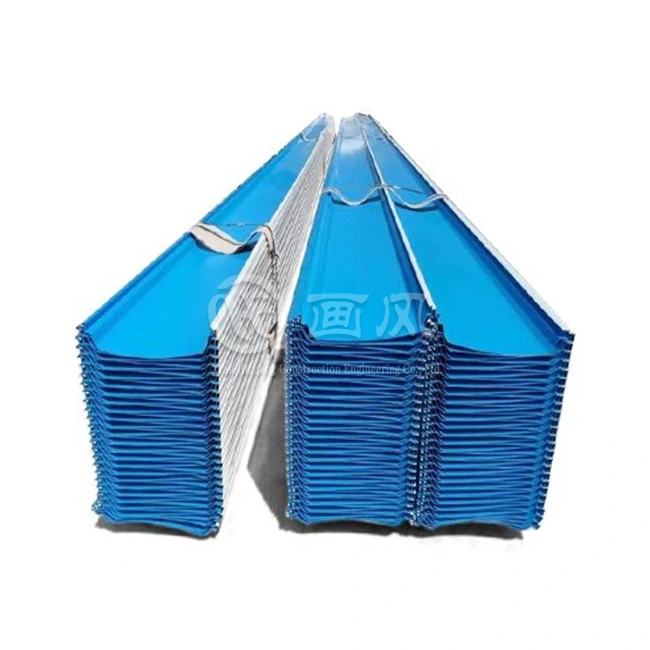
Panels that meet ASTM, DIN, JIS, BS, and GB/T standards are made in factories that follow foreign standards. With modern roll-forming technology, panels can be made that are 12 meters long and don't have any horizontal seams that could let water in. As part of quality control, metallic coating weight checks are done to make sure it meets AZ55 standards. Paint thickness checks are also done to make sure PVDF layers meet 0.9-1.1 mil standards, and T-Bend tests are used to make sure the coating sticks after forming.
Manufacturing capabilities matter when evaluating suppliers. Businesses that have more than one production line, like those with seven colour coating lines and ten longitudinal shearing systems, can handle large commercial orders. Specifications like 25-330/400/430, 32-410, 45-400, and 65-400/430 configurations give you the freedom to choose the right size for any job, and automatic processing equipment makes sure the quality stays the same.
Technical Specifications for Commercial Applications
Panel coverage widths typically range from 300mm to 600mm, with customizable lengths avoiding problematic horizontal seams. PVDF and PE coats are used to treat the surface, and they are better at blocking UV light than normal polyester finishes. The PVDF choice (using Kynar 500 or Hylar 5000 formulations) offers excellent chalk protection and color retention exceeding 30 years in harsh outdoor exposures.
Customising colours with RAL and Pantone matching systems lets buildings look good together without lowering the performance of protective coatings. Dimensional tolerances maintained within +/- 1.6mm prevent panel creep during installation, ensuring proper alignment at roof penetrations and termination details. When planning multi-building campuses that need visual unity across phased construction plans, these exact manufacturing controls become even more important.
Key Advantages of Standard Seam Roof Panels for Commercial Applications
Superior Durability and Weather Resistance
Commercial building owners look for standard seam roof panel roofing systems that can stand up to bad weather without needing to be fixed. When you use concealed fixing, the main problem that happens with exposed-fastener systems is that the washer seals wear out, letting water in. The raised seam design makes a hydraulic barrier that controls standing water during heavy rainstorms. This is why these systems work consistently even on roofs with little pitch.
Ratings for wind uplift that meet UL 580 Class 90 standards show that the structure can withstand winds as strong as a hurricane. When there is negative pressure, which destroys less advanced systems, mechanical seaming or snap-lock setups keep panels from coming apart. When you space the clips correctly, you get a monolithic structural diaphragm that can spread the load, which is very important for buildings in tornado-prone areas. Getting fire resistance ratings of Class A and impact resistance ratings of Class 4 hail ratings will lower insurance costs and protect assets even more.
Taking care of thermal expansion is another important benefit. Sliding clip systems allow panels to move relative to the substrate, allowing temperature-induced length changes without causing stress concentrations. This design feature stops oil-canning (which makes the panel look warped) and fastener pull-through, which are both bad for the look and the waterproofing. This designed movement accommodation is especially helpful for buildings that go from very hot in the summer to very cold in the winter.
Installation Efficiency and Cost-Effectiveness
How well workers do their jobs has a direct effect on project costs and finishing dates. Snap-lock and mechanically seamed systems take less time to install than other roofing methods that need more than one layer of membrane or a lot of hot work. Continuous panel runs cut down on cutting and fitting on the roof, which reduces waste and speeds up coverage rates. Depending on the complexity of the roof and the way the panels are set up, experienced teams usually put 3,000 to 5,000 square feet every day.
The lightweight nature of metal panels—typically 1.5 to 2.0 pounds per square foot—reduces structural load needs compared to concrete tiles or built-up roofing systems. Because of this feature, it can be installed over existing roof structures during renovations without having to pay for expensive structural support. Panels that can bend to fit uneven substrates while still being waterproof are especially useful for retrofit applications.
Long-term cost research shows that there are big benefits. A 30-year guarantee that covers both the performance of the materials and the longevity of the finish gives you budget certainty that you don't get with roofing systems that need membrane replacement every 15 to 20 years. Maintenance needs are minimal—mainly just cleaning the gutters and removing garbage every so often—so there aren't any ongoing costs for coating reapplication or fixing like there are with other systems. Reflective coatings and compatible insulation packages lower energy costs, which saves money over time.
Energy Efficiency and Sustainable Building Integration
Energy efficiency is a big deal in modern business construction, both for cost saves and green building certifications. Cool roof coatings made from PVDF finishes scatter solar energy, which lowers the need for cooling in warm places. As per ASTM E903 and ASTM C1371 testing, light-colored finishes have sun reflectance values above 0.70 and heat emittance values above 0.85. In the areas of Sustainable Sites and Energy & Atmosphere, these sites can earn LEED points.
The thermal efficiency is improved by integrating with continuous insulating parts. The air room between the panels and the insulation layers adds heat resistance and makes it easier to control moisture vapour. Because it works with both rigid board insulation and spray foam, design teams can get R-values that are higher than what the current energy code requires. Buildings that want to reach net-zero energy goals can use structures that support the integration of photovoltaic arrays without affecting the integrity of the roof membrane.
Environmental concerns go beyond how much energy is used for operations. Depending on the base, metal roofing has anywhere from 25% to 95% recycled materials, which counts toward LEED Material & Resources points. When something can be recycled completely at the end of its useful life, it keeps it out of landfills and recovers its value. Manufacturing methods that use less embodied energy than producing membranes from petroleum are in line with business sustainability efforts that are becoming more and more important to industrial property owners.
Comparison with Other Commercial Roofing Solutions
Structural and Performance Differences
When you compare vertical seam systems to other types of industrial roofing, you can see that they work differently. Corrugated metal panels have visible bolts that go through the ribs of the panel. This makes weak spots where washer wear can let water in. Corrugated profiles have lower initial costs, but they need more maintenance and don't last as long, which lowers their lifecycle value. When roof pitches are less than 3:12, corrugated materials have trouble because they can't handle the draining well enough.
Snap-lock versions are easier to install than manually seamed versions, but they don't do as well at keeping out wind. The female leg clips over the male leg without the need for extra seaming tools. This cuts down on the amount of work that needs to be done and makes it suitable for projects that are on a budget and accept UL 90 wind ratings instead of UL 580 standards. But because the seam height is usually only 1 inch, not 1.5 to 3 inches like with mechanical seams, it can't be used on very low slopes where standing water is still a problem.
Single-ply membrane systems, like TPO, PVC, and EPDM, are most common for flat roofs, but they need different kinds of upkeep. Heat-welding or adhesive bonding is needed for seam integrity, but it needs to be done by a professional and can be damaged by water pooling. Puncture resistance is still lower than that of metal panel systems, which leads to service calls from people installing or maintaining equipment on rooftops. Because it doesn't add to the structure, the system needs separate decking and insulation parts, which makes it more complicated.
Cost Analysis and Lifecycle Considerations
Metal roofing materials like standard seam roof panel usually cost between $4.50 and $8.50 per square foot, but this depends on the type of base used, the finish, and the way the panels are arranged. PVDF finishes cost more than PE coats, but they last longer, which makes the price difference worth it for owner-occupied buildings that care about lifetime value. Installation labour costs an extra $3.00 to $6.00 per square foot, depending on the type of roof, the pay rate in the area, and the crew's level of experience.
When you compare these numbers to single-ply membranes, you can see how they stack up against the competition. TPO systems cost $5 to $8 per square foot to install, which includes materials and labour. However, they need to be replaced every 15 to 20 years. A metal roof system with a 30-year guarantee removes the need for replacement costs in the middle of its lifecycle. It also protects against hail better, which lowers insurance claims. When you take into account replacement costs, maintenance costs, and energy savings, the net present value calculation always goes in favour of metal systems for commercial properties that will be held for a long time.
Finish longevity has a big effect on how well it looks over time. PVDF coatings keep their colour and gloss for 30 years, even when exposed to strong UV light. This keeps the street appeal that is important for store and office settings. Within 10 to 15 years, polyester finishes start to fade noticeably, which means they need to be re-coated at a high cost or the look has to be accepted as less appealing. Buildings in high-traffic areas can protect their brand image and property values by investing in a premium finish.
Procurement Considerations for Standard Seam Roof Panels
Supplier Selection and Quality Verification
Procurement pros need to look at more than just price quotes when judging a company's manufacturing skills. Supplier sites with various production lines show that they can handle big orders in a short amount of time. Seven coating lines are in use, and a store that can support a 1,000-ton monthly supply capacity shows that the infrastructure is good enough for multi-building sites or quick project acceleration. More than 40 machines are used in production, and automated punching and shearing systems help keep quality high by reducing the amount of work that needs to be done by hand.
Portfolios of certifications show a dedication to high standards. Certifications in ISO 9001 quality management and ISO 14001 environmental management show that processes are controlled in a planned way. SGS testing proof makes sure that performance claims are true from a third party. Patents that have been registered for roofing systems show that technology has been improved beyond just making basic goods. Supplier facilities that are qualified to work with building curtain walls and steel structures have more technical knowledge that can be used for complex facade integration.
The rules of the warranty need to be carefully read. A 30-year warranty that covers both substrate perforation and finish degradation goes above and beyond what most membrane systems cover. Knowing the guarantee limits for installation flaws, standing water, and chemical exposures helps keep claims from going to court. When compared to makers who don't offer much after-sale support, suppliers who have specialised customer service teams that can answer technical questions and handle warranties lower project risk.
Logistics and Order Management
Minimum order quantities are usually between 500 square meters and one metric tonne, which is fine for large commercial projects but could be a problem for small home improvements. Custom lengths get rid of horizontal lines and cut down on waste on-site, but larger panels need special tools for transporting and handling on the job site. With delivery times of 15 to 20 days after an order is confirmed, procurement must begin early to avoid critical path delays.
When you buy in bulk, you can save money. This is especially helpful for developers who are in charge of multiple buildings or construction companies that need to get things for a lot of projects every year. Volume commitments let you negotiate prices and make sure that materials will be available even if there are problems in the supply chain. Setting up relationships with chosen suppliers makes it easier to respond to urgent project needs and get expert help during the design development stages.
Compliance with local standards, even though the product is made overseas, is an important thing to think about when international buying. Panels that meet ASTM standards are guaranteed to work with U.S. building codes and testing procedures. Understanding shipping operations, such as containerisation, port handling, and interior transportation, can help you avoid cost increases that you didn't expect. Suppliers with technical representatives and samples in the United States make it easier to come up with specifications and check quality before committing to production.
Maintenance Strategies and Long-Term Asset Protection
Proactive maintenance extends standard seam roof panel metal roofing performance and protects long-term value. Regular inspections, debris removal, sealant checks, and minor coating repairs prevent costly damage and preserve warranties. Proper documentation, including installation records and maintenance logs, supports insurance and property value. Supplier guidelines help management teams maintain systems correctly and maximise service life.
Conclusion
It is important to carefully consider technical specs, provider capabilities, and lifetime costs when choosing metal roofing systems for business buildings. Vertical seam configurations are better at withstanding weather because they use hidden fasteners and raised seam architecture, which gets rid of common failure modes that plague other systems. When you combine long-lasting structure, easy installation, and low maintenance needs, you get a lot of value for warehouse, distribution, and industrial uses that value dependability and low long-term costs.
Quality providers stand out in a market that is becoming more and more competitive by following manufacturing standards, letting customers make changes, and offering technical support. Early involvement of suppliers in design development is good for projects because it makes sure that specifications match performance goals and price limits. Because metal roofing can last up to 30 years if you choose the right materials and install them correctly, it should be thought of as an investment in the building envelope rather than a simple purchase.
FAQ
1.How long do these panels last in extreme climates?
If you choose the right metal roofing system, it will last for 30 to 50 years in harsh conditions like salt spray from the coast, heavy snowfall in the mountains, and heat in the desert. PVDF coatings don't break down when exposed to UV light, and their protective qualities stay the same during warranty terms. The choice of substrate affects how long something lasts. In wet areas, galvalume and aluminium are better at resisting corrosion than normal galvanised steel.
2.Does installation impact project schedules significantly?
Putting up metal panels is faster than putting up built-up roofing or multiple-layer membrane systems. Based on the complexity of the roof, experienced crews clean between 3,000 and 5,000 square feet every day. Weather delays don't have as much of an effect on metal roofs as they do on systems that need to cure adhesives or do hot work. The lightweight panel construction doesn't need much structural support, so there aren't as many design delays as there are with heavy roofing options.
3.Are environmentally sustainable options available?
Metal roofing is environmentally friendly in a number of ways. Panels are made of 25% to 95% recovered materials and can be returned in their entirety when their useful life is over. Cool roof coats help a building get LEED approval while also using less energy. Compared to making membranes from petroleum, the manufacturing process makes much less waste. This fits with business environmental responsibility efforts that are becoming more important to industrial property owners.
Connect with HF for Your Metal Roofing Procurement Needs
HF (Xi'an Huafeng Construction Engineering Co., Ltd.) runs three specialised factories that help with industrial metal roofing jobs all over North America. We have more than 40 processing tools and seven colour coating production lines that make standard seam roof panel systems that meet foreign standards like ASTM, DIN, JIS, BS, and GB/T. Different structural needs can be met by thicknesses ranging from 0.5mm to 1.2mm, and our 1,000-ton monthly supply capacity makes sure that materials are always available for big projects.
We offer full expert help from writing the specifications to finishing the installation. Our team can help you figure out wind lifting, identify thermal movement, and choose a style that will work best in your area. Email us at huafeng@hfmetalroof.com to talk to experienced metal roofing experts about your project needs. HF provides high-quality materials with 30-year warranties and helpful customer service, whether you need a dependable manufacturer for ongoing building projects or unique solutions for complicated architecture designs.
References
1. Smith, J. & Anderson, K. (2021). Metal Roofing Systems: Design and Performance Standards for Commercial Construction. American Institute of Building Sciences.
2. National Roofing Contractors Association. (2022). Metal Panel Roof Systems Design Manual. NRCA Technical Publications Division.
3. Chen, L. (2020). "Comparative Lifecycle Analysis of Commercial Roofing Systems." Journal of Building Envelope Design, 15(3), 178-195.
4. Metal Construction Association. (2023). Technical Bulletin: Concealed Fastener Metal Roof Systems. MCA Standards Committee.
5. Thompson, R. & Martinez, D. (2022). "Wind Uplift Performance of Mechanically Seamed Metal Roofing." Structural Engineering Review, 44(2), 89-107.
6. Green Building Council. (2023). LEED v4.1 Reference Guide: Metal Roofing Contributions to Sustainable Building Credits. USGBC Publications.





YOU MAY LIKE