Zinc Flat Lock Panels Maintenance Tips for Long-Lasting Cladding
2026-09-21 19:02:43
Maintaining zinc flat lock panels correctly is one of the most cost-effective decisions a facade subcontractor or procurement manager can make. These titanium-zinc interlocking tile systems form a self-healing zinc hydroxycarbonate patina that actively resists corrosion — but only when the underlying substrate, ventilation cavity, and joint geometry remain undisturbed. Neglected upkeep accelerates localized corrosion, compromises lock integrity, and voids warranty coverage. A structured maintenance regime protects panel aesthetics, preserves structural performance, and ensures your 30-year investment delivers the full lifecycle value architects specify.

Understanding Zinc Flat Lock Panels and Their Maintenance NeedsWhat Makes Titanium-Zinc Cladding Distinct
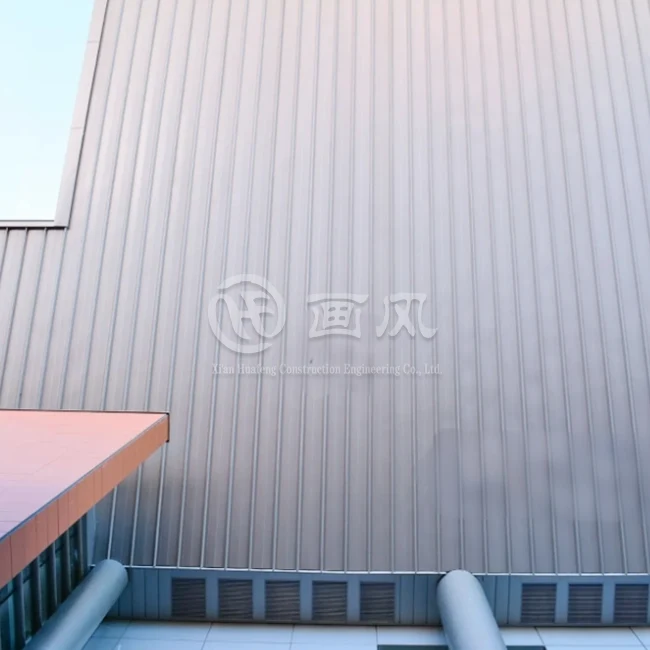
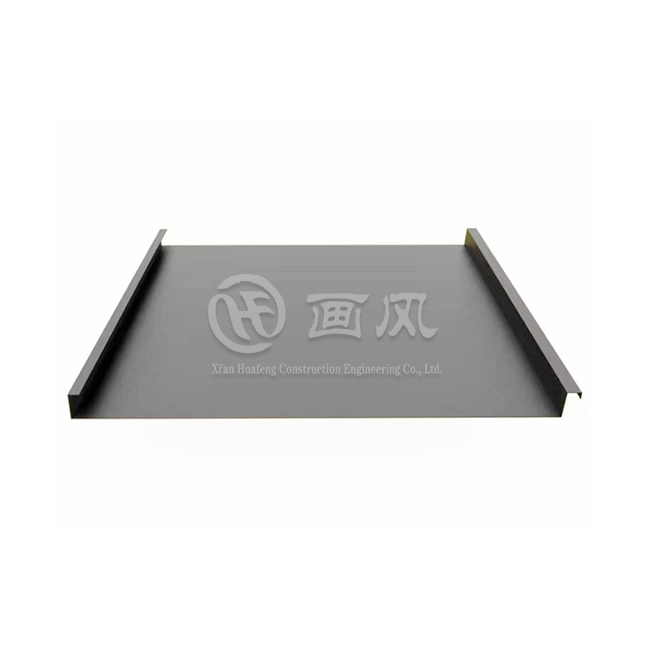
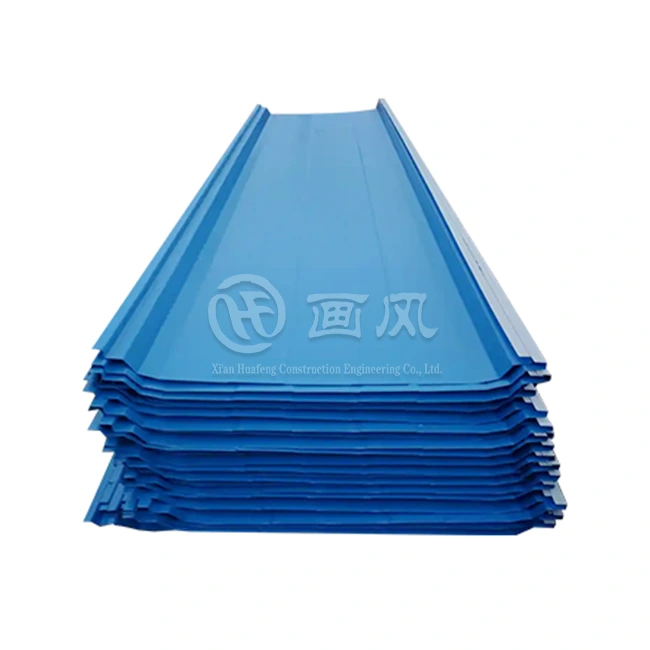
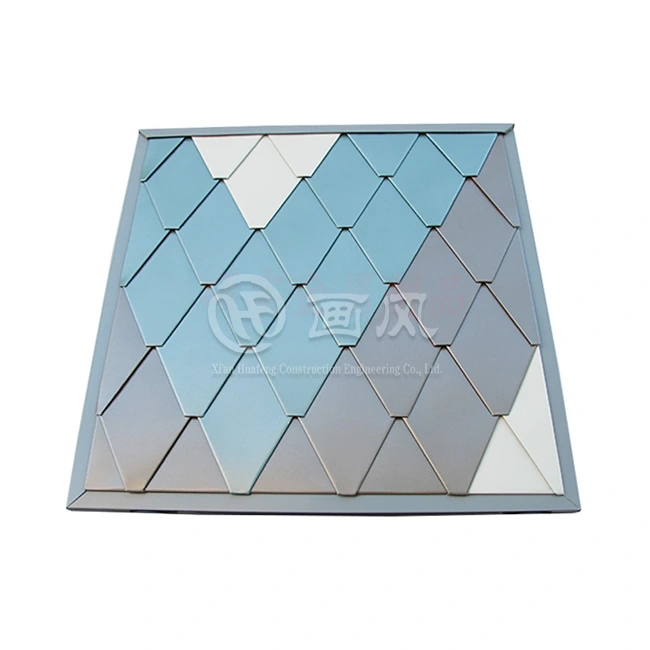
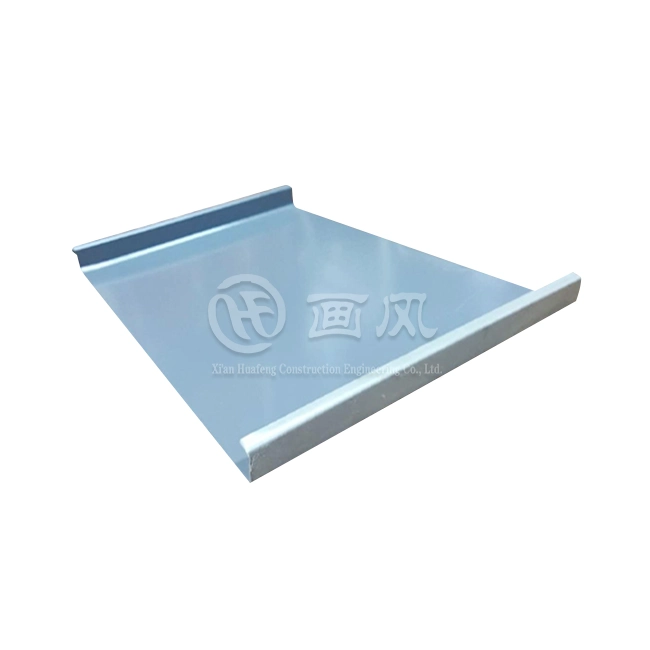
Zinc flat lock panels made from a titanium-zinc alloy (99.995% zinc plus trace titanium and copper) act differently than steel that has been painted or aluminum that has been anodized. The alloy has a tensile strength of more than 150 N/mm², but its thermal expansion coefficient is only about 0.022 mm/m/°C, which is about twice that of steel. Each panel face, which is usually 200–600 mm wide and comes in rectangle, rhombus, trapezoid, or hexagon shapes, has to allow for movement in size through its four hemmed sides instead of set fasteners. This mechanical flexibility is both the system's best feature and its most difficult to maintain trait.
The coating isn't just physical wear; it's chemical wear. Wet-dry cycling slowly changes the zinc surface that is visible into a thick layer of zinc hydroxycarbonate, which lowers rust rates over decades. If you remove that layer by rough cleaning, copper elements running off with incompatible substances, or pooled water, the process goes backward and the surface recedes faster. Every decision about maintenance after this is affected by how well you understand this chemistry.
Common Issues With Zinc Flat Lock Panels and How to Identify Them
Recognizing Early-Stage Degradation Before It Escalates
Zinc cladding breaks down in a few different ways in different climates in Europe and North America. Finding them early keeps panel repair costs from going over the budget for the original installation.
- White staining (zinc hydroxide bloom): Even white deposits on panel faces mean that water is trapped behind the skin. This is usually because the drainage gap is blocked or there isn't a layer of air that can breathe. If you don't do anything about it, the bloom stops the natural tarnish from forming and builds up toxic salts on the panel's surface.
- Edge corrosion at lock hems: When galvanic coupling happens, the most corrosion-prone area is the folded hem, where the panel thickness is twice. Dezincification happens quickly when it comes into direct touch with copper, mild steel fasteners, or copper-contaminated water. Check the sides of locks once a year with a 10x loupe in seaside or industrial areas that are open to the elements.
- Oil-canning and panel bow: Waviness that can be seen on the faces of panels could mean that the substrate isn't flat or that there is thermal restraint from a hidden clip that has seized. Titanium slows down thermal deformation, but it doesn't stop it completely. This means that panels thinner than 0.8 mm on faces wider than 500 mm are more likely to break when clips corrode and stop allowing them to slip.
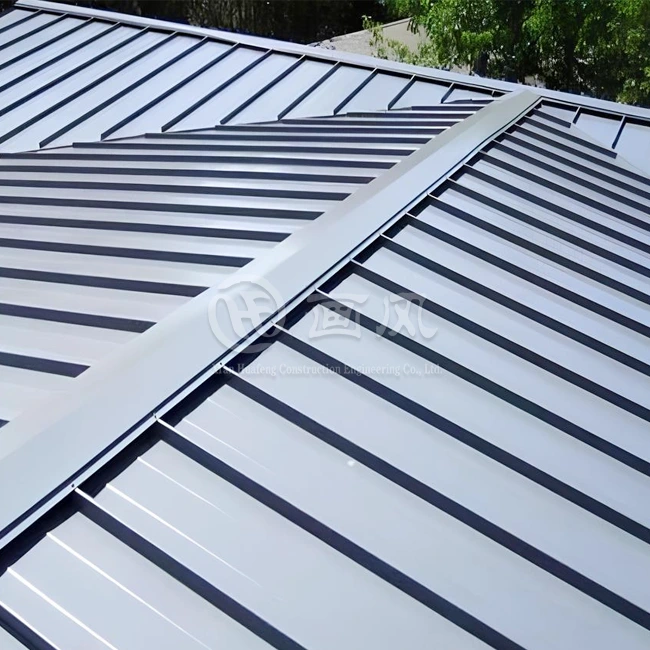
- Joint separation and water ingress: Flat-lock seams don't use sealant, but instead use mechanical interlock. Capillary water entry is likely at slopes below 45° if the hem contact depth falls below about 20 mm because of panel creep or ground movement.
All of these warning signs together mean that the regular check processes for zinc flat lock panels need to be tightened, not that the material has failed. If you catch them in the first stage, you won't have to fix the structure in the third stage.
Proven Maintenance Practices for Zinc Flat Lock Panels
Building a Practical Inspection and Cleaning Schedule
A well-organized maintenance program makes panels last longer and keeps them looking the way architects want them to. Here are some of the most common things that skilled wall builders do:
- Annual visual inspection: walk carefully up and down each level. Use photographic records to keep track of patina uniformity, staining patterns, hem condition, and clip exposure. Mark any place that doesn't look like it has an air gap behind the panel system.
- Biannual cleaning with pH-neutral agents: Only use pH-neutral, non-abrasive cleaners that are sprayed with soft brushes or low-pressure water (below 50 bar). Do not use alkaline cleansers because they remove the hydroxycarbonate patina layer and let aggressive re-oxidation processes hit new zinc.
- Fastener and clip audit every three years: In coastal areas, Grade 316 stainless steel hidden clips should not show any red rust bleed. Any clip with surface pitting should be replaced before it seizes. This stops thermal slip, which leads to panel buckling.
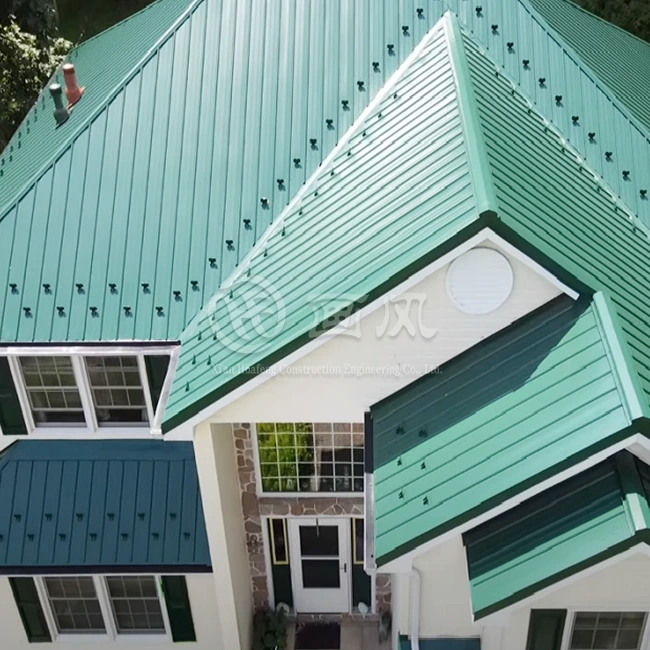
- Drainage gap verification after heavy weather events: clean out air channels right away after storms. You have to have the vented space behind the zinc flat lock panels; it keeps the back face dry and stops the white-staining cycle we talked about above.
These steps can be done over and over again by any qualified facade subcontractor using standard tools. Including them in the project handover paperwork makes sure that installation teams and building management can keep working together.
Comparing Zinc Flat Lock Panels Maintenance With Other Metal Cladding Options
When looking at the total cost of ownership of different metal cladding systems, purchasing managers often want to know how the upkeep of zinc flat lock panels, copper, and aluminum claddings differs.
Copper also gets a patina through a carbonate process, but it takes 10–20 years for the process to become stable in most temperatures, and copper runoff actively corrodes zinc elements next to it, which makes mixed-material surfaces harder to build. The anodized or PVDF covering on aluminum siding is the only thing that keeps it from rusting. Once that coating is broken, corrosion moves forward without being able to fix itself. Zinc is unique because it has a hydroxycarbonate layer that can fix itself. Small scratches disappear chemically after two to three wet-dry cycles without any help.
Over the course of 50 years, zinc flat lock tile systems usually need less active upkeep than painted aluminum and no chemical treatment cycles at all. This is in contrast to weathering steel, which needs to be checked for pack rust at overlapped elements on a regular basis. Reputable manufacturers offer a 30-year warranty, which is based on the material's natural durability and not an exaggerated sales claim.
Partnering With Reliable Suppliers for Maintenance Support
What to Require From a Zinc Flat Lock Panel Manufacturer
When organizing facade jobs over a number of years, the skill of the supplier is just as important as the specification of the materials. If a maker can't provide matched new zinc flat lock panels five years after the installation, it costs a lot for subcontractors and their clients to fix the problems.
HF (Xi'an Huafeng Construction Engineering Co., Ltd.) has three factories that make titanium-zinc flat lock panels in shapes like rectangles, rhombuses, trapezoids, and hexagons. Each factory has seven production lines and more than 40 specialized machines. Thicknesses range from 0.7 mm to 1 mm, and panel widths can be changed from 200 mm to 600 mm to fit the shape of the project. It works with RAL colors and custom colors that are matched to the project. The compliance documentation covers ASTM, DIN, JIS, BS, and GB/T standards, which is important for projects that need EN-aligned certification packages.
With a shipping window of 15–20 days and the ability to supply 1,000 tons per month, HF can handle both large-scale purchases and the smaller restocking runs that are needed for upkeep contracts. Our products come with a 30-year guarantee that is backed by ISO 9001 and ISO 14001 certification. The company also has a first-level curtain wall building qualification that is recognized in Shaanxi Province, China. The MOQ of 500 m²/3T is set up so that it can be used for project-level purchases instead of warehouse-scale ones.
Conclusion
Zinc flat lock panels cladding systems are precise because of chemistry, mathematics, and clever mechanical design. But they will only pay for themselves if they are kept with the same level of accuracy. The most important parts of any maintenance program are annual checks, cleaning with pH-neutral solutions, audits of stainless steel tools, and clear drainage paths. When backed by a source that can deliver matched new panels on demand, the system's material lifespan of 80–100 years is no longer just an idea; it becomes a real possibility. For procurement managers and wall workers, managing project risk comes down to how long the materials last and how reliable the suppliers are.
FAQ
1. How often should zinc flat lock panels be professionally inspected?
In most climates, visual inspections of zinc flat lock panels should be done once a year. In seaside areas, industrial areas, or places with a lot of air pollution, inspections should be done twice a year instead of once. Take a picture of each check to keep track of how the color changes over time and find small problems before they spread.
2. What cleaning products are safe to use on zinc cladding?
Only use liquid cleaners that are pH-neutral and won't scratch when you use soft bristle brushes or low-pressure rinsing. The hydroxycarbonate patina layer is hurt by alkaline cleaners, bleach-based products, and rough pads. Do not wash clothes under high pressure above 50 bar, as this can open seam hems automatically.
3. Does galvanic corrosion affect zinc panels near other metals?
Yes. Zinc shouldn't come into close touch with copper or get wet from copper surfaces. Clips and screws must be made of stainless steel Grade 316. EPDM or neoprene separation strips must be used to keep any kind of mild steel away from the zinc skin, even frames that aren't treated.
4. Are replacement panels available for ongoing maintenance contracts?
Manufacturers with a good reputation keep records of the shapes and colors they make for each customer. HF can handle orders for more panels, and its delivery window of 15–20 days allows for flexible repair plans to be made without exposing the building for too long.
Partner With HF for Your Next Zinc Facade Project
As a trusted manufacturer of zinc flat lock panels, HF offers precision-made panels in rectangle, rhombus, trapezoid, and hexagon shapes. These panels can match any RAL color and are compliant with multiple standards. Our team can help you with technical documentation, sample planning, and flexible batch sizes, whether you are in charge of a planned repair replenishment or designing a new business facade. To talk about your project needs, email us at huafeng@hfmetalroof.com or visit hfmetalroof.com.
References
1. Zinc in Construction — International Zinc Association, 2021.
2. Architectural Sheet Metal Manual — Sheet Metal and Air Conditioning Contractors' National Association (SMACNA), 8th Edition, 2012.
3. EN 988: Zinc and Zinc Alloys — Specification for Rolled Flat Products for Building — European Committee for Standardization (CEN), 1996 (reaffirmed 2014).
4. Metal Cladding Systems: Design and Performance — Building Research Establishment (BRE), 2019.
5. Corrosion of Metals in the Atmosphere — ASTM International STP 435, 2018.
6. Facade Maintenance Planning for Metal Panel Systems — Journal of Facade Design and Engineering, Volume 7, 2020.





YOU MAY LIKE
_1769761215912.webp "Ventilation noise reduction net")