Black Metal Standing Seam Roofing: 5 Benefits for Modern Projects
2026-09-22 21:22:42
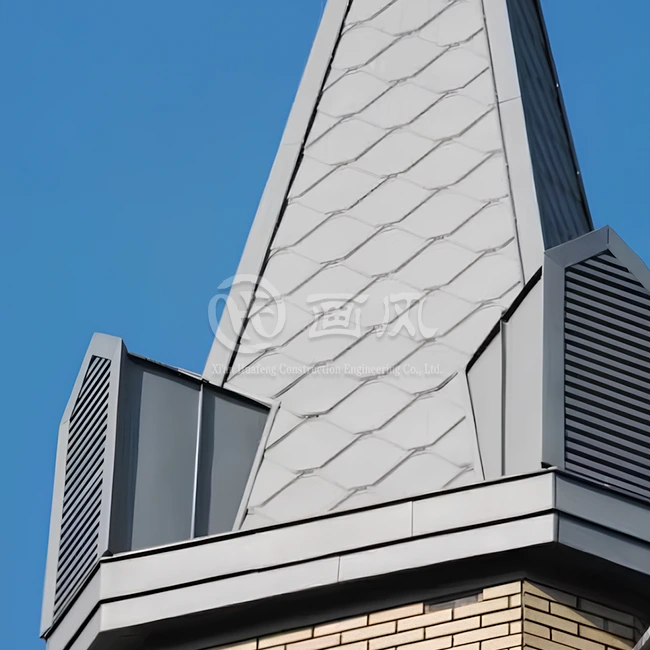
When custom home builders and design-build firms look for a roofing system that elevates a project's architectural identity while delivering decades of reliable performance, black metal standing seam roofing consistently rises to the top of the shortlist. This concealed-fastener system combines raised interlocking seams with a high-performance matte or gloss black finish, making it the defining material choice for contemporary luxury residential and commercial projects across North America and Australia. From long-term weather resistance to design versatility, the benefits are concrete — and measurable.

What Is Black Metal Standing Seam Roofing?
The Core System Explained
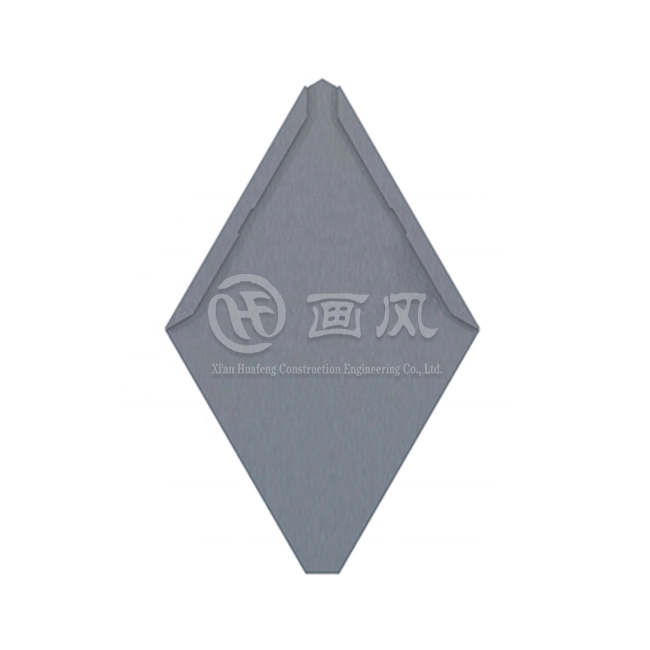
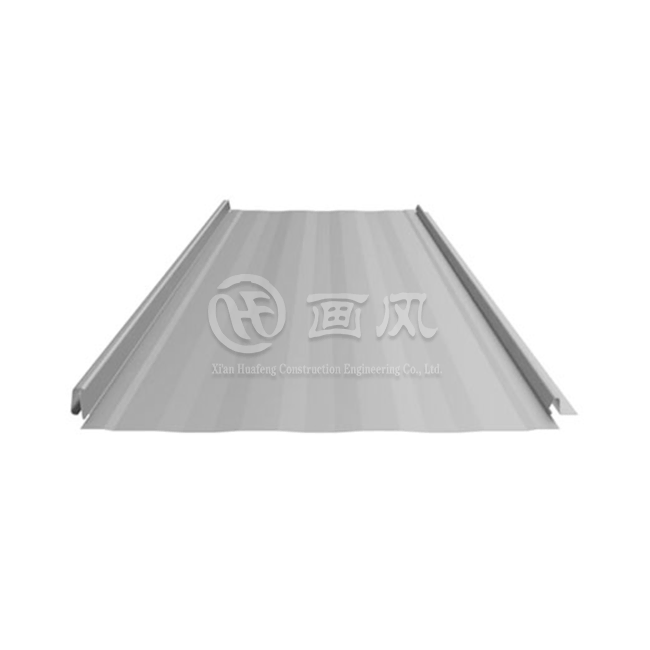
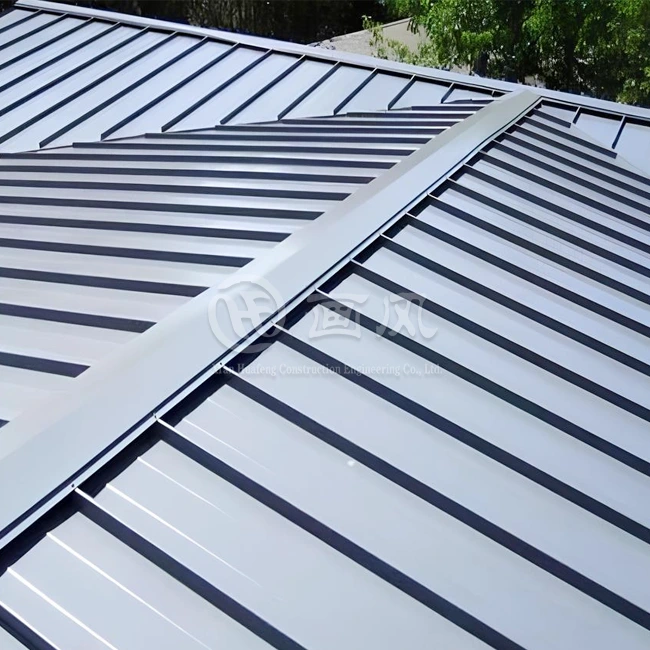
As the name suggests, a standing seam metal roof has seams that are raised vertically. These seams connect panels above the roof line and hide any fasteners that are below the surface. Not only does this hidden-clip system look good, but it also lets each panel expand and contract on its own during thermal cycles. This is especially helpful for panels with a dark finish that soak up more sunlight. Without these drifting clips, panels would bend, twist, or get stress cracks over time.
Polyvinylidene Fluoride (PVDF) coating gives the panels their black colour. This is the same resin technology that is used in aerospace and industry. It can have a matte or gloss black finish, even a matte charcoal or deep gloss finish. It takes less than 5 units of Delta E colour change for PVDF coats, like the normal Kynar 500®, to change colour over 30 years. In 30 years, the panel you put up today will still look pretty much the same. You can also get polyester (PE) coats if you're on a tight budget, but PVDF is still the best choice for high-end projects that need to keep their colour.
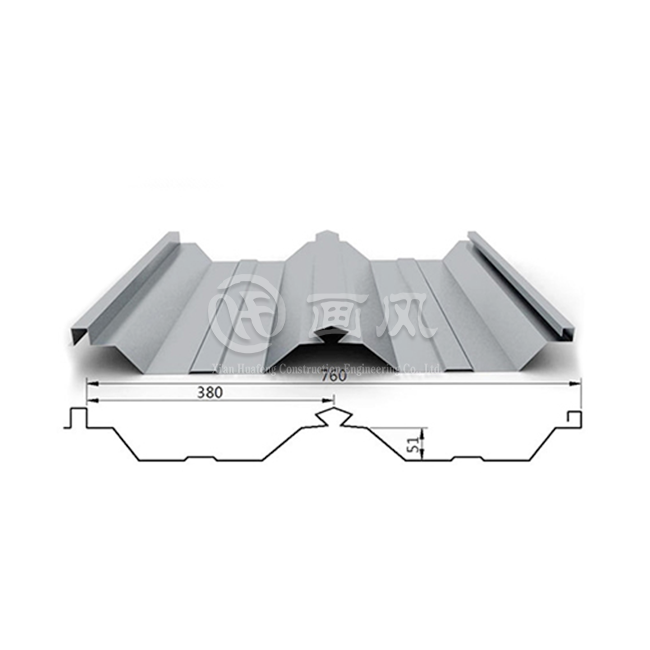
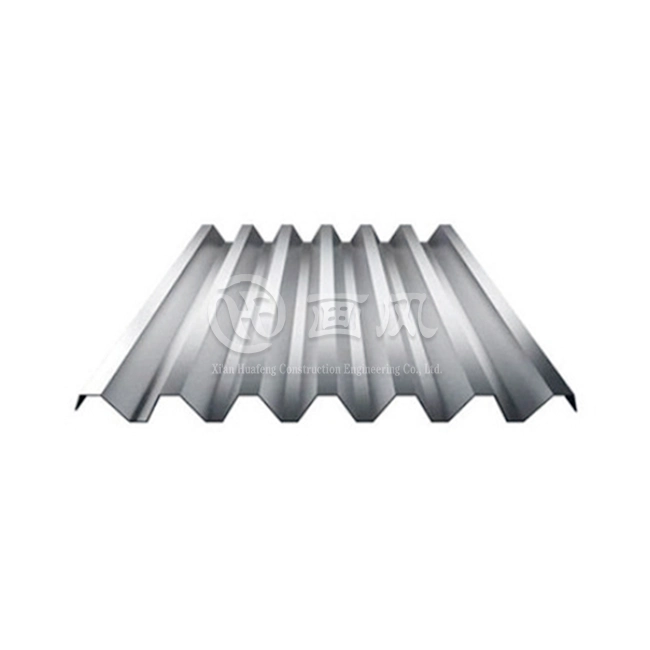
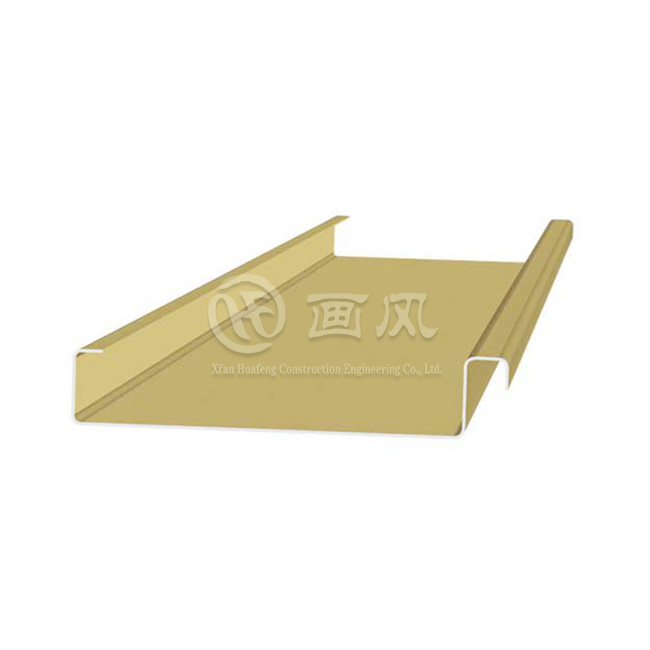
HF makes black metal standing seam roofing panels with thicknesses between 0.6 mm and 0.8 mm and in a number of different profile sizes, including 25-330/400/430, 32-410, 45-400, and 65-400/430. These profiles can hold seams with heights ranging from 25 mm to 65 mm, so architects and builders can choose the depth of look that works best for their facade language.
5 Key Benefits of Black Metal Standing Seam Roofing for Modern Projects
Black metal standing seam roofing isn't just a trend; it has real performance benefits that affect the value of a project, the quality of the build, and the long-term costs of ownership. Here are the five main perks that builders and people who make buying decisions care about the most:
- Exceptional weather and wind resistance. The raised-seam, concealed-fastener design makes a continuous waterproof shield with no visible holes. Mechanically seamed profiles are rated for HVHZ (High-Velocity Hurricane Zone) conditions. The system can handle wind lifting, driving rain, and freeze-thaw cycles without the gasket breaking down, which is a common problem with exposed-fastener options.
- Thermal performance and energy efficiency. Black metal absorbs more solar energy than white roofing, but PVDF Cool Roof technology reflects 30–40% of that energy. When combined with an attic assembly that has good ventilation, this lowers the transfer of heat to the inside of the building. This helps meet LEED and energy code requirements without sacrificing the architectural color palette.
- Decades-long service life with minimal upkeep. Standing seam metal roofing lasts much longer than asphalt shingles (15–20 years) and tile by a large amount. It comes with a 30-year promise backed by HF and is expected to last over 50 years. The hidden fastening method gets rid of the most frequent upkeep problem: screws that come loose and neoprene washers that don't work anymore.
- Architectural differentiation and design premium. Modern luxury home design is known for its striking contrast between white or light-colored facades and matte black or deep charcoal rooflines. The lack of obvious screws creates a smooth, unbroken surface that looks planned and high-end, which is a real advantage in real estate markets that are very competitive.
- Solar-ready and sustainability-aligned. For installing solar panels, HF's standing seam profiles can be used with S-5! style seam clamps that don't go through the deck. This keeps the roof's guarantee valid with no deck penetrations. When it's time to recycle, the steel substrate can be used again and again, which meets the standards for green building approval.
All of these benefits add up to a roofing investment that pays off in lower maintenance costs, higher property values, and better project differentiation. These are all results that matter directly to custom builders competing in the high-end market.
Black Metal Standing Seam Roofing vs. Alternative Roofing Solutions
How It Compares Against Common Alternatives
Asphalt shingles are still the most common type of residential roofing material in the U.S., but they need to be replaced every 15–20 years, don't resist wind uplift very well, and can't match the architectural precision of a standing seam profile. When it comes to weight, black metal standing seam roofing beats tile roofing hands down. Steel panels are much lighter per square foot, which means they require less structure load. When used on metal panels with exposed fasteners, standing seam gets rid of the two most common places where things go wrong: fastener corrosion and gasket shrinkage.
Copper standing seam might be its closest rival in the high-end market, but it costs a lot more to buy and its patina changes, which can be nice in some design situations, can't be planned or managed like a PVDF black finish can. A precision-coated steel or aluminum standing seam panel from a vertically integrated manufacturer is the better choice for builders who need color stability from batch to batch across multiple lots or stages.
Procurement Guide: What to Evaluate Before You Order
Specifications, MOQ, and Lead Times
To get a large amount of a high-quality black metal standing seam roofing material, you need to be clear on a few procurement factors before the project moves on to the building document step. HF's panels can be shipped in 15–20 days, and there is a minimum order size of 500 square meters or 1 metric ton. This means that both custom builders working on a single project and developers working on multiple lots can meet this requirement.
The three factories that make up HF can make up to 1,000 tonnes of goods every month. These factories have more than 40 tools and seven production lines. This gives bigger design-build companies the reliability they need for large projects. Everything about the panels is up to code with ASTM, DIN, JIS, BS, and GB/T, so they can all be used on projects in other countries without any extra paperwork.
Before you buy from a supplier, make sure you know the following: the type of coating (PVDF vs. PE), how to keep track of individual coil batches to make sure colours stay the same, whether the profile works with your clip and substrate system, and whether the warranty covers both film integrity and substrate corrosion.
Installation and Maintenance Best Practices
Protecting Your Investment Over the Long Term
A flat deck is the first step in a proper installation. Because black is the worst finish for showing oil canning, which is the noticeable wavering in light-gauge cold-formed metal, base planarity must be checked before the panel is installed. If you choose a striated or ribbed panel shape from HF's selection, this effect is less noticeable without affecting the structure's performance.
Wind uplift resistance for black metal standing seam roofing is driven by clip spacing. In areas with a lot of wind or near the coast, moving the clip intervals closer together instead of farther apart raises the negative pressure capacity in line with UL 580 or FM 4471 test procedures. Every year, the seams should be checked for integrity, the clips should be engaged, and the sealant should be checked at penetrations and transitions. The only care that PVDF-coated panels need is to be washed with a mild cleanser every so often. This keeps the finish quality high throughout the panel's useful life.
Conclusion
When it comes to roofing, black metal standing seam roofing is one of a kind because it meets the needs of architects, builders, and property owners who are looking to make money. This system is designed for projects where quality is the norm, not the goal. It has hidden fasteners, PVDF color permanence, thermal expansion accommodation, and a 30-year guarantee floor. These panels are made by HF to meet ASTM, DIN, JIS, BS, and GB/T standards in three dedicated factories. They have a steady supply capacity and verified batch color control, which is what high-end builders need to be sure of before choosing a material for multiple projects.
FAQ
1. How long will the black finish last before fading?
Standard AAMA 2605 tests show that PVDF-coated black metal standing seam roofing panels keep their Delta E color shift to less than 5 units for 30 years. HF's panels come with a 30-year guarantee that covers both the film's integrity and the safety of the substrate. Polyester (PE) coats don't last as long; always choose PVDF for matte or gloss black roofs where color stability is important for design reasons.
2. What causes oil canning, and can it be prevented?
This is a feature of light-gauge metal, not a mistake in the way it was made. This is because panels that have been cold-formed still have force in them. Choose panel shapes with striated or ribbed ends, make sure the deck is flat before putting the panels down, and pick panels with smaller widths if you can to lessen the effect. These ways to lower risk can be used with all of HF's types.
3. Can these panels support solar panel installation?
Yes, HF's standing seam profiles work with non-penetrating seam clamps (S-5! compatible), which means you can attach solar panels without drilling through the roof membrane. This method protects both the roof's protection and its promise at the same time.
4. What is the minimum order quantity?
HF requires a minimum order size of 500 square meters, which is equal to 1 metric ton. Delivery usually takes 15–20 days. Customized profiles and colors are possible; talk to HF directly about your project's needs.
Request a Sample or Project Quote — HF Black Metal Standing Seam Roofing Manufacturer
HF brings together three factories, seven production lines, and 30-year warranty-backed quality into every panel we ship. Whether you are specifying a single custom residence or sourcing across a development portfolio, our team supports you from profile selection through delivery. Reach us at huafeng@hfmetalroof.com or visit hfmetalroof.com to request black metal standing seam roofing samples, review technical data sheets, or initiate a project quotation.
References
1. Metal Construction Association. MCA Guide to Metal Roofing. Metal Construction Association, 2019.
2. American Institute of Architects. Architectural Metal Handbook. AIA Press, 2020.
3. ASTM International. ASTM E1646: Standard Test Method for Water Penetration of Exterior Metal Roof Panel Systems. ASTM International, 2018.
4. Cool Roof Rating Council. CRRC Rated Products Directory and Technical Bulletin on PVDF Coatings. CRRC, 2021.
5. National Roofing Contractors Association. The NRCA Roofing Manual: Metal Panel and SPF Roof Systems. NRCA, 2022.
6. Sherwin-Williams Coil Coatings. PVDF Performance Data for Architectural Metal Coatings. Sherwin-Williams, 2020.





YOU MAY LIKE
_1783936484206.webp "Inside locking metal aluminum cladding panel")