Zinc Flat Lock Panels: A Guide to Durable Metal Siding
2026-09-21 19:02:41
If you've been specifying or sourcing architectural metal cladding, you already know how unforgiving a bad material decision can be—on budget, on timeline, and on the finished facade. Zinc flat lock panels have earned consistent favor among European facade contractors and North American commercial architects precisely because they resolve the tension between visual precision and long-term structural reliability. This guide walks through what makes these panels technically distinct, how to install and maintain them correctly, and what procurement professionals need to verify before placing an order.

Understanding Zinc Flat Lock Panels: Features and Benefits
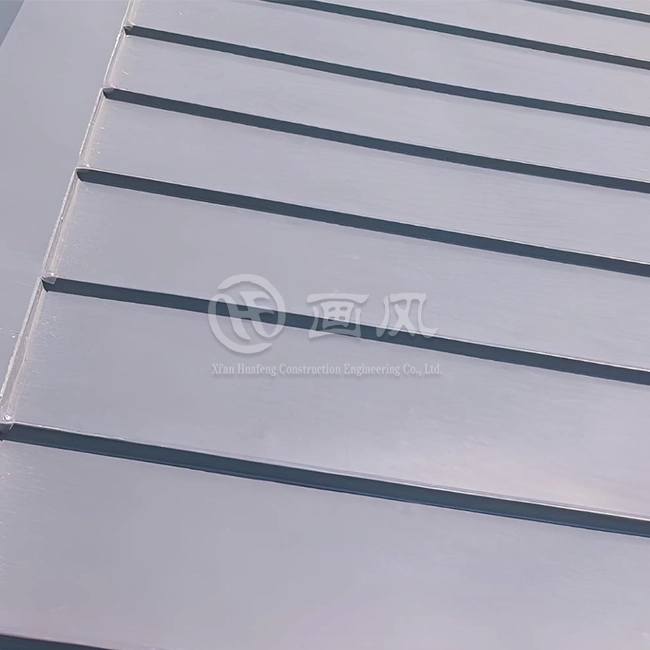
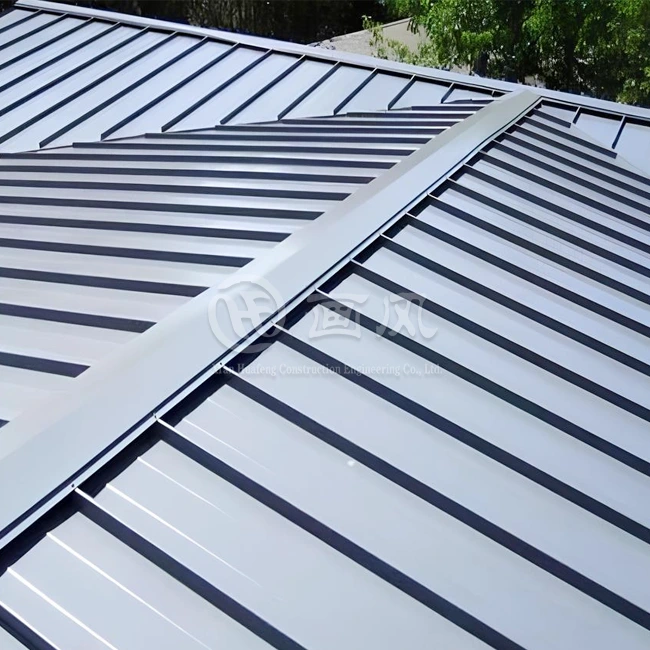
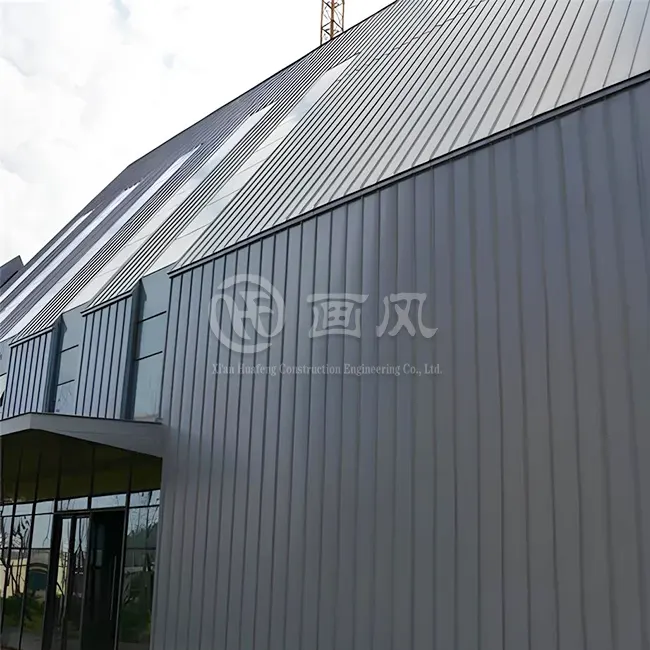
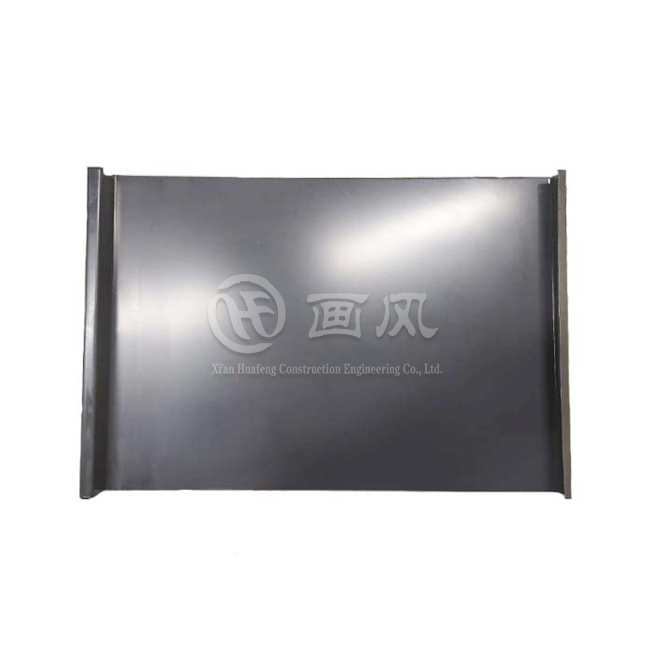
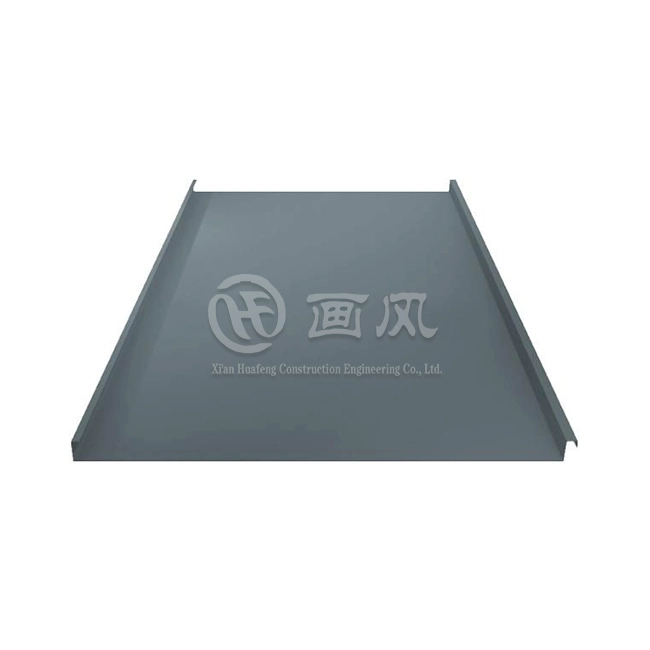
Titanium-zinc zinc flat lock panels are made from a very pure alloy that is 99.995% zinc with small amounts of titanium and copper. This alloy has a tensile strength of over 150 N/mm² but is still very easy to shape. The four-sided hemmed lock mechanism hides all the fasteners, leaving a smooth, tessellated surface with no visible fasteners. The system comes in different shapes, including rectangles, rhombuses, trapezoids, and hexagons. It can be used on complex curved facades where long-tray standing seam profiles would not keep water out.
Material Composition and Surface Chemistry
The titanium in the alloy stops thermal creep and lowers the thermal expansion coefficient compared to zinc that isn't alloyed. This keeps joint stress low even when temperatures change a lot. After being put down, the surface changes through wet-dry cycling into a stable zinc hydroxy-carbonate patina. This is a natural layer that stops oxidation from happening again. This self-healing feature means that small scratches on the surface go away on their own. This helps the product last 80–100 years in normal, non-aggressive settings, even though most manufacturers only offer a 30-year warranty.
Customization Scope and Finish Options
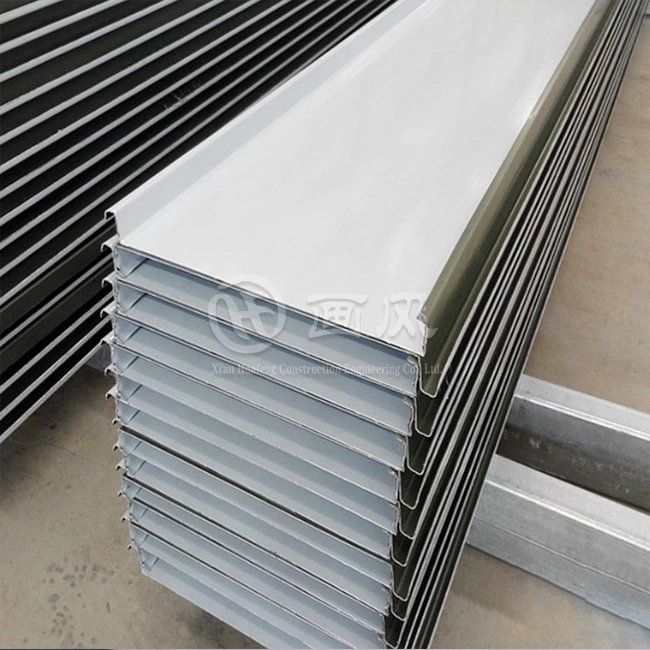
The thickest panels are 0.8 mm thick, but they can be as thin as 0.7 mm or as thick as 1 mm. The width can be changed to fit project plans and ranges from 200 mm to 600 mm. Surface finishes include natural mill-finish zinc gray, blue-gray that has already been weathered, anthracite that has already been oxidized, and a full RAL color coating. This gives architects complete control over how the metal looks without sacrificing its natural resistance to corrosion.
These technical features put titanium-zinc cladding in a group of non-ferrous metals that are hard to beat when it comes to durability, design flexibility, and environmental friendliness. Panels meet ASTM, DIN, JIS, BS, and GB/T standards, so they can be used in projects all over North America and Europe without needing to be tested further.
Installation and Maintenance Best Practices
Whether the system works as expected or becomes a problem depends on how well it was installed. Zinc is delicate below 7°C (45°F), so all seaming and folding must be done in a hot area or after the material has been warmed up to avoid tiny cracks appearing at the hem lines. The base has to be flat within very small ranges of error; any variation causes oil-canning, which is a wave-like pattern on the panel face that can't be fixed after installation.
Critical Installation Steps
The hidden stainless steel clip system that holds each panel in place needs to be set up in a way that lets heat move. Clips hold the hemmed ends in place without being too tight, letting the metal naturally expand and contract. Behind the zinc flat lock panels, there must be a vented air gap or a structured mesh underlayment that can drain. Zinc can get white-rust on the bottom if water gets stuck against the base.
Maintenance Protocol Over the Service Cycle
Routine maintenance is really not that important. A visible review once a year to make sure the clips are engaged and the hem is intact, along with a low-pressure rinse to get rid of any dirt or debris that has built up in the lock channels, is usually all that needs to be done. Stay away from copper elements and water that runs off of copper roofs. The galvanic connection between zinc and copper speeds up rusting by a noticeable amount. Throughout the assembly, only use screws made of stainless steel.
Panels that are kept within these limits keep their protective patina and shape for decades, which means that the cost-per-year over their lifetime is much lower than for painted steel or anodized aluminum alternatives.
Comparing Zinc Flat Lock Panels with Other Metal Siding Solutions
Teams that buy facades often compare zinc flat lock panels to copper cladding, standing seam aluminum, and fiber cement composites. Each material has different pros and cons when it comes to cost, weight, how easy it is to install, and its environmental impact.
Here's how the main materials compare in the ways that wall suppliers care about the most:
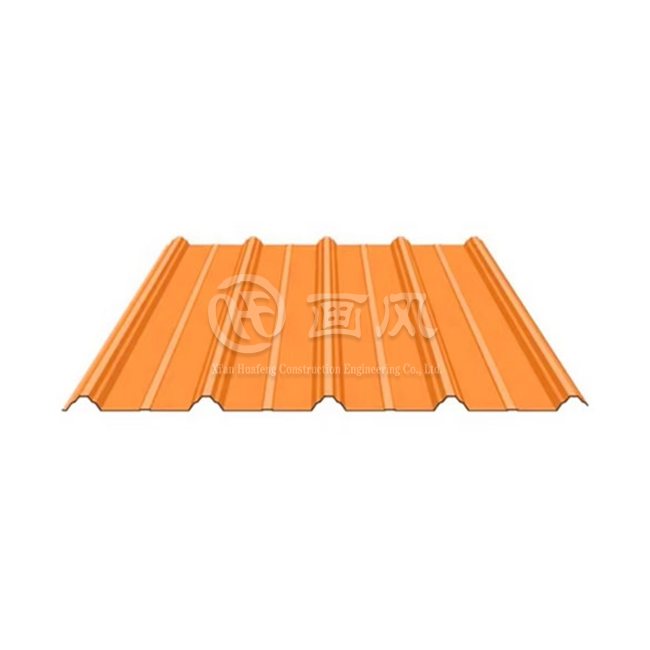
- Versus standing seam aluminum: Standing seam profiles need long, continuous trays that make it hard to change the shape of the metal. If you keep your zinc flat lock panels under 600 mm × 600 mm, they don't let oil leak and can be used on double-curved surfaces with a smaller radius. The anodized surface of aluminum can break down in salt spray settings along the coast in 20 to 30 years, but the zinc patina can actively grow back.
- Versus copper: Copper lasts about as long and has a living patina as steel, but it costs a lot more per square meter and can cause galvanic corrosion in zinc or steel that is close by. Zinc is the lighter option—about 6.6 to 7.5 kg/m² at 0.7 to 0.8 mm—which makes a big difference in lowering secondary structural loads on high-rise walls.
- Versus fiber cement composite: Fiber cement composite is cheaper than mechanically linked metal systems, but it can't withstand wind uplift as well. It also doesn't qualify for the same green certification points under BREEAM or LEED.
When a project plan lists material performance limits, these differences are important. Zinc's Class A1 non-combustible grade (DIN 4102) and ability to meet ASTM E330 wind pressure standards put it at the top of the list for high-end business and institutional facades.
Procurement Guide for B2B Buyers
When you need to buy 500 m² or more of architectural metalwork for a facade project, you need to find a seller whose production plan works with yours and whose quality paperwork can stand up to the review of your design team.
Key verification points before committing to a supplier:
- Certifications: Check that the material compliance papers fit the standard (ASTM, DIN, or EN 988) and that the quality management system (ISO 9001) and the environmental management system (ISO 14001) are both in order.
- Sample and prototyping capability: Ask for pre-production samples that are matched to the project's RAL color and panel shape. If a seller has their own tools, they can make models more quickly and keep the drawings secret under an NDA.
- Lead time and production capacity: If you have a project with a tight deadline, make sure that the supplier can handle the volume you need each month. A factory that makes 1,000 tons of goods a month on multiple lines can handle schedule changes without affecting the consistency of the batches.
- Warranty documentation: Procurement managers and project owners need legal reassurance, which can be found in a 30-year written promise backed by certificates of tracked materials.
- Delivery window: A normal delivery window of 15 to 20 days keeps project operations smooth and lowers the chance of expensive program delays on facade packages.
Engaging a manufacturer early in the design development phase—before specifications are locked—opens the door to geometry optimization, panel layout efficiency, and cost savings that post-tender engagement cannot recover.
Future Trends and Environmental Impact
The market for building metals is clearly shifting toward materials that can be checked to show they are good for the environment. zinc flat lock panels fit with this trend because they can be recycled over and over again without losing any of its quality, and it lasts a long time, so it needs to be replaced less often over the course of a building's lifetime. BREEAM and LEED both give points for using reusable and low-maintenance building materials, and titanium-zinc siding can be used in more than one category.
Emerging developments in pre-weathered and factory-applied patina finishes let builders choose the aged look from the start, skipping the time of transitional appearance that some clients don't like. New covering technologies are also making things less likely to rust in industrial and seaside areas where there is a lot of sulfur or salt in the air. As building codes in North America become more like energy and sustainability standards in Europe, zinc facade systems are being specified more and more in the commercial sector in the U.S.
Conclusion
Titanium-zinc interlocked coating is one of the few things that combines environmental responsibility, precise architecture, and long-lasting structure. The material's self-healing patina, Class A fire rating, ability to conform to many international standards, and ability to shape itself to complex shapes make it a good choice for high-end commercial architects and facade subcontractors. When paired with a supplier that can provide stable quality, variable batch sizes, and quick technical support, zinc flat lock panels are a long-term investment in the performance of a facade that more than covers the cost of the materials themselves.
FAQ
1. Can zinc flat lock panels be installed on low-slope applications?
The best practice in the industry is to place it vertically or with a steep pitch (above 25° slope, ideally above 45°) so that water runs off quickly and doesn't get in through the lock joints. This system is not good for applications that are horizontal or almost flat.
2. What panel sizes are available, and can they be customized?
The standard sizes are 200 mm to 600 mm, and the length is chosen based on the job. It can handle rectangular, rhombus, triangular, and hexagonal forms. If you buy at least 500 m² or 3 tons, you can get custom sizes.
3. How is oil-canning controlled?
Keeping the face measurements of each panel below 600 mm × 600 mm, stating 0.8 mm gage, and making sure the substrate is perfectly flat all work together to lower the risk of oil-canning.
4. What is the minimum order quantity?
As a general rule, it takes 15–20 days to make and deliver 500 m², which is 3 tons.
5. Are compliance documents available for European and North American projects?
Yes, material certificates that cover ASTM, DIN, JIS, BS, and GB/T standards are sent with every order to help design teams with their requests for EN 988 compliance paperwork.
Partner with HF for Your Next Zinc Flat Lock Panel Project
HF (Xi'an Huafeng Construction Engineering Co., Ltd.) has three factories, seven production lines, and more than 40 machines. They sell 1,000 tons of goods every month and offer a 30-year warranty. HF is a reliable company that makes zinc flat lock panels. They offer project-matched batch sizes, NDA-protected drawing help, and lead times of 15–20 days. To get examples or a technical advice, email the team at huafeng@hfmetalroof.com or go to hfmetalroof.com.
References
1. Copper Development Association & Zinc Information Centre. Architectural Metals: Properties and Applications in Building Envelopes. Construction Industry Publications, 2019.
2. American Institute of Architects. Architectural Graphic Standards, 12th ed. John Wiley & Sons, 2016.
3. Metal Construction Association. Metal Wall Systems Design Guide. MCA Technical Series, 2021.
4. U.S. Green Building Council. LEED v4.1 Reference Guide for Building Design and Construction. USGBC, 2022.
5. ASTM International. ASTM B69: Standard Specification for Rolled Zinc. ASTM, 2023.
6. BRE Global. BREEAM International New Construction Technical Standard. BRE Press, 2016.





YOU MAY LIKE