5 Reasons to Consider Trapezoidal Standing Seam Metal Roofing
2026-09-21 19:02:38
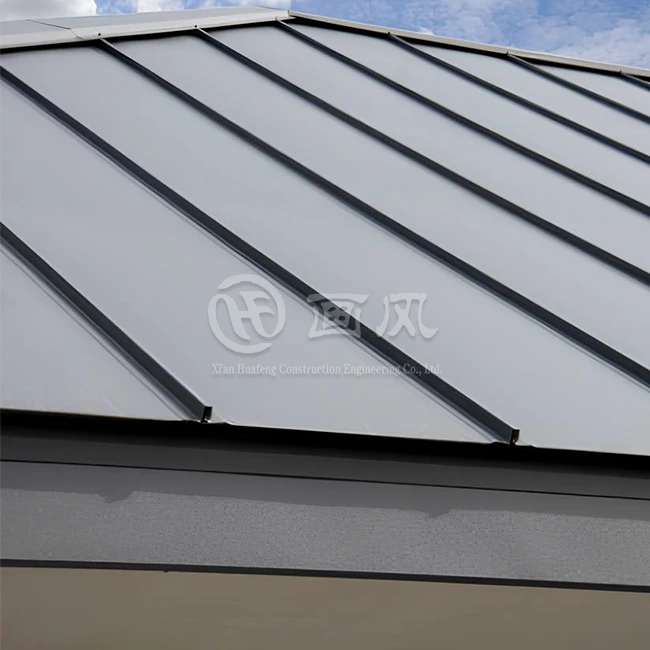
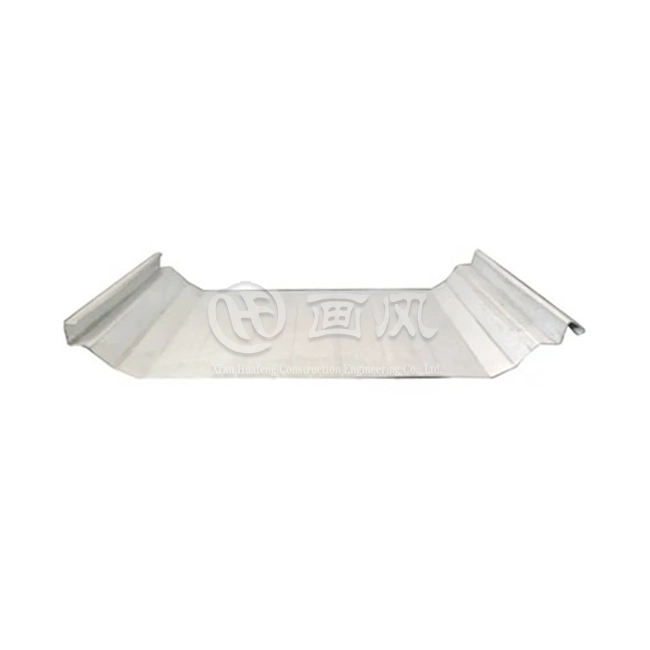
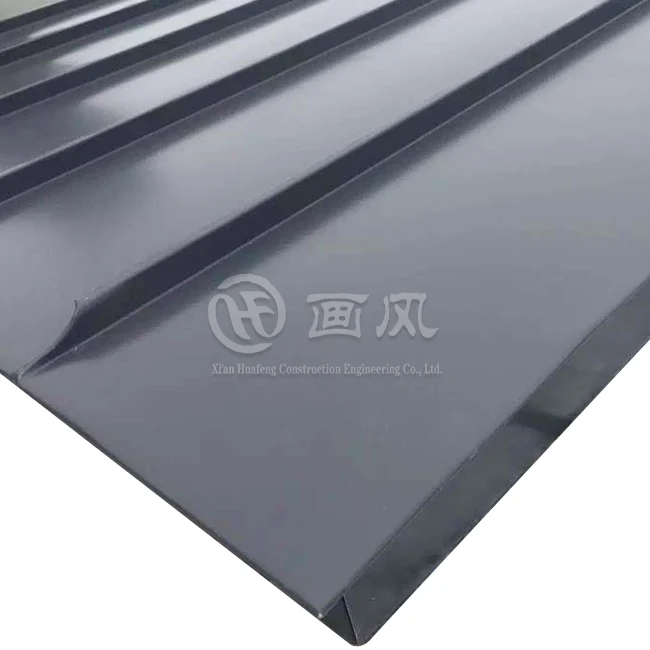
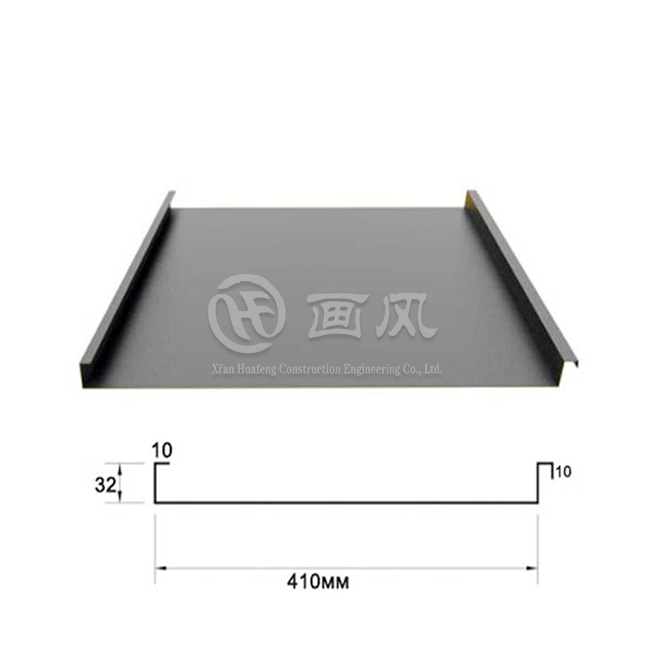
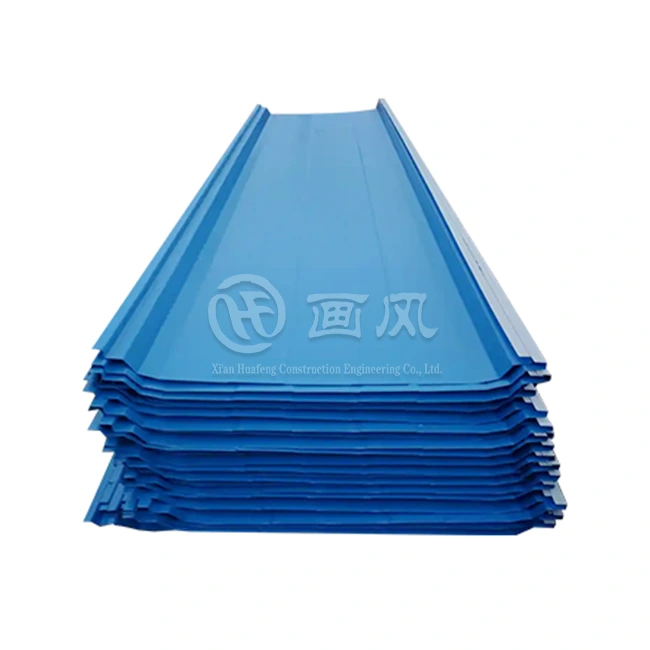
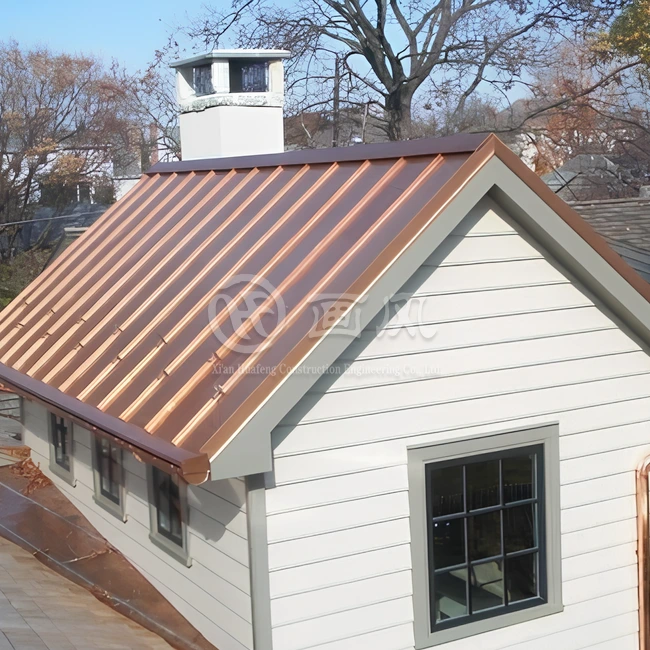
When evaluating roofing systems for large-scale industrial or commercial projects, the decision carries real financial and operational weight. Trapezoidal standing seam metal roofing has earned its place as the dominant choice across warehouses, manufacturing plants, logistics hubs, and EPC-delivered facilities worldwide. Its raised trapezoidal ribs, concealed clip fastening, and mechanically seamed joints solve the problems that conventional roofing systems consistently fail to address — from thermal movement cracking to wind uplift failure on wide-span structures. Whether you are procuring for a single facility or managing a multi-site rollout, here are five reasons this system deserves serious consideration.

Reason 1: Exceptional Durability and Longevity
Built to Outlast the Building Envelope
Metal roofing with a trapezoidal rib shape has better structural performance than flat seam or snap-lock options when it comes to large roofs. Being shaped in this way makes it continuously stiffer; the higher rib raises the section modulus of each panel, which lets it span greater purlin spacings—often between 1.5 m and 2.5 m—without needing a solid base below. This directly lowers the amount of steel structure that needs to be used, which lowers the cost of the whole job.
Galvalume-coated steel frames (AZ150 per ASTM A792) and PVDF topcoats don't break down when exposed to UV light, air that is high in salt, or changes in temperature over many years of use. Tests done by a third party using ASTM E1592 confirm that mechanically seamed trapezoidal panels can withstand wind uplift pressures that are much higher than what most industrial regions need. The Metal Construction Association says that metal roofing systems that are put correctly usually last more than 40 years. This is a lifetime result that asphalt or fiber-cement options can't even come close to.
Our trapezoidal standing seam metal roofing panels at Xi'an Huafeng Construction Engineering Co., Ltd. (HF) come with a 30-year warranty and can be made from Galvalume steel or aluminum, with the option of a PE or PVDF coating. They are designed to work in a wide range of project environments, from humid tropical climates to high-wind coastal zones.
Reason 2: Superior Energy Efficiency and Environmental Benefits
Reducing Cooling Loads Without Compromising Structural Performance
When dark or low-reflectivity materials are used to cover factory roofs that are 20,000 square meters or more, they let a lot of heat in. Cool-roof PVDF coatings for trapezoidal standing seam metal roofing panels reflect a lot of solar radiation, which lowers the temperature of the attic and building air and directly lowers the cost of mechanical cooling.
The hidden clip design not only makes the panels reflect light, but it also lets hard insulation boards be seamlessly integrated between the panel and the purlin. This way, there is continuous thermal insulation without thermal bridging at the fastener points, which is a common problem with through-fastened corrugated systems. Metal roofing can be recycled, which helps buildings get LEED credits or meet regional green building standards. According to the World Steel Association, steel is the most recycled material in the world, with a recycling rate above 85%. The combination of long service life, a reusable base, and coatings that save energy makes this roof type a measurably and responsible choice for purchase, not just a marketing claim.
Reason 3: Streamlined Installation and Lower Maintenance Costs
Faster Site Execution, Fewer Callbacks
When time is tight, project managers know that installing the roof is one of the most important steps in closing the building envelope. If there are delays at this time, they could lead to later interior fit-out dates and the possibility of having to pay statutory damages. Trapezoidal standing seam metal roofing panels are cut to the right lengths at the mill by rolling them out. This keeps mistakes from happening during field cuts and lap joints. Each panel can move during thermal cycling thanks to concealed floating clips. This keeps the fastener holes from getting longer and water from getting into big buildings with screw-down metal roofs.
Here are the key installation and maintenance advantages that procurement teams consistently prioritize:
- Custom cut-to-length production: Panels made to the exact measurements of the drawing arrive at the job site ready to be installed. This cuts down on waste and labor hours for roofs bigger than 5,000 square meters.
- Concealed clip fastening: Since there are no visible screws, the washers don't wear out and there aren't any leak points that form over time, which is what usually leads to guarantee claims on traditional through-fastened systems.
- Minimal scheduled maintenance: Regular checks and cleaning up of waste are all that's needed. Since there are no visible fasteners and factory-applied sealant inside the seam cap, upkeep is much easier over a 30-year service life.
These benefits directly lead to lower total cost of ownership, which is the most important factor for project owners and asset managers to understand when deciding whether to spend money on capital. To meet the needs of project shutdown, HF helps buying teams plan phased deliveries. Lead times are usually 15–20 days, and the minimum order quantity (MOQ) is 500 m².
Reason 4: Versatile Design Styles and Customization Opportunities
Matching Technical Specifications to Project Aesthetics
Roofing is often just a functional requirement in industrial procurement, but owner-operators are asking for facilities that reflect brand standards and the local community more and more. Without affecting load speed, trapezoidal standing seam metal roofing systems can handle this.
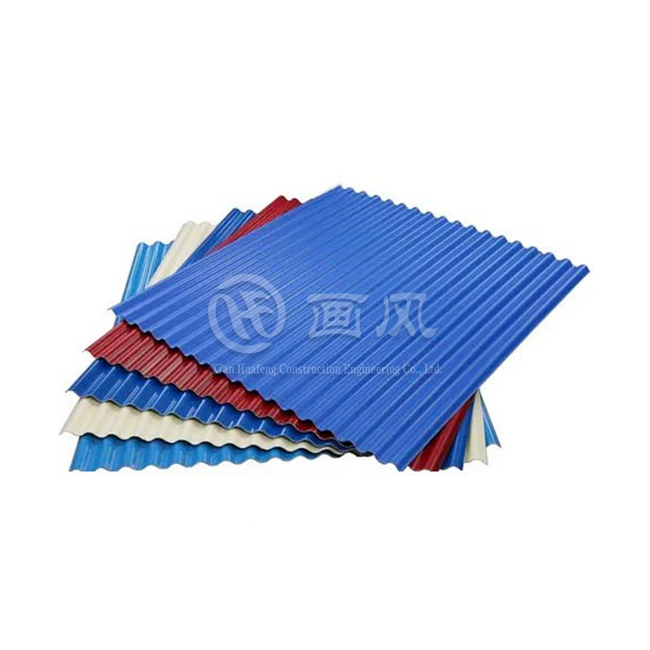
When it comes to color, pattern, and finish, HF lets you make any choice you want. You can choose between RAL color matching, mixed panel configurations, and both PE and PVDF coatings, based on the job and your budget. PVDF coatings (Kynar 500-grade chemistry) keep their color for 25 years or more in harsh UV environments, while PE coatings are a cheap option for applications that are sheltered or face the inside.
These trapezoidal rib profiles look great with modern industrial architecture because they have a cleaner line than corrugated profiles and can span wider areas. For EPC contractors who have to deal with branding requirements set by the owner, HF's customization service helps them fully follow the design documentation without having to make specification changes or value engineering sacrifices.
Reason 5: Competitive Pricing and Trusted Supplier Networks
Total Ownership Value Across Large-Scale Procurement Cycles
A well-structured purchase study has many variables, and the cost of materials per square meter is just one of them. When you look at things like energy savings, fewer upkeep needs, not having to pay for a new roof for 30 years, and guarantee coverage, trapezoidal standing seam metal roofing supplier choices with certified systems always show lower total cost than traditional options.
In Anhui, HF has factories that cover 200,000 m², and in Hangzhou and Xi'an, it has processing plants. Seven color finishing production lines and more than 40 forming machines make sure that the quality of the output and the dependability of the production schedule are maintained even when large orders are placed. Our ISO 9001 and ISO 14001 certifications, along with our more than 20 registered roofing system patents, give procurement departments and owner representatives the proof they need for audits when the project is accepted. For business-to-business purchasing teams that have to deal with multiple payment plans and phases of delivery, HF's project management help makes the whole process easier for everyone involved.
Conclusion
Trapezoidal standing seam metal roofing is specified based on how well it works structurally, how much it costs over its lifetime, and how well it can be installed. It's not just marketed in this way. Engineered stretching, hidden fastening, thermal movement accommodation, and long-warranty coating systems all work together to fix the problems that cause projects to fail and cost owners money over time. When purchasing teams look at roofs for warehouses, factories, or big businesses, this type of roof always does well in the areas that matter the most: structural compliance, schedule certainty, and total cost of ownership.
FAQ
1. What is the minimum slope for a trapezoidal standing seam roof?
Mechanically seamed trapezoidal systems with sealant applied at the mill in the female seam cap can work successfully at slopes as low as 1.5 to 2 degrees, which is about a 1:30 pitch. This means they can be used on big commercial buildings with steep roof slopes that aren't good for the building's structure.
2. Can solar panels be mounted without penetrating the roof?
Yes. Non-penetrating clamps, like S-5! bracket systems, are made for trapezoidal seam ribs and grip the raised rib without cutting through the panel. This keeps the waterproofing of the roof system and the guarantee coverage in place.
3. How does the concealed clip handle thermal expansion?
The moving clip lets each panel move along its length as the temperature changes, but it doesn't put any stress on the fastener hole. Screw-down metal roofs hold the sheet to the structure, which makes the slots get longer and lets water in. This type of failure is completely eliminated by the clip mechanism.
4. What coating option is appropriate for coastal industrial environments?
On top of an AZ150, a PVDF coating Galvalume substrate is the best choice for places with a lot of humidity, salt spray, or UV light. PE coating can be used in protected areas or remote places where UV exposure is low.
5. What documentation does HF provide for project acceptance?
HF provides test reports on materials, data on coating approval, reports on third-party quality inspections, and delivery paperwork that is organized to support project acceptance processes and owner representative sign-off needs.
Ready to Source Trapezoidal Standing Seam Metal Roofing for Your Next Project?
HF — Xi'an Huafeng Construction Engineering Co., Ltd. — is a certified trapezoidal standing seam metal roofing manufacturer with production capacity, ISO-certified quality systems, and a 30-year warranty program designed for industrial-scale procurement. With a 15–20 day lead time, 500 m² MOQ, and full customization across color, coating, and panel dimensions, HF supports project timelines and specification requirements from bid stage through site acceptance. Contact our team at huafeng@hfmetalroof.com or visit hfmetalroof.com to request a technical data sheet or project quotation.
References
1. Metal Construction Association. Metal Roofing Systems Design Manual. 2019.
2. American Iron and Steel Institute. North American Steel Framing Alliance: Technical Guide for Cold-Formed Steel Roofing Systems. 2020.
3. World Steel Association. Steel's Contribution to a Low Carbon Future and Climate Resilient Societies. 2021.
4. ASTM International. ASTM E1592: Standard Test Method for Structural Performance of Sheet Metal Roof and Siding Systems. 2022.
5. Oak Ridge National Laboratory. Thermal Performance of Metal Roof Systems with Above-Deck Insulation. Building Envelope Research Program, 2018.
6. U.S. Green Building Council. LEED v4 Reference Guide for Building Design and Construction. 2021.





YOU MAY LIKE
_1768552571575.jpg "Aluminium Fascias")