Aluminum Standing Seam Metal Should Be Your Next Roof
2026-09-20 18:26:19
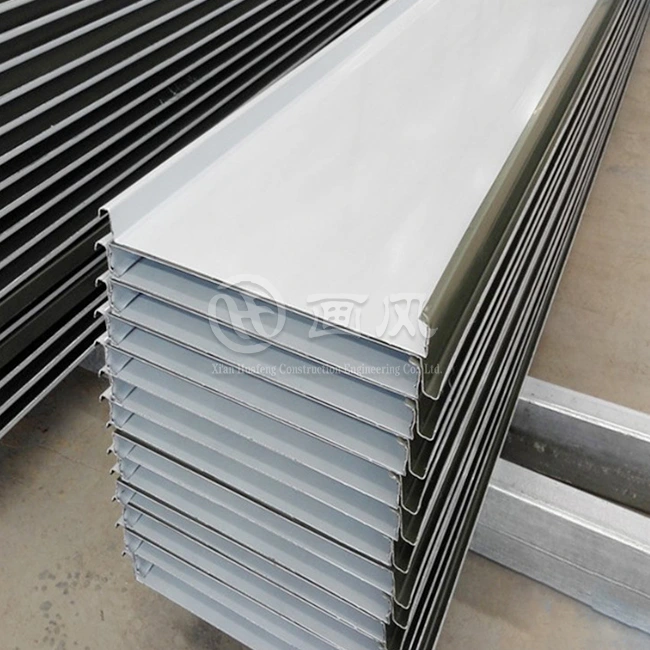
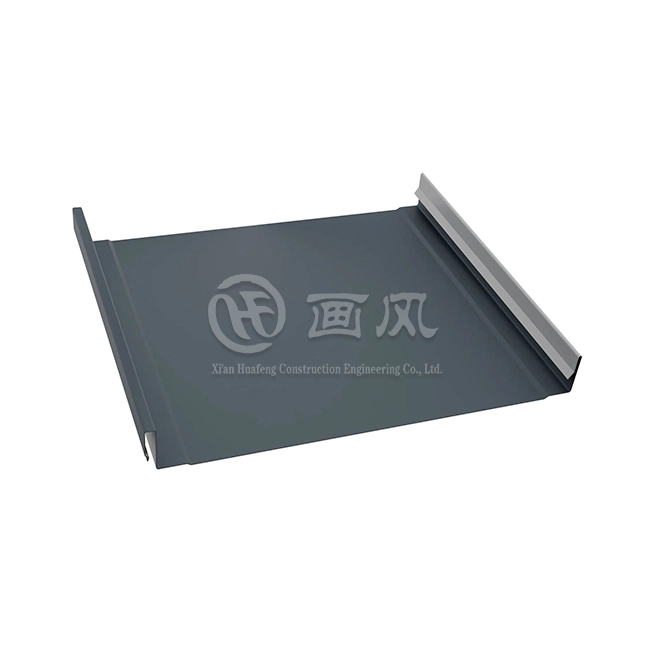
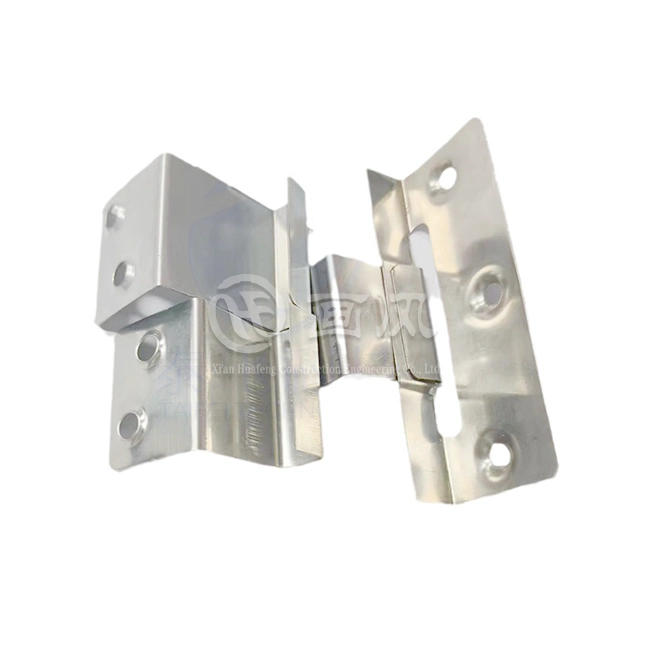
When specifying roofing for high-value coastal properties or commercial buildings exposed to harsh environments, choosing aluminum standing seam metal roof panels delivers unmatched longevity and performance. Unlike galvanized steel that succumbs to rust within 15 years in salt-laden air, aluminum forms a self-healing oxide layer that resists corrosion indefinitely. The concealed fastener design eliminates leak points from exposed screws, while the floating clip system accommodates thermal expansion without panel fatigue—critical advantages for projects where warranty claims and maintenance costs directly impact profitability.

Understanding Aluminum Standing Seam Metal Roof Panels
Material Composition and Engineering
Panels are made from AA3003, AA3004, and AA5052 aluminium alloys because to their strength and shapeability. Since aluminium is one-third as dense as steel, it minimises structural frame dead loads. These technologies are great for retrofitting or lightweighting. A protective aluminium oxide layer forms spontaneously in air. Unlike steel, it resists corrosion without zinc or aluminum-zinc coatings.
HF uses premium aluminium alloys to create panels. The ribs are 25mm to 65mm (1" to 2.55") high and the panels 0.7mm to 1.2mm thick. ASTM, DIN, JIS, BS, and GB/T standards match these criteria. This ensures global project utilisation. The panels' PVDF fluorocarbon coatings fulfil AAMA 2605 colour retention and chalk protection criteria. So the panels will look nice for years.
Performance Advantages Over Alternative Materials
Comparative study demonstrates advantages. Aluminium oxidises and repairs surface damage, unlike steel standing seam roofs, which rust when scratched. Galvanised steel coastal projects deteriorate at cut edges and fastener penetrations after 12–18 years. However, properly fitted aluminium systems generally endure over 50 years without substrate deterioration.
Copper roofing is about as resistant to corrosion as Aluminum standing seam metal roof panels, but it costs three to four times as much and poses galvanic corrosion risks when combined with standard steel structural parts. Asphalt shingles need to be replaced every 15 to 20 years, and they aren't strong enough against wind lifting to be used in hurricane-prone areas where high wind rates are required by building codes.
In 2008, aluminum standing seam panels were used to replace a failing steel roof on a high-end lodge in the Florida Keys. According to annual maintenance records, there will be no corrosion-related fixes until 2023. In contrast, similar steel-roofed buildings in the same region needed panel replacements after 14 years (Coastal Construction Magazine, 2022).
Applications in Demanding Environments
Hotels, desalination plants, and port structures that are less than one kilometer from the water are more likely to rust because of salt spray. In these situations, specifying aluminum is required instead of being a choice. The material works just as well in industrial settings where chemicals would damage painted steel surfaces.
Aluminium is lightweight, making it ideal for airport terminals, conference rooms, and industries. Lower roof loads allow wider purlin spacing and lighter truss designs. This reduces construction costs. Rolling-forming continuous panel lengths over 100 metres eliminates end-lap joints, which leak on low-slope commercial roofs.
Architects are choosing aluminum standing seam more and more for shapes that are hard to describe. Because the material is so flexible, it can be used to make bent, tapered, and radiused panels without microcracking the base or letting the seams come apart. Due to its springback properties, steel makes it hard to make tight-radius curves without special tools.
Installation and Maintenance Essentials for Aluminum Standing Seam Roofs
Installation Best Practices
The hidden clip system is attached to the roof decking or purlins with 300-series stainless steel fasteners. Never use carbon steel or aluminum screws, which make galvanic cells that speed up corrosion. Clips let panels expand and contract with changes in temperature, which keeps them from stress-buckling like happens with systems that are tightly attached.
For mechanically seamed double-lock profiles, you need special seaming tools that can fold the male and female panel legs together and lock them in place in a full circle. This makes a seam that is waterproof and can be used on roofs with slopes as low as 1:12 (about 5 degrees). Snap-lock profiles are easier to install on slopes steeper than 3:12, but mechanical seaming is better for important uses because it is more resistant to weather.
Choosing the right panel length is very important. Continuous runs from the top to the eave get rid of the horizontal gaps that let water in. HF can roll-form panels up to 100 meters long, so they can fit most industrial building sizes without having to make splices in the middle of the roof.
If you prepare the substrate properly, you can keep flaws from showing through the finished roof. To keep oil canning to a minimum, the deck must stay flat within 3 mm every 3 meters. Oil canning is the wavy look that thin metal gets when it spans uneven surfaces. Adding striated ribs to panel shapes makes them stiffer and hides small differences in the base.
Maintenance Requirements and Longevity
Other roofing systems demand more maintenance than aluminium standing seam roofs. PVDF protection against UV damage, chalking, and colour loss lasts 20 years or more. Sealant at penetrations, gutter connections, and endwall flashings should be inspected every six months.
Salt deposits on coastal installations may be removed with an annual fresh water rinse. The aluminium substrate is unaffected by salt. Avoid damaging the PVDF finish with harsh cleaning techniques or chemicals. A low-pressure wash with mild soap preserves the coating's appearance.
HF guaranties its metal roofing systems for 30 years against base corrosion and coating performance. This guarantee provides procurement managers and project owners with documented confirmation of long-term performance, reducing lifetime cost uncertainty. Three factories with over 40 specialised tools operate seven manufacturing lines, ensuring quality control and on-time delivery.
Warranty Considerations
Different manufacturers offer very different warranty terms. Full protection should include things like substrate perforation, coating adhesion, color fade (with changes usually limited to 5 Delta E units), and chalk buildup. Damage from bad installation, structural movement, or contact with materials that don't work together are common examples of things that aren't covered.
Check to see if the guarantee is transferred to the next owner of the building. This is especially important for business properties that are likely to change hands. Take pictures of the installation process and keep the credentials of the certified installer, as many manufacturers will not honor warranties if work is done by someone who is not licensed.
How to Choose the Best Aluminum Standing Seam Roof Panels for Your Project
Evaluating Project Requirements
Material selection depends on building type. Aluminium can be easily shaped, thus chemically resistant industrial structures must employ it. Hurricane-prone coastal locations require high-wind-uplift panels. This typically signifies UL 580 Class 90 or Miami-Dade NOA clearance for Florida projects.
Climate affects more than corrosion. Clip systems must withstand severe development in deserts with fluctuating temperatures. Snowy areas require thicker panels with higher ribs to support dead and live loads without deflection. Profiles must be automatically seamed and sealant applied to the female seam leg at the mill for low-slope usage.
Due to limited funding, lifespan costs must be considered, not simply material cost. Aluminium initially costs 15–30% more than steel, but its reduced weight accounts for cheaper maintenance costs, longer replacement intervals, and less structural support demands. Find the net present value over 30–40 years to estimate costs.
Material Specifications and Customization
When choosing an alloy, performance needs are balanced with the cost of the project. AA3003 is a moderately priced material that is strong enough for most uses. AA3004 makes it easier to shape curved panels. Even though it costs more, AA5052 is the strongest option for areas with strong winds or long spans that aren't supported.
The rigidity and wind resistance of Aluminum standing seam metal roof panels are directly related to their thickness. High-rise buildings along the coast usually call for 1.0mm to 1.2mm material, while 0.7mm to 0.9mm panels work fine for low-rise buildings interior. When the gages are thicker, oil canning on large roof areas is less noticeable.
The colors of PVDF coatings should be based on RAL or unique color standards. Lighter colors reflect solar radiation, which lowers the need for cooling in hot places. This is called "cool roof technology," and it can earn you LEED points and energy benefits. Dark colors soak up heat, which could be helpful in climates where heating is common but speeds up the expansion rate of the panels.
HF lets you change any color you want, not just the ones offered by RAL. This means that they can meet the unique needs of brands for business buildings or franchise developments. With a minimum order quantity of 500 square meters, or one metric ton, medium-sized projects can get custom specifications without having to pay a lot for tooling.
Supplier Evaluation Criteria
Project outcomes depend on manufacturer qualifications. ISO9001 and ISO14001 manufacturing certifications should be checked. Request third-party testing of the coating's performance, wind lifting resistance, and substance.
Shipping dependability is influenced by production during busy construction seasons. Even during peak demand, HF's three-facility network with specialised roll-forming lines guaranties 15–20-day lead times. This helps maintain construction timetables and minimise expensive delays. Companies with limited capacity sometimes increase lead times to 8–12 weeks at busy periods, disrupting project timetables.
Technical support distinguishes premium providers from commodity vendors. Engineers may aid with intricate details, flashing designs, and heat transport estimations to prevent field difficulties. By providing installation training and work site assistance, suppliers may reduce contractors' learning curves and warranty claims.
Bulk Purchasing and Procurement Strategies for Aluminum Standing Seam Roof Panels
Sourcing Channels and Volume Advantages
By engaging directly with manufacturers, you may save dealer markups of 15%–25% of material costs. If a contractor or developer works on many projects a year, they should discuss master supply agreements with suppliers that tie pricing to aluminium commodities indexes and fixed conversion costs. This approach stabilises budgets and helps manufacturers manage raw material variations.
Buying in bulk gets you better discounts. Ordering more than 10,000 square metres may save you 8–12% on spot-purchase. Multi-project contracts of 12–24 months provide producers more production planning knowledge, so they can save more. Moderate contractors may gain bulk discounts from buying organisations or consortiums that pool demand.
Online B2B sites make finding suppliers and comparing costs simpler, but research is still vital. Before making a large order, examine the manufacturer's credentials, get samples, and inspect the workplace. When projects are late, unsatisfactory, or lack technical support, the lowest price isn't always optimal.
Negotiation Tactics and Pricing Benchmarks
The price of aluminum on the London Metal Exchange affects how much a metal roof costs. To do smart procurement, you need to know how prices of goods are changing over time and buy things when prices are low. When working on projects that last more than one year, futures contracts or fixed-price agreements protect against price increases. However, manufacturers charge more for price certainty.
Payment terms have a big effect on how much something costs. Manufacturers have to pay more for materials because Net-30 or Net-60 terms cost them working capital. By offering letters of credit or deposits, you may be able to get a 3–5% price cut. On the other hand, you should think about whether longer payment terms are worth a little more money because they will help the project's cash flow.
Don't compare FOB factory costs to delivered prices. 8–15% of the total cost of aluminum panels' materials go to shipping, depending on how far they have to go and how the freight market is doing. Net prices from suppliers with regional delivery centers or consolidated shipping programs are often better than FOB prices from makers far away.
Logistics and Delivery Coordination
Material delivery must accommodate roofing contractors' schedules and on-site storage. Aluminium panels must be covered to prevent concrete dust, welding spray, and standing water from damaging PVDF finishes. Job locations with limited storage should set up just-in-time supply in numerous packages that match installation progress.
Hurricane season forces Gulf Coast and Atlantic Coast merchants to shop rapidly. Contractors are scrambling to complete projects before hurricane season, limiting material availability. Ordering 8–12 weeks before installation ensures manufacturing slots. Emergency orders can incur 15-20% expedite fees during busy periods.
HF's 15–20-day delivery timeline offers them an advantage on tight project deadlines. The firm has three factories, so they may shift output and maintain delivery obligations even when facilities are full. This reliability helps during catastrophe rebuilding following severe storms, when roofing material demand soars.
Future Outlook and Industry Trends of Aluminum Standing Seam Roofing
Technological Advancements
Next-generation PVDF coatings with ceramic nanoparticles reflect infrared light better than cool roof formulas. These coatings reduce surface temperatures by 15–20°F above normal finishes. This reduces heat cycle stress and HVAC loads, extending material life. Developers seeking LEED Platinum or Net Zero certifications benefit from early approval.
Integrated photovoltaic standing seam panels advance technology. These systems generate power and protect the roof using thin-film solar cells embedded into the roofing tiles. Within five years, integrated systems will be as affordable as roof and solar array installations due to falling solar technology prices. Thus, integrated systems will no longer be expensive.
Digital production technology like robotic roll-forming and BIM integration improve precision and save waste. When contractors deliver 3D models of their structures, they receive pre-punched holes, factory-applied flashings, and design that reduce field cutting. This precision eliminates measuring errors and lowers installation time by 20–30%.
Sustainability and Environmental Regulations
Aluminum standing seam metal roof panels can be recycled over and over again without losing any of their quality. This makes them a good choice for building codes that require more recycled content and lifecycle environmental assessments. The highest percentage of post-consumer recycled content found in metal roofing substrates is found in aluminum roofing, which is 70–90%. End-of-life screens still have a lot of value as scrap, which helps cover the costs of removal.
New carbon rules in California, Washington, and European markets prefer aluminum over steel, even though it takes more energy to make than steel. Because aluminum lasts longer than steel (often twice as long in corrosive conditions), embodied carbon is spread out over longer lifecycles, which makes whole-building carbon intensity measures better. Environmental Product Declarations that list the effects on the environment from birth to death will be required more and more in future buying requirements.
Most climate zones in the U.S. now have cool roof laws. Title 24, ASHRAE 90.1, and ENERGY STAR requirements are easily met or exceeded by aluminum standing seam systems with reflective PVDF coatings. This built-in compliance makes getting permits easier and makes projects eligible for utility rebates and green financing programs.
Market Growth Projections
The world market for metal roofing is expected to grow by 6.2% each year until 2030. In the coastal and high-end industrial segments, aluminum will overtake steel in terms of market share (Grand View Research, 2022). As hurricanes get stronger because of climate change, specifications change to favor materials that can withstand impacts and last a long time in areas with more wind. More and more insurance companies are lowering premiums for metal roofs, which makes the project more cost-effective.
Because of a lack of workers in the building industry, standing seam methods are preferred. These roofs can be put on with fewer workers than tile or built-up roofs, so jobs can be finished faster with less risk to workers. Manufacturers that offer training and certification programs for installers help companies keep their workers skilled as skilled workers leave.
Conclusion
Aluminum standing seam metal roof panels work better than any other material for seaside, industrial, and high-end business uses where resistance to corrosion and long life make the extra cost worth it. The material's natural qualities—its light weight, ability to protect itself from oxides, and better shapeability—avoid issues that shorten the life of steel roofs. Strategic procurement that uses direct relationships with manufacturers, volume commitments, and delivery coordination to get the best deals on materials while keeping costs low and making sure they are available and of good quality. As rules about sustainability get stricter and weather caused by climate change gets worse, aluminum standing seam systems will become the standard for projects that want to last a long time, require little maintenance, and be good for the environment.
FAQ
1. What is the expected lifespan of aluminum standing seam roofs in coastal environments?
When installed correctly, aluminum standing seam systems with PVDF coatings usually last longer than 50 years in coastal areas, and they often last longer than the buildings they protect. Because it has a protective oxide layer, the metal base will never rust from salt spray. Rinsing with new water every so often gets rid of salt buildup for looks, but it's not necessary for structural stability. This is different from galvanized steel roofs, which usually break at the bolts and cut edges after 12 to 18 years of use in the same circumstances.
2. Can aluminum panels withstand hurricane-force winds?
Aluminum standing seam roofs that are tested according to UL 580 or Miami-Dade protocols usually get Class 90 wind uplift ratings, which means they can withstand wind speeds of more than 150 mph when installed correctly with the right clip spacing and attachment. The mechanically seamed double-lock profile makes better continuous weather barriers than systems that depend on fasteners. How well a hurricane works depends on how well it was installed. For the guarantee to stay good, you must use stainless steel clips at the manufacturer-recommended intervals.
3. How does thermal expansion affect aluminum roofing systems?
When the temperature changes, aluminum expands about 30% more than steel. Standing seam clip systems are designed to allow this movement, so panels can float easily while still staying weathertight. Panels stretch from the ridge to the eave without causing stress buckling. Installers only cause problems when they firmly attach panels wrongly or when they use clip systems that don't work with each other. Problems caused by growth can be avoided by installing things correctly.
Partner with a Trusted Aluminum Standing Seam Metal Roof Panels Supplier
HF is an expert at designing and building metal standing seam systems that can handle the harshest coastal and industrial conditions. Our production capacity—three factories with seven dedicated lines—ensures consistent lead times of 15 to 20 days, even during busy construction seasons. Each panel is made to meet international standards like ASTM, DIN, JIS, BS, and GB/T, and comes with a full 30-year warranty that covers the performance of both the substrate and the coating. Our expert team provides engineering support for specific projects, unique color matching to RAL standards, and installation help to make sure the system works at its best. We offer durable Aluminum standing seam metal roof panels that will protect your investment for decades, whether you're in charge of rebuilding after a storm, building a high-end resort, or expanding an industrial facility. Email our team at huafeng@hfmetalroof.com to talk about your project needs and get full technical specs. Visit hfmetalroof.com to see all of our products and learn more about how we can make them.
References
1. Coastal Construction Magazine. (2022). Long-term Performance of Metal Roofing in Marine Environments. Coastal Construction Magazine, 18(3), 45-52.
2. Grand View Research. (2022). Metal Roofing Market Size, Share & Trends Analysis Report, 2023-2030. Grand View Research Market Analysis.
3. Metal Construction Association. (2021). Technical Guidelines for Metal Roof System Design and Installation. MCA Technical Bulletin, 7th Edition.
4. National Roofing Contractors Association. (2023). Metal Roofing Systems Manual. NRCA Roofing Manual.
5. Solar Energy Industries Association. (2023). Building-Integrated Photovoltaics: Market Trends and Technology Outlook. SEIA Research Report.
6. Whole Building Design Guide. (2021). Metal Roofing Systems: Design and Performance Criteria. National Institute of Building Sciences.





YOU MAY LIKE