What is a Standing Seam Metal Roof? Going Over the Basics
2026-09-20 18:26:17
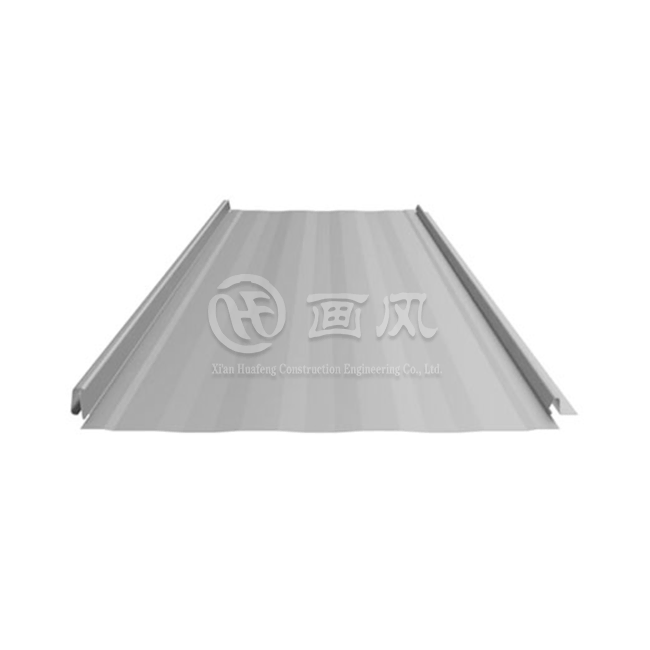
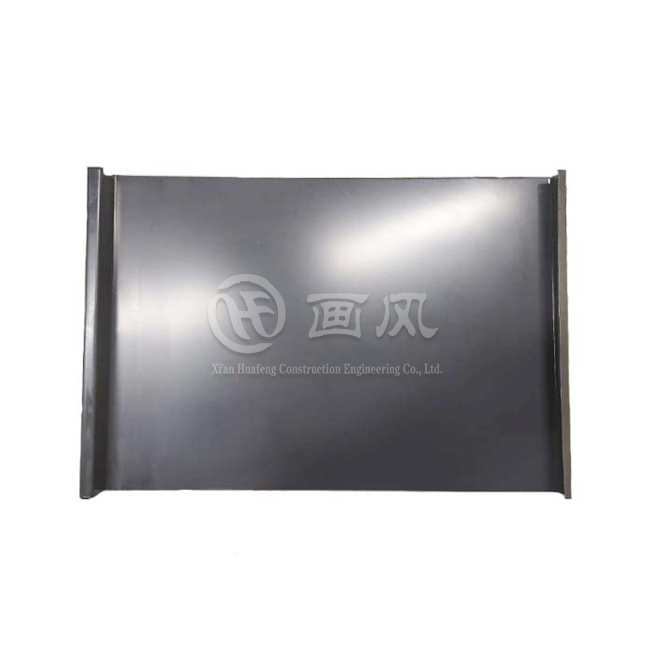
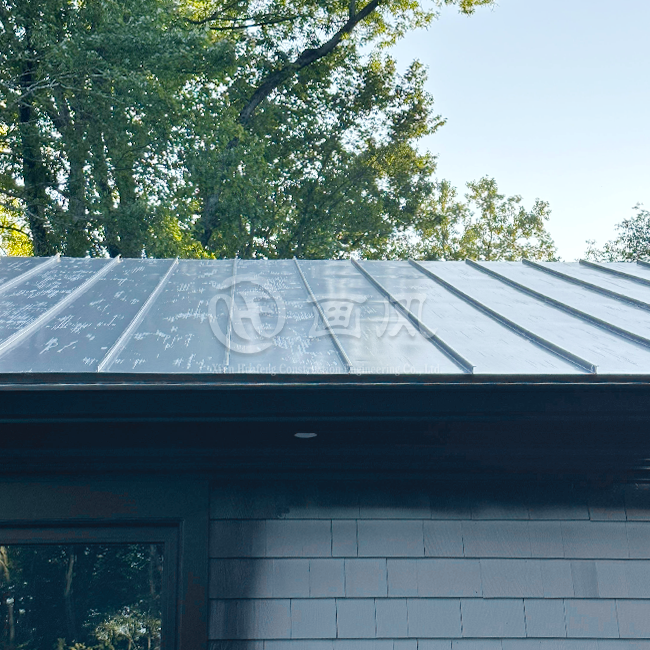
When sourcing roofing solutions for commercial projects, distributors and procurement managers need reliable information about durable, high-performance systems. Metal standing seam roofing panels represent one of the most advanced architectural roofing technologies available today, combining concealed fastener engineering with long-term weather resistance. This system features vertical metal panels connected by raised interlocking seams—typically standing 25mm high—that completely hide fasteners beneath the profile. Unlike exposed-fastener corrugated panels, this design eliminates common failure points caused by screw back-out and washer degradation, delivering superior watertightness and structural integrity for decades. Understanding these fundamentals helps building material importers and wholesalers make informed decisions when expanding their product catalogs for Middle Eastern, Southeast Asian, African, Latin American, and Eastern European markets.

Understanding Standing Seam Metal Roofing: The Basics
What Makes the Profile Unique
The rising vertical seam that runs from the top to the eave is what makes it unique. These seams connect panels next to each other using either snap-lock or mechanical-lock profiles. This makes a hidden fastener system where clips hold panels to the structural deck without going through the surface that can be seen. This design takes thermal movement into account. During changes in temperature, metal expands and contracts. Floating clips allow the longitudinal panel to move without buckling or putting stress on the fasteners. The end result is a roofing envelope that stays waterproof even during extreme weather, which is very important for industrial stores, transportation centers, and business buildings that are in high-stress areas.
Snap-Lock vs. Mechanical-Lock Systems
Two major profiles are employed for various tasks. Snap-lock panels feature factory-cut sides that snap together during installation. This helps workers install items faster on 3:12 slopes. This design suits household and light commercial installations that need speed. Mechanical-lock systems use seaming machines to fold two panels into one or two 180-degree interlocking seams on the construction site. Hydrostatic sealing can function on 0.25:12 sloped roofs. Commercial and industrial installations that need to be waterproof, particularly in beach or rainy locations, employ mechanical-lock arrangements.
Material Substrate Options
Panel bases influence corrosion protection and structural strength. High-tensile steel with a Galvalume coating (AZ50 or AZ55) is robust and cheap for maritime usage. In marine and coastal systems, aluminium alloys, notably AA3004 aluminum-magnesium-manganese, resist corrosion with yield strengths of up to 190 MPa. Architectural projects that need to look well or survive long employ stainless steel, copper, and titanium-zinc substrates. The structural length and wind load calculations determine the thickness, which ranges from 0.5 to 1.2 mm. HF's standing seam sheet metal roofing satisfies ASTM, DIN, JIS, BS, and GB/T standards and works with all these substrates.
Key Benefits and Performance Metrics of Standing Seam Metal Roofs
Durability and Longevity
With the right specifications and installation, the service life should last more than 40 to 50 years, which is a lot longer than traditional asphalt shingle systems (15 to 20 years) and exposed-fastener metal roofs (25 to 30 years). This longer life span is due to quality surface treatments and hidden fastener security. When applied at a thickness of at least 25 microns, PVDF (Polyvinylidene Fluoride) coatings offer excellent fade and chalk protection that meets AAMA 2605 standards. They also keep color purity and gloss retention even after decades of UV exposure. This performance is backed by a 30-year guarantee from HF. This gives buying managers peace of mind that their assets will be safe for a long time and lowers the total cost of ownership.
Energy Efficiency and Thermal Performance
Commercial buildings with metal Standing seam roofing panels that have high solar reflectance and thermal emissivity don't need as much cooling. With modern cool-roof pigmentation technology, even dark colors can reflect a lot of infrared radiation. This lowers the temperature of the surface by 20 to 30°F compared to traditional dark roofing. This means lower energy costs—studies show that commercial buildings can save 10–25% on cooling energy, depending on the climate zone and the insulation strategy used. The raised seam shape creates an air gap that lets air flow under the panel. This improves thermal performance even more in hot places like the Middle East and Southeast Asia, where HF's distribution partners do business.
Weather Resistance and Structural Integrity
Concealed clip systems are very good at resisting wind lifting, and they often meet UL 90 standards for areas with bad weather. The continuous interlocking seam keeps water out, even when it rains hard while the wind is blowing, which would damage through-fastened systems. Coastal hospitality projects in hurricane-prone areas benefit most from mechanically double-locked profiles made from aluminum substrates, which are resistant to corrosion from salt spray and perform better in wind. In mountain areas, the vertical orientation naturally sheds snow, which keeps loads from building up and putting stress on structural parts. When combined with clamp-on snow retention systems connected to gaps without penetration, the system safely handles snow release.
Comparing Standing Seam Metal Roofing with Other Roofing Options
Standing Seam vs. Exposed-Fastener Metal Panels
Even though both methods use metal bases, they work very differently. Exposed-fastener panels connect straight through the panel face to structure purlins, making thousands of places where water and heat could get in. Thermal cycling puts constant stress on fasteners, which causes them to back out or let washers break down. Standing seam systems get rid of these weaknesses by attaching clips that are hidden. This increases the service life by 20 to 30 years and lowers the number of maintenance tasks that need to be done. There is also a difference in how they look. Standing seam profiles give buildings a clean, modern look that is popular in commercial architecture, while exposed-fastener panels give buildings an industrial or agricultural look.
Standing Seam vs. Traditional Shingle Roofing
Asphalt shingles are popular in homes because they are cheap to buy, but metal Standing seam roofing panels are becoming more popular in businesses because they offer a better return on investment. Shingles lose their granules and become brittle over time, so they need to be replaced every 15 to 25 years, based on the quality level. They don't help save much energy and make a lot of trash that ends up in dumps. Standing seam systems are two to three times more expensive at first, but they last twice as long, need half as much maintenance, use less energy, and can be recycled completely when they're done. This is a huge benefit for projects that want to get green building certifications or work in places with strict waste regulations.
Profile Selection Considerations
When compared to mechanical-seam systems, snap-lock profiles require 30–40% less installation labor. This makes them a good choice for projects that need to cut down on time or work in places where labor costs are higher. But mechanical-lock systems are better at keeping out the weather, which is important for low-slope situations, areas with a lot of wind, or buildings that house processes that need to be dry. Panel width choices are usually between 300 and 500 mm, and the most common sizes are 330 mm, 400 mm, and 430 mm. Wider panels mean fewer seams per roof area, which cuts down on installation time but could make it harder to design for roofs with complicated shapes. Custom panel lengths from 1 to 13 meters can be made by HF. This allows for continuous runs that get rid of end-laps on large industrial roofs.
Procurement Guide: Buying Standing Seam Metal Roofing Panels
Evaluating Manufacturer Capabilities
Assessing a supplier's production capacity, quality systems, and ability to accommodate customizing is the first step in a successful buying process. Manufacturers who have more than one factory with dedicated equipment lines show that their supply chains are resilient. For example, HF has three factories with seven production lines and more than 40 specialized machines that can produce 10,000 tons of goods every month. This scale makes sure that high-volume distributors handling multiple areas at the same time can always get what they need. Quality certifications show that the manufacturing process is done correctly. For example, ISO 9001 quality management and ISO 14001 environmental systems give basic peace of mind. Testing of the product to ASTM E1592 (structural performance), ASTM E1680 (air infiltration), and ASTM E1646 (water penetration) makes sure it meets technical requirements. During the supplier qualification process, purchasing managers should ask for test reports and proof of factory audits.
Understanding Cost Factors and MOQ Flexibility
Material grade, substrate width, surface finish type, and order number all affect how much a metal Standing seam roofing panels system costs. Aluminum frames are more expensive than steel ones because the raw materials are more expensive and aluminum doesn't rust. PVDF finishes are 10-15% more expensive than PE coatings, but they last longer, so the extra money is worth it for projects that need long warranties. Order number has a big effect on unit pricing—manufacturers get the most out of their production when they work with large orders, so they offer better prices for bigger contracts. HF's minimum order number of 500 square meters, or 3 tons, makes it easy for wholesalers to test new markets or add more SKUs to their inventory, all while keeping prices low by planning production efficiently. Mixed-container features let you ship panels, accessories, and color samples all in one package, which cuts down on freight costs and makes operations easier.
Payment Terms and Documentation Requirements
For international transactions to go smoothly, there needs to be clear documentation and a way to pay. TT (telegraphic transfer) and LC (letter of credit) are both common ways to pay, but they come with different levels of risk. Distributors should make sure that wholesalers give them all the paperwork they need to ship, like business invoices, packing lists, certificates of origin, quality certificates, and material compliance statements. Different places have different rules. For example, markets in the Middle East often need legalization from an embassy, while places in the European Union need CE marking and Declaration of Performance documents. HF has export paperwork teams that know what is needed in more than 100 countries where goods are going. This makes customs processing faster and cuts down on shipment delays that throw off project schedules.
Why Choose Standing Seam Metal Roofing? A Rational B2B Perspective
Return on Investment and Total Cost of Ownership
Lifecycle cost analysis is used by B2B decision-makers to look at investments in roofs instead of just the original price. Standing seam systems give you a better return on investment because they last longer (40–50 years vs. 15–25 years for alternatives), need less maintenance (only periodic inspections vs. frequent repairs), and use less energy, which saves you 10–25% on cooling costs. Even though they cost more up front, the total cost of ownership often falls below that of traditional systems when spread out over the service life. This is reflected in how much the properties are worth: business buildings with high-performance roofing systems sell for more money and draw good tenants who see the cost savings and less downtime caused by roof failures.
Regulatory Compliance and Green Building Standards
Building rules are requiring lower and lower levels of energy efficiency, especially in developed markets and places that want to be more environmentally friendly. High solar reflectance and thermal emissivity values make standing seam metal roofing panels easy to meet cool-roof requirements. This makes it easier to follow the rules in Title 24 (California), ASHRAE 90.1, and the International Energy Conservation Code. LEED (Leadership in Energy and Environmental Design) projects get points for reducing heat islands, using recycled materials, and using materials from the area. Metal roofing meets several of these criteria at the same time. Material recyclability meets the needs of the cycle economy that are growing in Asian and European markets, where rules on how to get rid of old building materials are making it harder to put them in landfills.
Operational Efficiency for Building Owners
Facility managers put systems that cause the fewest problems with operations and upkeep work at the top of their list of priorities. Standing seam roofs do just that—they protect you from the weather for decades without needing constant maintenance like other types of roofs do. The biggest problem with exposed-fastener systems is that they need to have their screws and washers replaced every so often. With concealed fasteners, you don't have to do that. This practical simplicity helps building owners manage big portfolios where maintenance labor costs go up greatly. When talking to buyers in this market group, distributors who serve them stand out by highlighting these lifecycle benefits.
Conclusion
For business and industrial uses that require long-term performance, low upkeep, and architectural distinction, metal Standing seam roofing panels are the best option. Traditional roofing systems can't compare to the hidden fastener design because it gets rid of common failure spots and gives better weather protection, energy economy, and esthetic appeal. When purchasing professionals look at potential suppliers, they should give more weight to companies that can show they have a large production size, quality standards, the ability to make changes, and full support services throughout the supply chain. These systems are guarantyd to meet a wide range of project needs around the world thanks to their 30-year warranties, ability to comply with international standards like ASTM, DIN, JIS, BS, and GB/T, and ability to use a variety of materials like aluminum alloy, steel, stainless steel, copper, and titanium-zinc. Standing seam technology is the smart choice for forward-thinking building material distributors because it delivers measurable value over decades of service life. This is true whether they are buying for coastal hospitality projects that need corrosion resistance, industrial warehouses that need solar-ready infrastructure, or commercial developments that want to get green building certifications.
FAQ
1. How Long Do Standing Seam Metal Roofs Last?
When properly chosen and set up, standing seam systems usually last more than 40 to 50 years, and some installations have been known to last longer than 60 years. Longevity relies on the type of base (aluminum lasts longer than steel in corrosive settings), the quality of the surface finish (PVDF coatings last longer than PE), and the temperature in the area. The 30-year warranty from HF shows that they trust the materials and the quality of the work they do.
2. What Maintenance Do These Roofs Require?
Compared to other types of roofs, it doesn't need much upkeep. Every year or every other year, the seams should be checked for integrity, the entry flashings around vents and skylights should be checked, and the valleys and gutters should be cleaned of garbage. Unlike exposed-fastener systems that need to have the screws re-tightened every so often, standing seam profiles don't need any care in between checks. Installations near the coast should be rinsed with fresh water every so often to get rid of salt buildup.
3. Are Standing Seam Roofs Cost-Effective for Commercial Projects?
The upfront costs are two to three times higher than those of asphalt shingles or exposed-fastener metal, but a lifecycle cost analysis shows that they are a better value. Longer service life, less upkeep, energy savings, and no mid-life replacement costs all add up to a lower total cost of ownership over the system's lifetime. This is especially helpful for building owners who are handling long-term asset portfolios.
Partner with HF for Reliable Standing Seam Metal Roofing Solutions
Xi'an Huafeng Construction Engineering Co., Ltd. is a reliable company that sells metal Standing seam roofing panels to dealers and resellers in more than 100 countries. Our three factories have seven color coating lines and more than 40 specialized machines that can produce 10,000 tons of goods every month with lead times that are always 15 to 20 days. Aluminum alloy, steel, stainless steel, copper, and titanium-zinc are just some of the materials we can use. Thicknesses range from 0.5mm to 1.2mm, and we can finish them in any RAL or custom color with PVDF or PE. Our 500-square-meter minimum order quantity and mixed-container options help distributors add more products to their catalogs without taking on too much inventory risk. Your buyers will be able to trust the quality of your products because you have ISO 9001 and ISO 14001 certifications, follow ASTM, DIN, JIS, BS, and GB/T standards, and offer 30-year contracts. Visit hfmetalroof.com or email huafeng@hfmetalroof.com to talk about your needs for metal Standing seam roofing panels for sale and find out how our manufacturing skills can help you reach your market growth goals.
References
1. Metal Construction Association. (2021). "Technical Bulletin: Standing Seam Roof Systems Design and Installation." Metal Construction Association Publications.
2. Cool Roof Rating Council. (2022). "Rated Products Directory: Metal Roofing Systems." CRRC Product Database.
3. National Roofing Contractors Association. (2020). "The NRCA Roofing Manual: Metal Panel and SPF Roof Systems." NRCA Publications.
4. American Society for Testing and Materials. (2019). "ASTM E1592: Standard Test Method for Structural Performance of Sheet Metal Roof and Siding Systems." ASTM International Standards.
5. U.S. Green Building Council. (2023). "LEED v4.1 Building Design and Construction Guide." USGBC Resource Library.
6. Metal Architecture Magazine. (2022). "Standing Seam Metal Roofing: Design Trends and Performance Standards." Metal Architecture, Vol. 38, Issue 4.





YOU MAY LIKE