Why Corrugated Metal Siding Sheets Are the Top Choice for Eco-Friendly Projects?
2026-04-01 11:00:00
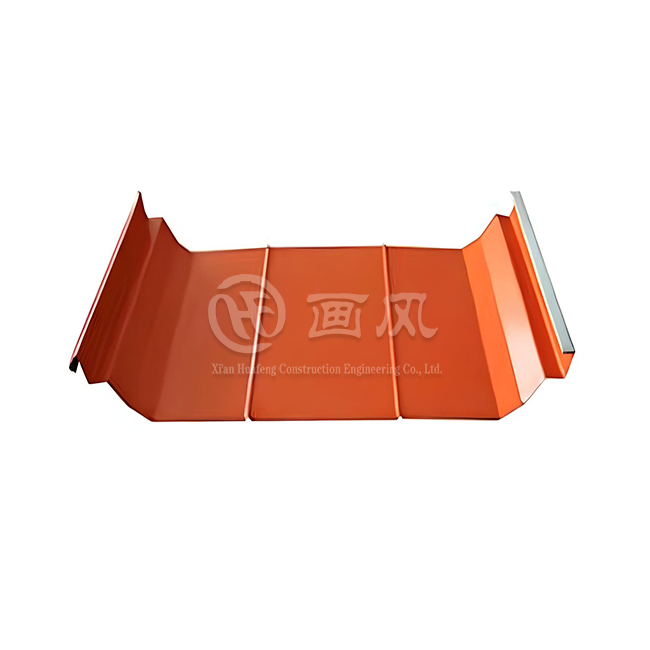
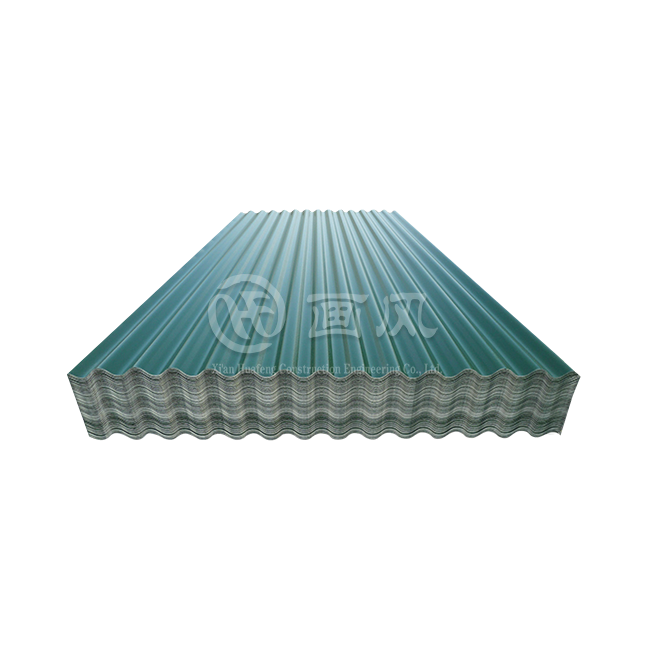
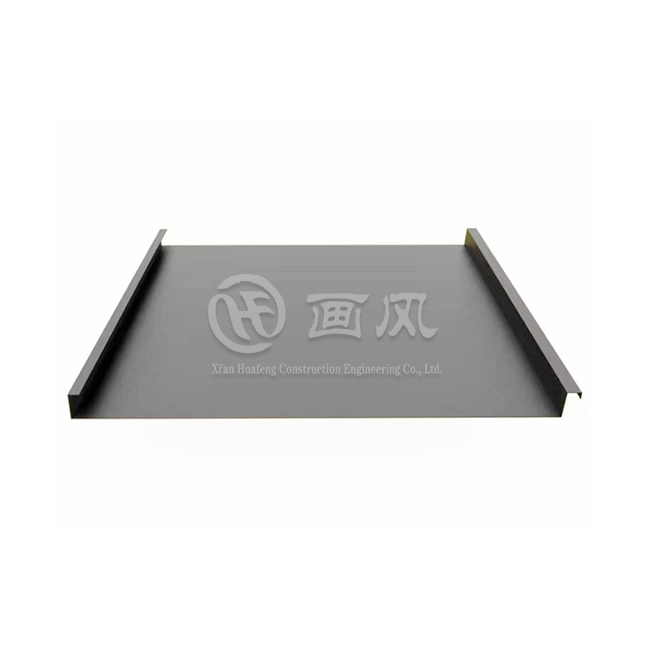
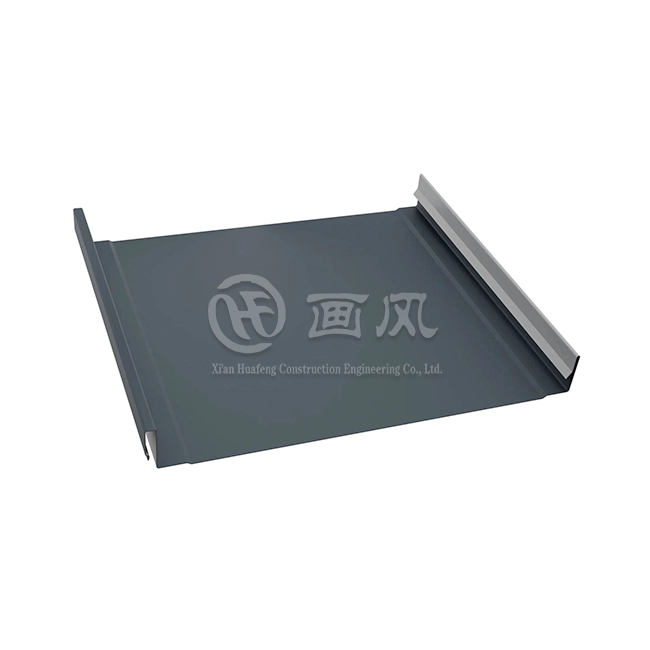
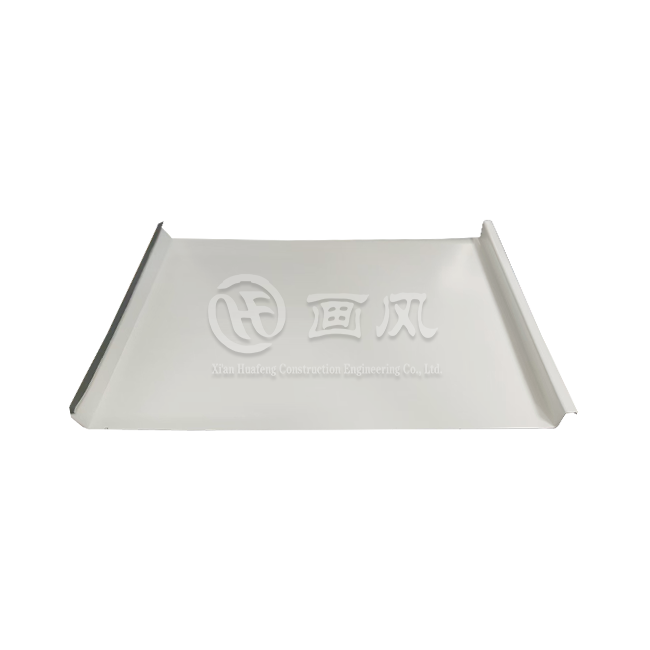
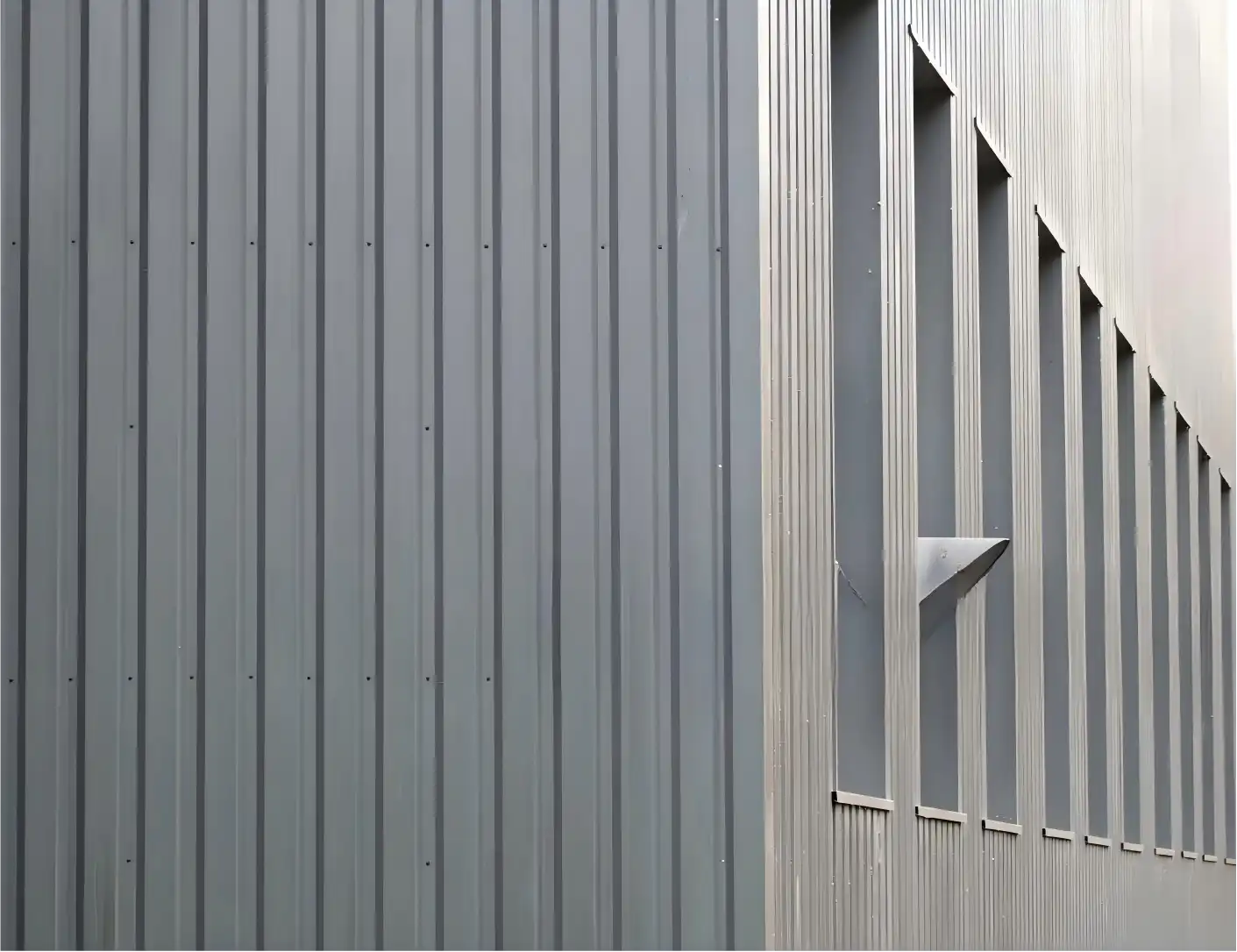
The superior sustainability credentials of corrugated metal cladding sheets have made them the most popular option for environmentally conscious building projects. Completely recyclable, energy-efficient, and very durable, these multipurpose metal construction materials have a lifespan of more than 30 years. Because of their lightweight design, which lowers transportation emissions and installation energy needs, and their minimum waste generation during the production process, they are the perfect choice for green building certifications and ecologically conscious construction methods.
The Environmental Impact Revolution in Construction Materials
There is increasing pressure on the building sector to use sustainable practices. Due to waste production and resource depletion, traditional siding materials often play a major role in environmental damage. An innovative solution that directly tackles these issues is steel siding and other metal wall cladding choices.
Contemporary construction firms are aware that the choice of materials affects both the short-term project expenses and the long-term environmental effects. Corrugated panels and ribbed metal sheets minimize environmental impact while providing outstanding performance. In many instances, these materials come from recycled sources; in fact, up to 90% of certain items are made from recycled materials.
The need for materials that perform well without sacrificing environmental values has increased as a result of the move toward sustainable construction methods. In this sense, metal building materials are excellent as they serve green building objectives while maintaining structural integrity. Options for weather-resistant siding lessen the need for replacements throughout the course of a building's lifespan, thus reducing its environmental effect.
Recyclability and Circular Economy Benefits
Metal resources' limitless potential for recycling makes them champions of the circular economy. Corrugated metal siding sheets retain their qualities across several recycling cycles, in contrast to many traditional siding solutions that wind up in landfills. Galvanized steel sheets are positioned as essential components for environmentally friendly building because of this feature.
When it comes to metals, recycling uses a lot less energy than initial manufacturing. During recycling, aluminum corrugated sheets in particular show remarkable energy efficiency, using just 5% of the energy required for original manufacture. Throughout project lifecycles, this significant decrease results in significant improvements in the carbon footprint.
More and more construction firms using circular economy techniques call for recyclable materials in their projects. By offering materials that maintain their worth at the end of their useful lives, protective metal cladding aids in these efforts. The financial rewards and environmental advantages combine to provide strong commercial arguments for the use of sustainable materials. Closed-loop solutions that reduce waste creation are being used more and more in the manufacturing processes for these items. Sophisticated recycling methods are used in advanced manufacturing facilities to collect and reprocess metal trash, lowering the need for raw materials and their environmental effect.
Energy Efficiency and Thermal Performance
The energy efficiency of buildings is greatly influenced by the thermal characteristics of metal facade materials. In warm areas, reflective surfaces lower cooling loads, and appropriate installation methods maximize thermal envelope performance. These features encourage the use of energy-efficient building design techniques that lower carbon emissions during operations. Thermal efficiency and structural performance are combined in insulated metal panel systems. These integrated systems provide continuous insulating covering while removing thermal bridging. When compared to conventional siding systems that need the installation of separate insulation, the outcome offers better energy efficiency.
Thermal performance is further improved by reflective coatings that are available on long-lasting siding materials. By reflecting sunlight, these specialty finishes lower heat absorption and cooling energy needs. Research indicates that installing reflective metal siding systems in commercial buildings may result in energy savings of 15% to 20%. Metal materials' thermal mass properties help to provide energy stability. The materials assist to control variations in interior temperature by gently absorbing and releasing thermal energy. Overall energy efficiency is increased and mechanical system cycling is decreased by this thermal flywheel effect.
Longevity and Reduced Replacement Cycles
One essential component of sustainable building techniques is durability. The remarkable durability of corrugated metal siding sheets reduces the need for replacements and the related environmental effects. With little upkeep, high-quality metal siding systems often outlast 30-year service lifetimes. Technologies that resist corrosion shield metal materials from deterioration in the environment. Material lifecycles are greatly extended by sophisticated coating systems and galvanic protection techniques. These safeguards provide reliable functioning in a range of climatic circumstances and environmental exposures.
Over the course of building lifecycles, resource consumption is decreased by the longer service life of metal shed siding and related applications. Emissions from transportation, manufacturing energy, and material extraction are all decreased with fewer replacement cycles. The environmental advantages of early material selection choices are increased by this lifespan factor. Over the course of their service life, structural metal panels continue to exhibit their performance characteristics. High-quality metal siding systems provide dependable protection and visual appeal for decades, in contrast to materials that deteriorate gradually. Because of its dependability, less maintenance procedures and related environmental effects are required.
Manufacturing and Production Sustainability
Through sophisticated manufacturing techniques, contemporary metal panel production facilities place a high priority on environmental stewardship. Emission control systems, waste reduction programs, and energy-efficient production lines reduce the environmental effect of material manufacture. These enhancements cover every stage of the product lifecycle, from the processing of raw materials to the delivery of the final product. Optimizing water use is yet another essential component of sustainable production. Modern manufacturing plants use closed-loop water systems, which reduce use and do away with runoff. By treating and recycling process water, these systems lessen their negative effects on the environment without sacrificing the quality of the output.
Sustainability profiles are further improved in industrial facilities with the inclusion of renewable energy. The carbon intensity of manufacturing processes is decreased by wind power systems, solar installations, and other renewable energy sources. Some firms use complete renewable energy plans to reach carbon-neutral manufacturing. Systems for quality control provide the best possible use of materials and reduce waste production. While maintaining stringent quality requirements, precision manufacturing procedures lower scrap rates. Throughout the manufacturing process, sophisticated monitoring systems keep tabs on material use and spot areas for improvement.
LEED and Green Building Certification Support
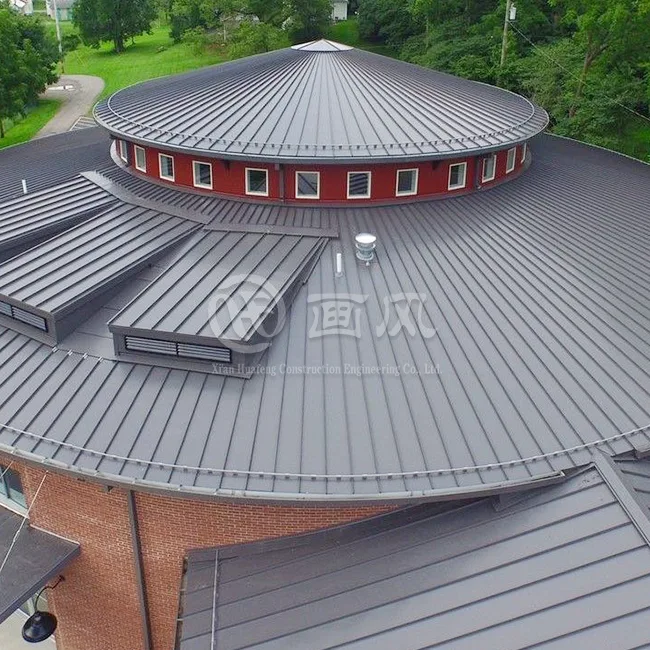
Corrugated metal siding sheets and other metal roofing and siding materials are important contributors to LEED point accomplishment in a number of credit areas. Credits for material choices acknowledge the positive environmental effects of regional sourcing and recycled components. Improvements in durability and energy efficiency are rewarded with additional credits.
Lifecycle environmental implications are becoming more and more important in green building certification schemes. Installing metal siding satisfies these needs because to its performance qualities and proven environmental advantages. The information required for certification compliance is provided by thorough environmental product declarations.
Opportunities for regional sourcing improve metal construction projects' sustainability credentials. Domestic production boosts regional economies and lowers transportation-related emissions. Many projects use localized material sourcing tactics to get extra LEED points. The established performance data available for metal materials is in good alignment with the documentation criteria for green building certification. Comprehensive testing and validation provide the proof required to show adherence to sustainable standards.
Cost-Effectiveness of Sustainable Material Choices
The financial benefits of using sustainable materials are shown via lifecycle cost analysis. By requiring less maintenance, using less energy, and having a longer service life, high initial prices for high-quality metal materials usually result in considerable savings. The business arguments for sustainable building methods are strengthened by these financial advantages. Because metal siding has better fire and weather protection qualities, choosing it often comes with insurance advantages. Lower insurance rates provide continuous operating savings while offsetting material prices. Developers and owners of commercial real estate are especially drawn to these risk management advantages.
Green construction certifications and the use of sustainable materials increase a property's resale value. In real estate markets, properties with corrugated metal siding sheets and high-performance metal siding systems fetch higher prices. These value enhancements provide more financial support for investments in sustainable materials. Metal siding systems provide continuous financial advantages in the form of lower maintenance costs. Periodic replacement costs are eliminated and operating expenditures are decreased with minimal maintenance needs. Over the course of a building's existence, these savings add up, improving the project's overall economics.
Conclusion
In conclusion, corrugated metal cladding sheets represent a comprehensive sustainable solution for modern construction. Their high recyclability, energy-efficient performance, long service life, and compatibility with circular economy principles significantly reduce environmental impact across the building lifecycle. From lower manufacturing emissions and minimized waste to enhanced thermal efficiency and reduced replacement cycles, metal siding systems align with global green building standards and LEED certification requirements. Additionally, lifecycle cost advantages—including reduced maintenance, energy savings, and improved property value—strengthen their long-term economic viability. By combining durability, environmental responsibility, and financial performance, corrugated metal siding stands out as a future-ready material choice for commercial, industrial, and residential sustainable building projects.
Partner with HF for Your Sustainable Metal Siding Solutions
Xi'an Huafeng Construction Engineering Co., Ltd. stands as your trusted corrugated metal siding sheets supplier, offering comprehensive sustainable building solutions backed by three state-of-the-art manufacturing facilities and over 40 advanced production machines. Our 30-year warranty, customizable design options, and 15-20 day delivery capabilities ensure your eco-friendly projects meet both environmental goals and project timelines. Contact our team at huafeng@hfmetalroof.com to discuss your sustainable construction requirements.
In order to make the shift to sustainable building methods, material partners must be environmentally conscious and provide outstanding performance. For both short-term project requirements and long-term sustainability objectives, corrugated metal siding is a tried-and-true option. Because of their cost-effectiveness, durability, energy efficiency, and recyclability, these materials are the best options for ecologically responsible building projects in commercial, industrial, and residential settings.
References
1. Building and Construction Authority. "Guidelines for Sustainable Building Materials Selection in Green Construction Projects." Singapore Construction Industry Development Board, 2023.
2. American Institute of Steel Construction. "Environmental Benefits of Steel Building Systems: A Comprehensive Lifecycle Assessment." Steel Construction Industry Report, 2024.
3. Green Building Council International. "Metal Building Materials in LEED Certification: Performance Standards and Credit Achievement." Sustainable Construction Quarterly, Vol. 15, No. 3, 2023.
4. Environmental Protection Agency. "Sustainable Manufacturing Practices in the Metal Building Products Industry." Industrial Environmental Performance Review, 2024.
5. International Code Council. "Energy Efficiency Standards for Metal Building Envelope Systems in Commercial Construction." Building Energy Performance Guidelines, 2023.
6. National Association of Home Builders Research Center. "Durability and Lifecycle Cost Analysis of Contemporary Siding Materials." Residential Construction Technology Review, Vol. 28, No. 4, 2024.





YOU MAY LIKE