Why Standing Seam Brackets Are Essential for Metal Roof Systems?
2026-04-01 21:36:15
Standing seam brackets represent the backbone of secure metal roofing installations, serving as critical connection points that ensure structural integrity without compromising weatherproofing. These specialized roof panel fasteners eliminate the need for surface penetrations while providing robust mounting solutions for solar panels, HVAC equipment, and other rooftop accessories. Metal roofing systems depend on these mounting components to maintain their longevity, performance standards, and warranty compliance across residential and commercial applications.
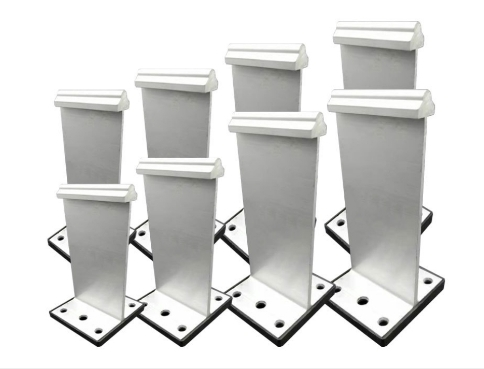
Understanding Metal Roofing Support Systems
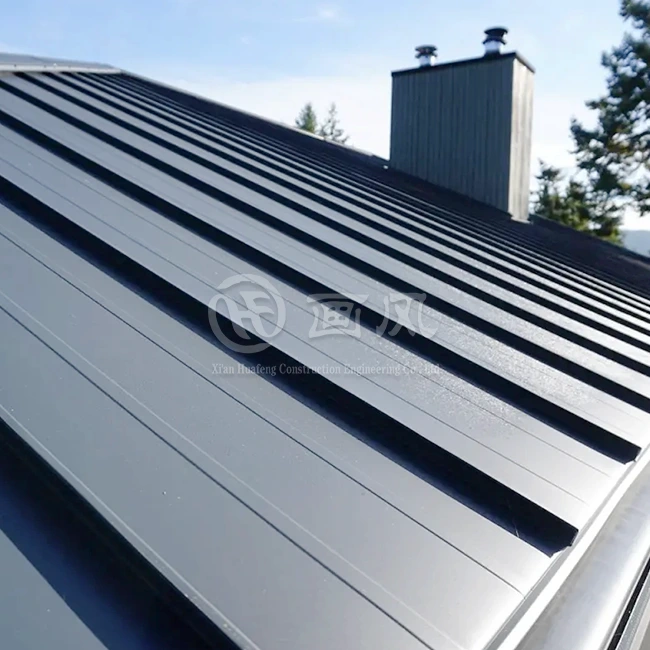
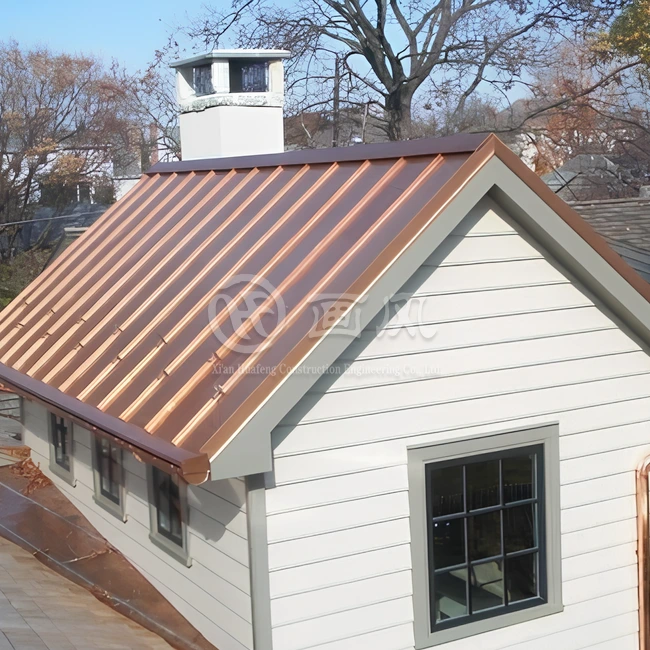
Today's building projects need solid options that strike a mix between speed and ease of installation. Metal roof systems have become the best choice for workers who want to make sure their work lasts and doesn't get damaged by the weather. The standing seam design makes raised features along the sides of the panels. These create natural connection points that keep the roof's ability to shed water. Professional workers know that using the right fixing systems has a direct effect on how well a job turns out. Traditional drilling screws can cause leaks that need to be fixed on a regular basis.
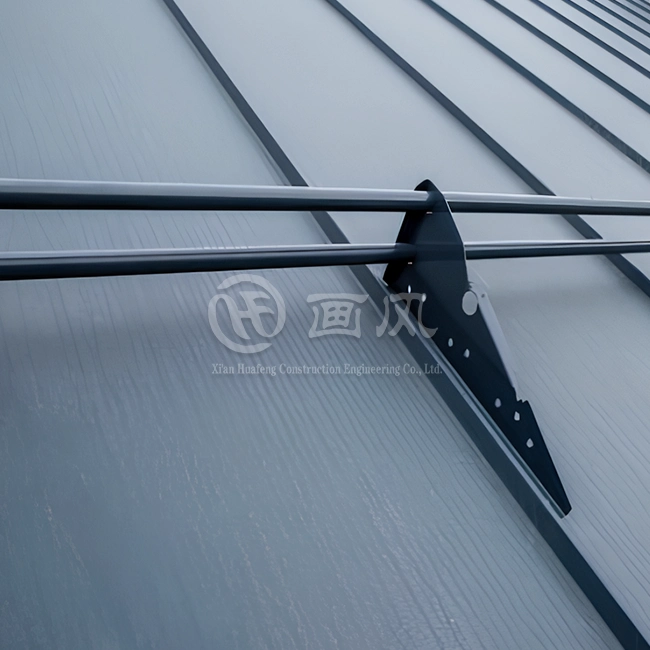
This problem can be solved with non-penetrating seam clips, which clamp firmly onto higher profiles without cutting through the roofing surface. Commercial development construction teams like how these fixing systems shorten the time it takes to place things. The aluminum metal structure prevents rusting, which is important for seaside areas and industrial settings. Good manufacturers, like Xi'an Huafeng, make sure that their goods—including the Standing Seam Bracket—can handle the expansion and contraction caused by seasonal temperature changes.
Critical Functions of Standing Seam Clamps
Roofing workers know that putting tools on metal surfaces isn't always easy. Standing seam roof fittings need to be able to handle changes in temperature while keeping links safe. These special clamps spread the weight across several seams, which stops stress spots from forming that could damage individual panels. Resistance to wind lifting is especially important for big buildings and places that are open to the wind. When roof bolt hardware is put correctly, it makes multiple support points that work together to stop negative pressure. Engineers choose these links based on the wind loads in the area and the building rules that say what the structure needs to be able to do.
The clamping system holds things in place without making heat bridges that could hurt the energy efficiency of the building. Good clamps come with insulation pads that keep heat from moving from the fixed equipment to the roof structure. This information is very important for projects that want to get LEED approval or meet other green building standards. These fixing options are very important for solar setups because they help get the panels in the best place. Standing seam solar frames need to be able to hold loads that are spread out and still allow for heat expansion. The plan that doesn't go through the roof keeps roof guarantees valid, which would be worthless if drilling was done.
Installation Benefits and Best Practices
Roofing teams with a lot of experience like installation methods that save money on labor costs and make the job more reliable. When installing a Standing Seam Bracket, you don't have to drill, seal, and protect as you do when installing penetrating screws, which takes time. This economy is especially useful on big business projects where the cost of labor has a big effect on the profit. Roofing jobs are often held up by bad weather, but these fixing methods can be put in place in a variety of situations. Sealants need certain temperature and humidity ranges to properly cure, but the mechanical locking action doesn't need them.
Contractors can keep projects on track even when the weather isn't good for closing in the usual way. When construction methods don't depend on field-applied seals, quality control is better. No matter what the weather is like or how much experience the worker has, each standing seam roof clamp is installed the same way. This uniformity cuts down on calls and guarantee claims, which eat away at project earnings. Less training is also needed because the construction process is mostly just putting together simple machines. New team members can quickly learn the right way to do things, even if they haven't used sealer before. The easier process makes it less likely that software mistakes will happen that slow down the system.
Material Science and Durability Factors
Professionals in the building industry judge roofing parts by how well they will work over the life of the building. For these uses, aluminum alloy 6063-T5/T6 is the best choice because it is strong, doesn't rust, and is easy to work with. This material standard makes sure that it will work with most standing seam roof systems and give years of solid service. Surface processes make things work better in harsh conditions where regular aluminum might rust more quickly. During the anodizing process, safe oxide layers are made that keep chemicals from attacking metals in industrial settings.
When exposed to ultraviolet light, fluorocarbon coats keep the color stable while adding extra safety. Thermal cycle studies show that bracket materials can go through repeated expansion and contraction without breaking or becoming loose. Temperature changes a lot for metal roofs, especially in places where summers are hot and winters are cold. Good standing seam fastening systems keep their gripping force even after these rounds. When different metals touch each other and there is moisture around, galvanic rusting can happen. When roof panel brackets are made correctly, they have materials that keep metal clamps and steel roofing panels from reacting chemically. This attention to detail keeps things from breaking down too soon, which could put whole systems at risk.
Cost Analysis and Long-Term Value
When choosing roofing fastener systems, procurement managers look at the total cost of ownership. The initial costs of materials are only one part of the economic equation. Other parts include the costs of labor for installation, upkeep, and possible failure. Even though the materials are more expensive up front, standing seam roof support systems often offer better value. Most projects were able to balance out higher material prices with lower labor costs during installation. These clamps can be put on much faster by skilled roofing teams than deep screws, which need to be drilled and sealed.
When working on big projects with a lot of link points, even small gains in speed add up to a lot of time saved. Since mechanical links don't use seals that break down over time, the system's maintenance costs stay low over its lifetime. Traditional penetrating screws need to be checked and re-sealed every so often to keep them waterproof. Long-term costs for this kind of upkeep often outweigh the original saves from cheaper ways to attach things. When it comes to insurance, non-penetrating fixing methods that lower the chance of a leak may be better. More and more, property owners and developers are aware that roof leaks lead to expensive damage cases that affect insurance rates. Clients who don't like taking risks often ask for these fastening methods to reduce the chance of leaks.
Compliance and Performance Standards
Minimum standards for roofing system parts are set by building rules and manufacturer guarantees, ensuring that each component—including fasteners, panels, and brackets like the Standing Seam Bracket—meets safety, durability, and performance requirements. Standing seam fixing systems need to be able to handle the load requirements of the structure while still working with certain roof panel shapes. Manufacturers give specifiers technical data that helps them make sure that the products they make meet local building rules. Quality approvals from groups like SGS let a third party check the qualities of materials and the methods used to make them. For government projects and business developments that need proof of following buying standards, these licenses become very important.
ISO certifications demonstrate consistent manufacturing processes that ensure product reliability. Testing protocols verify performance under simulated service conditions including wind uplift, seismic movement, and thermal cycling. Independent testing laboratories subject these products to accelerated aging tests that predict long-term performance. This data helps engineers specify appropriate products for specific environmental conditions. Warranty coverage varies significantly between manufacturers, with premium products often including extended protection periods. Xi'an Huafeng offers 30-year warranties that demonstrate confidence in their manufacturing processes and material selection. This warranty coverage provides valuable protection for contractors and building owners.
Conclusion
Standing seam brackets have become indispensable components that enable secure, weatherproof mounting solutions for modern metal roofing systems. These specialized fasteners eliminate leak-prone penetrations while providing robust connections for solar panels, HVAC equipment, and other rooftop accessories. Construction professionals who prioritize long-term performance and cost-effectiveness consistently choose non-penetrating mounting systems that preserve roof warranties and reduce maintenance requirements. The combination of material science advances, simplified installation procedures, and proven durability makes these brackets essential for any serious metal roofing project.
Partner with HF for Premium Standing Seam Bracket Solutions
Xi'an Huafeng Construction Engineering delivers engineered mounting solutions that meet the demanding requirements of today's construction industry. Our standing seam bracket manufacturer expertise spans over six years of specialized development, resulting in products that consistently exceed performance expectations. Contact our technical team at huafeng@hfmetalroof.com to discuss your project requirements and discover why leading contractors choose HF for critical roofing applications.
References
1. National Roofing Contractors Association. "Metal Roofing Systems: Design Guidelines for Standing Seam Applications." Technical Bulletin Series, 2023.
2. American Society of Civil Engineers. "Minimum Design Loads and Associated Criteria for Buildings and Other Structures: Wind Load Provisions for Rooftop Equipment Mounting." ASCE 7-22 Standards.
3. Metal Construction Association. "Best Practices for Standing Seam Metal Roof Installation and Fastening Systems." Technical Guide Series, Volume 12, 2023.
4. International Building Code Council. "Chapter 15: Roof Assemblies and Rooftop Structures - Mechanical Fastening Requirements." 2024 International Building Code.
5. Solar Power World Magazine. "Non-Penetrating Mounting Systems for Commercial Metal Roofing: A Comprehensive Performance Analysis." Industry Research Report, September 2023.
6. Building Design + Construction. "Thermal Bridge Prevention in Metal Roofing Systems: Impact of Mounting Hardware Selection on Energy Performance." Technical Analysis, March 2024.





YOU MAY LIKE