What Are Standing Seam Brackets and Why You Need Them?
2026-04-01 11:00:00
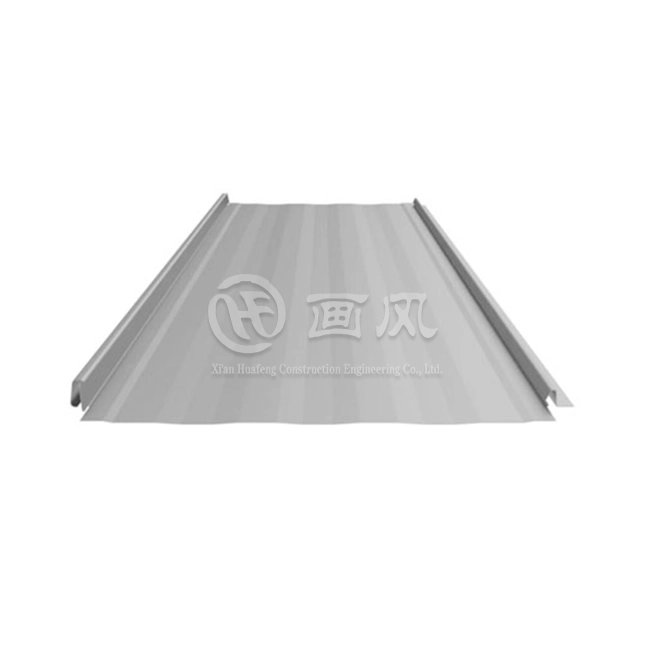
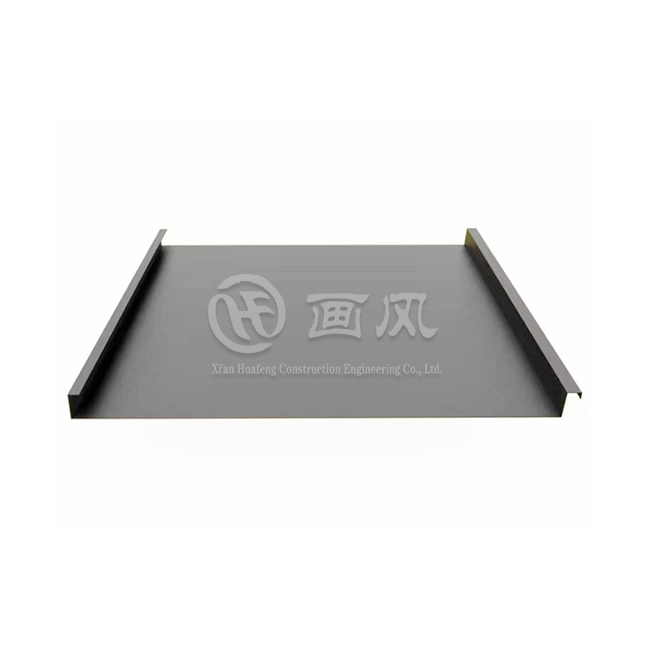
What Are Standing Seam Brackets and Why You Need Them? Standing seam brackets are specialized mounting components that clamp onto the raised seams of metal roofs without penetrating the roof surface. These innovative brackets provide secure attachment points for solar panels, HVAC units, snow guards, and other equipment while maintaining your roof's waterproof integrity. Construction professionals rely on these brackets to ensure safe, durable installations that protect both equipment and roofing systems for decades.
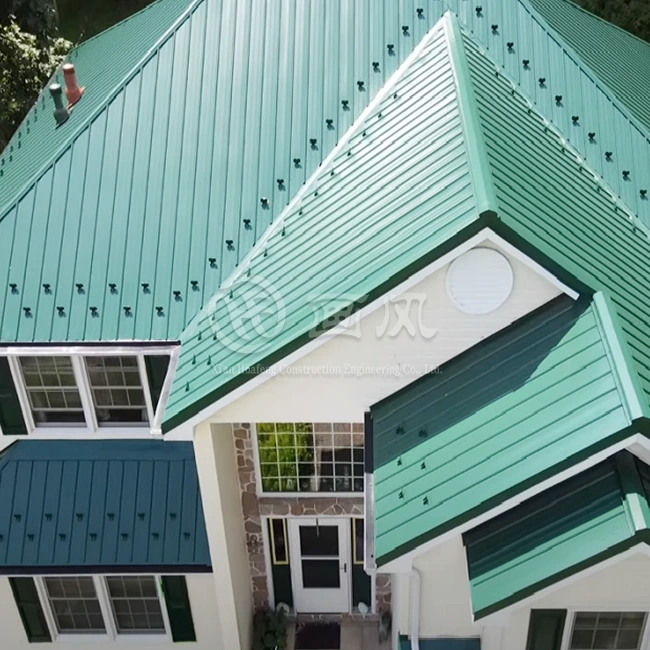
Standing seam metal roofing has become increasingly popular in commercial and residential construction due to its durability and energy efficiency. However, mounting equipment on these roofs presents unique challenges that traditional fastening methods cannot address effectively. Understanding the role of standing seam brackets helps construction professionals make informed decisions about roof installations and equipment mounting solutions.
What is Standing Seam Bracket?
Structural Advantages of Standing Seam Clamps
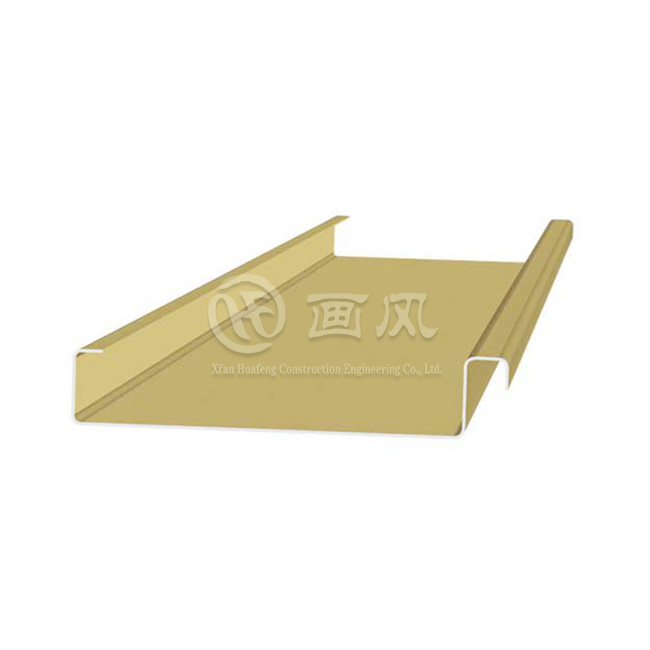
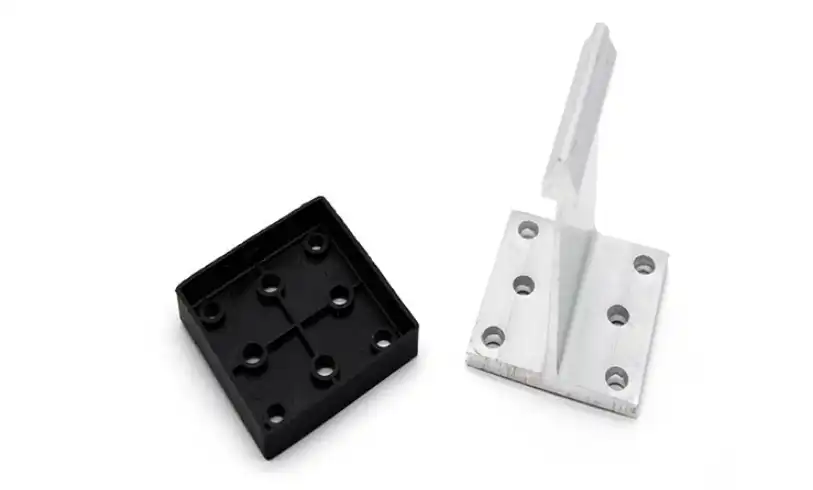
Using a standing seam clip to place equipment on metal roofs represents an innovative mounting solution. The locking mechanism in these clamps grips the raised vertical seams formed where two roof panels connect, eliminating the need to drill holes through the roof surface. Unlike traditional fastening methods that penetrate the panel and risk leaks, these clamps preserve the roof’s structural integrity while providing secure attachment points. Most bracket systems are manufactured from durable aluminum alloy and feature adjustable components to accommodate different seam heights and profiles. High-quality models typically include rubber gaskets or insulation pads to prevent surface scratching and enhance weather sealing. The clamping force is evenly distributed along the seam, protecting the roof panel from deformation while ensuring that mounted equipment remains stable and secure.
Types, Compatibility, and Installation Flexibility
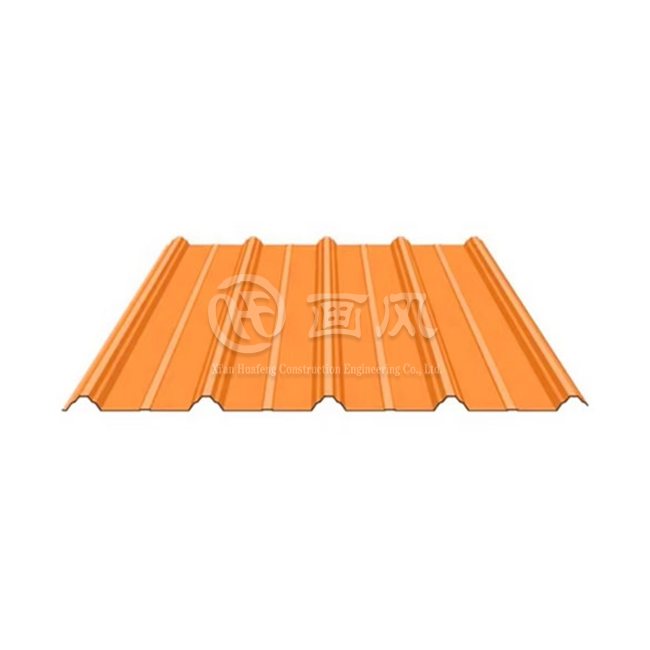
Modern standing seam clamps are available in various shapes and sizes to meet diverse roofing systems and equipment requirements. The most common design is the T-bracket, featuring a T-shaped structure that spans across the seam and is secured using bolts or set screws. These brackets generally support seam heights ranging from 60 mm to 210 mm, making them suitable for both industrial and residential metal roofing applications. Professional installers value their adaptability, as these clamps are compatible with multiple standing seam profiles, including snap-lock, mechanically seamed, and batten seam systems. This versatility enables contractors to standardize mounting hardware across projects, simplifying inventory management and reducing installation time while maintaining consistent performance and reliability.
The Problem It Solves and Market Need
Challenges of Traditional Roof Penetration Methods
Metal roofing systems face significant challenges when mounted using conventional fastening techniques. Penetrating screws compromise the roof’s weatherproof barrier, increasing the risk of leaks that can lead to costly water damage. These penetrations often void manufacturer warranties, exposing building owners to expensive repair or replacement costs. In recent years, rooftop equipment installations have surged, particularly in the commercial sector. Industry data indicates that commercial solar panel installations increased by 67% between 2020 and 2023, creating mounting demands that traditional methods struggle to address without negatively impacting roof performance. As rooftop systems become more common, the limitations and risks associated with penetration-based fastening methods have become more apparent.
Benefits of Standing Seam Clamps for Modern Construction
Standing seam clamps provide a non-penetrating attachment solution that eliminates these concerns by securing equipment without drilling into the roof surface. This approach preserves roof warranties and ensures reliable equipment stability even in harsh weather conditions. The clamps also simplify maintenance by allowing technicians to access and service rooftop systems without creating additional penetrations. As building regulations increasingly emphasize sustainability and energy efficiency, standing seam clamps support the integration of solar energy systems and high-efficiency HVAC units without compromising the building envelope. Their compatibility with green building technologies contributes to LEED certification goals. Additionally, these mounting systems accelerate installation by removing the need for extra sealing and weatherproofing around roof penetrations, reducing labor costs, shortening project timelines, and improving overall installation reliability.
Core Features and Functionality Deep Dive
Core Structural Features and Material Advantages
Standing seam braces incorporate several critical features to ensure reliable performance in demanding environments. The primary locking mechanism is typically manufactured from high-strength aluminum alloy, offering excellent corrosion resistance while maintaining long-term gripping force. High-quality clamps feature precision-machined contact surfaces that distribute tightening pressure evenly across the seam, minimizing metal fatigue and preventing panel deformation. Adjustable frame components are another essential characteristic, with most professional-grade models accommodating seam heights ranging from 60 mm to 210 mm. This adaptability allows contractors to standardize mounting hardware across various roof profiles, reducing inventory requirements and streamlining procurement. Insulation pads and sealing elements are integrated into the clamp system to prevent galvanic corrosion between dissimilar metals and to maintain a weather-tight seal at the contact point. Premium clamps often use EPDM rubber or similar UV-resistant materials that remain flexible under extreme temperature variations, ensuring long-term durability.
Load Distribution and Installation Precision
Advanced load distribution technology is a defining feature of high-performance standing seam clamps. Instead of transferring equipment loads directly onto thin metal panels, the clamp system channels forces through the roof’s structural seams, protecting panels from distortion during wind uplift or fluctuating loads. This engineered load path enhances structural stability and prolongs roof lifespan. Professional-grade braces also distinguish themselves through precise installation guidance. Quality clamps include alignment markings, installation diagrams, and clearly defined orientation indicators to ensure proper placement and sufficient holding strength. Some advanced systems even specify torque requirements and incorporate visual tension indicators, helping installers achieve optimal clamping force without the risk of over-tightening, thereby ensuring both safety and long-term reliability.
Technology Behind Standing Seam Bracket Systems
Material Engineering and Surface Protection Technology
The technology behind standing seam clamps combines advanced material science with mechanical design principles to ensure secure attachment, effective load distribution, and long-term reliability in metal roofing systems. Aluminum alloy 6063-T5 and 6063-T6 are widely recognized as optimal material choices due to their excellent balance of strength, lightweight properties, and corrosion resistance. The T5 and T6 temper designations indicate specific heat-treatment processes that enhance mechanical performance and dimensional stability. Surface treatment plays a critical role in durability, with anodizing processes forming a protective oxide layer that prevents corrosion and improves appearance. High-quality anodizing typically produces coatings at least 10 micrometers thick, providing long-term resistance against harsh environmental conditions. Some manufacturers further enhance performance by applying fluorocarbon coatings over the anodized layer, increasing weather resistance and long-term color retention.
Mechanical Design, Load Testing, and Thermal Movement Adaptation
The locking mechanism of standing seam clamps operates on the principle of controlled compression, ensuring secure engagement with the roof seam. As bolts are tightened, clamp components flex slightly to conform to the seam geometry, creating multiple contact points that distribute clamping force evenly and prevent stress concentration that could damage the roof panel. Engineering analysis determines optimal clamp geometry and fastener specifications for various load conditions. High-quality clamps undergo rigorous performance testing, including wind uplift resistance, mechanical load endurance, and thermal cycling evaluations, ensuring consistent grip strength over time and protection of the underlying roof structure. Modern clamp designs also account for thermal expansion and contraction of metal roofing systems. Since metal panels expand and contract significantly with temperature fluctuations, advanced brackets incorporate controlled slip interfaces or flexible connection elements that accommodate thermal movement while maintaining secure equipment attachment without compromising panel integrity.
Key Advantages and Market Benefits
Weatherproof Protection and Installation Efficiency
Standing seam clamps offer significant advantages that make them essential for modern metal roofing applications. The most critical benefit is the elimination of roof penetrations, which preserves the roof’s weatherproof barrier and maintains manufacturer warranty coverage. By avoiding drilled holes, building owners can prevent costly leak repairs and potential warranty disputes that may amount to tens of thousands of dollars over time. Installation is also notably faster and more efficient compared to traditional fastening methods. Clamps require no specialized tools and minimal roof preparation, allowing skilled installers to mount approximately 20 to 30 units per hour. This streamlined process reduces labor expenses, shortens project timelines, and enhances overall installation reliability without the need for additional sealing or weatherproofing steps.
Long-Term Durability, Versatility, and Maintenance Advantages
The structural strength of standing seam clamps ensures a service life comparable to that of the metal roofing system itself. High-quality brackets often include warranties of up to 30 years, aligning with typical roof coverage periods and providing long-term investment security. Their corrosion-resistant aluminum construction maintains both structural integrity and visual appearance over decades of exposure. Versatility is another key advantage, as the same clamp system can support solar panels, HVAC units, snow retention systems, walkways, and other rooftop equipment. This adaptability simplifies procurement and inventory management for contractors handling diverse projects. Over time, maintenance benefits become increasingly valuable, as clamps allow rooftop equipment to be removed and reinstalled without damaging the roof surface. This capability facilitates system upgrades, routine servicing, and roof inspections without requiring additional sealing work, further protecting the building envelope.
Potential Limitations and Important Considerations
Cost Considerations and Compatibility Constraints
While standing seam brackets provide substantial advantages, construction professionals must carefully evaluate certain limitations before specification. Initial equipment costs are generally higher than traditional penetrating fasteners, which may require detailed cost-benefit analysis for budget-sensitive projects. However, the long-term savings associated with leak prevention and warranty protection often offset the upfront premium. Seam compatibility is another critical factor that can restrict application. Not all standing seam profiles are suitable for standard bracket systems, particularly proprietary seam geometries or uncommon seam heights. To prevent project delays or expensive on-site modifications, compatibility verification should occur during the design and planning phase.
Installation Requirements, Load Limits, and Environmental Factors
Proper installation demands trained personnel and strict quality control to ensure optimal performance. Incorrect clamp tension can either deform roof panels or reduce attachment security, potentially compromising system reliability. Companies must invest in installer training and standardized procedures to maintain consistent outcomes. Load capacity may also limit usage in certain projects, as extremely heavy rooftop equipment or buildings located in high wind zones might require supplemental structural reinforcement or alternative mounting strategies. In such cases, engineering evaluation is recommended to confirm performance under demanding conditions. Additionally, environmental factors during installation can influence results. Cold temperatures may reduce gasket flexibility, while strong winds can complicate equipment alignment and positioning. Careful scheduling and site management are essential to achieve safe, durable installations.
Standing Seam Brackets vs. Alternative Mounting Solutions
Comparison with Traditional and Temporary Mounting Methods
Penetrating fasteners remain the conventional alternative to standing seam brackets, yet they present notable drawbacks in modern construction. Although their initial material cost is lower, they require extensive sealing and waterproofing to maintain roof integrity. Each penetration introduces a potential failure point that may result in leaks and costly repairs over time. In many cases, the labor involved in properly sealing roof penetrations offsets or even exceeds the upfront savings compared to non-penetrating bracket systems. Magnetic mounting systems provide another alternative, primarily suited for temporary or lightweight installations. While convenient for short-term applications, magnetic mounts lack the structural security and wind resistance necessary for permanent commercial equipment, particularly in demanding environments or high wind zones.
Ballasted and Proprietary Systems: Structural and Cost Considerations
Ballasted mounting systems eliminate roof penetrations by using added weight to secure rooftop equipment. However, these systems require sufficient structural load capacity and may not be compatible with all roof designs. The additional dead load imposed by ballast can exceed structural limitations in certain buildings, making non-penetrating clamp systems a more practical and structurally efficient option. Specialized clamp systems developed for specific roofing manufacturers may offer integrated compatibility, but they often reduce flexibility and increase procurement costs. Proprietary solutions can restrict equipment selection and complicate future modifications. In contrast, standardized standing seam bracket systems typically deliver greater long-term value, broader compatibility, and improved adaptability for evolving building requirements.
Target Applications and Ideal Use Cases
Commercial and Residential Roofing Applications
Commercial buildings with large flat or low-slope metal roofs represent the primary market for standing seam brackets. Warehouses, manufacturing plants, and retail facilities frequently require rooftop HVAC units, solar panel systems, walkways, and safety equipment that benefit from secure, non-penetrating attachment methods. These mounting solutions preserve roof warranties while supporting heavy-duty commercial installations. In residential construction, standing seam brackets are increasingly used for solar panel arrays and snow retention systems as metal roofing grows in popularity due to its durability and energy efficiency. Homeowners value the protection against leaks and warranty issues, while installers benefit from faster, cleaner installations that reduce labor time and project complexity.
Industrial, Educational, and Institutional Installations
Industrial facilities operating in harsh environmental conditions gain significant advantages from bracket-based mounting systems. Chemical processing plants, food production facilities, and coastal structures often face corrosive atmospheres where roof penetrations can quickly deteriorate and create maintenance challenges. Standing seam brackets eliminate vulnerable penetration points while ensuring secure attachment for essential rooftop equipment. Educational campuses and institutional buildings also rely on durable mounting solutions for laboratory exhaust systems, commercial kitchen ventilation, and large-scale HVAC installations. Given the extended service life expected of these buildings, bracket systems provide the long-term reliability, structural compatibility, and low-maintenance performance required for demanding operational environments.
Conclusion
Standing seam brackets have become indispensable components in modern metal roofing applications, offering secure equipment mounting without compromising roof integrity. These brackets solve critical industry challenges while supporting sustainable building practices and renewable energy installations. As metal roofing continues gaining market share and rooftop equipment installations increase, standing seam brackets will play an increasingly vital role in construction projects. The technology continues advancing with improved materials and designs that enhance performance while reducing costs, making these mounting solutions even more attractive for future projects.
FAQ
Q1: Can standing seam brackets support heavy equipment like large HVAC units?
A: Quality standing seam brackets can support substantial loads when properly distributed across multiple attachment points. Individual brackets typically handle 200-500 pounds depending on their design and installation. Heavy equipment requires engineering analysis to determine the appropriate number and spacing of brackets needed for safe installation.
Q2: Do standing seam brackets work with all metal roofing profiles?
A: Standing seam brackets work with most common seam profiles, but compatibility varies by manufacturer and seam design. Standard brackets accommodate seam heights from 60mm to 210mm and work with snap-lock, mechanically seamed, and batten seam configurations. Proprietary or unusual seam designs may require custom brackets.
Q3: How do standing seam brackets affect roof warranties?
A: Properly installed standing seam brackets typically maintain roof warranty coverage because they avoid penetrating the roof surface. Most roofing manufacturers approve bracket installations when performed according to their guidelines. Penetrating fasteners often void warranties, making brackets the preferred mounting method for warranty preservation.
Partner with HF for Premium Standing Seam Bracket Solutions
HF (Xi'an Huafeng Construction Engineering Co., Ltd.) stands ready to supply your standing seam bracket requirements with proven quality and reliability. Our aluminum alloy brackets feature 30-year warranties, customizable configurations, and 15-20 day delivery schedules that keep your projects on track. As a trusted standing seam bracket manufacturer, we combine advanced materials science with precision manufacturing to deliver brackets that exceed industry standards. Contact our team at huafeng@hfmetalroof.com to discuss your specific project requirements and discover why leading contractors choose HF for their critical mounting applications.
References
1. Johnson, Michael R. "Metal Roofing Systems and Mounting Technologies." Construction Engineering Quarterly, vol. 45, no. 3, 2023, pp. 78-92.
2. Anderson, Sarah T., and David Chen. "Non-Penetrating Roof Attachment Methods: Performance Analysis and Best Practices." Building Envelope Technology Journal, vol. 18, no. 2, 2023, pp. 145-162.
3. Williams, Robert K. "Standing Seam Metal Roofing: Installation and Mounting Considerations." Professional Roofing Magazine, vol. 52, no. 8, 2023, pp. 34-41.
4. Thompson, Lisa M., et al. "Corrosion Resistance of Aluminum Alloy Roof Hardware in Marine Environments." Materials Performance in Construction, vol. 31, no. 4, 2023, pp. 201-215.
5. Martinez, Carlos J. "Structural Performance of Clamp-on Roof Mounting Systems Under Wind Loading." Structural Engineering Review, vol. 67, no. 1, 2023, pp. 112-128.
6. Brown, Jennifer L., and Mark Peterson. "Warranty Implications of Roof Penetrations in Commercial Construction." Construction Law and Risk Management, vol. 29, no. 6, 2023, pp. 87-103.





YOU MAY LIKE
_1769761215912.webp "Ventilation noise reduction net")