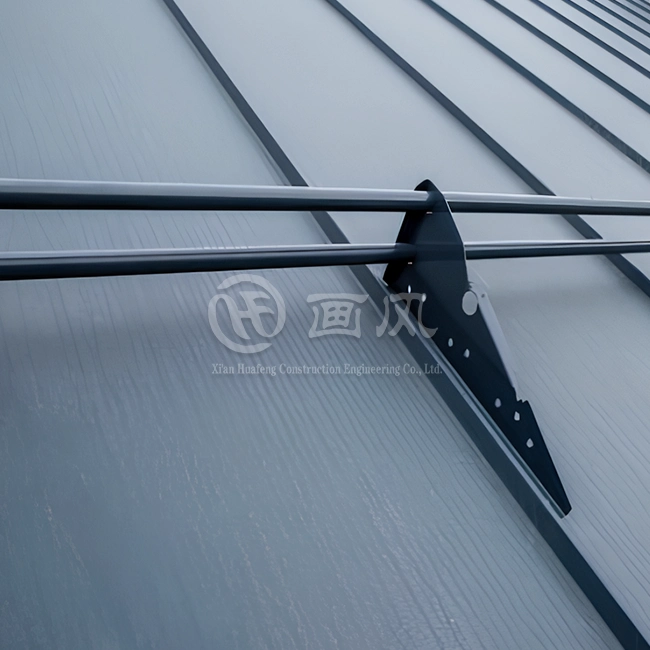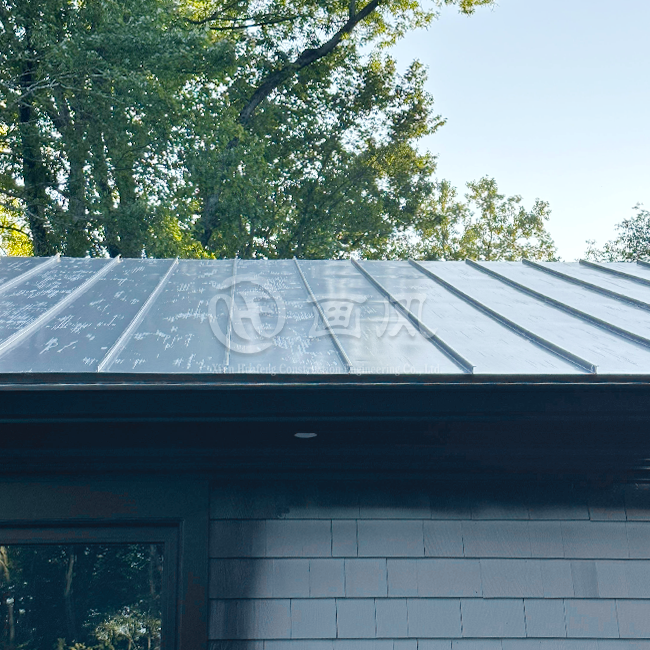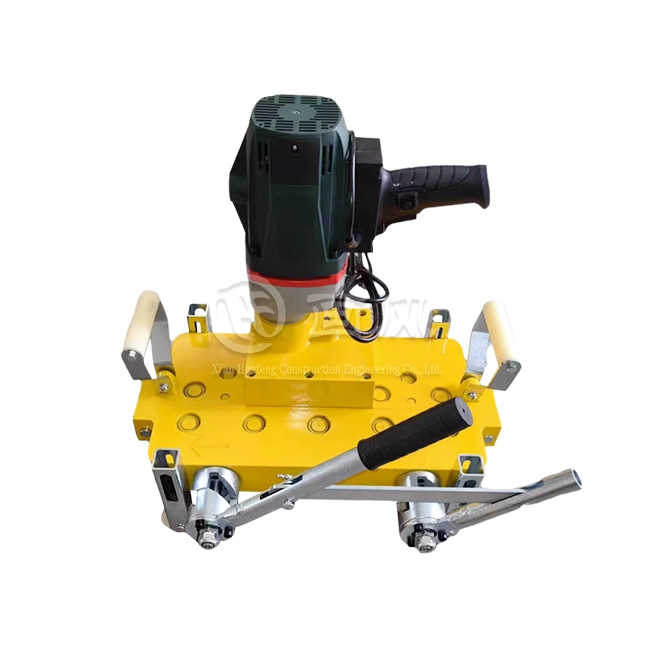
The Benefits of Using Specialized Metal Roof Standing Seam Tools
2026-03-31 09:47:36
When we talk about professional metal roofing installations, Metal Roof Standing Seam Tool precision tools make all the difference. The benefits of using specialized metal roof standing seam tools extend far beyond basic functionality - they revolutionize how roofing contractors approach their craft. These precision-engineered devices deliver consistent seam quality, reduce installation time by up to 40%, and minimize material waste. Professional-grade standing seam equipment ensures weathertight connections that last decades while improving worker productivity and project profitability. Quality metal roof standing seam tool selection directly impacts project outcomes, making the investment worthwhile for serious roofing professionals.
Understanding Key Performance Parameters for Standing Seam Equipment
Tool Specifications and Performance
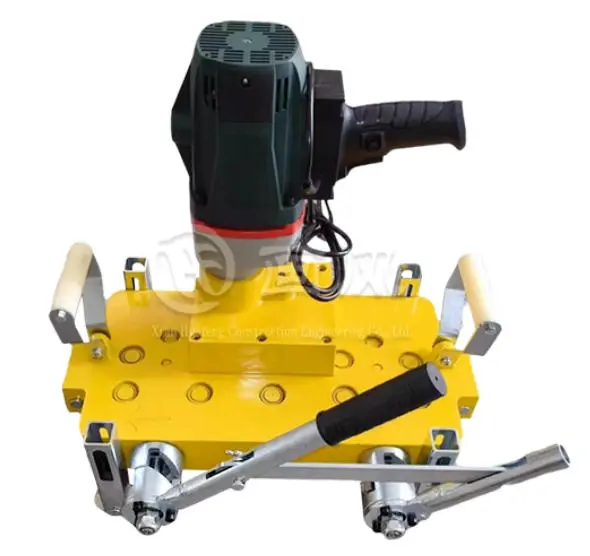
Roofers who are professionals know that the right tools are essential to the success of a job. Modern seamers for metal roof panels work within certain limits that determine how well and how reliably they do their jobs. Most tool size ranges can handle steel and aluminium panels with 22 to 24 gauge. Working width requirements range from 12 inches for small pocket devices to 24 inches for bigger machines. Crimping forces are measured in pounds per square inch and can be anywhere from 800 to 2000. This makes sure that seams are formed securely on a variety of materials. The amount of power needed by manual and electric types is very different. Battery-powered units give off 18 to 24 volts and can be used for 4 to 6 hours at a time. Electric models with cords work at 110 to 220 volts and provide steady power for long work times.
Weight, Mobility, and Temperature Tolerance
When thinking about mobility and user fatigue, weight is important. Smaller roof seam crimpers that you can hold in your hand weigh 3 to 8 pounds, while bigger roofing seam press units weigh 15 to 25 pounds. These specs have a direct effect on which tools are chosen based on the needs of the job and the installation conditions. Temperature tolerance rates make sure that the product will work reliably in all kinds of weather. As the temperature ranges from -20°F to 140°F, quality tools work well, meeting the winter installation needs of people in many places.
Core Advantages That Transform Roofing Projects
Consistency and Installation Efficiency
To build a standing seam roof professionally, you need a Metal Roof Standing Seam Tool that always gives you the same results. Specialised equipment has measurable benefits that have a direct effect on how well a job turns out and how much money the contractor makes. The main benefit of professional-grade tools is that they make seams consistent. When pressure is spread out evenly, weathertight links are made that keep water out and keep the structure from falling apart. When crimping by hand, the results are often not consistent, but with special tools, the seam geometry stays the same throughout the whole installation. When you use the right metal roof seaming tools, you can speed up the installation process by 25 to 40 percent. Automated seaming systems make work easier while also getting more done. More linear footage is finished by contractors every day, which speeds up projects and better uses of resources. Precision tool control and uniform seam formation help cut down on material waste. Professional tools keep panel damage to a minimum during installation, which lowers the cost of replacement and the need to order more materials. This efficiency makes the project's earnings better and the client happier.
Ergonomics, Safety, and Compliance
Ergonomic tool design and less physical strain are good for worker safety. Good metal roof bending tools have handles that are easy to hold and distribute weight evenly. These design features help workers stay healthy over time and lower the risk of repetitive stress injuries. Contractors can meet strict building codes and warranty standards when they have quality assurance skills. Making sure that seams are formed consistently makes sure that they meet maker requirements and local building standards. This dependability keeps contractors from having to deal with callback problems and liability issues.
HF Metal Roof Standing Seam Tools vs. Competitive Options
Engineering, Design, and Material Quality
Xi'an Huafeng Construction Engineering Co., Ltd. stands out because it has excellent engineering and strict quality control measures. Our way of making things uses cutting-edge technology and strict testing procedures.HF tools are different from other products on the market because they use new design ideas. Our tech team creates unique features that solve problems that come up during installation. Improvements to the ergonomics make the machine less tiring to use, and precision processes make sure that the seam quality stays the same across all project conditions. Material quality is one of the most important factors that determines how well and how long a tool will last. HF uses high-quality steel alloys and precision-machined parts that can handle harsh building sites. Material quality is often skimped on in competitive goods, which leads to early wear and inconsistent performance. Compliance with quality certification shows that we are dedicated to meeting foreign standards. The ISO9001 and ISO14000:14001 certifications show that our manufacturing methods are good and that we care about the environment. SGS guidelines make sure that all types of tools are reliable and work the same way.
Customization and Technical Support
Being able to manufacture something gives you customization choices that smaller suppliers don't have. Our building is 200,000 square meters, which means it can handle both custom tool modifications and large orders. Because of this, workers can choose the tools that best meet the needs of their specific projects. Technical support services are useful after the initial buy of a tool. Throughout the lifecycle of a tool, our engineering team gives help with installation and fixing problems. This all-around method to support makes sure that the tool works well and users are happy.
Maximizing Tool Performance Through Proper Selection and Usage
Tool Selection and Project Requirements
Strategic tool selection requires understanding project requirements Metal Roof Standing Seam Tool and matching equipment capabilities accordingly. Different installation scenarios demand specific tool characteristics and performance features. Project scale considerations influence tool selection between manual and electric options. Small repair jobs benefit from portable roofing hand tools that provide flexibility and quick setup. Large commercial installations require electric seamers that maintain consistent performance across extended work periods. Material compatibility verification ensures optimal tool performance across different panel types. Aluminum panels require different pressure settings than steel alternatives. Understanding these material characteristics prevents damage and ensures proper seam formation.
Maintenance, Training, and Performance Monitoring
Maintenance protocols extend tool life and maintain performance standards. Regular lubrication schedules prevent mechanical wear while cleaning procedures remove debris that affects seam quality. Proper storage conditions protect tools from environmental damage and corrosion. Operator training programs maximize tool effectiveness and safety outcomes. Understanding proper technique reduces user fatigue while improving seam consistency. Training investments pay dividends through improved productivity and reduced material waste. Performance monitoring helps identify optimization opportunities and maintenance needs. Tracking seam quality metrics reveals when tool adjustments or maintenance become necessary. This proactive approach prevents quality issues and maintains installation standards.
Professional Implementation Strategies for Optimal Results
Planning, Workflow, and Quality Control
Successful standing seam installations require systematic approaches that integrate proper tools with proven techniques. Professional contractors develop implementation strategies that maximize efficiency while ensuring quality outcomes. Pre-installation planning involves tool selection based on panel specifications and project conditions. Weather considerations affect tool performance and installation timing. Temperature extremes may require modified techniques or specialized equipment settings. Workflow optimization reduces installation time while maintaining quality standards. Sequential seaming approaches minimize handling while ensuring consistent pressure application. Proper staging reduces material handling and improves overall project efficiency. Quality control checkpoints verify seam integrity throughout installation processes. Regular inspections identify potential issues before they compromise system performance. These verification steps protect against warranty claims and ensure long-term reliability.
Team Coordination and Documentation
Team coordination ensures efficient utilization of the Metal Roof Standing Seam Tool across multiple work areas. Proper communication prevents equipment conflicts while maintaining installation schedules. Coordinated approaches maximize productivity while ensuring safety compliance. Documentation requirements support warranty claims and building code compliance. Recording seam specifications and installation conditions provides valuable reference information. This documentation protects contractors and building owners throughout system lifecycles.
Conclusion
Specialized metal roof standing seam tools represent essential investments for professional roofing contractors seeking competitive advantages. These precision-engineered devices deliver measurable benefits through improved seam consistency, enhanced installation speed, and reduced material waste. Quality tool selection directly impacts project profitability while ensuring long-term system reliability. HF's commitment to manufacturing excellence and comprehensive quality control delivers tools that meet demanding construction requirements. Professional contractors who prioritize tool quality achieve superior installation outcomes while building sustainable business advantages in competitive markets.
FAQ
Q1: What gauge metal panels work best with HF standing seam tools?
A: HF metal roof standing seam tools accommodate 22-24 gauge steel and aluminum panels effectively. Our equipment features adjustable pressure settings that optimize performance across different material thicknesses. Tool selection depends on specific panel specifications and project requirements.
Q2: How do electric seamers compare to manual options for large projects?
A: Electric seamers provide consistent pressure and reduce operator fatigue during extended installations. Battery-powered units offer portability while corded versions deliver unlimited runtime. Manual tools remain valuable for repairs and small-scale applications where setup time matters.
Q3: What maintenance schedules ensure optimal tool performance?
A: Monthly lubrication and cleaning maintain mechanical components while seasonal inspections identify wear patterns. Storage in dry conditions prevents corrosion, while proper handling reduces impact damage. Following manufacturer guidelines extends tool life and maintains warranty coverage.
Partner with HF for Superior Metal Roof Standing Seam Tool Solutions
Xi'an Huafeng Construction Engineering Co., Ltd. stands ready to support your roofing projects Metal Roof Standing Seam Tool with an industry-leading metal roof standing seam tool technology. Our comprehensive manufacturing capabilities and ISO-certified quality systems ensure reliable performance across demanding construction environments. Contact our technical team at huafeng@hfmetalroof.com to discuss your specific requirements and explore our complete range of standing seam solutions. As a trusted metal roof standing seam tool manufacturer, we deliver precision-engineered equipment that transforms installation efficiency and quality outcomes.
References
1. Metal Roofing Alliance. "Professional Installation Standards for Standing Seam Metal Roofing Systems." Technical Publication Series, 2023.
2. Construction Industry Research Board. "Tool Performance Analysis in Commercial Roofing Applications." Annual Technical Review, 2023.
3. American Society of Roofing Contractors. "Best Practices Guide for Metal Roof Installation Equipment." Professional Development Series, 2022.
4. International Code Council. "Metal Roof System Installation Requirements and Quality Standards." Building Code Reference Manual, 2023.
5. Roofing Technology Institute. "Comparative Analysis of Standing Seam Tool Performance Metrics." Research Publication No. 2023-07.
6. National Roofing Contractors Association. "Equipment Selection Guidelines for Metal Roofing Professionals." Technical Bulletin Series, 2022.





YOU MAY LIKE