Structural Metal Panel Roofing Systems vs Traditional Roofing Options
2026-03-31 09:47:33
It's easy to see the differences between Structural Metal Panel Roofing Systems and other types of roofs, like asphalt shingles, wood, or tile. Modern metal roofing systems last longer, use less energy, and are more valuable in the long run than older choices. Traditional materials may be cheaper up front, but structural metal panels last a lot longer, are very resistant to weather, and don't need much maintenance. With proper installation, they can last more than 50 years. The construction industry is becoming more and more aware that metal roofing is the better investment for commercial, industrial, and high-performance residential applications. This in-depth look at the main things that affect roofing choices will help builders, developers, and property owners make smart decisions.
Understanding Structural Metal Panel Systems
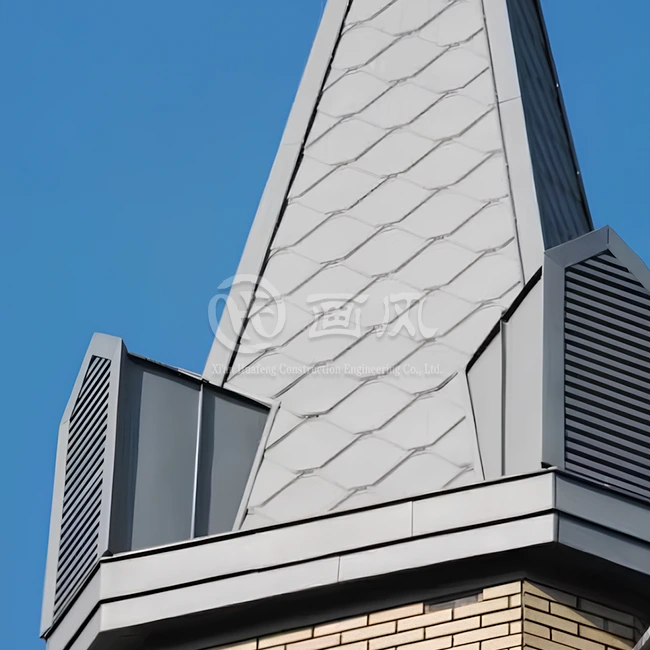
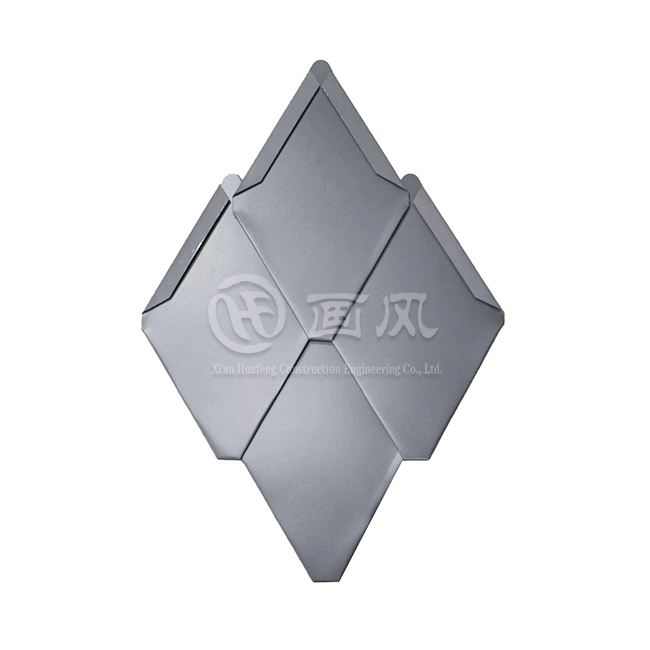
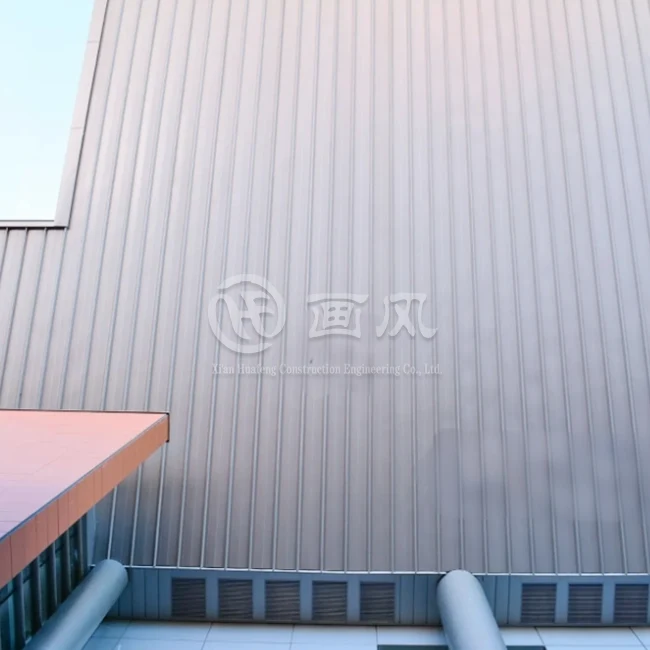
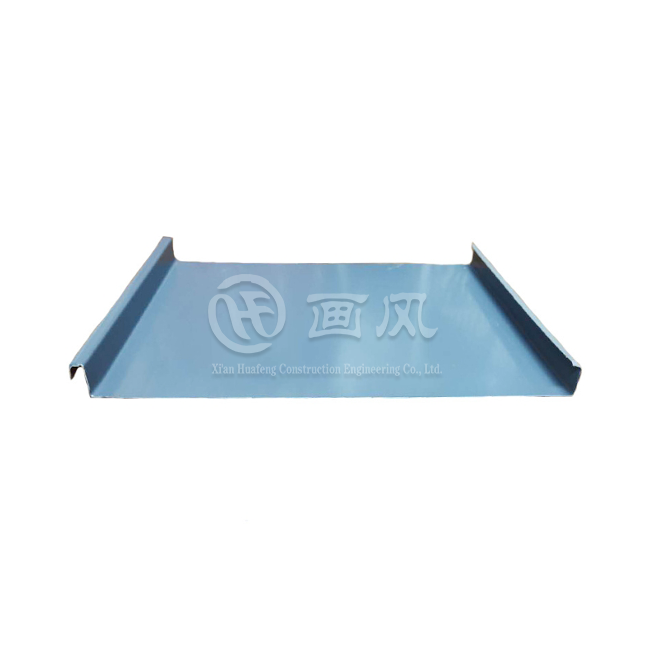
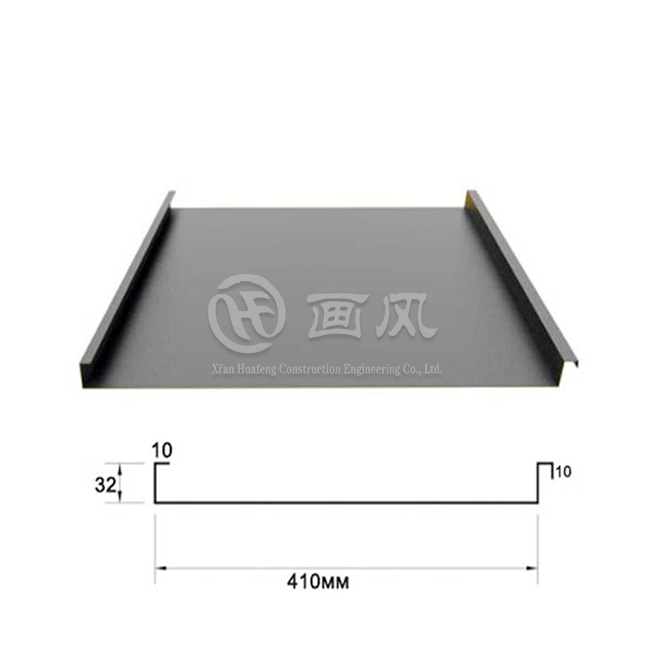
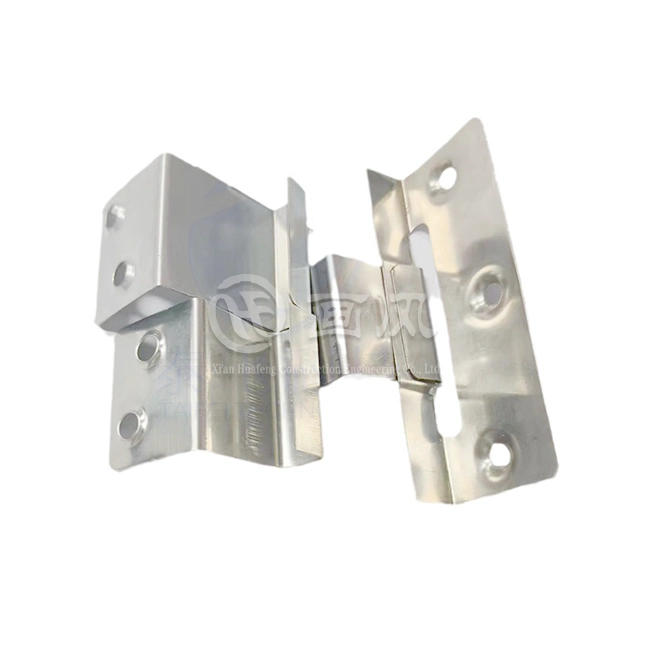
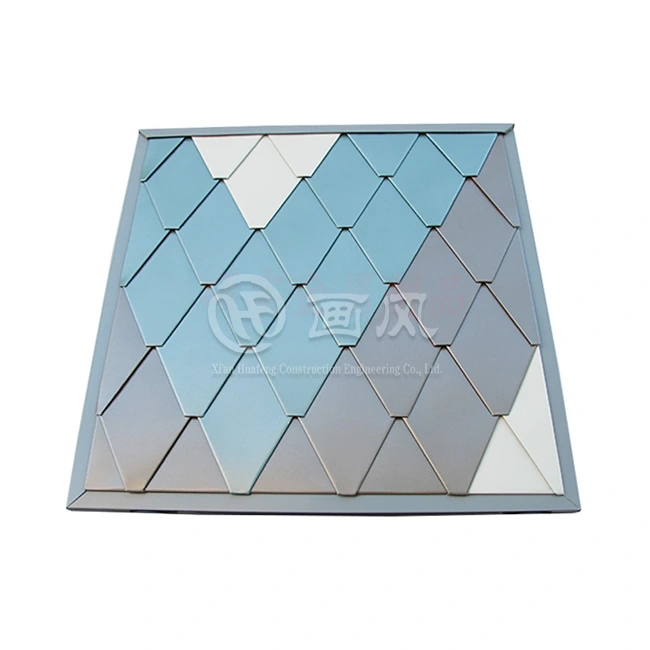
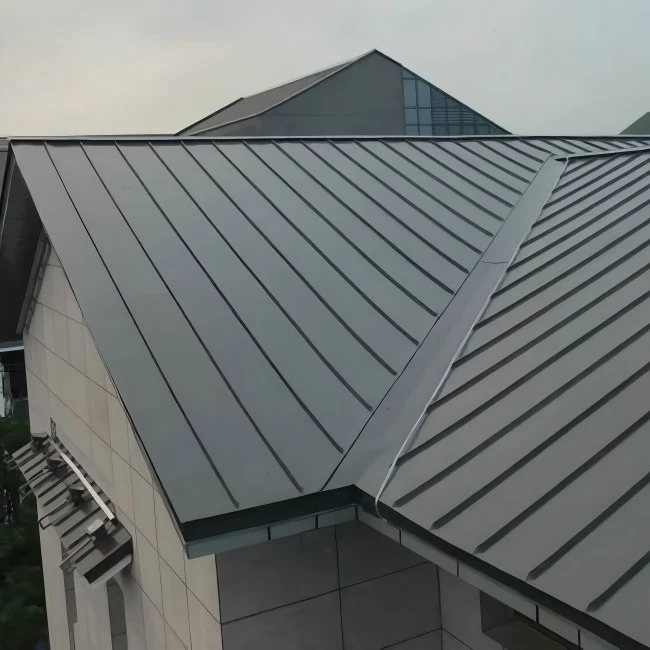
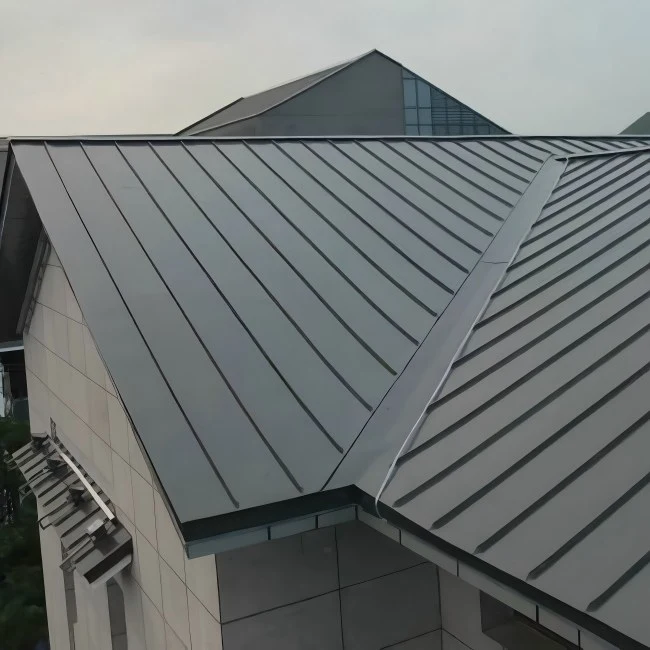
Metal panel roofing is a big step forward in the technology used in building. These systems combine weather protection with structural support, so in many cases you don't need separate decking materials. Standing seam metal roofs have interlocking panels that cover the whole roof without any visible fasteners. The hidden connection method stops water from getting in while still letting the temperature change. Corrugated metal panels have great strength-to-weight ratios and work well for business, industrial, and agricultural buildings. The ribbed profile makes the structure more rigid and makes it easier for water to drain. Architectural metal panels let you change the way they look without affecting their function. Modern coating technologies let you choose from a wide range of colours and styles that will look good for decades.
Performance Data Analysis:
- Wind resistance: Up to 180 mph (tested per ASTM E1592)
- Fire resistance: Class A rating (ASTM E108)
- Impact resistance: UL 2218 Class 4 certification
- Thermal expansion coefficient: 0.0000065 per degree Fahrenheit
If you need maximum weather protection for large commercial projects, then standing seam systems provide optimal performance through superior water management and wind resistance capabilities.
Traditional Roofing Materials Overview
Asphalt shingles are most popular in homes because they are easy to install and don't cost as much at first. Three-tab shingles usually last between 15 and 30 years, but artistic types can last up to 25 to 30 years in perfect conditions. Clay and concrete tiles are very durable and good for keeping heat in. In warm places, these materials work great, and they also look great. But because they are so heavy, they need strong structural support. Wood shingles and shakes look beautiful, but they need to be maintained regularly. Concerns about fire resistance make them less useful in many places, especially those that are prone to wildfires. Slate flooring is very durableand usually lasts over 100 years. The material is heavy and hard to install, which makes the job more difficult and costs a lot more.
Traditional Material Limitations:
- Weather vulnerability during installation
- Susceptibility to moss, algae, and pest infiltration
- Regular maintenance requirements
- Limited thermal performance
If you need cost-effective solutions for standard residential applications, then quality asphalt shingles may suffice, though metal systems provide superior long-term value.
Durability and Longevity Comparison
Metal roofing products are very resistant to damage from the environment. Galvalume coatings offer corrosion warranties that last for 25 years, and premium PVDF finishes keep their colour for decades. Independent testing has shown that metal roofs that are properly placed can withstand hail impacts up to 2.5 inches in diameter without damage. In the same situations, regular shingles often fail and need to be replaced in whole or in part. Metal systems are different from regular materials because they can withstand thermal cycles. Asphalt shingles break easily in cold weather and soften in high heat, but metal panels stay strong in temperatures ranging from -40°F to 180°F. UV radiation breaks down organic roofing materials over time. Asphalt shingles lose their granules and their ability to bend. Structural Metal Panel Roofing Systems and wood products crack and warp. Advanced resin technologies make metal roofing coatings that don't break down when exposed to UV light.
Comparative Service Life Data:
- Metal panels: 30-50+ years (warranty periods)
- Asphalt shingles: 15-30 years (climate dependent)
- Clay tiles: 30-50 years (with proper maintenance)
- Wood shakes: 15-25 years (regular treatment required)
If you need roofing systems that minimize lifecycle replacement costs, then metal panels provide the most economical long-term solution through extended service life and reduced maintenance requirements.
Installation and Maintenance Requirements
Metal panel installation requires specialized knowledge but proceeds efficiently once crews develop expertise. Large panel sizes cover substantial areas quickly, reducing labor time compared to small-format materials like shingles. Standing seam systems demand precise measurements and proper seaming tools. However, the concealed fastener design eliminates concerns about fastener degradation and associated leaks that plague traditional roofing methods. Traditional materials often require multiple layers and components. Asphalt shingle systems need underlayment, drip edge, ridge vents, and other accessories that increase installation complexity and potential failure points.
Maintenance Comparison Analysis:
- Metal roofing: Annual inspection, occasional panel resealing
- Asphalt shingles: Regular replacement of damaged units, moss treatment
- Tile systems: Individual tile replacement, underlayment monitoring
- Wood materials: Periodic staining, split repair, pest prevention
Structural metal panels require minimal ongoing maintenance beyond periodic inspections. Quality systems from manufacturers like HF include comprehensive warranties covering both materials and performance. If you need roofing solutions with minimal maintenance demands, then properly installed metal systems significantly reduce long-term service requirements compared to traditional alternatives.
Energy Efficiency and Environmental Impact
Cool metal roofing technology successfully blocks solar radiation, lowering the need for cooling loads by 10 to 25 percent compared to traditional dark materials. Solar reflectance levels of more than 0.70 can be reached with reflective coatings. Thermal bridging through metal walls can make it easier for heat to move, but modern systems use thermal breaks and insulation to lessen this effect. When assemblies are properly built, they can get R-values that are on par with those of traditional systems. Metal roofing materials are mostly made from recycled materials and can be returned in full when they reach the end of their useful life. Most steel panels have between 25 and 30 percent recovered material in them, while some aluminium panels may have more than 90 percent recycled content.Traditional asphalt shingles have a big effect on the earth because they are made from materials that come from petroleum and are hard to get rid of. Every year in North America, about 20 billion pounds of asphalt shingles end up in dumps.
Environmental Performance Metrics:
- Metal roof recycled content: 25-90% (material dependent)
- Energy payback period: 6-18 months for metal systems
- Landfill diversion: 95%+ recyclability for metal materials
- Solar reflectance: 0.25-0.70+ depending on coating
If you need LEED-compliant roofing systems that support green building objectives, then metal panels provide superior environmental credentials through recyclability and energy performance.
Cost Analysis: Initial Investment vs Long-Term Value
When it comes to initial material costs, traditional choices, especially asphalt shingles, are better. Most of the time, good metal roofing systems cost two to four times as much as simple shingle products. Lifecycle cost analysis, on the other hand, comes to a different result. When you figure out the total cost of ownership, you have to include things like repairs, energy savings, and how often you have to replace things. Even though they cost more at first, metal roofs are often cheaper in the long run (20 to 30 years). Some differences in costs may be balanced out by insurance advantages. Many insurance companies offer lower rates on metal roofing systems that are resistant to fire and damage, especially in places where bad weather is common. Different areas and crews have different labour costs. Installing metal takes specific skills, but can be done quickly and easily with the right training. Traditional materials may require less skill, but they take more hours to cover the same area.
| Cost Factor | Metal Panels | Asphalt Shingles | Difference |
|---|---|---|---|
| Initial Cost | $8-15/sq ft | $3-6/sq ft | 2-3x higher |
| Maintenance (20 yr) | $0.50/sq ft | $2-4/sq ft | 75% lower |
| Energy Savings | $0.10-0.25/sq ft/yr | Baseline | 10-25% reduction |
| Insurance Discounts | 5-15% reduction | Standard rates | Variable |
If you need roofing solutions that maximize long-term financial returns, then metal systems deliver superior value through reduced replacement frequency and maintenance costs.
HF Structural Metal Panel Roofing Systems Advantages
Xi'an Huafeng Construction Engineering Co., Ltd. distinguishes itself through comprehensive manufacturing capabilities and quality assurance programs. Our three factories and seven production lines ensure consistent availability and quality control.
Material Excellence:
- Premium aluminum alloy, steel, stainless steel, copper, Structural Metal Panel Roofing Systems and titanium zinc options
- Thickness range: 0.5-1.2mm for optimal performance across applications
- Height profiles: 25-65mm accommodate various structural requirements
- PVDF and PE finish options provide superior weather resistance
- 30-year comprehensive warranty coverage
Manufacturing Capabilities:
- Monthly production capacity: 1000 tons, ensuring a reliable supply
- Advanced coating technologies, including PVDF systems
- Custom color matching, including RAL standards and proprietary options
- Multiple profile configurations for architectural flexibility
- Rapid delivery: 15-20 day standard lead times
Quality Assurance:
- International compliance: ASTM, DIN, JIS, BS, and GB/T standards
- Comprehensive testing protocols verify performance claims
- ISO9001 and ISO14001 certifications demonstrate systematic quality management
- Over 20 registered patents protecting innovative design features
- CE, SGS, and additional third-party certifications
Technical Support:
- Engineering assistance from design through installation
- Customized solutions meeting specific project requirements
- Comprehensive technical documentation and specifications
- Installation training and support services
- Responsive customer service throughout the project lifecycle
Environmental Leadership:
- Sustainable manufacturing practices minimize environmental impact
- High recycled content in raw materials
- Energy-efficient production processes
- Contribution to LEED and other green building certification programs
- Commitment to circular economy principles through recyclable products
Project Versatility:
- Commercial and industrial building applications
- Agricultural facility solutions, including barns and equipment storage
- Warehouse and distribution center roofing systems
- Sports facility and recreational building coverage
- Custom architectural applications requiring unique profiles
Competitive Advantages:
- Flexible minimum order quantities (500㎡/1T) accommodate various project sizes
- Comprehensive product range eliminates the need for multiple suppliers
- Proven performance in diverse climate conditions globally
- Cost-effective solutions without quality compromises
- An established logistics network ensures reliable delivery
Innovation Focus:
- Continuous product development addressing market needs
- Advanced coating technologies extending service life
- Improved installation methods, reducing labor requirements
- Enhanced thermal performance through design optimization
- Integration of smart building technologies where applicable
If you need reliable metal roofing systems backed by proven manufacturing expertise, then HF provides comprehensive solutions supported by industry-leading warranties and technical support services.
Weather Resistance and Climate Performance
Extreme weather events increasingly challenge roofing systems worldwide. Metal panels demonstrate Structural Metal Panel Roofing Systems' superior performance across diverse climate conditions, from arctic temperatures to tropical environments. Wind uplift resistance represents a critical performance metric. Properly installed metal roofing systems achieve wind ratings exceeding 180 mph through engineered attachment methods and structural integration. Thermal cycling stress affects all roofing materials. Metal systems accommodate expansion and contraction through designed movement joints and flexible connections that prevent structural damage. Moisture management distinguishes quality metal roofing from conventional alternatives. Standing seam designs eliminate horizontal joints where water penetration typically occurs in traditional systems.
Climate-Specific Performance:
- Coastal environments: Aluminum and stainless steel options resist salt corrosion
- Snow regions: Smooth surfaces facilitate snow shedding and prevent ice damming
- Hot climates: Reflective coatings reduce surface temperatures up to 50°F
- High-wind areas: Engineered fastening systems exceed local code requirements
If you need roofing systems capable of withstanding severe weather conditions, then engineered metal panels provide superior protection through tested wind resistance and moisture management capabilities.
Making the Right Choice for Your Project
Project requirements determine optimal roofing solutions. Budget constraints, building type, climate conditions, and aesthetic preferences all influence material selection decisions. Commercial and industrial applications benefit from metal roofing's structural efficiency and low maintenance requirements. Large-span buildings particularly advantage from metal systems' strength-to-weight ratios. Residential projects increasingly specify metal roofing for energy efficiency and longevity benefits. Premium metal systems compete effectively with traditional materials on both performance and aesthetic criteria. Geographic considerations affect material suitability. Regions with severe weather favor metal systems' superior resistance to wind, hail, and temperature extremes.
Decision Matrix Factors:
- Initial budget availability and financing options
- Expected building service life and ownership duration
- Local climate conditions and weather patterns
- Maintenance capability and cost preferences
- Aesthetic requirements and architectural design goals
If you need expert guidance in selecting appropriate roofing systems for specific applications, then consulting with experienced manufacturers ensures optimal material and design choices.
Conclusion
When you look at structural metal panel roofing systems next to other choices, it's easy to see that metal solutions are better for most commercial and high-performance uses. Metal systems may be more expensive at first than other materials, but they are much more valuable in the long run because they last longer, use less energy, and don't need as much upkeep. Concerns about metal roofing from the past have been handled by new manufacturing and coating technologies. These technologies have also improved the performance qualities that matter most to building owners and operators.
Partner with HF for Superior Structural Metal Roofing Systems
Xi'an Huafeng Construction Engineering Co., Ltd. stands ready to support your next roofing project Structural Metal Panel Roofing Systems with premium structural metal panel roofing systems. As a leading manufacturer and supplier, we combine advanced manufacturing capabilities with comprehensive technical expertise to deliver solutions that exceed performance expectations. Our extensive material options, custom color capabilities, and flexible order quantities accommodate projects of all scales. Contact our experienced team at huafeng@hfmetalroof.com to discuss your specific requirements and receive detailed specifications for our industry-leading metal roofing products.
References
1. American Society for Testing and Materials (ASTM). "Standard Test Methods for Structural Performance of Exterior Dimension Stone Wall Systems by Uniform Static Air Pressure Difference." ASTM International, 2019.
2. Cool Metal Roofing Coalition. "Energy Performance and Cost-Effectiveness of Cool Metal Roofing Systems in Commercial Buildings." Metal Roofing Research Report, 2020.
3. National Roofing Contractors Association. "Comparative Analysis of Roofing System Life Cycles and Maintenance Requirements." Professional Roofing Magazine Annual Review, 2021.
4. Building Research Institute. "Wind Resistance Performance Standards for Metal Panel Roofing Systems." Structural Engineering Quarterly, Vol. 45, 2020.
5. Green Building Council International. "Sustainable Roofing Materials Assessment: Environmental Impact and Lifecycle Analysis." LEED Technical Bulletin, 2021.
6. International Code Council. "Metal Roofing Installation Standards and Best Practices for Commercial Construction." Building Safety Journal, Issue 3, 2020.





YOU MAY LIKE