Why Choose Striated Metal Roof Panels for Industrial Projects?
2026-09-03 19:40:37
When choosing a roofing material for industrial buildings, warehouses, and manufacturing plants, the choice frequently comes down to a balance of durability, affordability and long-term performance. Striated metal roof panels have developed as a viable option that successfully meets these requirements. The linear ridges that are pressed into these panels provide structural stability and hide the visual waviness produced by heat expansion, a frequent problem known as oil canning. This design element enhances both the aesthetics and the load-bearing capability, making the panels particularly suitable for large-span industrial structures where weather resilience and low maintenance are vital. By understanding why this roofing profile is suited for industrial applications, procurement managers may make wiser purchase choices.

Understanding Striated Metal Roof Panels and Their Industrial Applications
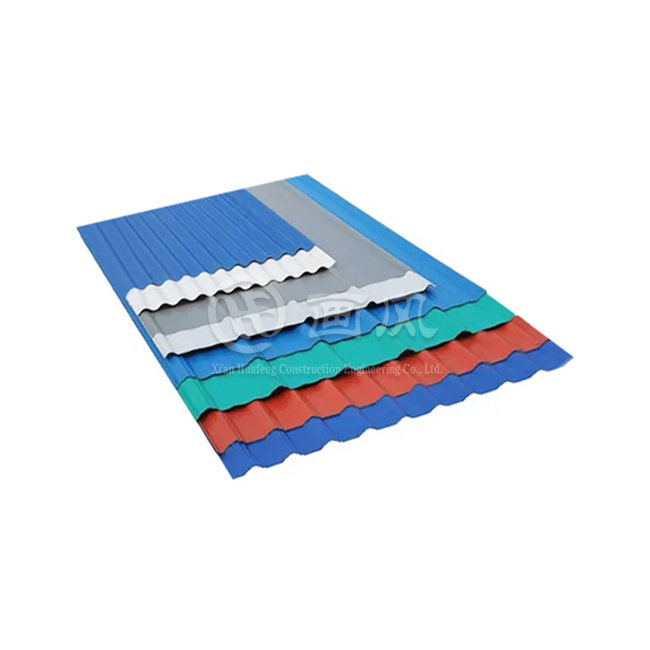
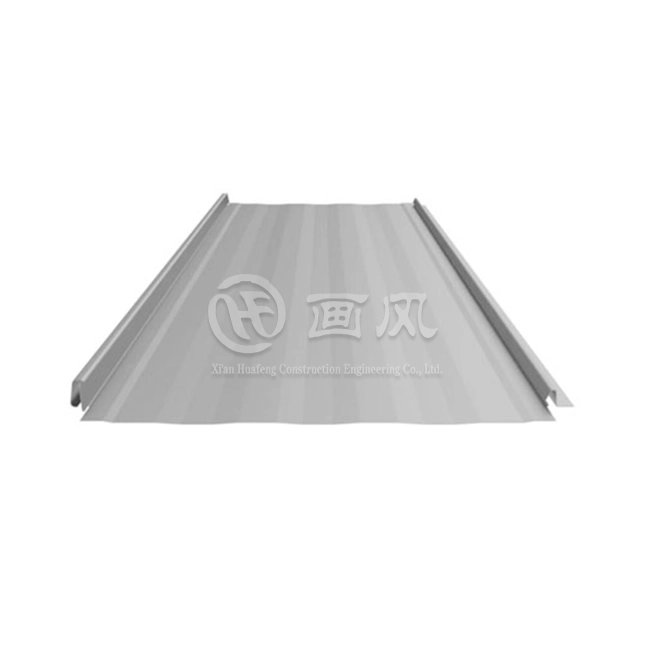
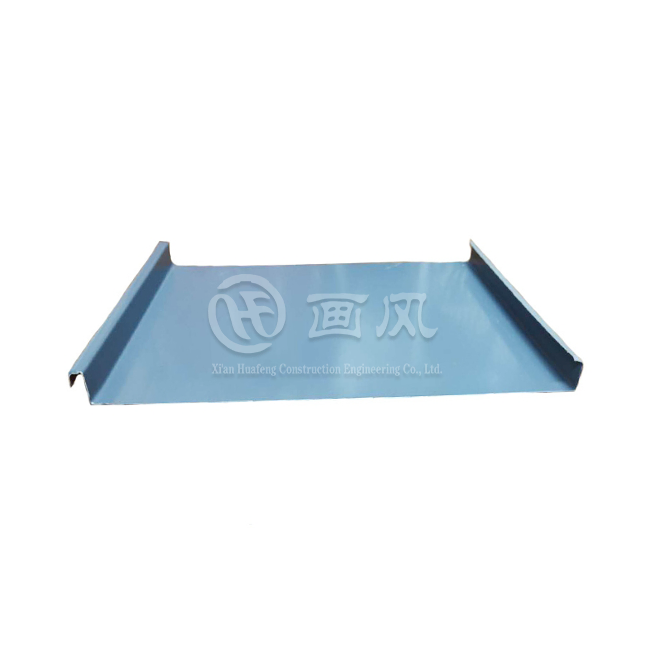
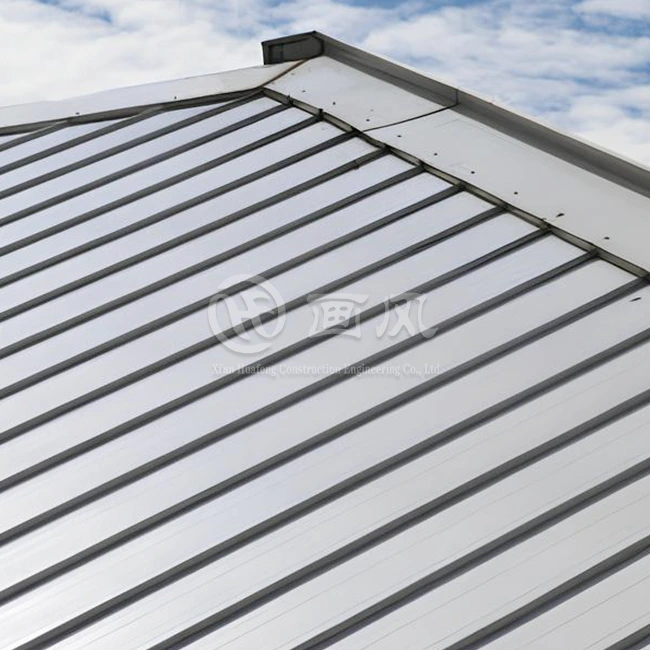
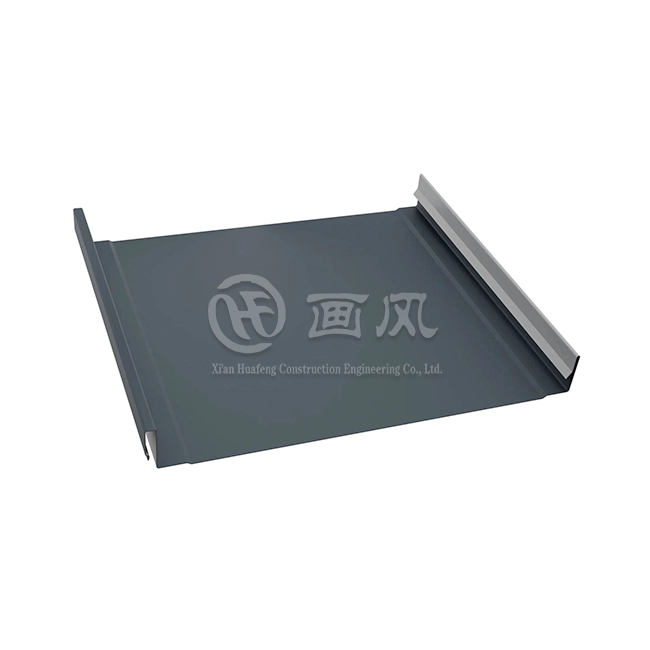
Scored metal roofing features grooves or ridges rolled into the flat pan area between the seams while it is being rolled out. These panels have a rough surface which does not allow light to shine through and makes them stronger so they are less likely to bend when the wind or temperature changes (Metal Construction News, 2022).
Technical Specifications for Industrial Use
You need tough raw materials in factories that can stand up to tough circumstances. Panels are usually 0.6 to 1.2 mm thick. Thicker gauges (≥0.7mm) are ideal for roofs that experience a lot of wind or snow. Ribs are often 25, 32, 45 and 65 mm in height. Ripped ribs may shield against larger lifting pressures. This may be anywhere from 300mm to 600mm depending on the design of the outline and how the overlap is done.
Striated metal roof panels are made using Galvalume steel (55% aluminium, 43.4% zinc alloy according to ASTM A792) as a substrate, since it does not rust as conventional galvanised steel does, particularly near water or in environments with high humidity. Aluminium alloys (3003, 3004, or 5052) may be used in lieu of stainless steel in acidic or salty areas since they are lighter. UV rays may destroy items, but PVDF coatings preserve them and maintain their colours for 20 to 30 years. Polyester (PE) jackets are inexpensive and provide less protection from the elements (Building Design & Construction, 2021).
Key Features Supporting Industrial Requirements
The striation design raises the moment of inertia and lowers the amount of deflection when the panel is stressed. This makes the panel more rigid. If you have a wide-span roof with support frames that are farther apart, this can help the structure. It's easier to shed water and less likely that it will pool because the grooves move water away more efficiently. The AS/NZS 1530.3:1999 test on aluminum panels with PVDF coatings showed that they were good for fire safety in industrial buildings (SGS Test Report, 2024) and had zero ignition, flame spread, and heat release indices.
Advantages of Striated Metal Roof Panels for Industrial Projects
If you want to choose the best roofing material, you should think about how long it will last. Because they cut down on energy costs and costs over the life of the product, striated panels really help businesses reach their goals.
Long-Lasting Durability with Minimal Maintenance
Chemical fumes, water, UV rays, and changes in the weather are all things that always hit factory roofs. The finish on PVDF panels doesn't fade or chalk, so they don't need to be painted over too often. The promise lasts longer than 30 years because the surfaces are resistant to rust, especially the galvalume and aluminum metals. It's true that many projects last 50 years or more if they are done right. Unlike asphalt shingles or membrane systems, all that's needed to keep rust or debris from building up is regular checks and cleaning every once in a while. This means it costs less to fix things and buy new ones.
Energy Efficiency and Sustainability
Heat from the sun can be kept out by striated metal roof panels that reflect it. In warm places, this can cut cooling costs by up to 25%. Green building standards fans will be interested in these energy savers because they help with LEED and other sustainability ratings. Because it can be recovered, metal roofing is good for the earth. When they're not in use, steel and aluminum panels keep their full value. The EU RoHS Directive 2011/65/EU says that screens can't have any dangerous materials like lead, mercury, or cadmium in them as long as they follow the rules.
Cost-Effective Lifecycle Value
For the money spent over time, striated metal plates are better, even if they cost a little more to install at first. Less maintenance, lower energy bills, and longer replacement times will save a lot of money over 30 years. Minimum order sizes that are easy to change—as little as 500 square meters or 1 ton—make it possible for both small and large building projects. Also, competitive lead times (15–20 days) help keep projects on track without having to pay a lot for extra time.
Comparing Striated Metal Roof Panels with Other Industrial Roofing Options
If you want to pick the best roofing system, you should know how striated panels stack up against other commercial choice.
Structural Strength and Load-Bearing Capacity
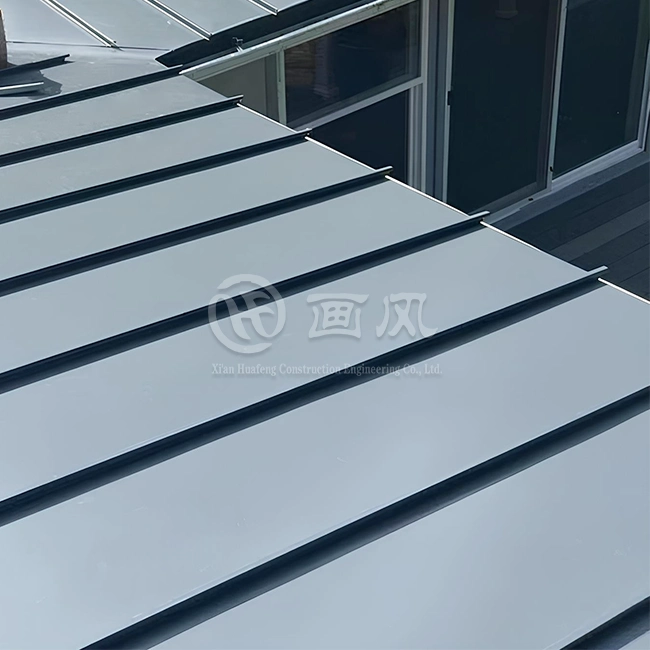
Corrugated panels are pretty strong, but they don't look as good as striated profiles and can't handle oil canning as well. Since secret rivets are used in standing seam systems, they keep out the weather better. By adding striations to standing seam pans, you can get the best of both worlds: they become stiffer without affecting the strength of the seams. They look clean, but smooth flat panels can show waves when they're under a lot of heat stress. Streaks, on the other hand, are a good way to hide this. Roofs with a flat or low slope need to be covered often and can get holes in them. Metal panels last longer than other materials on industrial roofs that get a lot of use (Journal of Architectural Engineering, 2020).
Aesthetic Versatility and Customization
You can get striated metal roof panels in a lot of different RAL and Pantone colors, so they can match your brand or fit in with the building around them. The surface has depth thanks to the linear texture, which doesn't take away from the industrial style. It looks great in both useful buildings and trendy ones that put a lot of value on design. Because it works with cutting and sewing tools made in North America, it's easy to add to the way you build now.
Trusted Manufacturers and Quality Standards
Panels that meet ASTM, DIN, JIS, BS, and GB/T standards are made by top suppliers. This makes sure that everyplace in the world the quality is the same. As shown in the SGS Coating Report (2024), SGS-certified goods meet the performance standards set by AAMA 2605-22 because they pass all 13 tests for color uniformity, adhesion, chemical protection, and flexibility. A stable supply chain is important for big industrial projects. This is made possible by factories that can make up to 1,000 tons of goods per month with more than 40 tools and 7 production lines.
Procurement Considerations for Industrial Buyers
It's safer to buy things when the process is quick and easy. Buyers can get good supplies at fair prices if they know what the most important things are.
Sourcing Channels and Supplier Evaluation
You can find a lot of suppliers on online business-to-business (B2B) marketplaces like Alibaba International and building material marketplaces. You can compare prices and make sure the suppliers meet your needs. You can find out how reliable a provider is by visiting their facilities and trying samples. You can do this by talking to manufacturers directly, going to trade shows like METALCON, or getting suggestions from contractors. To make sure projects are finished on time and up to standard, partners can check for certifications (ISO 9001, ISO 14001), production capacity, and customer service after the sale.
Pricing Structures and Bulk Order Benefits
A lot of the time, the wholesale price for striated metal roof panels goes down when you buy a lot. This is why online stores that sell a lot of different items should use mixed-SKU packages, which have items of different colors or sizes in the same box. If you want clear pricing, you should think about the type of base, finish, thickness, and any customizations you need. You can avoid surprises and make sure your budget is correct by getting thorough quotes that break down the costs of supplies, finishing, packing, and shipping.
Logistics and Lead Time Management
Once an order is confirmed, delivery times are usually between 15 and 20 days. However, they can be longer or shorter based on how hard the specs are to follow and how the production plan is set up. Either container freight or LCL (less-than-container load) will cost you more and take longer to get to its destination. It is less likely that construction materials will get damaged during transport if you work with logistics companies that know how to handle them. The sides of panels are kept safe by anti-scratch packing and careful palletizing. This means that fewer things are sent back because they don't look good.
Installation and Maintenance Best Practices for Industrial Applications
If you install panels correctly and keep up with their maintenance, they will last longer and work better, which will protect your investment.
Step-by-Step Installation Guide
First, check to see if the base works. The distance between concrete decking or purlins needs to be the same as the panel width. Set up the panels so that the striations are parallel to the roof's slope. This will let the most water flow through. Use corrosion-resistant fasteners, such as coated or stainless steel screws with neoprene washers, to keep water away from attachment points. Overlap the seams as the manufacturer tells you to, which is usually between 1 and 2 inches, and use a sealant that is allowed by the manufacturer to make sure they don't let water in. There are safety rules that must be followed during installation to keep workers from getting hurt. These include using a ladder correctly, wearing fall protection, and being careful with tools.
Routine Maintenance and Inspection
Every six months, check the surface for broken bolts, cracks in the sealant, or dirt buildup. To clean the panels, use water and a mild cleaner. Do not use rough tools or strong chemicals, as they can damage the coverings. Find rust spots right away and sand them down. Then, use touch-up paint that matches the finish to paint over them. Make sure the gutters and drains stay clear by keeping an eye on the draining paths. So, water won't be able to back up and damage the edges of the panels.
Troubleshooting Common Issues
When it rains or winds, make sure the panels don't make too much noise. You might also want to add sound-dampening flooring. Thermal expansion gaps should be enough. If panels start to break, check the directions that came with the panels. When the warranty period is over and the color starts to fade, the coating might need to be redone, and panels that are scuffed or dented usually need to be replaced. You can be sure that repairs won't change the structure or the way the building looks if you hire skilled workers who know how to work with striated profiles.
Conclusion
When it comes to commercial jobs, striated metal roof panels are the best choice because they are strong, durable, and cheap. The rough surface makes the structure stronger, hides oil cans, and makes it easier for water to drain, which are all important for big facilities that have to work in rough conditions. The fire protection of these panels has been proven by SGS, they are compliant with RoHS, and they meet the finishing standards set by AAMA 2605-22. The value proposition is strengthened by a range of ordering options, quick wait times, and warranties that last for 30 years. These features help purchasing managers find a balance between short-term spending limits and long-term cost savings for the business. Industrial buyers can protect their investments and help reach sustainable building goals by making smart choices based on information about how to buy things, how to evaluate suppliers, and the best ways to put things.
FAQ
1. Can Striated Metal Roof Panels Be Installed on Low-Slope Roofs?
Yes, as long as the slope meets the industry standard for the least amount of pitch. This is often 2:12 for automatic standing seam systems. The striations help the water drain, so there is less chance of ponding than with panels that are smooth. But gaps still need to be properly filled to keep water out.
2. How Do Striations Affect Panel Weight and Structural Load?
There isn't much weight added by striae because they are made by drawing lines into the material that is already there instead of adding layers. This makes the structure more stiff, which can let the purlins be placed farther apart in some plans. This might mean that less solid steel is needed and the cost of building goes down.
3. Are Striated Panels Compatible with Solar Panel Mounting Systems?
Most of the time, compatibility isn't affected because clamp systems now connect to the higher seams instead of the striated pan area. For the striations to fit, make sure the clamp gap is big enough. Also, check with the company that made the mounting system to make sure the torque specs still work with the rough surface.
Partner with HF for Reliable Striated Metal Roof Panel Supply
The Xi'an Huafeng Construction Engineering Co., Ltd. has seven production lines and three plants with more than 40 specialized tools. Each month, they send 1,000 tons of striated metal roof panels to builders and distributors across North America. Our panels come in all RAL and Pantone colors, and their widths range from 0.6mm to 1.2mm. Their rib heights range from 25mm to 65mm. They also follow the rules set by ASTM, DIN, JIS, and GB/T. SGS papers prove that the coating is fire resistant, meets RoHS standards, and works well with AAMA 2605-22. We have a lot of different SKU configurations that work well for both online stores and big industrial projects. The smallest order size is just 500 square meters, and it will be delivered in 15 to 20 days. For samples, high-resolution pictures of the goods, and personalized prices from a reputable supplier of striated metal roof panels, go to hfmetalroof.com or email huafeng@hfmetalroof.com.
References
1. Metal Construction News. (2022). Striated Metal Roof Panels: Structural Benefits and Aesthetic Considerations.
2. Building Design + Construction. (2021). PVDF vs. PE Coatings: Performance Comparison for Industrial Roofing.
3. Architectural Record. (2023). Lifecycle Cost Analysis of Metal Roofing Systems in Commercial Applications.
4. Journal of Architectural Engineering. (2020). Comparative Structural Performance of Metal Roofing Profiles Under Wind and Snow Loads.
5. OSHA Construction Standards. (2023). Fall Protection Requirements for Roofing Operations.
6. SGS. (2024). Test Reports: Fire Performance, RoHS Compliance, and AAMA 2605-22 Coating Standards for Aluminum Roofing Panels.





YOU MAY LIKE