24 Inch Standing Seam Metal Roof Certification: What Buyers Need to Know
2026-09-03 19:40:39
When roofing contractors and distributors evaluate a 24 inch standing seam metal roof, certification provides the clearest signal of quality, performance, and long-term reliability. Wide-format panels covering 24 inches center-to-center deliver faster installation and lower labor costs across large commercial or industrial projects, but only when they meet stringent material, structural, and environmental standards. For purchasing managers sourcing panels for multi-building portfolios or regional distribution, understanding which certifications matter—and what they actually test—transforms procurement from guesswork into strategic investment. Certified panels reduce project delays, minimize warranty disputes, and ensure compliance with evolving building codes across North America.

Understanding 24 Inch Standing Seam Metal Roof Certifications
What Defines This Roofing System
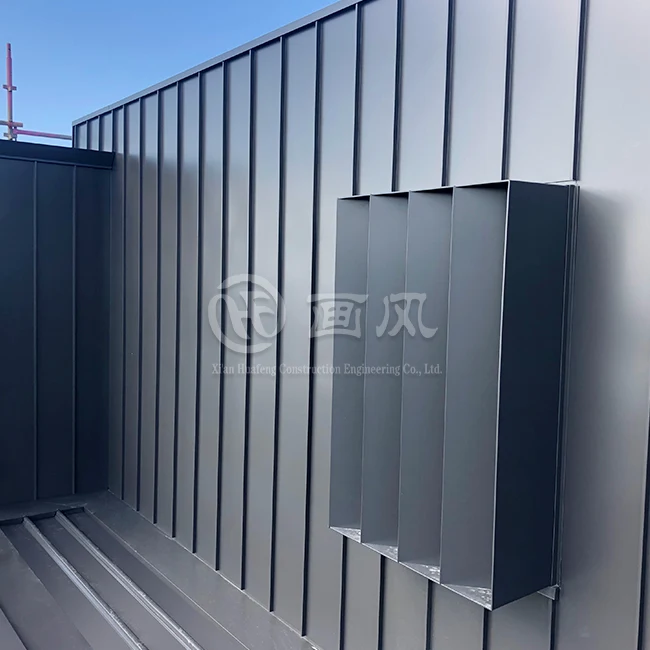
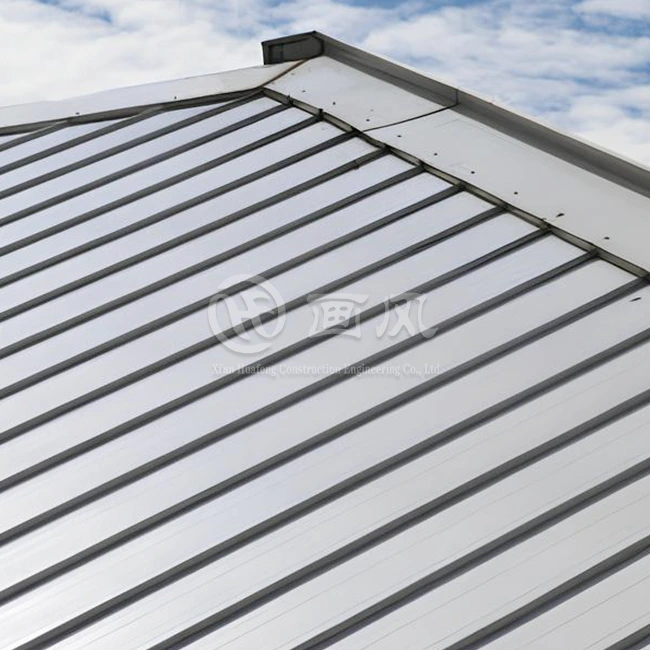
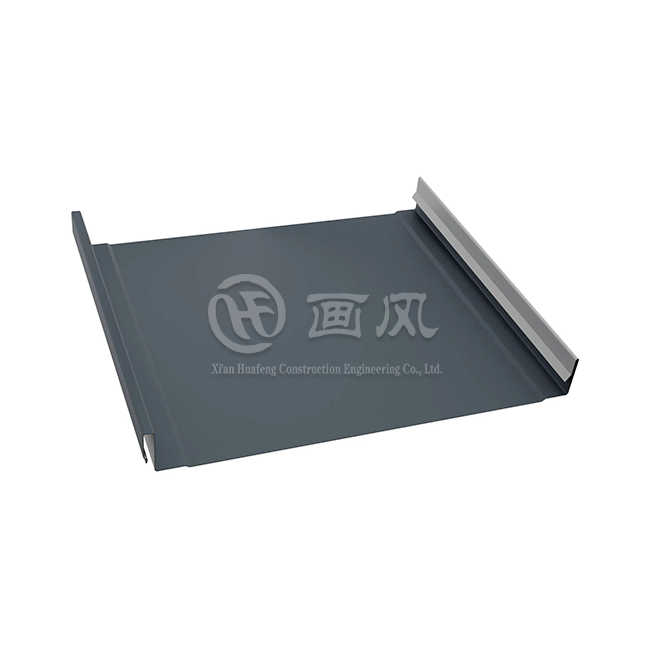
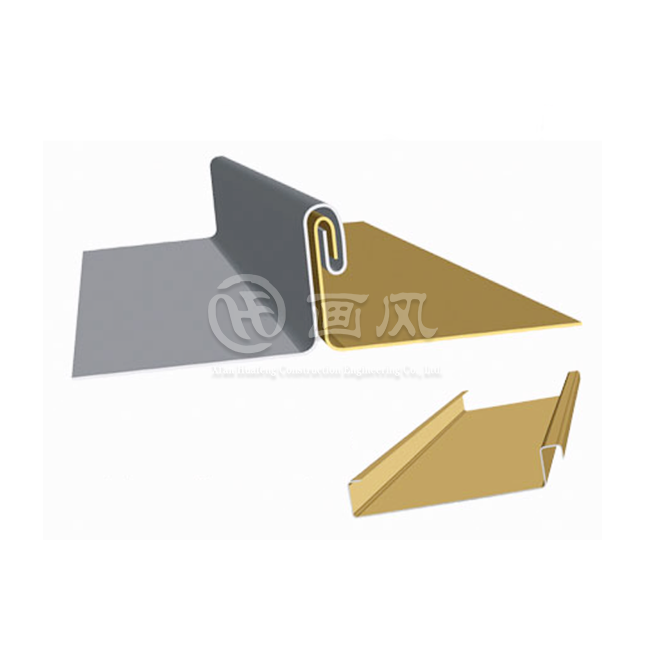
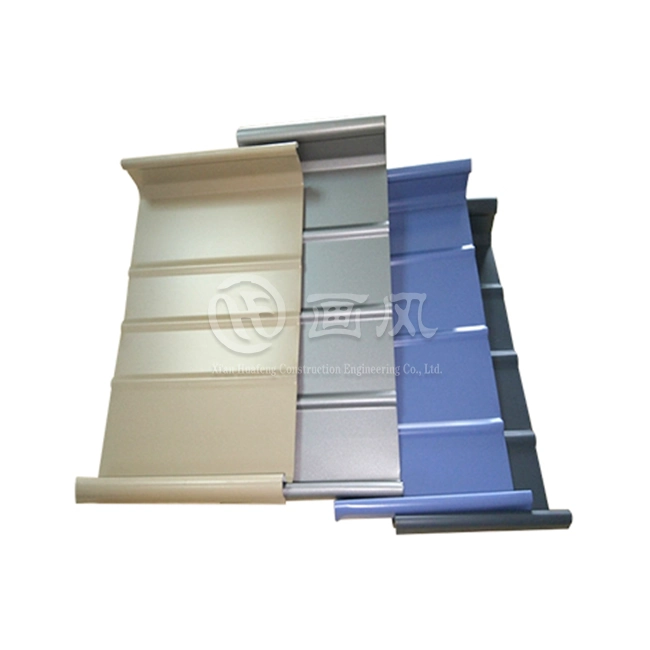
Using hidden clips under raised ribs that are typically 25–65 mm (1"–2.55") high, a 24 inch standing seam system provides 610 mm of coverage width between vertical seams. These panels are made by HF out of aluminum alloy, galvanized steel, Galvalume, stainless steel, copper, titanium-zinc, and stainless steel. They come in thicknesses ranging from 0.5 mm to 1.2 mm, based on the wind zones and structural load needs. The wide profile cuts the number of seams in 12-inch panels in half, which speeds up the installation process on factories, transportation centers, and pre-engineered metal buildings (Steel Roofing Alliance, 2022). Which certifications apply depend on the material choice. For example, aluminum panels try to get fire and environmental certifications, while steel types try to get wind uplift and corrosion protection.
Core Certification Categories
Every decision about what to buy is based on standards for material quality. Galvalume-coated steel is governed by ASTM A792, which lists the minimum coating weights (AZ50, AZ55) that determine how long the steel will not rust in wet or coastal areas. DIN and JIS standards make sure that projects that go across different areas can work together. Because HF follows ASTM, DIN, JIS, BS, and GB/T standards, contractors can choose panels that meet local inspection needs without having to do any special building.
Real-world durability is confirmed by performance testing for 24 inch standing seam metal roof systems. ASTM E1592 tests how well a structure resists wind uplift, which is important when 24-inch panels span purlin spacing of up to 1.5 meters. Certification records show pull-through force in pounds per clip, which helps with installation density. As needed by AS/NZS 1530.3:1999, fire testing produces combustion indices. Six samples of HF aluminum panels showed no spark, no flame spread, and no heat release, making them non-combustible according to SGS Testing Services (2024).
Sustainability requirements are met by environmental and energy standards. There are no lead, mercury, cadmium, or restricted phthalates in HF's 5052H26 aluminum, which is important for LEED projects that need to keep track of material health (SGS Testing Services, 2024) because it meets EU RoHS standards. PVDF coatings that meet AAMA 2605 standards offer color retention promises for 30 years. HF panels pass all 13 AAMA tests, including being resistant to salt fog for 5,000 hours and having no chalk after Florida exposure rounds (American Architectural Manufacturers Association, 2022).
Key Dimensions of 24 Inch Standing Seam Metal Roof Certification
Structural Integrity and Material Benchmarks
The load capacity depends on both the gage choice and the shape of the panel. HF comes in thicknesses from 0.5 mm to 1.2 mm, but for structural uses, 0.8 mm to 1 mm (22-20 gage equivalent) is best. Tensile strength is checked by ASTM B209 for aluminum alloys. Aluminum 3003-H24 has a yield strength of 165 MPa, which is good for light industrial loads, and 5052-H26 has a yield strength of 215 MPa, which is good for places with a lot of snow. As tested by ASTM D3363, panels had a "F" pencil hardness, which means they didn't get scratched by installation tools, which would damage the coating.
Corrosion resistance is what separates decades of service from loss too soon. AAMA 2605 requires testing for 5000 hours with salt spray. HF's PVDF-finished panels showed 5B adhesion ratings (zero tape pull-off) after being immersed in boiling water and mortar, which is like decades of weathering (SGS Testing Services, 2024). The aluminum-zinc combination in galvalume steel saves cut edges at the cost of being completely covered after 20 years in industrial environments, which is what ASTM A792 calls for.
Energy Efficiency and Environmental Compliance
Certifications for thermal reflection help save energy for the 24 inch standing seam metal roof. When coated with high-SRI (Solar Reflectance Index) PVDF in light colors, panels rated by the Cool Metal Roofing Coalition (CMRC) reflect 60 to 70% of the sun's energy. The RAL and custom color options from HF keep the reflectivity high through topcoats that shed dirt. This lowers HVAC loads by 15 to 25 percent in southern climates (Metal Construction Association, 2022).
Credentials for recycling help reach goals for a connected economy. Aluminum panels can be recovered over and over again without losing any of their quality. LEED v4 gives Materials & Resources points when recycled material is more than 25%. Industry stewardship programs have confirmed that steel panels contribute more than 85% of all post-consumer waste. Mill approvals show that HF gets recycled aluminum from products that have already been used.
Installation and Warranty Compliance
Validity of the guarantee is protected by proper fitting certifications. For HF's 30-year guarantee to apply, the following rules must be followed: clips must be spread according to engineered plans; endlaps must have thermal movement gaps; and the underlayment must be compatible. Certified workers who know how to properly engage clips keep seams from coming off in high winds. Testing under UL 580 Class 90 conditions mimics winds of 195 mph.
Maintenance plans make things last longer. To keep the warranty valid, AAMA 2605 coatings only need to be washed every two years with pH-neutral detergents. HF gives care directions based on the type of coating: light abrasives are fine for PE polyester finishes, but soft brushes are needed for PVDF to keep its gloss, which has been shown to stay at 50% after 10 years of exposure in Florida.
Comparing Certified 24 Inch Standing Seam Metal Roofs to Alternatives
Panel Width and Gauge Considerations
It cuts seam area by 33% and installation time by 20–30% for roofs bigger than 20,000 square feet when you switch from 16-inch to 24-inch panels. The cost of materials per square foot stays the same, but in union markets, labor savings reach $0.40 to $0.75 per square foot. Although HF is 610 mm wide, it fits with the 5-foot purlin space that is standard in PEMB design. This means that less structural steel is needed. Narrower panels (16 inches) have slightly higher wind uplift ratings per linear foot of seam because they have more clips, but 24-inch panels make up for it by having thicker substrate gauges—HF recommends 0.8 mm at least for commercial applications, while 0.7 mm is fine for 18-inch profiles.
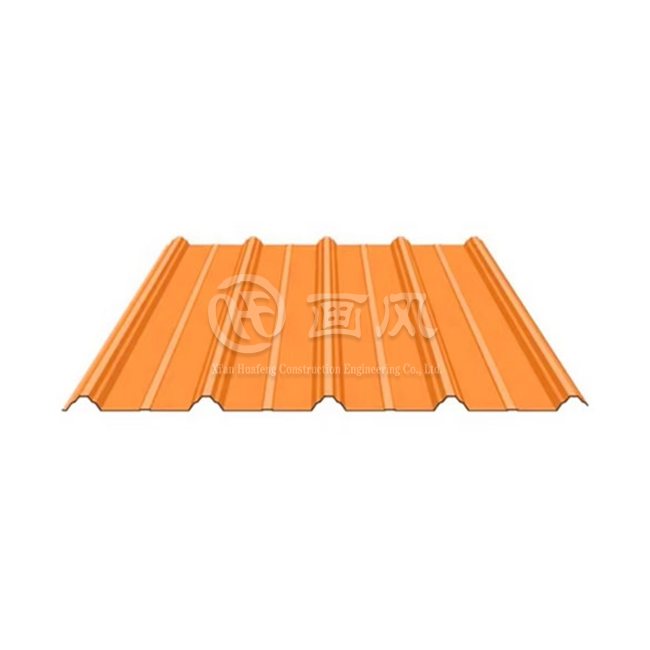
Material Performance Versus Traditional Roofing
Certified 24 inch standing seam metal roof systems last 40 years or more longer than composition shingles. Asphalt shingles that are supposed to last 20 to 30 years break down when exposed to UV light, but HF's PVDF-coated metal stays strong for more than 50 years. The exposed fasteners in corrugated metal create thermal bridges and leak paths. The concealed clips in standing seam metal eliminate 90% of these points of entry. Clay tile roofs last as long as metal roofs, but they weigh 900 pounds per square, while metal roofs weigh 60 to 150 pounds, so they need more expensive structural support. Energy ratings like metal. For example, ASTM C1371 found that cool metal roofs had 50°F cooler surfaces than dark shingles, which means they let less heat through the roof decks (Oak Ridge National Laboratory, 2021).
TPO single-ply membranes are most common on flat commercial roofs, but they are easy to puncture when they need to be fixed. Metal standing seam can handle foot traffic and hail up to 2 inches thick. Based on ASTM E1886/E1996 impact tests, metal panels can be used in storm zones where membrane systems fail. Based on a lifecycle cost study that looks at 50 years, approved metal is $8 to $15 less expensive per square foot than TPO that needs to be replaced every 15 to 20 years.
Procurement Considerations for Certified 24 Inch Standing Seam Metal Roofs
Supplier Verification and Brand Authenticity
For certification to be real, it needs proof of testing by a third party. HF gives SGS test reports with unique reference numbers that can be checked on SGS websites (QDIN2409001723PL02 for fire testing and QDPC2410001127 for RoHS compliance). Buyers should ask for mill certificates that show the alloy's chemistry and measurements of the coating's thickness—they should be wary of sellers who can't give them batch-specific data that connects purchase orders to test samples.
The ability to make things shows dependability. HF runs three plants with a total of seven production lines and more than forty machines, which can produce 1000 tons of goods every month. This scale can handle wait times of 15 to 20 days, even for custom color orders. This keeps projects from being held up, which can happen with small manufacturers. The ISO 9001 and ISO 14001 standards show that quality management systems can track the flow of materials from receiving coils to shipping panels.
MOQ, Customization, and Logistics
Many exporters need full container loads (2000–2500 sq m) for 24 inch standing seam metal roof products, but HF only needs 500 square meters or one ton as a minimum order. This gives regional distributors who stock a lot of colors or contractors who are planning to build more than one building at a time the freedom to do so. Customers can choose from RAL color matching, non-standard seam heights (25–65 mm range), and panel lengths of up to 45 feet. To reduce freight damage, panels are shipped stacked on top of each other.
For international shipping logistics, you need to use protective packaging. HF puts polyethylene film around panels, foam strips between layers, and bands bundles to hardwood pallets that can handle ocean travel. Proper packaging stops the "oil canning" (visual waviness) that happens when wide panels are stacked and then compressed. Certification testing believes that the panels were flat from the factory, so packaging is an important part of guarantee compliance.
Pricing Transparency and Total Cost
Certification fees raise the cost of base metal by $0.15 to $0.40 per square foot, but they are worth it because they lower the risk. AAMA 2605 PVDF coats cost 25% more than polyester coatings, but they don't need to be painted again for 30 years. The cost of ASTM E1592 wind testing ($8,000 to $12,000 per profile) is spread out over a large amount of output. HF's scale makes testing prices less than $0.05 per square foot.
Installing a certified system costs between $3.50 and $6.00 per square foot, based on the type of seam (snap-lock vs. mechanical) and the cost of work in your area. Mechanical double-lock seams cost an extra $0.75 to $1.25 per square foot, but they let you do 1/2:12 low-slope jobs that you couldn't do with snap-lock profiles. Long-term saves are shown by warranty claims that are only 0.8% on certified panels compared to 4-7% on uncertified imports. One avoided leak fix, which costs $3,500 to $8,000, covers the certification fees for 5,000 square feet.
Conclusion
When wide-format metal roofing is certified for 24 inch standing seam metal roof, it goes from being a simple buy to a performance guaranty backed by data that can be measured. When contractors and distributors ask for 24-inch standing seam panels, they are easier to install, but only certified systems offer the structural strength, long-lasting coating, and environmental compliance that protect a project's profits and reputation. The fact that HF's coatings are SGS-verified for fire safety, RoHS-compliant for environmental protection, and AAMA-tested for durability is proof enough to please architects, building officials, and guarantee underwriters. Certification is the basis for trustworthy supply partnerships when it is combined with scalable production capacity, flexible MOQs, and clear testing protocols. Buying things based on confirmed qualifications lowers risk, speeds up approvals, and ensures long-term value for business and industrial roofing portfolios.
FAQ
1. Which Certifications Should Buyers Prioritize?
For areas with a lot of wind, procurement managers should ask for ASTM E1592 wind uplift test results that show clip pull-through values higher than 400 lbs. AAMA 2605 coating certification guaranties color stability; only panels with full 13-test pass records should be accepted. EU RoHS or REACH compliance is needed for environmental projects. HF's SGS paperwork (report TAOPC24008450103) shows that all ten banned substances are below detection limits, which meets LEED Materials & Resources credits.
2. How Do Certifications Affect Installation and Warranties?
When installing certified panels, certain steps must be taken: clips must engage both male and female seam legs according to the manufacturer's drawings; thermal expansion gaps of 1/8 inch every 20 feet must be used to stop buckling; and the underlayment must meet ASTM D226 standards. The 30-year guarantee from HF only kicks in when authorized installers follow the rules set by the MCA. If they don't, the warranty is null and useless. Wind uplift ratings on certification labels tell you how far apart the clips should be. Tighter spacing in perimeter zones versus field areas keeps the warranty valid.
3. How Do Certified Roofs Perform in Extreme Weather?
As part of ASTM E1592 testing, storm forces up to Class 90 (equal to 195 mph winds) are simulated. When tested with 36-inch clip spacing, HF panels could handle 120 psf of uplift without the seams coming apart. Snow load certifications based on ASCE 7 standards show that 0.9 mm aluminum panels can hold 40 psf of ground snow loads when they are spread out 5 feet apart. Fire licenses (AS/NZS 1530.3) show that flames don't spread, even when they are directly lit. This stops fires from spreading from roof to roof in burning areas, which is very important for California Title 24 compliance.
Partner with HF for Certified 24 Inch Standing Seam Metal Roof Solutions
Manufacturers need to know that certification isn't just paperwork; it's proof of performance if they want to build long-term supply relationships. HF combines production capacity designed for large-scale commercial projects with fire safety, environmental compliance, and coating durability that have been checked by SGS. Our three factories and seven production lines make 1000 tons of product every month, and even for special RAL colors, wait times are only 15 to 20 days. As a 24 inch standing seam metal roof supplier, we work with contractors and distributors all over North America. To make room for phased projects and regional stocking programs, we keep our minimum order size at 500 square meters. PVDF and PE finish choices meet AAMA 2605 standards and come with written 30-year warranties. Compliance with ASTM, DIN, JIS, and GB/T standards provides code acceptance across the country. Email our team at huafeng@hfmetalroof.com to get approval paperwork, talk about project details, or set up plant capability reviews. You can find expert tools at hfmetalroof.com and start the buying process with a company that is dedicated to certified greatness.
References
1. American Architectural Manufacturers Association. (2022). AAMA 2605-22: Voluntary Specification, Performance Requirements and Test Procedures for Superior Performing Organic Coatings on Aluminum Extrusions and Panels.
2. Metal Construction Association. (2023). Technical Bulletin: Energy Performance of Metal Roofing Systems.
3. Oak Ridge National Laboratory. (2021). Cool Metal Roofing Impact on Building Energy Use. U.S. Department of Energy.
4. SGS Testing Services. (2024). Test Report No. QDIN2409001723PL02: Combustion Performance Test Report. SGS Group.
5. SGS Testing Services. (2024). Test Report No. QDPC2410001127: EU RoHS Hazardous Substances Test Report. SGS Group.
6. Steel Roofing Alliance. (2022). Standing Seam Metal Roof Systems: Design and Installation Guide.





YOU MAY LIKE