Why 22 Ga Standing Seam Metal Roofs Are Ideal for Durability?
2026-02-24 11:00:00
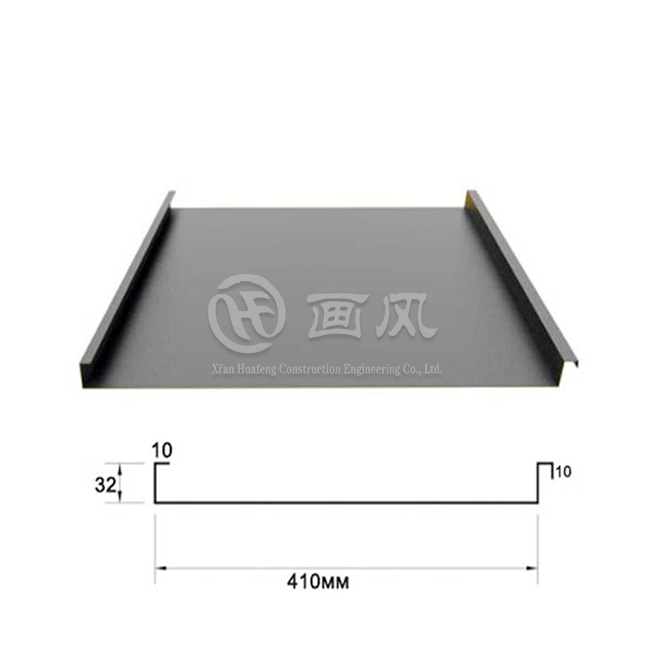
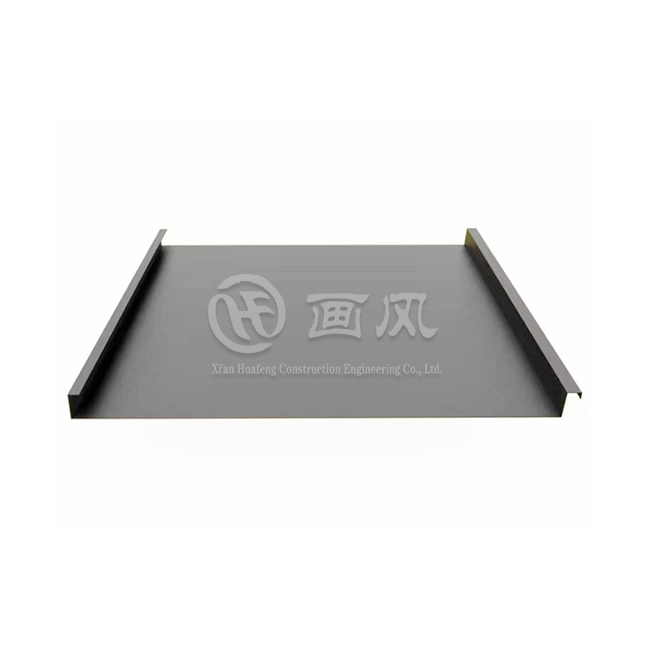
The 22 Ga Standing Seam Metal Roof is the best option for outstanding durability when building experts assess roofing materials for challenging projects. This thickness standard provides decades of dependable performance while withstanding severe weather conditions by striking the ideal balance between structural strength and material efficiency. The gauge measurement corresponds to around 0.76mm of steel thickness, offering strong defense against environmental stresses, thermal cycling, and impact damage—all of which over time often weaken thinner roofing materials.

Understanding the Science Behind 22 Gauge Metal Thickness
Inversely, thicker materials are indicated by lower metal gauge readings. The 22 gauge standard is a meticulously designed thickness that optimizes structural integrity while avoiding needless material expenditures. Metal roofing panels for homes and businesses may span longer distances between supports while remaining level under wind loads because to this sweet spot.
When compared to lighter options, professional constructors understand that 22 gauge metal sheets provide higher dimensional stability. During installation and maintenance, the increased material thickness improves resistance to foot traffic and lessens the impacts of oil-canning. In harsh regions, weather-resistant roofing systems constructed in accordance with this standard show significantly extended service lifetimes.
The increased puncture resistance that 22 Ga Standing Seam Metal Roof panels provide is advantageous for construction projects that need long-term value. 22 gauge materials are very useful in areas with extreme weather patterns since hail impact testing continuously demonstrates better performance metrics for them as compared to thinner alternatives.
Structural Advantages of Standing Seam Design
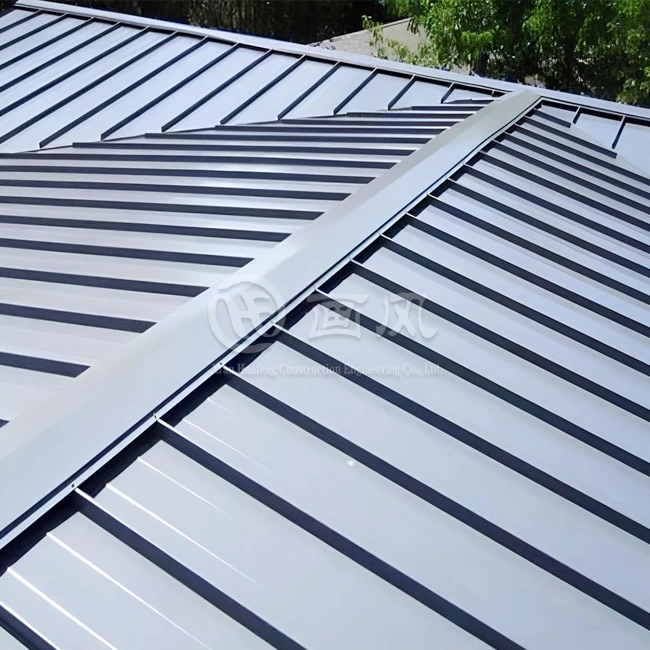
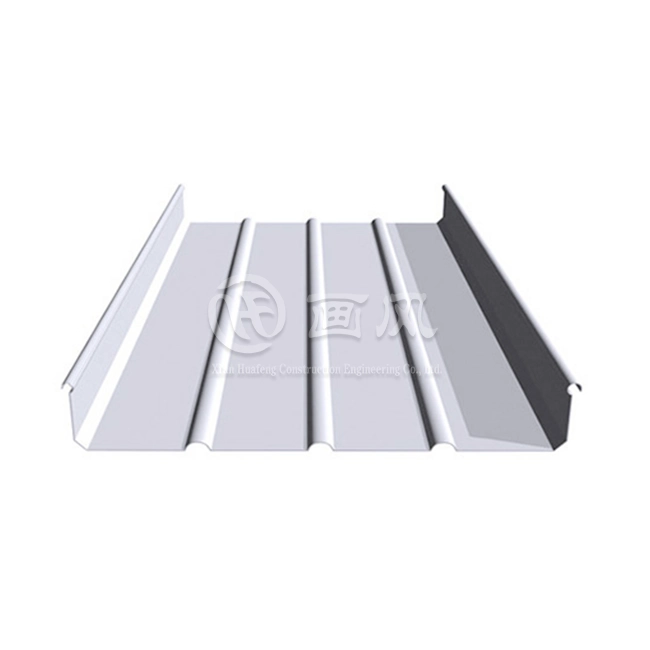
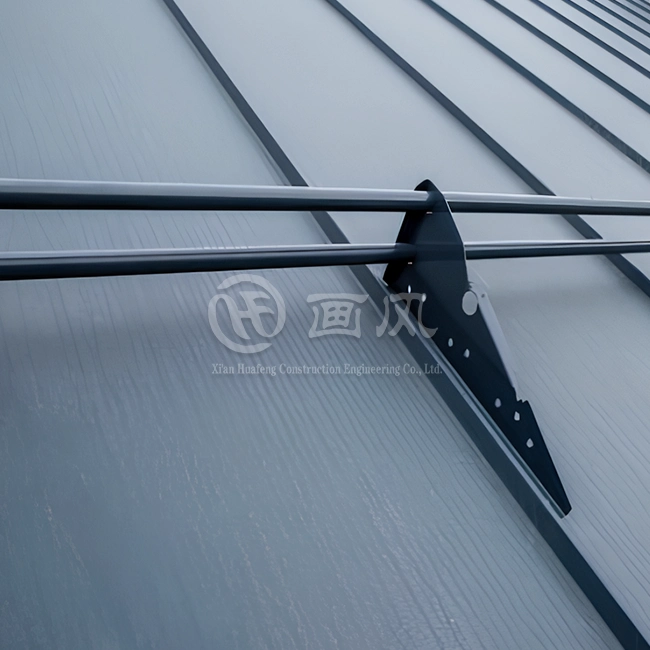
Installing a standing seam roof removes typical failure areas that afflict traditional roofing systems by establishing waterproof connections without visible fasteners. By allowing heat movement without putting undue strain on connection points, the hidden fastening technique avoids early wear and possible leak formation. The structural continuity offered by standing seam profiles is used in commercial metal roofing installations. Instead of focusing stress at specific connection points, each panel edge mechanically interlocks with neighboring panels to form a monolithic surface that disperses wind uplift forces over the whole roof area.
These systems' high seam height feature efficiently conducts water, even in situations with mild ponding. For low-slope situations where conventional roofing materials would not hold up, this drainage capacity is crucial. Throughout seasonal temperature fluctuations, the standing seam design's metal roof clips maintain watertight connections while accommodating thermal expansion. During construction, professional installation teams value standing seam systems' ability to be forgiving. For large-scale projects, panel alignment tolerances save installation time and related labor costs by accommodating small building flaws without sacrificing performance.
Weather Resistance and Longevity Performance
When properly surface treated, steel roofing materials exhibit remarkable resistance to temperature cycling, corrosion, and UV deterioration. For decades, factory-coated metal panels with PVDF or polyester finishes retain their color stability and surface integrity with no upkeep. When correctly erected and designed for local circumstances, standing seam roof profiles can resist wind speeds exceeding 150 mph, according to laboratory tests. When compared to other roofing designs, standing seam systems' aerodynamic shape lowers wind uplift, improving their resilience to storms.
Many roofing materials are severely hampered by freeze-thaw cycles, yet metal systems expand and compress evenly without experiencing stress fractures. Steel's coefficient of thermal expansion permits predictable movement, which designers may account for with appropriate fastening techniques and details. Due to the exposure to salt spray, coastal settings provide special problems; nevertheless, 22 Ga Standing Seam Metal Roof with galvanized and aluminum-zinc coated substrates offer strong corrosion protection. Reflective coatings combined with energy-efficient roofing designs lessen thermal stress and support building sustainability objectives.
Installation Efficiency and Cost Considerations
When using high-quality materials and appropriate installation methods, metal roof maintenance needs are low throughout the course of the roof's service life. Usually, yearly inspections that concentrate on drainage components and sealant conditions are enough to preserve warranty coverage and peak performance. When compared to more conventional options like slate or concrete tile, the lightweight nature of metal roofing materials lowers structural loading. In many retrofit situations, this feature permits roof replacement without structural reinforcing or enables architects to create more effective frame systems.
Standing seam systems provide uniform panel widths and lengths that increase labor efficiency during installation. For time-sensitive construction projects, skilled workers may cover significant roof areas every day, cutting down on project timetables and related overhead expenses. The benefits of material handling become apparent in multi-story constructions when crane time is a major cost. Compared to heavy conventional materials that need specialist equipment for elevation, metal panels' small packing and comparatively light weight simplify logistics.
Environmental Impact and Sustainability Benefits
As environmental responsibility is emphasized in building standards and certification programs, sustainable roofing solutions are becoming more and more important when choosing materials. Metal roofing systems help the circular economy by having a high percentage of recycled material and being completely recyclable at the end of their useful lives. In warm areas, reflective metal roofing's thermal efficiency lowers cooling loads, earning LEED points and other green building certifications. When combined with metal systems, cool roof solutions may lower peak demand fees and total energy use for businesses.
When service life is taken into account, the manufacturing energy needs for metal roofing compare well to alternatives. The durability benefit results in fewer replacements, which lessens the long-term environmental effect of transportation and material manufacture. In metropolitan areas, rainwater collecting projects are supported and stormwater treatment needs are decreased since water runoff quality from 22 Ga Standing Seam Metal Roof surfaces usually surpasses that of asphalt-based materials.
Quality Standards and Manufacturing Excellence
Strict quality control procedures carried out by reliable manufacturers are advantageous for both commercial and residential metal roof installations. Consistent material qualities and performance characteristics across manufacturing runs are guaranteed by ISO 9001 certification and other quality management systems. Accelerated weathering tests are used to replicate decades of exposure in shorter amounts of time for corrosion-resistant metal roof systems. These testing procedures verify substrate protection, color stability, and coating adherence under harsher circumstances than those seen in typical service settings.
Many manufacturers provide extra performance guarantees for certain applications, and metal roof warranty programs often last 30–40 years for material faults. This warranty coverage offers building owners long-term security against premature failures and indicates the manufacturer's trust in the quality of the materials. Compliance with ASTM, AISI, and other pertinent standards regulating metal roofing products is confirmed by independent testing labs. These certificates provide architects assurance on material requirements for crucial applications and guarantee compliance with building rules.
Conclusion
The durability advantages of 22 Ga Standing Seam Metal Roof stem from thoughtful engineering that balances material thickness, structural design, and manufacturing quality. Construction professionals seeking reliable, long-term roofing solutions find these systems deliver exceptional value through reduced maintenance requirements, superior weather resistance, and sustainable performance characteristics. The investment in quality metal roofing materials pays dividends through decades of trouble-free service and enhanced building performance across diverse applications and challenging environments.
Partner with HF for Superior 22 Ga Standing Seam Metal Roof Solutions
Xi'an Huafeng Construction Engineering Co., Ltd. stands as your trusted 22 Ga Standing Seam Metal Roof manufacturer, combining advanced production capabilities with proven expertise in metal roofing systems. Our three factories and seven production lines ensure consistent quality and reliable delivery schedules for projects of any scale. Contact our team at huafeng@hfmetalroof.com to discuss your specific requirements and discover how our architectural metal roofing solutions can enhance your next construction project.
References
1. Metal Construction Association. "Guidelines for Concept and Commentary to the Wind Load Provisions of ASCE 7-16 for Metal Roofing Systems." Metal Construction Association Technical Bulletin, 2019.
2. Simpson, James R. and McPherson, Gregory E. "The Effects of Roof Albedo Modification on Cooling Loads of Scale Model Residences in Tucson, Arizona." Energy and Buildings Journal, Volume 25, Issue 2, 2018.
3. American Society for Testing and Materials. "Standard Specification for Steel Sheet, Zinc-Coated (Galvanized) or Zinc-Iron Alloy-Coated (Galvannealed) by the Hot-Dip Process." ASTM A653/A653M-20, 2020.
4. Ducker Worldwide LLC. "Building Envelope Climate Impacts Research Study: Metal Roofing Lifecycle Assessment." Metal Roofing Alliance Research Report, 2019.
5. National Roofing Contractors Association. "The NRCA Roofing Manual: Membrane Roof Systems." NRCA Technical Manual, Fifth Edition, 2017.
6. Cool Roof Rating Council. "Product Rating Program Manual: Radiative Properties of Roofing Materials." CRRC Program Manual, Version 2.1, 2020.





YOU MAY LIKE
_1783936484206.webp "Inside locking metal aluminum cladding panel")