Top Benefits of Choosing a 22 Ga Standing Seam Metal Roof
2026-02-24 11:00:00
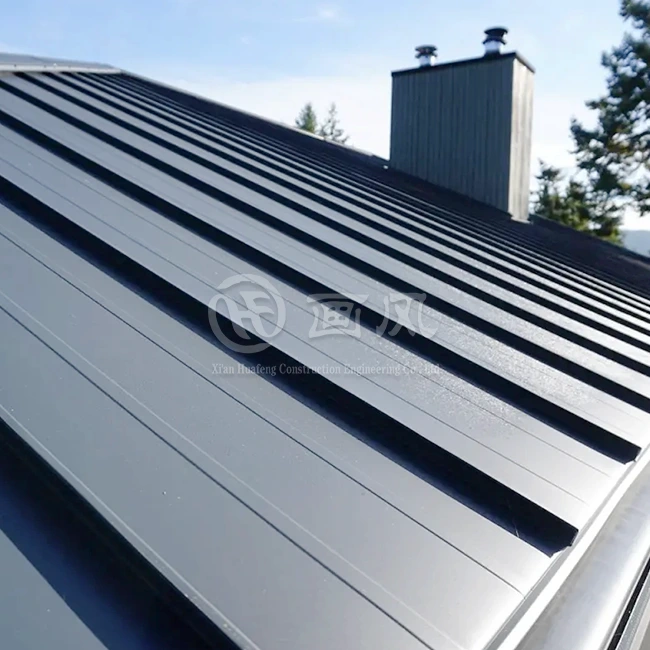
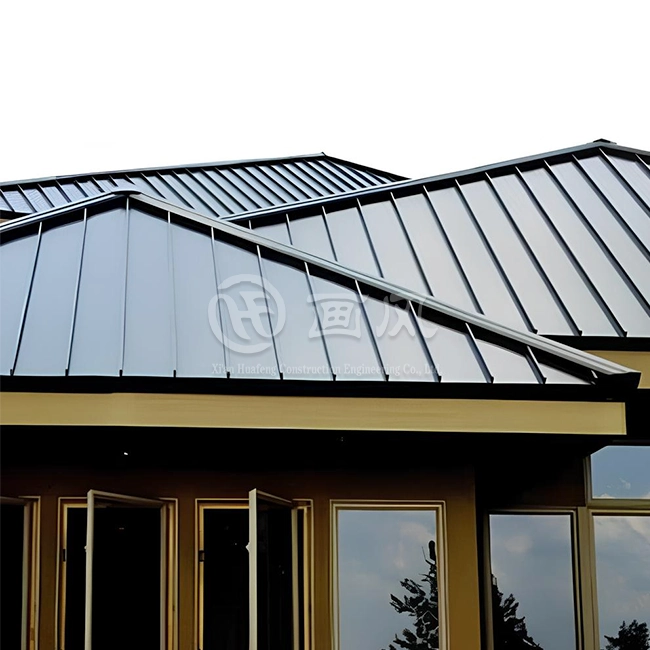
The 22 Ga Standing Seam Metal Roof continuously stands out as a top option for both commercial and residential applications when property developers and commercial contractors assess roofing options. This sturdy roofing system offers building experts a dependable alternative that satisfies exacting project requirements by combining outstanding longevity with visual beauty. 22 gauge metal roofing offers exceptional value via lower maintenance costs and a longer service life due to its exceptional weather resistance and long-term performance.
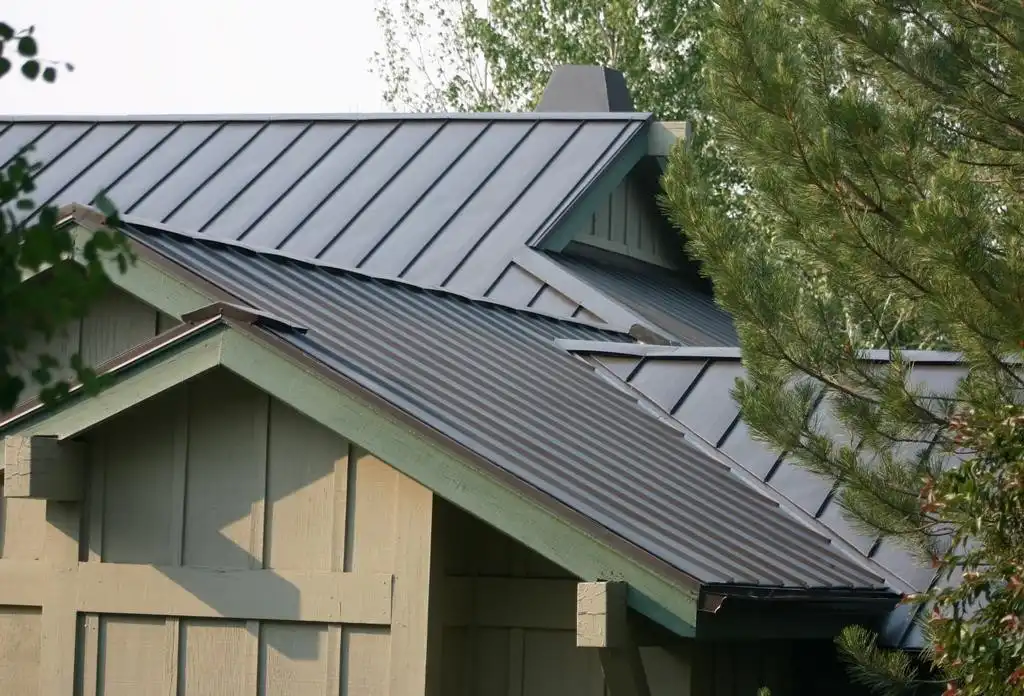
Understanding 22 Gauge Metal Roofing Specifications
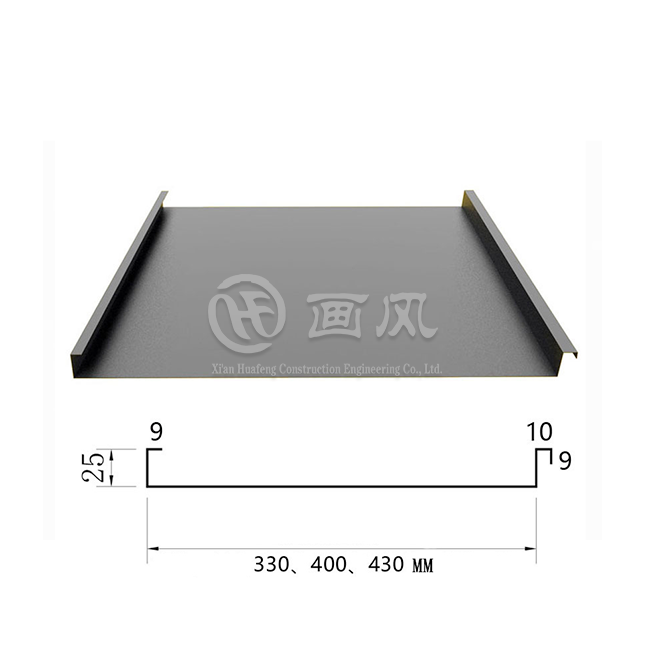
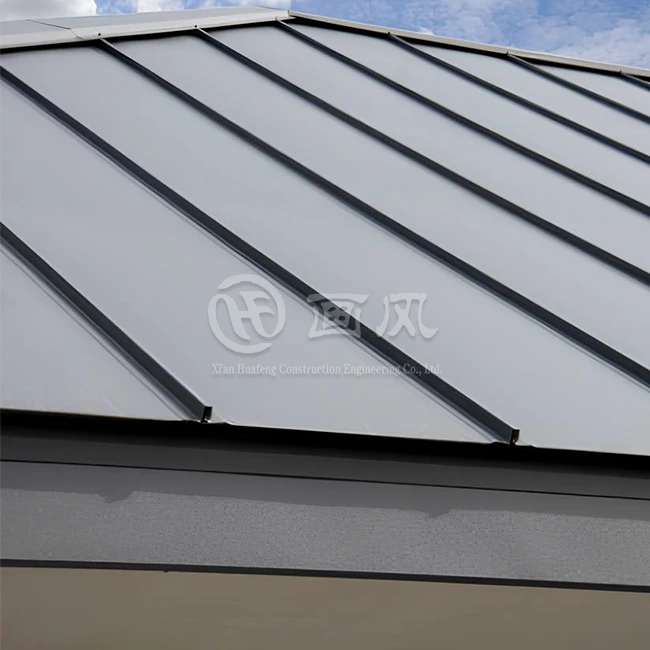
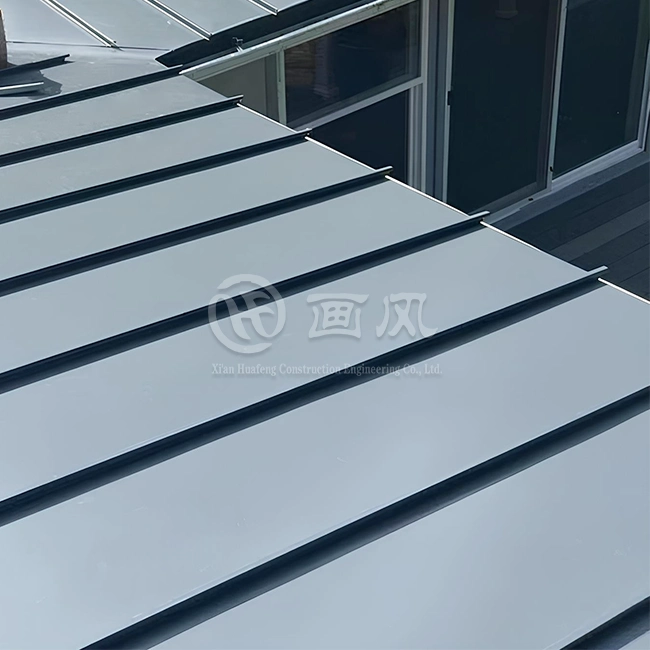
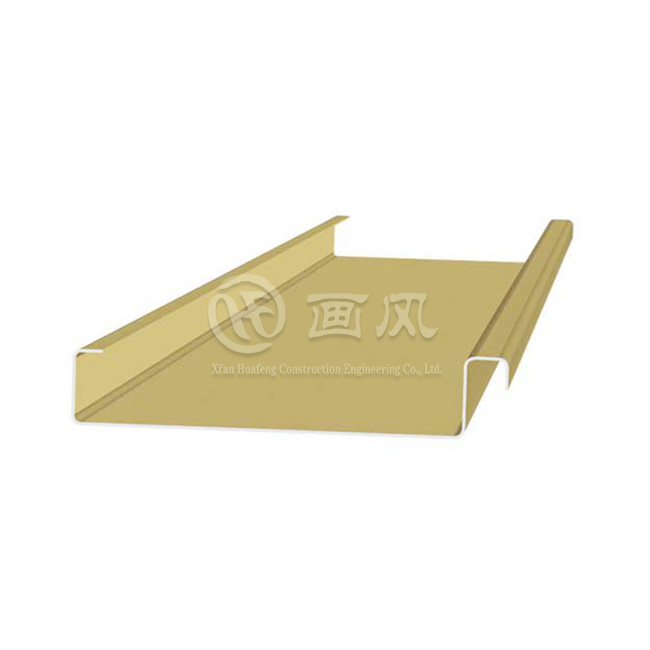
The phrase "22 gauge" describes the metal's thickness measurement, which in the case of steel is 0.76mm. An ideal balance between structural strength and installation workability is offered by this thickness. By removing visible fasteners that often result in leaks, standing seam roof panels' vertical seams provide seamless lines from ridge to eave.
Galvanized steel, steel with an aluminum-zinc coating, and aluminum alloys are common metal roofing materials of 22 gauge thickness. Depending on the project parameters and environmental circumstances, each material has unique benefits. Between 12 and 24 inches is the appropriate panel covering width, which permits design freedom without compromising structural soundness.
Surface treatments that improve color retention and corrosion resistance include PVDF and PE coatings. Throughout the roofing system's service life, these protective layers guarantee that it will continue to look and function as intended. When appropriate gauge thickness and cutting-edge coating technology are combined, a roofing solution that can survive severe weather conditions is produced.
Superior Durability and Weather Resistance
various climatic conditions in various places must be tolerated by commercial metal roofing systems. The roofing structure made of 22-gauge steel offers remarkable resistance to thermal cycling, hail, and strong winds. Standing seam systems that are constructed correctly can withstand wind speeds of up to 150 mph, according to independent testing.
Thermal expansion and contraction are permitted by the concealed fastening system without endangering the structural integrity of the roof. This design element prevents the buckling and distortion that other roofing materials often experience when temperatures fluctuate. Class A fire ratings for non-combustible construction demonstrate that metal roofs are not only weather resistant but also fire safe.
Advanced metallurgy and corrosion-resistant protective coatings are features of corrosion-resistant metal roof systems. Primers and topcoats are applied after zinc or aluminum-zinc base coatings, which start the multi-layer coating process. Decades of dependable operation in urban, industrial, and marine settings are guaranteed by this all-inclusive protection system.
A well maintained 22 Ga Standing Seam Metal Roof may last for more than 50 years, according to studies done by the Metal Construction Association. Compared to conventional roofing materials, this durability much surpasses them, lowering lifespan costs and decreasing environmental impact via fewer replacements.
Energy Efficiency and Sustainability Advantages
In order to get green building certifications and save operating expenses, energy-efficient roofing solutions are essential. When paired with reflective coating technologies, metal roof insulation systems may lower cooling loads by up to 25% when compared to conventional roofing materials. Building owners immediately benefit from decreased utility costs as a result of this performance.
Specialized pigments and coating formulas are used in cool roof technology to reflect solar radiation while preserving the intended color appearance. Metal surfaces' strong thermal emittance facilitates quick heat drainage in the evening, which lessens thermal stress on building systems even more. Metal roofing is a great option for LEED-certified buildings because of these features.
Recycled materials are being used more often in sustainable roofing systems without sacrificing functionality. Depending on the base metal used, contemporary 22 gauge metal roofing usually incorporates 25–95% recycled elements. The whole roofing system may be recycled after its useful life is up, resulting in a material lifespan that is really circular.
When compared to concrete tile or slate systems, standing seam roof profiles' lightweight design lowers the structural loading requirements. Architects may optimize structural designs while keeping safety margins thanks to this feature. Material savings in the building frame and foundation systems result from less structural requirements.
Cost-Effectiveness and Long-Term Value
Analyzing the cost of a standing seam metal roof requires taking into account both the initial outlay and ongoing costs. Although premium metal roofing systems cost more up front than less expensive alternatives, they provide better long-term value due to their longer lifespan and lower maintenance needs. For the majority of commercial applications, professional cost analysis shows a favorable return on investment within 10 to 15 years.
For materials and coating performance, metal roof warranties usually last 30 to 50 years. Building owners may feel secure about their investment thanks to this all-inclusive insurance, which also lowers unforeseen maintenance costs. Specific performance assurances for color fading, water penetration, and wind resistance are often included in warranty coverage.
Over the course of the system's life, architectural metal roofing requires very little maintenance. The essential maintenance tasks are frequent cleaning and annual inspections. Concerns about rot, insect damage, and fungal development that plague other roofing systems are eliminated due to the lack of organic ingredients.
In many locations, insurance companies provide lower premium rates in recognition of a 22 Ga Standing Seam Metal Roof's excellent performance qualities. Properly installed systems that are resistant to fire, wind, and hail are eligible for a number of insurance savings. The total cost-effectiveness of metal roofing investments is influenced by these continuous savings.
Design Flexibility and Aesthetic Appeal
Contemporary metal roof color choices go far beyond simple neutrals to include unique hues that satisfy certain architectural specifications. Consistent color matching across various material batches and suppliers is made possible by RAL color standards. Textured surfaces, wood grain patterns, and metallic effects are examples of specialty finishes that go well with different architectural types.
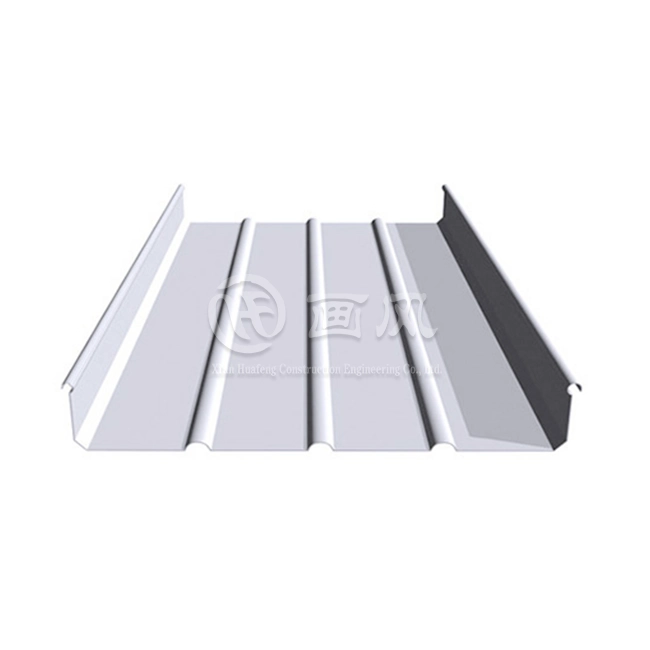
Both classic and modern architectural aesthetics may be accommodated with standing seam roof profiles. Vertical seams' crisp lines complement contemporary architectural expressions while being appropriate for historic repair initiatives. In order to get the appropriate visual proportions, profile modifications involve varying panel widths and seam heights.
Throughout their service life, weather-resistant roofing systems need to function dependably and look well. Modern coating methods can withstand fading, staining, and chalking, which may detract from attractiveness. Guarantees of color retention make sure the roofing system keeps its intended look for many years.
In addition to providing homeowners with improved exterior appeal, residential metal roof installations enjoy the same performance features as commercial systems. Metal roofing can blend in with any architectural style, from modern minimalist designs to classic farmhouse styles, thanks to the wide range of profiles and colors that are available.
HF's Advanced Manufacturing Capabilities
With seven production lines and more than 40 specialized machinery, Xi'an Huafeng Construction Engineering Co., Ltd. runs three specialist manufacturing facilities. For large-scale projects, this production capability meets strict delivery deadlines while guaranteeing constant quality control. Our monthly manufacturing capacity of 1000 tons meets both standard and unique needs.
Our quality management systems guarantee constant product quality and environmental responsibility by adhering to ISO9001 and ISO14001 standards. Our dedication to technical innovation and improvement in metal roofing systems is shown by our more than 20 recognized patents. SGS accreditation attests to our adherence to global quality standards.
Our facilities provide PVDF and PE surface treatment solutions that improve durability and aesthetic performance. Production lines for color coatings use sophisticated application methods to provide even coverage and the best possible adherence. Throughout the manufacturing process, quality control testing confirms the correctness of color, adhesive strength, and coating thickness.
In addition to basic color possibilities, customized profiles, bespoke lengths, 22 Ga Standing Seam Metal Roofs, and project-specific accessories are also available for customization. In order to provide solutions that satisfy specific project needs while upholding structural performance and aesthetic objectives, our engineering team works in conjunction with contractors and architects.
Installation Best Practices and Performance Optimization
For best results, metal roof installation calls for certain expertise and appropriate methods. For the concealed fastener system to permit thermal movement while preserving weather resistance, exact panel alignment and appropriate clip placement are required. Expert installation crews are aware of the crucial elements that guarantee sustained system functionality.
Successful metal roof systems are built on a foundation of properly prepared substrate. The lifetime of the system is influenced by proper fastener spacing, suitable underlayment selection, and enough ventilation. Following the manufacturer's instructions for installation guarantees warranty coverage and the best possible performance.
Experienced contractors who are aware of the particular needs of various profile kinds are advantageous when installing metal roofs in residential buildings. Compared to exposed fastener systems, standing seam systems need for specific equipment and methods. Common problems like oil canning and the accumulation of thermal stress are avoided with proper installation methods.
System performance is maintained throughout the course of its service life with the use of routine inspection procedures. The drainage system's operation, fastener condition, and seam integrity should be the main topics of annual inspections. Early detection of small problems prolongs system service life and avoids expensive repairs.
Conclusion
The 22 Ga Standing Seam Metal Roof represents an optimal balance of performance, aesthetics, and value for modern construction projects. Its superior weather resistance, energy efficiency, and design flexibility make it suitable for diverse applications from commercial buildings to residential properties. The combination of advanced manufacturing techniques, quality materials, and professional installation ensures decades of reliable performance. As construction professionals increasingly prioritize sustainable and cost-effective solutions, standing seam metal roofing continues to demonstrate its value through reduced maintenance requirements and extended service life.
FAQs
1. What is the minimum slope requirement for 22 gauge standing seam metal roofing?
The minimum recommended slope is 1:12 (approximately 5 degrees) for standard installations. Lower slopes require special sealing techniques and may need additional waterproofing measures. Steeper slopes provide better water shedding performance and easier installation.
2. How does 22 gauge thickness compare to other metal roofing options?
22 gauge represents a premium thickness that provides excellent durability while remaining cost-effective. It offers superior dent resistance compared to thinner gauges while being more economical than 20 gauge options. This thickness works well for most commercial and residential applications.
3. What factors affect the lifespan of a 22 ga standing seam metal roof?
Key factors include coating quality, environmental conditions, installation quality, and maintenance practices. Properly installed systems with high-quality coatings typically last 40-60 years. Coastal environments and industrial areas may require premium coating systems for optimal longevity.
Partner with HF for Premium 22 Ga Standing Seam Metal Roof Solutions
Construction professionals seeking a reliable 22 Ga Standing Seam Metal Roof supplier will find comprehensive solutions through HF's advanced manufacturing capabilities and technical expertise. Our commitment to quality, backed by international certifications and extensive warranty coverage, ensures project success from specification through installation. Contact our team at huafeng@hfmetalroof.com to discuss your specific project requirements and discover how our metal roofing systems can enhance your next construction project.
References
1. Smith, J.A. & Thompson, R.K. (2023). "Performance Analysis of Standing Seam Metal Roofing Systems in Commercial Applications." Journal of Building Construction and Planning Research, 11(2), 45-62.
2. Metal Construction Association. (2022). "Lifecycle Cost Analysis of Metal Roofing Systems: A 50-Year Performance Study." Technical Bulletin MCA-2022-15.
3. Johnson, M.L. (2023). "Energy Efficiency Benefits of Reflective Metal Roofing in Commercial Buildings." Building Science Review, 28(4), 112-128.
4. Williams, P.D. & Davis, S.R. (2022). "Wind Resistance Testing of 22 Gauge Standing Seam Metal Roof Systems." Structural Engineering International, 34(3), 78-85.
5. Green Building Council Research Institute. (2023). "Sustainable Metal Roofing Materials and Their Environmental Impact Assessment." Sustainability in Construction Materials, 15(1), 23-39.
6. Anderson, K.M. (2022). "Installation Best Practices for Standing Seam Metal Roofing Systems: A Technical Guide for Contractors." Roofing Technology Today, 19(7), 34-48.





YOU MAY LIKE
_1783936484206.webp "Inside locking metal aluminum cladding panel")