What Makes 22 Ga Standing Seam Metal Roofs Different?
2026-02-24 11:00:00
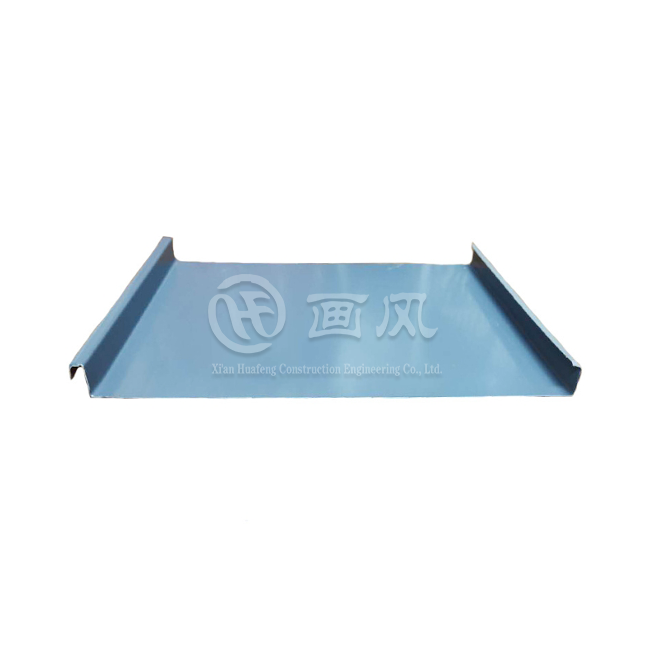
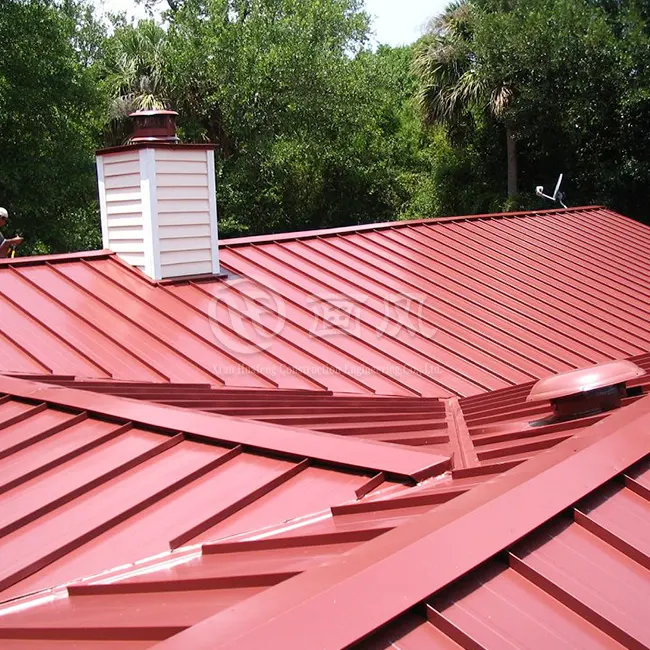
22 Ga Standing Seam Metal Roof systems stand out from the competition because to its excellent weather resistance, hidden fastening design, and remarkable structural strength. With a 0.76mm steel thickness and unparalleled durability, these metal roofing panels provide developers and builders dependable options for demanding residential and commercial applications. Their cutting-edge standing seam technology provides improved thermal expansion capabilities and long-term performance while doing away with exposed fasteners.
Knowing the distinctive features that distinguish 22 gauge standing seam systems from other roofing materials is essential for construction professionals to make well-informed judgments when evaluating roofing materials for their projects. These metal roofing panels' unique qualities go beyond simple protection; they provide all-inclusive answers for contemporary construction needs.
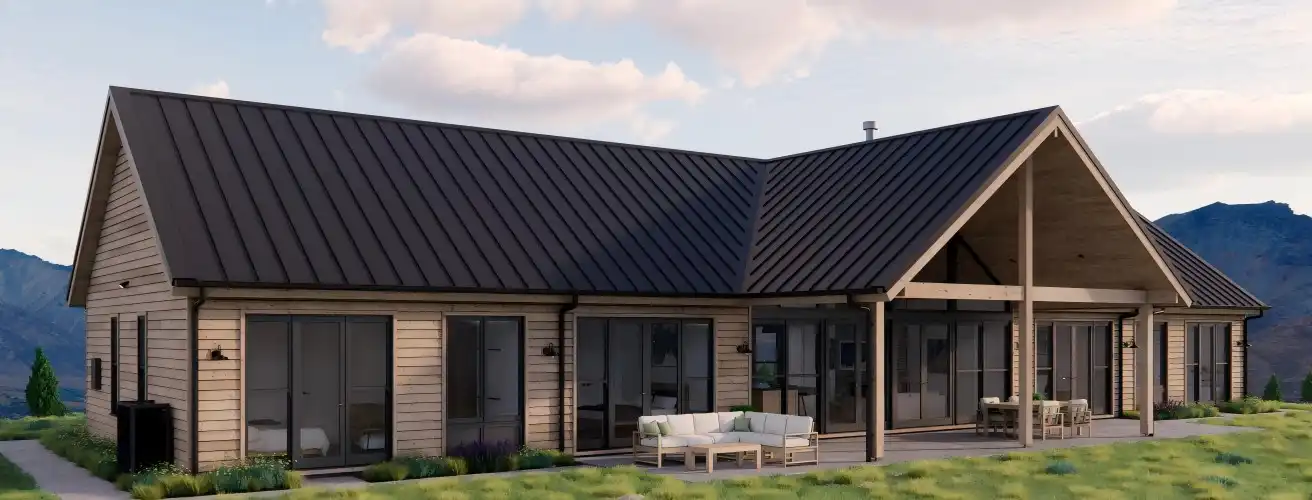
Understanding the 22 Gauge Difference in Metal Thickness
Metal sheet thickness is determined by the gauge measuring method; for steel applications, 22 gauge is equivalent to around 0.76mm. The ideal ratio of material efficiency to structural integrity is achieved at this particular thickness. 22 gauge metal sheets are more resistant to impact damage and wind uplift pressures than lower gauge equivalents.
Construction firms understand that materials with a thicker gauge have a longer lifespan than those with a narrower gauge. When constructed correctly, the sturdy quality of 22 gauge steel can survive severe weather conditions, such as hailstorms and strong winds of up to 150 mph. For building owners, this endurance means lower maintenance expenses and a longer lifespan. 22 gauge systems are especially designed by metal roof manufacturers to satisfy strict commercial building regulations while yet being reasonably priced for large-scale projects. Excellent dimensional stability is provided by the material density, avoiding oil-canning and other aesthetic problems that lighter gauge panels sometimes have.
Concealed Fastener Technology and Installation Advantages
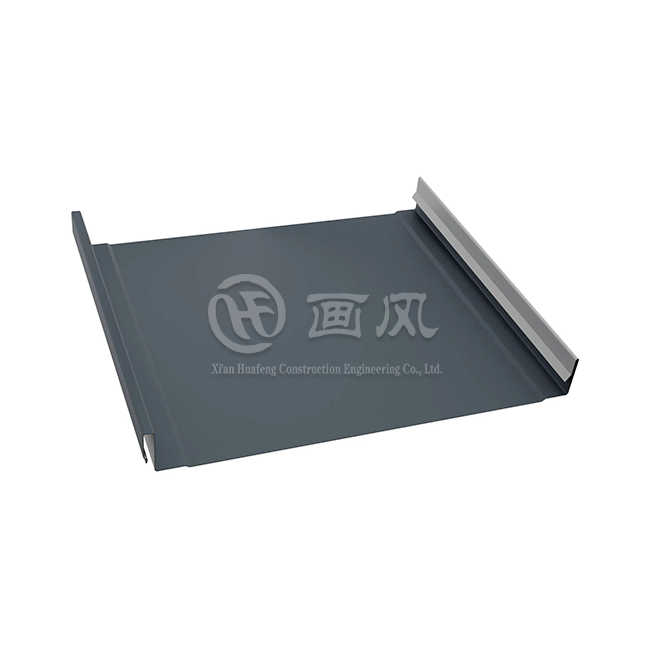
In order to provide seamless weather protection, standing seam roof construction uses sophisticated clip systems that remove visible fasteners. Compared to conventional exposed fastener metal roofing systems, this hidden fastener method is a significant improvement. Without sacrificing the integrity of the panel, the concealed clips provide natural thermal expansion and contraction.
Expert roofers like the simplified installation procedure that 22 Ga standing seam metal roof systems provide. All along the roof surface, constant alignment and weather sealing are guaranteed by the interlocking panel design. By firmly joining one panel to the next, continuous barriers against moisture intrusion are created. Building movement and heat cycling that take place in both residential and commercial buildings are accommodated by the clip attachment technique. Because of this flexibility, stress concentrations that can eventually cause panel failure or fastener loosening are avoided. These systems are specified by building designers for projects that need little maintenance intervention and long-term dependability.
Superior Weather Performance and Durability Features
22 gauge standing seam roofing systems differ from traditional options due to their ability to withstand weather. Water, snow, and debris are naturally removed by the vertical seam orientation, which also prevents lateral moisture movement. With the right installation methods, this design approach guarantees efficient drainage even in low-slope applications. The underlying steel substrate is shielded from environmental exposure by corrosion-resistant metal coatings. Systems comprising PVDF and polyester coatings provide surface protection and color preservation for decades. These cutting-edge coatings withstand industrial pollutants, salt spray, and UV deterioration that weakens inferior roofing materials.
Many roofing systems struggle with temperature cycling caused by seasonal differences, whereas standing seam panels adapt to these changes using specially designed expansion joints and clip designs. 22 gauge steel's material qualities preserve weatherseal performance while maintaining structural integrity over a broad temperature range. Tests of wind resistance show that it performs better than other roofing materials. Uplift forces are decreased during extreme weather occurrences by the aerodynamic profile and continuous panel connection. Insurance companies often acknowledge these performance benefits by lowering rates for structures with metal roofing systems installed correctly.
Energy Efficiency and Environmental Benefits
Energy-efficient metal roof systems play a major role in achieving building sustainability objectives. Reflective coatings cut cooling demands in the summer by reducing solar heat gain. For commercial applications, its thermal performance satisfies energy code compliance and LEED certification standards. When compared to lighter options, the thermal mass of 22 gauge steel offers advantageous temperature moderation. By stabilizing interior temperatures, heat storage and release properties assist lower energy usage and HVAC system cycling. Over the course of the roof system's lifetime, building owners see significant utility cost reductions.
High recycled content materials and complete recyclability at the end of life are characteristics of eco-friendly roofing choices. Manufacturers of metal roofs reduce their environmental effect by using sustainable manufacturing methods. Standing seam systems' durability lowers the need for replacements, saving money and cutting down on waste during construction. In order to maximize thermal efficiency, architectural metal roofing designs, like the 22 Ga Standing Seam Metal Roof, include a variety of insulation techniques. Thermal bridging is eliminated while preserving structural efficiency by ongoing insulation application above the roof deck. Green construction requirements and contemporary energy regulations are met by this strategy.
Cost Analysis and Long-Term Value Proposition
The superior quality and longer service life that these systems provide are reflected in the cost per square foot of metal roofs. Over decades of operation, lower maintenance needs and energy savings must be included into initial investment calculations. Metal roofing systems are regularly preferred over traditional options in life-cycle cost analyses. Standardized panel size and effective installation techniques are advantageous for commercial metal roofing projects. Large-scale procurement guarantees uniform quality across large roof surfaces while lowering material prices. Rapid completion timeframes and weather-independent installation are two benefits of project scheduling.
Established manufacturers' trust in material performance is shown by their 30-year warranty coverage. Building owners are financially secure with this warranty protection, which covers both material faults and performance guarantees. For eligible installations, extended warranty options often increase coverage to 40 or 50 years. Standing seam systems' inherent durability and weather resistance result in lower maintenance costs. Without requiring significant interventions, optimum performance is maintained by yearly inspections and modest maintenance operations. Budget planning and facility management are made easier with this predictable maintenance strategy.
Design Flexibility and Aesthetic Appeal
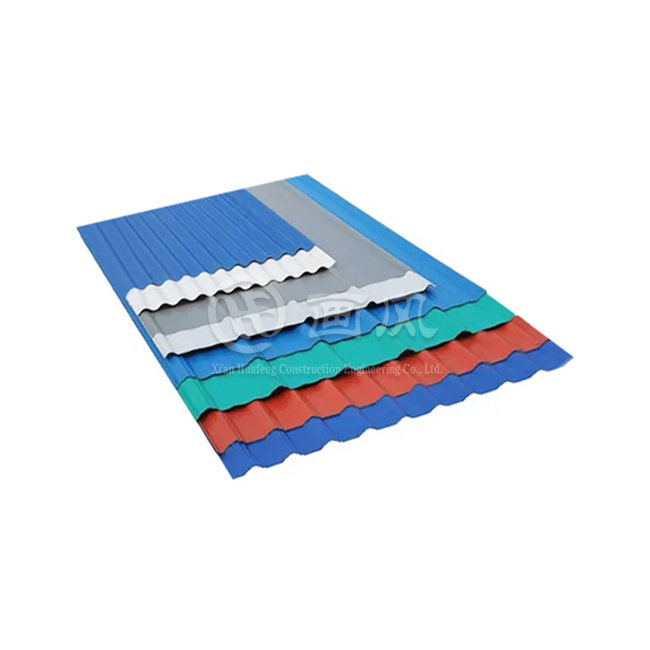
For contemporary building projects, long-lasting roofing materials must meet both practical and aesthetic criteria. Standing seam profiles' sleek lines and modern look go well with a variety of architectural designs. Precise design coordination is made possible by color selections that cover the whole RAL gamut. These same commercial-grade materials are used in residential metal roofs to provide unique looks and excellent protection. Standing seams' vertical focus adds intricate details and visual intrigue. Specific design specifications and brand coordination demands are met by custom color matching capabilities.
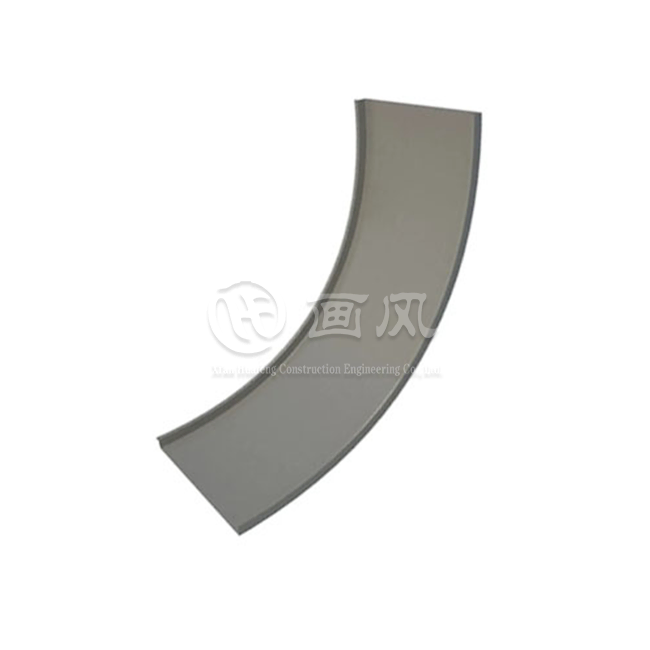
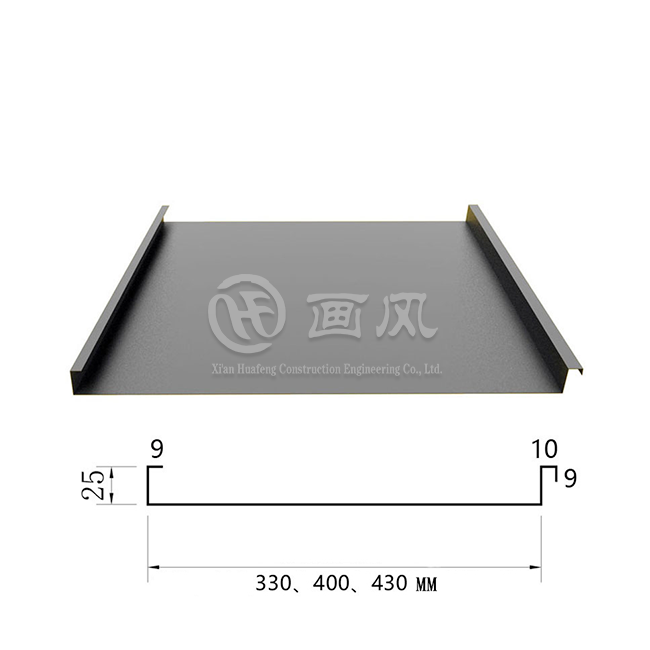
Variations in panel width enable designers to suitably scale the roof look for a range of building sizes. Wider panels work well for big commercial constructions, while narrow seam spacing produces elegant details for domestic applications. No matter the size of the project, this adaptability guarantees ideal proportions. Steel roofing panels' ability to be custom-fabricated and meticulously planned allows them to fit complicated roof geometries. With the right technical support, curved surfaces, dormers, and architectural elements blend together harmoniously. For difficult projects, manufacturers provide technical support to guarantee the proper installation of 22 Ga Standing Seam Metal Roofs.
Installation Considerations and Professional Requirements
For standing seam roof clips to meet performance standards, they must be chosen and installed correctly. The right clip spacing and attachment techniques for a given environment are determined using thermal expansion calculations. Expert installation crews are aware of these technical specifications and follow them regularly. Depending on the climatic zone and the needs of the building, several metal roof insulation techniques are used. Insulating the roof deck continuously simplifies installation processes and offers the best thermal efficiency. Details of air sealing and vapor barrier installation must be carefully coordinated with the roof system design. Long-term system performance is ensured by quality control measures during installation. Manufacturer standards must be followed while installing fasteners, aligning panels, and engaging seams. Frequent inspections during construction help to spot any problems before they jeopardize the integrity of the system.
Conclusion
22 Ga Standing Seam Metal Roof systems are top options for challenging building projects because of their unique benefits. For building owners and occupants, its unique blend of structural strength, weather protection, energy efficiency, and aesthetic appeal results in outstanding value. When construction experts select these cutting-edge roofing systems, their customers benefit from lower operating costs and decades of dependable performance. Increased building longevity and occupant comfort provide significant returns on investment when high-quality materials and appropriate installation are used.
Choose HF for Premium 22 Ga Standing Seam Metal Roof Solutions
HF Metal Roof delivers superior quality through advanced manufacturing capabilities and comprehensive project support. Our 22 ga standing seam metal roof supplier expertise ensures reliable delivery of premium materials meeting exact project specifications. Contact huafeng@hfmetalroof.com today to discuss your commercial or residential metal roofing requirements with our experienced technical team.
References
1. American Society for Testing and Materials. "Standard Specification for Metallic Coated Steel Sheet for Roofing Applications." ASTM A792/A792M Annual Book of Standards, Volume 01.06, West Conshohocken, PA, 2023.
2. Metal Construction Association. "Guidelines for Proper Installation of Standing Seam Metal Roofing Systems." Technical Bulletin MCA-103, Glenview, IL, 2022.
3. National Roofing Contractors Association. "Metal Roofing Systems Design Manual." NRCA Technical Operations, Rosemont, IL, 2023.
4. Steel Construction Institute. "Thermal Performance and Energy Efficiency of Metal Roofing Systems." Publication P401, Ascot, Berkshire, UK, 2022.
5. International Code Council. "International Building Code Chapter 15: Roof Assemblies and Rooftop Structures." ICC Digital Library, Country Club Hills, IL, 2024.
6. Cool Roof Rating Council. "Standard Test Methods for Determining Radiative Properties of Materials." CRRC-1 Program Manual Version 2.1, Oakland, CA, 2023.





YOU MAY LIKE