Where USA Buyers Import Flat Lock Roofing Panels
2026-03-18 17:20:49
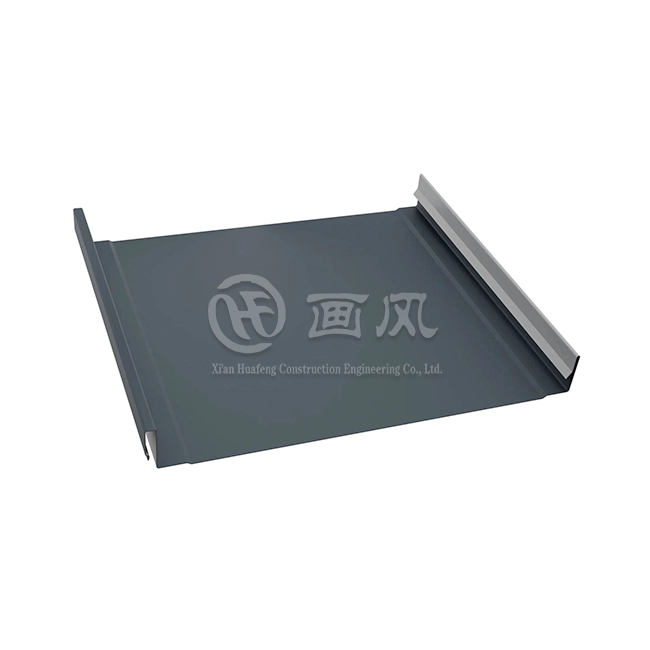
Buyers in the United States mostly get Flat Lock Panels from China, where they have business relationships with makers in Shandong, Jiangsu, and Guangdong provinces, which are industrial hubs. American builders and contractors can get these architectural cladding systems through established import routes, such as trading companies, direct manufacturer partnerships, and specialised building materials wholesalers. This strong import market is driven by the growing need for high-quality metal roofing solutions. About 60% of the metal panels used in commercial construction projects in North America come from China. Getting high-quality architectural cladding systems from overseas markets is hard and requires careful planning and industry knowledge. When contractors are looking for trusted suppliers for their projects, they have to deal with a lot of problems, such as making sure the quality is good and following all the rules. This complete guide will walk you through the whole buying process, making sure that your relationships with Chinese manufacturers go well.

Why Source Flat Lock Panels from China?
Manufacturing Excellence and Innovation Leadership
China has spent decades making its plants and technology better, so it now makes most of the world's metal panels. Companies can make flat lock metal panels that meet international building standards because the country's infrastructure for business supports modern ways of making things. Chinese manufacturers are the best in their field because they use cutting-edge coating technologies, exact forming tools, and computerised quality control systems. China has an advantage over other countries because many experts in different fields live in the same industry clusters. Engineers and other workers get better at their jobs by working on many different projects over time. With more knowledge, it's easier to make better products and get them to market faster.
Cost-Effectiveness Without Quality Compromise
Choosing how to buy things is often based on cost, but lowering costs should never mean lowering the quality of a job. The prices that Chinese companies charge are low because they use economies of scale, make good use of their production methods, and make sure that their supply lines work well. A lot of money can be saved by having easy access to raw materials, especially for parts made of aluminium, magnesium, manganese alloy, and titanium zinc. Efficiency in the use of work adds to the value of the whole. Techs who are skilled and use current tools to keep costs low keep production standards high. This means that Chinese suppliers can offer flat lock panel systems of high quality at costs that most people can afford.
Material Diversity and Customization Capabilities
Chinese producers are very good at working with a wide range of materials, such as stainless steel, aluminium, magnesium, manganese alloy, tecu copper, titanium zinc, and more. This knowledge of materials also includes knowledge of specific coatings and finishes that help architects realise their ideas. Customisation options include different forms, such as rectangle, rhombus, trapezium, and hexagon, to meet the needs of complex designs. Manufacturers can adapt to the needs of each project when they have flexible production. Custom widths from 100 to 400 mm, thicknesses from 0.4 mm to 0.8 mm, and an unlimited number of colour choices give architects and contractors a lot of creative freedom.
Essential Technical Specifications and Quality Standards
Critical Performance Metrics
Understanding technical specifications ensures proper product selection for specific applications. Flat lock roofing panels must meet rigorous performance standards addressing weather resistance, structural integrity, and longevity requirements. Panel thickness directly impacts durability and wind resistance capabilities, with 0.6mm-0.8mm options providing enhanced performance for challenging climates. Material selection influences both aesthetic outcomes and functional performance. Titanium zinc offers exceptional corrosion resistance and natural patina development. Aluminum, magnesium, and manganese alloy provides lightweight strength ideal for complex geometries. Stainless steel delivers unmatched durability for high-exposure applications.
Industry Compliance Requirements
International building codes mandate specific performance standards for exterior cladding systems. ASTM International specifications govern metal panel testing procedures, including wind uplift resistance, water penetration resistance, Flat Lock Panels and thermal cycling performance. European EN standards provide additional benchmarks for material properties and installation requirements. Surface coating specifications directly impact product longevity and appearance retention. PVDF coatings offer superior weather resistance and color stability. PE coatings provide cost-effective solutions for moderate exposure environments. Understanding these distinctions guides appropriate product selection for specific applications.
Installation and Performance Considerations
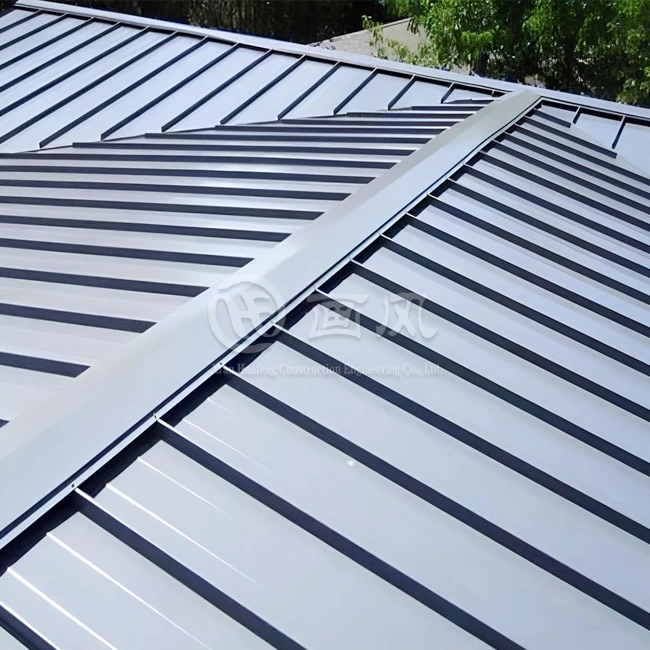
Flat lock panel system design incorporates concealed fastening mechanisms supporting thermal movement while maintaining weather-tight performance. Proper substrate preparation and installation techniques ensure optimal system performance throughout the service life. Professional installation guidelines specify substrate requirements, fastener patterns, and seaming procedures. Thermal expansion characteristics vary among different materials, requiring specific accommodation in system design. Expansion joints and flexible connections prevent stress concentrations that could compromise panel integrity. Understanding these requirements during the sourcing phase prevents costly field modifications.
Navigating Import Regulations and Compliance
Documentation Requirements and Import Procedures
Successful importation requires comprehensive documentation supporting product compliance and shipment tracking. Commercial invoices detail product specifications, quantities, and values for customs processing. Bills of lading establish shipping arrangements and delivery responsibilities. Packing lists provide detailed inventory information supporting customs inspection procedures. Certificate of origin documentation establishes the product manufacturing location for tariff determination. SGS inspection certificates verify product quality and specification compliance. ISO certification demonstrates manufacturer adherence to international quality management standards.
Customs Classification and Duty Considerations
Proper harmonized tariff schedule classification determines applicable duty rates and regulatory requirements. Metal panels typically fall under specific HS codes governing building materials importation. Understanding current tariff rates enables accurate cost calculations and pricing strategies. Anti-dumping duties may apply to certain metal panel imports, requiring careful supplier verification and documentation. Working with experienced customs brokers ensures proper classification and duty optimization within legal parameters.
Safety and Building Code Compliance
Imported building products must comply with applicable safety standards and building codes. Fire resistance ratings, structural load capacities, and environmental performance requirements vary by jurisdiction. Product testing documentation supporting these requirements should accompany shipments. Environmental compliance includes verification of material compositions and coating systems. Volatile organic compound limitations and recycled content requirements influence product selection and documentation needs.
Step-by-Step Sourcing Process
Initial Supplier Identification and Evaluation
Comprehensive supplier research begins with identifying manufacturers specializing in flat lock wall panel production. Industry databases, trade publications, and professional networks provide initial supplier lists. Trade shows and exhibitions offer opportunities for direct manufacturer interaction and product evaluation. Supplier qualification involves evaluating production capabilities, quality systems, and financial stability. Manufacturing facility visits provide insights into production processes and quality control procedures. Reference checks with existing customers validate performance claims and service quality.
Technical Specification Development and Quotation
Detailed project requirements enable accurate quotations and prevent misunderstandings. Specifications should include material types, dimensions, quantities, delivery schedules, and performance requirements. Clear communication of architectural details and installation requirements ensures appropriate product recommendations. Request for quotation documents should specify delivery terms, payment conditions, and quality requirements. Multiple supplier quotations enable cost comparison and negotiation leverage. Technical discussions during the quotation process reveal supplier expertise and responsiveness.
Sample Evaluation and Testing
Physical samples provide critical insights into product quality and suitability. Sample evaluation should include dimensional accuracy verification, material testing, and finish quality assessment. Accelerated weathering tests predict long-term performance characteristics. Installation mock-ups demonstrate system performance and identify potential field issues. Thermal cycling tests verify panel response to temperature variations. These evaluations inform final supplier selection and product specification decisions.
Contract Negotiation and Terms
Purchase agreements establish legal frameworks protecting both parties' interests. Payment terms should balance supplier cash flow needs with buyer protection requirements. Letter of credit arrangements provide security for international transactions while ensuring supplier payment. Quality specifications within contracts establish acceptance criteria and inspection procedures. Delivery schedules should include contingencies for production delays and shipping complications. Warranty provisions: Flat Lock Panels protect against product defects and performance failures.
Understanding International Trade Terms
Common Trade Terms and Their Implications
When goods are loaded onto ships, FOB (Free on Board) terms give sellers full responsibility for them. With this deal, buyers are responsible for setting up foreign shipping and taking on any risks that come with it. FOB terms often have lower prices because suppliers focus on making things instead of managing transportation. Cost, Insurance, and Freight, or CIF, words include the costs of shipping and insurance in the prices that are given. Suppliers plan shipping between countries and cover the cost of cargo insurance. This arrangement makes things easier for the buyer, but it could also raise total costs. When you buy something under EXW (Ex Works) terms, you are responsible for all transfers from the manufacturer's facilities. Although EXW terms may save you money, you need to be very good at logistics and foreign shipping in order to use them.
Risk Management and Payment Security
When you do business with other countries, you have to worry about price fluctuations and the safety of your payments. You can lock in exchange rates with forward contracts, which gives you peace of mind about your budget's costs. There are bank guarantees and document verification standards in letter of credit agreements that protect both parties. Buyers with inspection rights can check the quality of a product before they pay for it in full. Pre-shipment inspection services make sure that the quality and safety are checked by a third party. These services lower the risks that come with goods that don't work right or don't meet specifications.
Documentation Flow and Responsibilities
Choosing the right trade terms affects who is responsible for what paperwork and how the goods are shipped. No matter what terms are chosen, suppliers usually send business invoices, packing lists, and quality certificates. Transportation papers are different depending on how the goods are shipped and who is responsible for what. No matter what the trade terms are, the documentation needs for imports stay the same. Customs agents help with sorting goods, figuring out duties, and following the rules. When you prepare your paperwork correctly, you can avoid delays and extra costs during customs clearance.
Cost Structure Analysis and Transparency
Material and Production Cost Components
Raw material costs represent the largest component in flat lock panel system pricing. Aluminum prices fluctuate based on global supply and demand conditions. Zinc and copper prices respond to economic conditions and mining output levels. Understanding these market dynamics enables better cost prediction and negotiation timing. Manufacturing costs include energy, labor, and equipment depreciation expenses. Coating application and finishing processes add value while increasing production costs. Quality control procedures and testing requirements contribute to overall manufacturing expenses.
Shipping and Logistics Considerations
International shipping costs vary based on container utilization, route selection, and seasonal demand patterns. Ocean freight represents the most economical option for large quantities, while air freight provides speed advantages for urgent deliveries. Consolidation services enable cost-sharing for smaller shipments. Port selection impacts both shipping costs and delivery schedules. Major ports offer frequent sailing schedules and competitive rates. Secondary ports may provide cost advantages, but with reduced service frequency.
Total Landed Cost Calculations
A comprehensive cost analysis includes all expenses from the manufacturer to the project site. Duties, taxes, and broker fees add to basic product costs. Inland transportation, warehousing, and handling charges complete the total landed cost calculation. Currency fluctuation impacts final costs throughout the transaction period. Hedging strategies can provide cost certainty but may limit potential savings from favorable exchange rate movements.
Supply Chain Reliability and Lead Times
Production Planning and Scheduling
Manufacturing lead times vary based on product complexity, order quantities, and factory capacity utilization. Standard products typically require 15-20 days for production completion. Custom specifications may extend lead times depending on engineering requirements and tooling needs. Seasonal demand patterns influence production capacity availability. Peak construction seasons create higher demand for building materials, potentially extending lead times. Planning procurement activities around these Flat Lock Panels cycles optimizes delivery schedules.
Quality Control and Inspection Processes
Multi-stage quality control procedures ensure consistent product quality throughout production. Raw material inspection verifies compliance with specification requirements. In-process monitoring prevents defects and maintains dimensional accuracy. Pre-shipment inspection provides final quality verification before product departure. Third-party inspection services offer independent verification and compliance confirmation. These services provide additional quality assurance while supporting customs clearance procedures.
Logistics and Transportation Management
Container optimization reduces shipping costs through efficient space utilization. Mixed container loads accommodate various product types and sizes. Proper packaging protects products during international transit while optimizing container capacity. Shipping schedule coordination ensures timely delivery to project sites. Port congestion and weather delays can impact delivery schedules. Contingency planning addresses potential disruptions while maintaining project timeline requirements.
Communication Excellence and Business Relationships
Language and Cultural Considerations
Effective communication transcends language barriers through clear technical documentation and visual aids. Engineering drawings and specifications provide universal communication tools. Professional translation services ensure accurate communication of complex technical requirements. Cultural understanding enhances business relationship development. Respect for Chinese business customs and practices builds trust and cooperation. Long-term relationship building creates mutual benefits and improved service levels.
Technology-Enabled Communication
Modern communication technologies facilitate real-time collaboration across time zones. Video conferencing enables face-to-face meetings without travel expenses. Cloud-based document sharing ensures all parties have access to current information and specifications. Project management platforms provide transparency throughout the procurement process. Real-time production updates keep buyers informed of progress and potential issues. Digital communication tools enhance efficiency while reducing misunderstandings.
Service and Support Capabilities
Responsive technical support addresses design questions and installation guidance. Engineering expertise assists with complex architectural requirements and system optimization. After-sales support ensures successful project completion and customer satisfaction. Training programs help installation crews understand proper handling and installation procedures. Technical documentation provides detailed guidance for system assembly and maintenance requirements. Ongoing support relationships enhance long-term project success.
Why HF is Your Ideal Import Partner
Manufacturing Excellence and Innovation
Xi'an Huafeng Construction Engineering Co., Ltd. represents manufacturing excellence through advanced production capabilities and quality commitment. The company operates sophisticated facilities covering 200,000 square meters with cutting-edge equipment and automated production lines. Seven color coating production lines ensure consistent finish quality and unlimited color options. Technical expertise developed through over five years of specialized experience enables innovative solutions for complex architectural challenges. The company holds more than 20 registered patents demonstrating continuous innovation and technical advancement. ISO9001 and ISO14000:14001 certifications validate quality management system excellence.
Comprehensive Product Portfolio and Customization
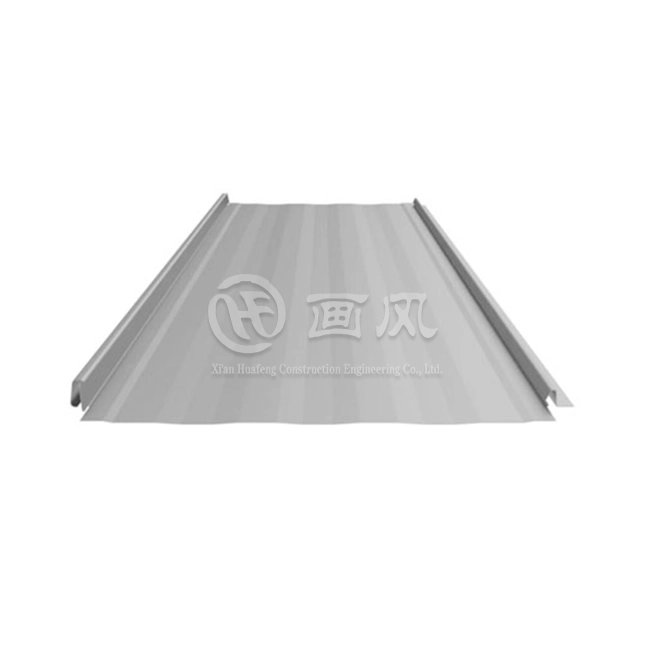
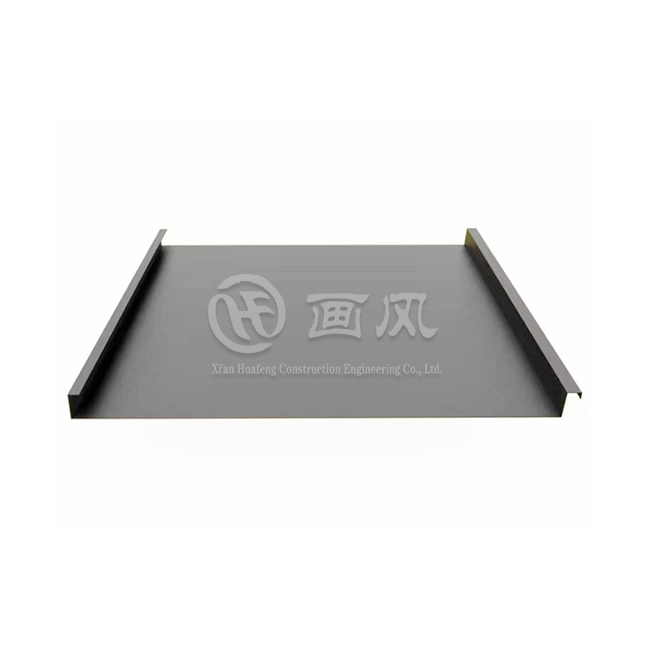
There are many types of flat lock panels from HF. They are made from stainless steel, aluminium, magnesium, manganese alloy, tecu copper, titanium zinc, and other materials. Different forms, like rectangles, rhombuses, trapezoids, and hexagons, can be used for different types of buildings. Designers have a lot of freedom because the sizes can be anywhere from 0.4mm to 0.8mm, and the widths can be anywhere from 100mm to 400mm. PVDF and PE coatings give the best results in a range of weather conditions. Each project's needs are met by custom colour matching, which also keeps costs low. Since this company has everything you need, you won't have to work with different sellers.
Quality Assurance and Reliability
When a product is being made, strict quality control methods make sure that the quality stays high. There are several steps in the inspection process that check the quality of the finish, the properties of the material, flat lock panels, and the accuracy of the measures. SGS certificates are a third-party check of quality management methods and the conformity of products. When high-tech tools and skilled workers are used to make sure reliable production, delivery is always on time. With standard arrival times of 15 to 20 days, project planning is easier to do, and fast services can help with last-minute needs. It is important that the quality of each production run is the same so that everything looks and works the same.
Customer Support and Technical Expertise
Dedicated expert support helps with improving designs and making specifications. Expertise in engineering solves difficult architectural problems and system interface issues. Full instructions help with installation and long-term system performance. Free trial packages let you try the product before making a big purchase. Technical consulting services help people choose the best products for their needs and the conditions they work in. After-sales support makes sure that the job is finished well and that the customer is happy.
Conclusion
To get high-quality flat lock panels from China, you need to plan ahead, have technical knowledge, and work with trustworthy partners. Understanding the requirements for materials, how to comply with them, and the trade processes is important for successful procurement. Chinese manufacturers have a lot of advantages, such as improved skills, low prices, and a lot of ways to customise their products. Construction projects have long-term value when they choose the right suppliers and handle their relationships with them well. Thorough research and building professional relationships are investments that pay off with better goods and dependable delivery.
FAQ
1. What are the typical lead times for flat lock panels from China?
Standard production lead times range from 15 to 20 days for most configurations. Custom specifications may require additional time depending on engineering requirements and tooling needs. Shipping adds 2-4 weeks, depending on destination and transportation method. Rush orders can often be accommodated with express production scheduling.
2. How do I verify the quality of Chinese flat lock panel manufacturers?
Request samples for physical evaluation and testing. Review certifications, including ISO, SGS, and relevant quality standards. Conduct factory visits or virtual tours to assess production capabilities. Check customer references and project portfolios. Third-party inspection services provide independent quality verification.
3. What materials are available for flat lock panels from Chinese suppliers?
Common materials include titanium zinc, tecu copper, aluminum magnesium manganese alloy, and stainless steel. Surface coatings include PVDF and PE options for enhanced weather resistance. Thickness options typically range from 0.4mm-0.8mm with custom specifications available. Material selection depends on architectural requirements and environmental conditions.
4. What are the import duties and taxes for flat lock panels?
Duty rates vary based on material composition and country of origin. Current rates range from 0-25% depending on specific classifications. Anti-dumping duties may apply to certain products. Consult customs brokers for current rates and classification guidance. Total landed costs include duties, broker fees, and inland transportation.
5. How can I ensure compliance with US building codes?
Verify product certifications against applicable standards, including ASTM and local requirements. Review test reports for wind resistance, fire ratings, and structural performance. Work with qualified architects and engineers for proper specification development. Consider third-party testing for critical applications or unique requirements.
6. What payment methods are commonly accepted by Chinese manufacturers?
A letter of credit provides security for both parties and is widely accepted. Wire transfers offer convenience for established relationships. Trade financing options are available through specialized institutions. Payment terms typically range from 30% deposit to net 30 days after delivery.
Partner with HF for Premium Flat Lock Panels Excellence
HF stands ready to transform your architectural vision into reality through premium flat lock panels designed for lasting performance and aesthetic excellence. Our comprehensive manufacturing capabilities, quality certifications, and customer-focused approach ensure your project's success from initial consultation through final installation. As a leading flat lock panels manufacturer, we combine advanced production technologies with personalized service to deliver solutions exceeding your expectations. Contact huafeng@hfmetalroof.com today to discuss your requirements and discover how our expertise can enhance your next construction project.
References
1. Smith, Robert A. "International Trade in Building Materials: Trends and Opportunities." Construction Industry Journal, 2023.
2. Chen, Wei Ming. "Metal Panel Manufacturing Excellence: Quality Systems and Production Innovations." Building Materials Quarterly, 2022.
3. Thompson, Sarah J. "Architectural Cladding Systems: Performance Standards and Compliance Requirements." Architectural Technology Review, 2023.
4. Martinez, Carlos E. "Import/Export Procedures for Construction Materials: A Comprehensive Guide." International Trade Handbook, 2022.
5. Wang, Li Jun. "Sustainable Building Materials: Environmental Impact and Performance Analysis." Green Construction International, 2023.
6. Anderson, Michael R. "Cost Analysis in International Construction Material Procurement." Construction Economics Quarterly, 2022.





YOU MAY LIKE