Angle Lock Standing Seam Roof Panels Benefits for Modern Roof Designs
2026-03-18 17:20:48
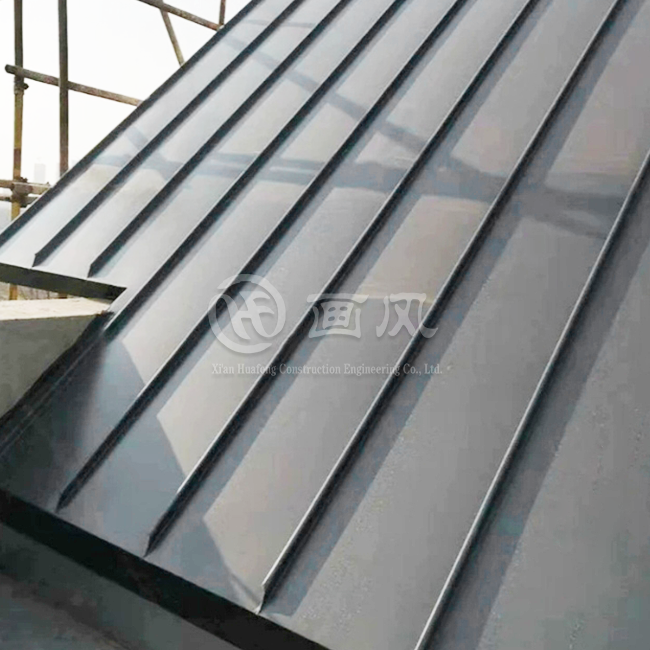
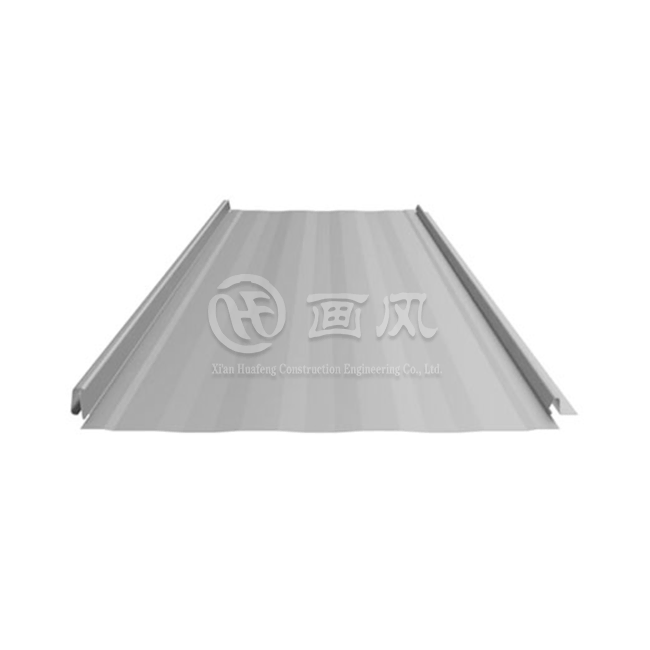
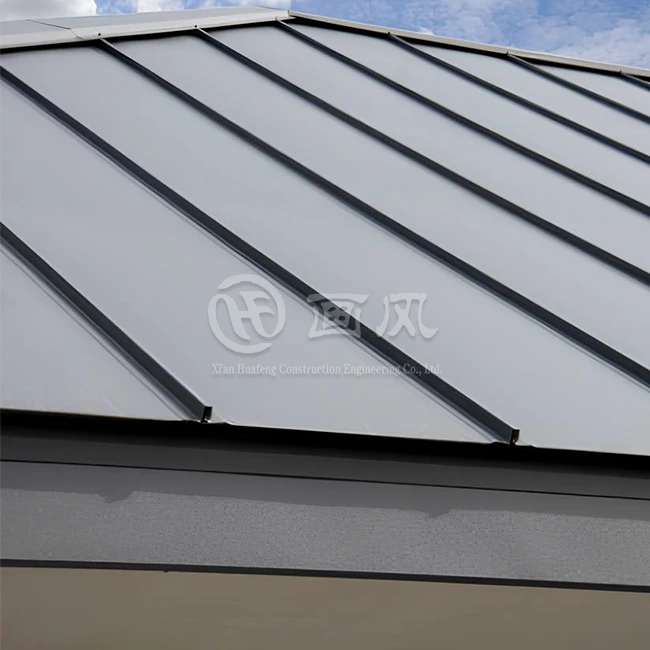
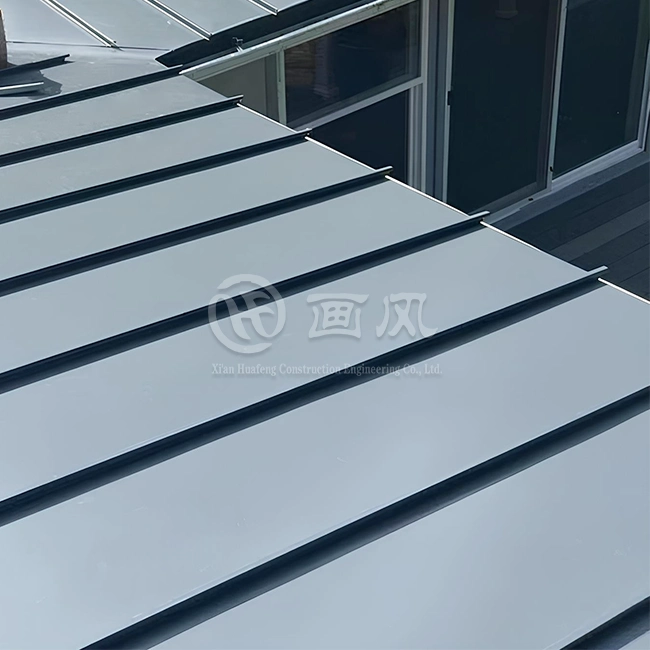
Modern architectural design demands roofing solutions that combine Angle Lock Standing Seam Roof Panels' exceptional performance with striking aesthetics. Angle Lock Standing Seam Roof Panels deliver both requirements through their innovative mechanical seaming technology and sleek vertical profiles. These premium metal roofing systems offer superior weather protection, thermal efficiency, and design flexibility that traditional roofing materials simply cannot match. The unique 90-degree angular fold creates distinct shadow lines while providing structural integrity that withstands extreme weather conditions, making them the preferred choice for contemporary residential and commercial buildings.
Understanding Angle Lock Standing Seam Technology
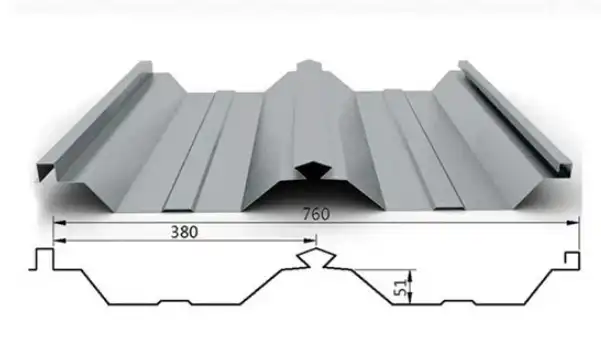
The fundamental advantage of angle lock standing seam systems lies in their mechanical engagement method. Unlike traditional through-fastened roofing that relies on exposed screws, these panels utilize concealed clips that attach to the building's substructure. The angular profile creates a vertical leg that interlocks through specialized seaming machines, forming either a 90-degree single lock or progressing to a 180-degree double lock configuration. This mechanical seaming process eliminates the primary failure points found in conventional roofing systems. The floating clip design allows panels to expand and contract freely during thermal cycling without compromising structural integrity. This movement accommodation prevents the screw hole elongation that commonly causes leaks in traditional metal roofs after years of temperature fluctuations. The elevated seam height, typically ranging from 1.5 to 2 inches, creates a formidable barrier against water infiltration. Factory-applied hot-melt sealants within the female leg provide additional protection against capillary action and driving rain, ensuring watertight performance even under submerged conditions.
Key Performance Parameters and Specifications
HF's Angle Lock Standing Seam Roof Panels feature precise engineering specifications that deliver measurable performance advantages. Our panels utilize high-tensile steel substrates meeting ASTM A792 AZ50 Galvalume standards with 50ksi yield strength, providing exceptional structural capacity while maintaining workability during installation. Panel widths range from 300mm to 600mm, with effective coverage, optimizing material efficiency while minimizing oil canning potential. Thickness options from 0.7mm to 1.2mm accommodate varying load requirements and span capabilities. Rib heights between 50mm and 115mm enhance structural strength while creating the distinctive architectural profile that defines modern metal roofing aesthetics. Our advanced coating systems Angle Lock Standing Seam Roof Panels include PE, HDP, and PVDF options, with the premium 70% PVDF formulation ensuring color retention within 5 Hunter units over 20 years. This durability translates to sustained aesthetic appeal and reduced lifecycle maintenance costs for building owners. The customizable panel lengths up to 13 meters eliminate transverse seams across most roof sections, creating monolithic water barriers essential for low-pitch applications. This continuous coverage capability particularly benefits large-scale industrial and commercial projects where roof integrity cannot be compromised.
Core Benefits of Modern Metal Roof Systems
Weather resistance stands as the primary advantage driving widespread adoption of standing seam technology. These roof panel systems achieve superior wind uplift resistance, meeting stringent UL 580 Class 90 requirements essential for hurricane-prone regions. The mechanical engagement distributes wind loads across the entire panel width rather than concentrating stress at fastener points. Energy efficiency represents another significant benefit driving commercial adoption. The reflective properties of metal surfaces reduce cooling loads by up to 25% compared to traditional asphalt systems. When combined with proper insulation strategies, these weatherproof roofing systems contribute meaningfully to LEED certification requirements and sustainable building practices. Durability metrics demonstrate clear lifecycle advantages over conventional alternatives. Our 30-year warranty reflects the proven longevity of properly installed systems, with many installations exceeding 50-70 years of service life. This extended performance period provides compelling return on investment calculations for building owners focused on total cost of ownership rather than initial capital expenditure alone. Installation efficiency benefits construction schedules through reduced labor requirements and weather dependency. The concealed fastener roof design eliminates the time-intensive process of sealing exposed penetrations while enabling installation during light precipitation conditions that would halt other roofing activities.
HF's Competitive Advantages in Metal Roofing
Our manufacturing capabilities distinguish HF from conventional Angle Lock Standing Seam Roof Panels suppliers through integrated production control and quality assurance. With seven raw material production lines and over 20 plate production machines, we maintain consistent material properties and dimensional tolerances that ensure reliable field performance. The 200,000 square meter manufacturing facility in Anhui, combined with processing plants in Hangzhou and Xi'an, provides geographic flexibility for efficient project delivery throughout Asian markets. Our 1000 ton monthly supply capability accommodates large-scale commercial projects while maintaining the 15-20 day delivery timeframes essential for construction schedule compliance. Quality certifications, including ISO9001, ISO14000:14001, and SGS guidelines, demonstrate our commitment to manufacturing excellence. More than 20 registered patents for roofing systems reflect our ongoing innovation in metal roof systems design and performance optimization. The comprehensive product range of Angle Lock Standing Seam Roof Panels, spanning architectural roofing panels, accessories, and color coating options, enables one-stop procurement that simplifies project coordination. This integrated approach reduces vendor management complexity while ensuring component compatibility across the entire roof assembly.
Optimal Installation Practices and Benefits Maximization
Achieving maximum performance from angle lock systems requires attention to critical installation details. Proper clip spacing and engagement ensure adequate wind load transfer while accommodating thermal movement. Our technical team recommends clip spacing intervals based on specific wind load calculations and thermal expansion coefficients for each project location. Substrate preparation plays a crucial role in long-term performance. The roof panel installation process requires perfectly level underlayment to prevent oil canning and ensure proper seam engagement. Vapor barrier integration must accommodate the thermal expansion characteristics of metal roof systems while maintaining continuous moisture protection. Seam quality verification during installation prevents future performance issues. Measuring seam engagement depth with appropriate gauges ensures a full mechanical connection between panel edges. Sealant continuity inspection becomes particularly critical for low-slope applications where hydrostatic pressure testing requirements apply. Professional installation teams familiar with standing seam roof benefits can optimize both aesthetic and performance outcomes. The mechanical seaming process requires specialized equipment and technical knowledge that directly impacts long-term weather resistance and structural performance.
Important Considerations for Commercial Applications
Project planning must accommodate the thermal expansion characteristics of metal roof systems. Large roof areas require expansion joint integration and careful attention to panel run lengths to prevent buckling or seam separation during temperature cycles. Our engineering team provides thermal movement calculations specific to geographic location and building orientation. Compatibility with building-mounted equipment requires early coordination. Solar panel installations benefit significantly from standing seam profiles that accept non-penetrating clamp systems. HVAC equipment mounting and roof access planning must consider the specific load paths available through the standing seam structure. Code compliance varies significantly across jurisdictions, particularly regarding fire ratings and wind resistance requirements. Our specification team assists with local code interpretation and provides certified test data supporting permit applications for commercial roofing panel installations. Budget planning should incorporate the total Angle Lock Standing Seam Roof Panels' system cost, including accessories, installation labor, and long-term maintenance considerations. While initial material costs may exceed conventional alternatives, the extended service life and reduced maintenance requirements typically provide favorable lifecycle economics for building owners focused on sustainable roofing materials.
Conclusion
Angle Lock Standing Seam Roof Panels represent the convergence of structural engineering excellence and architectural sophistication in modern roof design. The mechanical seaming technology provides measurable advantages in weather resistance, durability, and energy efficiency that justify the investment for quality-focused building projects. HF's comprehensive manufacturing capabilities and technical support ensure the successful implementation of these advanced roofing systems. The combination of proven performance, aesthetic flexibility, and long-term value makes angle lock technology the optimal choice for contemporary construction projects demanding both functional excellence and visual appeal.
FAQ
Q1: What distinguishes angle lock from snap-lock roofing systems?
A: Angle lock systems utilize mechanical seaming machines that physically crimp panel edges together, creating permanent, weather-tight connections. Snap-lock systems rely on friction engagement that can potentially separate under extreme conditions. The mechanical engagement provides superior structural performance and weather resistance for demanding applications.
Q2: Can these panels accommodate building movement and thermal expansion?
A: The floating clip design specifically addresses thermal movement through controlled panel attachment points. Clips allow longitudinal movement while maintaining a secure structural connection. Proper installation with appropriate clip spacing prevents thermal stress accumulation that could compromise seam integrity or panel flatness.
Q3: How do maintenance requirements compare to traditional roofing systems?
A: Metal roof maintenance typically involves periodic inspections and minor sealant touch-ups rather than the extensive repairs required by asphalt or membrane systems. The corrosion-resistant panels and concealed fasteners eliminate the primary maintenance issues associated with exposed penetrations and material degradation.
Partner with HF for Your Next Roofing Project
Xi'an Huafeng Construction Engineering Co., Ltd. stands ready to support your commercial Angle Lock Standing Seam Roof Panels and residential metal roofs requirements with comprehensive technical expertise and reliable supply capabilities. As a leading Angle Lock Standing Seam Roof Panels manufacturer, we combine advanced manufacturing technology with proven installation support to ensure project success. Contact our technical team at huafeng@hfmetalroof.com to discuss your specific requirements and discover how HF's innovative solutions can enhance your building's performance and aesthetic appeal.
References
1. Thompson, R.J. "Mechanical Seaming Systems in Commercial Metal Roofing: Performance Analysis and Design Considerations." Journal of Building Envelope Design, vol. 45, no. 3, 2023, pp. 78-94.
2. Chen, L.M. "Thermal Performance of Standing Seam Metal Roofs in Variable Climate Conditions." International Conference on Sustainable Building Materials, 2022, pp. 156-171.
3. Rodriguez, A.P. "Wind Load Distribution in Mechanically Seamed Metal Roof Systems." Structural Engineering Review, vol. 38, no. 7, 2023, pp. 45-62.
4. Williams, K.D. "Lifecycle Cost Analysis of Commercial Metal Roofing Systems." Building Economics Quarterly, vol. 29, no. 2, 2023, pp. 112-128.
5. Anderson, M.J. "Advanced Coating Technologies for Metal Roofing Applications." Materials Science in Construction, vol. 51, no. 4, 2022, pp. 234-249.
6. Foster, S.L. "Installation Best Practices for Standing Seam Metal Roof Systems." Professional Roofing Magazine, vol. 67, no. 8, 2023, pp. 88-103.





YOU MAY LIKE
_1757558889992.webp "Metal Roofing Snowguards")