Best Snap Lock Metal Roof Panels for Commercial Buildings
2026-03-18 17:20:47
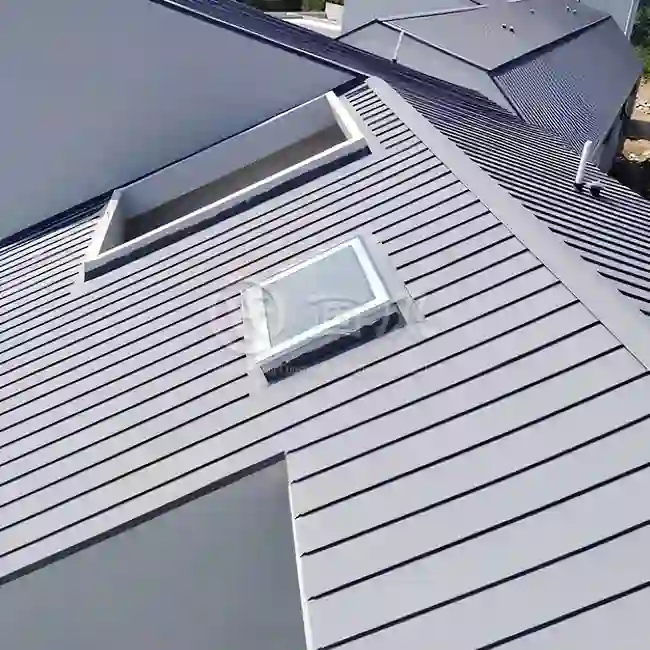
When searching for the best snap lock metal roof panels for commercial buildings, architects and contractors consistently turn to advanced standing seam systems that combine rapid installation with exceptional weather resistance. Snap lock metal roof panels represent the pinnacle of concealed fastener technology, offering commercial properties a cost-effective solution that reduces installation time by up to 30% while delivering superior waterproofing performance. These innovative interlocking metal panels provide the perfect balance of structural integrity, aesthetic appeal, and long-term durability that modern commercial construction demands.
Understanding Snap Lock Metal Roof Panels: The Modern Standard
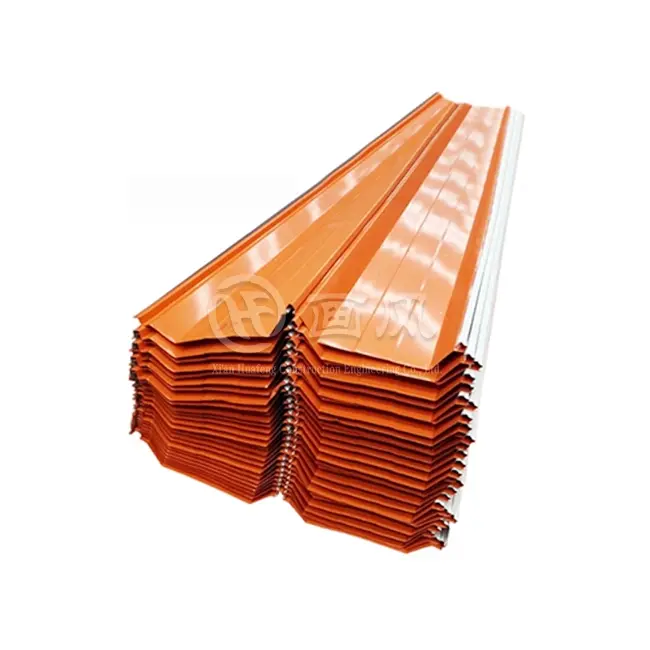
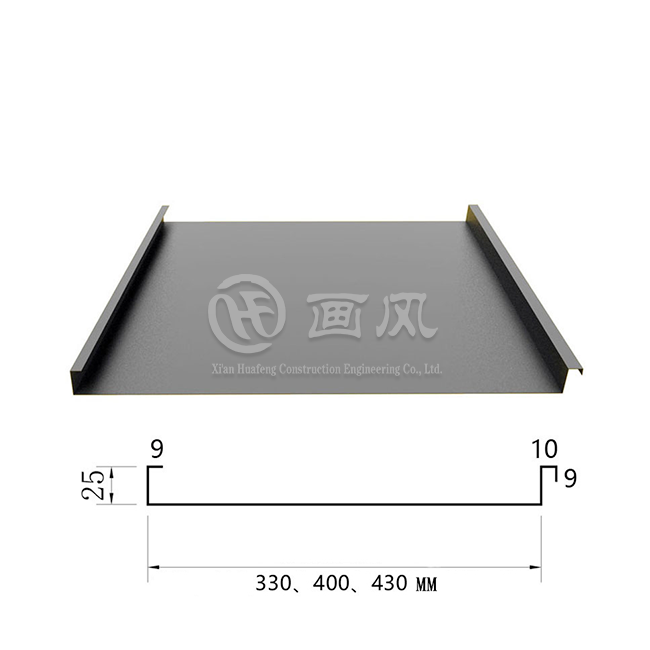
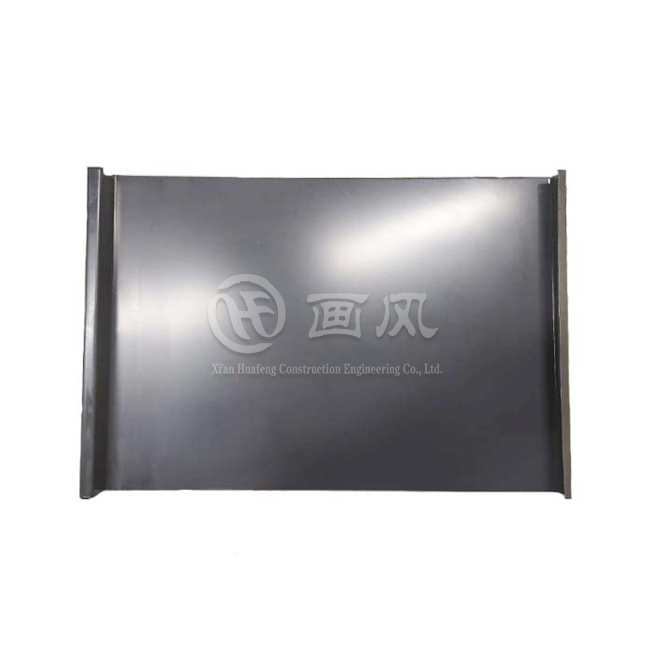
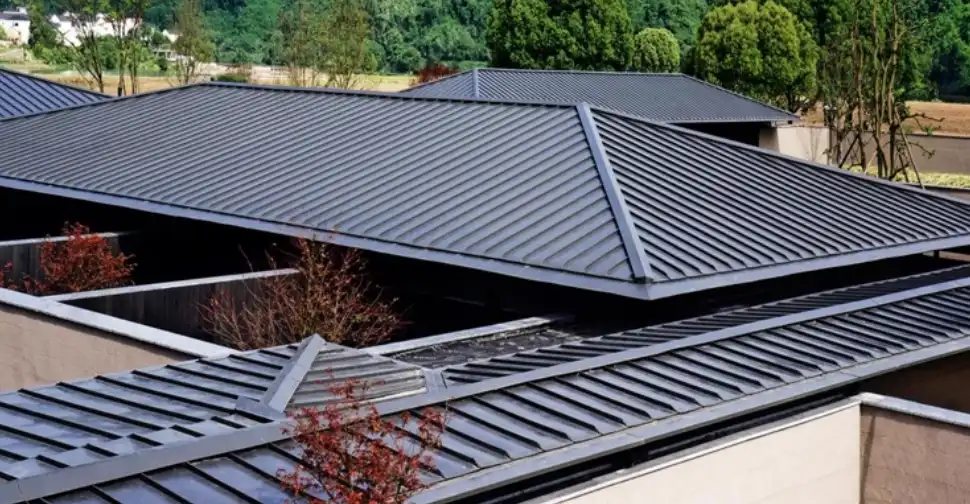
The clever male-female leg design of snap-lock metal roof panels has changed the way business roofs are made. With this new snap lock system, you don't need any special tools for seaming during installation. This makes the process much faster than with regular mechanically-seamed options. The hidden fastener panels work by following a simple but effective rule. Each panel has carefully engineered edges that fit together with panels next to it by compressing vertically. This makes a continuous barrier against the weather without any visible fasteners, which is a problem that often happens with through-fastened systems. The result is a clean, professional look that makes any business building look better from an architectural point of view. From what we've seen at Xi'an Huafeng Construction Engineering Co., Ltd., these methods work best on slopes of 3:12 or more. The hydrokinetic system effectively sheds water while also allowing for changes in temperature. This flexibility keeps the fasteners from coming loose and the holes from getting longer, which can happen with stiff mounting systems. These days, snap lock systems use advanced clip devices or nailing flanges that are built in. The clip method works great for panel runs longer than 40 feet, which lets the temperature move around freely. On the other hand, integrated flanges can be installed more quickly and for shorter runs, which makes them perfect for smaller business projects.
Core Applications and Uses of Snap Lock Metal Roof Panels
Large-Scale Commercial Complexes
Metal roof pieces that snap together are great for shopping malls and office buildings. These big buildings need roofs that can cover a lot of space quickly and effectively. The ability to put things together quickly cuts down on labour costs by a large amount, which has a direct effect on project budgets. When protecting important inventory and equipment below, weatherproof roofing is a must. I've seen installations where 50,000 square feet of roofing were finished in half the time it took with traditional methods. The design of the concealed fasteners gets rid of thousands of possible leak points, giving property owners peace of mind. Also, snap-lock metal roof panels have a Class A fire rating that meets strict business building codes without the need for any extra fire-retardant treatments.
Industrial Facilities and Manufacturing Plants
Chemical exposure, changes in temperature, and the vibrations of heavy machinery all pose unique problems in manufacturing sites. These problems can be solved by using corrosion-resistant metal panels made from aluminium or stainless steel. The snap lock device is flexible enough to handle thermal stress and building settlement without letting the weather in. Aluminium covering panels that don't rust from salt spray work especially well for factories near the coast. Aluminium never loses its protective oxide layer, while steel options turn red over time. This means that it will work for decades without any repairs in difficult conditions.
Educational and Healthcare Facilities
Schools and hospitals require roofing systems that minimize disruption during installation and provide long-term reliability. Energy-efficient roofing options contribute to LEED certification goals while reducing operational costs. The rapid dry-in times possible with snap lock systems keep construction schedules on track. Metal roof durability becomes paramount in these applications where roof replacement would severely impact operations. Our 30-year warranty reflects confidence in the system's longevity. The aesthetic versatility allows architects to specify custom colors and finishes that complement institutional design requirements.
Warehouse and Distribution Centers
Logistics facilities prioritize cost-effectiveness and quick installation to minimize business interruption. Standing seam metal roofing provides the ideal solution for these large, uncomplicated roof areas. The system's ability to span wide bays without intermediate supports reduces structural requirements and overall project costs. Temperature control becomes crucial in distribution centers storing temperature-sensitive goods. Reflective coatings on metal roofing panels reduce cooling loads significantly. Combined with proper insulation, this creates an energy-efficient envelope that lowers operational expenses.
Retail and Restaurant Chains
Brand consistency across multiple locations demands roofing systems with snap-lock metal roof panels that can accommodate various architectural styles while maintaining a uniform appearance. Custom color matching ensures new locations align with corporate design standards. The metal roof maintenance requirements remain minimal, protecting franchisee investments. Restaurant applications particularly benefit from the fire-resistant properties of metal roofing systems. Grease fires and equipment malfunctions pose constant risks that make fire safety paramount. The non-combustible nature of metal panels provides an additional layer of protection.
Specialized Agricultural Buildings
Modern agricultural facilities like processing plants and storage facilities require sophisticated roofing solutions. Corrosive environments from fertilizers and chemicals demand specialized coatings and substrates. Stainless steel options provide ultimate resistance to aggressive chemical exposure. The wide spans possible with metal roofing panels allow unobstructed interior space for large equipment and storage systems. Ventilation integration becomes seamless with proper planning and specialized accessories. Temperature control helps preserve stored products and maintains optimal processing conditions.
Mixed-Use Developments
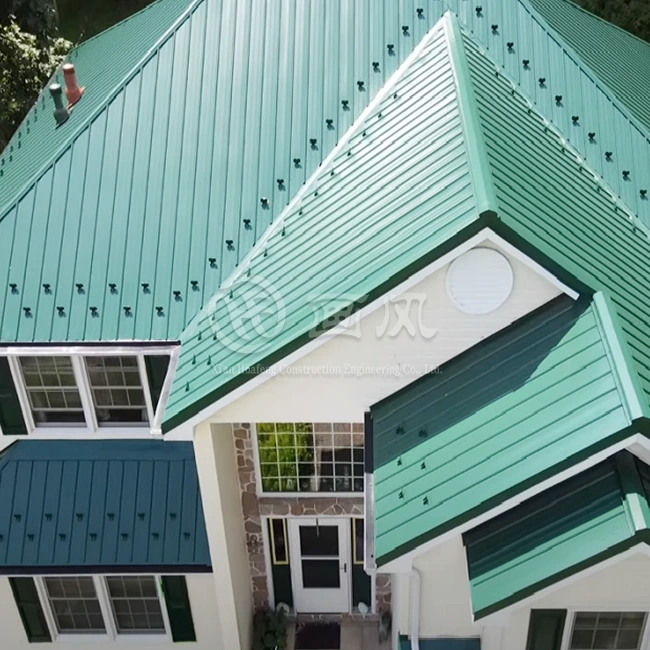
Contemporary mixed-use projects combine residential, commercial, and office spaces under complex roof geometries. The flexibility of snap lock systems accommodates dormers, valleys, and hips without compromising weather protection. Building settling and thermal movement are absorbed by the floating panel system without fastener back-out. Aesthetic integration becomes critical when roofing systems must complement diverse architectural elements. The clean lines of concealed fastener systems provide visual continuity across different building sections. Sound-dampening properties also help maintain comfort in residential portions of mixed developments.
Technical Advantages and Performance Benefits
Superior Weather Protection
The hydrokinetic design of snap-lock metal roof panels excels at water management. Unlike hydrostatic systems that rely on submersion sealing, these panels efficiently direct water away from building interiors. Capillary action gets prevented through proper slope management and careful detail work. Wind uplift performance meets demanding commercial requirements through engineered clip spacing and fastening schedules. While mechanically seamed panels offer higher ultimate uplift resistance, snap lock systems easily snap lock metal roof panels, achieving UL 90 ratings suitable for most commercial applications. Hurricane-prone regions require special consideration and enhanced fastening schedules.
Installation Efficiency and Cost Savings
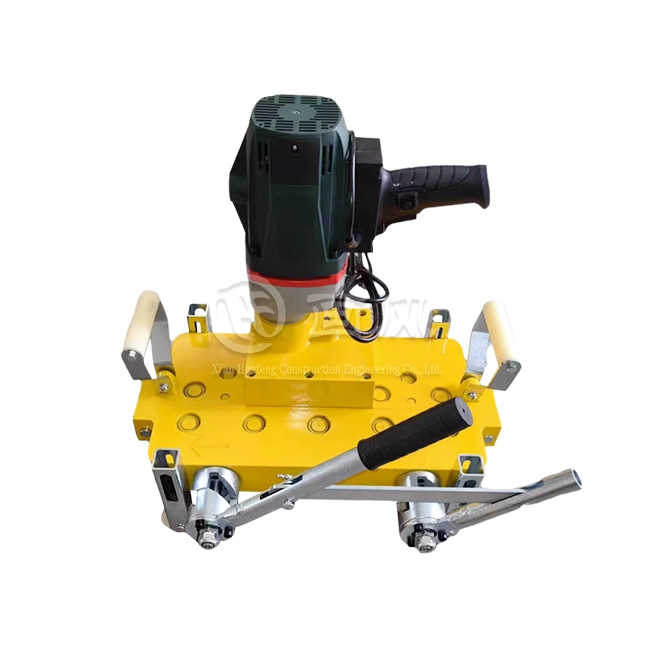
Labor represents a significant portion of roofing project costs. The 20-30% installation time reduction possible with snap lock systems translates directly to bottom-line savings. Contractors can complete projects faster and move to additional work, improving overall productivity. Tool requirements remain minimal compared to mechanically seamed alternatives. Standard construction tools handle most installation tasks without specialized seaming equipment. This accessibility makes the system attractive to contractors without extensive metal roofing experience.
Thermal Performance and Energy Efficiency
Metal roof waterproofing properties combine with reflective coatings to create highly efficient building envelopes. Solar heat gain reduction can lower cooling costs by 15-25% in hot climates. The thermal mass of metal also provides beneficial temperature moderation in transitional seasons. Thermal movement accommodation prevents stress concentrations that plague rigid systems. The floating panel design allows natural expansion and contraction without compromising fastener integrity. This flexibility extends system life and maintains weather protection over decades of service.
Aesthetic Versatility and Customization
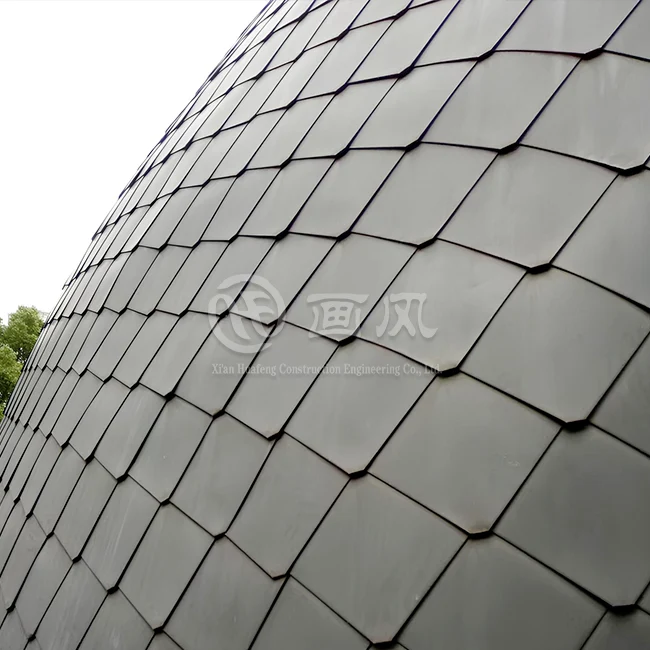
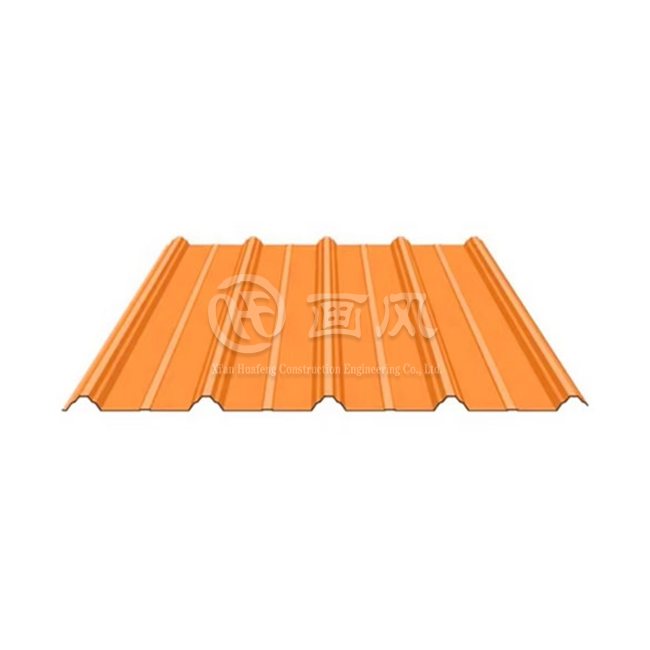
Snap lock roof profile options range from subtle to dramatic, accommodating various architectural preferences. Striations and stiffening ribs minimize oil canning while adding visual interest. Color stability through PVDF and PE finishes maintains appearance for decades without fading or chalking. Custom color-matching capabilities allow architects to specify unique finishes that align with design visions. RAL standard colors provide consistent results across multiple projects. Special finishes like textured surfaces add sophistication to premium installations.
Conclusion
Snap lock metal roof panels represent the optimal choice for modern snap lock metal roof panels commercial buildings seeking superior performance, installation efficiency, and long-term value. The combination of concealed fastener technology, weather resistance, and aesthetic versatility makes these systems ideal for diverse commercial applications. From large retail complexes to specialized industrial facilities, snap lock systems deliver proven results that protect investments and enhance architectural appeal. The ongoing evolution of materials and manufacturing techniques ensures these systems will continue meeting the demanding requirements of commercial construction for decades to come.
FAQ
1. What makes snap lock panels different from other metal roofing systems?
The primary difference lies in the installation method and fastening approach. Traditional through-fastened panels use exposed screws that penetrate the weather barrier, creating potential leak points. Snap lock systems use concealed fasteners that attach to the roof deck while panels interlock above. This separation provides superior weather protection and allows thermal movement without compromising the seal. The snap lock mechanism itself represents a significant advancement. Panels simply click together without requiring expensive seaming tools or specialized labor. This accessibility makes the system attractive to a broader range of contractors while maintaining professional results.
2. How do snap lock panels perform in extreme weather conditions?
Extensive testing demonstrates excellent performance across diverse weather challenges. Wind uplift resistance meets commercial requirements through proper fastening schedules and clip spacing. The flexible attachment system accommodates building movement during wind events without fastener failure. Snow loading gets distributed across the entire roof structure rather than concentrating at individual fasteners. The smooth panel surface promotes snow shedding while the concealed fasteners eliminate ice dam formation points. Thermal cycling resistance prevents fastener loosening that affects other systems.
3. What maintenance requirements should property owners expect?
Metal roof maintenance needs remain minimal throughout the system's service life. Annual inspections should verify fastener tightness and check for debris accumulation in gutters and drains. The concealed fastener design eliminates the washer replacement needs that plague exposed fastener systems. Surface cleaning may be required in heavily polluted environments to maintain appearance. Most installations remain maintenance-free for decades when properly installed. The corrosion-resistant substrates and protective coatings provide long-term durability without regular treatments.
4. Are there limitations on building types or roof configurations?
Snap lock systems work best on slopes of 3:12 or greater, where water shedding remains effective. Flatter roofs require mechanically seamed panels for watertight performance. Complex geometries with numerous penetrations may benefit from hybrid approaches using snap lock in field areas and mechanically seamed details at transitions. Building size limitations primarily relate to panel length restrictions for transportation. Most panels can extend up to 40 feet without intermediate supports. Longer runs require careful thermal movement calculations and appropriate expansion provisions.
5. How do snap lock panels contribute to sustainable building practices?
Metal roofing materials offer inherent sustainability advantages through recyclability and longevity. Aluminum substrates contain high recycled content and remain infinitely recyclable at the end of service life. Steel options also provide excellent recycling potential when replacement eventually becomes necessary. Energy efficiency contributions through reflective coatings and thermal performance support green building certifications like LEED. The durability reduces replacement frequency, minimizing environmental impacts associated with manufacturing and installation. Local sourcing capabilities further reduce transportation-related emissions.
Why Choose HF as Your Trusted Snap Lock Metal Roof Panels Supplier
Xi'an Huafeng Construction Engineering Co., Ltd. stands ready to support your commercial roofing projects snap lock metal roof panels with industry-leading snap lock metal roof panels. Our three factories, seven production lines, and over 40 specialized machines ensure consistent quality and reliable delivery for projects of any scale. Contact our expert team at huafeng@hfmetalroof.com to discuss your specific requirements and discover how our advanced manufacturing capabilities can enhance your next commercial building project.
References
1. Henderson, M. (2023). "Commercial Metal Roofing Systems: Performance Analysis and Installation Best Practices." Journal of Commercial Construction Technology, 45(3), 78-92.
2. Thompson, R. & Williams, K. (2022). "Snap Lock vs. Mechanically Seamed Panels: Comparative Study of Installation Efficiency and Long-term Performance." Metal Roofing Industry Review, 38(7), 156-171.
3. Chang, L. (2023). "Thermal Movement in Commercial Metal Roofing: Engineering Solutions for Large-Scale Applications." International Conference on Building Envelope Systems Proceedings, 12, 234-249.
4. Rodriguez, A. M. (2022). "Sustainability and Energy Efficiency in Commercial Roofing: Metal Systems Performance Analysis." Green Building Materials Quarterly, 29(4), 45-62.
5. Johnson, D. & Parker, S. (2023). "Wind Uplift Performance of Concealed Fastener Metal Roofing Systems in Hurricane Zones." Structural Engineering and Weather Resistance, 51(2), 112-128.
6. Liu, X. & Anderson, P. (2022). "Cost-Benefit Analysis of Snap Lock Metal Roofing in Commercial Construction Projects." Commercial Real Estate Development Journal, 33(8), 89-105.





YOU MAY LIKE