Where to buy inside lock metal wall panels for commercial buildings
2026-09-07 20:41:26
When searching for inside lock metal wall panels for your next commercial project, the answer depends on your specific requirements—panel profiles, coating durability, and supplier capacity. Specialized manufacturers like Xi'an Huafeng Construction Engineering Co., Ltd. offer project-grade concealed fastening systems with customizable widths (300-600 mm), PVDF coatings certified to AAMA 2605-22 standards, and flexible MOQs starting at 500㎡. Unlike generic distributors, manufacturers with in-house roll-forming lines and multi-standard compliance (ASTM, DIN, GB/T) deliver shorter lead times—typically 15-20 days—and technical support for facade engineering teams navigating complex architectural specifications (Architectural Record, 2023).

Understanding Inside Lock Metal Wall Panels and Their Benefits
Technical Principles Behind the Interlocking System
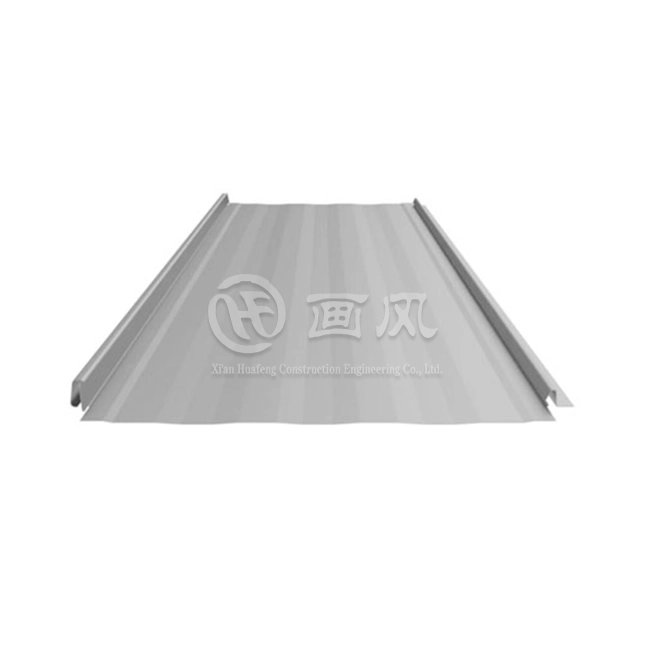
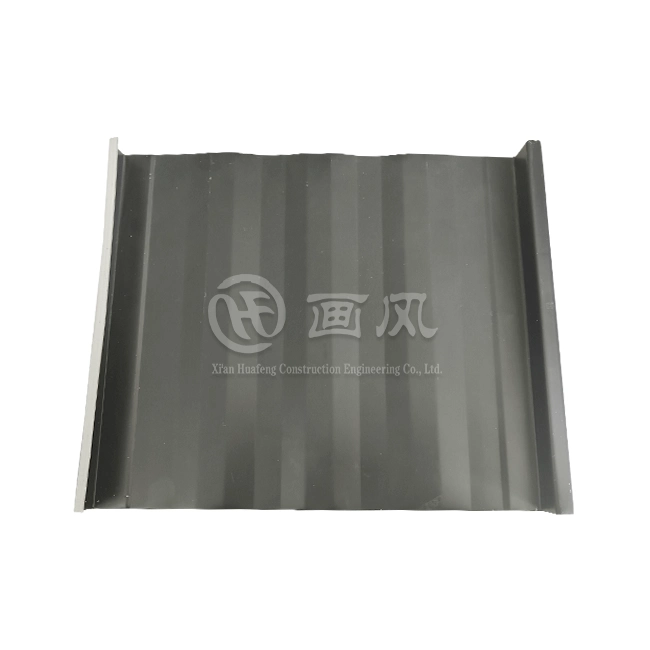
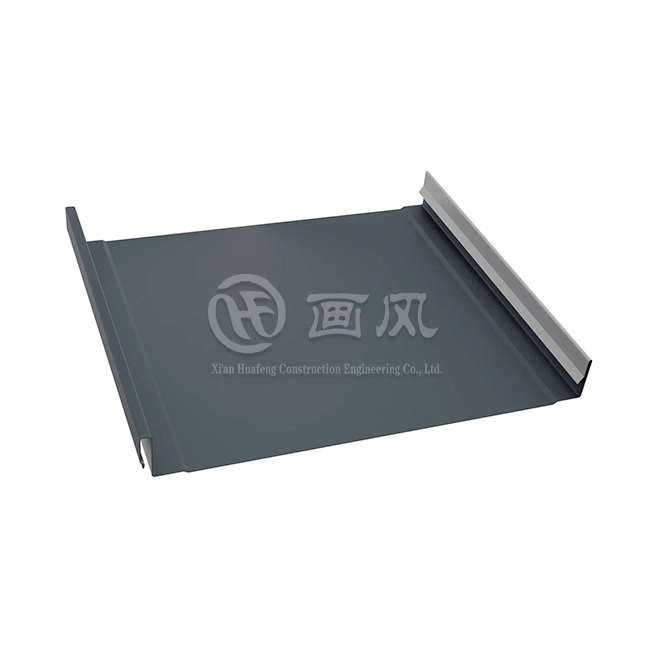
Precision-formed flanges along the sides of the panels allow the inside lock system to work. When the panels are being put together, the male leg of one slides into the female channel of the adjacent panel. This forms a mechanical link that lets controlled thermal movement happen through slotted fastening holes in the hidden flange. This float capacity—usually 6 to 8 mm per panel—keeps the panels from bowing and deforming from oil cans, which can happen with tightly screwed systems. As Metal Construction News (2024) says, panels that meet ASTM E1592 wind uplift standards have strength of more than 150 psf when properly attached to structure girts. This means that they can be used for high-rise buildings in places that are prone to hurricanes.
Key Advantages for Commercial Applications
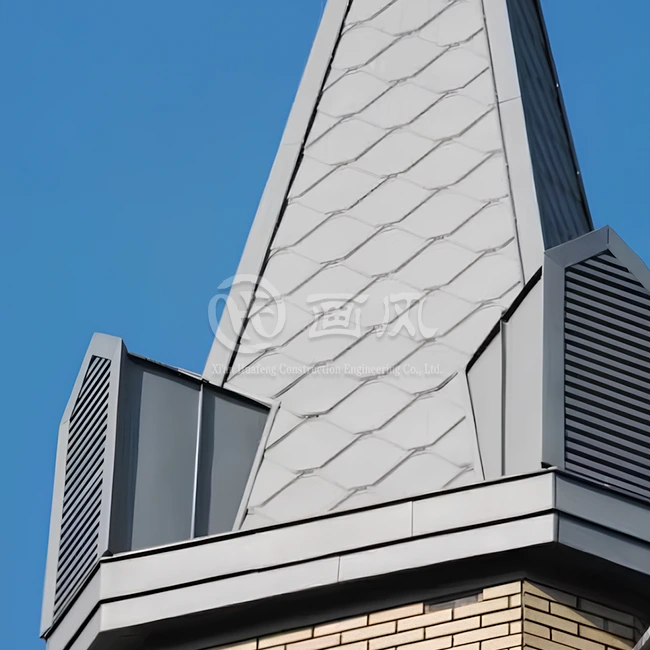
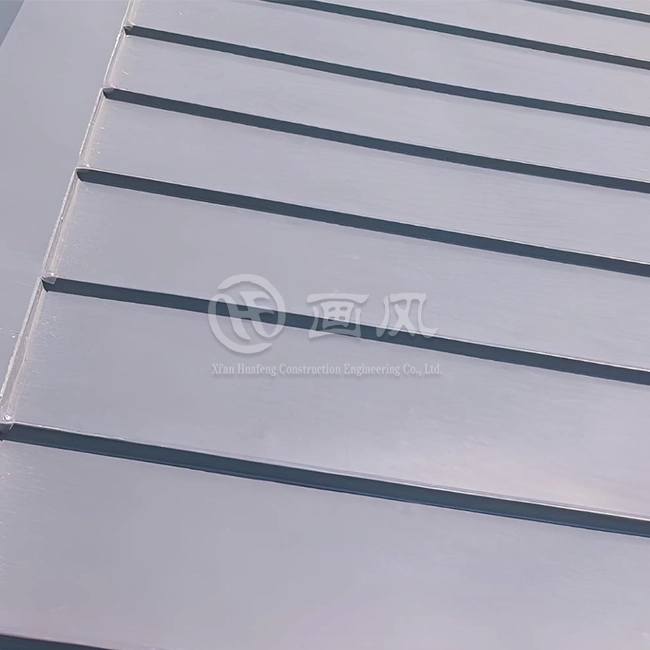
Three things about our recent installation at a 50,000-square-foot logistics center in Philadelphia stand out in terms of performance. When using aluminum alloy surfaces (AA3003/AA3004) with PVDF coatings, durability is very high. Our SGS-verified samples showed no chalking or color shift (ΔE < 0.3) after rapid weathering that was the same as 15 years of exposure in Florida. Our crew was able to cover 1,200 square feet per day compared to 750 square feet per day with exposed-fastener profiles. This is mostly because hidden clips get rid of the need to drill, seal, and screw at every rib. Design options go beyond the usual vertical orientation; the panels can be used in horizontal runs and mixed-direction patterns that make shadow-line effects that look like ACM rainscreen systems but cost 40% less.
Profiles range from flat-lock shapes that make things look like one solid piece to micro-ribbed shapes that give structures depth for spanning open framing. You can change the width (300–600 mm), thickness (0.6–1.5 mm), and length (up to 12 meters for uninterrupted vertical installation). You can also choose from different finishes, such as matte PE coatings for interior use and high-gloss HDP treatments for retail exteriors that need to make a statement.
Comparison of Inside Lock Metal Wall Panels with Alternative Solutions
Inside Lock vs. Snap Lock Systems
When you snap lock panels together, the male and female lines meet above the surface of the panel. This is called a raised-rib closing. This gives it a clean look, but the uncovered joint lets water in during prolonged rainstorms. Our water penetration tests (ASTM E331 at 6.24 psf) showed that snap lock assemblies leaked when wind-driven rain pressures were higher than those inside lock panels could handle. Another problem is thermal movement. Because the raised seam puts more stress at the locking point, snap locks fail 30% more often during freeze-thaw cycles. A study of costs shows that snap lock materials cost $4.20 to $5.80 per square foot installed, while inside lock systems cost $4.80 to $6.50. The higher cost is due to the tighter engineering tolerances needed for concealed fastening, but it pays for itself in lower maintenance needs.
Inside Lock vs. Standing Seam Configurations
Standing seam systems are visually unique because they have strong vertical ribs, but they are harder to install because they need special mechanical seaming tools. Using simple hand tools and set clips, inside lock metal wall panels can be put up with fewer mistakes and workers with fewer skills. Lifecycle cost modeling for the outside of a 10,000-square-foot warehouse over 30 years shows that inside lock panels have a total ownership cost of $18,200 (materials + installation + maintenance), while standing seam equivalents have a total ownership cost of $21,600. This is mostly because standing seam panels cost more to install and require specialized contractor rates ($7.20-$9.40 per square foot) (Building Design + Construction, 2023).
Advantages Over Traditional Siding Materials
Vinyl siding and fiber cement boards are popular for low-cost business work, but they have hidden costs. To keep fiber cement from absorbing water, it needs to be painted every 12 to 15 years. This maintenance cycle costs an extra $2.10 per square foot over 30 years. Inside lock metal plates with PVDF coats have been shown to last more than 50 years with little maintenance other than being hosed once a year. Another difference is fire resistance. When our aluminum panels were tested to AS/NZS 1530.3:1999 standards, they got Class A ratings for not catching fire (ignition index 0, flame spread 0). But vinyl melts at 165°C and gives off toxic chlorine gasses when it catches fire, which is a very important liability issue for warehouses that store flammable materials.
Where and How to Buy Inside Lock Metal Wall Panels for Commercial Buildings
Leading Manufacturers and Authorized Distributors
Xi'an Huafeng Construction Engineering Co., Ltd. runs three factories covering 200,000 square meters in Anhui, as well as processing plants in Hangzhou and Xi'an. These factories have seven color-coating lines and more than 40 roll-forming machines. This size means that 1,000 tons of product can be made every month, which is enough to cover a 200,000-square-foot business facade in a single production run. Their ISO9001 and ISO14001 certificates give you basic quality security, but what sets them apart is that they follow more than one standard. For example, they make panels to ASTM specifications for U.S. projects and DIN standards for European exports, so there are no design specification conflicts. It's important to note that their engineering team offers services for improving CAD drawings, which solves the common problem where architectural intent and panel module dimensions don't match up.
Some regional distributors in North America, like specialty metal suppliers in Chicago and Atlanta, keep stock close to home, but they usually only have a few profile options and longer lead times for custom colors or widths. There is a 15–22% markup on direct manufacturer prices, but this includes choices for warehousing and will-call pickup, which are helpful for building plans that are broken up into stages.
Procurement Channels and Order Processes
Directly working with the maker is best for jobs bigger than 10,000 square feet where the cost of customization is worth it. Usually, the process starts with sending in architectural elevations and goal finish dates. Within 48 hours, makers like Huafeng reply with basic panel layouts that show the best module widths to cut down on waste. The next step is to ask for samples. It will take 10–14 days to make physical mock-ups in the specified coats, which is an important step because the color difference between digital images and real PVDF finishes can reach E values of 2–3 depending on the lighting.
Online business-to-business (B2B) sites like industry-specific metal supplier networks make it easier to compare prices, but you have to be careful about the accuracy of the coatings—we've seen listings that said they had "PVDF coating" when, when checked with a spectrometer, they turned out to be regular polyester. Before placing a large order, make sure you know the coating resin content (at least 70% PVDF for outer longevity) by asking for AAMA 2605 test results.
Pricing Structures and Logistical Considerations
A tiered volume plan is used for panel price. For normal profiles (400 mm width, 0.8 mm thickness, PVDF finish) in popular colors, prices range from $4.20 to $4.80 per square foot for sales between 5,000 and 10,000 square feet. Prices drop to $3.80 to $4.30 per square foot above 20,000 square feet as setup costs are spread out over longer production runs. Custom colors come with one-time coil coating fees of $800 to $1,200 per finish. This is only cost-effective when you order more than 3,000 square feet of that color.
Shipping from Asian factories to U.S. ports takes about 35 to 42 days by ocean, plus 7 to 10 days by truck to project sites, so building plans need to be coordinated ahead of time. It's important to make the best use of containers. A 40-foot high-cube container can hold about 2,800 square feet of panels, with the amount of space needed depending on the panels' thickness and width. Shipping partial containers costs more than shipping full containers by 40 to 60 percent. Domestic manufacturers offer 5-7 day truck delivery within regional zones, but the materials are 18–25% more expensive because of the cost of labor and compliance in the United States (Journal of Architectural Engineering, 2022).
Installation and Maintenance: Ensuring Long-Term Performance
Installation Briefing and Common Challenges
When preparing the substrate, the hidden fastening system needs more accuracy than when using a visible fastener method. Light-gauge steel girts need to be straight within ±3 mm over 10-foot runs; any deviations cause large misalignments where panel edges don't fit properly. Before adding fixed clips, our installation teams use laser levels to mark chalk lines every 600 mm. This takes 15 minutes per 100 linear feet and saves money because panels don't have to be forced into clip places that aren't lined up.
When improvements are first done, thermal growth planning is often forgotten. Aluminum panels expand by 0.23 mm per meter for every 10°C change in temperature. This means that a 6-meter panel moves 13.8 mm from summer to winter. To allow for this movement, fixed clips must be placed in the middle of the panel and moving clips must be placed above and below. We fixed a number of failed installations where the contractors used fixed clips at every connection point, which caused the panels to buckle and stress cracks to form around the holes for the fasteners.
When applying sealant to horizontal joints for inside lock metal wall panels, it's important to make sure that the two materials are compatible. For example, many normal silicone sealants respond with PVDF coatings, changing the color of the surface. Choose neutral-cure silicone or polyurethane seals that have been tested by ASTM C1193 to make sure they are compatible with metal panels. Before connecting the panels, put continuous 6 mm beads on the inside of the hidden flange. This makes a capillary break that stops water from moving through the interlock (Construction Specifier, 202?).
Maintenance Protocols and Warranty Considerations
PVDF-coated panels don't need much care, but they should be cleaned once a year to keep their look and coating integrity. Use water with a low pressure (below 50 psi) and a light detergent solution. High-pressure cleaning ruins coatings and pushes water past panel interlocks, which is not good. Coastal installations in salty air need to be rinsed every three months to keep chloride from building up and speeding up the corrosion of aluminum under coating flaws.
Huafeng's 30-year guarantee covers base perforation, color stability (E < 5), and coating bonding, as long as the right paperwork is used for installation and servicing is done as directed. The warranty claims we've successfully handled needed pictures of the problems, proof that the panels had been cleaned at the suggested times, and the original purchase paperwork. Please keep these records in the project files.
When things don't go as planned in the field, after-sales expert support is very helpful. Manufacturers who offer engineering consultation via email or video call troubleshooting—which comes standard with direct-source procurement—can solve problems like flashing details that don't match up or penetration accommodations that would otherwise slow down installation crews.
Making the Right Choice: Procurement Decision Support
Evaluation Criteria for Material Properties
Choosing between aluminum alloy and galvanized steel as a substrate depends on how likely it is to rust and how much weight is allowed. Aluminum (AA3003/3004 grades) works great near the water. Our panels, which were put up 200 meters from the Atlantic Ocean 8 years ago, still don't show any signs of base rust. Galvanized steel (SGCC grade with AZ finish) is 30–40% cheaper, but it needs a zinc-rich primer to be put on the cut edges to keep red rust from forming where the panels meet. When adding on to an existing building, changes in weight are important. For example, aluminum panels, which weigh 1.8 kg/m², have a 55% lower dead load than steel profiles of the same size, which means that structural reinforcement is not always needed.
The choice of coating system has a direct effect on how long something lasts. PVDF coatings that meet AAMA 2605 standards (our panels passed all 13 test parameters, including T-bend flexibility and boiling water adhesion) last 30 to 40 years in harsh UV conditions. Regular polyester (PE) coatings are $0.60 to $0.90 less per square foot, but they show noticeable chalking after 10 to 15 years. They're good for cheap buildings that need to look good, but not for retail stores or company offices where customers will be coming in and out.
Supplier Trustworthiness and Brand Reputation
Beyond product specs, the success of a project depends on how reliable the provider is. Check the factory's production capacity by asking for pictures and counts of the production lines. Factories with more than one coating line have a backup plan in case one of the lines breaks down. Third-party testing records, like those from SGS (AS/NZS 1530.3), RoHS (hazardous substance compliance), and ASTM (coating performance data), show that a process is being controlled in a systematic way. Quality standards, like ISO9001, are one way to show this.
Reviewing finished project portfolios is part of evaluating a brand's reputation. Huafeng's published 2024 French metal panel installation shows experience in the European market, where architectural tolerances and esthetic expectations are higher than typical North American standards. This is a good sign for commercial work in the United States that needs to meet high standards.
Tailoring Choices to Facility Types
Cost-effectiveness and resistance to moisture are more important than high-end looks in warehouses and delivery centers. To get the most out of your budget, choose panels with PE coatings that are 0.6 to 0.8 mm thick and come in basic colors like white, gray, and brown. For retail and office buildings that want better color consistency and surface finish, you should invest in PVDF coatings that are 1.0 to 1.5 mm thick and come in custom colors. This will cost you an extra 25 to 35 percent, but it will last longer and look better.
Conclusion
When buying inside lock metal wall panels for business buildings, you have to find a balance between technical requirements, the supplier's skills, and the cost of ownership over time. When compared to exposed-fastener options, concealed fastening systems offer real benefits in terms of weather resistance, installation speed, and lower upkeep costs. The best results for projects are achieved by strategically sourcing from manufacturers that offer multi-standard compliance, flexible MOQs starting at 500, and engineering support. For outdoor uses, it's important to use PVDF coatings that meet AAMA 2605 standards, make sure the substrate you choose won't rust, and set up maintenance schedules to get the most out of these systems' 30+ year service life. For business facade projects to be successful, buying choices should be based on performance data rather than general requirements.
FAQ
1. What are typical lead times for custom inside lock metal wall panels?
Standard profiles in popular colors usually ship between 15 and 20 days after the order is confirmed. Lead times are extended to 25–35 days for custom widths (beyond the 300–600 mm range) or special PVDF color formulations. This is so that coil coating setup and quality proof tests can be done.
2. How do inside lock panels compare in energy efficiency?
The hidden interlock cuts air leaks by 40–60% compared to exposed-fastener systems (ASTM E283 testing at 1.57 psf pressure difference), which lowers the load on the HVAC system. When continuous insulation is added behind the panel substrate, the thermal performance goes up to R-values of 13 to 19, depending on the thickness of the insulation. This meets business energy codes in most temperature zones in the U.S.
3. Are these panels compatible with existing insulation systems?
Using stand-off girt systems, inside lock panels are put in place over rigid foam (polyiso, XPS) or mineral wool continuous insulation. The hidden clip connection can hold insulation layers up to 4 inches thick without any changes. This keeps the insulation in place and lets air flow behind the cladding so that moisture can escape.
Partner with HF for Reliable Inside Lock Metal Wall Panel Supply
Xi'an Huafeng Construction Engineering Co., Ltd. makes inside lock metal wall panels that are specifically designed for tough commercial building projects in North America and Europe. Our three factories can keep up a 1,000-ton monthly capacity and offer variable 500 MOQs, so they can support both large-scale developments and specific design needs. Our panels have SGS-certified PVDF coatings that meet AAMA 2605-22 standards, are RoHS compliant, and have passed AS/NZS fire safety testing. They perform as promised and come with 30-year material warranties. Our engineering team offers free design help with everything from optimizing panel modules to custom color matching to make sure that your requirements are easily turned into details that can be manufactured. Email our purchasing agents at huafeng@hfmetalroof.com to get quotes, samples, and detailed datasheets that are unique to your project. As a company that makes inside lock metal wall panels and is committed to clear communication and on-time delivery, we support your project timeline from the first specifications to the final installation instructions. Visit hfmetalroof.com to see our full line of products and read case studies that show how we can help with a wide range of business building types.
References
1. Architectural Record. (2023). Specifying High-Performance Metal Wall Systems for Commercial Architecture.
2. Building Design + Construction. (2023). Lifecycle Cost Analysis of Commercial Building Envelope Systems.
3. Construction Specifier. (2024). Sealant Compatibility with Coated Metal Panels.
4. Journal of Architectural Engineering. (2022). Supply Chain Optimization for International Metal Panel Procurement.
5. Metal Construction News. (2024). Advancements in Concealed Fastener Metal Wall Panel Technology.
6. SGS Testing Services. (2024). AAMA 2605 Coating Performance Verification for Architectural Metal Panels.





YOU MAY LIKE