What Are Flat Lock Zinc Cladding Panels? A Buyer’s Guide
2026-09-07 20:41:29
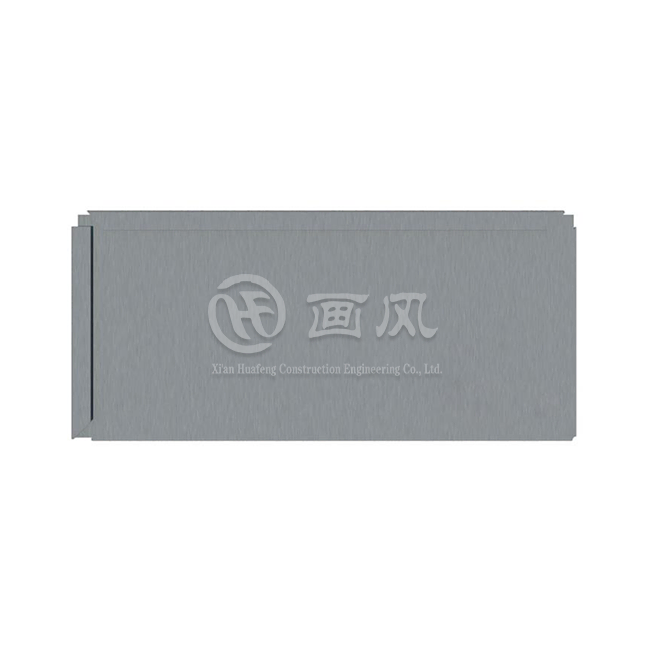
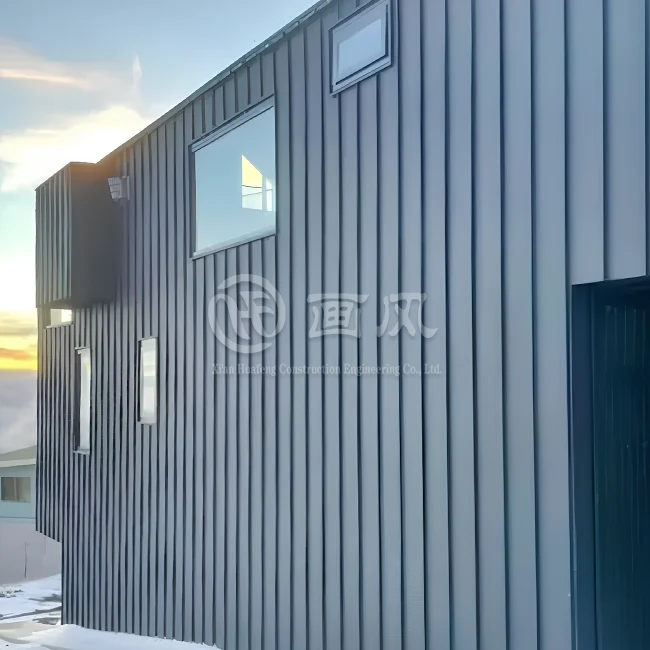
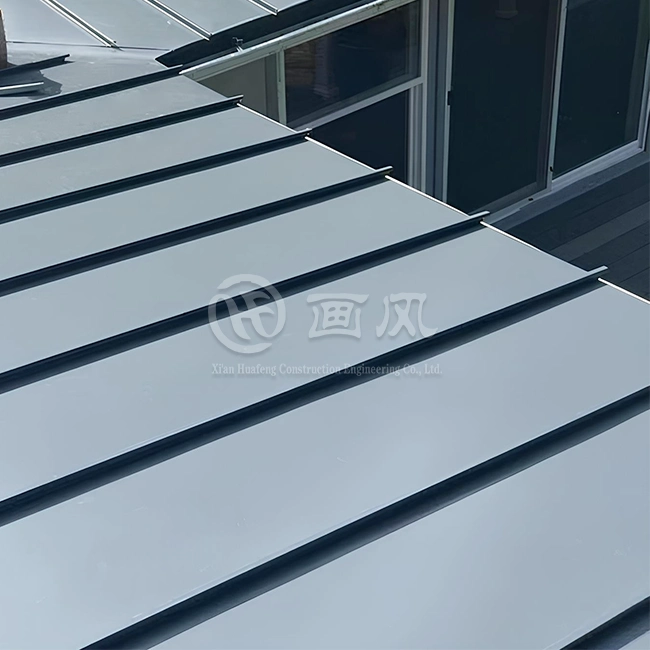
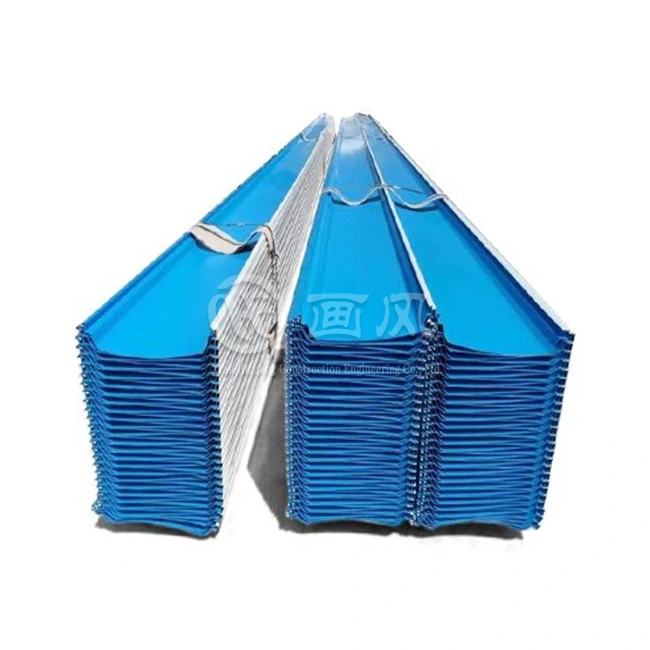
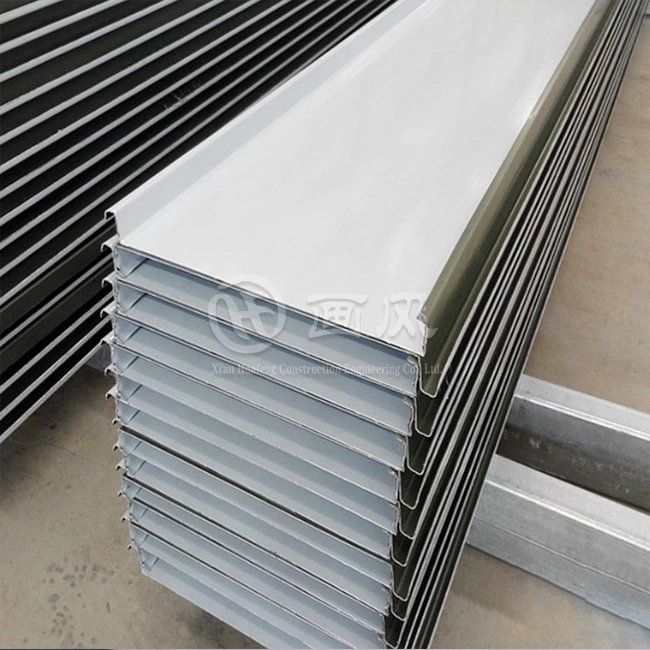
Flat lock zinc cladding panels are premium architectural envelope systems composed of interlocking titanium-zinc tiles that connect through four-sided folded edges, creating a seamless, contemporary facade. These panels feature hemmed edges—typically 25mm to 30mm folds—that conceal fasteners within the joint, delivering a clean, hardware-free surface appearance. The interlocking mechanism addresses critical challenges such as thermal expansion management in non-ferrous metals and waterproofing of complex curvilinear geometries, making them ideal for high-performance building envelopes (Metal Architecture, 2022).

Understanding Flat Lock Zinc Cladding Panels
The Core Technology Behind Interlocking Systems
The scientific theory behind these panels is based on titanium-zinc material that is carefully made. This material usually has 0.1% to 1% copper, 0.06% to 0.2% titanium, and 99.995% pure zinc mixed in. This makeup makes it easier to shape while still keeping its structure. The flat lock joint works by folding the edges of the panels over hidden stainless steel clips. This lets individual units stretch and shrink without buckling the whole system. This floating placement method gets rid of the common issue of oil-canning that can be seen in large-format metal sheets by cutting down on the area of each panel's face. This keeps the panels flat even when the temperature changes from -40°C to 80°C.
Material Properties That Matter
Titanium-zinc alloy forms a zinc carbonate patina that protects itself when exposed to airborne carbon dioxide and wetness. This gives the alloy great corrosion resistance and the ability to fix itself from small cuts. The material has a density of about 7.2 kg/dm³ and a temperature expansion value of 0.022 mm/m/°C, which means that the clip system design has to take these factors into account. HF makes panels with thicknesses from 0.7mm to 1.0mm that meet EN 988 standards. The widths can be changed from 300mm to 600mm to meet the needs of different architectural projects.
Architectural Applications and Design Versatility
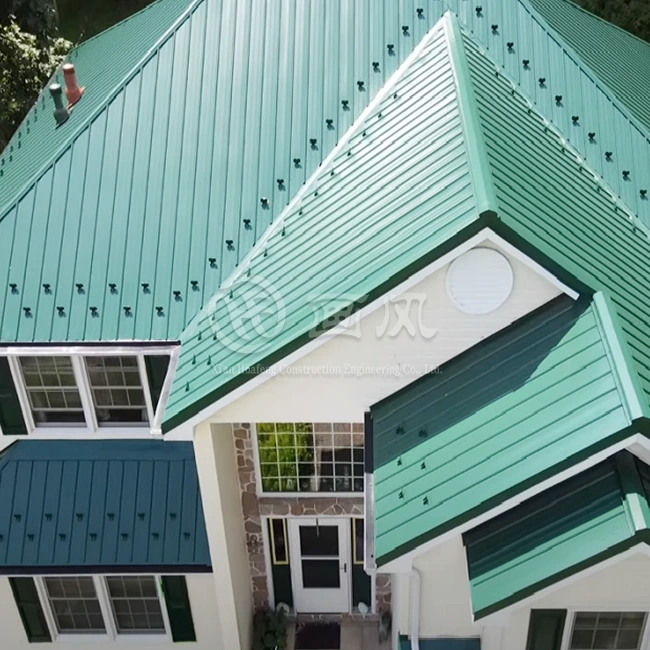
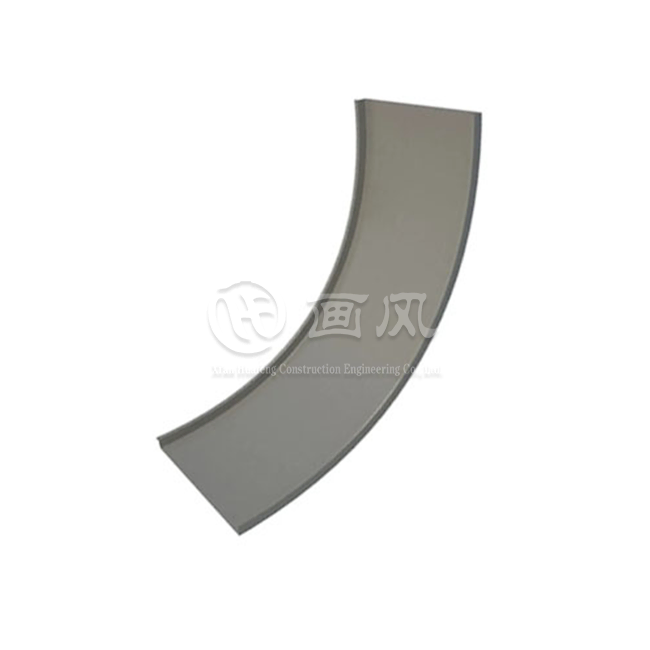
These panels work great for projects that need both high-quality esthetics and technical performance. The system's ability to wrap complex double-curved surfaces without deforming is useful for cultural venues like concert halls and museums. Roof-to-wall continuity applications are used in commercial offices to make single-piece skins that go from vertical facades to steep-slope roofs without any gaps. The panels come in a variety of geometric forms, including rectangle, rhombus, trapezoid, and hexagon. This lets builders make tessellated patterns that give building envelopes more depth. The ability to change shapes and choose from colors like natural zinc gray, graphite gray, and custom RAL finishes opens up more design choices for major projects.
Comparing Flat Lock Zinc Cladding Panels with Alternative Materials
Performance Against Standing Seam Systems
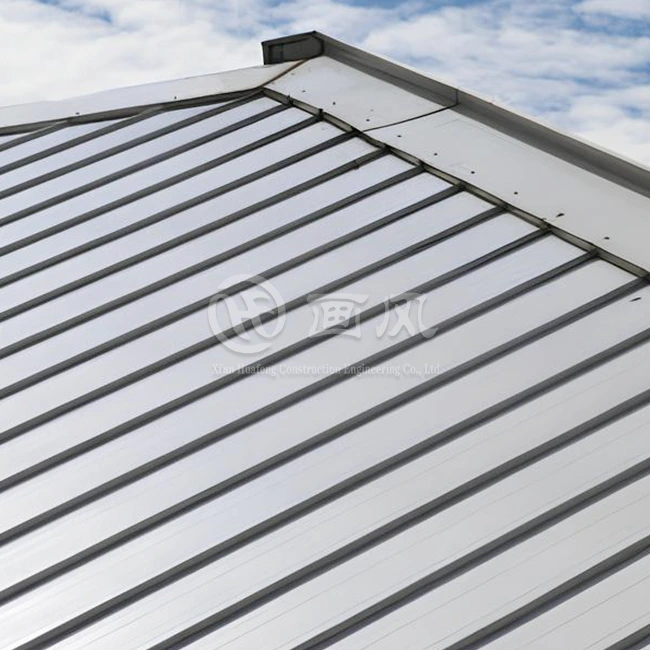
When it comes to big, flat surfaces, standing seam systems work well, but flat lock panels are better for irregular shapes and organic building. For drainage, standing seam profiles need at least a small slope, but flat lock installations work well on facades and steep slopes above 25 degrees. Because flat lock systems have smaller panels, there are fewer obvious screws. This makes the visual articulation more refined, which is especially helpful for heritage repair projects that need to keep the original look.
Zinc Versus Aluminum and Steel
For example, aluminum plates are light, but they don't have the self-healing coating that makes zinc last so long, unlike flat lock zinc cladding panels. Industry studies show that making zinc siding uses about a third as much energy as making copper, and it can be recycled completely when it's done (Building Design + Construction, 2021). Steel cladding needs protective coatings that need to be maintained on a regular basis. Titanium-zinc, on the other hand, naturally forms its own protective layer without being painted or treated. Our panels at HF have a Class A1 non-combustible fire rating, which is better than vinyl alternatives. They also don't rust in salt spray environments, where steel would break down quickly.
Long-Term Value Assessment
The choice of material should take into account prices that go beyond the original investment. Zinc cladding has performance cycles of 25 years that don't need any maintenance, and a total lifespan of more than 50 years is expected. The material naturally cleans itself with rainwater, so you don't have to pay for painting and refinishing like you do with other materials. When European builders look at cost-effectiveness, titanium-zinc stands out as a top choice because it lasts a long time, needs little upkeep, and is environmentally friendly. It also gives a clear return on investment by lowering operating costs.
Installation, Maintenance, and Durability of Flat Lock Zinc Cladding Panels
Proper Installation Practices
Preparing the substrate is the first step to a successful installation. For example, panels need a ventilated backing with continuous air gaps behind plywood or metal decking to stop corrosion on the underside. To avoid galvanic corrosion, you must use stainless steel or hot-dip galvanized clips. Zinc doesn't work well with copper, mild steel, or some types of high-pH wood like oak. Precision in measurements is very important; panel squareness and hem widths must stay within ±1mm to make sure grid alignment across large areas of surface. The protected film that was put on during production should stay on during installation, but it needs to be taken off right away so that it doesn't bake onto the surface.
Maintenance Requirements and Longevity
In the first few months of contact, the zinc carbonate protective layer forms naturally. It changes from a bright shiny gray to the unique matte patina. This process doesn't need any help and, over time, makes it more resistant to weather. In places that don't get much rain, washing things with clean water every once in a while gets rid of salts or other particles that could stop the patina from developing. Our panels come with a 30-year promise, which shows that we're confident in their performance and can back that up with decades of field setups. Having an acoustic performance grade of STC≥30dB and sound-absorbing backboards together makes the furniture more useful than just looking good.
Addressing Common Installation Challenges
Managing thermal growth is the most important technical factor. When temps change, concealed clip systems need to let individual tiles move slightly within their hems. This moving feature stops stress from building up, which could cause the panel to warp. When you do the right clip pull-out tests against estimated wind suction loads according to ASCE 7 or Eurocode 1 standards, panel movement risks are lower. When contractors find that patination colors vary from batch to batch, we suggest pre-weathering treatments that speed up the formation of a uniform patina before installation. This way, the facade will have a uniform look.
Procurement and Purchasing Guide for Flat Lock Zinc Cladding Panels
Supplier Selection Criteria
Professionals in charge of buying things should give preference to companies that have strong quality control systems and follow international approval rules. At HF, our three factories with seven production lines and more than 40 specialized machines make sure that the quality of all large orders is always the same. Our monthly supply capacity of 1000 tons can handle big business projects without affecting delivery times. Certifications like ISO 9001, ISO 14001, CE marking, and SGS compliance show that the product meets European and foreign standards. This is important paperwork that architects and building officials need to approve specifications.
Understanding Project Timelines and Logistics
Usually, it takes between 4 and 6 months from the time of design to installation for flat lock zinc cladding panels. It takes three to four weeks to approve samples and check technical documents. This gives project teams time to make sure that the materials will work with current systems. Our normal production lead time is between 15 and 22 days, but we can shorten this time if you need particular panel sizes or surface treatments. We have minimum order quantities of 500, which is 3 tons. These are set up to match the economics of the project with the speed of production. Structured drainage mats and materials that don't absorb water or damage are used in packaging to stop transit corrosion, which is very important for keeping the integrity of the panels during international shipping.
Budget Considerations and Cost Optimization
Different pricing systems are used for different panel thicknesses, surface treatments, and order volumes. Because of the special steps needed to make them, custom shapes like rhombus or hexagonal patterns may cost more. When you order a lot, the price per square meter goes down a lot, which is called bulk pricing. When builders make their budgets, they should include extra system parts like edge trims, specialty clips, and ventilation channels. Our technical support team does thorough cost analyzes that take into account the labor needed for installation. This helps procurement managers make accurate project budgets that keep costs from going over budget during the building stages.
Why Choose Flat Lock Zinc Cladding Panels? Key Advantages and Decision Factors
Superior Performance Characteristics
Titanium and zinc have many technical benefits that make them a great choice for demanding architectural uses. A material weight of about 5.5 kg/m² and a thickness of 0.8 mm lowers structural loading compared to heavier cladding options while still having great strength-to-weight ratios. Ultraviolet resistance at very high and very low temperatures protects colors and structures in a wide range of climates, from cold Nordic winters to warm coastal areas. Because the material is stable in pH ranges 6 to 12, it can be used in urban areas where air pollution could damage other materials.
We have over 20 patented technologies in metal roofing and cladding systems that we use in our manufacturing. These technologies have been developed through constant innovation since our company was founded in 2018. This stock of intellectual property leads to better products that solve installation problems found through a lot of experience in the field across foreign markets.
Sustainability Credentials and Environmental Impact
Environmental efficiency is becoming more and more important to building owners, along with esthetic and useful needs. The fact that zinc can be recycled completely at the end of its useful life is in line with the circular economy and LEED approval standards. The process of making the material uses a lot less energy than making copper or stainless steel, which helps building projects leave smaller carbon footprints. Creating a natural sheen on metal surfaces gets rid of the volatile organic compound emissions that come with painting systems. This helps meet indoor air quality goals for occupied buildings (Green Building Advisor, 2020]3.
Market Positioning for European Contractors
European facade contractors who work with museums, airports, and business complexes need materials that meet both the architect's requirements and the owner's long-term performance expectations. Our panels are compatible with European manufacturing tools and installation methods that are already in use. This makes them easier for workers who are used to working with high-end brands like VMZINC to use. Material that can be tracked back to certified sources and documentation that it meets EN 988 standards gives architects the support they need when they set strict quality standards. Our titanium-zinc panels are good options for projects that want to save money without sacrificing quality because they work well technically, look good, and are priced competitively.
Conclusion
Flat lock zinc cladding panels are a high-tech way to cover the outside of buildings that need to be durable, look good, and work well for a long time. The interlocking titanium-zinc system solves difficult engineering problems and has a service life of more than 50 years without any upkeep. Some of the material's qualities, like its natural resistance to corrosion, ability to accommodate thermal expansion, and ability to form a self-healing patina, give it technical benefits over other cladding materials. To make sure the project goes well, procurement issues like checking the supplier's license and planning logistics need to be carefully thought out. With our production skills, thorough quality control systems, and commitment to international standards, HF is able to provide reliable, high-performance zinc cladding solutions to European companies and projects around the world.
FAQ
1. What is the expected lifespan of flat lock zinc cladding panels?
Titanium-zinc cladding panels that are installed correctly usually last 50 years or more, and some installations have shown that they can last 80 to 100 years. The zinc carbonate coating keeps getting stronger over decades, making the material more resistant to weather as it ages. Our 30-year warranty is based on conservative estimates that are backed up by a lot of data from actual field use.
2. Can these panels be retrofitted to existing building structures?
Yes, flat lock devices can be used to fix up the outside of a building. Zinc panels are very light (about 5.5 kg/m²), so they don't add too much weight to frames that are already there. To keep wetness from building up, it's important to prepare the base correctly and use backing systems with air holes. Compatibility studies should make sure that there are enough attachment points and that waterproofing fits in with the existing building envelopes.
3. How do environmental conditions affect panel performance?
Titanium-zinc works very well in a wide range of temperatures. The material stays stable between -40°C and 80°C, so it can be used in both very cold and very hot conditions. Coastal areas need to be careful to avoid galvanic rusting by choosing the right clip material. In places that don't get much rain, washing with water every so often keeps the patina developing properly. Because the material is stable across a pH range of 6 to 12, it will work even in polluted urban areas.
Partner with a Trusted Flat Lock Zinc Cladding Panels Manufacturer
HF helps European facade contractors and architects working on projects around the world by combining advanced manufacturing skills with a wealth of technical knowledge. The titanium-zinc plates that come from our seven production lines are fully CE and ISO certified and meet ASTM, DIN, JIS, BS, and GB/T standards. We can customize solutions from simple rectangles to complicated geometric forms, and we can send them within 15 to 22 days. Thicknesses range from 0.7 mm to 1.0 mm. Our engineering team helps with specifications all the way through the procurement process, whether your project needs a natural zinc patina or custom RAL colors. You can email our experts at huafeng@hfmetalroof.com to talk about your unique needs, ask for scientific information, or get quotes on projects. Visit hfmetalroof.com to see all of our flat lock zinc cladding panels for sale and learn how our high-quality production can help you make your next building project better.
References
1. Metal Architecture. (2022). "Advances in Zinc Cladding Systems for Contemporary Facades." Metal Architecture Magazine.
2. Building Design + Construction. (2021). "Sustainable Metal Cladding: Lifecycle Assessment of Zinc and Alternative Materials." BD+C Network.
3. Green Building Advisor. (2020). "Zinc Roofing and Cladding: Performance and Environmental Profile." Green Building Advisor.
4. Construction Specifier. (2023). "Flat Lock Metal Panel Systems: Installation Best Practices." Construction Specifier Magazine.
5. Architectural Record. (2021). "Material Matters: Titanium Zinc in Modern Building Envelopes." Architectural Record.
6. Whole Building Design Guide. (2022). "Metal Wall and Roof Panels: Selection and Specification." National Institute of Building Sciences.





YOU MAY LIKE