How to Choose the Right Standard Seam Roof Panel for Your Project
2026-09-08 20:03:57
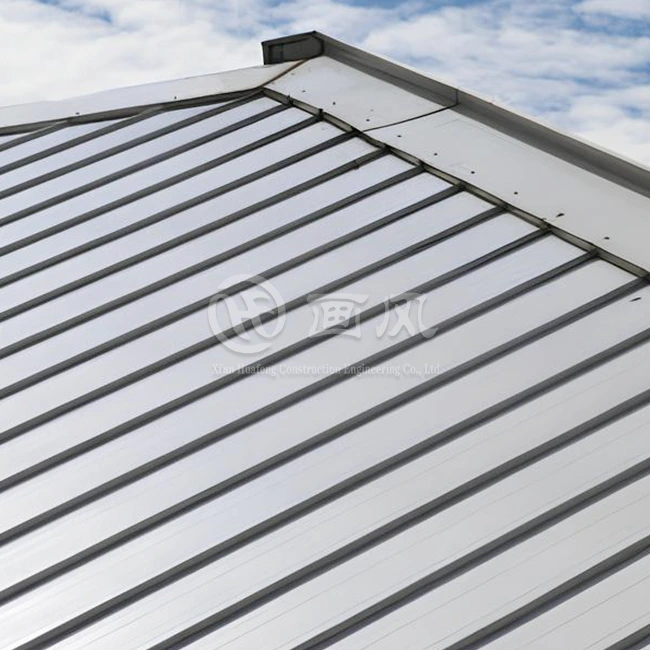
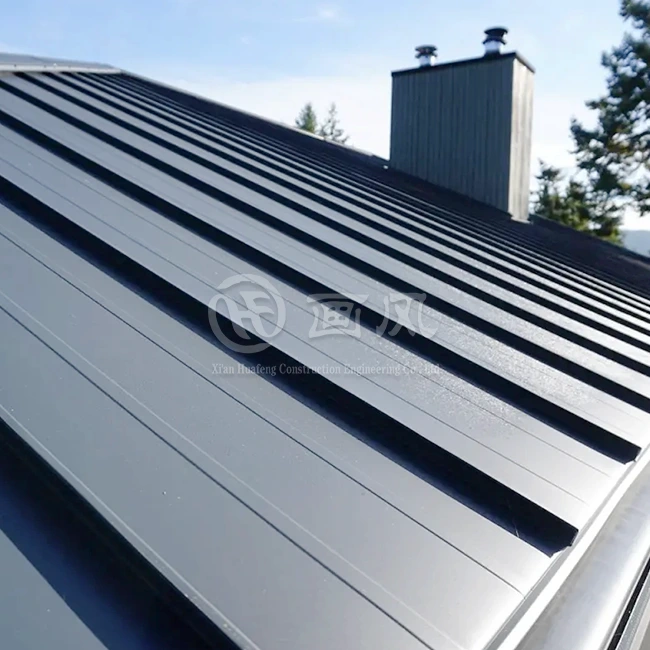
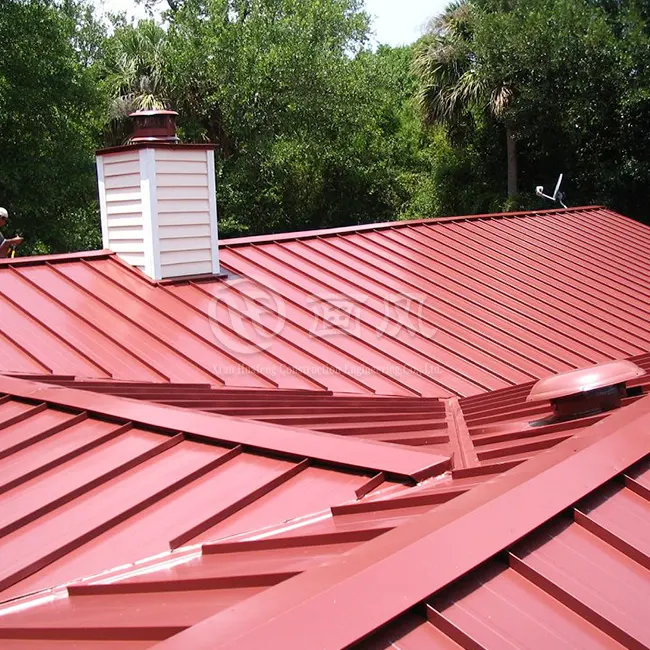
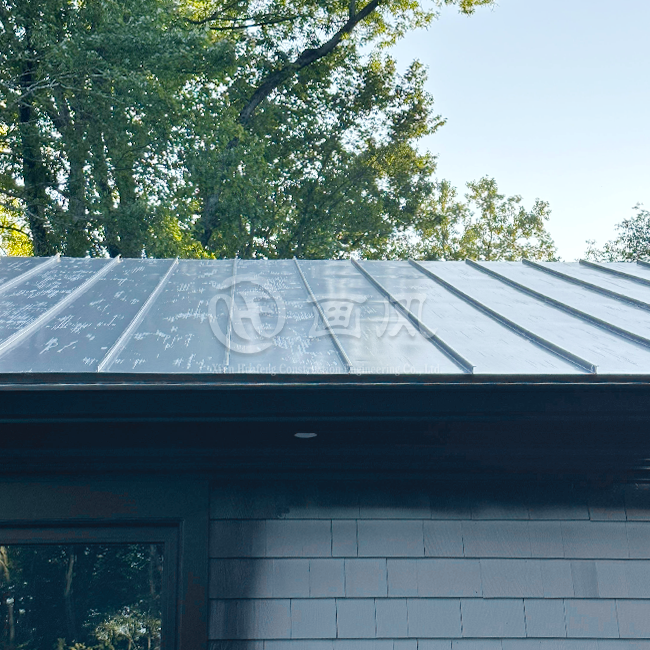
When selecting roofing materials for large-scale commercial or industrial projects, the choice often comes down to balancing performance, cost, and long-term reliability. A standard seam roof panel delivers precisely this balance through its concealed fastening system, interlocking vertical seams, and robust weather resistance. Choosing the right panel involves assessing your project's environmental conditions, understanding material specifications, verifying supplier certifications, and ensuring the product meets international standards. This decision directly impacts structural integrity, maintenance costs, and the building's service life—making it essential to partner with manufacturers who offer proven quality, flexible MOQ, and consistent supply capacity.

Understanding Standard Seam Roof Panels: Features and Benefits
Material Composition and Substrate Options
The base materials for high-quality panels are marine-grade aluminum (3003/3004 series), galvanized steel (G90 paint), or Galvalume (AZ55). The thickness of a panel is usually between 0.5 mm and 1.2 mm, and the choice is made based on the span needs and wind load calculations. Corrosion resistance depends a lot on the substrate used. This is especially true in seaside or industrial settings where salt spray and chemical contact speed up metal breakdown.
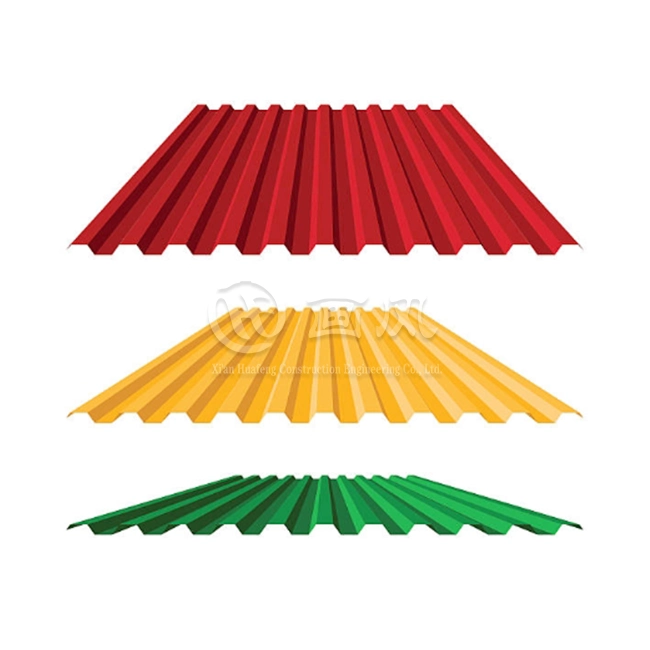
PVDF (polyvinylidene fluoride) and PE (polyester) coats are two of the best ways to treat surfaces. PVDF is better at resisting UV light and keeping colors for more than 30 years. These finishes come in a wide range of RAL and Pantone colors, which gives architects a lot of options while still providing good protection. Standardized tests to check the thickness of the coating guarantees long-term weather protection and good looks.
Core Performance Advantages
The main problem with standard roofs is that the fastener holes wear down over time. The concealed fastening method gets rid of this problem. As the temperature changes, panels expand and contract. Sliding clips allow for this movement without creating stress points that cause the seal to fail. This way of building greatly increases the service life, and makers offer warranties of up to 30 years for systems that are put correctly.
Multiple design elements make something waterproof. The increased seam profile prevents capillary action, while factory-applied sealants in the female leg protect against wind-driven rain. This system keeps air and water out better than others, according to ASTM E1680 testing. Class A fire ratings and stronger wind uplift forces than hurricane-prone locations indicate the panels' durability. This allows them to be employed in tropical South-east Asia and northern Europe.
Criteria for Selecting the Right Standard Seam Roof Panel
Environmental and Structural Assessment
The location of the project determines the basic materials that are needed. Coastal installations need aluminum substrates or improved metallic coatings to fight rust better, while interior installations can use normal galvanized steel because it is cheaper. Climate factors include the amount of snow that can fall, the temperature differences, and the amount of UV radiation. Buildings in places where temperature changes by more than 40°C need screens that can handle thermal growth.
The slope of the roof affects the seam type choice. Mechanically seamed double-lock profiles stay waterproof on slopes as low as 1/4:12, while snap-lock systems usually need at least 3:12 pitches. Specifications are also affected by how the building is used. For example, warehouses that store goods that are sensitive to moisture may need better condensation control, while factories may need more fire proof certifications than the normal Class A rates.
Technical Specifications and Compliance
International standards set standards for quality assurance in procurement for standard seam roof panel products. In North America, ASTM standards govern the properties of the substrate and how well the coating works. In Europe, DIN and BS standards govern projects. Manufacturers who make panels that meet more than one standard (ASTM, DIN, JIS, BS, and GB/T) show that they can make a wide range of products, which is helpful for wholesalers who serve customers in different areas (Building Research Establishment, 2020).
Panel specs have a direct effect on how well it works when fitted. Different structural needs and esthetic tastes can be met with seam height options ranging from 25 to 330, 400 to 430, 32 to 410, 45 to 400, and 65 to 400/430. Wider coverage widths cut down on installation time and the number of seams needed per roof area, which could lower labor costs while also making the roof more resistant to wind lifting. By understanding these links between dimensions, buying teams can get the best deals on materials and make installations go more smoothly.
Warranty Structure and Long-Term Value
Comprehensive warranty programs show that the manufacturer trusts you and protect you financially against failure before its time. When you look at guarantee terms, you have to look at the coverage area, which includes base perforation, coating integrity, and color fade limits. A 30-year warranty backed by manufacturing scale (1000 tons of capacity per month, multiple production facilities) shows supply chain stability, which is very important for large distributors who need to make sure products are always available.
In addition to the length of the guarantee, you should also look at the manufacturer's help system after the sale. Suppliers who offer technical advice, help with installation, and quick claim processing lower project risk and help customers stay with them for a long time. Supply stays steady even during times of high demand or problems in other parts of the country because of the manufacturing capacity spread across multiple sites (3 plants, 7 production lines).
Practical Installation and Maintenance Considerations
Installation Best Practices
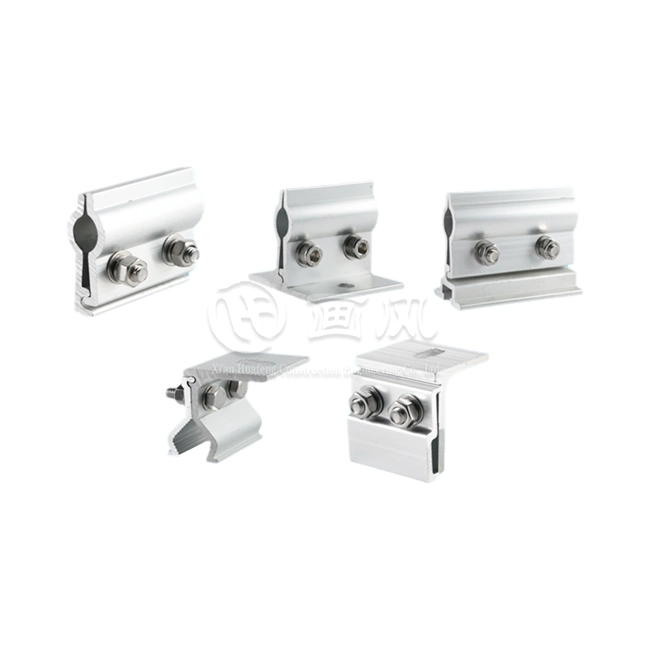
The first step in installing panels is to prepare the base by making sure the structure deck is flat and that the right underlayment is applied. The distance between clips must be measured by engineers based on the wind loads that will be present at the site. In areas with a lot of wind or where building corners are subject to higher uplift pressures, the distance between clips must be tighter. To let heat move while keeping the structure connected, the sliding clip mechanism needs to be properly engaged.
Seaming requires specialised equipment and skilled people. Mechanical seaming tools must fold and press the same manner for sealant and panel fit. Seam continuity, bolt pressure, and waterproofing at penetrations and terminations are verified during installation for quality control. Manufacturers that train or certify contractors reduce installation issues and guaranty claims.
Thermal Movement Management
Metal covering changes a lot in size as the temperature changes throughout the day and throughout the year. Between winter and summer, a 15-meter panel can expand more than 20 mm. This movement is possible because of the moving clip design, but installing it in very cold or very hot conditions may put too much stress on the system. Installing near the average yearly temperature lowers the initial stress, and letting enough expansion space at the ends of the panels stops them from buckle or seams from coming apart.
Oil canning, which looks like waves in flat panel areas, is more of an esthetic issue than a structural one. It's a natural feature of light-gauge cold-formed metal, but you can lessen its appearance by adding striations to the panel profile, making sure the substrate is flat, and not tightening the clips too much during installation. Disputes and claims can be avoided by making sure clients know what to expect from this trait.
Maintenance Protocols and Lifecycle Costs
Regular maintenance keeps the warranty valid and extends the life of the system. Every year, inspections should check the condition of the sealant, the strength of the fasteners, and the surface of the panel for signs of corrosion or coating wear. When debris builds up in dips or behind seams, it can trap water and speed up rusting in weak spots. Long-term damage can be greatly reduced by taking simple precautions like clearing water paths and getting rid of organic waste.
Metal roofing has lower lifecycle costs than membrane or modified bitumen systems that need to be resealed more often because they don't need as much upkeep. The total cost of ownership should include how often the item is inspected, how often it is expected to be fixed, and when it will need to be replaced. The National Roofing Contractors Association says that a metal roof with a 40–50-year life expectancy saves a lot of money because it doesn't need to be replaced as often as asphalt-based roofs.
Procurement Strategies for Standard Seam Roof Panels
Supplier Evaluation Framework
Good manufacturers have permits and can produce products that demonstrate quality. ISO 9001 and ISO 14001 quality management and environmental systems promote process discipline and continual improvement. Scale matters in production. Plants with seven or more manufacturing lines and forty or more specialised machinery can manage complex needs and large orders without sacrificing quality.
Suppliers may maintain supply pledges via manufacturing capability verification. A manufacturer stating that several plant sites can provide 1000 tons of monthly capacity guarantees wholesalers supply assurance for annual demand variations or numerous projects. Spreading manufacturing facilities around the nation (in Xi'an, Hangzhou, and Anhui) reduces logistical costs and travel times to export markets and provides backup in case of regional issues.
Technical talents involve aid and changemaking beyond basic making. By matching colours to brand needs, doing structural calculations to satisfy wind load requirements, or changing panel shapes to suit architectural elements, suppliers become collaborators rather than simply sellers. Patent portfolios containing 20 or more roofing system patents indicate product development and new technology spending.
Pricing Structure and Payment Terms
Pricing systems that are clear build trust and make it possible to make accurate project budgets for standard seam roof panel orders. FOB price includes the cost of the base material, any tooling fees for making unique profiles, and any coating premiums for PVDF finishes versus PE finishes. Volume-based pricing levels encourage bigger orders. Knowing how minimum order quantities (500 square meters or 1 ton) compare to typical project sizes helps you get the best order size and freight rates.
Payment terms have a big effect on how much working cash you need. Suppliers with flexible terms (TT, LC) can work with buyers who have a range of risk and financial situations. Letters of credit protect both parties in big deals, and if a relationship is strong enough, open account terms may be added, which makes administration easier. Cash flow needs are balanced by negotiating payment schedules that are in line with project goals like deposit, shipment, and installation finish.
Logistics and Delivery Management
Reliability in delivery affects project schedules and costs money through penalties for delays or higher freight costs. An average wait time from order confirmation to shipment is 15 to 20 days for normal specs. Custom colors or profiles may cause lead times to be longer. Adding a buffer to project schedules allows for shipping delays that might happen because of heavy traffic at ports or delays in clearing customs.
Optimizing containers cuts down on environmental effect and freight costs per unit. Mixed container loading, which includes shipping panels, accessories, fasteners, and color samples all in one package, makes it easier to get what you need and makes dealing easier at the location. Suppliers who have exported to more than 100 countries know how to deal with different customs requirements for paperwork, which cuts down on the delays that happen with international packages (World Trade Organization, 2022).
Real-World Applications: Industry Use Cases
Large-Scale Warehouse Distribution Centers
A regional transportation business that is growing in Southeast Asia asked for panels with an AZ55 Galvalume substrate and a PVDF coating to be used in 12 new warehouses that add up to 500,000 square meters. The hidden fastener system got rid of leak points, which was very important for keeping electronics that are easily damaged by water safe. When choosing panels, thermal performance was given the most weight through compatible insulation systems. This cut down on cooling loads in tropical areas where warehouse temperatures have a direct effect on running costs.
For this job, 65-400 profile panels were used because they offered the most covering width while reducing the number of seams and installation time. To keep lease obligations, building had to be finished within 8-month windows. This meant that the supplier had to be able to send the same amount of materials to multiple project sites. When all facilities ordered in bulk, prices were lowered, and the manufacturer's 1000-ton monthly capacity made sure there was a steady supply even when demand was high at the same time.
Coastal Industrial Manufacturing Facility
Extreme corrosion resistance and fire protection were needed for a chemical processing plant in the ocean. Specifiers chose aluminum base panels that were 1.0 mm thick and had a PVDF covering so that they could withstand being exposed to salt spray, which was proven by ASTM B117 testing. Because the building is in a Class I Division 2 hazardous area, it needed Class A fire-rated roofing that was combined with special ventilation systems.
It was necessary to use both mechanically seamed and snap-lock profiles for panel placement on roofs with different slopes (1/4:12 to 4:12) that were linked to each other. This was done to keep the waterproofing and allow for design changes. The technical help from the supplier was very helpful in figuring out wind uplift resistance for coastal wind loads topping 150 mph design standards. Five years after installation, regular checks show that neither the coating nor the base has deteriorated, proving that the right materials were chosen for this tough setting.
Multi-Tenant Commercial Development
A mixed-use development with shops, offices, and homes used metal roofing's ability to look good with different styles. Architects asked for custom colors that would match brand standards. This meant that RAL colors had to be perfectly matched across a 25,000-square-meter installation. The developer wanted to be environmentally friendly and get LEED certification. The roof's ability to be recycled completely and to integrate solar panels were important factors in the choice.
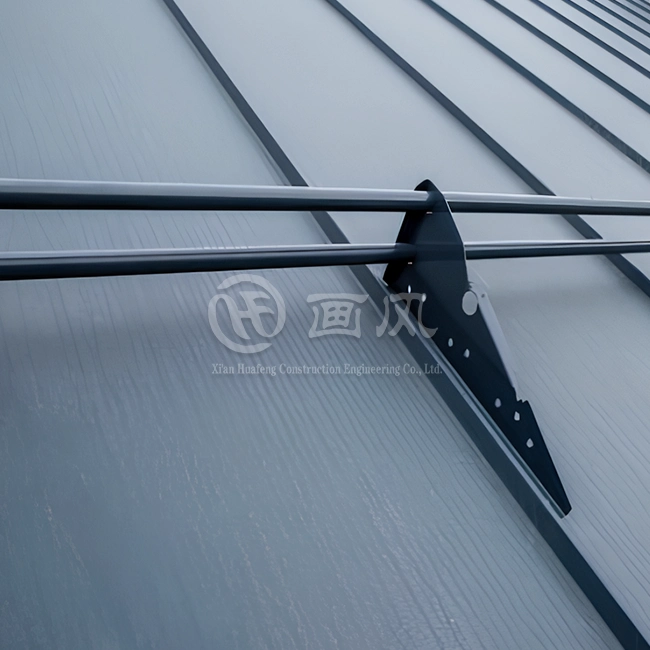
Non-penetrating seam clamps made it possible to install solar panels over 40% of the roof's surface area without affecting the waterproofing or voiding the manufacturer's warranty, which was very important because the warranty lasts for 30 years. Because the building could be seen from nearby high-rises, oil canning had to be kept to a minimum. This was done by using ribbed panel profiles and specifying a heavier 0.8mm substrate thickness. The success of the project relied on how well the roofing manufacturer, solar integrator, and installation teams worked together. This shows how important it is for providers to provide full technical support throughout building.
Conclusion
To pick the best metal roofing system, including the standard seam roof panel, you need to carefully look at the technical details, the supplier's skills, and the needs of your unique project. Material choice should take into account the environment and the structure's needs while taking into account the substrate's properties, the coating's performance, and the different sizes that are available. To be successful in procurement, you need to work with manufacturers who can show that they have the production capacity, quality certifications, and technical support to help you deal with difficult shipping issues and complicated specifications.
The concealed fastening method is better at withstanding weather and requires less maintenance than traditional methods. This means that, even though the initial investment is higher, the overall costs are lower over time. By looking at providers based on their manufacturing size, experience exporting, and customer service after the sale, you can find partners who can help with both short-term project needs and long-term business relationships. Procurement professionals can safely choose roofing systems that protect building assets and provide value for many years by following the steps described in this guide.
FAQ
1. What distinguishes standard seam from standing seam roof panels?
In the industry, the terms are often used equally, but "standing seam" usually refers to the vertical seam shape that can be seen from the ground. Both terms refer to hidden fastener systems with high edges that fit together. The main difference between clip-attached panels and exposed-fastener panels is that clip-attached panels can move with the temperature without the fasteners stretching.
2. How does panel thickness affect performance and cost?
The thickness of a structure has a direct effect on its strength, ability to span, and resistance to wind uplift. Panels with a thickness of 0.5 mm are good for light-duty uses where the purlins are close together. Panels with a thickness of 1.0 to 1.2 mm can handle longer gaps and higher wind loads. Thicker material costs more per square meter, but it doesn't need as much support, which could lower the total cost of installation. The best thickness strikes a balance between the cost of the material, the savings in structure, and the need for performance (American Iron and Steel Institute, 2021).
3. Can these panels accommodate solar installations?
The raised seam design works great for adding solar panels because it lets non-penetrating clamps hold the seam in place without going through the roof. This keeps the waterproofing strong and protects maker guarantees while giving photovoltaic panels a safe place to be mounted. The metal roof lasts as long as or longer than the solar panels, so the roof doesn't have to be replaced too soon during the solar system's working life.
Partner with HF: Your Trusted Standard Seam Roof Panel Supplier
Xi'an Huafeng Construction Engineering Co., Ltd. can help you with your roofing jobs anywhere in the world because they have the manufacturing scale, technical know-how, and proven export experience for standard seam roof panel products. Our production infrastructure, which includes 3 factories with more than 40 specialized machines and 7 color coating lines, ensures consistent quality for orders ranging from 500 square meters to several thousand tons. We make panels that meet ASTM, DIN, JIS, BS, and GB/T standards. The PVDF/PE coatings come in a wide range of RAL and Pantone colors.
Our dedication goes beyond production; we'll be there for you every step of the way as you buy something. Technical advice helps you get the best panel specs for your project, and our shipping time of 15 to 20 days and monthly capacity of 1000 tons make sure that you don't miss your deadlines. HF is a reliable company that makes standard seam roof panels for markets in the Middle East, Southeast Asia, Africa, Latin America, and Eastern Europe. Our goods are backed by 30-year contracts and are ISO 9001 certified.
You can talk to our team about your needs, ask for samples, or get personalized quotes by emailing huafeng@hfmetalroof.com or visiting hfmetalroof.com. See the difference that great production and service that focuses on the customer can make for your roofing purchases.
References
1. Metal Construction Association (2021). Technical Bulletin: Concealed Fastener Metal Roof Systems.
2. Building Research Establishment (2020). International Standards for Metal Roofing Materials. BRE Publications.
3. National Roofing Contractors Association (2019). Metal Roofing Lifecycle Cost Analysis. NRCA Technical Services.
4. World Trade Organization (2022). Trade Facilitation and Logistics in Construction Materials. WTO Publications.
5. American Iron and Steel Institute (2021). Steel Roofing Design Guide: Material Selection and Specifications. AISI Construction Manual.
6. Metal Construction News (2020). Advances in Metal Roofing Technology and Performance Standards.





YOU MAY LIKE