12 Standing Seam Metal Roof: 2026 Complete Guide
2026-09-08 20:04:00
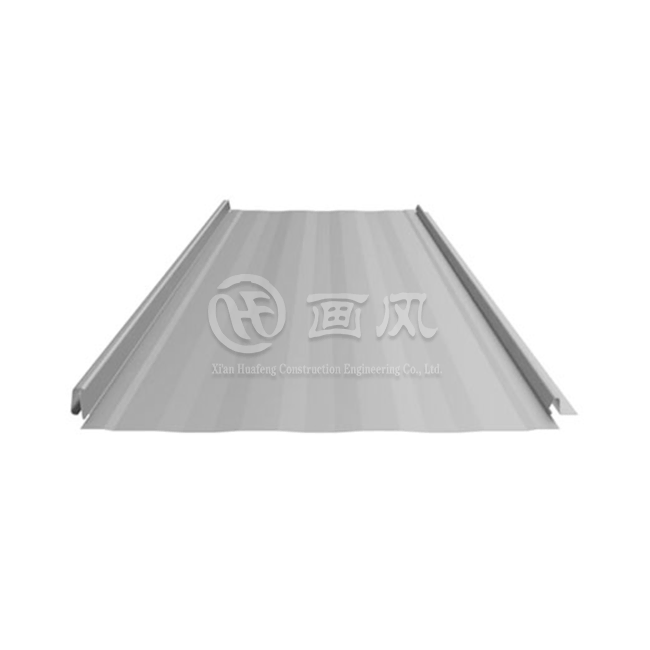
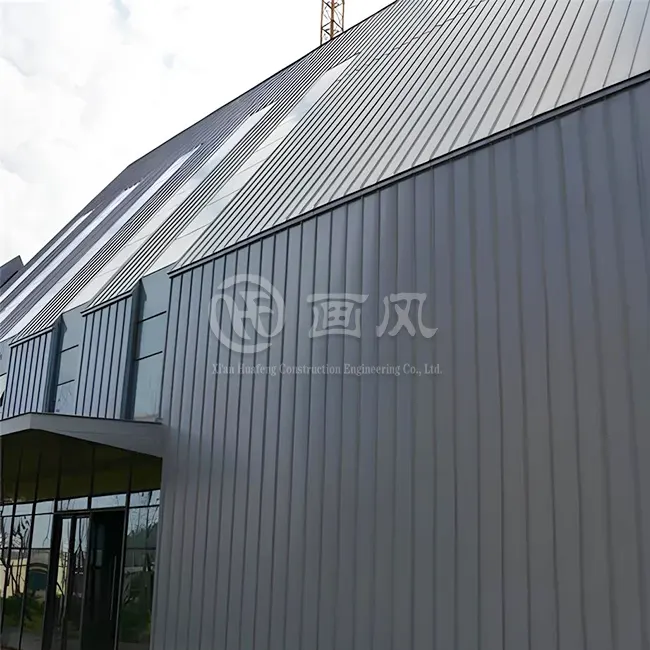
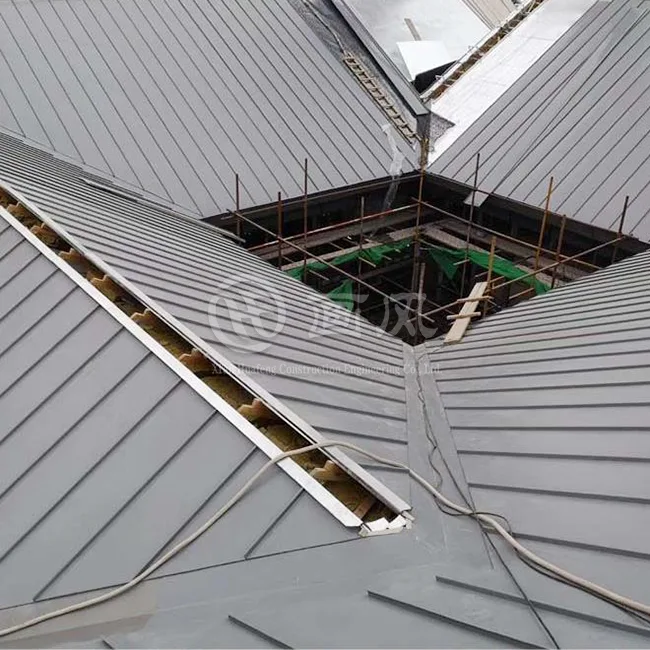
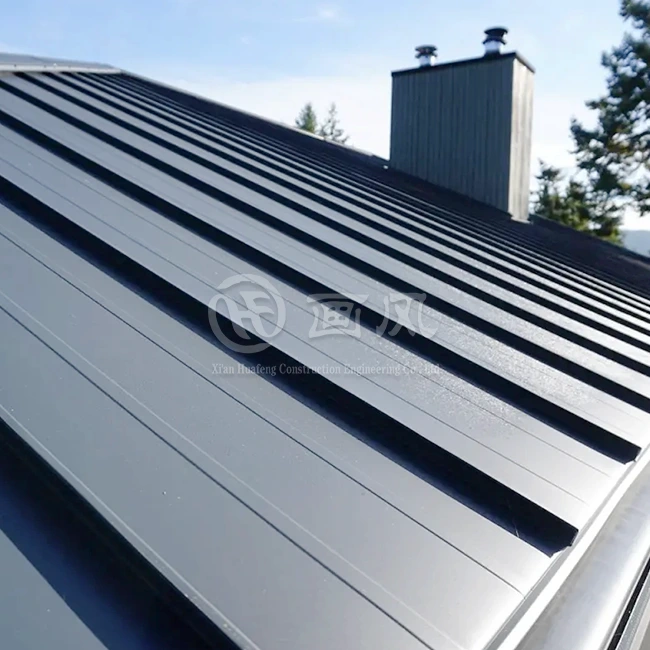
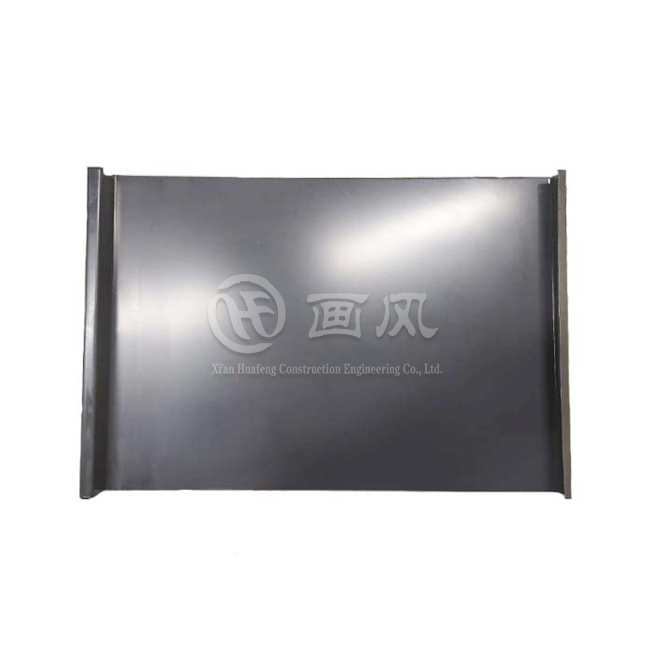
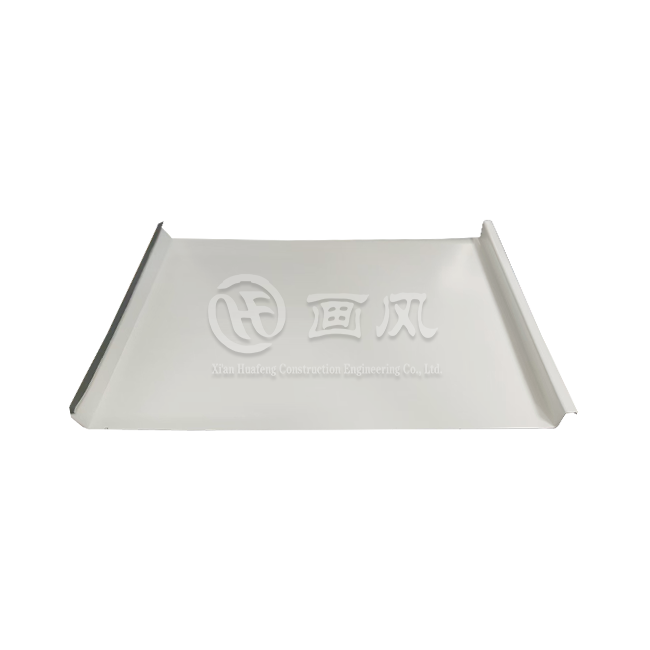
A 12 standing seam metal roof represents a narrower-profile architectural roofing system featuring vertical metal panels with a 12-inch coverage width, concealed fasteners, and raised interlocking seams. This specific panel width delivers enhanced structural rigidity and minimizes visible oil canning—those unwanted waves that sometimes appear on flat metal surfaces. The tighter seam spacing provides superior wind uplift resistance and hydrostatic pressure management compared to wider 16-inch or 18-inch profiles. According to the Metal Construction Association, narrower panel configurations reduce visual distortion and improve aesthetic appeal on high-visibility commercial and industrial projects (Metal Construction Association, 2024).

Understanding Standing Seam Metal Roofs: Basics and Benefits
Standing seam metal roofing systems use vertical panels that fit together and are held in place by hidden clips that are connected directly to the building's deck. In regular exposed-fastener roofs, screws go through the metal and can cause leaks. In this design, all the fasteners are hidden under the seams. The panels can freely expand and contract as the temperature changes, which keeps them from breaking under stress.
Why Concealed Fasteners Matter
The hidden clip system solves a major problem in the industry: fasteners breaking down. UV light breaks down exposed rubber washers in 10 to 15 years, making it expensive to re-attach them. When systems are hidden, this problem is completely gone, which means that upkeep intervals are longer and lifetime costs are much lower.
Core Performance Advantages for B2B Applications
When procurement managers look at investments in roofs, there are a few things that stand out. When placed correctly, metal seam roofs usually last more than 50 years, which is three times as long as regular asphalt systems. Cool Roof coatings bounce sun radiation away, making buildings more energy efficient. In warmer areas, these coatings can cut HVAC loads by up to 40%. Material recyclability is in line with corporate sustainability goals, since steel and aluminum panels keep their structural integrity after being recycled many times. These traits have a direct effect on the total cost of ownership estimates that are used to make buying decisions in the industry sector.
Comparing Standing Seam Metal Roofs with Other Roofing Options
To choose the best roofing system, you need to know what the trade-offs are in a number of performance areas. In the business world, standing seam profiles go up against corrugated metal panels, modified bitumen, TPO membranes, and traditional shingle systems.
Material Composition and Installation Complexity
Corrugated metal roofs have exposed fasteners and cost 30–40% less at first, but they only last 20–25 years and need more maintenance, which moves the economics of lifecycle toward standing seam solutions. Asphalt shingles need to be replaced every 15 to 20 years and make a lot of trash for landfills. Modified asphalt and TPO membranes work well for low-slope situations, but they aren't as flexible in terms of style or resistance to punctures as metal panels.
Performance and Cost Analysis
Ratings for wind lifting tell the difference between high-end systems and cheaper ones. UL 580 Class 90 ratings, which can be reached with clips properly spread on 12 standing seam metal roof panels, mean that they can withstand winds of more than 150 mph. As confirmed by the National Roofing Contractors Association (NRCA, 2023), metal roofing is the best option when it comes to fire safety, wind resistance, and the sturdiness of weather damage.
The cost of installation work varies a lot. Standing seam systems cost an extra $2 to $3 per square foot compared to exposed-fastener options because they need special seaming tools and trained workers. But if you don't have to maintain your fasteners anymore, you'll get this extra back in 8–10 years through fewer service calls and longer replacement rounds.
Installation and Maintenance: What B2B Clients Need to Know
For a metal roof installation to go smoothly, there must be strict quality control throughout the whole process. The first step in getting the site ready is to check the substrate. The structural deck must stay flat within 1/4 inch across any 20-foot span to avoid waviness caused by stress.
Critical Installation Stages
Choosing the right flooring protects against wetness during installation and for as long as the roof lasts. High-temperature synthetic underlayments that are rated for use on metal roofs keep the material from wearing out too quickly due to thermal cycling. The distance between clips directly affects how well wind lifting works. A normal 24-inch on-center spacing works for most situations, but engineering standards say that 12-inch spacing is needed in high-wind coastal areas.
Long-term weathertightness depends on how well the panels are sewn together. When mechanical seaming tools are used, they must consistently press the male and female panel legs into a 180-degree turn. When seams aren't finished, water can get in and damage the whole system. Qualified workers keep the seaming machines calibrated and check the quality of the work as it's being done.
Maintenance Requirements and Lifecycle Expectations
Every six months, there are routine inspections that look at things like seam integrity, clip attachment, and the buildup of debris in roof valleys. Standing seam roofs usually only need to be cleaned every once in a while to keep the guarantee valid, unlike asphalt systems that need to be fixed all the time. Facility managers should keep records of all inspections in case someone makes a warranty claim. When to replace panels depends on the environment. Panels in coastal installations that get salt spray may need to be replaced after 40 years, while panels in inland installations usually last longer than 60 years.
Procurement Guide: Sourcing and Buying Standing Seam Metal Roofs
When choosing a provider, you need to look at more than just the initial price. 40–50% of the total cost of the project goes to the cost of materials. The rest goes to labor, freight, and other costs.
Understanding Pricing Structures
The cost of a panel is greatly affected by its gage thickness. For example, 24-gauge steel costs about $3.50 to $4.50 per square foot, while fine 22-gauge steel costs an extra $0.75 to $1.00 per square foot. Aluminum panels are 20–30% more expensive than steel panels, but they don't rust in coastal areas. Picking the right finish is important. Standard polyester finishes cost $0.50 to $0.75 less per square foot than PVDF (Kynar 500) coats that won't fade or chalk for 30 years or more.
Evaluating Suppliers and Manufacturers
When purchasing 12 standing seam metal roof systems, procurement managers should make sure that the systems meet ASTM standards, look over third-party test reports for wind uplift and fire ratings, and carefully read the warranty terms. Material approvals from reputable sources show that the gage accuracy, coating thickness, and substrate makeup meet certain standards.
HF specializes in making narrow-profile standing seam systems that meet the needs of North America. Our factories run seven dedicated lines across three buildings, with a monthly capacity of 1,000 tons and lead times of 15 to 20 days. The thickness of panels made of steel, aluminum, stainless steel, copper, and titanium-zinc substrates ranges from 0.5 mm to 1.2 mm. The normal width is 12 inches (305 mm), and seam heights can be changed from 25 mm to 65 mm. This lets you customize the look and function to your needs.
Bulk Purchasing and Customization Options
Custom panel manufacturing saves time and money on large jobs by getting rid of the need to cut panels on-site. Usually, you need to order at least 500 square meters, which is equal to one metric ton. Color matching is based on RAL standards, and unique mixtures can be made for company branding needs. Our PVDF and PE finish choices meet the performance standards set by AAMA 2605, which means they will keep their color and be resistant to weather for a long time. This is backed up by full SGS testing paperwork.
Enhancing Performance and Sustainability with Standing Seam Metal Roofs
Modern roofing systems directly help buildings use less energy and leave less of an impact on the environment. Advanced insulation techniques combined with metal panels improve thermal efficiency while keeping the structure's strength.
Energy Efficiency Through Design
Cool Roof tint technology blocks infrared rays while keeping the desired look. In the past, dark colors absorbed too much heat. Now, IR-reflective formulations make it possible for black and charcoal finishes to stay 30 to 40°F cooler than regular pigments. This new idea makes design more flexible without lowering energy efficiency.
When there is enough air flow under metal walls, thermal breaks are made that stop heat from moving through conductors. Continuous roof vents and soffit input keep air moving, which gets rid of heat buildup in the summer. In northern regions, this airflow keeps the temperature of the roof surface stable, which stops ice dams from forming.
Sustainability and Green Building Compliance
Metal roofs can help you get LEED approval in a number of ways. When you specify panels made from recycled aluminum or steel, you can get credits for recycled content. The very long working life lowers the embodied energy over multiple replacement rounds. Reflectivity credits lower cooling energy use, and end-of-life recyclability keeps trash out of landfills.
The way we make things is in line with ISO 14001 standards for environmental management. HF panels meet EU RoHS requirements for getting rid of dangerous substances. This was proven by independent SGS testing, which showed compliance across all ten regulated materials. Fire safety approval to AS/NZS 1530.3:1999 shows that there is no flame spread and little smoke production, which are important for business buildings that are being used.
Conclusion
For business and industrial uses, the 12 standing seam metal roof has the best durability, weather protection, and lifecycle value. Its narrower profile reduces the risk of oil canning and improves wind uplift performance by making seams denser. Covered fastener systems don't need the upkeep that comes with replacing uncovered screws, so they last longer and cost less to own. When purchasing managers look at a supplier's skills, they look at things like how much they can make, how certified their materials are, and how reliable their delivery is. The integrated production infrastructure at HF makes sure that quality is always the same, that customizations are easy, and that projects are finished on time, even when construction schedules are tight.
FAQ
1. What makes the 12-inch width preferable to wider panels?
Narrower panels make the structure more rigid across the roof plane, which lessens the wave-like appearance that happens when large, flat metal surfaces expand due to heat. The extra seams per square foot make the wind resistance ratings better and add more places to attach snow retention systems or solar panels.
2. Can existing roofing materials remain in place during installation?
Most building rules let one layer of the old roof stay in place so that metal panels can be installed on top of it. This method cuts down on waste costs and project time. But the area that is already there must be dry, physically sound, and mostly flat. It is necessary to remove severely damaged substrates so that they don't show up as flaws in the new metal surface.
3. How do panel finishes affect long-term maintenance?
PVDF coats made with 70% Kynar 500 resin don't fade, chalk, or break down chemically for 30 to 40 years. In harsh UV environments, standard polyester finishes start to show their age after 10 to 15 years. The higher cost of PVDF at first—about 15 to 20 percent more—pays off in longer-lasting looks and lower recoating costs.
Partner with a Trusted 12 Standing Seam Metal Roof Manufacturer
HF keeps up a big manufacturing infrastructure that was built to handle large-scale business purchases. Over 40 specialty tools are spread out over seven coating and forming lines in our three production sites. This ensures that the quality of our panels always meets foreign standards like ASTM, DIN, JIS, BS, and GB/T. From 0.5mm to 1.2mm thick, you can choose from aluminum alloy, coated steel, stainless steel, copper, and titanium-zinc. Each panel comes with a full 30-year warranty that covers both material defects and the performance of the finish.
Our 12 standing seam metal roof shapes come with seam heights that range from 1 inch to 2.55 inches, so they can be used with a wide range of design needs. Customizing colors goes beyond what RAL normally offers and can include things like corporate branding needs and regional tastes in style. We can help with both big developments and small renovations. Our minimum order size is only 500 square meters, and shipping times are between 15 and 20 days.
You can email our technical team at huafeng@hfmetalroof.com to talk about project details, ask for samples of materials, or get detailed quotes. You can look at our full line of products and certified test results that show they meet international performance standards by going to hfmetalroof.com.
References
1. Metal Construction Association. (2024). Standing Seam Metal Roof Systems Design Manual.
2. National Roofing Contractors Association. (2023). The NRCA Metal Panel and SPF Roof Systems Manual. Rosemont, IL: NRCA.
3. ASTM International. (2022). ASTM E1592 Standard Test Method for Structural Performance of Sheet Metal Roof and Siding Systems by Uniform Static Air Pressure Difference. West Conshohocken, PA.
4. American Architectural Manufacturers Association. (2022). AAMA 2605-22: Voluntary Specification, Performance Requirements and Test Procedures for Superior Performing Organic Coatings. Schaumburg, IL.
5. Green Building Council. (2024). LEED v4.1 Building Design and Construction Guide. Washington, DC: USGBC.
6. SGS North America. (2024). Building Materials Testing and Certification Services.





YOU MAY LIKE