Where can I buy snap clad standing seam roof panels?
2026-09-08 20:04:02
When sourcing snap clad standing seam roof panels for commercial low-slope roofing projects, procurement managers often face the challenge of identifying suppliers who deliver certified products with complete system components. You can purchase these high-performance metal roofing systems directly from specialized manufacturers like Xi'an Huafeng Construction Engineering Co., Ltd., authorized distributors with UL and FM certifications, or vetted B2B platforms that connect you with verified suppliers offering panels, fasteners, clips, and trim pieces as integrated solutions. This article guides you through trusted purchasing channels, selection criteria, and technical considerations to streamline your procurement process.

Understanding Snap Clad Standing Seam Roof Panels
What Makes This Roofing System Unique
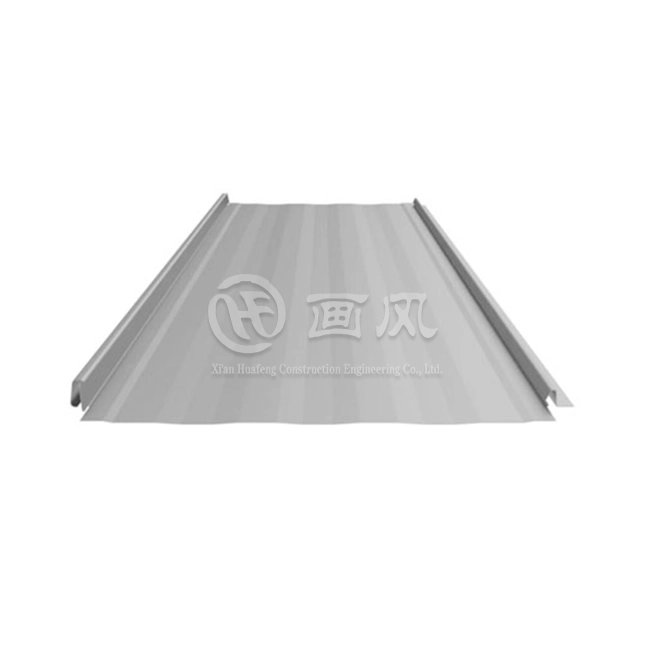
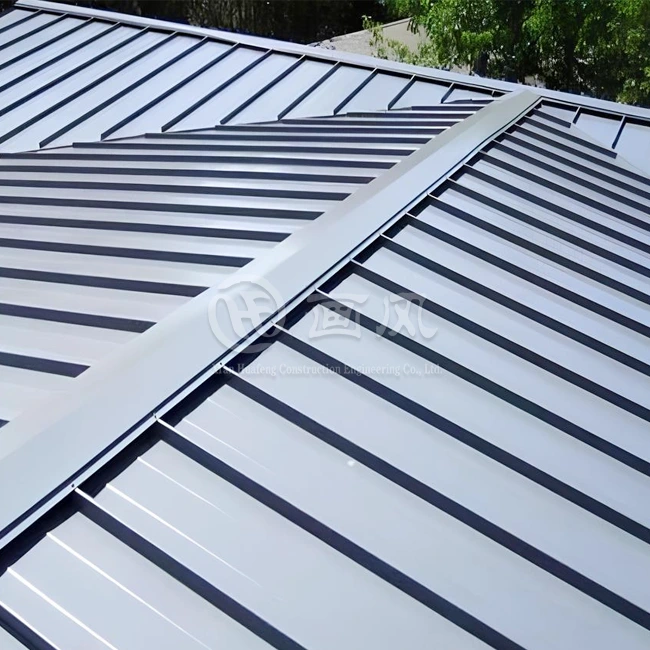
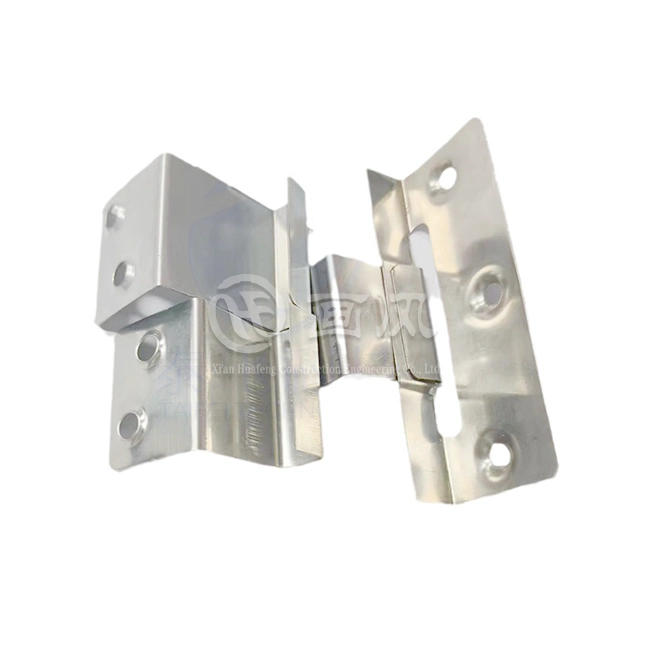
Snap-clad standing seam systems are a type of mechanically interlocking metal roofing that was made for commercial uses that need to be more resistant to weather and easier to install. The design has a seam height of 1.75 to 2 inches and hidden bolts that snap together without the need for special seaming tools. This makes installation 20–30% faster than with traditional manually seamed options. The panel legs fit together using a hot-melt sealant bead that is applied at the factory to the female leg. This makes the panels very waterproof against wind-driven rain and allows for thermal expansion through floating clip systems (ASTM E1646 testing confirms zero leakage at specified pressure differentials).
Technical Specifications and Material Options
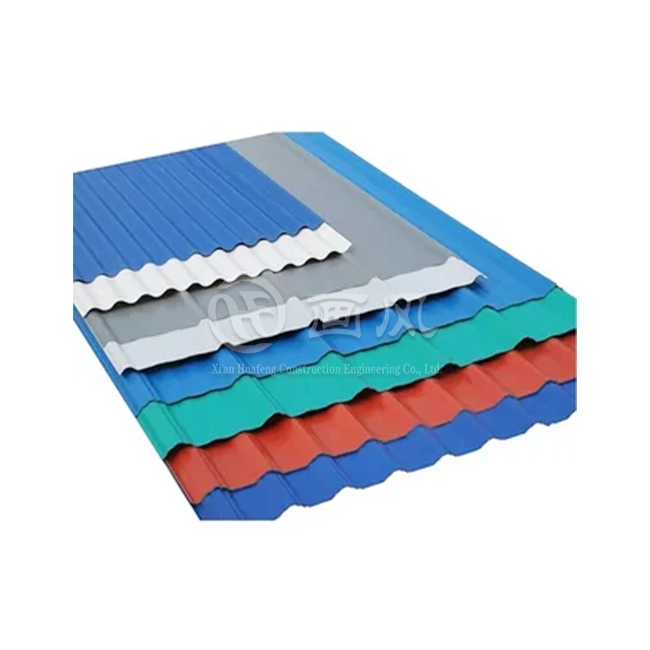
ASTM guidelines say that professional-grade panels should be made of 22- to 24-gauge G-90 galvanized or AZ50 Galvalume steel. For coastal areas, aluminum choices should be between 0.032 and 0.063 inches thick. HF can make things with seams that are 45 to 50 mm high and widths that range from 0.5 mm to 1.2 mm. They can work with materials like aluminum alloy, steel, stainless steel, copper, titanium zinc, and stainless steel. The PVDF and PE paint finishes have at least 70% Kynar 500 or Hylar 5000 resins in them. This means that they won't fade or chalk for 30 years and meet ASTM D4145 T-Bend sticking tests. Panels meet a number of foreign standards, such as ASTM, DIN, JIS, BS, and GB/T. They can also be made in any RAL color to meet the needs of a builder.
Performance Advantages for Commercial Projects
These roofing systems work great on challenging low-slope jobs that need a minimum pitch of 2:12. The concealed clip system lets panels longer than 40 feet expand and contract freely from set fixity points. This keeps the structure strong during UL 580 Class 90 wind uplift conditions and prevents fastener fatigue. When placed over solid surfaces with the right underlayment, fire safety compliance gets Class A grades for not being flammable. Reflective coating technologies lower the need for cooling, and the vertical seam design stops water from pooling, which is a problem with traditional systems in low-sloped commercial and institutional buildings.
Where to Buy Snap Clad Standing Seam Roof Panels: Trusted Suppliers & Distributors
Direct Manufacturer Sourcing
Big business contractors who are in charge of projects that need a lot of square footage can benefit a lot from buying straight from manufacturers. The high-tech company Xi'an Huafeng Construction Engineering Co., Ltd. was founded in 2018 in Shaanxi Province. It has three factories in Anhui, Hangzhou, and Xi'an, each with seven color coating production lines and more than 40 specialized machines. The company can keep up a monthly supply of 1,000 tons, and the minimum order size is 500 square meters, which is equal to one ton. Full roofing systems are delivered within 15 to 20 days. This manufacturing scale allows for project-level batch deliveries that fit with building plans and offers technical help during the planning and installation stages.
Authorized Distributors and Regional Networks
Regional wholesalers are very important middlemen for contractors who need regional inventory, faster shipping on smaller orders, and expert advice on-site for snap clad standing seam roof panel products. When looking at wholesalers, make sure you check to see if they are authorized so you can get real goods with valid warranties. Look for partners who carry all the parts of the system, like thermal expansion clips, edge trims, ridge caps, and penetration flashings that are made to fit the panel's specifications. Distributors who are members of the National Roofing Contractors Association (NRCA) or the Metal Construction Association (MCA) usually have higher standards for service and more technical knowledge. Regional sourcing cuts down on freight costs and delivery times, which is especially helpful when managing multiple projects across territories at the same time.
B2B Platform Considerations
Online business-to-business (B2B) platforms make it easy to compare suppliers, but buying managers need to be careful. Platforms that show verified certifications like ISO9001 for quality management and ISO14001 for environmental standards should be given more weight. HF has more than 20 filed patents for roofing systems and a lot of licensing paperwork that can be looked over. Before you buy something, make sure you get test results from a third party that prove the ASTM E1592 structural performance, UL 1897 wind uplift scores, and FM approval numbers. Suppliers that have been around for a while should be able to easily give you engineering sketches, installation instructions, and project references that show how their products have been successfully used in similar situations.
How to Choose the Right Snap Clad Standing Seam Panels for Your Project
Critical Selection Parameters
The first step in panel selection is to look at the specific needs of the project from different angles. The gage thickness has a direct effect on the structure's strength and the visibility of the oil cans. For large, clear roof sections, 22-gauge steel is better for flatness and wind resistance than 24-gauge steel. The ability to divert water is affected by the height of the seams. In areas with a lot of rain, 2-inch shapes work best. The choice of material has to do with how resistant it is to rust and how much it costs. For example, Galvalume steel is good for most industrial uses, while aluminum is necessary in salt-spray areas within three miles of the coast. Coating systems need to meet expectations for both durability and good looks. PVDF finishes are more expensive, but they last 30 years and keep their color better than other finishes.
Certification and Compliance Requirements
Specific wind uplift rates for commercial roofs are required based on building height, location, and roof zone names. Classes in UL 580 go from Class 15 to Class 90. Often, zones around edges and corners need Class 60 grades or higher. FM approval numbers show what kinds of parts have been tried, such as the base type, the insulation layers, and the designs of fastener spacing. Areas that are prone to hurricanes may need to follow the Florida Building Code, which includes stricter fastening rules that put clips every 6 inches. Class A fire ratings are required for occupied buildings, which means that the underlayment and substrate must be compatible. Make sure that the supplier's paperwork includes assembly-specific test reports that match the exact shape of your roof, not just generic product approvals.
Customization and System Integration
Standard panel widths range from 12 to 24 inches to meet a wide range of coverage needs. However, customizing the length is essential to keep seams and leaks to a minimum. HF can make unique lengths that fit the size of a building while keeping flatness limits within 1/4 inch over 10-foot spans. Color matching goes beyond RAL standards and includes custom formulas that match the naming of the building or structures nearby. System integration includes suitable add-ons like walkway pads, snow retention systems, and solar panel mounting pieces that are made to keep the roof guarantee valid. The thermal expansion clips need to be the right size for the panel material and the temperature ranges that are expected. The calculations take into account the length of the runs and the climate.
Installation and Maintenance: Ensuring Long-Term Performance
Professional Installation Best Practices
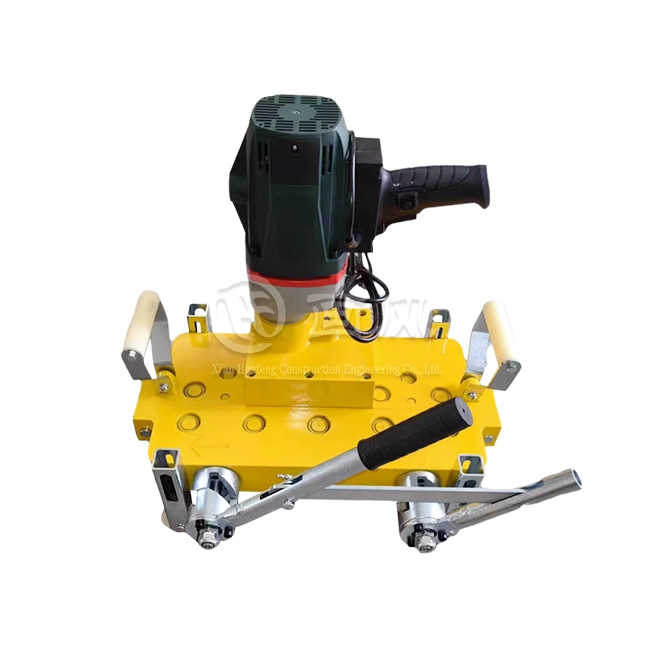
The right way to put something starts with checking the base to make sure it is flat within certain limits and has enough strength to hold the expected loads. Using high-temperature self-adhesive flooring stops water from getting in while still allowing for heat movement. To keep panels from getting stuck during heat cycling, clip placement follows designed fastening plans with exact alignment. Setting up fixity points at ridges lets the roof expand in a controlled way toward the eaves, which stops fasteners from shearing in runs longer than 40 feet. A check of the sealant's integrity shows that the beads are all the way through the female legs, with no gaps or contamination. For field seaming to keep working as well as factory seams at keeping water out, the tools and methods used must be approved by the manufacturer.
Routine Maintenance Protocols
Every six months, inspections are planned for snap clad standing seam roof panel systems to find potential problems before they damage the system. To stop standing water and faster rusting, debris that builds up in dips and behind equipment curbs needs to be removed. Check sealant joints at penetrations and terminations for loss of adhesion or cracking, and fix them with materials recommended by the maker that are suitable. Fastener checks make sure that clips stay in place and don't back out or show signs of rust. To get rid of atmospheric deposits that can damage coatings over time, panel surfaces should be cleaned gently with solutions allowed by the maker. Recording repair tasks helps with warranty claims and gives future building management teams a way to look back at the past.
Warranty Coverage and Technical Support
HF offers a 30-year warranty that covers the performance of the coating and the structural integrity of the structure under certain conditions. It's important to know what the guarantee doesn't cover. For example, oil canning is usually not covered because it's a normal feature of cold-formed metal and not a flaw. To activate the warranty, the product must be installed by a trained expert who follows the manufacturer's instructions and signs a certification. You can get technical help by emailing the maker at huafeng@hfmetalroof.com. This lets you get answers quickly to questions that come up during installation and addresses performance issues throughout the product's life. Authorized service networks make it easier to get repairs done using original parts that keep the system working with other systems and keep the warranty valid.
Real-World Applications and Case Studies
Commercial and Institutional Implementations
Large-format shopping centers in the Midwest use snap clad systems because they are easy to set up and keep out the weather for a long time on large low-slope roofs. Through reflective coating technology, a 250,000-square-foot distribution warehouse in Ohio was able to meet strict wind uplift requirements without using mechanical seaming equipment. This cut the warehouse's energy costs by 15%. Schools like the Class A fire rating and low maintenance needs. For example, eight years after installing the system, a California school district reported no leaks in any of its 12 buildings.
Industrial and Specialized Applications
The system works with photovoltaic mounting systems that connect without going through the waterproof covering, which is helpful for manufacturing plants that need solar-ready roofing infrastructure. A pharmaceutical facility in North Carolina got LEED Silver approval in part by using PVDF-coated panels for cool roof credits and keeping the work areas clean. Coastal hospitality projects in Florida show how well aluminum substrates work in salt-spray conditions. Hotel buildings have kept their good looks through multiple storm seasons without having to replace panels or fix coatings that have worn down.
Conclusion
When looking for snap clad standing seam roof panels, it's important to take into account the manufacturer's skills, approval paperwork, and the completion of the system, which goes beyond just buying panels. When it comes to industrial roofing, you need providers who know how to meet the performance needs of low-slope areas, offer engineered solutions for thermal movement and wind resistance, and help project teams with developing specifications and figuring out problems that come up during installation. Checking for UL and FM testing, figuring out how much can be made for batch orders, and making sure that all the accessories are available are what set qualified partners apart from simple product sellers. Successful procurement results combine beginning costs with long-term performance, knowing that certified systems with a history of doing a good job offer more value through lower upkeep, longer service life, and reliable weather protection over many years of use.
FAQ
1. What is the typical price range for snap clad standing seam roof panels?
Prices vary a lot depending on the type of material used, the coating system, and the size of the order. For materials alone, prices usually range from $4.50 to $12.00 per square foot. The least expensive panels are made of steel with PE finishes, while the most expensive ones are made of aluminum with PVDF coatings and premium colors. Orders bigger than 10,000 square feet get volume discounts, and contracts for more than one project get even bigger discounts. Depending on the area and the difficulty of the roof, installation work costs an extra $3.00 to $6.00 per square foot. When you compare the costs of lifecycle maintenance to those of modified bitumen and TPO systems, the total installed costs stay about the same.
2. Can I order custom lengths and colors for specific project requirements?
Manufacturers like HF can make custom lengths up to 64 feet long so that there is less field seaming and the panels stay flat as required. Custom color formulation matches architectural samples or existing building elements in ways that go beyond standard RAL options. Usually, you need to order at least 500 square meters of color. For unique colors, lead times are two to three weeks longer than for stock shades. Striations and corrected leveling leg configurations can be changed to reduce oil canning in situations where the end result needs to look good. When there are unusually long panel runs or harsh weather conditions, engineering support helps with the calculations for thermal expansion.
3. How long does delivery take for bulk commercial orders?
As a general rule, lead times are between 15 and 20 days for confirmed orders of at least 500 square meters. Custom specs push back deadlines to 25 to 30 days to allow for unique coating or machine formulations. To make sure that batch deliveries work with building plans, manufacturers set aside production slots based on confirmed purchase orders and deposit payments. International shipping to markets in the Middle East and Southeast Asia takes an extra 4 to 6 weeks by ocean freight. For projects that need to be delivered quickly, air freight choices are available at a higher cost. Deliveries within North America usually happen 7–10 business days after production.
Connect with HF for Complete Low-Slope Roofing Solutions
You can count on Xi'an Huafeng Construction Engineering Co., Ltd. to be your strategic snap clad standing seam roof panel maker. They offer approved systems that meet strict business standards. With more than 20 registered patents and ISO9001 quality management, our three factories and seven production lines make panels that meet the standards of ASTM, DIN, JIS, BS, and GB/T. We offer full assemblies that are made to fit our 0.5-1.2mm panels made from aluminum, steel, stainless steel, copper, and titanium zinc substrates. These assemblies include thermal expansion clips, edge trims, and entry flashings.
Our 1,000-ton monthly capacity lets us deliver large batches within 15 to 20 days, which is great for project managers. Our 30-year warranty and technical support team at huafeng@hfmetalroof.com give customers confidence in our long-term performance. Our engineering staff helps with specifications from the beginning of the planning process to the final installation. This is true whether your project needs UL 580 Class 90 wind ratings for hurricane zones or custom RAL color matching for business buildings.
You can look at technical datasheets, get quotes for specific projects, and find installation resources at hfmetalroof.com, which will make the buying process easier. Get in touch with our commercial roofing experts right away to talk about your low-slope roofing problems and find out how our integrated system solutions can save you money on all of your buildings.
References
1. National Roofing Contractors Association (2021). Metal Panel Roof Systems Design Manual. NRCA Technical Operations.
2. ASTM International (2020). ASTM E1646-20: Standard Test Method for Water Penetration of Exterior Metal Roof Panel Systems. ASTM Standards.
3. Metal Construction Association (2022). Technical Bulletin on Standing Seam Roof Systems. MCA Publications.
4. Underwriters Laboratories (2021). UL 580: Tests for Uplift Resistance of Roof Assemblies. UL Standards & Engagement.
5. FM Approvals (2020). Approval Standard for Class 1 Roof Covers (Class Number 4470). FM Global Property Loss Prevention Data Sheets.
6. Building Enclosure Technology and Environment Council (2019). Thermal Movement in Metal Building Envelopes. Journal of Building Enclosure Design, Volume 12.





YOU MAY LIKE