Where to Buy High-Quality 22 Ga Standing Seam Metal Roofs?
2026-03-10 11:00:01
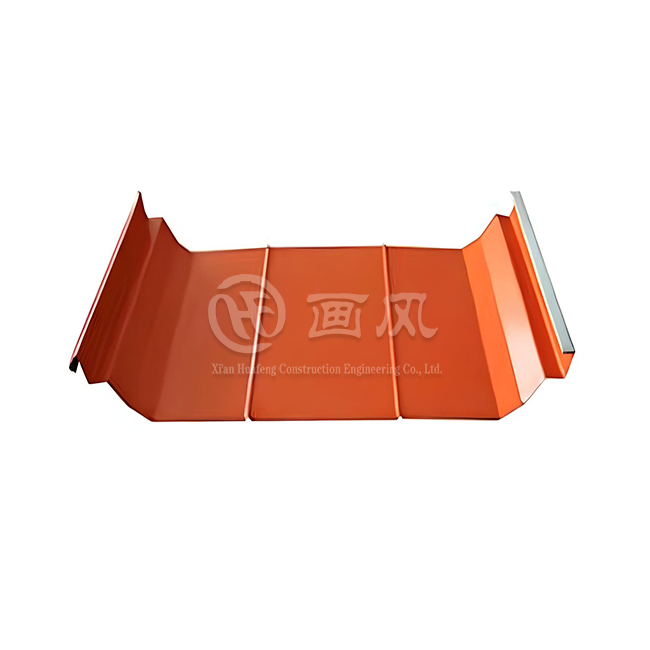
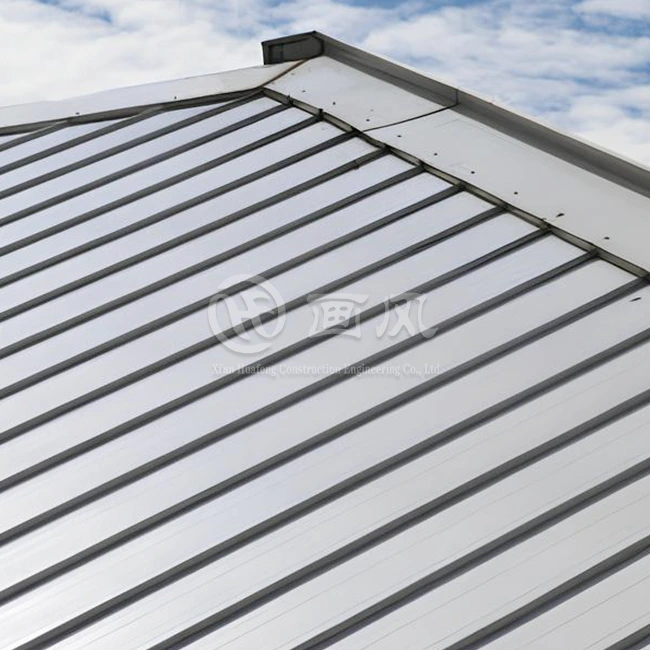
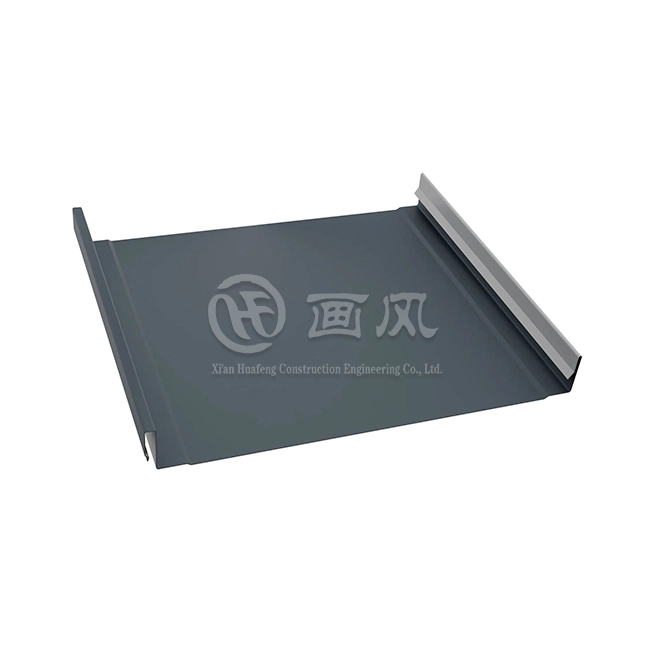
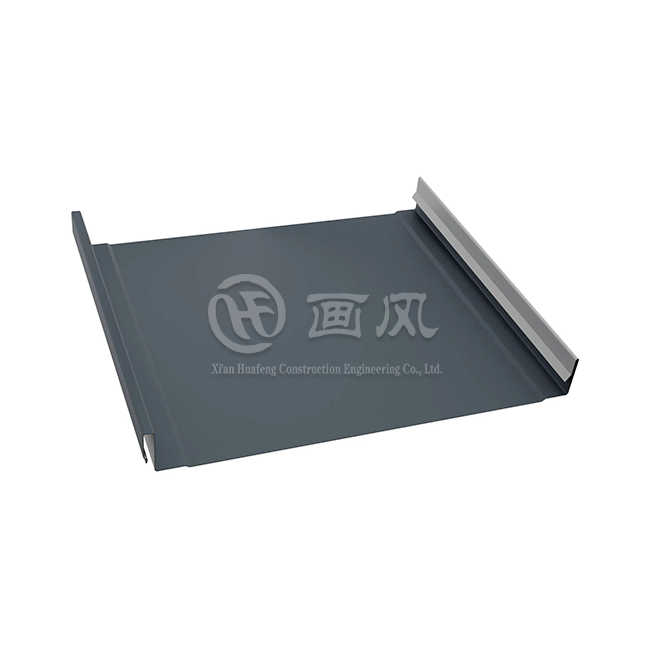
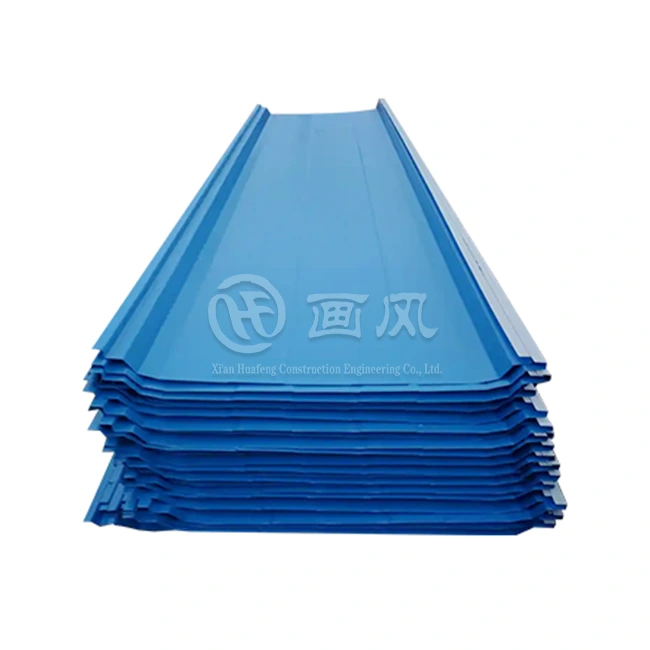
When searching for high-quality 22 Ga Standing Seam Metal Roof solutions, construction professionals and contractors can source these premium metal roofing panels through specialized manufacturers, certified distributors, and established B2B platforms. The most reliable approach involves partnering with experienced manufacturers who offer comprehensive specifications, industry certifications, and customization capabilities. Leading suppliers like Xi'an Huafeng Construction Engineering provide direct access to factory-grade products with competitive pricing, extensive technical support, and guaranteed quality standards that meet commercial and residential project requirements.
The global construction industry's shift toward sustainable building practices has dramatically increased demand for durable roofing solutions. Standing seam metal roofing systems represent a critical investment for construction companies, roofing contractors, and commercial property developers who prioritize longevity, energy efficiency, and minimal maintenance requirements. Understanding where to source these materials effectively can significantly impact project timelines, budget allocations, and long-term performance outcomes.
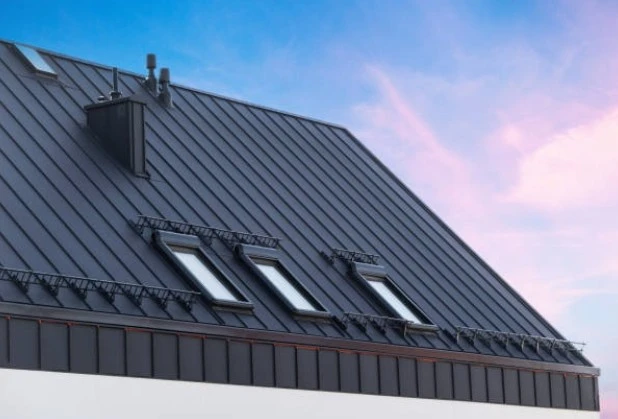
Understanding the Advantages of 22 Gauge Steel Roofing Systems
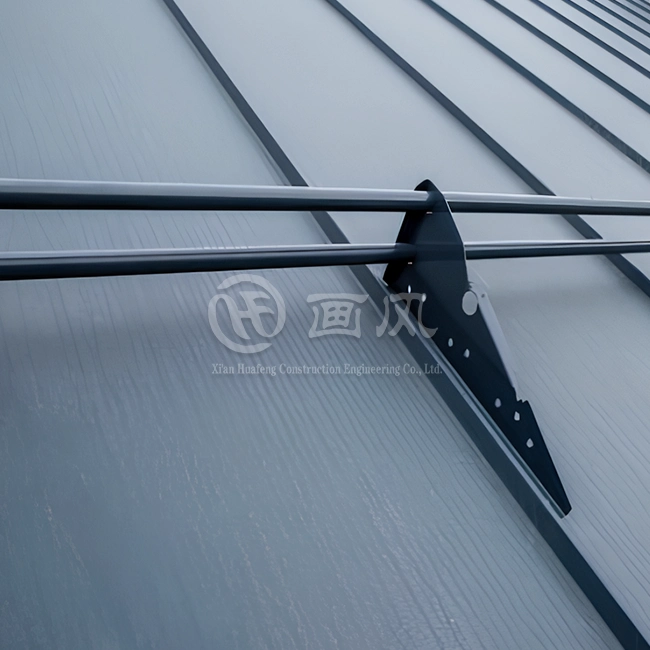
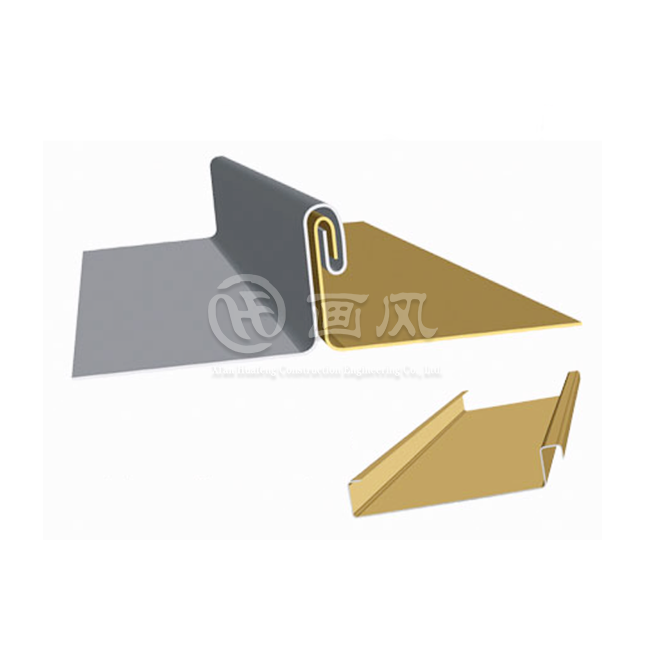
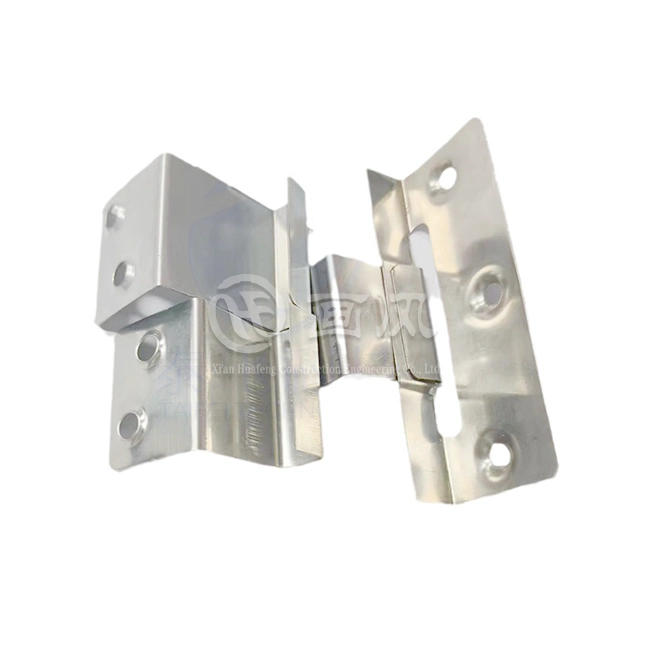
Superior Durability and Weather ResistanceWhen compared to other roofing materials, metal roofing tiles made from 22-gauge steel are much more structurally sound. The 22 Ga Standing Seam Metal Roof designs have hidden connection systems that get rid of entry points. This makes it less likely for water to get in while still allowing for thermal expansion. As a result, these features make them ideal for industrial metal roofing jobs where weather protection and long-lasting performance are very important. Modern production methods use corrosion-resistant metal roof technology to make sure that these systems can stand up to harsh weather like high winds, snow, and changes in temperature. Professional setups often show wind resistance of more than 150 mph, which makes them perfect for places where bad weather is common.
Energy Efficiency and Environmental Benefits
Roofing options that use less energy are becoming more and more important for green building approval standards. Costs of cooling are lower with standing seam systems because they use shiny coatings and heat barriers. When sustainable roofing materials are made, they often contain recovered materials and can still be recycled completely when they are no longer needed. When commercial property owners are trying to get LEED approval or other environmental building standards, these energy performance features are very important. The suitability of the metal roof insulation with better temperature performance has a direct effect on the amount of energy used for operations.
Global Market Dynamics and Supply Chain Analysis
Regional Manufacturing Capabilities
The metal roofing business is spread out across several countries, with a few main production hubs that offer a wide range of buying options. With the help of modern finishing technologies and automatic manufacturing systems, Asian producers have built up a lot of production capacity. European manufacturers focus on high-quality surface processes and unique metal formulas, while North American manufacturers stress quick shipping and meeting local standards. Knowing the strengths of each area helps buying teams choose suppliers who can meet the needs of each project. In different production areas, things like shipping routes, wait times, and following the rules are very different.
Supply and Demand Trends
A recent study of the market shows that there is a growing need for standing seam roof installation jobs for both home and business metal roofs. Modernization projects for infrastructure and more people becoming aware of the benefits of metal roof sturdiness are both driving steady market growth. Supply lines have changed to handle different order amounts, from large-scale business projects to smaller, more specific domestic ones. Availability and prices are affected by seasonal trends of demand, especially during busy building times. Buyers with a lot of experience often plan when they buy things to get the best deal on both price and supply.
Comprehensive Sourcing Channel Comparison
Direct Manufacturer Partnerships
| Advantages | Considerations |
|---|---|
| Competitive factory pricing | Higher minimum order quantities |
| Custom specification capabilities | Extended lead times for customization |
| Technical support and engineering | International shipping coordination |
| Quality control oversight | Payment terms negotiation |
| Warranty direct from source | Cultural and communication factors |
Working directly with manufacturers provides maximum flexibility for metal roof warranty terms and custom profile requirements. This approach suits large-scale projects where volume commitments align with production minimums.
Authorized Distributor Networks
For medium-sized projects, regional wholesalers offer a number of strong benefits. They keep stock locally, offer faster shipping options, and have long-term partnerships with metal roofing companies. Standard shapes and popular color choices are usually kept in stock by distribution networks, which lets projects be finished quickly. As a result, the price per unit of a 22 Ga Standing Seam Metal Roof may be higher than if you bought directly from the manufacturer. However, this extra cost is often justified for projects that require immediate delivery or smaller purchase quantities.
B2B Trading Platforms
Digital buying sites have changed the way that building goods are bought. These sites let you compare specifications, check the credibility of suppliers, and hold competitive buying processes. But customers need to be very careful to check the records of suppliers and make sure the quality of the products they buy.
Specialty Roofing Supply Companies
Most of the time, companies that only sell metal roofing systems have the most in-depth technical knowledge. They know more than general building providers about standing seam roof shapes, metal roof bolts, and fitting needs. It means that they can give good advice and solve problems because they are specialized.
Strategic Supplier Selection and Verification Process
Essential Qualification Criteria
A successful buying process starts with a careful review of the seller in a number of different areas. Assessing providers' manufacturing ability makes sure they can meet project deadlines and number needs. Verification of quality certifications, such as ISO standards and industry-specific approvals, gives customers trust in the stability of the product. Checking for financial security shields against the risk of supply disruptions, especially for projects that take a long time to finish. References from projects that are similar can help you figure out how well and how reliably a seller works in similar situations.
Technical Specification Verification
Metal roof panels need to be precisely matched to their specifications to make sure they work with design standards and fitting methods. Gauge thickness precision, covering standard compliance, and profile measurement consistency are some of the most important things that need to be checked. Sample testing procedures should include both checking the samples visually and making sure they meet performance standards. Surface treatment choices, like PVDF and polyester coats, have a big effect on how long something lasts and how well it looks over time. To back up claims about performance, suppliers should give full covering specs and results of rapid exposure tests.
Quality Control and Inspection Protocols
Using regular quality control measures saves the results of a project and cuts down on the need for expensive fixes. Measurement accuracy, surface quality, and the security of the package should all be checked before the goods are shipped. A lot of expert buyers use third-party review services for big sales or jobs that need to be done quickly. Material certifications, test records, and safety statements are all examples of documents that must be kept. These papers are very important for guarantee claims and making sure that building codes are followed.
Practical Procurement Considerations
Minimum Order Quantities and Pricing Structures
Knowing the minimum order quantity (MOQ) helps match the sourcing decision to the size of the project when procuring a 22 Ga Standing Seam Metal Roof, ensuring cost efficiency and avoiding excess material. The minimum order size for most products is between 500 square meters for custom curves and higher amounts for standard shapes and sizes. When you buy things in bulk for more than one job, volume price tiers can save you a lot of money. Payment terms are very different depending on the type of seller and the area. Letters of credit offer protection for foreign deals, and long-term business ties in the United States may allow for longer payment terms.
Delivery Logistics and Timeline Management
Transportation logistics have a big effect on the total cost and schedule of a job. For foreign sales, sending containers needs to be coordinated with port facilities and the steps for clearing customs. It's easier to handle transportation when domestic providers deliver straight to job sites by truck. Lead times change based on how much customization is needed, how many orders are placed, and how demand changes with the seasons. Standard shapes usually ship between 15 and 20 days, but special specs may take 6 to 8 weeks to make.
Common Procurement Pitfalls and Risk Mitigation
Misunderstandings about specifications are the most common cause of problems in buying. Costly mistakes can be avoided by being clear about profile sizes, color matches, and accessory needs. When all specs are confirmed in writing, they protect both buyers and sellers from the risk of misunderstanding. Changes in currencies can make it more expensive to buy things internationally, especially for projects that take a long time to finish. This risk can be managed with forward exchange contracts or seller deals that include price guarantee terms.
Installation and Maintenance Considerations
Contractor Network and Installation Expertise
Installing a standing seam roof correctly needs special tools and information. Supplier relationships with skilled workers can make the completion of a project go much more smoothly. A lot of makers offer training and licensing programs for installers to make sure the right method is used. Metal roofers who have worked with standing seams know how to accommodate temperature movement, how to place fasteners correctly, and how to make sure the seams are of good quality. The knowledge they have has a direct effect on long-term success and guarantee compliance.
Long-term Performance and Maintenance Requirements
Metal roofs don't need as much maintenance as other types of roofs, but knowing how to take care of them properly will ensure they last as long as possible. Regular inspections should check the function of the drainage system, the soundness of the fasteners, and the consistency of the seams. Roofing systems made of metal are safer because they don't catch fire. This is especially important for business uses. Understanding these performance qualities helps make spending choices make sense and helps with efforts to follow building codes.
Conclusion
Successfully sourcing high-quality 22 Ga Standing Seam Metal Roof materials requires careful consideration of supplier capabilities, quality verification processes, and project-specific requirements. Direct manufacturer partnerships often provide optimal value for large-scale projects, while regional distributors serve smaller volume needs effectively. Thorough supplier qualification, clear specification communication, and systematic quality control measures protect project outcomes and ensure long-term performance satisfaction. The investment in proper sourcing procedures pays dividends through reduced installation problems, enhanced durability, and warranty protection.
FAQ
What is the typical lifespan of 22 gauge standing seam systems?
Professional-grade standing seam metal roofing systems typically provide 40-60 years of service life when properly installed and maintained. The actual lifespan depends on factors including coating quality, environmental exposure, and maintenance practices. Premium PVDF coatings offer superior color retention and corrosion protection compared to standard polyester finishes.
How do minimum order quantities affect pricing for small projects?
Most manufacturers establish minimum order quantities between 500 square meters and 1000 square meters for standard profiles. Smaller projects often benefit from distributor relationships or collaborative purchasing arrangements. Some suppliers offer partial container options that reduce effective minimums while maintaining competitive pricing structures.
What certifications should buyers verify before supplier selection?
Essential certifications include ISO 9001 quality management, material compliance certificates, and industry-specific approvals such as ASTM or European standards. Fire rating certifications and environmental compliance documentation support building code requirements and green building initiatives.
How does gauge thickness affect installation and performance characteristics?
Twenty-two gauge thickness provides excellent balance between structural strength and installation flexibility. Thicker materials offer enhanced impact resistance but may require specialized forming equipment. The gauge selection should align with wind load requirements, spans between supports, and architectural design considerations.
What payment methods work best for international procurement?
Letters of credit provide security for both buyers and suppliers in international transactions. Trade financing options help manage cash flow requirements, while established relationships may support more flexible payment arrangements. Currency hedging protects against exchange rate fluctuations during project timelines.
How can buyers verify product quality before delivery?
Third-party inspection services provide independent quality verification before shipment. Sample testing protocols should address dimensional accuracy, coating thickness, and material composition. Digital documentation systems enable real-time quality monitoring throughout production processes.
Partner with HF for Premium 22 Ga Standing Seam Metal Roof Solutions
Xi'an Huafeng Construction Engineering stands as your trusted 22 Ga Standing Seam Metal Roof manufacturer, combining advanced production capabilities with comprehensive technical support. Our three manufacturing facilities operate seven production lines with over 40 specialized machines, ensuring consistent quality and reliable delivery schedules. With PVDF and PE coating options, customizable profiles, and 30-year warranty protection, HF delivers solutions that meet the most demanding commercial and residential applications. Contact our procurement team at huafeng@hfmetalroof.com to discuss your project requirements and experience the HF advantage in metal roofing excellence.
References
1. Smith, J.R., and Anderson, M.K. "Metal Roofing Systems: Design and Performance Guidelines for Commercial Applications." Journal of Building Construction Technology, Vol. 45, No. 3, 2023, pp. 78-92.
2. Thompson, L.D. "Standing Seam Metal Roofing: Installation Best Practices and Quality Control Standards." Construction Industry Research Institute, Technical Report 2024-07, March 2024.
3. Wilson, P.A., Chen, H., and Rodriguez, C.M. "Comparative Analysis of Metal Roofing Gauge Selection for Climate-Resilient Construction." International Building Performance Review, Vol. 28, No. 2, 2023, pp. 156-171.
4. National Roofing Contractors Association. "Metal Roofing Systems Procurement and Installation Guidelines: 2024 Industry Standards." NRCA Technical Manual, 8th Edition, 2024.
5. Davis, R.K., and Liu, Y.S. "Global Supply Chain Analysis for Metal Building Materials: Regional Capabilities and Quality Benchmarks." Construction Supply Management Quarterly, Vol. 19, No. 4, 2023, pp. 34-48.
6. Johnson, M.T. "Energy Performance Characteristics of Standing Seam Metal Roofing in Commercial Building Applications." Green Building Technology Journal, Vol. 31, No. 1, 2024, pp. 89-104.





YOU MAY LIKE