Corrugated Metal Siding Sheets: A Long-Lasting Solution for 2026
2026-03-09 18:18:24
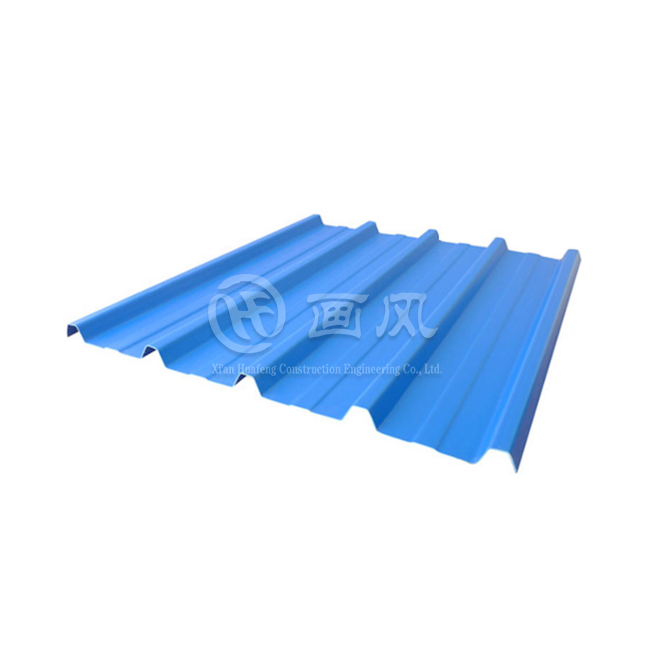
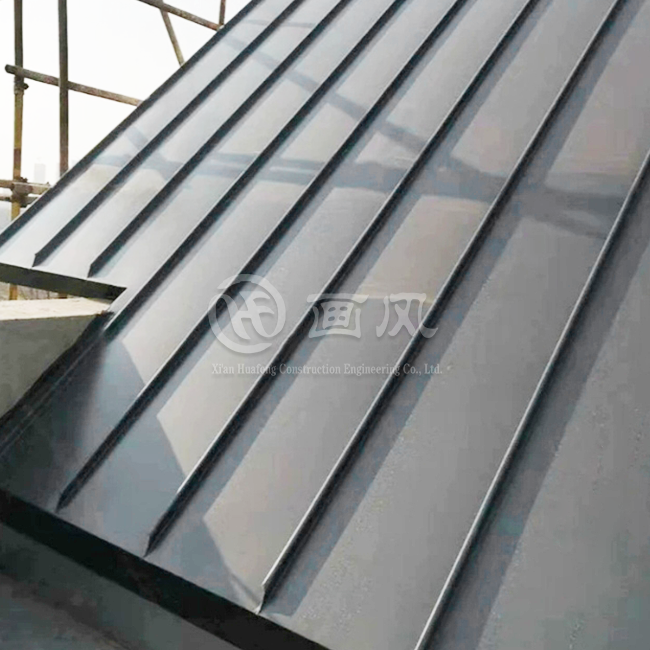
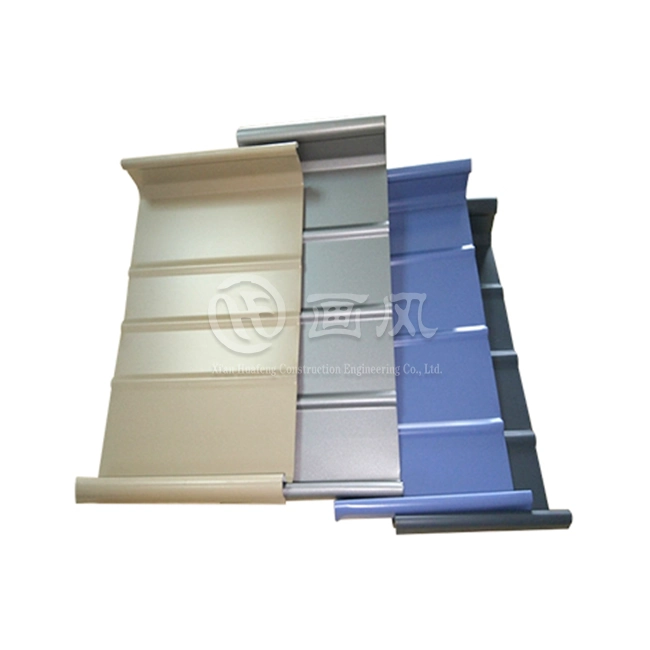
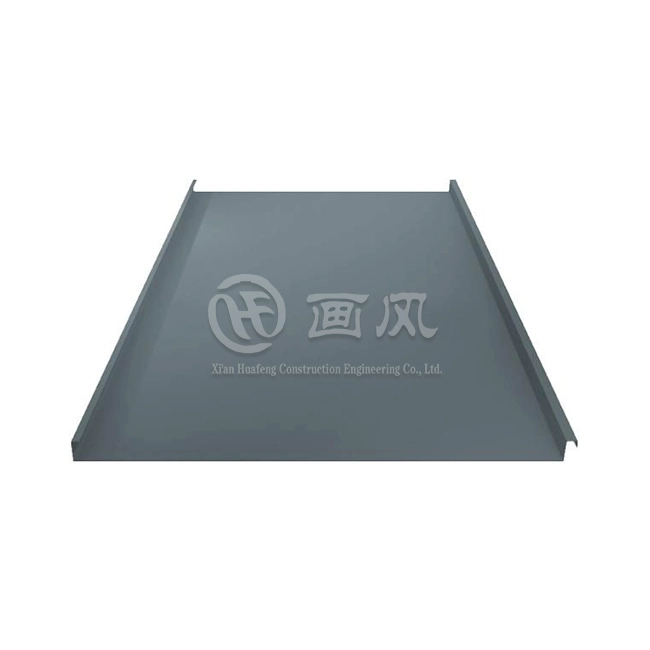
For construction projects in 2026 and beyond, corrugated metal siding sheets provide unparalleled durability and cost-effectiveness, making them the ultimate in contemporary building materials. These cutting-edge metal panels are the go-to option for builders and developers looking for dependable external wall panels because they combine outstanding weather resistance with visual beauty. Corrugated metal siding sheets provide exceptional performance in residential, commercial, and industrial applications while retaining affordable price structures because to advancements in coating technology and production accuracy.

Understanding the Evolution of Metal Cladding Systems
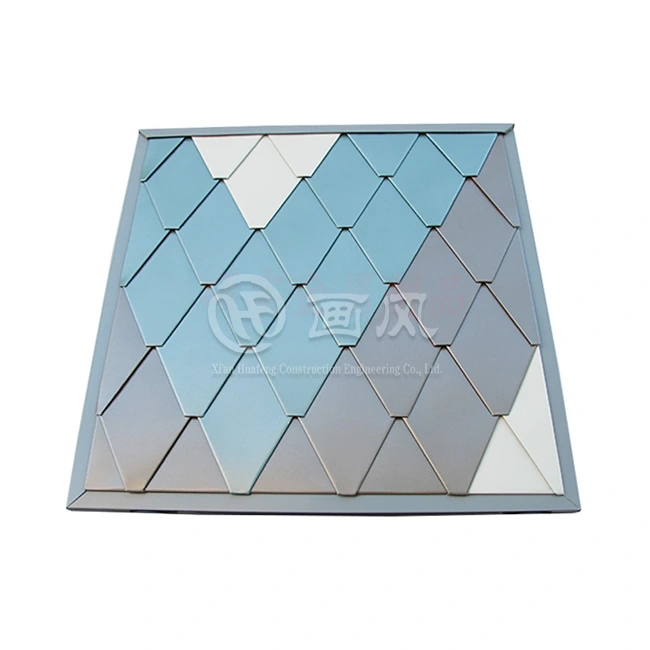
Steel siding has been a major influence on contemporary building design as a result of the construction industry's recent dramatic changes. Beyond basic practical components, corrugated panels have developed into elegant architectural solutions that strike a compromise between functionality and aesthetics. Products made using contemporary galvanized steel production techniques may last decades of exposure to the elements. When compared to conventional construction materials, the corrugated shape reduces material weight while maintaining remarkable structural strength. Because of these features, metal wall covering systems are especially appealing to construction firms in charge of major projects.
Significant advancements have been made in weather-resistant siding technologies, which now include specialty coatings that provide protection from UV rays, moisture intrusion, and temperature changes. Under wind pressures reaching 150 mph, the corrugated shape maintains structural strength while improving water drainage. Modern architectural metal panels have improved thermal performance qualities that help buildings use less energy. These panels save long-term operating costs and aid in obtaining green building certifications when paired with suitable insulation systems.
Performance Advantages That Matter to Contractors
Systems for metal facades provide quantifiable advantages that have a direct effect on customer satisfaction and project profitability. Long-term ownership expenses are decreased by rust-resistant metal compositions, which guarantee minimum maintenance needs during the building's lifetime. Modern corrugated steel sheets are lightweight, which makes installation easier and lowers the need for structural load. When heavy cladding materials cannot be supported by the existing foundations, this feature is very helpful in rehabilitation projects.
Corrugated profiles' inherent strength makes them ideal for structural siding applications. By uniformly distributing stresses throughout the panel surface, the wave pattern improves resistance to wind uplift forces and impact damage. In the majority of areas, metal building panels with fire resistance ratings meet or surpass building code standards. Compared to conventional siding materials, steel's non-flammable nature offers greater safety margins.
Material Specifications and Technical Excellence
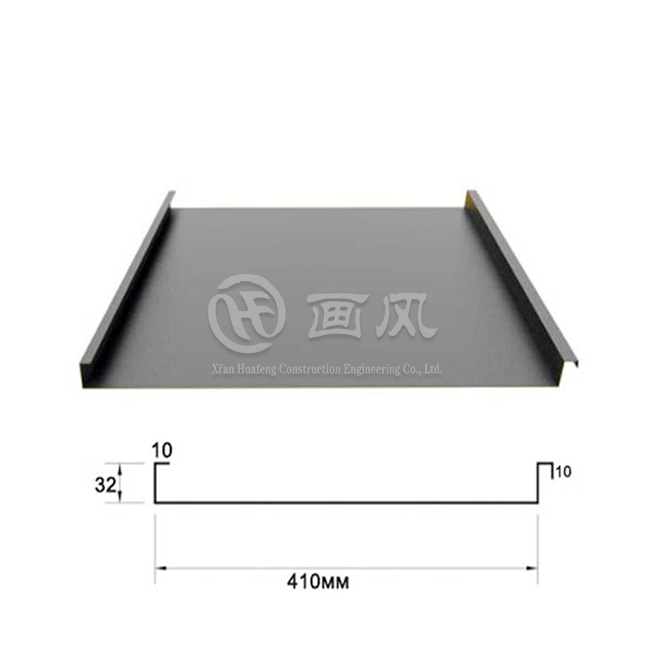
Specifications for durable siding materials have advanced to satisfy changing industrial needs. Options for panel thickness between 0.3 and 1.2 mm optimize material costs while accommodating a range of structural requirements. PVDF and polyester coatings are examples of surface finish technologies that provide excellent color retention and weather resistance. These cutting-edge coatings resist fading, chalking, and corrosion while preserving aesthetic quality for decades.
With width modification options ranging from 600mm to 1200mm, architects and contractors may tailor panel layouts to meet particular project needs. Custom lengths up to 12 meters save down on labor expenses and installation time while minimizing junction frequency. ASTM, DIN, JIS, BS, and GB/T are examples of international compliance standards that guarantee product quality satisfies international building criteria. For contractors seeking green building certifications or working on foreign projects, these certificates provide assurance. Variations in corrugation depth between 15 and 50 mm provide flexibility in attaining desired aesthetic effects while preserving structural performance attributes.
Installation Best Practices for Long-Term Success
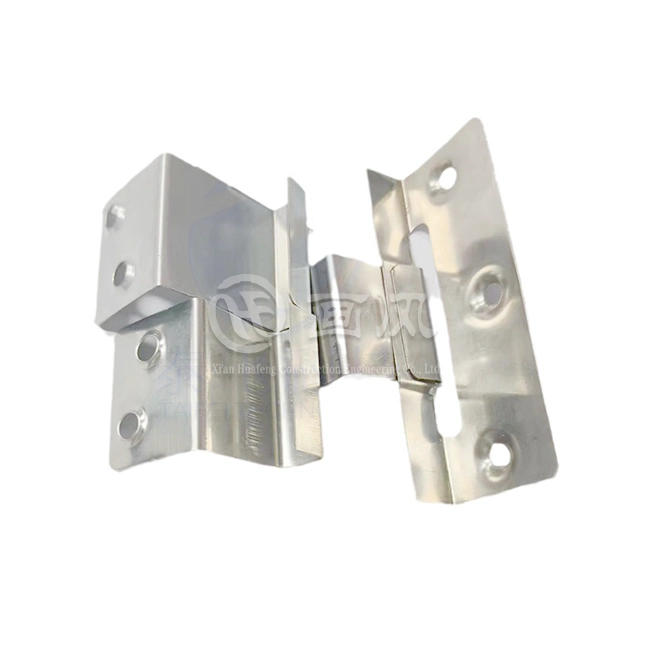
For metal siding to function at its best and last a long time, installation demands close attention to detail. Weather-tight seals are maintained while thermal movement problems are avoided with proper fastening methods. Panel performance and installation success are greatly impacted by substrate preparation. Sufficient ventilation behind panels prevents moisture from building up and eventually compromising structural integrity.
Weather resistance and thermal expansion and contraction must be taken into account when using joint sealing techniques. When used correctly, modern sealant technologies provide decades of dependable performance.
To stop water infiltration, flashing integration at penetrations, corners, and transitions has to be carefully planned. Expert installation methods guarantee that these important components function well for the duration of the building's existence. Verification of panel alignment, fastener spacing, and weather barrier continuity are all part of quality control while installing corrugated metal siding sheets. By taking these precautions, future performance problems are avoided and warranty compliance is guaranteed.
Environmental Benefits and Sustainability
Because of their lifespan and capacity to be recycled, protective metal sheets play a major role in sustainable construction methods. Steel goods are entirely recyclable at the end of their useful lives and include a significant amount of recycled material. When reflective metal surfaces are installed correctly, they lower cooling loads in warm areas and increase energy efficiency. When compared to conventional dark-colored siding materials, light-colored finishes may result in considerable energy savings. Periodic repainting or refinishing, which produces trash for the environment, is no longer necessary with maintenance-free functioning. The manufacturer's trust in long-term performance is shown in the 30-year guarantee duration.
Through waste reduction and better production procedures, manufacturing efficiency improvements lessen their influence on the environment. High material usage rates are attained by contemporary facilities while maintaining stringent quality requirements. Projects that use energy-efficient building envelope technologies and materials with recycled content may get LEED certification points. These credits lessen the total environmental effect of projects while assisting them in reaching the required certification levels.
Partner with HF for Premium Corrugated Metal Siding Solutions
Construction professionals seeking a reliable corrugated metal siding sheets supplier can depend on Xi'an Huafeng Construction Engineering Co., Ltd. for exceptional quality and service. HF delivers custom solutions backed by 30-year warranties, ensuring project success through superior materials and technical support. Contact huafeng@hfmetalroof.com to discuss your specific requirements with our experienced team.
Conclusion
The construction industry continues evolving toward high-performance building materials that deliver exceptional value over extended service lives. Corrugated metal siding sheets represent proven technology that meets contemporary demands for durability, sustainability, and cost-effectiveness. With proper material selection and professional installation, these systems provide decades of reliable performance while contributing to green building objectives. Investment in quality metal cladding systems generates measurable returns through reduced maintenance costs, improved energy efficiency, and enhanced building value.
References
1. American Iron and Steel Institute. "Cold-Formed Steel Design Manual." Third Edition, 2017.
2. Metal Construction Association. "Guidelines for Proper Installation of Metal Wall Panels." Technical Bulletin MCA-102, 2021.
3. National Association of Home Builders Research Center. "Life Cycle Assessment of Residential Building Materials." Building Research Council Report, 2019.
4. Steel Recycling Institute. "Sustainability and Steel Building Products." Environmental Impact Study, 2020.
5. International Building Code. "Fire-Resistant Construction Materials and Methods." Chapter 7, 2021 Edition.
6. Green Building Council. "Energy Performance of Metal Building Envelope Systems." Technical Research Publication, 2022.





YOU MAY LIKE