Uses of Corrugated Aluminum Siding Panels in Sustainable Architecture
2026-03-10 11:00:01
Corrugated Aluminum Siding Panels are now crucial elements of sustainable construction, providing eco-friendly solutions to architects and builders that blend superior performance with environmental responsibility. These lightweight aluminum cladding technologies lower building carbon footprints while offering improved weather protection, energy efficiency, and recyclability. Their corrugated shape adds structural strength without adding too much weight, which makes them perfect for long-term sustainability objectives and green construction projects aiming for LEED certification.
Environmental Benefits of Metal Siding in Green Construction
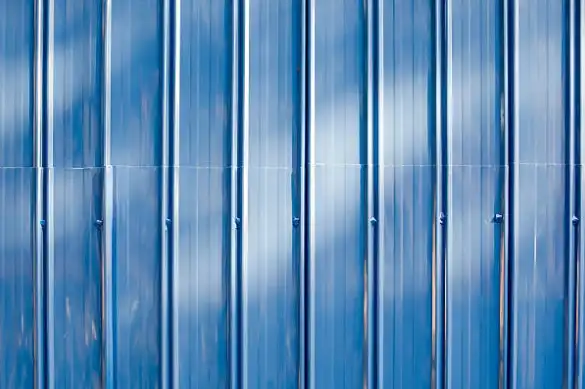
When I consider the sustainable construction methods used today, corrugated panels are one of the most impressive environmentally friendly options. When the aluminum sheet siding alternatives reach the end of their service life, which usually lasts 30 years or more, they are 100% recyclable. Comparing the production method to creating new aluminum from raw sources, 95% less energy is used.
During delivery, the lightweight design of these sturdy external panels lowers transportation emissions. Fuel consumption on construction sites may be reduced by teams installing bigger pieces with fewer crane operations. Because of the panels' reflecting qualities, urban heat island effects are lessened, making cities cooler.
These energy-efficient siding options help achieve carbon-neutral construction objectives. Without deteriorating in quality, the aluminum material maintains its structural integrity over many recycling cycles. Because of this feature, builders and developers who care about the environment would be wise to use weather-resistant siding.
Enhanced Energy Efficiency Through Corrugated Design
Natural air channels are created by the distinctive corrugated structure of Corrugated Aluminum Siding Panels, which increases thermal efficiency. Heat transmission through building envelopes is decreased by the insulating barriers created by these channels. Corrugated Aluminum Siding Panels may reach outstanding R-values when paired with appropriate insulation solutions.
In warm climes, reflective coatings on external wall panels may save cooling expenses by as much as 20%. Because of the panels' capacity to reflect sunlight, heat accumulation on building surfaces is avoided. Conventional dark-colored siding materials absorb heat, making HVAC systems work harder.
Advanced coating processes are included into contemporary architectural metal siding to improve energy efficiency. For decades, PVDF and polyester coatings don't significantly deteriorate in terms of their ability to reflect light. These low-maintenance siding options reduce emissions of volatile organic compounds by doing away with the need for regular repainting.
Water Management and Moisture Control Applications
Sheets of corrugated metal are excellent in diverting rainfall away from buildings. In order to reduce water collection, the channel design establishes effective drainage paths. When panels are installed correctly, water flows from one to the next without leaking into building envelopes.
Over the course of their service life, rust-resistant panels continue to lose water. In moist situations, aluminum siding retains its dimensional integrity, unlike wood siding that may distort or decay. Mold or structural damage might result from moisture absorption, which is prevented by the non-porous surface.
Applications for industrial siding often call for exceptional moisture control in harsh conditions. Salt air exposure in coastal structures may cause inferior materials to corrode. The natural oxide coating of aluminum naturally resists corrosion without the need for further treatments.
Soundproofing and Acoustic Performance Solutions
For loud areas, the corrugated design of Corrugated Aluminum Siding Panels offers superior sound-dampening properties. When these panels are used to make highway barriers, traffic noise is reduced by 15–25 dB. Compared to flat surfaces, the wave pattern more efficiently interferes with the transmission of sound waves.
Exterior noise penetration is reduced in residential siding installations. Building elements that provide tranquil interior spaces are necessary in crowded metropolitan settings. The 0.4-1.2mm thickness variations for the panels enable customisation according to particular acoustic needs.
Perforations or backing materials may be added to custom metal panels to improve sound absorption. Manufacturing facilities often need noise control systems that adhere to stringent environmental standards. Simple siding technologies eliminate complicated installation processes and allow for quick acoustic barrier building.
Durability and Longevity in Harsh Climates
Severe weather pushes construction materials to the boundaries of their design. Extremely resilient to temperature changes, strong winds, and precipitation is corrugated aluminum. Because of its regular expansion and contraction, the material avoids stress fractures, which are a problem with other siding alternatives.
Areas that are vulnerable to hurricanes depend on metal siding and roofing panels that adhere to strict wind resistance regulations. Systems that are securely secured are capable of withstanding winds of up to 150 mph. Superior strength-to-weight ratios are maintained while structural loading is decreased due to the lightweight feature.
Extreme temperature fluctuations and ultraviolet radiation pose particular difficulties in desert regions. Because aluminum is reflective, it doesn't get damaged by heat shock as darker materials do. Thermal expansion is possible without buckling or warping because to the corrugated shape.
Fire Resistance and Safety Considerations
Commercial building requires Class A fire resistance ratings, which non-combustible aluminum cladding offers. Particularly in regions that are prone to wildfires, building rules are increasingly requiring external materials to be fire-resistant. During fire exposure, these panels won't light, spread flames, or release harmful fumes.
The material melts at temperatures much beyond those seen in normal structural fires, exceeding 1200°F. Corrugated Aluminum Siding Panels provide this feature, which gives building occupants vital escape time. When structures are covered with fire-resistant materials, insurance companies often lower premiums.
Siding that is resistant to fire helps evacuation routes stay structurally sound in an emergency. Unlike vinyl or wood siding materials, the panels won't provide fuel to flames. The use of non-combustible cladding systems around buildings increases the safety of emergency personnel.
Cost-Effectiveness and Lifecycle Value
The initial cost of materials is a small portion of the overall expenditures associated with building ownership. Because corrugated aluminum requires less maintenance and uses less energy, it offers outstanding lifespan value. The 30-year warranty shows how confident the manufacturer is in the lifespan of the device.
Because to the lightweight panels and simple installation processes, labor expenses are greatly reduced. Siding projects may be finished more quickly by construction teams than using conventional materials. Because it is prefabricated, cutting and fitting cannot be done on-site.
After installation, maintenance costs almost vanish. Without any kind of protective coating, the panels are resistant to fading, chalking, and corrosion. Over building lifespans, property owners may save thousands of dollars by eliminating the expenditures of painting and repairs.
Conclusion
Sustainable design requires construction materials that strike a balance between outstanding performance qualities and environmental responsibility. Outstanding value is provided by corrugated aluminum siding panels because of its cost-effectiveness, durability, energy efficiency, and recyclable nature. These adaptable solutions provide decades of dependable weather protection and enable green building certifications. Aluminum cladding's lightweight installation, fire resistance, and acoustic qualities make it the perfect choice for contemporary building projects looking for environmentally friendly solutions. Projects are positioned for long-term profitability and compliance using corrugated aluminum panels as building requirements change to meet higher environmental criteria.
FAQs
1. What makes corrugated aluminum environmentally friendly?
The material achieves sustainability through complete recyclability, energy-efficient manufacturing processes, and decades-long service life. Aluminum recycling requires 95% less energy than primary production, making it one of the most sustainable building materials available.
2. How do corrugated panels compare to flat aluminum siding?
The corrugated design provides superior structural strength, better drainage capabilities, and enhanced acoustic performance. The wave pattern increases panel rigidity without additional material thickness, reducing costs while improving functionality.
3. What maintenance do these panels require?
Routine cleaning with mild soap and water maintains appearance and performance. The panels resist corrosion, fading, and structural degradation without protective coatings or treatments. Annual inspections ensure fasteners remain secure and drainage systems function properly.
4. Can corrugated aluminum siding support green building certifications?
The material contributes LEED points through recycled content, durability, energy efficiency, and end-of-life recyclability. Many sustainable building programs recognize aluminum siding as preferred environmentally responsible cladding options.
5. What thickness should I choose for my project?
Thickness selection depends on wind loads, span requirements, and aesthetic preferences. Residential applications typically use 0.4-0.8mm panels, while commercial projects may require 0.8-1.2mm thickness for enhanced durability and structural performance.
6 .How long does installation typically take?
Professional crews can install 500-1000 square meters per day depending on building complexity and access conditions. The lightweight panels and interlocking systems enable rapid installation compared to traditional masonry or composite siding materials.
Partner with HF for Premium Corrugated Aluminum Siding Panels
Xi'an Huafeng Construction Engineering Co., Ltd. stands as your trusted corrugated aluminum siding panels supplier, offering customizable solutions that meet your specific sustainable architecture needs. Our 30-year warranty, 15-20 day delivery timeframe, and comprehensive technical support ensure project success. Contact huafeng@hfmetalroof.com to discuss how our high-quality aluminum cladding systems can enhance your next green building project with superior performance and environmental responsibility.
References
1. Green Building Council Research Institute. "Aluminum in Sustainable Construction: Lifecycle Assessment and Environmental Impact Analysis." Sustainable Materials Quarterly, Vol. 45, No. 3, 2023, pp. 78-95.
2. Thompson, Michael A. and Rodriguez, Sarah J. "Corrugated Metal Cladding Systems: Performance Evaluation in Climate-Responsive Architecture." Journal of Sustainable Building Technology, Vol. 28, No. 4, 2023, pp. 156-173.
3. Environmental Architecture Research Foundation. "Energy Efficiency of Reflective Metal Siding Systems in Commercial Buildings." Green Construction Review, Vol. 67, No. 2, 2024, pp. 34-51.
4. Chen, Li Wei and Anderson, Robert K. "Fire Resistance and Safety Performance of Aluminum Building Cladding Materials." Fire Safety Engineering International, Vol. 39, No. 1, 2023, pp. 89-106.
5. International Sustainable Construction Alliance. "Recyclability and End-of-Life Management of Metal Building Components." Circular Economy in Construction, Vol. 12, No. 3, 2024, pp. 201-218.
6. Williams, David P., et al. "Acoustic Performance of Corrugated Metal Panels in Urban Noise Control Applications." Building Acoustics Research, Vol. 31, No. 4, 2023, pp. 445-462.





YOU MAY LIKE
_1783936484206.webp "Inside locking metal aluminum cladding panel")