What Is High Seam Metal Roofing? Complete Guide for Beginners
2026-11-09 18:34:50
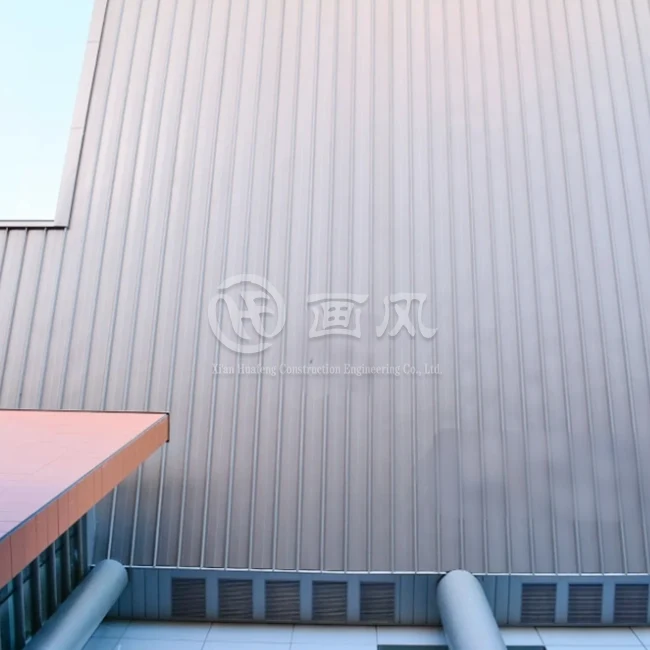
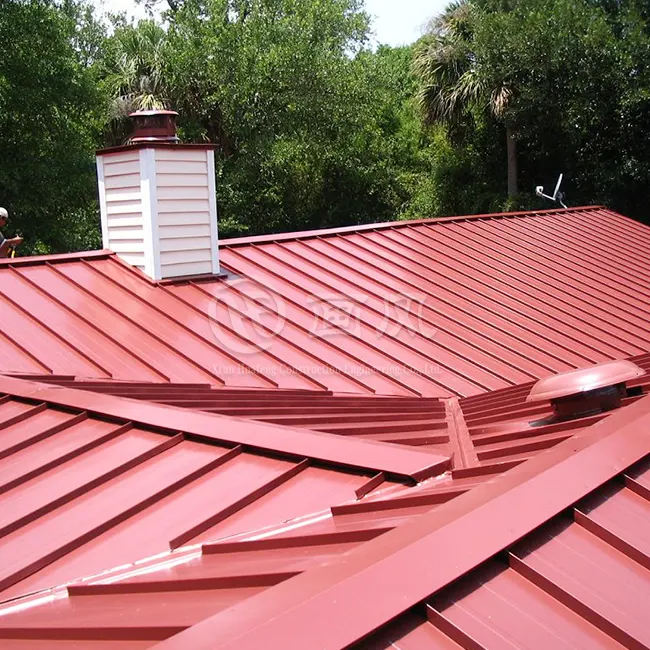
High seam metal roofing is a structural standing seam roofing system defined by its raised mechanical seam height — typically 65mm or greater — which creates a watertight, interlocking barrier across the entire roof plane. Unlike standard snap-lock profiles, this system uses a 360-degree double-lock seam to prevent water ingress even on low-slope applications as shallow as 1.5 degrees. Widely specified for airports, stadiums, and convention centers, high seam metal roofing delivers proven wind uplift resistance, thermal movement accommodation, and a service life exceeding 40 years, making it a primary choice for large-span commercial and public building projects.

Understanding High Seam Metal Roofing
Before you compare products or ask for quotes, it's helpful to know what makes this system different from other metal roofing profiles and why that difference is important for big-ticket purchases.
How It Differs from Standard Standing Seam?
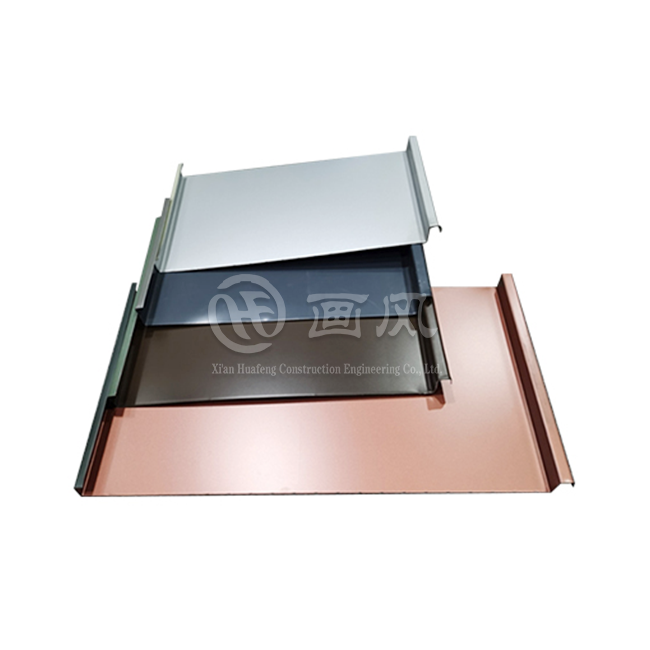
Standard home standing seam panels have seams that are about 1 to 1.5 inches (25 to 38 mm) high. Electric seaming machines are used to sew high seam systems together mechanically on-site. The seams start at 65 mm. This method makes a rigid, continuous lock instead of a simple snap connection. This is why the system works so well when there is negative wind loads and hydrostatic pressure.
The Role of the Mechanical Double-Lock
High seam roofing is different from snap-lock or low-profile corrugated options because it has a 360-degree Pittsburgh double-lock seam. The joint is completely blocked when it is machine-seamed with a sealing bead that is put on by the maker inside the female leg. This means that the method can be used on roofs with slopes as low as 1.5%, where other shapes could fail and cause back-water lap leaks.
Panel Geometry and Seam Types Compared
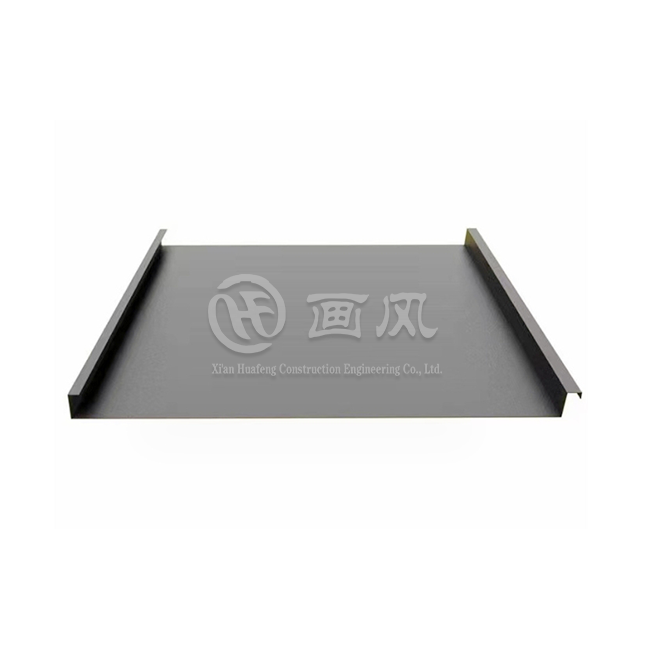
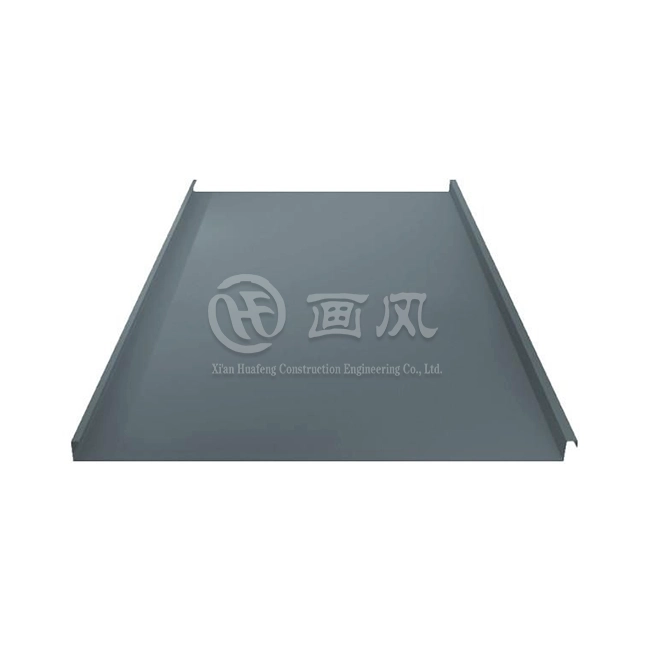
Because their ribs are tall, high seam metal roofing panels have a higher moment of inertia. This lets the purlins be farther apart and lowers the cost of secondary steel. Corrugated sheets, flat seam panels, and low-profile standing seam shapes, on the other hand, need closer structural support and are more likely to lift in the wind on large-span roofs. This structural economy directly leads to lower overall system costs for projects bigger than 10,000 square meters, which is important for buying teams that are looking at specs.
Advantages and Benefits of High Seam Metal Roofing
Once you understand the math, it makes sense that the efficiency benefits will follow. Here are the main reasons why people buy things for public infrastructure projects.
- Wind uplift resistance: The hidden sliding clip system anchors panels to the structure without penetrating the metal sheet. ASTM E1592 testing confirms the system withstands extreme negative wind pressure, which is a mandatory requirement for airports and coastal stadiums.
- Thermal movement on long spans: Panels are not screwed directly through the face. Instead, sliding clips allow the sheet to move longitudinally during temperature cycles, preventing buckling on panel runs exceeding 100 meters — a real concern in large convention halls.
- Low-slope waterproofing: The 65mm rib height and double-lock seam allow installation at 1.5-degree slopes, eliminating the need for a separate waterproofing membrane in many commercial applications.
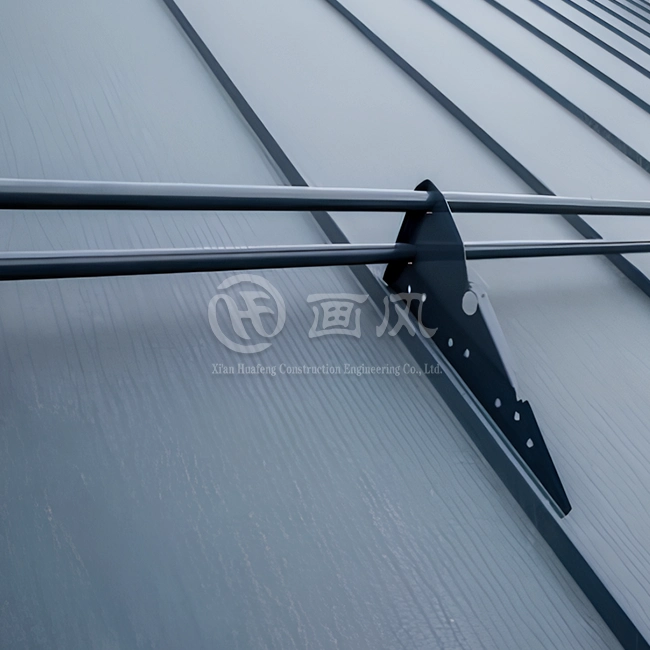
- Solar PV compatibility: S-5! type clamps and aluminum fixture clamps attach directly to the standing seam rib without roof penetrations, preserving the waterproofing warranty while supporting photovoltaic systems.
- Class A fire rating: Non-combustible metal panels meet the highest fire resistance classification, which is typically required by code for public assembly buildings.
Because of these benefits, high seam roofing is a better long-term investment than shingles or tiles, which need to be replaced more often and have shorter guarantee terms.
Another benefit that can be measured is "energy efficiency." PVDF-coated panels with RAL colors that reflect light lower the amount of heat that comes in from the sun, which makes commercial buildings cooler. Cool metal roofs have been shown by the U.S. Department of Energy to cut peak cooling needs in businesses by 10–15%. With a coating guarantee that lasts for 30 years and low upkeep needs, the lifetime economics are clear.
Maintenance Considerations
Every three to five years is usually enough time to check the condition of the coating and seams on a regular basis. There are no crumbs to wash off, no individual tiles to break, and no glue to break down like there is with shingles. A low-pressure rinse cleans the surface and gets rid of dirt without hurting the PVDF coating.
High Seam Metal Roofing Installation Process
Long-term efficiency and guarantee validity are directly linked to the quality of the installation. During the tender review process, procurement managers should know how to judge the qualifications of contractors.
Site Assessment and Structural Preparation
Before installing the panels, the structural engineer has to make sure that the purlin spacing and bending limits are right for the high seam metal roofing design that was given. For HF's 65-400/430/500 specifications, the seam height can be adjusted to fit different purlin spacings, which means that less secondary steel is needed. Before the fabrication process can start, thermal clip layout drawings must be finished. This is because the type of clip (fixed or sliding) depends on the length of the panel and the temperature range in the area.
Panel Fabrication and Placement
HF can roll panels on-site for projects that need continuous panel lengths. This gets rid of end-laps and lowers the risk of leaks on large roofs. Panels are put in order from eave to ridge, and each female leg gets a sealant strip applied by the factory before it is joined to the next male leg and machine-seamed. Checking the alignment of seams on a regular basis is important to stop the buildup of drift across wide roof bays.
Common Installation Challenges and Best Practices
The two most common problems in the field are seams that aren't lined up right and sealants that don't cover enough. Using certified seaming machines and trained crews who follow the manufacturer's installation manual can help with both of them. HF helps approved projects with expert advice and on-site support, which lowers the risk of having to redo work on time-sensitive contracts.
Comparing High Seam Metal Roofing with Other Roofing Solutions
To pick the best system, you need to compare performance, cost, and project type in a fair way.
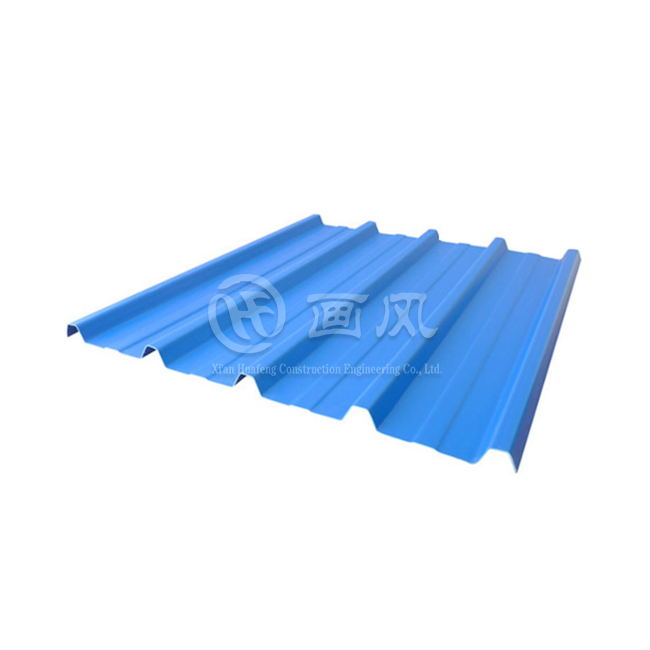
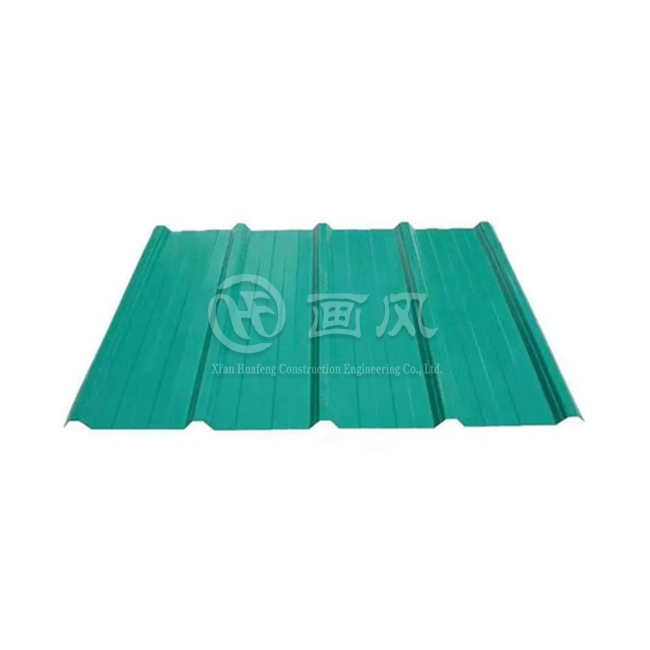
Corrugated metal sheets are cheap to buy, but they need steep slopes (at least 5 degrees), are easy for fastener corrosion to happen at screw penetration points, and don't last as long. Snap-lock standing seam works well on private slopes but doesn't have the wind uplift approval that big public buildings need. Shingles and tiles are the least expensive at first, but they need the most upkeep and repair over 40 years.
In comparison to corrugated or snap-lock profiles, high seam metal roofing has higher initial material costs. The system always has a lower cost per year of service, especially for projects that are meant to last 30 to 50 years. This is because it uses less structural steel, doesn't need to be replaced as often, saves energy with reflective coats, and doesn't need as much upkeep work.
Climate and Environment Suitability
Panels made of an aluminum-magnesium-manganese alloy and coated with PVDF are the standard for coastal and high-humidity areas. Galvalume AZ150 steel plates are a cheap option for industrial areas in the middle of the country with mild humidity. HF has products in both types of materials, and the thickness ranges from 0.5mm to 1.2mm.
Sourcing and Working with High Seam Metal Roofing Suppliers
Not all manufacturers can support large-span public building projects from specification through delivery. Here is what to verify before issuing a purchase order.
Certification and Testing Documentation
A credible supplier must provide ASTM E1592 wind uplift test reports specific to the panel width and clip spacing you are specifying. HF's PVDF-coated products carry SGS-verified AAMA 2605-22 certification, confirming 13 coating performance criteria including adhesion (5B rating), impact resistance, and color stability (ΔE < 5). The product also carries EU RoHS compliance documentation, which is required for projects exported to European-standard specifications.
Production Capacity and Lead Times
HF operates three factories with seven production lines and more than 40 machines, supporting a monthly supply capacity of 1,000 tons. Standard delivery time is 15 to 20 days from order confirmation. The minimum order quantity is 500 square meters or 1 metric ton. For large airport or stadium projects, early supplier engagement during the design phase allows material scheduling to align with construction milestones.
Customization and After-Sales Support
HF's panels are available in specifications 65-400, 65-430, and 65-500, with thickness from 0.5mm to 1.2mm and surface treatments of PVDF or PE. Colors are available across the full RAL range and custom Pantone references. The products meet ASTM, DIN, JIS, BS, and GB/T standards. A 30-year service life warranty is standard, and HF provides technical drawing support and installation guidance for qualified projects.
Conclusion
High seam metal roofing has been used for a long time on large public buildings that need to be resistant to wind, keep water out, and last a long time. The 65mm mechanical seam, hidden sliding clip design, and PVDF coating all work together to make this product perform better than lower-profile options. If procurement teams are working on airports, stadiums, or meeting centers, they need to know these basic technical terms in order to properly define and source materials. HF's product line includes the materials, specs, and licenses that are needed to help with projects from the bid stage to the installation stage.
FAQ
1. What is the minimum slope for this type of roofing?
Due to the 65mm rib height and 360-degree mechanical seam, installation is safe at slopes as low as 1.5% (approximately 1 degree). This exceeds the performance of snap-lock and corrugated profiles, which typically require 3 to 5 degrees to prevent back-water leaks.
2. How does the system handle thermal expansion on long roof spans?
Hidden sliding clips allow the metal sheet to move longitudinally during temperature cycling without fatiguing fasteners or buckling panels. This enables panel runs exceeding 100 meters — a common requirement on airport concourse roofs.
3. Can solar panels be mounted without penetrating the roof?
Yes. S-5! type clamps attach directly to the standing seam rib, providing a high-strength mount without any roof penetration. This preserves the waterproofing warranty and is compatible with most commercial PV systems.
4. What is the difference in lifespan between aluminum and Galvalume steel panels?
Aluminum alloy panels typically last 50 or more years in coastal environments due to inherent corrosion resistance. Galvalume steel panels offer 25 to 40 years depending on the exposure environment. Both are available in HF's product range.
5. What standards does HF's product comply with?
HF's high seam metal roofing meets ASTM, DIN, JIS, BS, and GB/T standards. Coatings are SGS-tested to AAMA 2605-22, and materials comply with EU RoHS Directive 2011/65/EU.
Partner with HF for Your Next High Seam Metal Roofing Project
HF (Xi'an Huafeng Construction Engineering Co., Ltd.) is a reliable company that makes high seam metal roofing. They have three plants, can offer 1,000 tons of metal every month, and have SGS-verified AAMA 2605-22 and EU RoHS approvals. We help with big public building projects from the planning stages all the way through delivery, with a 30-year promise and 15–20 day delivery times. For specs, samples, and project quotes, please email our expert team at huafeng@hfmetalroof.com.
References
1. Metal Construction Association. Metal Roofing Systems Design Manual. 2019.
2. American Institute of Steel Construction. Steel Construction Manual, 16th Edition. AISC, 2023.
3. ASTM International. ASTM E1592: Standard Test Method for Structural Performance of Sheet Metal Roof and Siding Systems. ASTM, 2021.
4. American Architectural Manufacturers Association. AAMA 2605-22: Voluntary Specification, Performance Requirements and Test Procedures for Superior Performing Organic Coatings on Aluminum Extrusions and Panels. AAMA, 2022.
5. U.S. Department of Energy, Oak Ridge National Laboratory. Roofing Research and Standards Development: Cool Roofs and Energy Performance. DOE, 2020.
6. Smith, R. E., and Roper, M. Building Envelope Design Guide: Metal Roof Systems. National Institute of Building Sciences, 2018.





YOU MAY LIKE