Snap Lock Standing Seam Roofing: The Complete Guide
2026-11-09 18:34:52
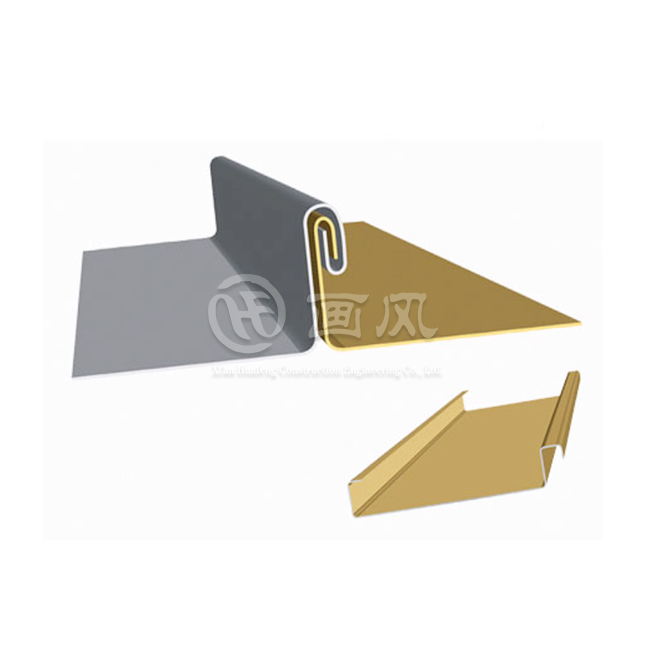
A snap lock standing seam roof is a concealed-fastener metal roofing system where panels interlock by pressing the male leg into the female leg — no seaming machine required on site. The hidden clip design lets each panel float freely, which protects against thermal expansion stress. Available in Galvalume steel, aluminum alloy, stainless steel, copper, and titanium zinc, this system suits residential, commercial, and industrial buildings. This guide covers everything a roofing contractor or distributor needs to know: how it works, how it compares, how to install it, and how to source it at the right spec.

Understanding Snap Lock Standing Seam Roofing
What the System Actually Is?
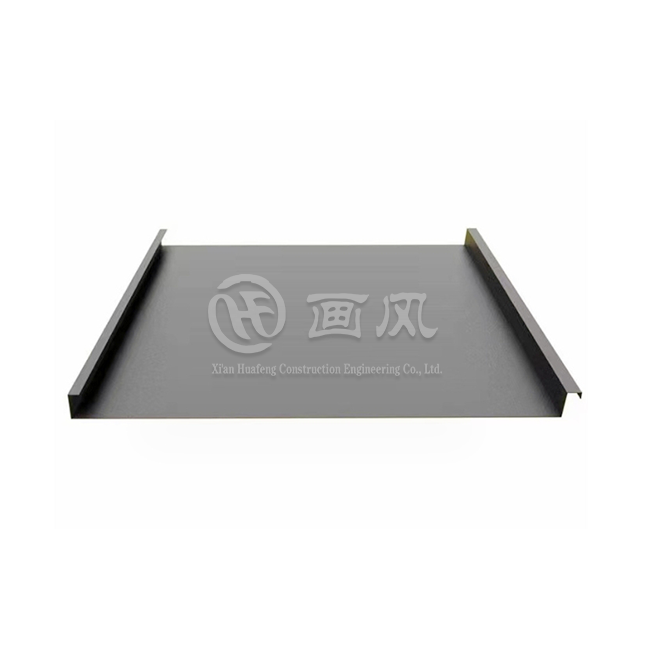
A snap lock metal roof panel has a raised vertical seam that connects to the next panel with a single downward press. The seam is usually 45 mm high. The hidden clip connects to the deck under the seam, so the panel face is never screwed through. This gets rid of the most common place where leaks happen in standard roofs with visible fasteners. It also lets the panel move with the temperature, which keeps the fasteners from wearing out over time.
Material Options and Their Impact
The overall cost changes a lot depending on the material you choose. Galvalume steel is made up of 55% aluminum, 43.4% zinc, and 1.6% silicon. It is two to six times more resistant to rust than regular galvanized steel, and it can last for 30 to 50 years in most conditions. At 2.7 g/cm³, aluminum alloy is lighter, doesn't need to be treated to handle salt spray, and can be recycled over and over again. This makes it the best choice for coastal areas. Grades 304 and 316L stainless steel work well in chemically exposed areas where durability is more important than cost.
Coating Performance: PVDF vs. PE
Surface finish has a direct effect on how long color stays true on snap lock standing seam roof panels. PVDF (Kynar 500/Hylar 5000) coatings keep their color for more than 20 years when they are exposed to UV light. The PVDF coating on HF's aluminum panels passed all 13 parts of the AAMA 2605-22 coating performance test given by SGS. These parts included a color-uniformity delta of ΔE = 0.3, 5B dry and wet bonding, and a 0T bend that didn't crack. PE coatings work well in mild climates and don't cost as much. When building in areas with strong UV rays, PVDF is the better long-term choice.
Comparing Snap Lock Standing Seam with Other Roofing Systems
Speed and Labor Cost
Snap lock panels stand out from the rest because they are easier to install than other options. Snap lock panels can be put up 30–50% faster than mechanical locks because there is no need for an on-site seaming machine. Crew members usually only need one day of basic training to be able to do their jobs well. To fold a 90° or 180° double lock on a mechanical lock panel, you need a powered seamer. This is slower, costs more to rent, and is harder to undo if a panel needs to be replaced.
Wind and Structural Load Ratings
Wind uplift resistance of snap lock panels with clip spacing at or below 1.5 m is 3.0 kN/m2, and wind speeds of up to 60 m/s (216 km/h) are not exceeded. In theory, mechanical lock double seams are better than snap lock at the highest wind load, but snap lock profiles have UL 580 Class 90 and ASTM E1592 structural performance ratings for most residential and commercial projects in North America, even in high-velocity hurricane zones when the clips are spaced correctly. Things that matter most are clip space and panel width.
Maintenance and Repair Access
Localized repairs are simple because snap lock panels can be partially removed without damaging the seam. To get the gap out of mechanical lock panels, you have to cut or grind them, which can damage the panels next to it. The snap lock design makes it possible to partially remove roof sections, which is useful for building owners or facilities managers who want to keep roof parts for a long time and save money on repairs.
Installation Process and Technical Considerations
Deck Preparation and Clip Layout
The deck surface can't move more than 6 mm (¼ inch) over 3 m (10 feet) before any panel is put down. Oil canning risk is directly controlled by how flat the substrate is. For private hills, clips should be spaced 300–600 mm apart, but they should be closer together in high-wind areas. This is what the engineering uplift report says should be done. Galvanic reaction at the clip–panel interface can't happen with non-corrosive fasteners made of stainless steel or zinc alloy.
Panel Engagement and Seam Verification
With one hard press along the seam, each piece snaps into place. Incomplete engagement is the most common installation mistake. This happens when the male leg only partly fits into the female leg, which lowers wind resistance at that point. Before adding trim or flashings to the roof, this is caught by walking along every seam after installation. If you use a waterproof underlayment and the slope is at least 1:12, which is about 4.8°, you should use a vapor-sealed mechanical lock system for slopes below 3:12.
Thermal Expansion Management
Aluminum snap lock standing seam roof panels expand at 23 × 10⁻⁶/°C, while steel panels expand at 12 × 10⁻⁶/°C. For panel runs longer than 12 m, slide clips must be used instead of set clips to allow for ±15 mm of movement. Because HF panels can be cut to any length up to 13 m, there are fewer side joints and overlap seals that need to be used on the final roof.
Maintenance, Durability, and Potential Problems
Expected Service Life and Warranty
If you install a snap lock metal roof properly, one made of Galvalume or aluminum with a PVDF finish should last between 40 and 60 years. You can get service on HF panels for 30 years. During the warranty period, the PVDF coating stops chalking and fading caused by UV light, and the aluminum alloy base passed EU RoHS testing through SGS with all 10 hazardous chemicals not being found or being below the allowed limits. This proves that the material is pure and doesn't harm the environment.
Common Problems and How to Prevent Them
Most callbacks on snap lock roofs are caused by three problems: water getting in through valley flashings, seams coming apart because they aren't fully engaged, and surface corrosion at cut edges. Here's what you can do about each one before it costs a lot:
- Water infiltration most often starts at valley flashings or penetration details, not at the seam itself. Specify continuous sealant in the female leg per ASTM E1646 and confirm flashing overlaps meet local code minimums.
- Seam separation is an installation defect, not a product failure. A post-installation seam audit during the dry-in stage catches incomplete engagement before weather exposure.
- Cut-edge corrosion on Galvalume steel panels can be prevented with touch-up paint at any factory-cut or field-cut edge, applied the same day as cutting.
If these three things are taken care of during installation, most guarantee claims on concealed-fastener metal roofs will not be needed.
Inspection Schedule
Every year, inspections should check to see if the clip fasteners are backing out, the condition of the sealant at the penetrations, and the coating surface for any micro-fractures at the seam bend radius. A trained installer only needs five minutes to walk every 100 m² to check the condition of the panels and mark any areas that need minor work.
Procurement and Decision-Making Guide for B2B Clients
Specification Checklist Before Ordering
Before placing an order for snap lock standing seam roof panels, procurement managers should make sure of five things: the panel thickness (0.5 to 1.2 mm range, with 0.7 mm aluminum or 0.6 mm Galvalume being sufficient for most residential uses); the seam height (45 mm standard); the effective panel width (300 to 600 mm); the custom panel length; and the color specification against RAL or project-specific color codes. Batch color consistency is a regular problem for projects that involve more than one building. To avoid noticeable batch differences upon delivery, ask for a PVDF color-match report with ΔE tolerance evidence.
Total Cost of Ownership vs. Upfront Price
A metal panel with hidden fasteners costs more to buy than a shape that screws down. But over 30 years, the fact that washers don't need to be replaced, coatings don't need to be re-coated as often, and repair work costs less make the lifecycle numbers clearly in favor of snap lock systems. When selling to people who are replacing old windows in their homes, it's easier to close the deal if you talk about the total cost of ownership instead of the cost per square foot of materials.
HF Product Specifications at a Glance
HF has 3 factories with more than 40 machines and 7 production lines that make snap lock standing seam panels. Values that are important for making purchases:
- Thickness range: 0.5–1.2 mm (steel and aluminum alloy options)
- Seam height: 45 mm standard
- Available materials: Aluminum alloy, Galvalume steel, stainless steel, copper, titanium zinc
- Finish options: PVDF or PE, full RAL color range with custom matching available
- Compliance standards: ASTM, DIN, JIS, BS, GB/T
- MOQ: 500 m² / 1 T
- Supply capacity: 1,000 T/month
- Lead time: 15–20 days from order confirmation
- Warranty: 30 years
Because of these numbers, HF is a good option for contractors who are working on multiple projects at once and need a steady supply without having to wait for long lead times.
Conclusion
Snap lock standing seam roof metal roofing has a well-documented mix of quick installation, long service life, and low upkeep that works well for both home and business projects in all temperature zones in North America. The floating clip design of the system solves the issue of temperature expansion that shortens the life of screw-down roofs. PVDF coatings protect color and surface structure for many years. When purchasing managers and roofing contractors look at different suppliers, the most important things to consider are the substrate type, the coating certification, the panel length tolerance, and the consistency of the colors across batches. All of these things should be checked before placing an order.
FAQ
1. What is the minimum slope for a snap lock metal roof?
The standard minimum is 3:12 pitch for most snap lock profiles. Below that threshold, standing water can work into the seam by capillary action. For slopes between 1:12 and 3:12, a waterproof underlayment is required and a mechanical lock system is generally a safer specification.
2. How does snap lock differ from mechanical lock standing seam?
Snap lock panels engage by pressing the male leg into the female leg — no seaming machine needed. Mechanical lock panels require a powered seamer to form a 90° or 180° fold. Mechanical lock provides marginally higher wind uplift at extreme loads; snap lock installs 30–50% faster and allows panel removal without destroying the seam.
3. Can batch color variation be controlled on large orders?
Yes, with the right documentation. Specify PVDF finish with a delta-E tolerance (ΔE ≤ 1.0 is a common project standard) and request a color-match test report for each production batch. HF's AAMA 2605-22 SGS test recorded ΔE = 0.3 for color uniformity, which confirms the coating process can hold tight color tolerances.
4. What is the realistic service life of a concealed-fastener metal roof?
Galvalume or aluminum substrates with PVDF finish typically last 40–60 years in most climates. HF provides a 30-year product warranty covering material and coating performance.
5. Does the panel comply with ASTM standards required in North America?
HF panels are produced to ASTM standards and the product line also carries DIN, JIS, BS, and GB/T compliance, covering most global project specifications.
Get a Quote for HF Snap Lock Standing Seam Roof Panels
HF gets snap lock standing seam roof panels from three companies that make 1,000 T per month, have a 15–20 day lead time, and offer a 30-year guarantee. Get in touch with the HF team right away if you are a roofing contractor looking for materials for a single job or a distributor looking for a reliable provider of snap lock standing seam roofs. Send your project details, including panel sizes, material, finish, and quantity, to huafeng@hfmetalroof.com.
References
1. Metal Construction Association. MCA Technical Bulletin: Standing Seam Roof Systems. Metal Construction Association, 2021.
2. National Roofing Contractors Association. The NRCA Roofing Manual: Metal Panel and SPF Roof Systems. NRCA, 2020.
3. American Architectural Manufacturers Association. AAMA 2605-22: Voluntary Specification, Performance Requirements and Test Procedures for Superior Performing Organic Coatings on Aluminum Extrusions and Panels. AAMA, 2022.
4. ASTM International. ASTM E1592: Standard Test Method for Structural Performance of Sheet Metal Roof and Siding Systems by Uniform Static Air Pressure Difference. ASTM International, 2022.
5. Oak Ridge National Laboratory. Measured Thermal Performance of Residential Metal Roofing Systems with and without Above-Sheathing Ventilation. U.S. Department of Energy, 2019.
6. Sherwin-Williams. PVDF Coatings for Architectural Metal: Performance and Durability Guide. Sherwin-Williams, 2023.





YOU MAY LIKE
_1769761215912.webp "Ventilation noise reduction net")