How to Choose a Reliable Flat Lock Metal Wall Sheets Supplier
2026-11-10 19:12:59
Choosing the right flat lock metal wall sheets supplier can make or break an architectural facade project. Whether you're a facade subcontractor sourcing panels for a museum commission or a procurement manager comparing quotes for a luxury commercial tower, the supplier you select directly affects surface consistency, installation accuracy, and long-term durability. This guide walks you through the key evaluation steps — from certifications and production capacity to sampling protocols and NDA protections — so you can source with confidence.

Understanding the Flat Lock Metal Wall Sheets Market
The global demand for metal facade cladding has grown steadily, with architectural zinc, copper, and aluminum panel systems leading specification lists across Europe and North America. Flat lock panels — characterized by their four-sided interlocking hem design — are now a standard reference in projects from cultural institutions to high-end retail.
What Makes Flat Lock Panels Distinct?
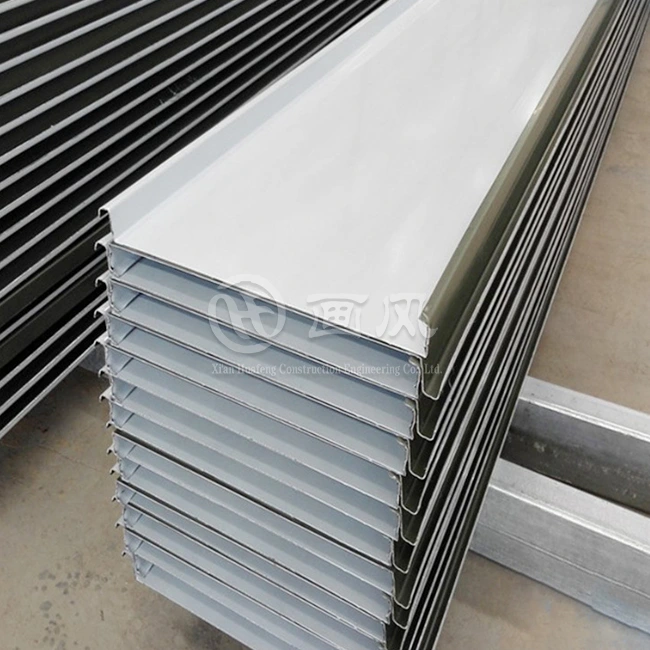
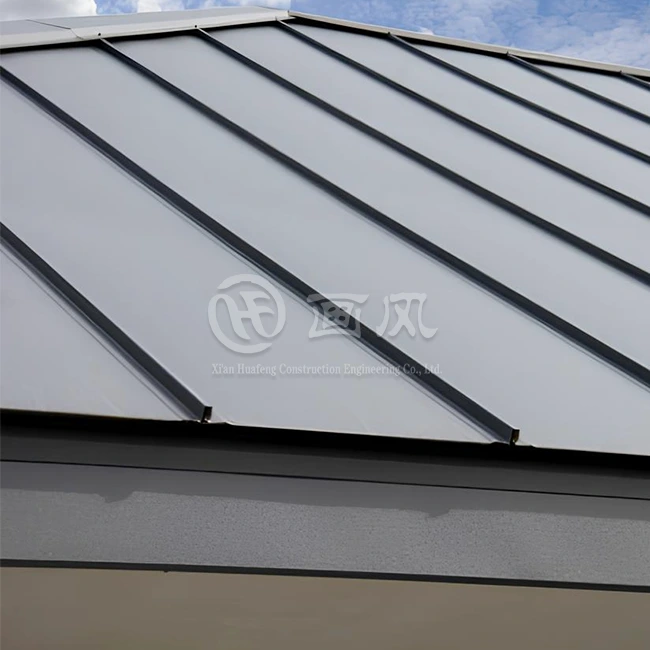
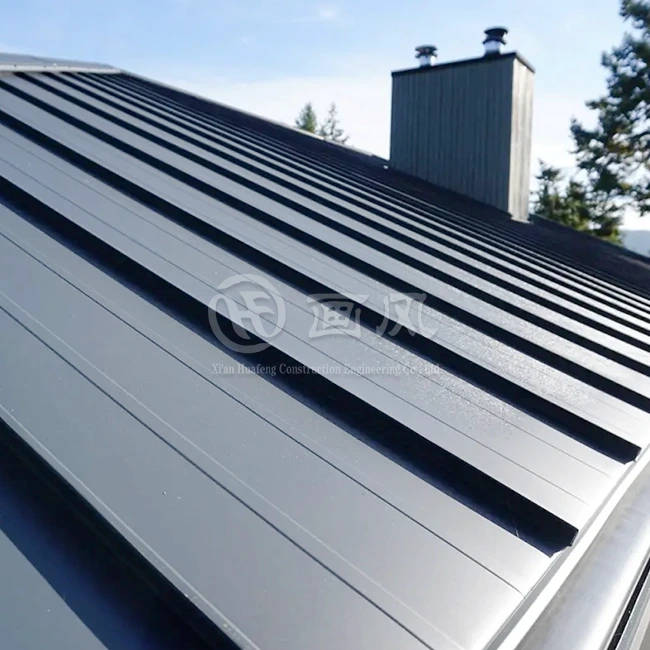
Unlike large composite panels, flat lock metal cladding uses smaller modular units (typically 300 mm × 300 mm to 600 mm × 3000 mm) that interlock flush on all four sides. This geometry reduces oil canning, manages thermal movement without sealant, and allows the system to follow convex and concave facades with precision. The result is a monolithic wall surface that ages gracefully whether in zinc, copper, aluminum, or stainless steel.
Common Materials and Their Performance Profiles
Material choice depends on the facade environment and the architect's visual intent. For flat lock metal wall sheets, titanium zinc develops a natural patina and carries a proven 80+ year track record in European architecture. Copper offers oxidation aesthetics with 100% recyclability. Aluminum — available in PVDF, anodized, or powder-coated finishes — suits projects requiring RAL color consistency. Stainless steel (grade 316L) is preferred for coastal or high-humidity exposures. Each material demands different fabrication tolerances, which directly influences which suppliers can realistically fulfill the spec.
Current Market Geography and Trends
Leading suppliers serving the European and North American high-end segment operate facilities in Germany, France, and China. Chinese manufacturers have expanded significantly into this space, combining competitive pricing with multi-standard compliance (ASTM, DIN, JIS, BS, GB/T). Architectural media like Dezeen and ArchDaily regularly feature facade projects that specify flat lock systems, and BAU Munich remains a primary sourcing event for facade subcontractors.
Key Criteria to Evaluate When Choosing a Supplier
Of course, not every business that sells flat lock siding can deliver at project grade. A skilled partner is different from a normal seller in the following ways.
Certifications and Compliance Documentation
Suppliers you can trust shouldn't just say they are compliant; they should also show you test reports from a third party that you can check. You should also make sure that the coating meets the standards set by ISO 9001 for quality management, SGS for performance against AAMA 2605 (which covers color accuracy, adhesion, chemical resistance, and flexibility), EU RoHS for limits on dangerous substances, and AS/NZS 1530.3 or a similar standard for fire testing. All European projects need to have paperwork that meets EN standards and a CE mark. Call the lab and ask for the real report number and name to check it yourself.
Production Capacity and Lead Time Transparency
That supplier has at least forty tools, seven production lines, and can make 1,000 tons of goods every month. They can handle both big orders and small amounts for projects. Make sure they can meet your MOQ; a lot of projects don't make the cutoffs. Delivery times of 15 to 20 days are possible when raw materials are kept in stock at more than one processing plant.
Technical Support and Drawing Collaboration
To meet the needs of a wall, it's common to need shop plans at the panel level, CNC cutting for curved surfaces, and to work with structure engineers. You can get more from a supplier than just raw materials if they protect your design files and mold tools with non-disclosure agreements (NDAs) and give you a technical team to work on drawing development.
Comparing Flat Lock Metal Wall Sheets Suppliers: What to Look For
There is an organized way to compare them across four aspects once you have a short list. This will help you find the best fit.
Product Range and Customization Depth
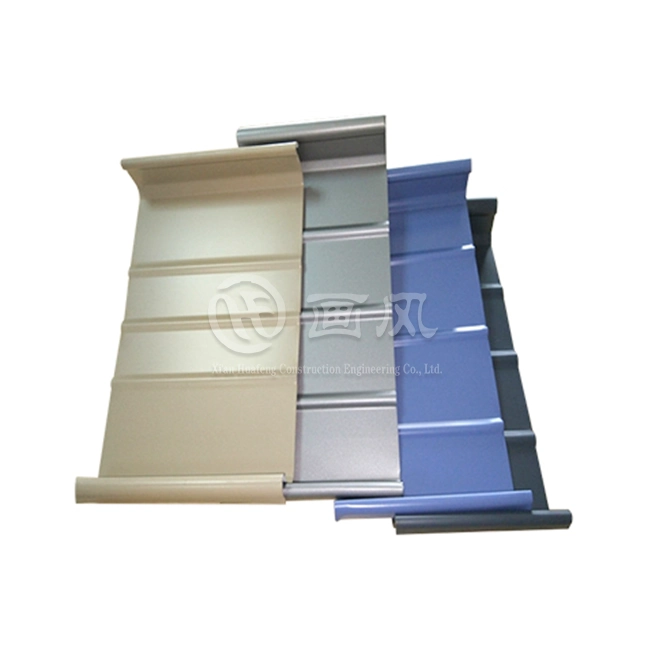
For flat lock metal wall sheets, strong suppliers offer many panel shapes, such as rectangle, rhombus, trapezoid, and hexagon. The thicknesses range from 0.4 mm to 1.0 mm, and the widths range from 100 mm to 400 mm. Also, you can get pieces made in any size you want. The surface should be able to be treated with anodizing, powder coating, PVDF fluorocarbon finish, and natural color. You can make your own colors and match RAL colors, so you don't have to stick to stock colors from a book.
Warranty Terms and Durability Guarantees
One that lasts 30 years is proof that the company that made the coating and base is sure of its quality. If you put ornamental zinc and metal in the right way, it should last fifty years. Check to see if the warranty only covers certain coats, such as PVDF vs. polyester, and if it covers things like chalking, fading, and losing its stickiness in certain ways.
Sustainability and Environmental Credentials
Clients are asking procurement teams to cut down on the amount of dangerous materials and recyclable content more and more. Meeting LEED, BREEAM, or DGNB project goals doesn't have to be hard if your suppliers offer EU RoHS-compliant metal and materials that can be used over and over again, like zinc, copper, and aluminum.
Procurement Process: Securing Your Flat Lock Metal Wall Sheets Efficiently
With a good procurement order, you can protect your project plan and budget from risks that you can avoid.
Verifying Supplier Credentials Before Commitment
Ask for paperwork that proves your patent, factory audit reports, and SGS test certificates that anyone can check. A seller with more than 20 filed patents for roofing systems and spaces to make things in more than one place is a lot safer than a selling company that doesn't have any places to make things. Verification on LinkedIn and going to trade shows like BAU Munich are also good signs that someone can be trusted.
Sample Orders and Pre-Production Approval
Get examples of the material, thickness, and finish you want before you place a full order. Use grazing light to look for oil canning on the panels, a gage to make sure the hem shape is right, and a color delta chart to match it to your RAL reference (¥E 1.0 is the architectural standard). If a supplier gets samples to you quickly (within a certain amount of time), it means they can start working on your project on time.
Negotiating MOQ Flexibility and Logistics Planning
When you buy things for a project, standard MOQ limits don't always work well. If your provider has a 500 m³/3T minimum order and lets you split batches up over the course of a job, you will save time and money on inventory. Before you start, make sure you know the incoterms, the rules for long-distance freight packing, and the rules for ports of entry so that your plan doesn't get thrown off.
Case Studies: Successful Partnerships with Flat Lock Suppliers
Real project outcomes demonstrate what a capable supplier relationship looks like in practice.
Museum-Grade Facade on a Tight Specification
The Whitney Museum in New York used pre-weathered zinc flat lock metal wall sheets as an exterior rain screen. The project required angled panel configurations for dynamic shadow play and 100% recyclable material to meet sustainability targets. This type of commission demands a supplier with both material expertise and fabrication precision — not a stock panel distributor.
Apple Store Facade: Precision at Global Scale
Apple's global store rollout specified anodized aluminum flat lock systems with hidden fastener clips for a clean, joint-free visual. Delivering color and surface consistency across multiple international sites required a supplier with tight dimensional tolerances (±1 mm) and a stable anodizing process. This level of repeatability comes from documented quality control, not luck.
Long-Term OEM Partnership Value
Facade subcontractors who establish ongoing supplier relationships — including joint drawing development, reserved production capacity, and mold ownership — consistently achieve better pricing, faster turnaround on repeat orders, and fewer site-level installation surprises. The upfront investment in supplier qualification pays back across multiple project cycles.
Conclusion
The flat lock metal wall sheets provider you choose will have an impact on every part of your project, both in terms of business and style. It is important to make sure that the provider has valid licenses, a history of giving high levels of customization, fair guarantee terms, and a normal way for people to work together on models. Lowest unit price doesn't always mean lowest total project cost if work needs to be redone because of surface flaws or supplies that are late. You can be sure that your facade projects will always meet the standards that builders set and customers expect if you work with suppliers who have a history of doing good work.
FAQ
1. What certifications should I verify before approving a flat lock panel supplier?
Check that the company has at least ISO 9001 quality management, that the coating performance has been tested by SGS (AAMA 2605 or an equal), that it is compliant with EU RoHS rules, and that it has fire resistance test results from third-party labs that have been accepted by the company. You must also show that you follow the EN rule if you want to work in Europe.
2. What is a realistic lead time for a project-scale order of metal facade panels?
Most of the time, it takes 15 to 20 days for a manufacturer with in-house raw material stock and several busy production lines to make your order after you send them approved drawings and material specs. If you want different forms or finishes, it could take longer.
3. How does aluminum compare to zinc for exterior wall cladding?
Aluminum is lighter, comes in more colors (RAL and custom), and doesn't rust because it has a PVDF coating on it. Zinc gets a natural patina over time and doesn't need any finishing work. It's the best choice for projects that need to look old because of this. If put in the right place, both materials should last more than 50 years.
4. Is a no-sealant installation system appropriate for all climates?
Instead of sealant, the rainscreen principle is used to handle water in flat lock systems. This will work in most places as long as you use the right slippery matting. If you live somewhere that gets a lot of rain, talk to the expert team at your provider about the underlayment and drainage specifics.
5. What does MOQ flexibility mean for smaller facade projects?
If a seller makes you buy at least 500 m² (3T), they can handle different batch sizes for your project without making you buy more than you need. This is very important for repair projects or recognizable fronts picked by architects, where the amount needed is decided by the design and not by how simple it is to make.
Partner with HF for Your Next Flat Lock Metal Wall Panels Project
There is a company in Xi'an called HF that serves as a flat lock metal wall sheets supplier, making flat lock metal wall panels from titanium zinc, copper, aluminum, and stainless steel. The company has more than 40 machines and 7 production lines. Each month, they can produce 1,000 tons of metal wall panels. HF backs its products with a 30-year warranty and ensures they meet ASTM, DIN, JIS, BS, and GB/T standards. We also use finishes that are approved by SGS and offer NDA-protected project-level drawing help. You can get samples or talk about your needs by emailing huafeng@hfmetalroof.com.
References
1. Architectural Record — "Metal Cladding Systems in Contemporary Facade Design," 2023.
2. Construction Specifier — "Understanding Flat Lock and Standing Seam Metal Wall Systems," 2022.
3. AAMA (American Architectural Manufacturers Association) — "AAMA 2605-22: Voluntary Specification for High Performance Organic Coatings," 2022.
4. Metal Construction News — "Procurement Best Practices for Architectural Metal Panels," 2023.
5. Building Design + Construction — "Material Selection Guide: Zinc, Copper, and Aluminum in Facade Applications," 2022.
6. Journal of Facade Engineering — "Thermal Movement and Fixation Performance of Interlocking Metal Cladding Systems," 2021.





YOU MAY LIKE